Advanced cnc filament winding Solutions for Argentina's Industrial Water Treatment

Providing high-performance corrosion-resistant equipment and precision engineering for South America's most demanding chemical and environmental sectors.

Advanced cnc filament winding Solutions for Argentina's Industrial Water Treatment

Our integrated approach combines precision winding technology with robust chemical storage and furnace components to optimize water pollution prevention and industrial acid management across Argentina.

Industrial Environmental Landscape in Argentina

Analyzing the intersection of chemical processing and water protection in the Argentine market.

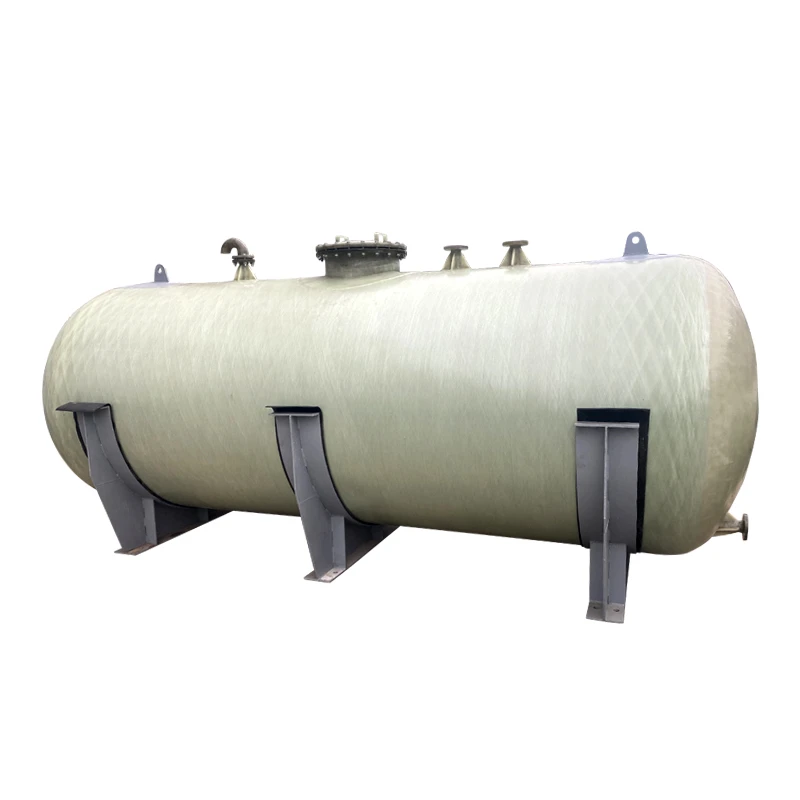
Argentina's industrial sector, particularly in the Pampas and coastal regions, faces significant challenges in managing aggressive chemical effluents. The prevalence of lithium mining and agricultural processing has increased the demand for specialized sulphuric acid storage tanks to handle corrosive by-products without environmental leakage.

Local water pollution prevention efforts are often hindered by the rapid degradation of traditional steel equipment. The humid climates of certain provinces accelerate oxidation, necessitating a shift toward composite materials produced via high-precision cnc filament winding to ensure long-term structural integrity.

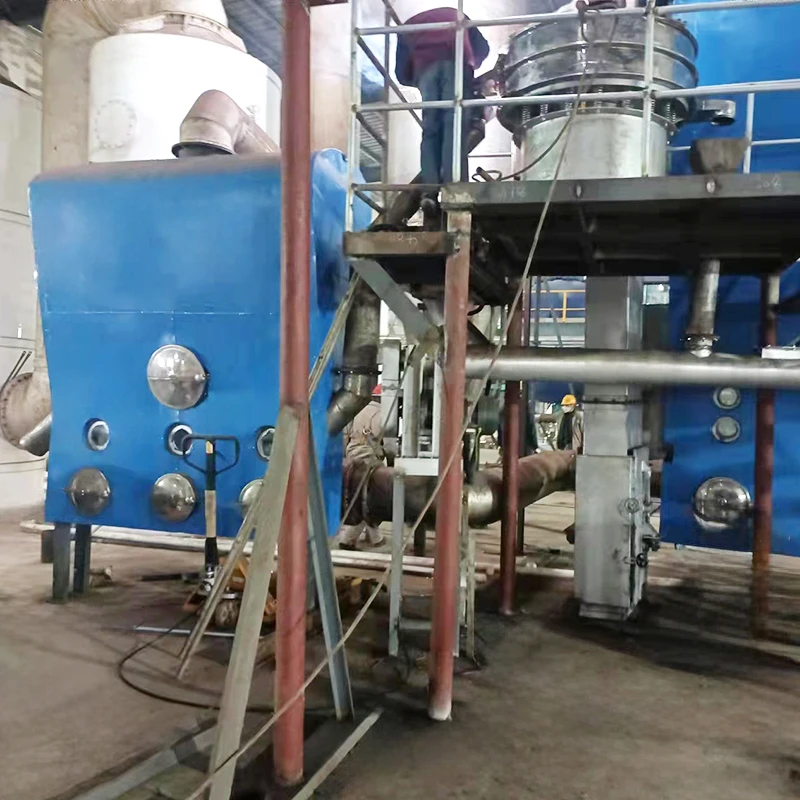
Furthermore, the integration of heavy-duty components like rake teeth in wastewater sludge removal systems has become critical for the municipal plants in Buenos Aires, where high-volume processing requires extreme abrasion resistance.
Evolution of Water Treatment Engineering

From manual fabrication to automated precision manufacturing.

Market Development History

In the late 20th century, Argentina relied heavily on imported lined steel tanks. These early systems were prone to lining failure, leading to frequent leaks and environmental contamination in industrial zones.

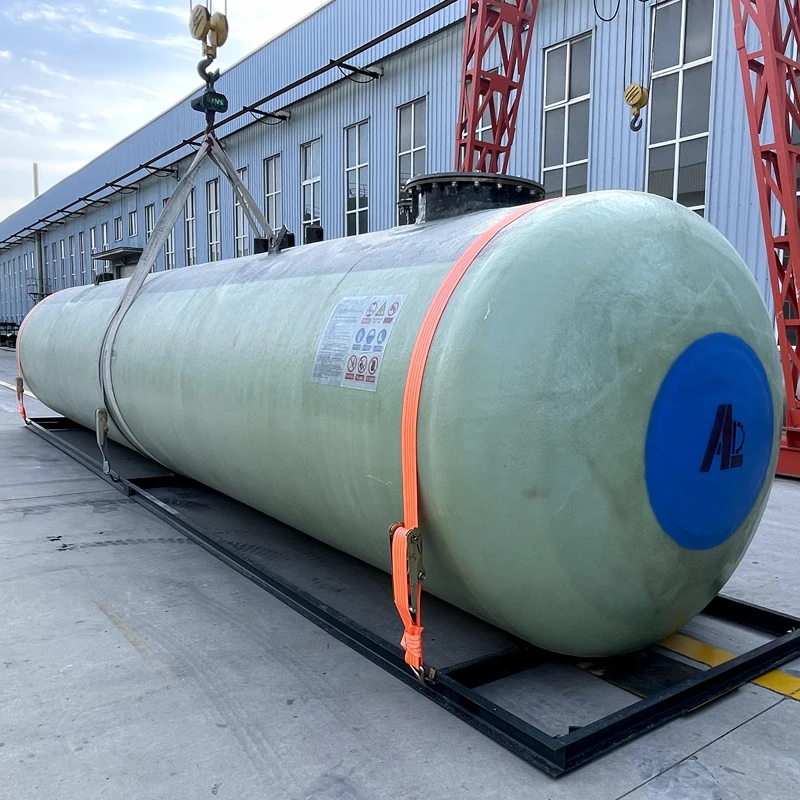
By the 2010s, the transition toward FRP (Fiber Reinforced Polymer) began. The introduction of specialized sulfuric acid storage containers allowed plants to store aggressive reagents with significantly lower risk of catastrophic failure.

Recently, the adoption of the mannheim furnace principle in thermal processing of waste has optimized the energy efficiency of industrial pollution control systems across the region.

Future Development Trends

Smart Composite Integration

Moving toward IoT-enabled tanks that monitor wall thickness and chemical penetration in real-time.

Advanced Polymer Alloys

Developing hybrid resins for filament winding to withstand extreme temperature fluctuations in the Andean regions.

Automated Sludge Management

Implementing AI-driven rake systems with self-healing alloy teeth to minimize maintenance downtime.

Industry Outlook and Technical Projection

Predicting the trajectory of environmental equipment in South America.

Zero-Leakage Mandates
Increasingly strict Argentinian environmental laws are forcing a migration to certified double-walled composite storage.
Modularization
The shift toward prefabricated, skid-mounted water treatment units to reduce on-site installation time in remote provinces.
Carbon Reduction
Integrating low-emission thermal systems to replace old boilers in the chemical processing chain.
Material Hybridization
Combining FRP with advanced ceramic liners for the most aggressive sulfuric acid environments.

Industry Outlook

Based on search trends and regional industrial growth, we expect a 15% annual increase in the demand for high-precision composite equipment in Argentina. The focus is shifting from mere "containment" to "lifecycle management," where durability and ease of recycling are paramount.

The future lies in the synergy between automated manufacturing and environmental stewardship, ensuring that the growth of Argentina's manufacturing base does not come at the cost of its vital water resources.

Local Application Scenarios in Argentina

Real-world implementations of water pollution prevention technology.

01. Lithium Extraction Brine Management

Deploying large-scale sulphuric acid storage tanks in the "Lithium Triangle" to safely store reagents used in salt lake brine processing.

02. Municipal Wastewater Plants (Buenos Aires)

Installing high-strength rake teeth in primary sedimentation tanks to handle the heavy organic load of metropolitan sewage.

03. Industrial Chemical Parks (Rosario)

Utilizing cnc filament winding to create custom-sized piping and vessels for aggressive acid transport between factories.

04. Agricultural Fertilizer Production

Implementing sulfuric acid storage containers for the safe handling of phosphoric acid precursors in fertilizer blending plants.

05. Thermal Waste Treatment Facilities

Integrating mannheim furnace technology for the controlled incineration of hazardous liquid waste from chemical labs.

Brand Story

Global Development History of Hebei Aoliande Chemical Equipment Co., Ltd.

Founding Vision

Established with a mission to eliminate chemical leakages in industrial water treatment through material science innovation.

Technical Breakthrough

Pioneered the integration of automated winding processes to replace manual layup, increasing tank strength by 40%.

Global Expansion

Expanded operations into South America, tailoring composite designs to meet the unique climate and soil conditions of Argentina.

Certification Excellence

Achieved international standards for chemical storage, becoming a trusted partner for Fortune 500 chemical firms.

Sustainability Leadership

Currently leading the shift toward recyclable resins in FRP manufacturing to support a circular economy.

Comprehensive Water Pollution Control Portfolio for Argentina

A full suite of equipment designed for the Argentine chemical and environmental landscape.

Frequently Asked Questions for the Argentine Market

Technical guidance and support for local industrial operators.

How do I choose the right sulfuric acid storage containers for cold climates in Patagonia?

For cold regions, we use specific resin formulations in our containers that maintain flexibility and impact resistance at low temperatures, preventing brittle fractures.

What is the lifespan of cnc filament winding tanks compared to lined steel?

Our FRP tanks typically last 20-30 years without the need for relining, whereas lined steel often requires significant maintenance every 5-10 years.

Can your rake teeth be customized for high-salinity wastewater?

Yes, we offer specialized alloy coatings and corrosion-resistant materials specifically for brine-heavy wastewater found in lithium mining processes.

Are your sulphuric acid storage tanks compliant with Argentine safety regulations?

All our tanks are manufactured to meet or exceed international ASTM and ASME standards, which are generally accepted and respected by Argentinian regulators.

How does a mannheim furnace improve efficiency in pollution control?

The Mannheim principle allows for superior heat recovery and precise temperature control, reducing the fuel required for chemical waste incineration.

What maintenance is required for filament wound piping systems?

Maintenance is minimal; we recommend annual visual inspections and periodic ultrasound thickness testing to ensure zero-leakage performance.

Ready to Upgrade Your Infrastructure?

Our experts are ready to provide customized engineering consultations for your projects in Argentina.

Contact Us Now

If you are interested in our products, you can choose to leave your information here, and we will be in touch with you shortly.