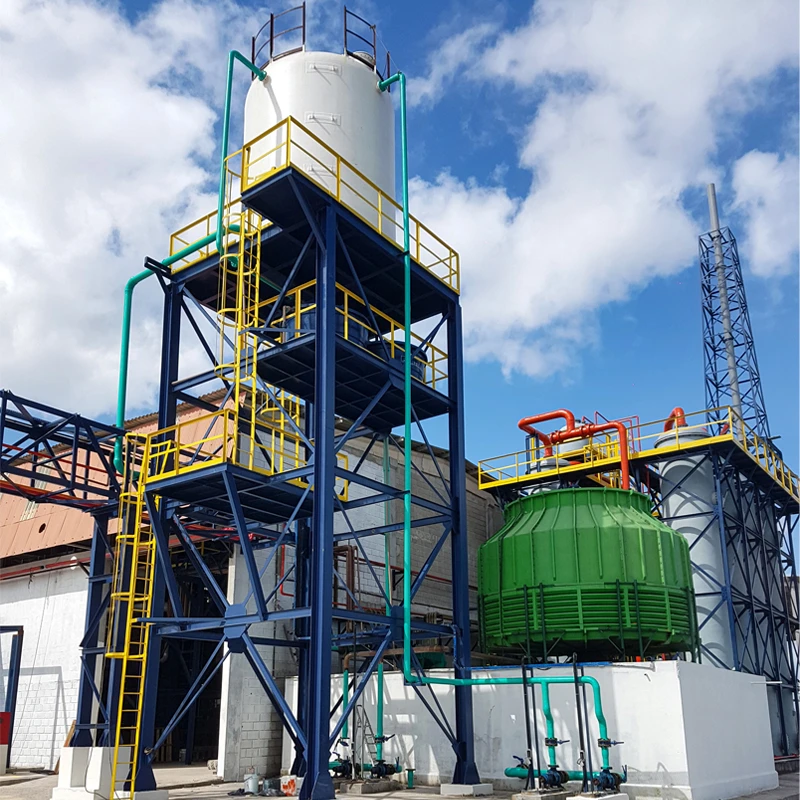
Advanced cnc filament winding Solutions for German Industrial Water Treatment

Precision-engineered environmental protection equipment tailored for the stringent technical standards of the German manufacturing sector.

Advanced cnc filament winding Solutions for German Industrial Water Treatment

Integrating high-performance composite manufacturing with environmental engineering to provide durable water pollution prevention equipment for Germany's industrial hubs.

The Landscape of Water Pollution Control in Germany

Analyzing the synergy between German industrial precision and ecological mandates.

Germany's industrial heartlands, particularly in regions like North Rhine-Westphalia and Baden-Württemberg, face immense pressure to balance high-output chemical manufacturing with strict EU water protection directives. The reliance on high-grade sulphuric acid storage tanks is critical here, as the chemical industry requires zero-leakage tolerance to prevent groundwater contamination.

Environmental regulations in Germany have evolved to mandate not just treatment, but the absolute containment of hazardous materials. This has led to a surge in demand for specialized sulfuric acid storage containers that can withstand extreme corrosion while meeting DIN standards for structural safety and longevity.

Furthermore, the maintenance of heavy-duty water treatment plants requires high-wear components. The frequent replacement of rake teeth in sediment removal systems highlights the need for materials that can withstand the abrasive nature of industrial sludge common in German urban wastewater facilities.
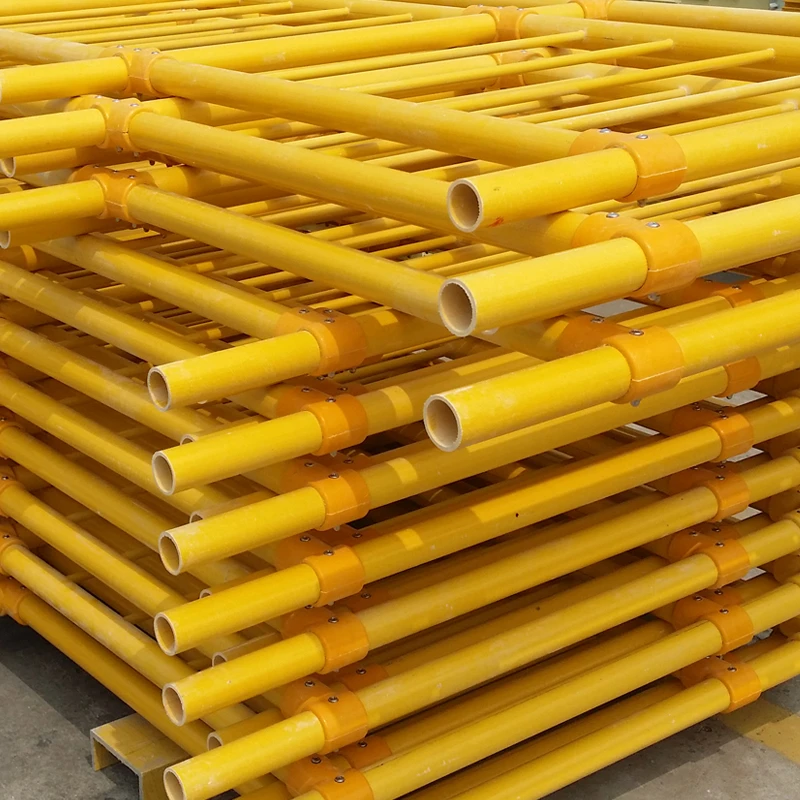
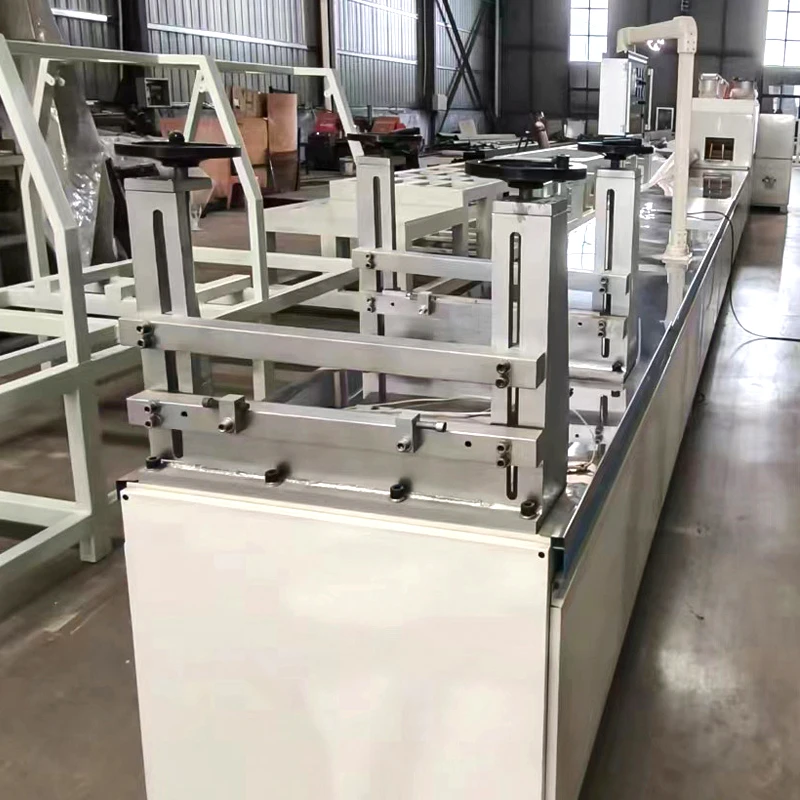
Evolution of Water Treatment Infrastructure

From traditional metallurgy to advanced composite engineering.

Market Development History

In the early 20th century, German water treatment relied heavily on concrete and basic steel structures. By the 1970s, the introduction of the mannheim furnace technology and improved smelting allowed for better alloyed metals, but corrosion remained a persistent failure point in acid handling.

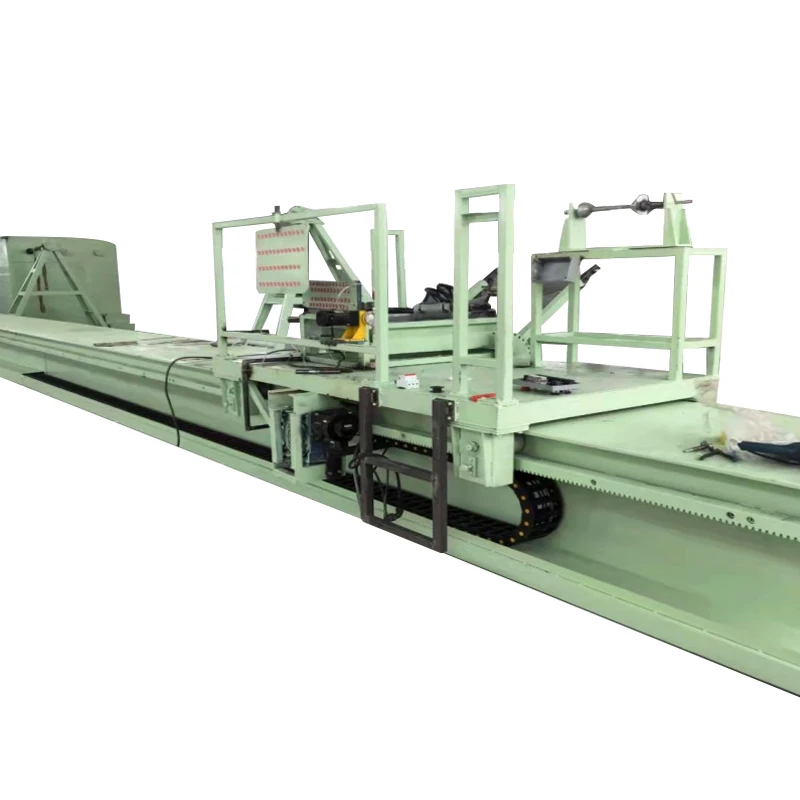
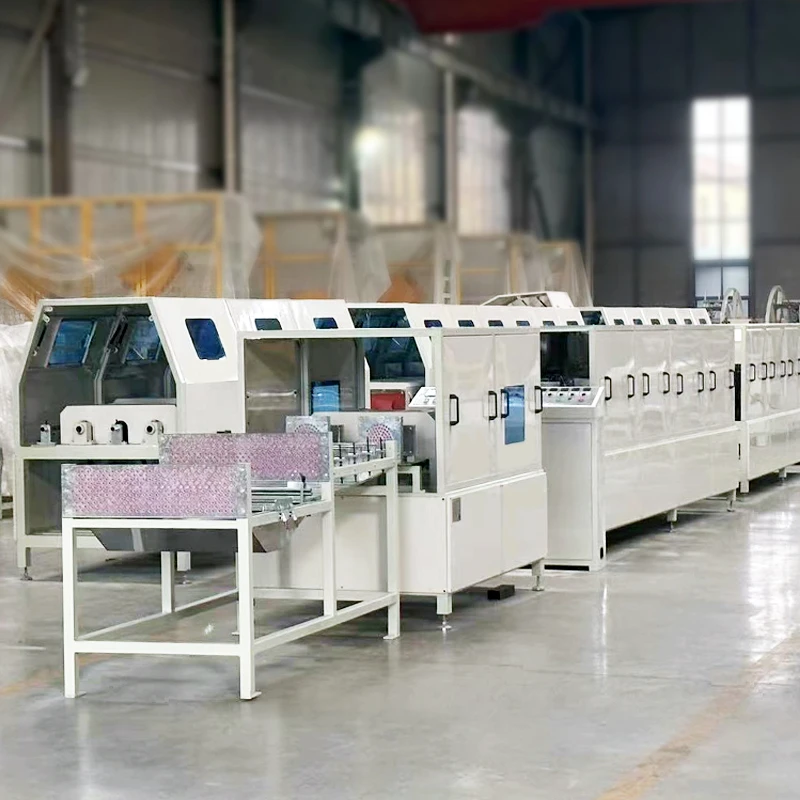
The 1990s marked a transition toward polymer-reinforced materials. The industry shifted from manual hand-layup processes to early mechanized winding, significantly reducing the wall thickness of storage vessels while increasing their burst pressure and chemical resistance.

Entering the 2010s, the integration of Digital Twin technology and CNC precision redefined the field. The shift to automated winding ensured that every tank produced had a mathematically optimized fiber orientation, eliminating human error in safety-critical components.

Future Development Trends

Smart Composite Monitoring

Integration of IoT sensors within the layers of filament-wound tanks to provide real-time structural health monitoring and leak detection.

Bio-Resin Integration

Moving toward sustainable, bio-based resins to reduce the carbon footprint of the manufacturing process, aligning with Germany's "Green Deal" goals.

Hyper-Precision Automation

Further refinement of robotic winding paths to create complex geometries that optimize fluid dynamics in pollution control equipment.

Industry Trends and Future Outlook

Strategic foresight for water pollution prevention technology.

Carbon Neutral Manufacturing
Reducing the energy intensity of the winding process to meet EU emission targets.
Advanced Material Hybrids
Combining carbon fiber and glass fiber for ultra-high pressure storage vessels.
AI-Driven Design
Using generative design to minimize material waste while maximizing corrosion resistance.
Modular Scalability
Standardized composite modules for rapid deployment in emergency spill containment.

Industry Outlook

The trajectory of the German environmental equipment market is moving decisively toward the "Industry 4.0" paradigm. We expect a convergence of material science and data analytics, where the equipment not only contains pollutants but reports its own degradation levels to central maintenance systems.

As Germany accelerates its energy transition (Energiewende), the need for high-performance storage for chemicals used in green hydrogen and battery production will drive a new wave of innovation in composite winding technologies.

Localized Application Scenarios in Germany

Real-world deployments of water pollution control equipment across German industrial clusters.

01. Chemical Parks in Ludwigshafen

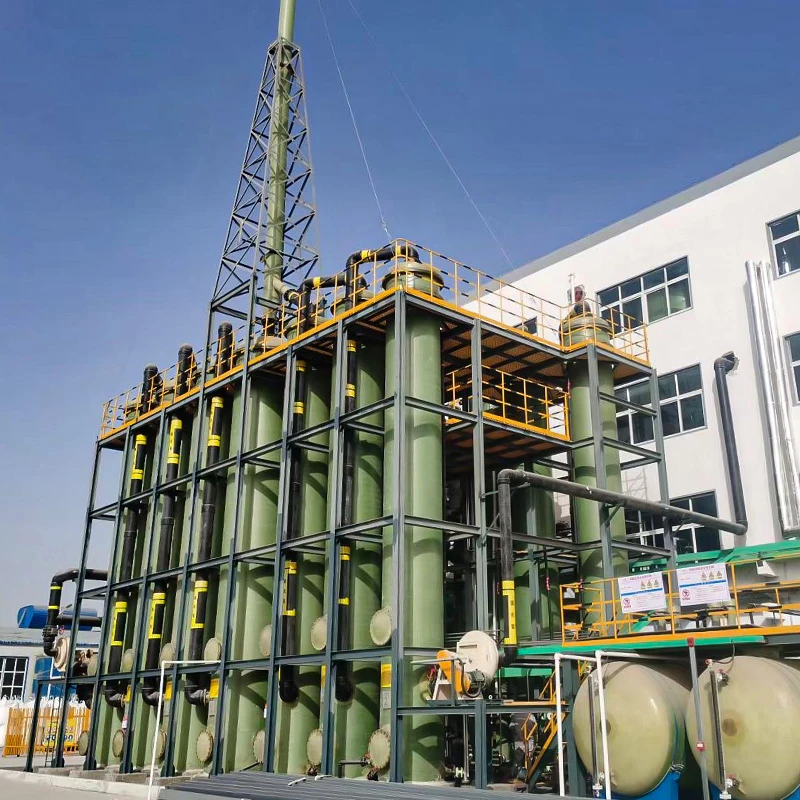
Deployment of high-capacity sulphuric acid storage tanks designed for extreme chemical loads, ensuring absolute containment in high-density industrial zones.

02. Rhine River Wastewater Facilities

Utilization of wear-resistant rake teeth in large-scale grit removal systems to handle the heavy sediment loads of the Rhine basin.

03. Munich High-Tech Labs

Installation of specialized sulfuric acid storage containers for precise reagent handling in pharmaceutical and biotech research centers.

04. Ruhr Valley Steel Mills

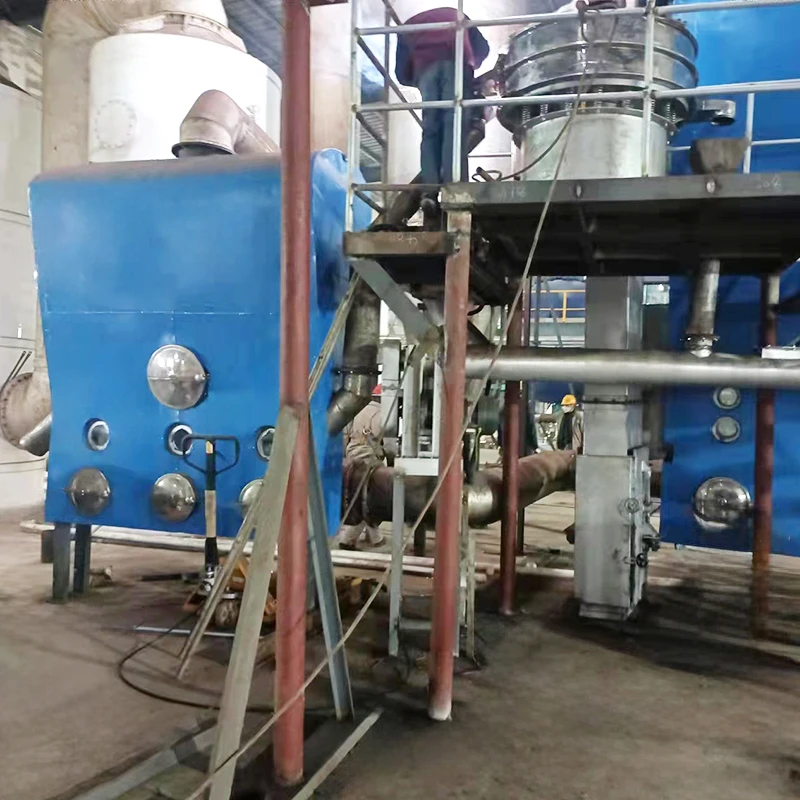
Integrating components processed via mannheim furnace alloys and composite linings to resist the aggressive byproduct gases of smelting.

05. Berlin Urban Water Management

Implementing cnc filament winding produced pressure vessels for decentralized water purification systems in urban developments.

Brand Story

Global Development Journey of Hebei Aoliande Chemical Equipment Co., Ltd.

Foundational Engineering

Established with a mission to solve the most critical corrosion challenges in the chemical industry through superior material science.

Technological Pivot

Investing heavily in automated winding technology to transition from manual labor to precision CNC engineering.

European Expansion

Adapting our manufacturing standards to meet the rigorous DIN and ISO certifications required for the German market.

Sustainability Leadership

Developing a new generation of recyclable composite tanks to help our clients achieve zero-waste objectives.

Global Authority

Recognized as a leading provider of high-performance water pollution prevention equipment across Europe and Asia.

Complete Water Treatment Equipment Portfolio for Germany

A comprehensive suite of corrosion-resistant and high-precision components for industrial applications.

Frequently Asked Questions - Germany Market

Expert answers to technical queries regarding environmental equipment.

How do your sulphuric acid storage tanks meet German safety regulations?

Our tanks are engineered to meet strict EU standards, utilizing precision winding and high-grade resins that ensure zero permeability and high structural integrity under pressure.

What is the lifespan of composite rake teeth in abrasive industrial environments?

Depending on the sludge composition, our reinforced composite rake teeth typically last 3-5 times longer than traditional steel alternatives due to their superior wear resistance.

Can cnc filament winding be used for custom-shaped storage containers?

Yes, our advanced CNC systems allow for precise control over the winding angle and pattern, enabling the creation of custom geometries optimized for specific space constraints.

Are sulfuric acid storage containers safe for transport across EU borders?

Our containers are built to ADR standards for the transport of dangerous goods, ensuring safety and compliance during logistics within Germany and neighboring countries.

How does the mannheim furnace process influence the quality of alloyed components?

The precise temperature control of the process ensures a homogeneous distribution of alloying elements, resulting in components with exceptional resistance to chemical pitting.

What maintenance is required for filament-wound water treatment vessels?

Composite vessels require significantly less maintenance than steel; periodic visual inspections and ultrasonic thickness testing are usually sufficient to ensure long-term safety.

Consult Our German Engineering Experts

Ready to upgrade your industrial water pollution prevention systems in Germany? Contact us for a technical audit and custom equipment design.

Contact Us Now

If you are interested in our products, you can choose to leave your information here, and we will be in touch with you shortly.