Japan's water pollution prevention industry is characterized by an extreme commitment to "Zero Emission" goals. Due to the archipelago's limited landmass and high population density, the demand for compact yet highly efficient sulphuric acid storage tanks is critical for safe chemical handling in urban industrial zones.
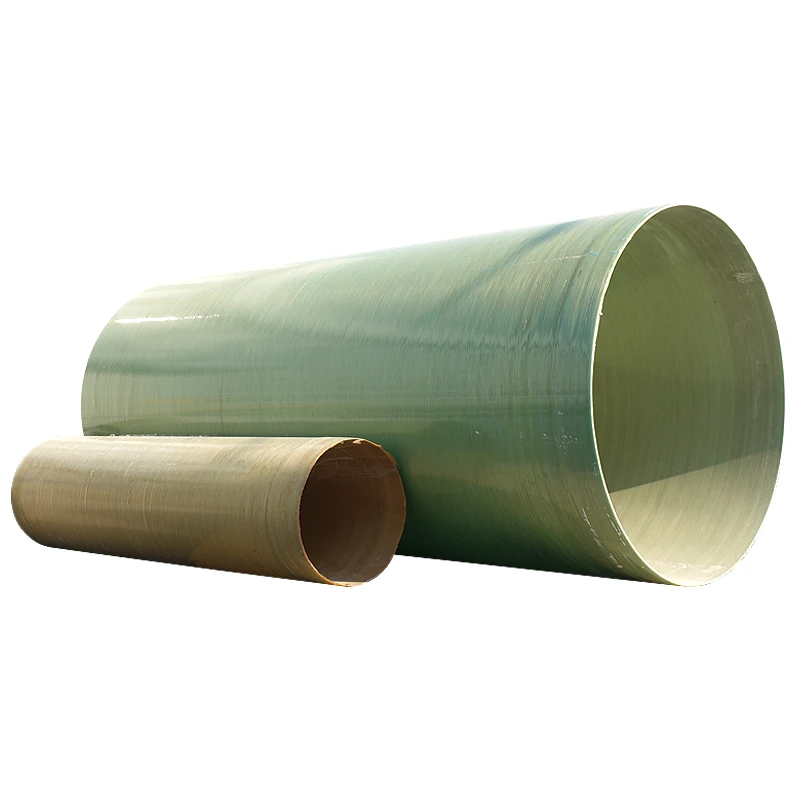
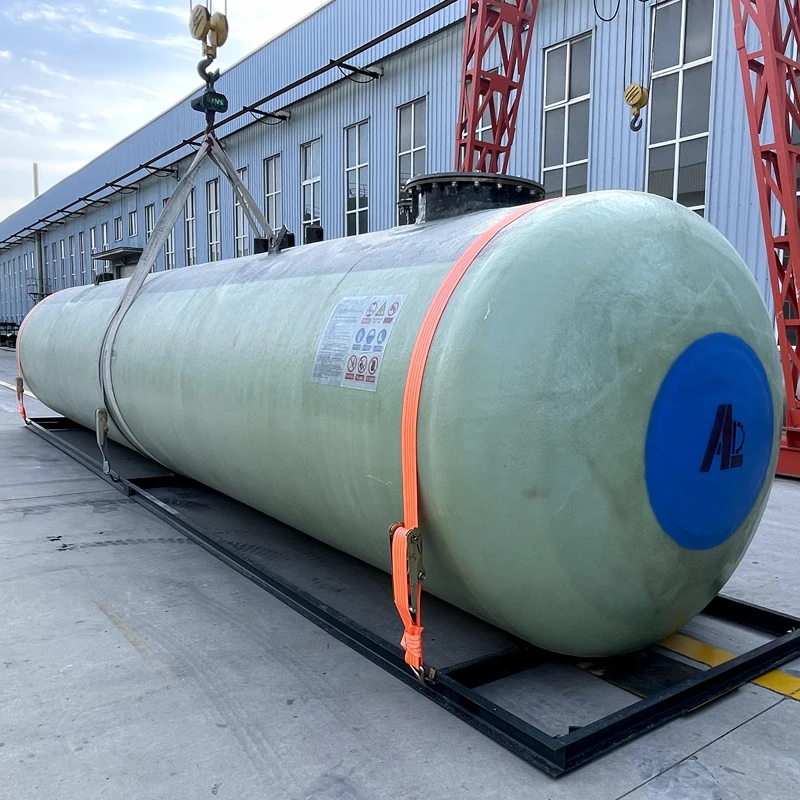
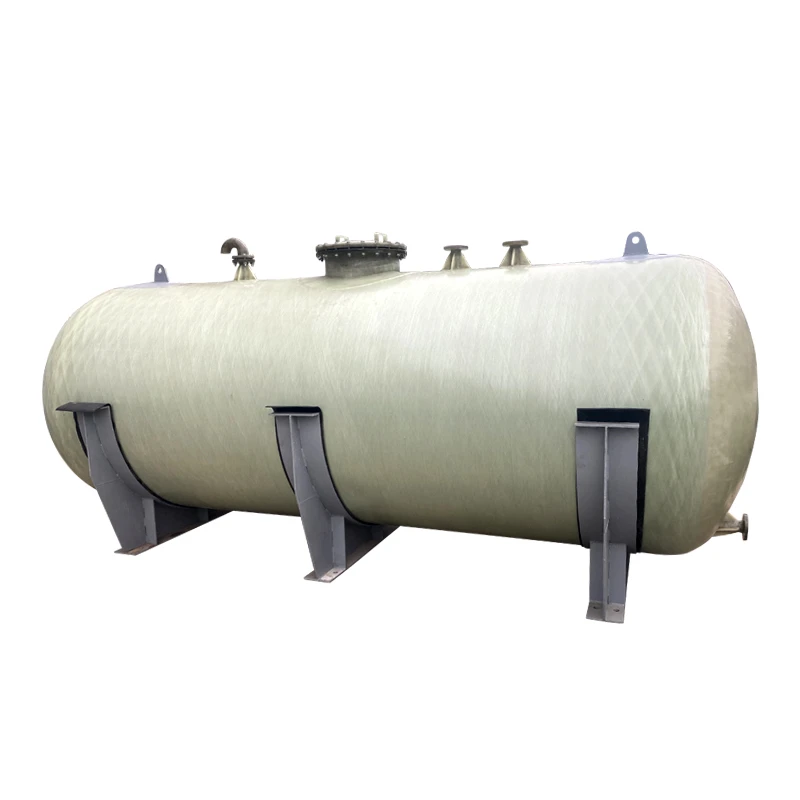
The regional climate, marked by high humidity and coastal salt spray, accelerates the corrosion of traditional metallic equipment. This has led to a rapid shift toward FRP (Fiber Reinforced Polymer) technology, where sulfuric acid storage containers are preferred for their superior chemical inertness and longevity.
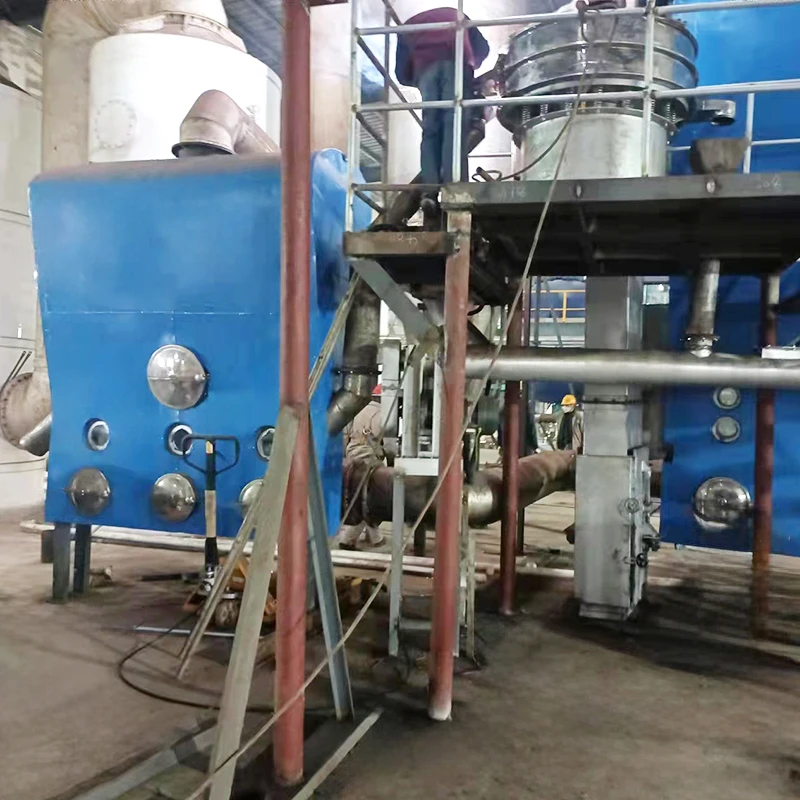
Furthermore, the Japanese market demands extreme precision. Whether it is the structural integrity of a mannheim furnace used in specialized processing or the wear resistance of rake teeth in wastewater sludge scrapers, "Monozukuri" (the art of making things) dictates a zero-tolerance policy for equipment failure.