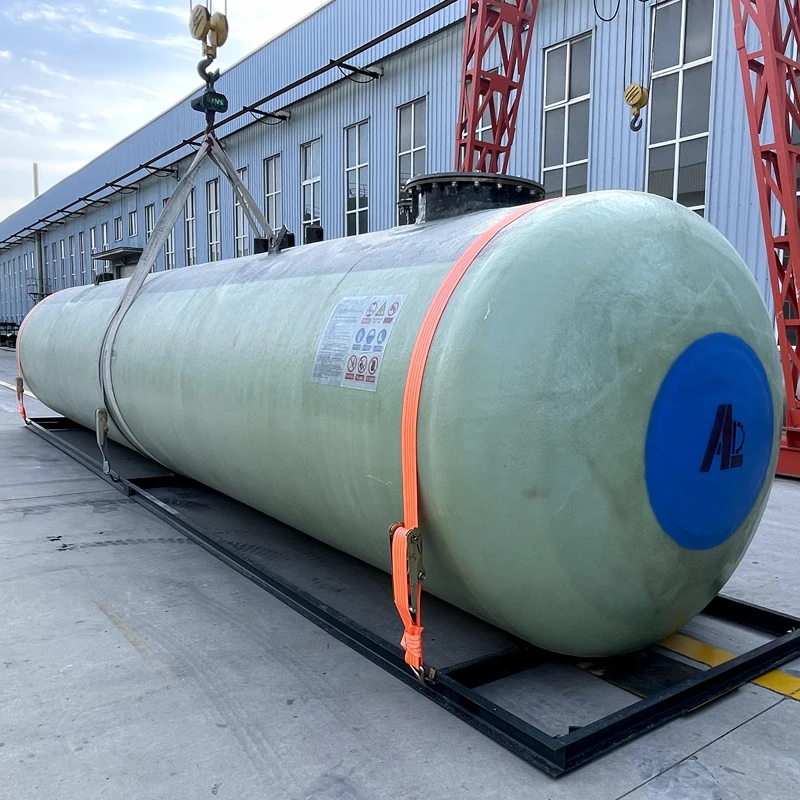
Advanced cnc filament winding Solutions for New Zealand Industrial Water Treatment

Integrating precision engineering and sustainable materials to optimize water pollution control and chemical storage across Oceania's diverse industrial landscape.

Advanced cnc filament winding Solutions for New Zealand Industrial Water Treatment

Our integrated approach to water pollution control combines state-of-the-art manufacturing with high-durability components to ensure environmental compliance in New Zealand's strict regulatory framework.

Environmental Equipment Landscape in New Zealand

Addressing the unique challenges of Oceania's strict ecological standards.

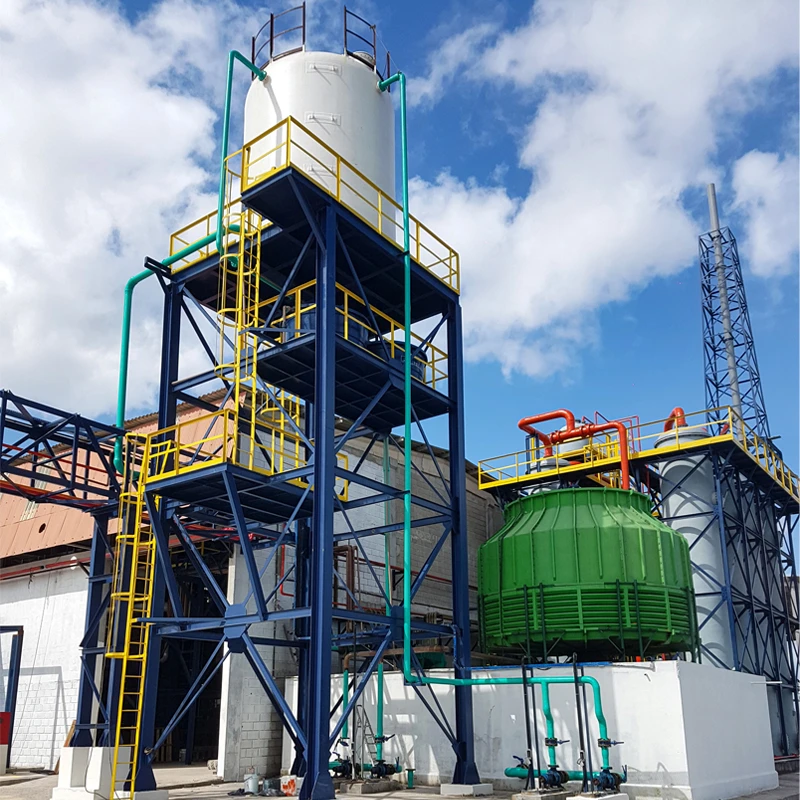
New Zealand's commitment to "Clean Green" branding imposes rigorous demands on the water quality protection sector. The geographical isolation and diverse terrain require specialized sulphuric acid storage tanks that can withstand varied seismic activities and corrosive coastal air, ensuring zero leakage into precious groundwater systems.

In the dairy and agricultural hubs of the Waikato and Canterbury regions, the need for efficient sludge removal has led to a high demand for durable rake teeth. These components must resist high-wear environments while maintaining peak operational efficiency in municipal wastewater plants.

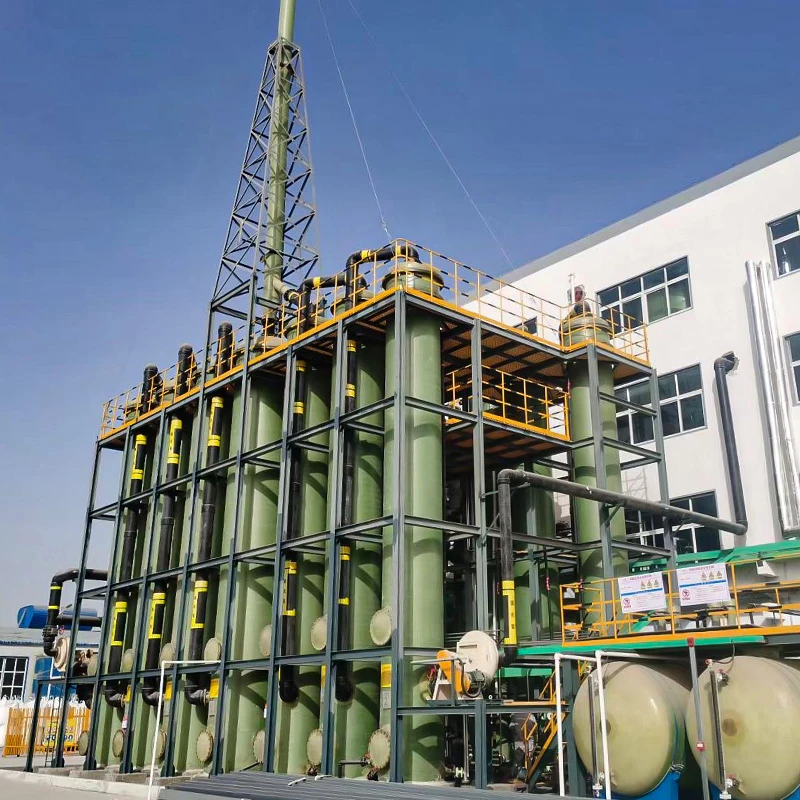
Furthermore, the industrial sector in Auckland and Christchurch is increasingly adopting composite materials. The transition toward sulfuric acid storage containers made from FRP (Fiber Reinforced Polymer) reflects a strategic move toward longevity and reduced maintenance costs compared to traditional steel alternatives.
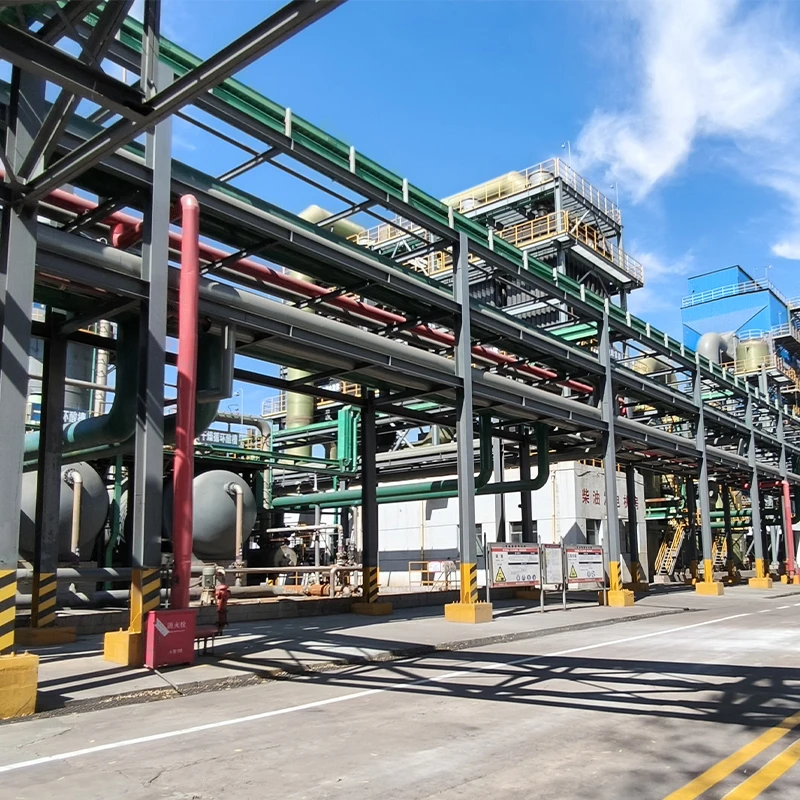
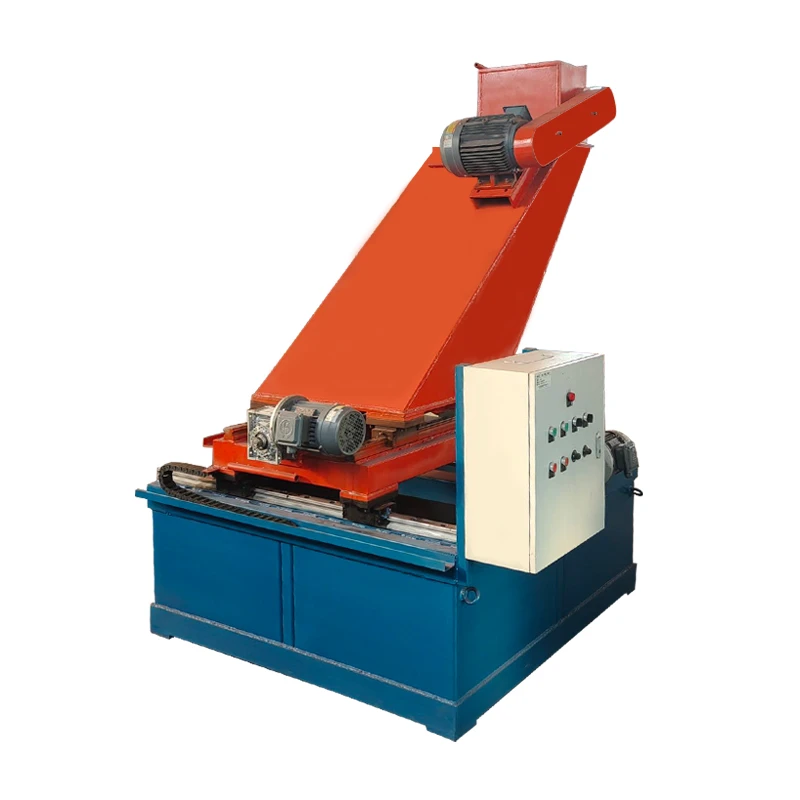
Evolution of Water Treatment Infrastructure

From conventional metal fabrication to precision composite engineering.

Market Development History

From 1990 to 2010, the New Zealand market relied heavily on imported heavy-metal equipment. Thermal processing and chemical containment were often handled by basic steel structures, which suffered from rapid corrosion in the humid Oceanic climate.

Between 2010 and 2020, the industry shifted toward specialized thermal solutions. The introduction of high-efficiency systems like the mannheim furnace allowed for better material processing and more precise manufacturing of environmental equipment, reducing waste and energy consumption.

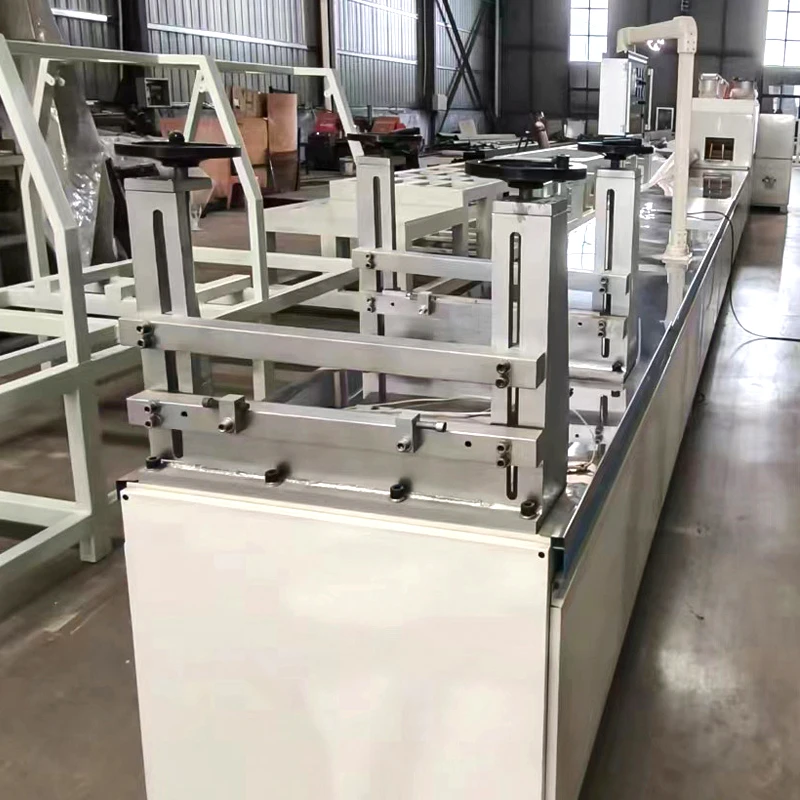
Entering the 2020s, the integration of automation became the gold standard. The shift to CNC-driven production allowed for the creation of complex, high-pressure vessels with unmatched wall thickness consistency, drastically improving safety standards.

Future Development Trends

Intelligent Material Monitoring

Integration of IoT sensors into storage walls to detect structural fatigue and chemical seepage in real-time.

Modular Green Design

A move toward prefabricated, plug-and-play water treatment modules that reduce on-site installation time and ecological disruption.

Bio-Composite Integration

Development of reinforced polymers that use recycled organic fillers to further reduce the carbon footprint of manufacturing.

Industry Trends and Future Outlook

Projecting the trajectory of water pollution control technology in Oceania.

Precision Automation
Widespread adoption of high-precision CNC systems to eliminate human error in chemical tank wall thickness.
Advanced Corrosion Resistance
Shift toward multi-layered FRP composites specifically tailored for high-concentration acid environments.
Zero-Leakage Mandates
Increased regulatory pressure driving the adoption of seamless, filament-wound storage solutions.
Energy Efficiency
Optimization of thermal curing processes to lower the embedded carbon of manufacturing.

Industry Outlook

Based on Google search trends for "sustainable industrial storage" in New Zealand, there is a significant spike in demand for non-metallic alternatives. We expect a transition where 80% of chemical storage in Oceania will migrate to advanced composites by 2028.

The future will be defined by the convergence of material science and digital control. The ability to customize tank geometries via CNC winding will allow plants to optimize their limited spatial footprints in urban industrial zones.

Localized Application Scenarios in New Zealand

Real-world deployments of water pollution prevention equipment across the islands.

01. Dairy Effluent Management in Waikato

Implementation of heavy-duty sludge removal systems where high-grade rake teeth are utilized to handle dense organic matter in dairy processing waste lagoons.

02. Acid Storage for Mining in West Coast

Deployment of high-capacity sulphuric acid storage tanks designed for rugged terrain and seismic stability to support gold and coal mining operations.

03. Municipal Water Treatment in Auckland

Use of precision-engineered filament-wound pipes and containers to manage urban wastewater, ensuring no leakage into the Hauraki Gulf.

04. Chemical Processing in Southland

Installation of specialized sulfuric acid storage containers for the fertilizer industry, providing extreme chemical resistance against concentrated acids.

05. Thermal Component Refinement in Industrial Parks

Utilization of the mannheim furnace for the curing and hardening of custom composite components used in large-scale desalination plants.

Brand Story

Global Development History of Hebei Aoliande Chemical Equipment Co., Ltd.

Foundational Engineering

Starting as a local specialist, we focused on overcoming the basic challenges of chemical corrosion in industrial storage.

Technological Breakthrough

The integration of CNC filament winding technology revolutionized our ability to produce seamless, high-pressure composite vessels.

Global Expansion

Expanding into the Oceania market, we tailored our equipment to meet the stringent environmental laws of New Zealand.

Innovation Leadership

Developed industry-leading thermal curing processes and wear-resistant alloy components for global wastewater plants.

Sustainable Future

Our current mission is to eliminate chemical leakage worldwide through the perfection of composite containment science.

Complete Product Portfolio for New Zealand's Water Sector

Comprehensive solutions from raw chemical storage to final waste treatment.

Frequently Asked Questions in New Zealand

Technical insights for local industrial operators.

How does cnc filament winding improve tank safety in seismic zones?

CNC filament winding creates a continuous, seamless fiber structure that provides superior hoop strength and flexibility, allowing tanks to better withstand seismic stresses compared to welded joints.

What is the lifespan of FRP sulphuric acid storage tanks in coastal environments?

Our FRP tanks are designed to exceed 20 years of service life, as they are naturally immune to the salt-spray corrosion that typically destroys steel tanks in New Zealand's coastal regions.

Can rake teeth be customized for high-viscosity dairy sludge?

Yes, we provide specialized alloy compositions and geometric profiles for rake teeth to ensure maximum efficiency in moving thick organic sludge common in New Zealand dairy plants.

Why is the mannheim furnace critical for composite curing?

The mannheim furnace provides the precise, uniform thermal distribution required to fully polymerize the resins in composite equipment, preventing structural weak points.

Are sulfuric acid storage containers compliant with NZ environmental standards?

Our containers are engineered to meet and exceed international ISO and local NZ safety standards, featuring secondary containment capabilities to prevent ground contamination.

What maintenance is required for filament-wound chemical vessels?

Maintenance is minimal compared to steel. Periodic visual inspections and ultrasonic wall-thickness testing every 3-5 years are typically sufficient to ensure integrity.

Get Technical Consultation

Partner with the leaders in water pollution prevention equipment for your projects in New Zealand.

Contact Us Now

If you are interested in our products, you can choose to leave your information here, and we will be in touch with you shortly.