Advanced cnc filament winding Solutions for Tanzania Industrial Water Treatment

Engineered precision for hazardous chemical storage and environmental protection infrastructure across East Africa.

Advanced cnc filament winding Solutions for Tanzania Industrial Water Treatment

Integrating high-performance composite manufacturing with environmental safety standards to provide Tanzania's growing industrial sector with durable, corrosion-resistant water pollution control equipment.

Industrial Environmental Challenges in Tanzania

Analyzing the current state of water pollution control and chemical storage in the region.

Tanzania's industrial landscape, particularly around Dar es Salaam and Arusha, is experiencing rapid growth in mining and textile manufacturing. This expansion has led to an urgent need for robust sulfuric acid storage containers that can withstand high humidity and coastal saline air, which typically accelerate the corrosion of traditional steel tanks.

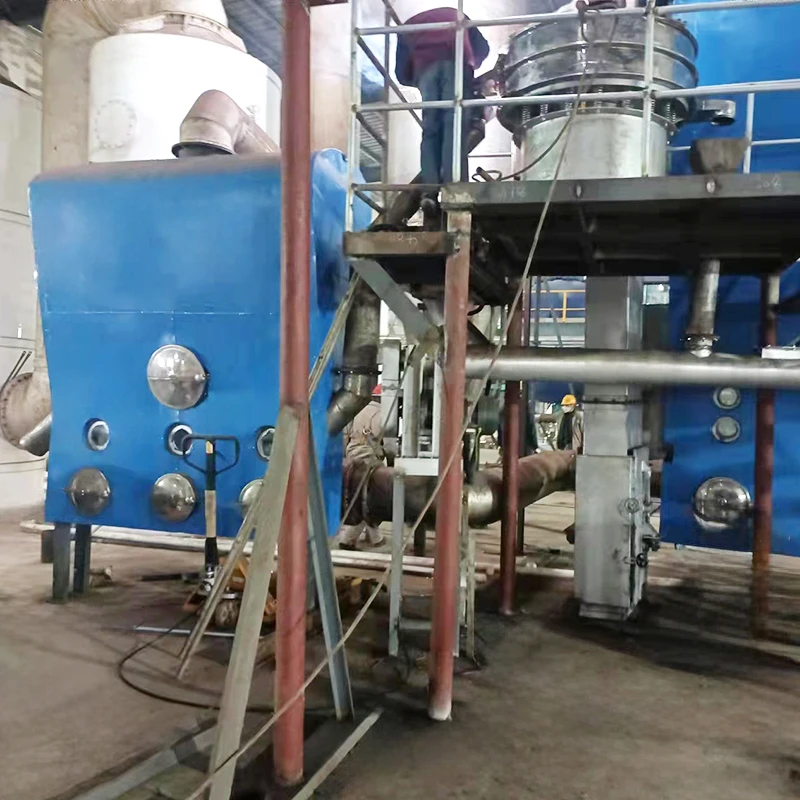
Many local water treatment facilities still rely on outdated dredging and filtration systems. The wear and tear on mechanical components, such as rake teeth used in sludge clarification, are exceptionally high due to the abrasive nature of local industrial wastewater, requiring more durable material compositions.

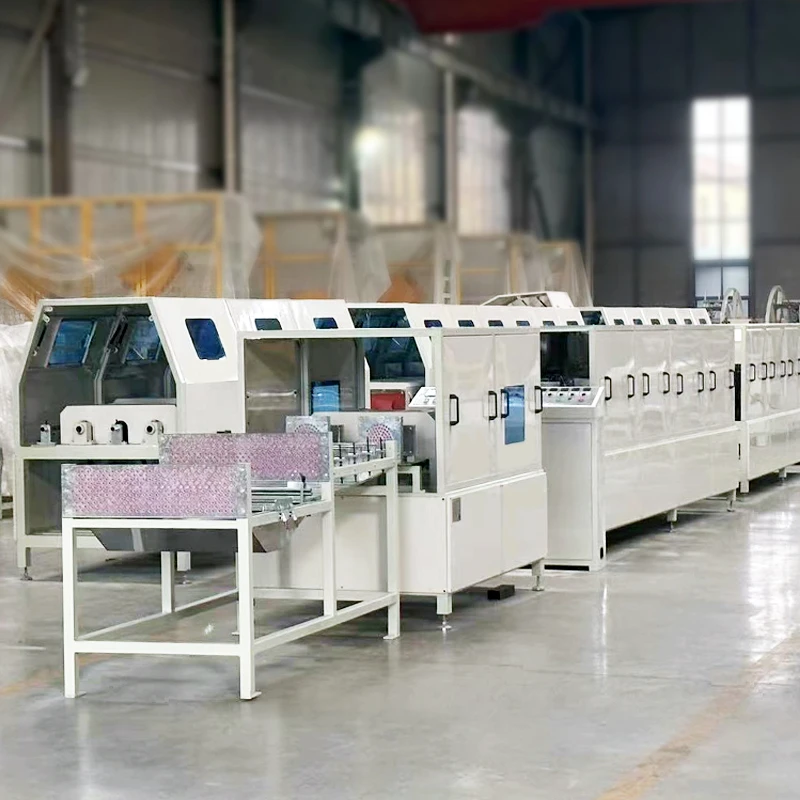
Furthermore, the shift toward sustainable manufacturing means that the reliance on antiquated heating processes is fading. There is a growing demand for precision thermal equipment like the mannheim furnace to optimize chemical processing and waste incineration, reducing the environmental footprint of Tanzanian factories.
Evolution of Water Pollution Control Technology

From basic containment to smart composite engineering.

Market Development History

In the early 2000s, Tanzania primarily utilized reinforced concrete and basic steel tanks for chemical storage. These systems lacked the chemical resistance required for concentrated acids, leading to frequent leaks and soil contamination.

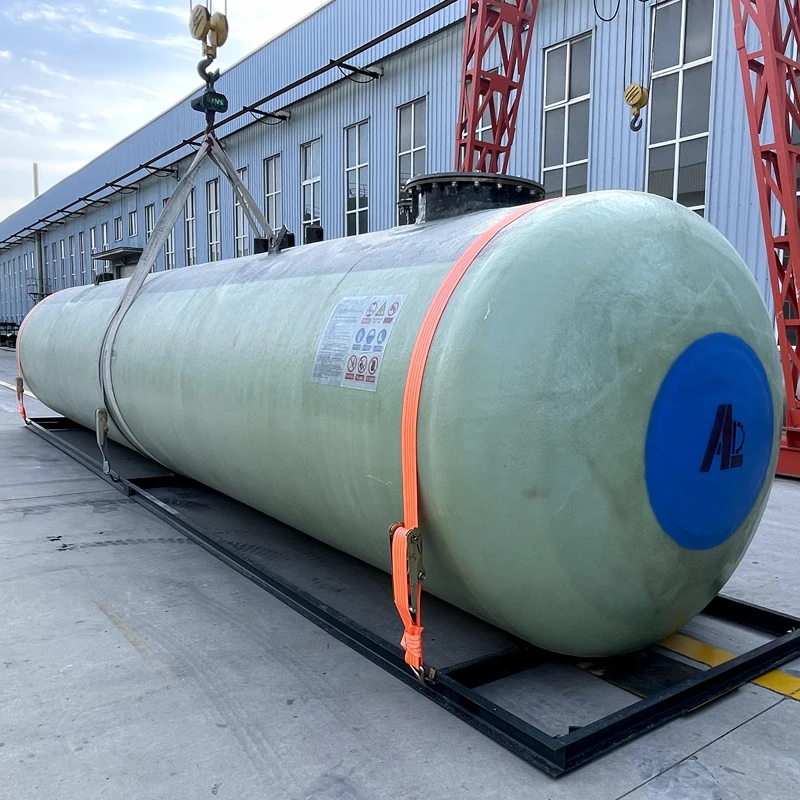
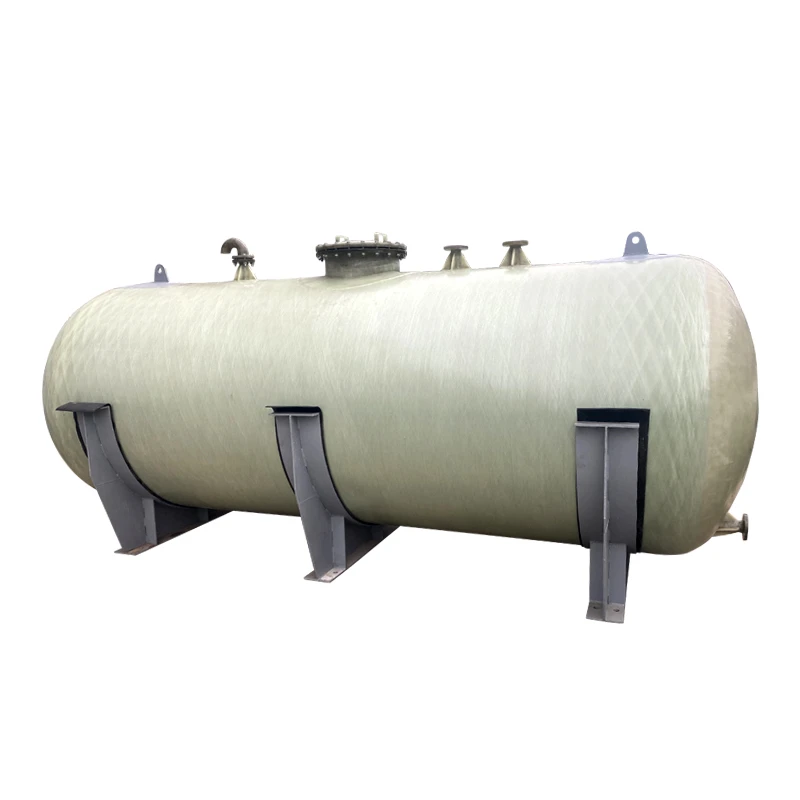
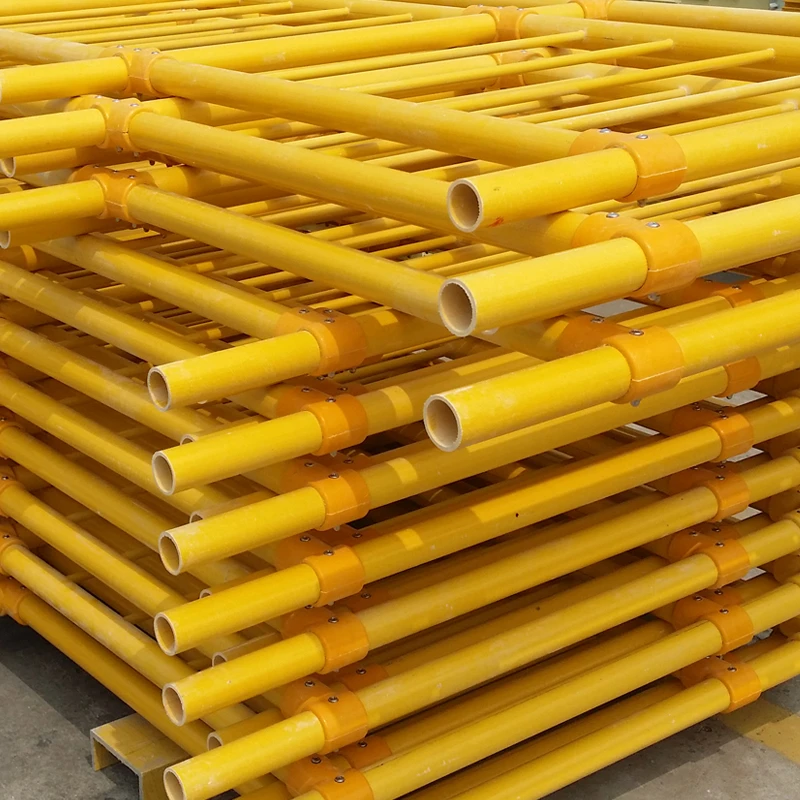
Between 2010 and 2020, the industry shifted toward FRP (Fiber Reinforced Plastic). The introduction of sulphuric acid storage tanks made from high-grade composites reduced maintenance costs by 40% and significantly improved safety protocols in mining operations.

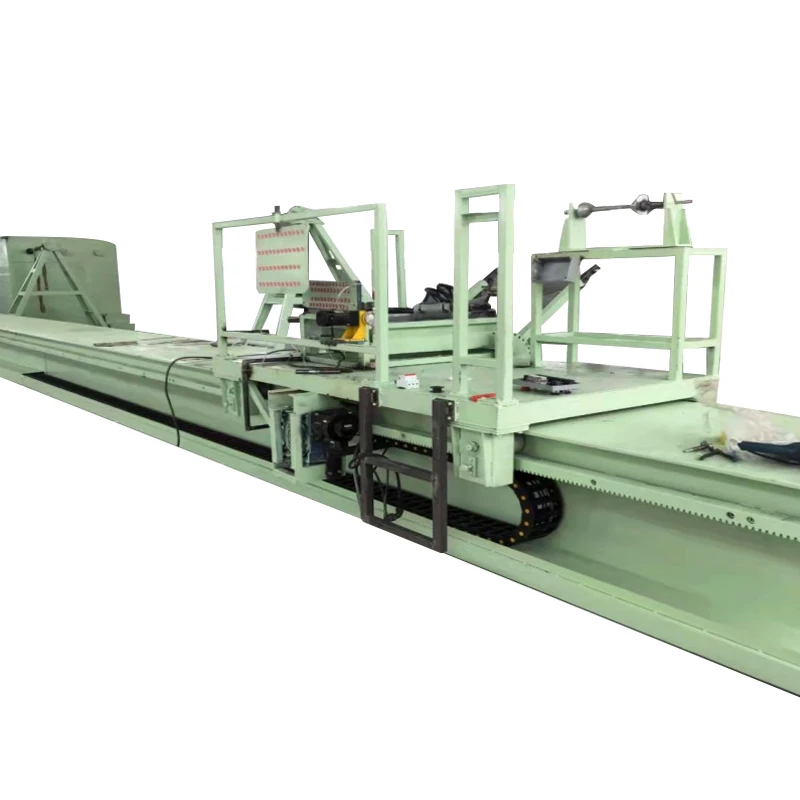
Currently, the integration of automation is the primary driver. The transition from manual layup to cnc filament winding has enabled the production of high-pressure, geometrically complex vessels with unmatched wall thickness consistency.

Future Development Trends

AI-Driven Material Optimization

Predictive modeling will allow for the customization of composite layers based on the specific pH levels and temperature fluctuations of Tanzanian industrial effluents.

Modular Water Treatment Plants

The trend is moving toward "plug-and-play" treatment modules that can be deployed quickly in remote mining sites across the Serengeti and Lake Victoria regions.

Closed-Loop Chemical Recovery

Future systems will integrate advanced filtration and thermal recovery units to recycle sulfuric acid, turning waste streams into raw material assets.

Strategic Trends and Future Outlook

Navigating the next era of environmental equipment manufacturing.

Composite Automation
Adopting precision CNC winding to eliminate human error in vessel wall thickness.
Corrosion Resistance
Utilizing specialized resins to combat the aggressive nature of industrial acids.
Energy Efficiency
Optimizing thermal units to reduce electricity consumption in processing.
Sustainable Materials
Developing recyclable thermoplastic composites for a circular economy.

Industry Outlook

Over the next 3-5 years, Tanzania's environmental equipment sector will move toward digitalization. The integration of IoT sensors into sulphuric acid storage tanks will allow real-time leak detection and structural health monitoring, reducing catastrophic risks.

Google search trends indicate a sharp increase in "industrial water reclamation" and "chemical safety standards" in East Africa. This suggests a market pivot toward comprehensive waste-to-resource systems rather than simple containment solutions.

Tanzania Localized Application Scenarios

Practical implementations across diverse industrial sectors in the region.

01. Gold Mining Leachate Management

Using high-durability sulfuric acid storage containers to hold leaching agents, ensuring zero seepage into the groundwater of the Lake Victoria basin.

02. Municipal Wastewater Sludge Treatment

Installation of reinforced rake teeth in municipal clarifiers in Dar es Salaam to efficiently remove heavy sediment from urban runoff.

03. Industrial Chemical Processing Plants

Deployment of the mannheim furnace for precision curing and chemical synthesis, ensuring high-temperature stability for specialized equipment production.

04. Fertilizer Production Facilities

Implementing cnc filament winding for the creation of massive acid-resistant storage spheres used in the production of phosphate fertilizers.

05. Textile Dyeing Effluent Treatment

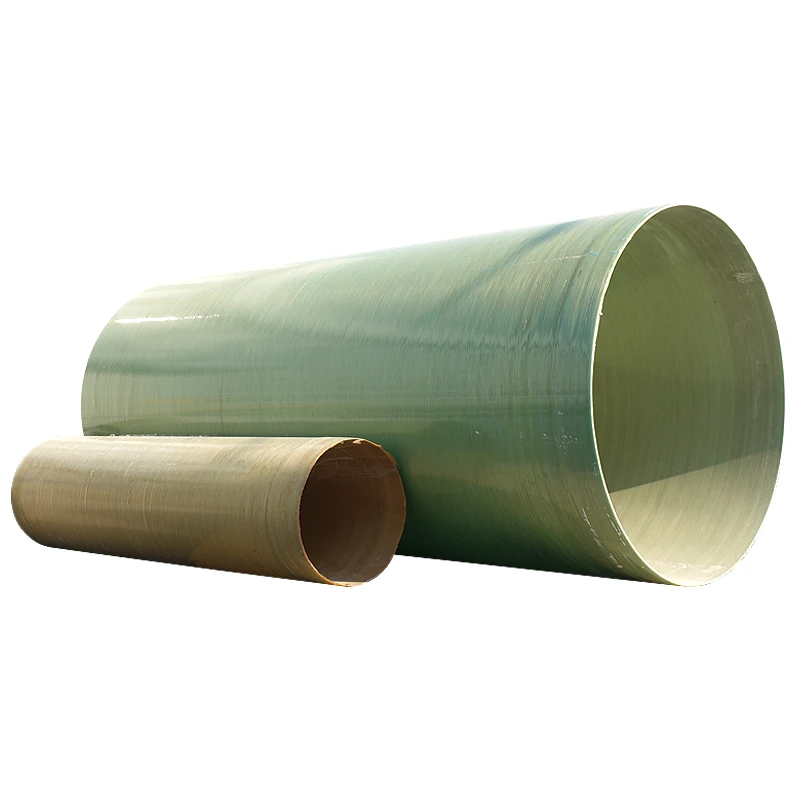
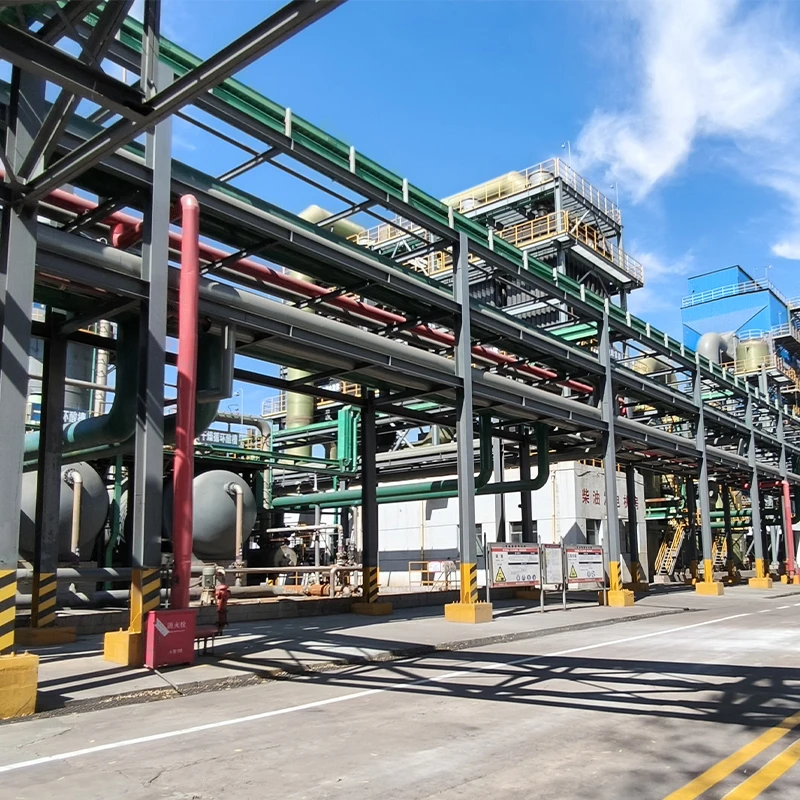
Customized FRP piping and tanks that prevent the corrosion caused by concentrated dyes and bleaching agents used in Tanzanian garment factories.

Brand Story

Global Development Journey of Hebei Aoliande Chemical Equipment Co., Ltd.

Foundational Excellence

Established with a focus on the most challenging chemical environments, we began by solving the core problem of acid corrosion in industrial storage.

Technological Breakthrough

We pioneered the integration of automated winding processes to replace manual labor, drastically increasing the lifespan of chemical vessels.

Global Expansion

Expanding our footprint into East Africa, we tailored our engineering to meet the specific climatic and economic needs of the Tanzanian market.

Sustainability Commitment

Our mission evolved to not just provide equipment, but to enable "Zero Leakage" and "Zero Pollution" for the global water treatment industry.

Industry Leadership

Today, we stand as a leading provider of specialized environmental equipment, combining German-inspired precision with global accessibility.

Comprehensive Product Portfolio for Tanzania

One-stop solutions for water pollution prevention and hazardous chemical management.

Tanzania Industrial Equipment FAQ

Answers to common technical questions regarding regional deployments.

How does cnc filament winding improve tank durability in humid climates?

CNC winding ensures precise fiber orientation and eliminates air pockets (voids), which prevents moisture penetration and osmotic blistering in coastal regions like Dar es Salaam.

What is the expected lifespan of sulphuric acid storage tanks in mining sites?

Depending on the resin grade and acid concentration, our composite tanks are engineered to last 20+ years with minimal maintenance compared to steel.

Can rake teeth be customized for abrasive mining wastewater?

Yes, we provide specialized alloys and coatings to enhance the abrasion resistance of the rake teeth, extending their replacement cycle in heavy-duty applications.

How does a mannheim furnace optimize chemical curing?

The furnace provides uniform heat distribution and precise temperature control, which is critical for achieving the full polymerization of resins used in environmental equipment.

Are sulfuric acid storage containers compliant with international safety standards?

Our containers are manufactured according to ASTM and ASME standards, ensuring they meet the strict safety requirements for hazardous material containment.

What is the lead time for shipping composite equipment to Tanzania?

Lead times vary by project scale, but we typically utilize optimized logistics routes to Dar es Salaam port to ensure timely delivery of heavy equipment.

Request a Technical Consultation

Our engineers are ready to design the perfect water treatment and chemical storage system for your facility in Tanzania.

Contact Us Now

If you are interested in our products, you can choose to leave your information here, and we will be in touch with you shortly.