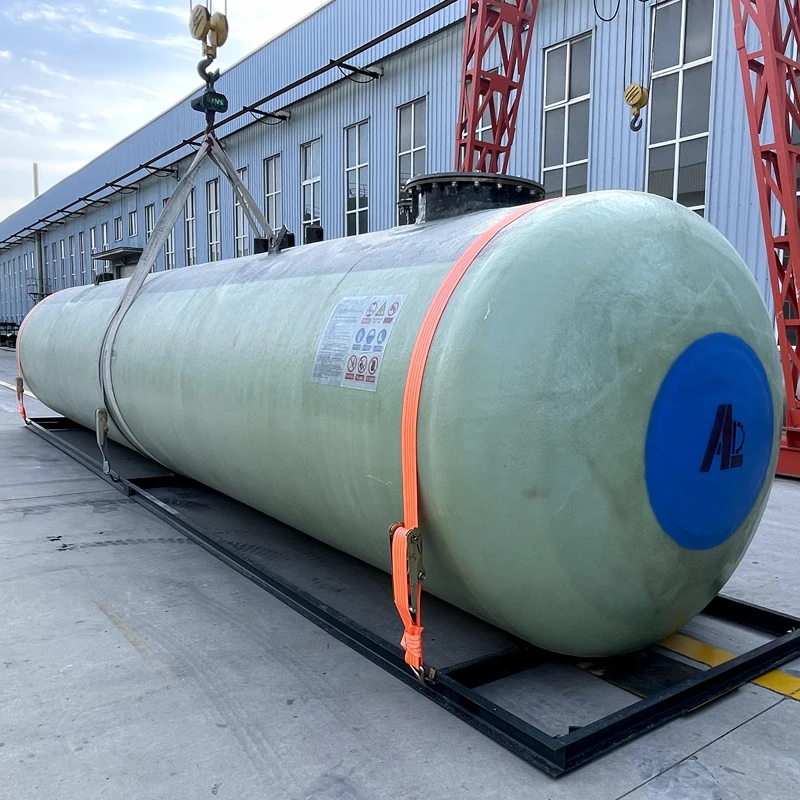
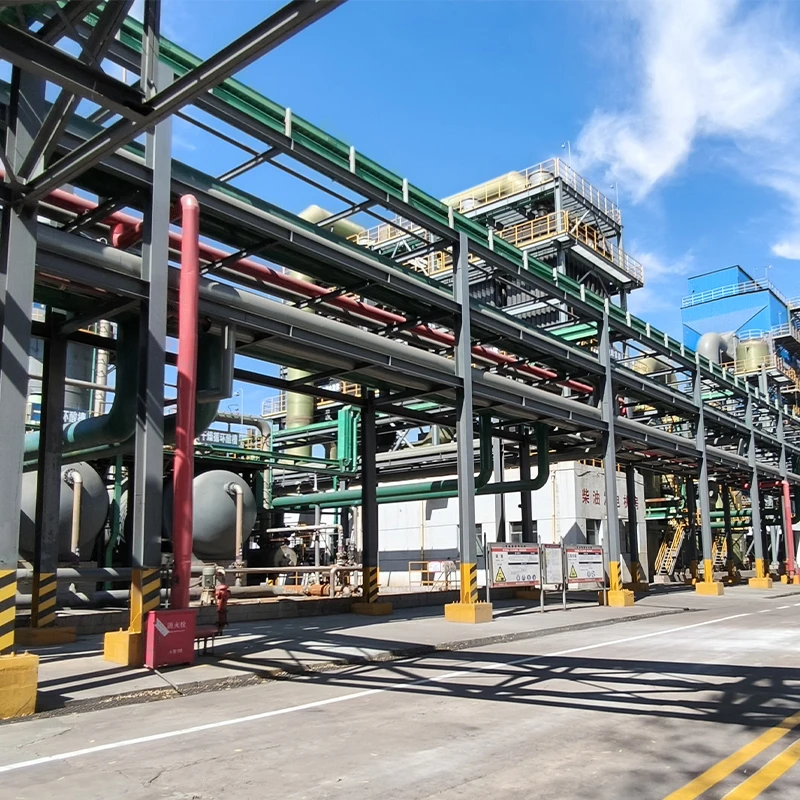
Ecuador's industrial sector, particularly in mining and agricultural processing, faces significant challenges in managing corrosive effluents. The prevalence of high-humidity tropical climates accelerates the degradation of traditional steel storage, creating an urgent demand for sulphuric acid storage tanks that can withstand extreme oxidation and seismic activity common in the region.
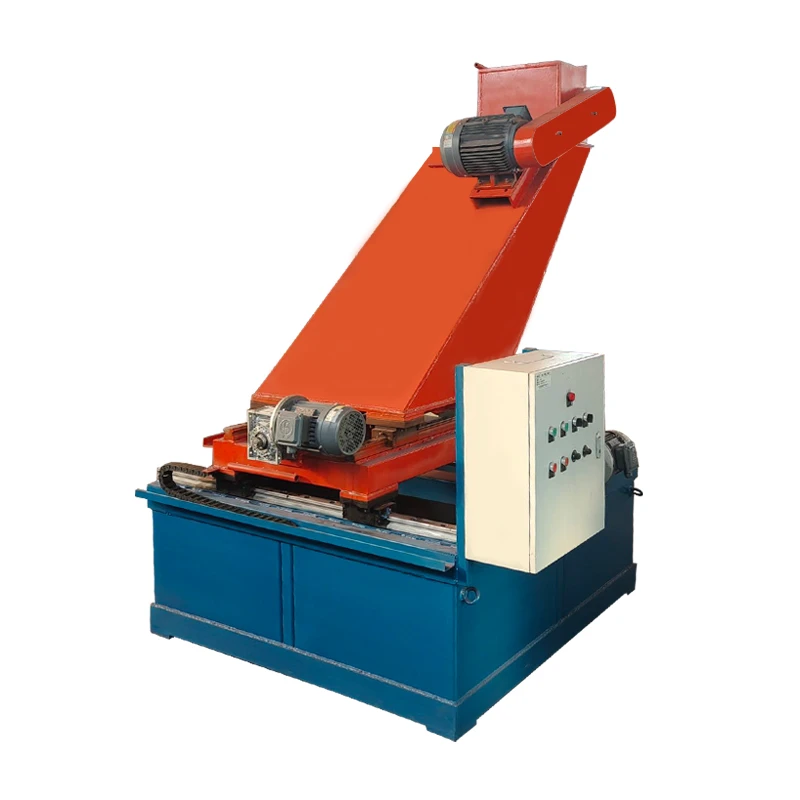
In the wastewater treatment plants of Guayaquil and Quito, the accumulation of heavy debris in sedimentation tanks often leads to mechanical failure. This has necessitated the upgrade of wear-resistant components, such as specialized rake teeth, to ensure continuous operation of sludge removal systems despite the abrasive nature of local industrial waste.
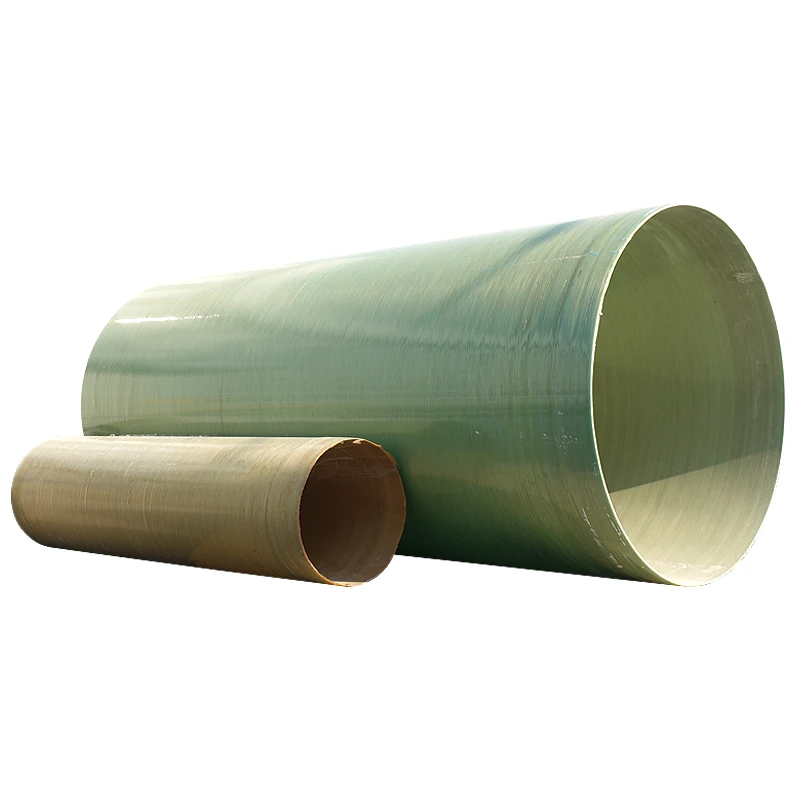
Furthermore, the local chemical industry is transitioning from rudimentary storage to precision-engineered vessels. The adoption of sulfuric acid storage containers made from advanced FRP materials is becoming the standard to prevent soil contamination and ensure compliance with Ecuador's tightening environmental regulations.