The global shift toward sustainable infrastructure has placed a premium on materials that combine extreme durability with lightweight properties. In this context, the frp pipe winding machine has emerged as a cornerstone technology, enabling the precision manufacture of Fiber Reinforced Polymer (FRP) piping systems that outperform traditional steel and concrete in corrosive environments.
Understanding the mechanics of a modern frp pipe winding machine is essential for engineers and procurement specialists looking to optimize water treatment plants, chemical processing lines, and desalination facilities. By automating the application of resin-impregnated glass fibers, these machines ensure structural integrity and consistency that manual layup methods simply cannot match.
Beyond mere production, the adoption of advanced winding technology reflects a broader industrial commitment to reducing life-cycle costs. By utilizing an frp pipe winding machine, manufacturers can significantly reduce material waste and energy consumption, aligning industrial growth with environmental protection goals.
Global Relevance of FRP Winding Technology
Across the globe, the degradation of traditional piping infrastructure due to corrosion is a multi-billion dollar problem. According to data aligned with ISO standards for corrosion management, the transition to composite materials is no longer optional but a necessity for the longevity of municipal water systems. The frp pipe winding machine provides the technological means to produce pipes that are chemically inert, reducing the risk of leaks and environmental contamination.
In rapidly industrializing regions, the demand for scalable and durable water transport systems has spiked. By implementing high-capacity winding equipment, countries can build resilient infrastructure that withstands extreme soil pH and saline environments, ensuring water security for growing populations and reducing the frequent, costly replacements associated with ductile iron or steel.
Defining the FRP Pipe Winding Machine
At its simplest, an frp pipe winding machine is a sophisticated CNC-driven system designed to wind continuous strands of resin-saturated glass or carbon fiber onto a rotating mandrel. This process creates a seamless, high-strength cylindrical structure where the fiber orientation is mathematically optimized to handle specific internal pressure and external loads.
The connection between this machinery and modern humanitarian needs is profound. In areas affected by natural disasters or in remote industrial zones, the ability to quickly deploy lightweight yet indestructible piping is critical. These machines allow for the production of custom-diameter pipes that can be transported more easily than concrete, facilitating faster recovery of clean water access.
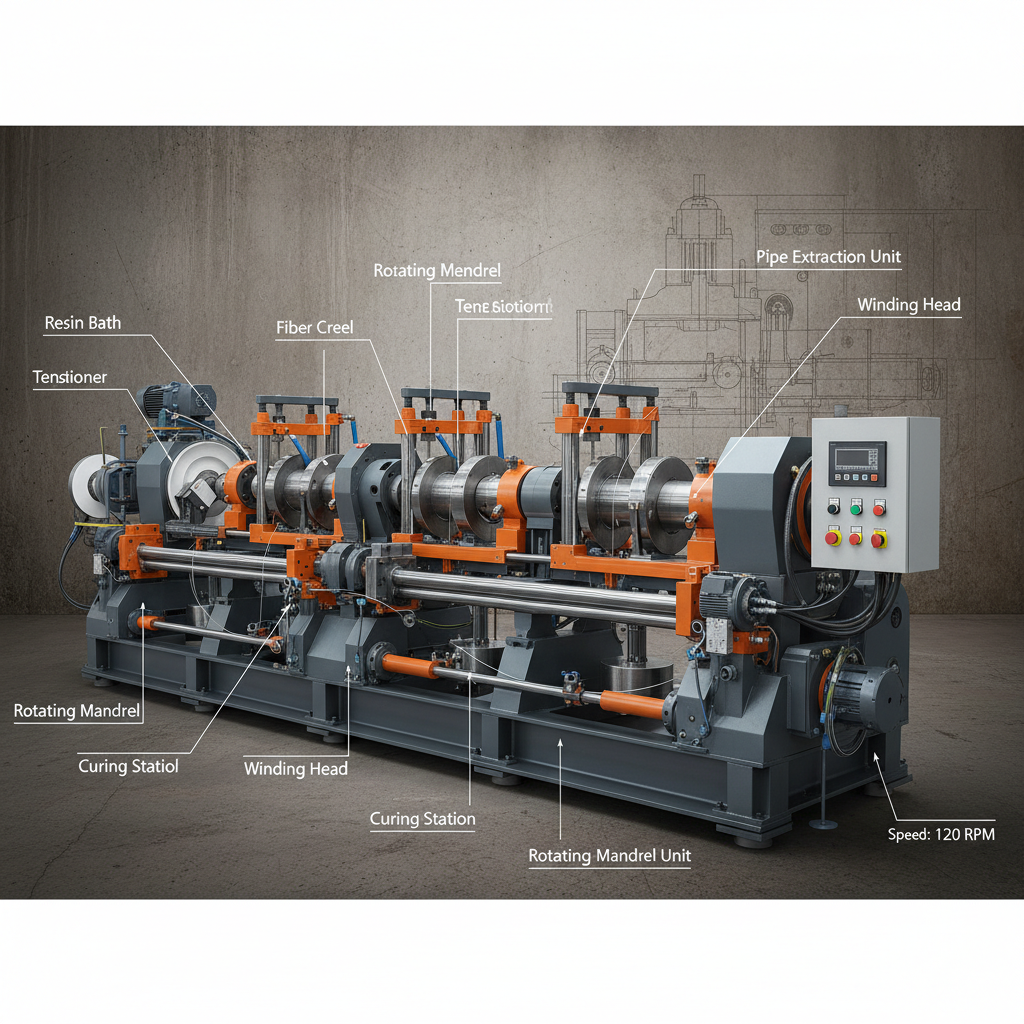
From a technical standpoint, the machine integrates several key systems: a tensioning unit to ensure fiber tightness, a resin bath for consistent impregnation, and a carriage that moves longitudinally. The synchronization of these elements is what defines the quality of the final composite pipe, ensuring no air voids or resin-lean areas exist within the wall thickness.
Core Components for Precision Manufacturing
The structural integrity of the output depends heavily on the precision of the frp pipe winding machine's mandrel system. The mandrel serves as the internal mold; its ability to rotate with zero eccentricity is paramount to maintaining a uniform wall thickness, which prevents weak points that could lead to catastrophic pipe failure under pressure.
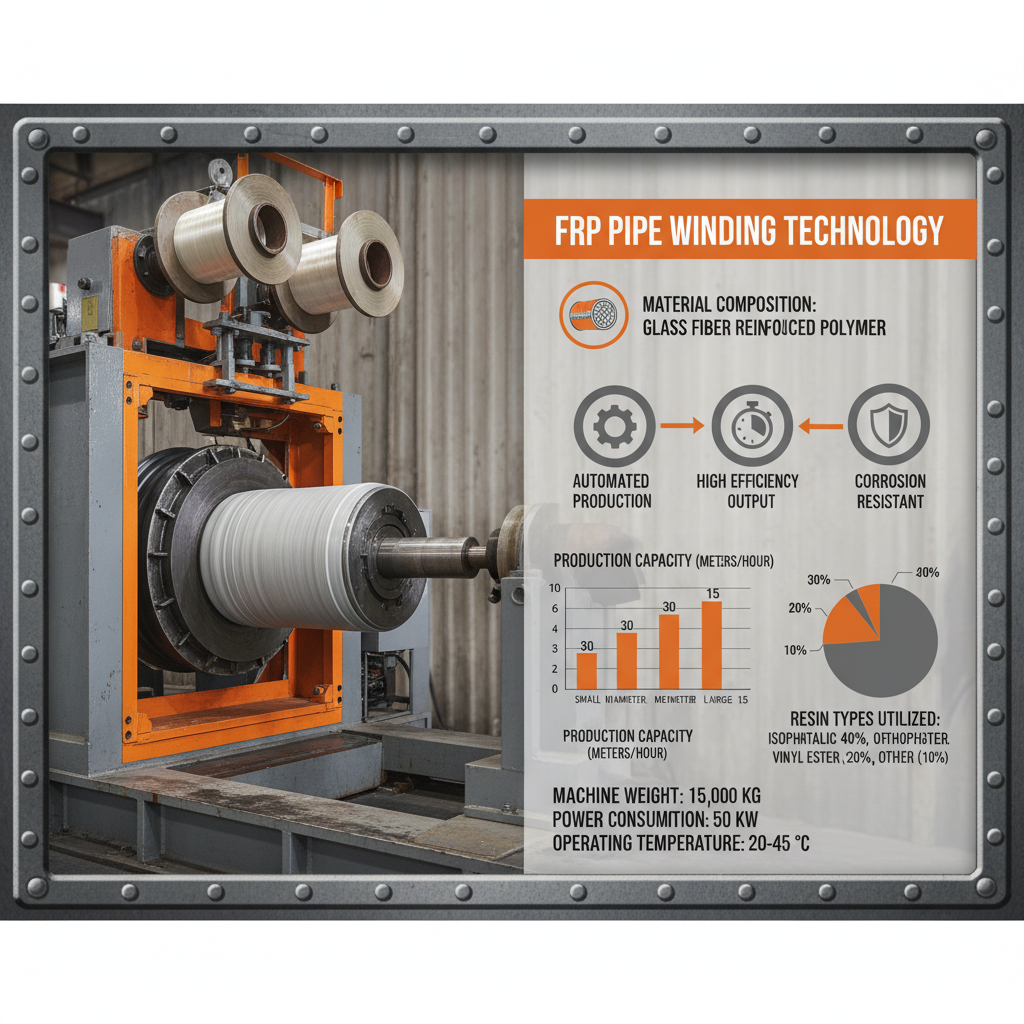
Resin delivery systems within the frp pipe winding machine are engineered for exact ratios. Whether using polyester, vinyl ester, or epoxy resins, the machine must maintain a consistent fiber-to-resin ratio to optimize the strength-to-weight ratio, ensuring the pipe is neither too brittle (resin-rich) nor prone to delamination (resin-poor).
Finally, the CNC control system acts as the brain of the frp pipe winding machine, managing the winding angle. By adjusting the angle of the fiber wrap—varying between polar and helical winding—manufacturers can tailor the pipe to resist either longitudinal stress or hoop stress, depending on the specific application in water quality pollution prevention.
Performance Metrics and Operational Efficiency
Evaluating the efficiency of an frp pipe winding machine requires looking beyond simple output speed. Key performance indicators (KPIs) include the winding precision (deviation in mm), the consistency of fiber tension, and the energy consumption per linear meter of pipe produced. Modern machines strive for a "lean" manufacturing approach, minimizing resin waste through precise drip-control systems.
Furthermore, the versatility of the equipment allows for the integration of different reinforcement layers, such as combining E-glass with carbon fiber for hybrid strength. This adaptability ensures that the production line can pivot between lightweight drainage pipes and heavy-duty industrial pressure vessels without requiring a complete machine overhaul.
Comparative Efficiency of FRP Pipe Winding Methods
Industrial Applications and Global Use Cases
The versatility of the frp pipe winding machine makes it indispensable in water quality pollution prevention. In desalination plants across the Middle East, these machines produce pipes that can withstand the hypersaline environment of the ocean without corroding, a feat impossible for standard metal alloys.
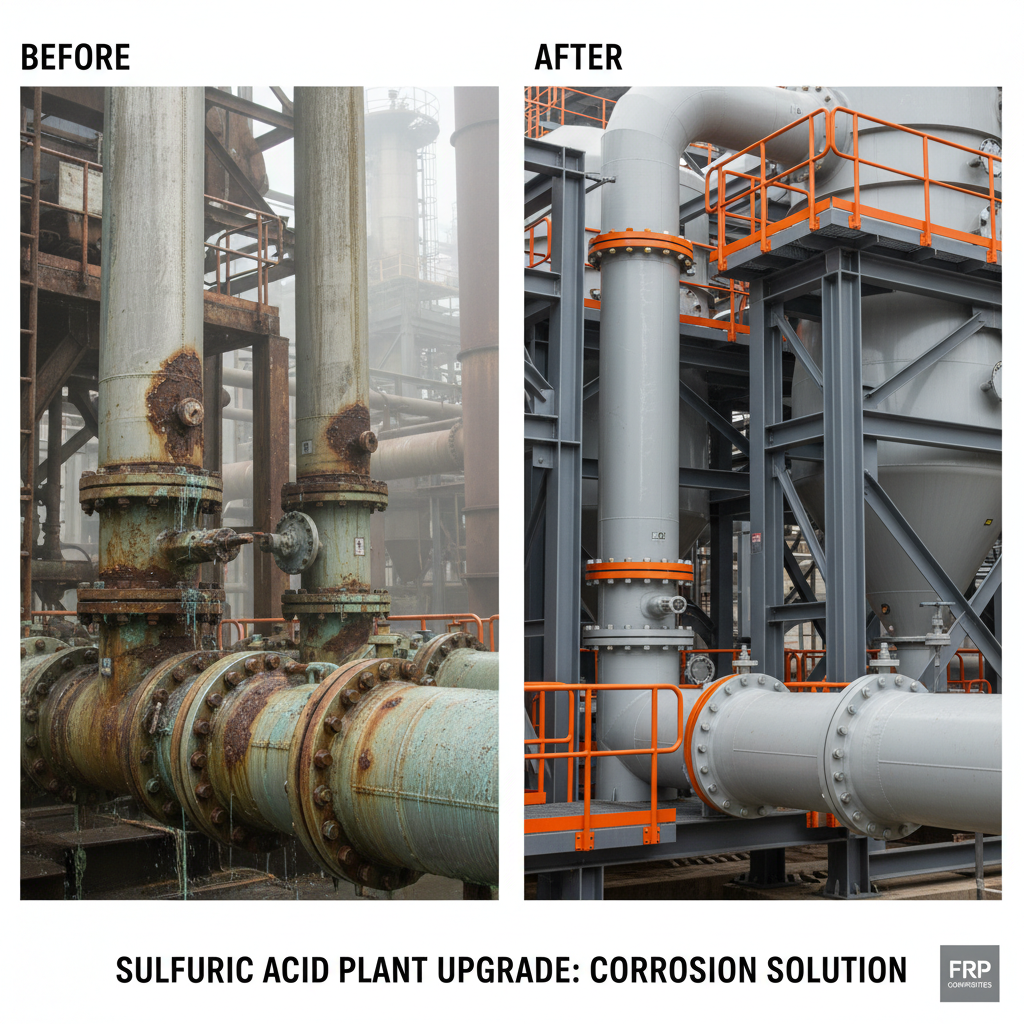
Similarly, in the chemical processing industries of Europe and North America, FRP piping produced via filament winding is used to transport aggressive acids and alkalis. In post-disaster relief operations, modular FRP piping systems are often deployed because they can be installed rapidly without heavy welding equipment, providing immediate sanitation and water transport to affected populations.
Long-Term Economic and Environmental Value
Investing in a high-quality frp pipe winding machine yields significant long-term dividends. While the initial capital expenditure may be higher than for traditional piping methods, the total cost of ownership is drastically lower. FRP pipes typically have a service life of 50 to 100 years with minimal maintenance, eliminating the need for frequent epoxy coatings or cathodic protection.
From a sustainability perspective, the use of these machines reduces the carbon footprint associated with transporting heavy materials. Because FRP is lightweight, it requires fewer trucks and less fuel for delivery and installation. This logistical efficiency contributes directly to the green energy goals of modern urban planning.
Beyond the numbers, there is a human element: safety and trust. Using precision-wound pipes in critical water infrastructure ensures that communities are protected from toxic leaks and system failures. The reliability of an frp pipe winding machine's output provides peace of mind to municipalities and industrial operators alike.
Future Innovations in Composite Winding
The next generation of frp pipe winding machine technology is moving toward "Industry 4.0" integration. We are seeing the implementation of real-time AI monitoring, where sensors detect fiber breakage or resin viscosity changes on the fly, automatically adjusting the machine parameters to maintain quality without human intervention.
Material science is also evolving; the integration of bio-resins and recyclable thermoplastic composites is becoming a priority. Future winding machines will likely be designed to handle these new materials, allowing for "circular" FRP pipes that can be melted down and repurposed at the end of their lifecycle, further reducing the environmental impact of composite manufacturing.
Automation will continue to scale, with multi-spindle winding systems allowing for the simultaneous production of multiple pipe diameters. This will drive down costs and make high-performance FRP piping accessible to smaller-scale water treatment projects in developing nations, democratizing access to clean water infrastructure.
Technical Comparison of FRP Winding Machine Specifications
| Machine Series |
Winding Precision |
Max Pipe Diameter |
Automation Level |
| Standard Series A |
± 0.5mm |
1200mm |
Semi-Automatic |
| Precision Series B |
± 0.2mm |
2000mm |
Fully CNC |
| Industrial Series C |
± 0.3mm |
3500mm |
High-Capacity CNC |
| Eco-Smart Series D |
± 0.1mm |
1500mm |
AI-Integrated |
| Heavy-Duty Series E |
± 0.4mm |
5000mm |
Industrial CNC |
| Custom Lab Series F |
± 0.05mm |
600mm |
Research Grade |
FAQS
CNC winding machines offer unmatched precision in fiber orientation and tension control. While manual layup is prone to human error, air bubbles, and inconsistent thickness, a CNC machine ensures every millimeter of the pipe meets strict engineering specifications, resulting in higher pressure ratings and a longer operational lifespan.
Pipes produced by a high-quality frp pipe winding machine are designed for longevity. Depending on the resin used (e.g., Vinyl Ester for high corrosion), these pipes can easily last 50 to 100 years. They do not rust or corrode like steel, making them ideal for wastewater and chemical transport.
Yes, modern winding equipment is highly versatile. They can be configured to work with E-glass, S-glass, carbon fiber, or aramid fibers. By switching the creel system and adjusting the tension settings, manufacturers can create pipes tailored for different strength and weight requirements.
Compared to concrete or steel, the process is significantly more sustainable. FRP pipes are lighter, reducing transportation emissions. Furthermore, their extreme durability means fewer replacements over time, reducing the overall consumption of raw materials and energy across the infrastructure's lifecycle.
The mandrel size should be based on your target product range. If you are producing municipal sewage pipes, larger mandrels (up to 3500mm) are necessary. For industrial chemical lines, a range of smaller, interchangeable mandrels is better. Always ensure the machine's motor torque can handle the weight of the mandrel plus the wet resin/fiber.
Regular maintenance includes cleaning the resin bath to prevent contamination, calibrating the tensioning rollers, and lubricating the CNC carriage rails. Ensuring the mandrel's alignment remains perfect is also critical to prevent "wall-thinning" in the produced pipes.
Conclusion
The frp pipe winding machine represents the perfect intersection of materials science and mechanical engineering. By automating the creation of high-strength composite piping, these machines solve the age-old problem of infrastructure corrosion while providing a scalable, efficient, and sustainable alternative to traditional materials. From the precision of CNC controls to the resilience of the final product, this technology is fundamental to modern water and chemical management.
As we look toward a future of smarter, greener cities, the role of FRP winding technology will only expand. Investing in advanced equipment today not only ensures operational excellence but also contributes to a global legacy of durable, leak-free, and environmentally responsible infrastructure. For those seeking to lead in the field of composite manufacturing, upgrading to a precision winding system is the most strategic move available. Visit our website: www.frpgrpmachine.com