The global demand for effective water quality management is rapidly increasing, driven by population growth, industrial expansion, and the escalating impacts of climate change. vertical filament winding machine technology plays a critical role in producing robust, corrosion-resistant structures essential for water and wastewater treatment facilities. This demand necessitates innovative solutions for constructing durable and cost-effective containment and processing systems.
In the context of specialized equipment manufacturing, particularly within environmental protection, the application of advanced composite materials is becoming paramount. Traditional materials often fall short in resisting harsh chemical environments and long-term degradation, leading to frequent replacements and increased operational costs. vertical filament winding machine offers a pathway to overcome these challenges, producing high-performance components optimized for longevity and reliability.
The water pollution control equipment manufacturing sector benefits immensely from vertical filament winding machine’s ability to create custom-engineered solutions tailored to specific project requirements. From large-diameter pipes and storage tanks to intricate vessel shapes, the versatility of this process allows for efficient and economical production, supporting sustainable water management practices worldwide.
Introduction to Vertical Filament Winding Machine
The vertical filament winding machine represents a sophisticated manufacturing process for creating composite structures with exceptional strength-to-weight ratios. It’s a vital technology within the environmental protection and water treatment sectors, enabling the production of durable and chemically resistant equipment.
This process involves precisely winding continuous reinforcing fibers (like fiberglass, carbon fiber, or aramid) onto a rotating mandrel, impregnating them with a resin matrix. The resulting composite material exhibits remarkable resistance to corrosion, making it ideal for challenging applications in wastewater treatment plants, chemical storage, and pipeline construction.
Defining Vertical Filament Winding Machine
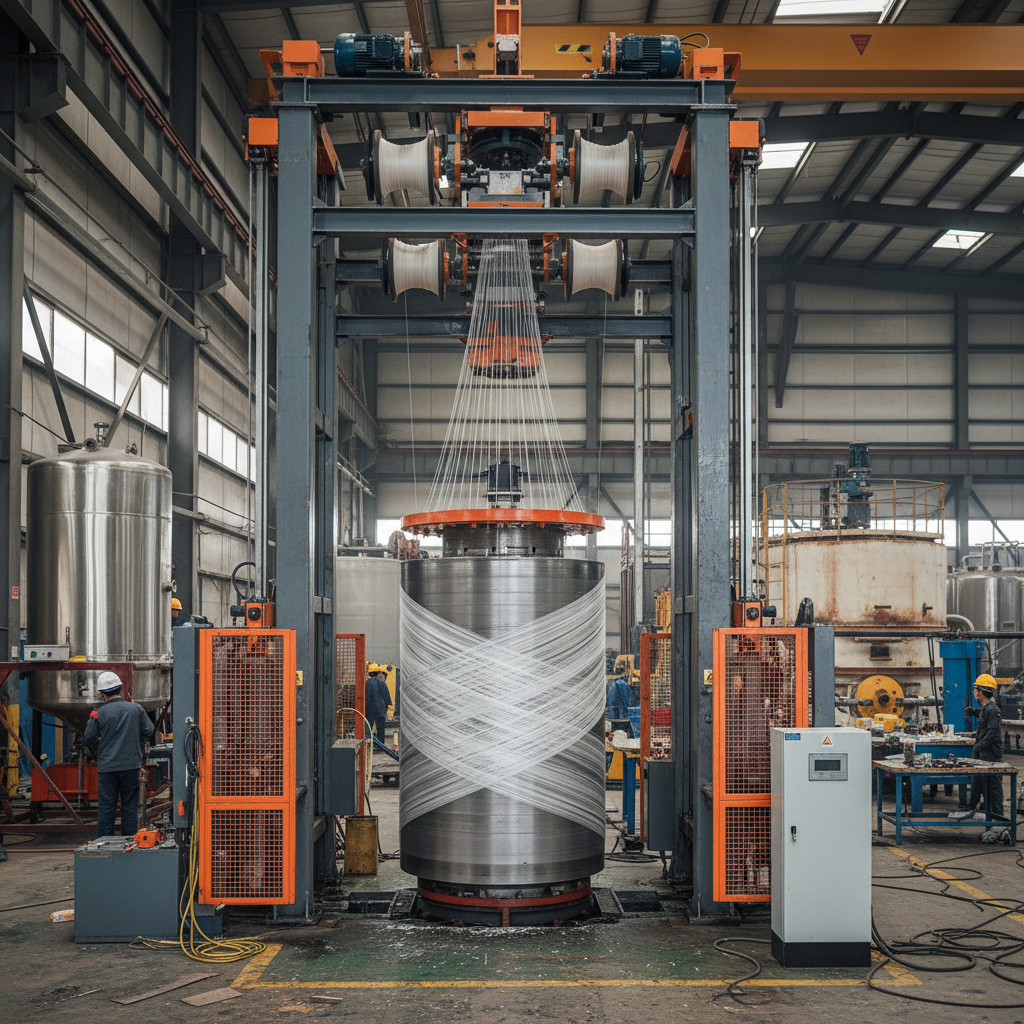
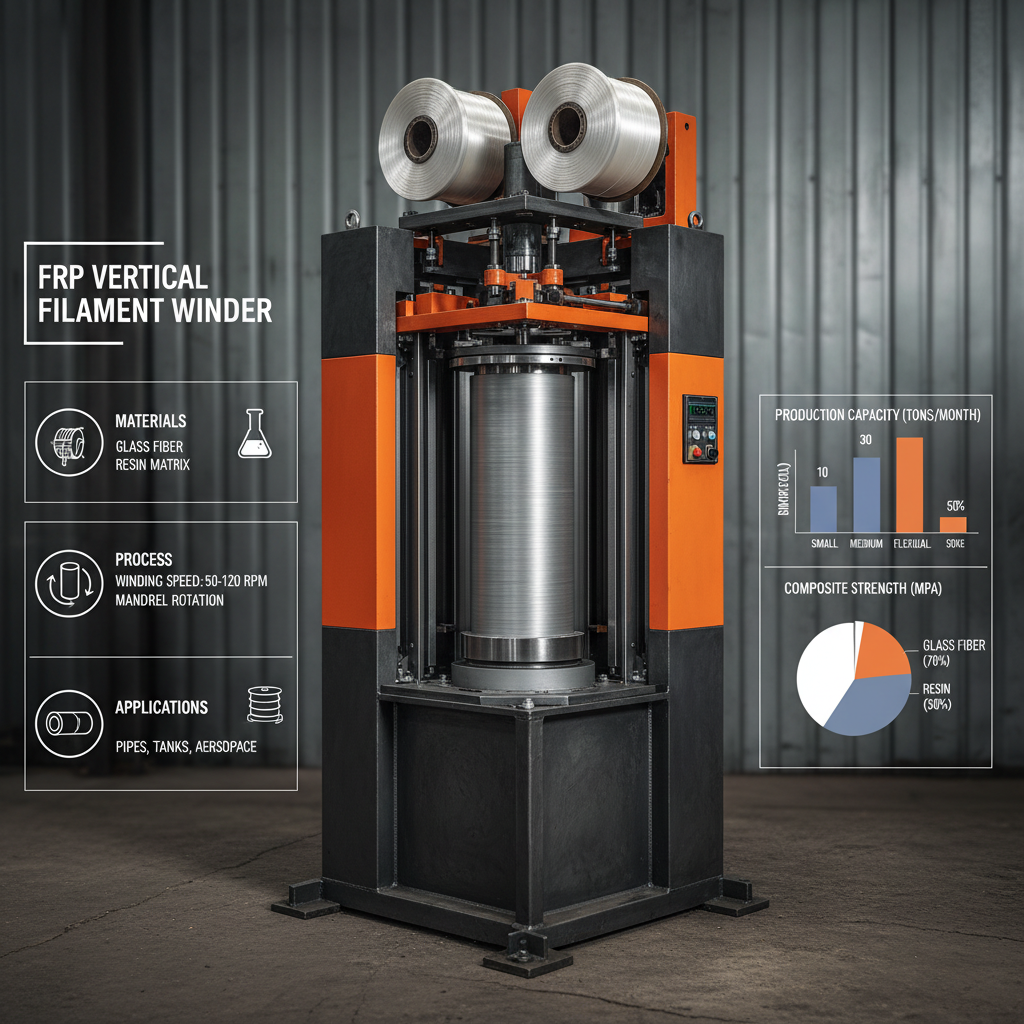
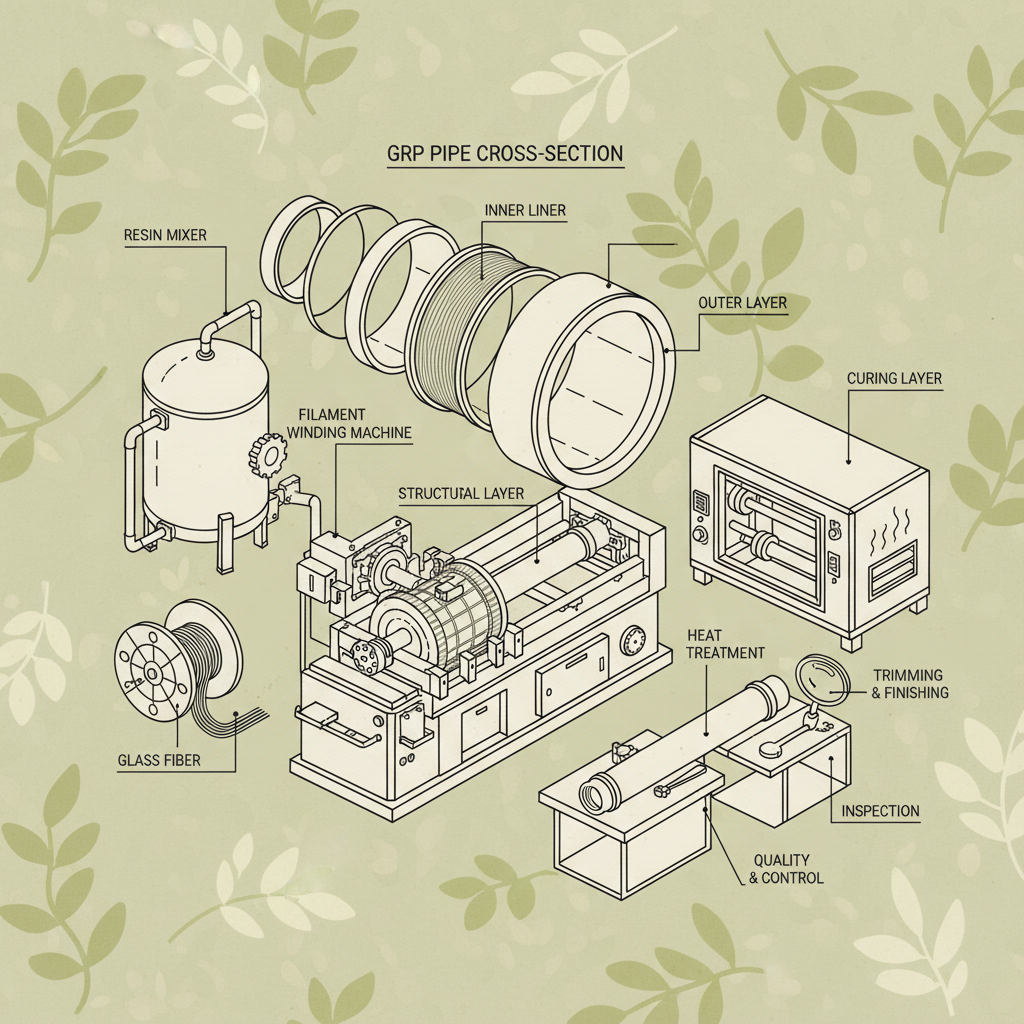
A vertical filament winding machine is a specialized piece of equipment designed to automate the process of filament winding. Unlike traditional horizontal winding machines, the vertical configuration offers several advantages, including improved resin distribution and reduced material waste. The machine consists of a mandrel rotating vertically, a fiber delivery system, a resin impregnation system, and a carriage that moves along the mandrel’s length to lay down the reinforcing fibers.
The core function is to create composite structures, commonly cylindrical or spherical, by layering fibers and resin. This builds up a robust shell capable of withstanding high pressures, corrosive environments, and significant mechanical stress. Its application extends beyond water treatment to industries such as aerospace, automotive, and pressure vessel manufacturing.
This technology connects directly to modern industrial needs by providing a cost-effective and sustainable alternative to traditional materials like steel and concrete. It supports infrastructure development, environmental protection, and the efficient use of resources, aligning with global sustainability goals.
Key Components and Operational Principles
Understanding the core elements of a vertical filament winding machine is crucial to appreciating its capabilities. The primary components include the mandrel (the form around which the composite is built), the fiber creel (which holds and dispenses the reinforcing fibers), the resin bath or injection system (for impregnating the fibers), the winding head (which controls fiber placement), and the control system (which coordinates the entire process).
The operational principle centers on precise fiber placement. The winding head traverses the mandrel, laying down layers of resin-impregnated fibers at specific angles and patterns. The winding angle dictates the structural properties of the finished composite, allowing engineers to tailor the design to meet specific load requirements. Different winding patterns, such as helical, hoop, and polar, are employed to achieve optimal performance.
Resin impregnation is another critical aspect. Effective wetting of the fibers ensures a strong bond between the reinforcement and the matrix, maximizing the composite's strength and durability. The type of resin used (e.g., epoxy, polyester, vinyl ester) depends on the application and the desired properties, such as chemical resistance and temperature tolerance.
Applications in Water Pollution Control
The application of structures created by a vertical filament winding machine are incredibly prevalent in water pollution control. From manufacturing large-diameter pipes used for transporting wastewater to constructing chemical storage tanks for corrosive substances, the benefits are numerous. These structures exhibit exceptional resistance to corrosion, preventing leaks and ensuring the safe containment of hazardous materials.
Specifically, in wastewater treatment plants, filament-wound components are used in clarifiers, digesters, and aeration tanks. Their lightweight nature simplifies installation and reduces structural support requirements. Moreover, they offer a longer service life compared to traditional materials, minimizing maintenance costs and downtime.
Comparative Performance of Vertical Filament Winding Materials
Advantages of Vertical Filament Winding
Employing a vertical filament winding machine offers a compelling range of advantages. Improved resin distribution and minimized resin pooling are key benefits of the vertical configuration, leading to higher quality composites. The process also allows for greater control over fiber tension and winding angles, resulting in more consistent and predictable structural performance.
Compared to traditional manufacturing methods, filament winding is more efficient, reduces material waste, and allows for the creation of complex geometries with relative ease. This translates to lower production costs and faster turnaround times, making it a competitive solution for a variety of applications.
Global Trends and Future Outlook
The global market for filament winding equipment is experiencing significant growth, driven by increasing demand for lightweight, high-strength materials in various industries. The trend towards sustainable infrastructure and environmental protection is further fueling this growth, as vertical filament winding machine technology enables the production of durable and environmentally friendly solutions.
Future innovations are expected to focus on automation, advanced resin systems, and the integration of digital technologies, such as artificial intelligence and machine learning, to optimize the winding process and improve product quality. The development of new fiber materials, such as bio-based fibers, will also play a role in enhancing the sustainability of filament winding applications.
The increasing adoption of Industry 4.0 principles, including predictive maintenance and real-time process monitoring, will further enhance the efficiency and reliability of vertical filament winding machine operations, paving the way for even wider adoption in the years to come.
Challenges and Mitigation Strategies
Despite its advantages, the vertical filament winding machine process faces certain challenges. Maintaining consistent resin impregnation and preventing voids within the composite structure require careful control of process parameters and material properties. Ensuring proper fiber alignment and tension distribution is also crucial for achieving optimal performance.
Mitigation strategies include implementing advanced process control systems, utilizing high-quality resin formulations, and employing non-destructive testing methods to detect defects. Investing in operator training and adhering to strict quality control procedures are also essential for overcoming these challenges.
Furthermore, the relatively high initial investment cost of filament winding equipment can be a barrier to entry for some manufacturers. However, the long-term benefits, such as reduced maintenance costs and increased product lifespan, often outweigh the initial investment, making it a viable solution for businesses seeking to enhance their competitiveness and sustainability.
Analysis of Key Performance Indicators for Vertical Filament Winding Machine
| Material Utilization Efficiency |
Production Cycle Time |
Composite Strength (MPa) |
Corrosion Resistance Score (1-10) |
| 95% |
45 minutes |
600 MPa |
9 |
| 92% |
50 minutes |
550 MPa |
8 |
| 88% |
60 minutes |
500 MPa |
7 |
| 97% |
40 minutes |
650 MPa |
10 |
| 85% |
70 minutes |
450 MPa |
6 |
| 90% |
55 minutes |
580 MPa |
8 |
FAQS
FRP structures offer exceptional resistance to corrosion from chemicals, salts, and other aggressive substances commonly found in wastewater treatment and chemical processing. Unlike steel, they won't rust or degrade, resulting in significantly reduced maintenance costs and a longer service life. This increased longevity translates to substantial savings over time, minimizing downtime and replacement expenses.
Vertical filament winding generally offers faster production speeds compared to hand lay-up or spray-up methods, especially for cylindrical or spherical geometries. The automated process ensures consistent fiber placement and resin impregnation, leading to higher throughput. However, production speed can vary depending on the complexity of the part and the specific machine capabilities.
Common reinforcing fibers include fiberglass, carbon fiber, and aramid fibers. Fiberglass is cost-effective and provides good strength and corrosion resistance. Carbon fiber offers superior strength-to-weight ratio and stiffness, making it ideal for high-performance applications. Aramid fibers provide excellent impact resistance and toughness. The choice of fiber depends on the specific application requirements and budget constraints.
A properly designed and manufactured water tank using a vertical filament winding machine can have a lifespan exceeding 50 years. The corrosion resistance of FRP materials eliminates the need for frequent repairs or replacements, contributing to long-term cost savings. However, the actual lifespan depends on factors such as environmental conditions, water quality, and maintenance practices.
Modern vertical filament winding machine designs incorporate energy-efficient motors and control systems to minimize power consumption. Optimizing winding parameters, such as fiber tension and winding speed, can further reduce energy usage. Choosing energy-efficient resin systems also contributes to overall sustainability.
The vertical orientation facilitates improved resin distribution and minimizes resin pooling, leading to a more uniform and void-free composite structure. Gravity assists in resin flow, ensuring complete wetting of the reinforcing fibers. This results in enhanced mechanical properties and improved durability of the finished product.
Conclusion
The vertical filament winding machine represents a pivotal technology in modern materials manufacturing, particularly within the environmental protection and water treatment industries. Its ability to produce durable, corrosion-resistant, and lightweight structures offers significant advantages over traditional materials, contributing to sustainable infrastructure development and efficient resource management. The core benefits – increased longevity, reduced maintenance, and enhanced performance – position it as a crucial component in addressing global challenges related to water quality and environmental sustainability.
Looking ahead, continued innovation in materials, automation, and digital integration will further enhance the capabilities of vertical filament winding technology. Investing in this technology is not merely adopting a manufacturing process; it’s embracing a future where durable, sustainable, and cost-effective solutions are paramount. For more information on how a vertical filament winding machine can benefit your organization, visit our website: www.frpgrpmachine.com