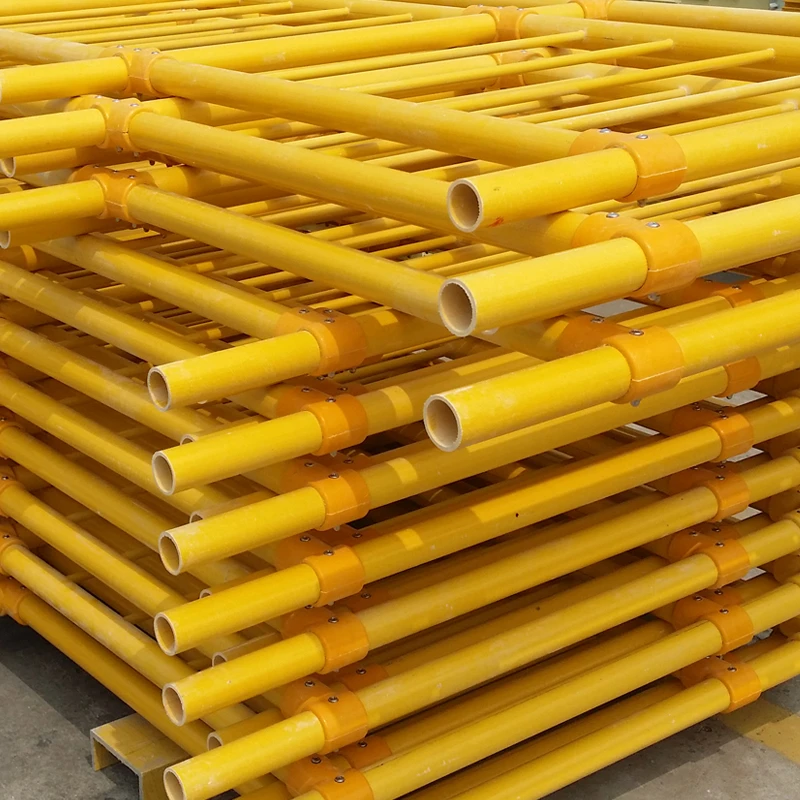
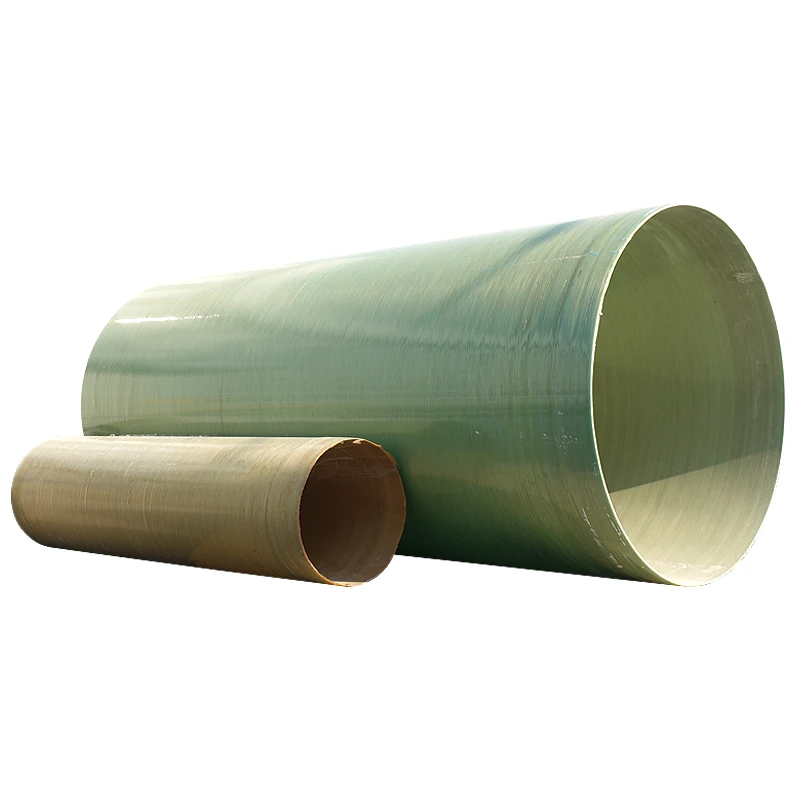
Advanced Water Treatment Solutions for CNC Filament Winding in South Korea

Precision engineering for high-corrosion environments, integrating state-of-the-art composite technology to optimize industrial water purification across South Korea's manufacturing hubs.

Advanced Water Treatment Solutions for CNC Filament Winding in South Korea

We provide South Korean industrial facilities with high-performance composite equipment, specializing in acid-resistant storage and precision winding systems for sustainable water pollution control.

Industrial Landscape of Water Pollution Control in South Korea

Analyzing the intersection of heavy industry and strict environmental regulations in East Asia.

South Korea's industrial sector, particularly in Gyeonggi-do and Ulsan, operates under some of the world's strictest environmental mandates. The prevalence of semiconductor and petrochemical plants creates a massive demand for sulfuric acid storage containers that can withstand extreme chemical volatility while preventing soil contamination.

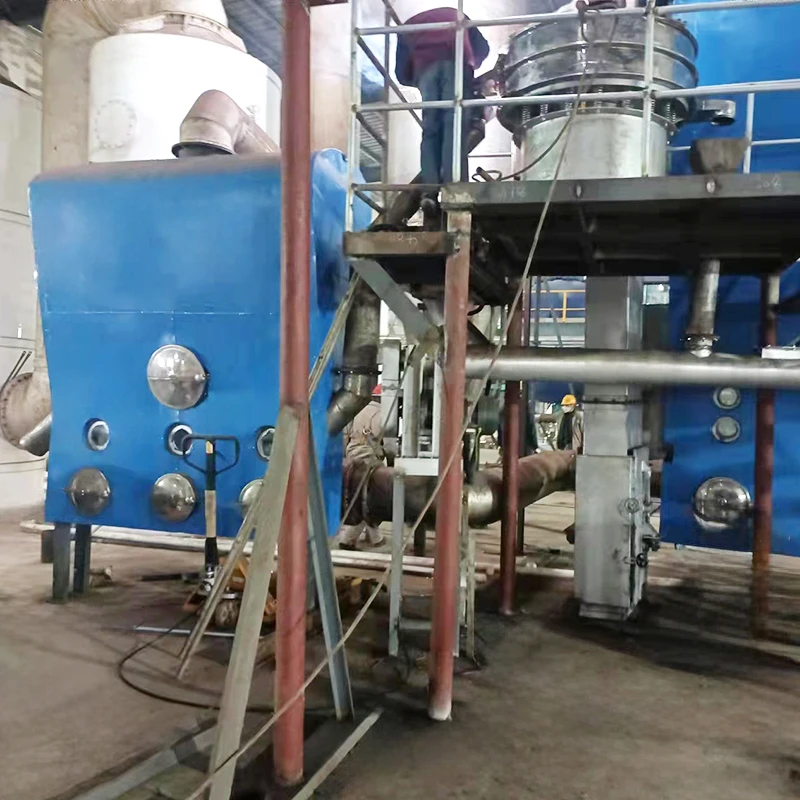
Given the region's coastal geography and high humidity, traditional steel tanks suffer from rapid saline corrosion. This has shifted the market toward FRP materials, where sulphuric acid storage tanks manufactured via advanced composites are now the gold standard for safety and longevity in Korean chemical zones.

Furthermore, the integration of smart manufacturing (Industry 4.0) in South Korea has pushed the demand for automated equipment. From the precision of a mannheim furnace used in specialized material curing to automated dredging components like rake teeth for wastewater sludge, the focus is on reducing human error and increasing operational efficiency.
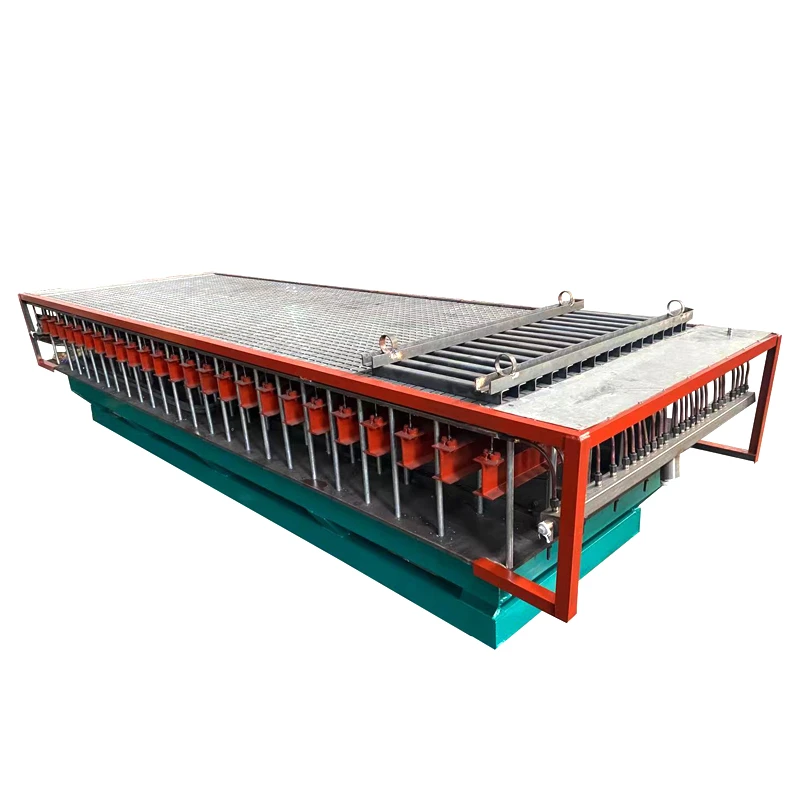
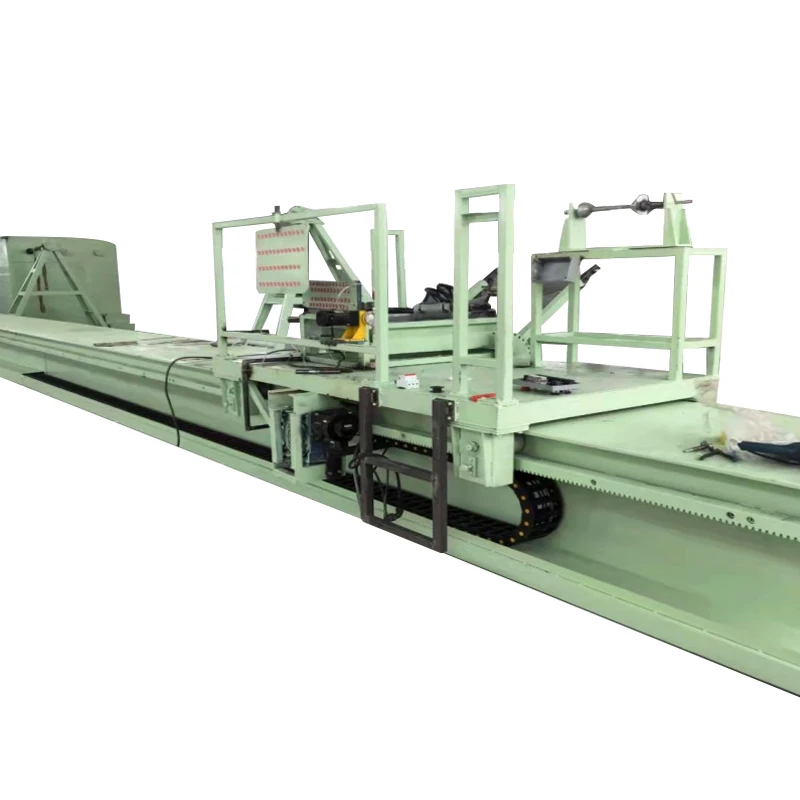
Evolution of Water Treatment Infrastructure in South Korea

From manual concrete basins to automated composite systems.

Market Development History

In the 1980s and 90s, South Korea's water pollution control relied heavily on reinforced concrete and lined steel. These systems were prone to seepage and corrosion, especially when handling concentrated acids in the burgeoning electronics industry.

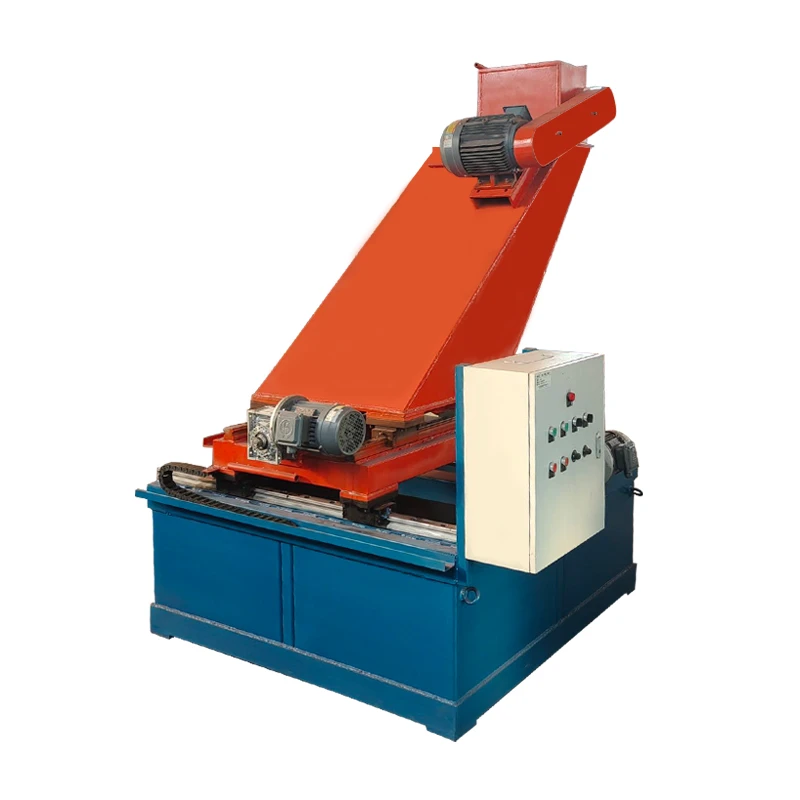
By the mid-2000s, the transition to FRP (Fiber Reinforced Polymer) began. The adoption of cnc filament winding allowed for the creation of seamless, high-pressure vessels, significantly reducing the risk of leaks in hazardous waste storage.

From 2015 to the present, the focus has shifted toward "Zero Liquid Discharge" (ZLD). This era is characterized by the use of high-precision thermal processing and automated mechanical components to ensure that every drop of industrial effluent is treated before discharge.

Future Development Trends

AI-Driven Predictive Maintenance

Integration of IoT sensors into storage vessels to monitor wall thickness and corrosion rates in real-time, moving beyond scheduled inspections.

Nano-Composite Reinforcement

Incorporating graphene and carbon nanotubes into the winding process to increase the chemical resistance of acid tanks beyond current industry standards.

Circular Economy Integration

Development of recyclable composite resins to ensure that water treatment equipment does not contribute to landfill waste at the end of its lifecycle.

Strategic Trends in Environmental Equipment Manufacturing

Forecasting the technological shifts in the South Korean water treatment market.

Automation of Composite Fabrication
Moving toward fully autonomous winding systems to eliminate human variance in wall thickness for critical acid storage.
Ultra-Corrosion Resistance
Developing new resin blends that specifically counteract the aggressive nature of concentrated sulphuric acids used in chip fabrication.
Energy-Efficient Curing
Optimizing the thermal cycles of curing ovens to reduce the carbon footprint of equipment manufacturing.
Modular Water Treatment
Implementing "plug-and-play" modular units for rapid deployment in expanding industrial parks.

Industry Outlook

The South Korean market is expected to see a 15% increase in demand for high-spec composite storage over the next 3-5 years. Google search trends indicate a rising interest in "sustainable industrial materials" and "automated chemical handling," suggesting that efficiency and ecology are now primary drivers.

As the government pushes for the "Green New Deal," companies that can provide documented LCA (Life Cycle Assessment) for their sulphuric acid storage tanks will gain a significant competitive advantage in public tenders and corporate contracts.

Local Application Scenarios in South Korea

Real-world implementation of water pollution control equipment across diverse Korean sectors.

01. Semiconductor Fabrication Plants in Pyeongtaek

Deployment of ultra-pure sulfuric acid storage containers to handle etching chemicals, ensuring zero leakage in high-density tech clusters.

02. Petrochemical Complexes in Yeosu

Installation of large-scale FRP vessels produced via cnc filament winding for the storage of corrosive intermediate catalysts.

03. Municipal Wastewater Plants in Seoul

Utilization of high-durability rake teeth in primary sedimentation tanks to handle the high volume of urban organic waste efficiently.

04. Specialized Material Lab Curing

Application of a precision mannheim furnace for the controlled curing of experimental composite resins used in aerospace water filtration.

05. Battery Manufacturing Hubs in Chungcheong

Integration of custom sulphuric acid storage tanks for electrolyte production lines, prioritizing seismic stability and chemical inertness.

Brand Story

Global Development History of Hebei Aoliande Chemical Equipment Co., Ltd.

Founding and Core Vision

Established with the mission to solve the critical failure points of industrial corrosion, focusing on high-performance polymer composites.

Technological Breakthrough

Pioneered the integration of precision winding and automated curing, drastically improving the structural integrity of chemical storage.

Global Market Expansion

Successfully exported specialized environmental equipment to East Asia, establishing a strong footprint in the South Korean industrial market.

Commitment to Sustainability

Shifted R&D focus towards low-emission manufacturing and recyclable composite materials to align with global green initiatives.

Industry Leadership

Recognized as a premier provider of water pollution prevention equipment, bridging the gap between heavy industry and environmental safety.

Comprehensive Environmental Equipment Portfolio for South Korea

A curated selection of acid-resistant and water-treatment solutions tailored for the Korean Peninsula.

Common Technical Queries in South Korea

Expert answers to the most frequent concerns regarding water treatment equipment.

What are the advantages of cnc filament winding for acid tanks?

CNC filament winding provides precise fiber orientation and consistent wall thickness, which is crucial for ensuring that sulfuric acid storage containers can withstand high internal pressures without risk of catastrophic failure.

How do sulphuric acid storage tanks handle extreme temperature shifts?

Our tanks utilize specialized resin blends with low thermal expansion coefficients, ensuring that the structural integrity remains intact during South Korea's seasonal temperature fluctuations.

When should I replace the rake teeth in my wastewater system?

Replacement is recommended when wear exceeds 20% of the original profile or when sludge removal efficiency drops, typically every 18-24 months depending on the abrasiveness of the effluent.

Can a mannheim furnace be customized for specific resin curing?

Yes, our furnaces feature programmable logic controllers (PLCs) that allow users to set precise temperature ramps and soak times to meet the specific curing requirements of different composite resins.

Are your sulfuric acid storage containers compliant with Korean safety laws?

All our equipment is designed to meet and exceed international ASTM and ISO standards, which are the basis for the safety regulations applied in South Korean industrial zones.

What maintenance is required for cnc filament winding machinery?

Key maintenance includes regular calibration of the winding head, lubrication of the carriage rails, and inspection of the tensioning system to ensure consistent fiber placement.

Consult Our Environmental Engineering Experts

Ready to upgrade your water treatment infrastructure in South Korea? Our team provides full technical support and customized equipment design.

Contact Us Now

If you are interested in our products, you can choose to leave your information here, and we will be in touch with you shortly.