Industrial Water Treatment & cnc filament winding Solutions for South Africa

Advanced corrosion-resistant equipment and precision engineering for South Africa's demanding mining and chemical water pollution control sectors.

Industrial Water Treatment & cnc filament winding Solutions for South Africa

Integrating high-precision composite manufacturing with specialized wastewater treatment equipment to address the unique environmental challenges of the South African industrial landscape.

The State of Water Pollution Control in South Africa

Analyzing the intersection of mining waste and industrial chemical storage in the region.

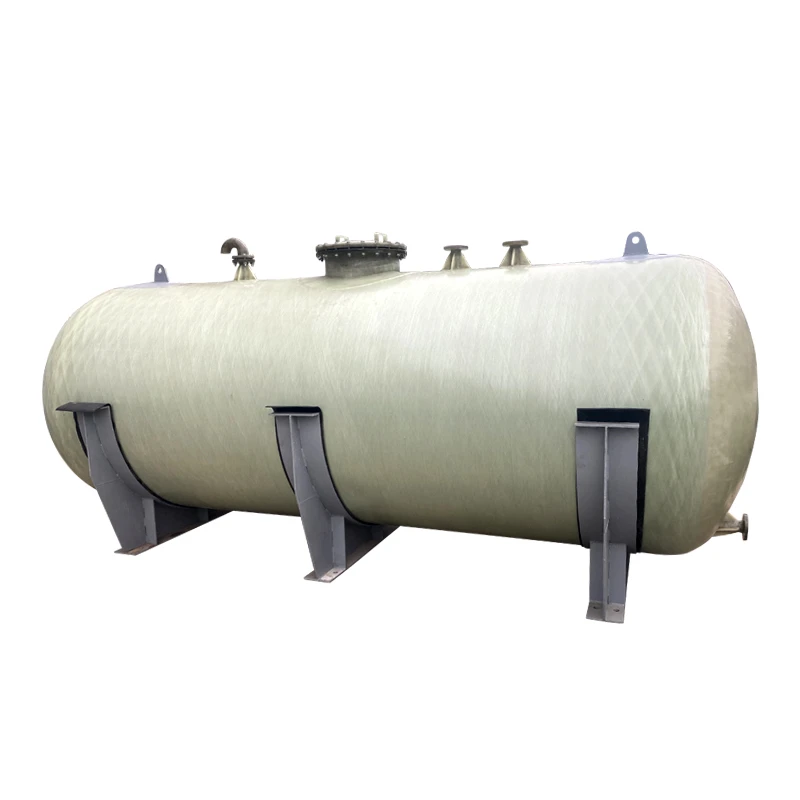
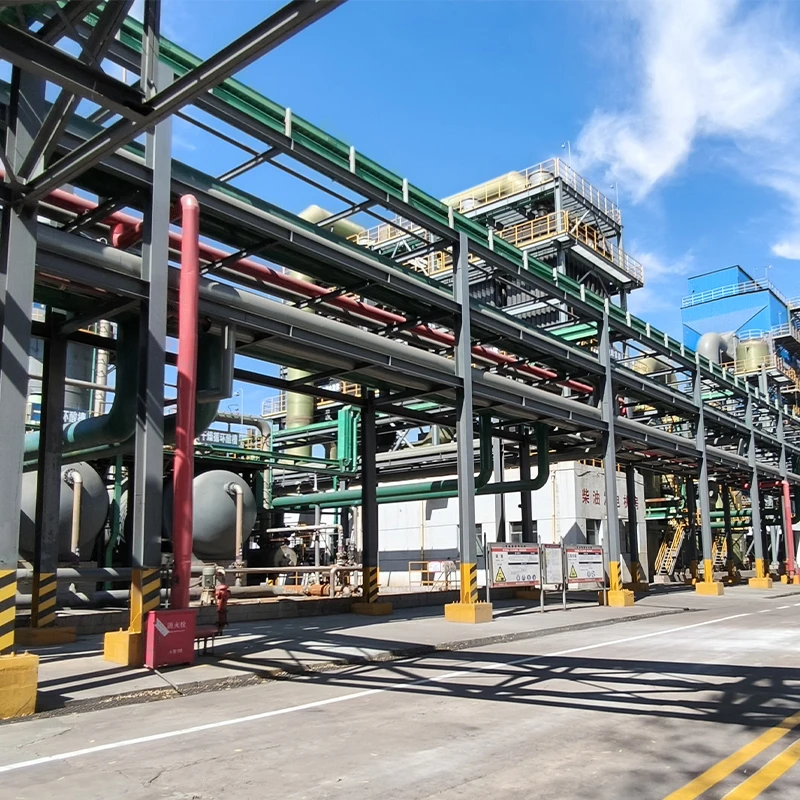
South Africa's industrial sector, particularly in Gauteng and KwaZulu-Natal, faces severe challenges due to the high acidity of mining runoff. The demand for durable sulphuric acid storage tanks has surged as companies strive to meet stricter environmental regulations to protect local groundwater from contamination.

The geographic diversity of the region, from arid interior plateaus to humid coastal areas, necessitates equipment that can withstand extreme thermal expansion and chemical aggression. Traditional steel tanks often fail prematurely, leading to a market shift toward FRP composites produced via high-precision cnc filament winding technology.

Furthermore, the maintenance of sludge removal systems in municipal treatment plants often struggles with abrasive materials, creating a constant need for heavy-duty rake teeth and robust filtration components that can operate in high-salinity and high-acid environments common in South African industrial zones.
Evolution of Chemical Equipment Technology

From traditional metallurgy to advanced composite engineering.

Market Development History

In the 1980s and 90s, the South African market relied heavily on lined carbon steel for sulfuric acid storage containers. While functional, these systems suffered from catastrophic failure once the internal lining was breached, leading to significant soil pollution.

By the early 2010s, a transition toward reinforced plastics began. The introduction of standardized mannheim furnace technology in auxiliary component processing allowed for better curing of composite materials, improving the structural integrity of large-scale water treatment vessels.

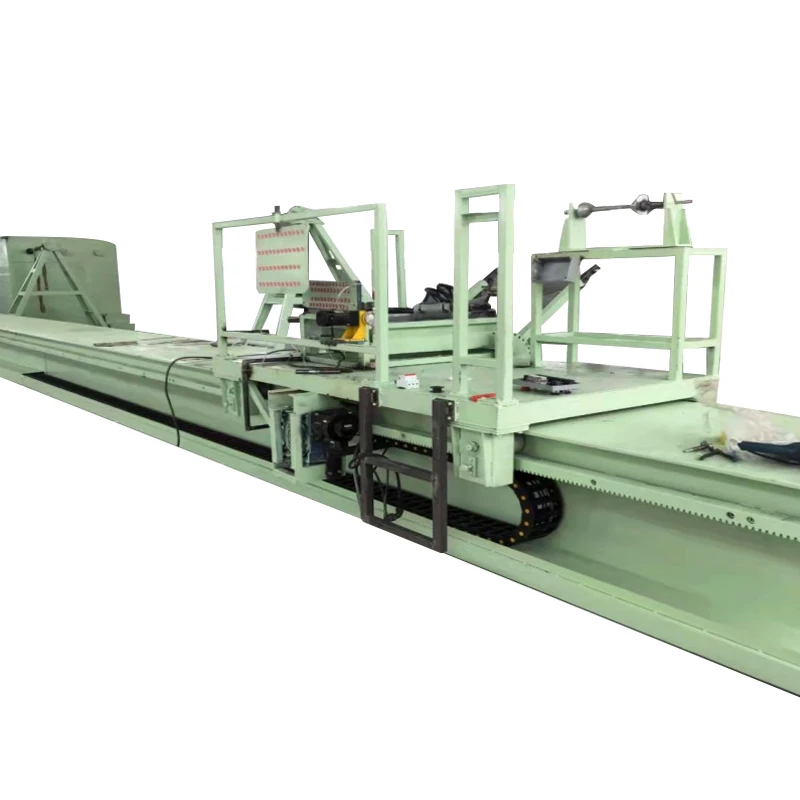
Today, the industry has entered the era of digitalization and precision. The adoption of automated winding and CNC control has eliminated human error in wall thickness, ensuring that chemical storage meets international safety standards for high-pressure applications.

Future Development Trends

Smart Composite Monitoring

Integration of IoT sensors within FRP walls to detect leaks or structural fatigue in real-time, specifically for hazardous acid storage.

Hyper-Durable Wear Parts

Development of ceramic-metallic hybrids for rake teeth to extend the lifecycle of sludge scrapers in aggressive chemical wastewater.

Zero-Emission Manufacturing

Shifting toward bio-resins and energy-efficient curing processes to align with South Africa's green economy initiatives.

Industry Trends & Future Outlook

Predicting the next 5 years of water pollution control engineering.

Precision Automation
Increased reliance on CNC systems to ensure absolute uniformity in chemical vessel wall thickness.
Advanced Corrosion Resistance
Developing new resin matrices specifically for the highly acidic wastewater found in mining.
Modular Treatment Units
Shift toward prefabricated, skid-mounted water treatment plants for rapid deployment.
Circular Resource Recovery
Designing systems that not only treat water but recover rare earth minerals from waste.

Industry Outlook

Based on Google search trends for "industrial water filtration" and "acid-resistant storage" in South Africa, there is a marked increase in interest toward sustainable composite materials. The market is moving away from temporary repairs toward permanent, high-CAPEX installations that reduce long-term OPEX.

We expect that the integration of digital twin technology will allow South African plant managers to simulate the wear and tear on components like rake teeth and vessel linings before they fail, ensuring 100% uptime in critical water pollution prevention systems.

Localized Application Scenarios in South Africa

Practical implementations of our equipment in regional industrial hubs.

1. Gold Mine Acid Mine Drainage (AMD) Treatment

Implementation of large-scale sulphuric acid storage tanks to neutralize acidic runoff in the Witwatersrand basin, utilizing FRP to prevent soil leaching.

2. Municipal Wastewater Sludge Management

Installation of reinforced rake teeth in Durban's municipal treatment plants to handle high-volume organic waste with minimal corrosion.

3. Chemical Manufacturing Storage in Gauteng

Custom-engineered sulfuric acid storage containers produced via cnc filament winding for safe, leak-proof transport and storage of industrial reagents.

4. Industrial Glass and Ceramics Production

Use of mannheim furnace compatible components for the heat-treatment of specialized filtration elements used in chemical scrubbing.

5. Coastal Desalination Plant Infrastructure

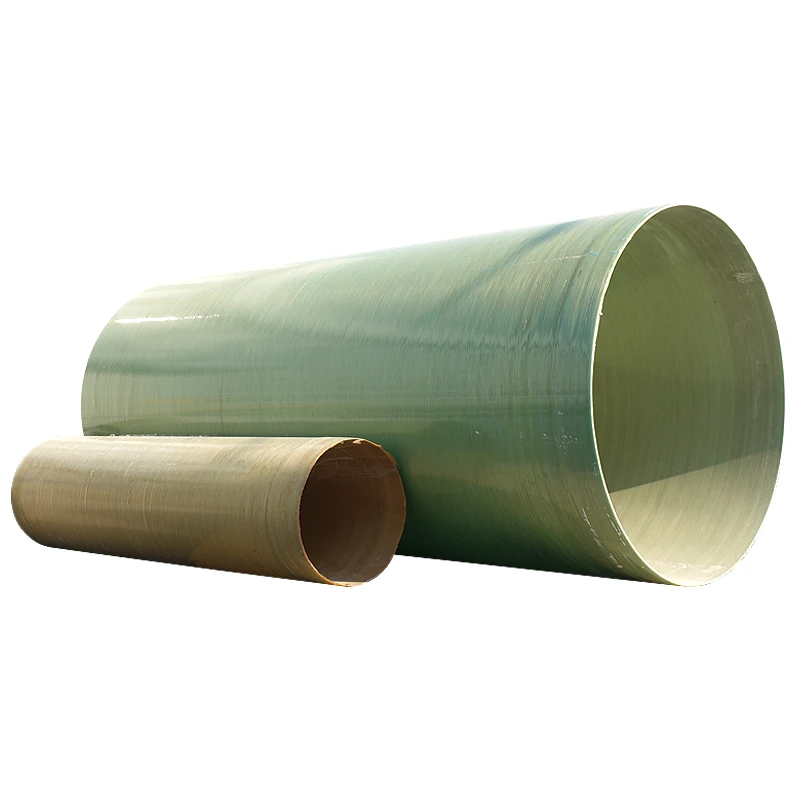
Deployment of high-pressure composite piping and vessels that resist both internal chemical aggression and external saltwater corrosion.

Brand Story

Global Development Process of Hebei Aoliande Chemical Equipment Co., Ltd.

Foundational Engineering

Started as a specialized workshop focusing on basic FRP tanks, mastering the fundamentals of resin-glass bonding for corrosive environments.

Technology Integration

Adopted advanced CNC filament winding systems, transitioning from manual layering to automated, high-precision composite manufacturing.

Global Expansion

Extended operations to Africa and South America, tailoring equipment to meet the specific geological and climatic needs of mining nations.

Innovation Leadership

Developed proprietary curing processes and reinforced wear parts to solve the most stubborn "corrosion-erosion" pain points in the industry.

Sustainable Future

Now leading the way in eco-friendly chemical equipment, ensuring that industrial growth does not come at the expense of planetary health.

Complete Product Portfolio for South Africa

A comprehensive range of acid-resistant and water-treating equipment designed for the African industrial environment.

Frequently Asked Questions in South Africa

Expert answers to common technical queries regarding water pollution equipment.

What is the advantage of cnc filament winding for acid tanks?

It ensures precise fiber orientation and consistent wall thickness, which is critical for maintaining structural integrity when storing high-concentration sulfuric acid.

How often should rake teeth be replaced in mining wastewater plants?

Depending on the abrasive content of the sludge, we recommend inspections every 6 months, though our reinforced composite versions typically last 30% longer than steel.

Are sulphuric acid storage tanks compliant with South African safety standards?

Yes, our tanks are designed to meet and exceed international standards (ASTM/BS), ensuring safety and environmental compliance for local industrial sites.

Can mannheim furnace technology be used for local equipment repair?

While primarily used in manufacturing, the curing principles can be applied to high-end industrial repairs to ensure the resin reaches full polymerization.

Which sulfuric acid storage containers are best for extreme heat?

We recommend dual-laminate FRP containers with specialized heat-resistant resins that prevent thermal degradation in South Africa's interior regions.

How does cnc filament winding reduce installation time?

By producing perfectly dimensional components, it eliminates the need for on-site modifications, allowing for rapid assembly of water treatment modules.

Ready to Secure Your Industrial Water Infrastructure?

Get expert consultation on acid-resistant equipment and water pollution control tailored for South Africa.

Contact Us Now

If you are interested in our products, you can choose to leave your information here, and we will be in touch with you shortly.