Look, I’ve been elbows-deep in construction for over 20 years – from sprawling infrastructure projects to tight residential builds. One thing that consistently stands out is the need for reliable, efficient materials and techniques. Lately, it’s become increasingly clear that cnc filament winding is answering a lot of those calls. It’s not just a fancy technology; it’s fundamentally changing how we approach structural integrity, cost-effectiveness, and even sustainability. We're talking about stronger, lighter components, built faster, and with more design flexibility than ever before.
The industry is under constant pressure - tighter budgets, quicker timelines, and demands for more resilient structures. Traditional materials often fall short, requiring extensive labor, on-site fabrication, and frequent repairs. This is where cnc filament winding steps in, offering a solution that addresses these pain points directly. It’s about more than just the materials themselves; it’s about a shift in manufacturing processes that streamlines construction and delivers superior results.
I've seen firsthand the challenges of working with conventional materials, the delays, the waste. cnc filament winding doesn't eliminate those challenges overnight, but it offers a real path toward a more efficient and durable future for construction.
The Foundations of cnc filament winding
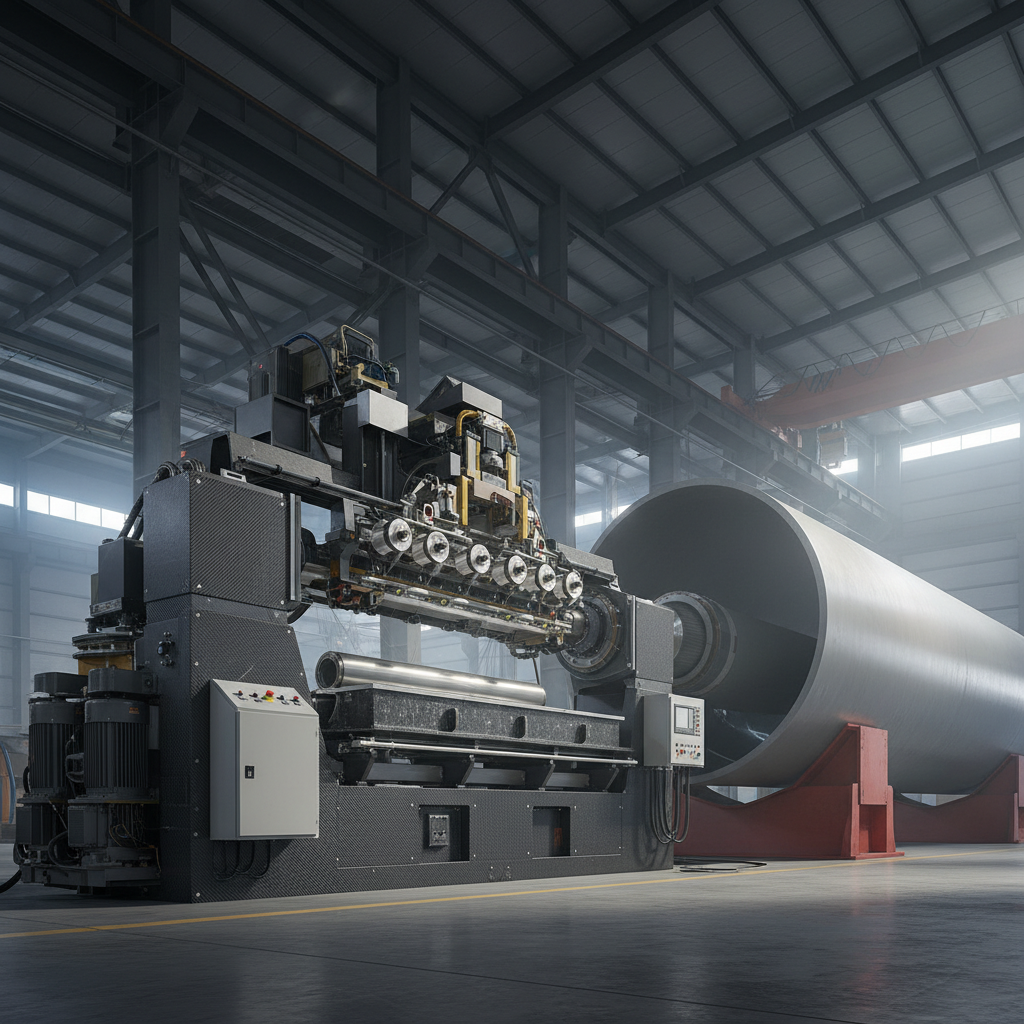
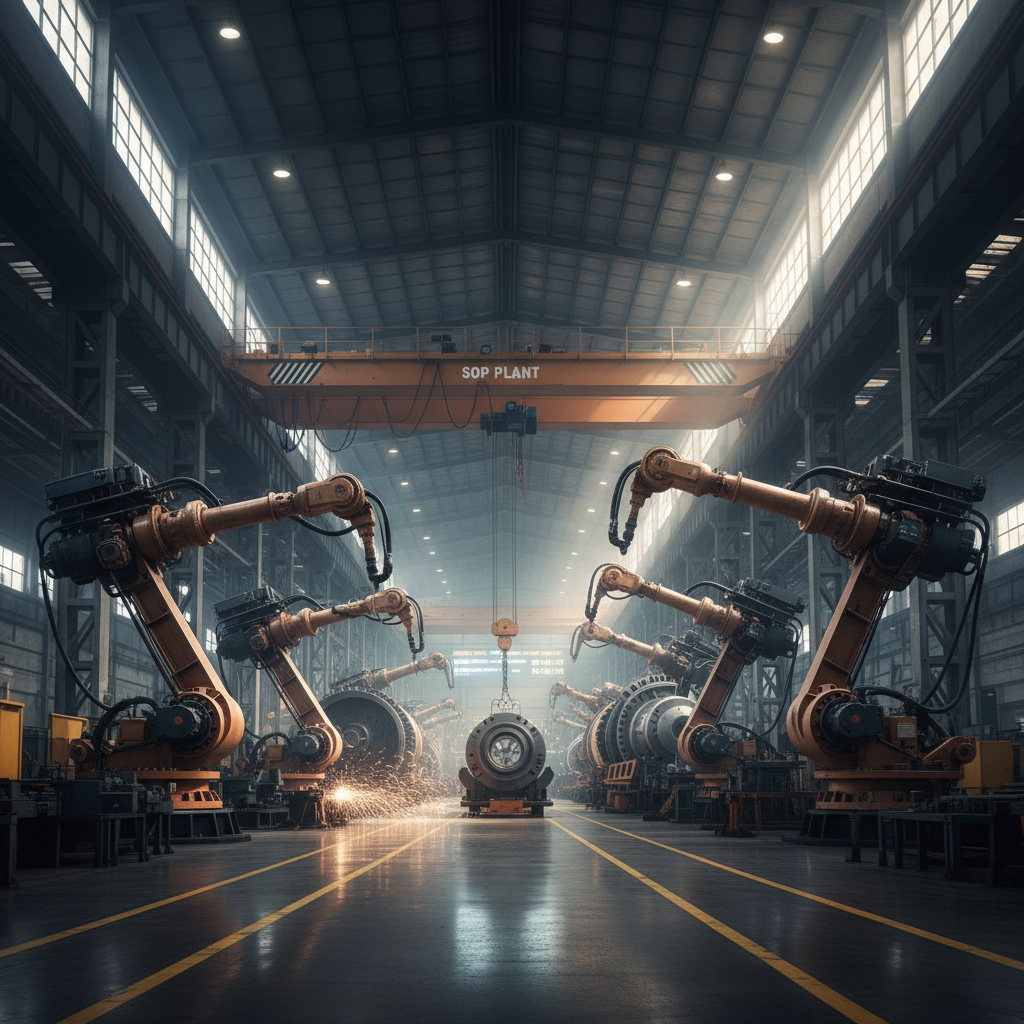
At its heart, cnc filament winding is about precision. It’s the automated layering of reinforcing fibers – think carbon fiber, fiberglass, or aramid – onto a mandrel, creating a highly customized, structurally optimized component. I’ve watched crews struggle with manual layup for years, battling inconsistencies and labor costs. This automation changes everything.
The beauty of it is the control. A CNC machine guides the fiber path with incredible accuracy, allowing for tailored reinforcement where it's needed most. This isn’t just about speed; it’s about building components that perform exactly as designed, with minimal material waste. It's a step up from traditional methods that were just… messier, frankly.
Global Relevance and Industry Impact
The demand for lighter, stronger, and more durable materials is global. From aerospace and automotive to infrastructure and renewable energy, every sector is looking for solutions that push the boundaries of performance. The UN’s Sustainable Development Goals, particularly those relating to infrastructure and industrial innovation, are driving this demand. We’re talking about billions of dollars invested in technologies that can deliver on these goals.
Consider the challenges of aging infrastructure. Bridges, pipelines, and power lines across the world are in desperate need of repair or replacement. cnc filament winding offers a viable solution for strengthening existing structures or creating entirely new ones that are built to last. It's not a niche technology; it’s a fundamental building block for the future of construction.
The World Bank estimates trillions of dollars are needed to address infrastructure gaps in developing countries. cnc filament winding can help bridge that gap by providing cost-effective, durable, and rapidly deployable solutions.
Defining cnc filament winding: A Practical Perspective
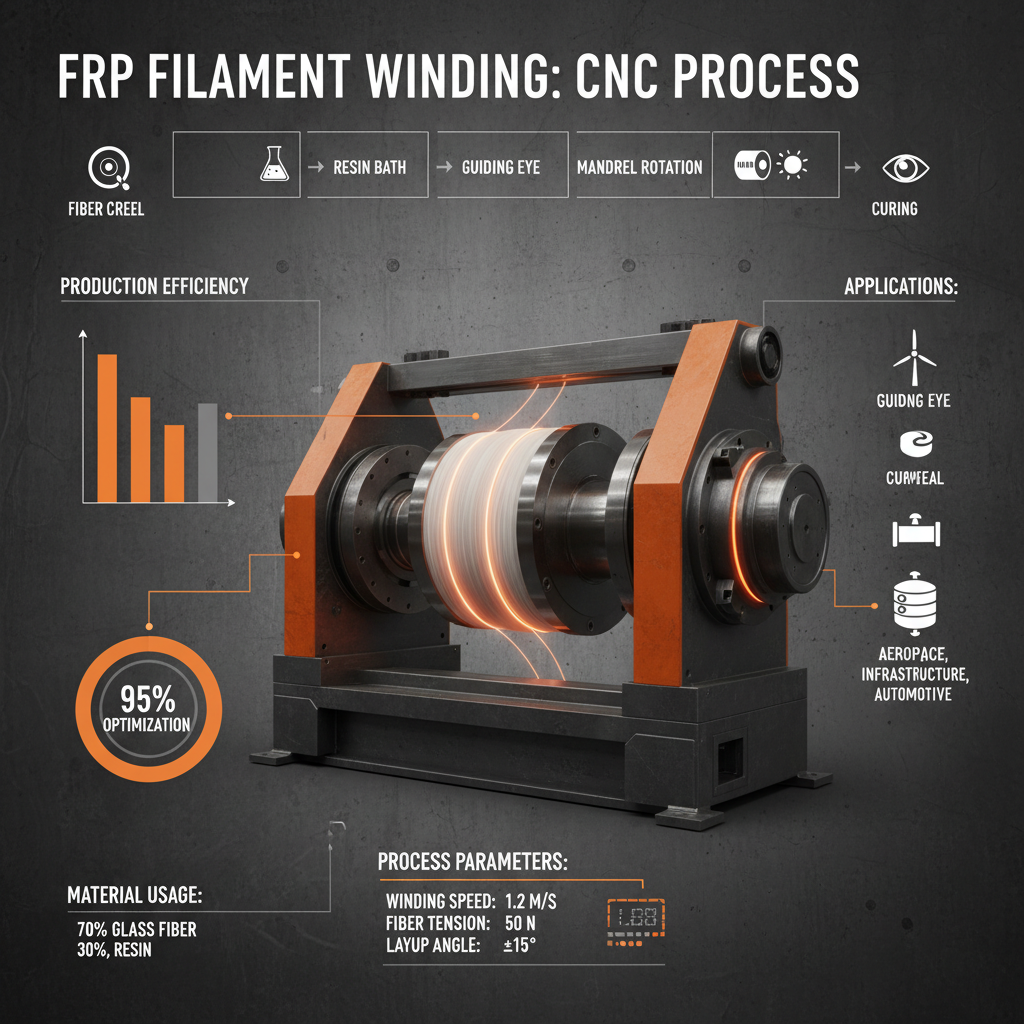
Forget the technical jargon. cnc filament winding is essentially a robotic way to wrap incredibly strong fibers around a form. That form – the mandrel – defines the shape of the final component. Think of it like winding thread around a spool, but with robotic precision and high-performance materials. It’s not just about winding; it’s about strategically placing those fibers to maximize strength and minimize weight.
What separates it from other composite manufacturing methods, like hand layup, is the repeatability and control. You get the same quality part, every single time. And because it’s automated, it’s significantly faster and more cost-effective, especially for complex geometries. I've seen projects that were previously cost-prohibitive become feasible thanks to this technology.
This isn't just about making things stronger; it's about solving real-world problems. From creating lightweight components for electric vehicles to building corrosion-resistant pipelines, cnc filament winding offers a versatile solution for a wide range of applications.
Core Strengths: Why cnc filament winding Matters
Let's talk about what this tech really brings to the table. First, Strength-to-Weight Ratio. The components are incredibly strong for their weight – vital for applications where minimizing mass is crucial. Second, Design Flexibility. Complex shapes and custom reinforcement patterns are easily achievable. Third, Corrosion Resistance. Fiberglass and carbon fiber are naturally resistant to corrosion, extending the lifespan of structures in harsh environments.
Then there's Scalability. Once you have the programming dialed in, you can produce large quantities of identical components quickly and efficiently. And finally, Reduced Labor Costs. Automation significantly reduces the need for skilled labor, lowering overall project costs. These aren't just buzzwords; they translate directly into savings and improved performance.
cnc filament winding Performance Metrics
Real-World Applications of cnc filament winding
I’ve seen cnc filament winding used to reinforce aging pipelines in the oil and gas industry, extending their lifespan and preventing costly leaks. In aerospace, it’s creating lighter and stronger aircraft components, improving fuel efficiency. And in the renewable energy sector, it’s enabling the construction of larger and more durable wind turbine blades.
We're also seeing innovative applications in pressure vessels, automotive components, and even sporting goods. The versatility of the process is truly remarkable. I recently visited a site where they were using it to build composite pedestrian bridges – a testament to its structural capabilities.
The Long-Term Value Proposition
Investing in cnc filament winding isn’t just about saving money in the short term; it’s about building for the future. The increased durability and corrosion resistance translate into lower maintenance costs and extended asset life. That’s a significant return on investment, especially for large-scale infrastructure projects.
Beyond the economic benefits, there’s a strong sustainability argument. The lightweight nature of composite materials reduces energy consumption during transportation and operation. And the ability to create custom designs minimizes material waste. This aligns with the growing global focus on environmental responsibility.
Emerging Trends and Future Innovations
The industry is constantly evolving. We're seeing advancements in automated fiber placement, allowing for even greater precision and speed. New resin systems are being developed that offer enhanced performance characteristics, such as improved temperature resistance and toughness. And the integration of digital technologies, like AI-powered process control, is further optimizing the manufacturing process.
I’m particularly excited about the potential of using bio-based resins in cnc filament winding, creating truly sustainable composite materials. And the development of closed-loop recycling processes for carbon fiber will be critical for reducing environmental impact.
The future of cnc filament winding isn’t just about building better components; it’s about creating a more sustainable and resilient built environment.
Overview of Key Challenges and Potential Solutions in cnc filament winding
| Challenge |
Impact on cnc filament winding Process |
Potential Solution |
Implementation Difficulty (1-10) |
| Material Costs |
High cost of carbon fiber and specialized resins. |
Explore alternative materials, optimize fiber placement. |
6 |
| Process Control |
Maintaining consistent fiber tension and resin distribution. |
Implement real-time monitoring and control systems. |
7 |
| Mandrel Design & Fabrication |
Complex geometries require precise and costly mandrel production. |
Utilize 3D printing for rapid mandrel prototyping and production. |
5 |
| Surface Finish Quality |
Achieving desired surface finish can require post-processing. |
Optimize winding patterns and resin selection for improved surface smoothness. |
4 |
| Inspection & Quality Assurance |
Detecting internal flaws and defects in composite structures. |
Employ non-destructive testing methods like ultrasonic inspection. |
8 |
| Scalability of Production |
Scaling up production to meet large-scale demand. |
Invest in automated winding systems and optimize process workflows. |
7 |
FAQS
Compared to traditional methods like hand layup, cnc filament winding offers superior consistency, faster production speeds, reduced labor costs, and the ability to create complex geometries with greater precision. The automated nature minimizes human error and allows for optimized fiber placement, resulting in stronger and lighter components. It allows for repeatable, high-quality results, something hand layup simply can't consistently deliver.
A wide range of reinforcing fibers can be used, including carbon fiber, fiberglass, aramid fibers (like Kevlar), and even hybrid combinations. The choice of material depends on the specific application requirements. The resin systems can also vary, including epoxy, polyester, and vinyl ester resins, each offering different properties in terms of strength, temperature resistance, and corrosion resistance.
Lead times vary depending on the complexity of the component, the required quantity, and the availability of materials. However, generally speaking, cnc filament winding offers significantly shorter lead times compared to traditional methods, especially for complex shapes. Simple components can be produced in a matter of hours, while more complex ones may take a few days.
Several aspects contribute to sustainability. The process minimizes material waste through precise fiber placement. Lightweight composite components reduce energy consumption in transportation and operation. Furthermore, the durability and corrosion resistance of these components extend their lifespan, reducing the need for frequent replacements. The use of bio-based resins is also emerging as a sustainable alternative.
Design for manufacturability is crucial. Consider the mandrel design, fiber path optimization, and resin flow characteristics. Minimizing sharp corners and ensuring smooth transitions can improve the quality and strength of the component. It's also important to account for fiber orientation and tailor it to the specific loading requirements. Collaboration with experienced engineers is highly recommended.
Operating a cnc filament winding machine requires a combination of mechanical, electrical, and programming skills. Training is essential to ensure safe and efficient operation. Maintenance typically involves routine inspections, lubrication, and component replacements. Many machine manufacturers offer comprehensive training programs and ongoing support to assist customers.
Conclusion
cnc filament winding is far more than just a manufacturing process; it’s a paradigm shift in how we approach material science and construction. Its ability to deliver high-strength, lightweight, and durable components with unparalleled precision makes it a game-changer across a multitude of industries. From strengthening aging infrastructure to enabling innovation in aerospace and renewable energy, the possibilities are truly limitless.
Looking ahead, continued advancements in materials, automation, and digital integration will only further enhance the capabilities of this technology. If you’re seeking solutions that prioritize performance, sustainability, and cost-effectiveness, I encourage you to explore the potential of cnc filament winding. Visit our website at www.frpgrpmachine.com to learn more and discover how we can help you transform your projects.