In the modern landscape of industrial fluid transport and water pollution control, the adoption of advanced composite materials has revolutionized how we approach corrosion and pressure management. The grp pipe machine absorbs the critical role of converting raw glass fibers and resin into high-performance Glass Reinforced Plastic (GRP) piping, which is essential for sustainable infrastructure and environmental protection.
Across the globe, the demand for infrastructure that can withstand aggressive chemical environments—such as desalination plants, wastewater treatment facilities, and oil refineries—has spiked. This shift is driven by the inherent limitations of traditional steel and concrete, which often succumb to oxidation and chemical erosion, leading to costly replacements and environmental leaks.
Understanding the mechanics and capabilities of a professional grp pipe machine is no longer just for engineers; it is a strategic necessity for stakeholders aiming to reduce life-cycle costs while adhering to strict ISO and environmental safety standards. By leveraging filament winding technology, these machines ensure structural integrity and long-term reliability in the most demanding conditions.
Global Context of GRP Pipe Manufacturing
The global transition toward "Green Infrastructure" has placed a significant spotlight on the grp pipe machine. As urban populations grow, the World Bank and various UN environmental initiatives have emphasized the need for water-secure cities. Traditional piping systems often leak or corrode, wasting millions of cubic meters of treated water annually. GRP pipes, produced via precision winding, offer a leak-proof, corrosion-resistant alternative that aligns with these global sustainability goals.
In regions like the Middle East and Southeast Asia, where soil salinity is high and temperatures are extreme, the reliability of the grp pipe machine is paramount. These machines allow for the local production of pipes that can survive decades of exposure to aggressive salts and acids, reducing the reliance on expensive imports and minimizing the carbon footprint associated with transporting heavy industrial components.
Defining the GRP Pipe Machine Technology
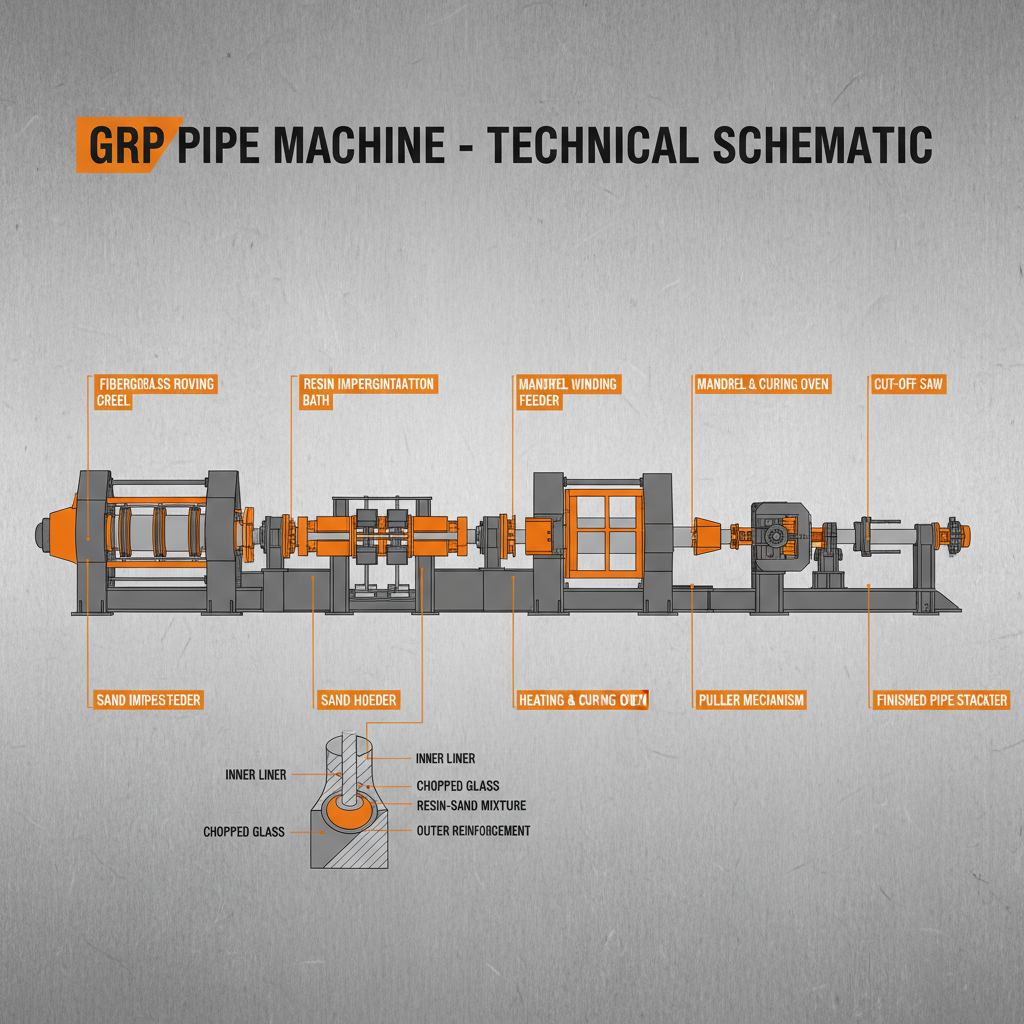
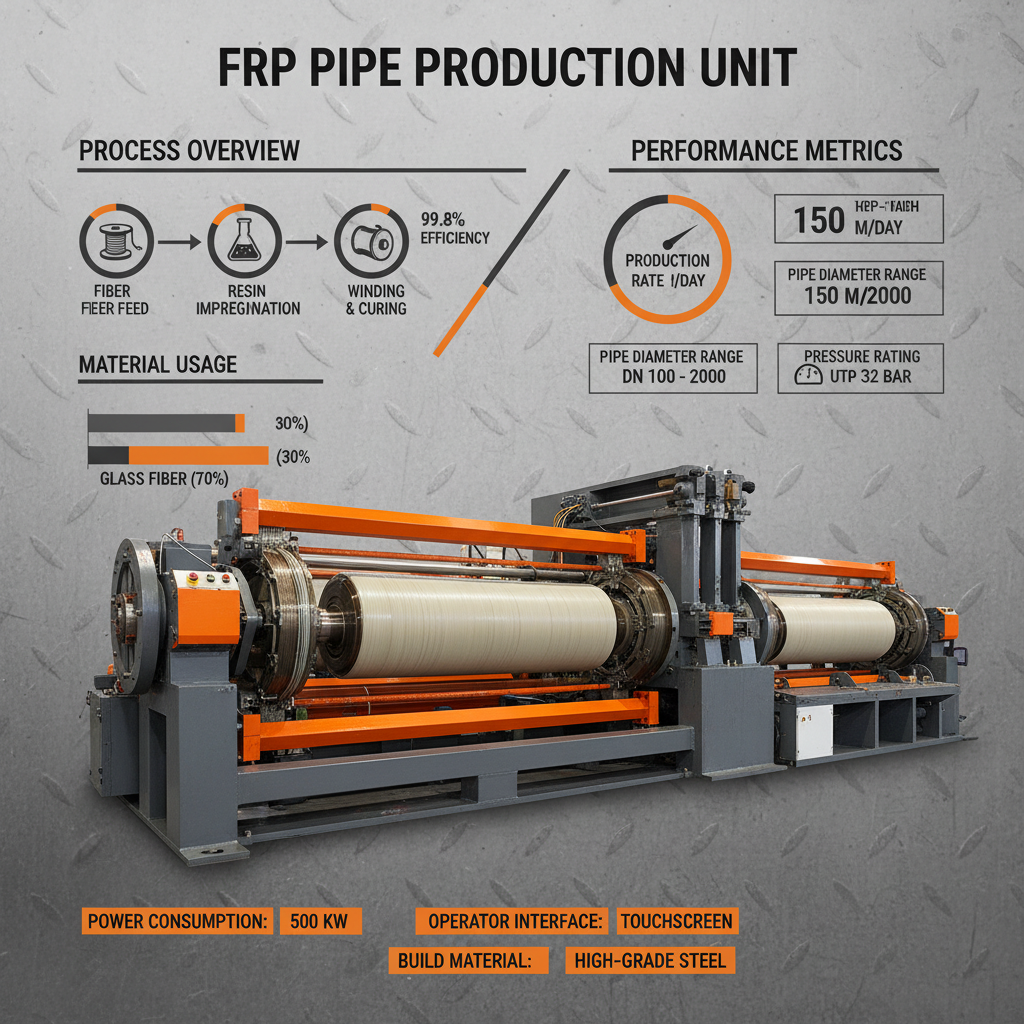
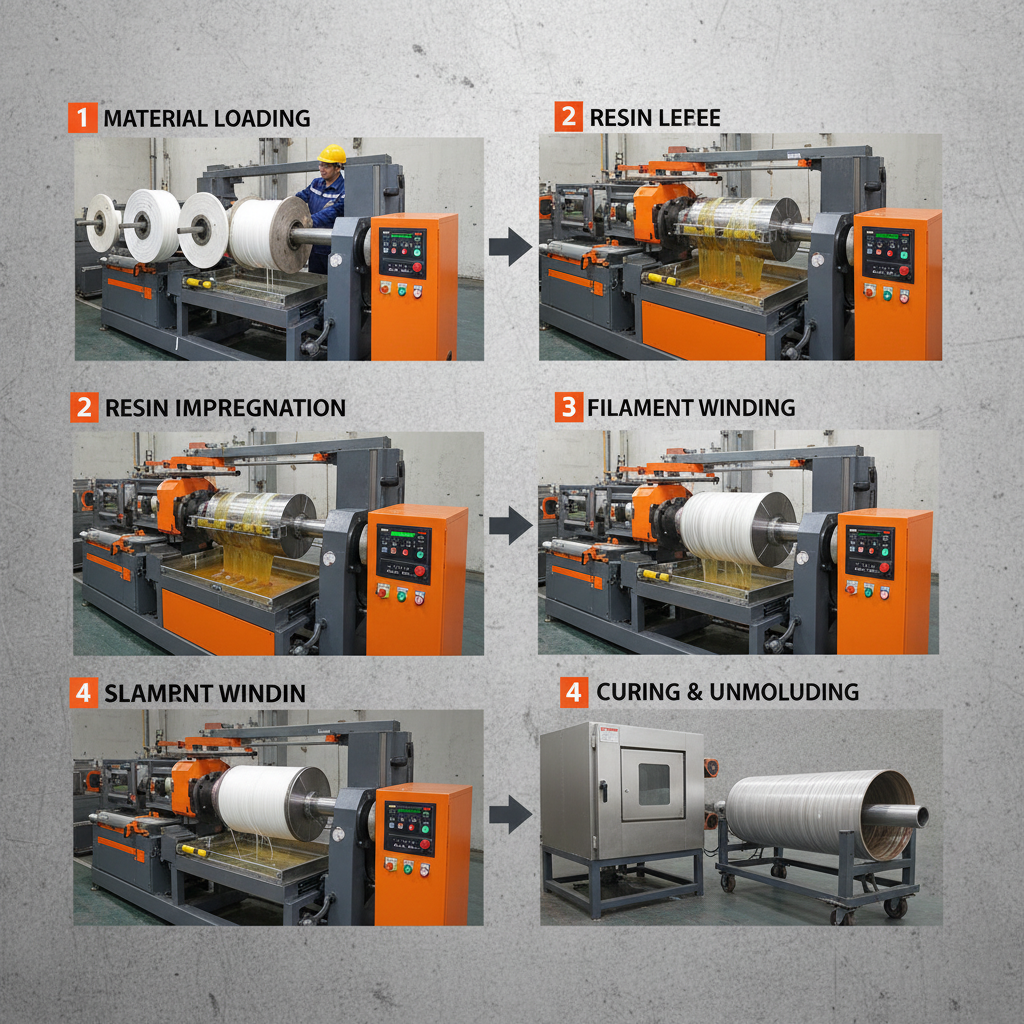
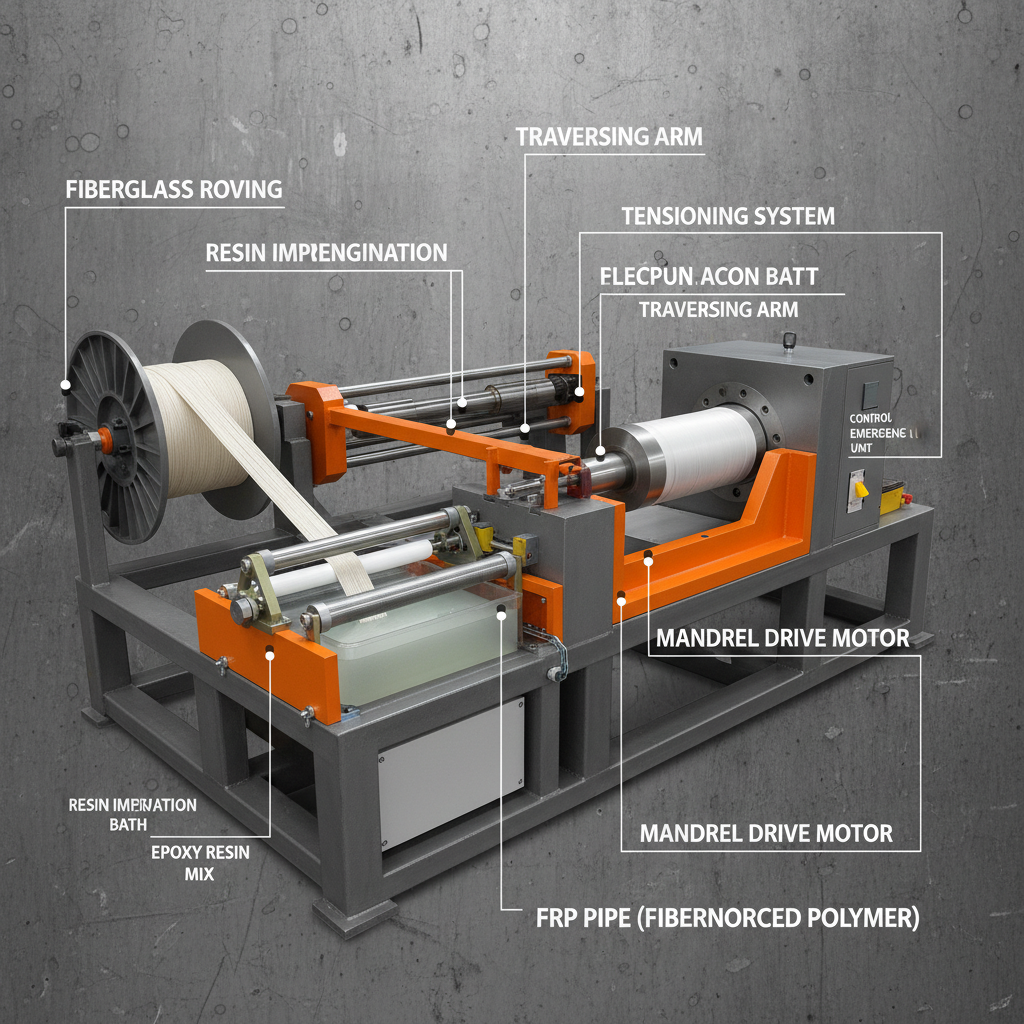
At its core, a grp pipe machine is a sophisticated piece of industrial equipment designed to manufacture Glass Reinforced Plastic pipes through a process known as filament winding. This involves pulling continuous strands of glass fiber through a resin bath and winding them onto a rotating mandrel in a precise geometric pattern. The result is a composite structure that combines the high tensile strength of glass with the chemical resistance of polymer resins.
Beyond the basic mechanics, these machines are integrated systems involving tension control, resin impregnation, and curing ovens. The synergy of these components ensures that the wall thickness is uniform and the fiber orientation is optimized to handle specific internal pressures. This level of precision is what differentiates a high-end grp pipe machine from basic molding equipment.
In the context of humanitarian and industrial needs, this technology allows for the rapid deployment of water distribution networks in remote areas. Whether it is for transporting potable water to a drought-stricken village or managing toxic effluents in a chemical plant, the flexibility and strength provided by the output of a grp pipe machine are indispensable.
Core Components and Performance Factors
The efficiency of a grp pipe machine depends heavily on its Precision Mandrel System. The mandrel serves as the foundation for the pipe; any vibration or eccentricity during rotation can lead to structural weaknesses. High-performance machines utilize CNC-controlled mandrels to ensure perfectly concentric pipes that meet international piping standards.
Another critical factor is the Tensioning and Delivery System. For a grp pipe machine to produce high-burst-pressure pipes, the glass fibers must be applied with consistent tension. This prevents the formation of "resin-rich" or "fiber-starved" areas, which are common points of failure in low-quality composite pipes.
Finally, the Curing and Extraction Process determines the overall production cycle time. Advanced grp pipe machine setups incorporate automated curing ovens and hydraulic extraction systems, allowing for a seamless transition from winding to final inspection, thereby maximizing daily output and reducing labor costs.
Global Applications and Industry Use Cases
The versatility of the grp pipe machine is evident in its wide range of industrial applications. In the oil and gas sector, these machines produce corrosion-resistant linings for pipelines that transport sour gas and saltwater. This prevents the catastrophic failures common in carbon steel pipes, significantly enhancing the safety of offshore drilling platforms and coastal refineries.
In municipal water management, the grp pipe machine is used to create large-diameter sewer and storm-water mains. Because GRP is impervious to hydrogen sulfide gas—a common byproduct of wastewater—these pipes last significantly longer than concrete, reducing the need for disruptive urban excavation and repair work.
Production Efficiency Comparison by GRP Pipe Machine Type
Long-Term Value and Sustainability Advantages
Investing in a high-quality grp pipe machine offers immense long-term value through the lens of Total Cost of Ownership (TCO). While the initial capital expenditure may be higher than traditional piping equipment, the pipes produced are virtually maintenance-free for 50+ years. This eliminates the recurring costs of anti-corrosive coatings and frequent leak detection surveys.
From an emotional and social perspective, the reliability of pipes produced by a grp pipe machine provides peace of mind to community planners. Knowing that a water main will not rupture due to chemical soil aggression ensures the dignity and safety of the population, protecting the environment from contamination and securing the basic human right to clean water.
Future Trends in Composite Pipe Production
The evolution of the grp pipe machine is currently being driven by Industry 4.0. We are seeing the integration of AI-driven quality monitoring, where sensors in real-time detect fiber breakage or resin voids during the winding process. This "smart manufacturing" approach ensures that every meter of pipe produced meets 100% of the design specifications, eliminating waste.
Furthermore, there is a strong shift toward "Green Resins." Future grp pipe machine models are being optimized to work with bio-based resins and recyclable thermoplastic matrices. This transition aims to solve the end-of-life challenge of composite materials, making GRP piping as eco-friendly in its disposal as it is in its operation.
Automation is also expanding into the customization realm. Modern grp pipe machine software now allows for variable wall thickness along a single pipe length, reinforcing specific sections that will face higher stress. This optimization reduces material usage without compromising safety, further enhancing the cost-efficiency of the process.
Overcoming Operational Challenges in Production
Despite the advantages, operating a grp pipe machine comes with technical challenges, primarily regarding resin viscosity and curing times. If the resin is too thick, it won't saturate the fibers; if it's too thin, it will drip, causing uneven walls. Expert operators overcome this by implementing precision temperature-controlled resin baths.
Another common limitation is the energy consumption of large curing ovens. To address this, innovative manufacturers are integrating UV-curing technologies into the grp pipe machine workflow. UV curing happens almost instantaneously at room temperature, drastically reducing energy costs and accelerating the production timeline.
Finally, worker safety in the presence of styrene emissions is a critical concern. Modern grp pipe machine installations now feature closed-loop ventilation and filtration systems. By capturing VOCs (Volatile Organic Compounds) at the source, plants can maintain a healthy working environment while complying with strict OSHA and European safety directives.
Technical Analysis of GRP Pipe Machine Operational Metrics
| Production Metric |
Entry-Level Machine |
Professional CNC Machine |
Enterprise Smart System |
| Winding Precision |
Low (±2mm) |
High (±0.5mm) |
Ultra-High (±0.1mm) |
| Max Pipe Diameter |
Up to 600mm |
Up to 2500mm |
Custom (up to 4000mm) |
| Energy Efficiency |
4/10 |
7/10 |
9/10 |
| Labor Requirement |
High Manual |
Semi-Automated |
Fully Automated |
| Curing Cycle Time |
12-24 Hours |
4-8 Hours |
1-3 Hours |
| Material Waste Rate |
8-12% |
3-5% |
< 2% |
FAQS
A grp pipe machine produces pipes that are completely immune to electrochemical corrosion and biological attack. Unlike steel, which rusts, or concrete, which can be eroded by acidic soil, GRP maintains its structural integrity for decades. This leads to a significant reduction in pipe bursts and leaks, ensuring a consistent water supply and lowering maintenance costs for municipalities.
Yes, absolutely. By adjusting the winding angle and fiber tension on the grp pipe machine, engineers can customize the pipe's burst pressure. High-angle winding is used for longitudinal strength, while low-angle (hoop) winding handles internal pressure. This makes GRP pipes ideal for high-pressure chemical transport and deep-sea pipelines.
Modern machines are increasingly efficient. While the curing process traditionally required significant heat, newer grp pipe machine setups use optimized thermal insulation and UV-curing systems. These innovations can reduce energy consumption by up to 40% compared to legacy models, contributing to a lower carbon footprint for the manufacturing plant.
A standard machine relies on manual settings and mechanical guides, which can lead to slight variations in wall thickness. A CNC grp pipe machine uses computer-numerical control to manage the fiber placement with micron-level accuracy. This results in superior strength-to-weight ratios and ensures that every pipe produced is identical to the technical drawing.
Yes, professional grp pipe machine systems are designed for versatility. They can be calibrated for polyester, vinyl ester, or epoxy resins depending on the chemical resistance required. The resin bath temperature and winding speed are adjusted to match the viscosity and curing profile of the specific resin used.
Selection should be based on three factors: required pipe diameter, target daily output, and the required pressure rating. For small-scale local projects, a standard machine suffices. However, for industrial-scale supply, a fully automated grp pipe machine with multiple mandrels and an integrated curing line is recommended to maximize ROI.
Conclusion
The integration of the grp pipe machine into modern manufacturing represents a pivotal shift toward more durable, sustainable, and cost-effective infrastructure. From the precision of filament winding to the chemical resilience of the final product, this technology addresses the most pressing challenges of water pollution control and industrial fluid transport. By combining structural strength with an immunity to corrosion, GRP pipes provide a long-term solution that outweighs the initial investment through reduced maintenance and environmental safety.
Looking ahead, the evolution toward AI-driven automation and bio-resins will further solidify the grp pipe machine as the gold standard for composite piping. For businesses and governments aiming to build resilient cities and sustainable industrial zones, adopting these advanced manufacturing tools is no longer optional—it is the foundation of future-proof engineering. To explore the best equipment for your needs, visit our website: www.frpgrpmachine.com.