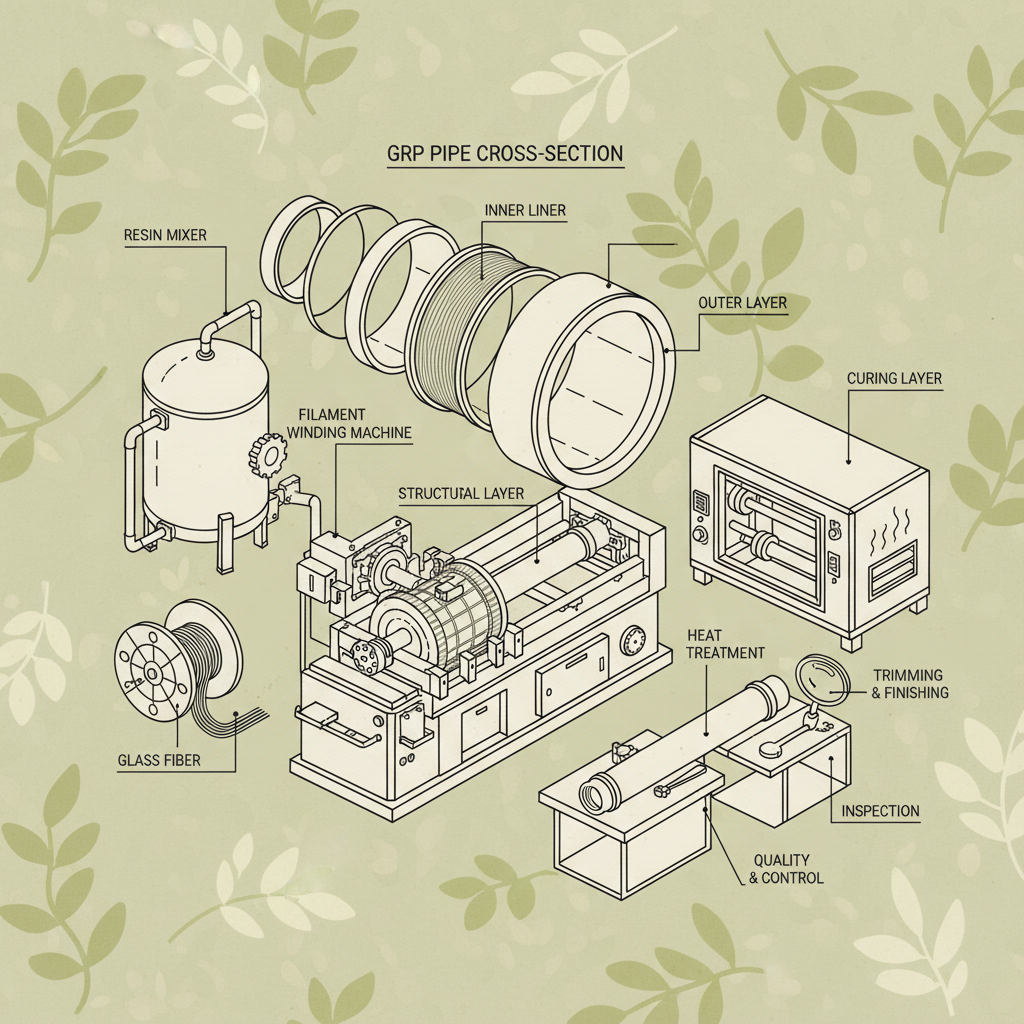
In the modern landscape of industrial manufacturing, filament winding equipment stands as a cornerstone technology for producing high-strength, lightweight composite structures. By precisely winding continuous fibers—such as glass or carbon—onto a rotating mandrel, this process creates components with exceptional structural integrity, tailored specifically to handle extreme internal pressures and corrosive environments.
The global demand for advanced water treatment and chemical storage has accelerated the adoption of these systems, as traditional steel and concrete often fail under the chemical stress of modern industrial waste. Understanding the nuances of filament winding allows engineers to optimize material usage, reducing waste while maximizing the load-bearing capacity of the final product.
Ultimately, investing in high-precision filament winding equipment is not just about increasing production speed; it is about ensuring the safety and longevity of critical infrastructure. From desalination plants to aerospace components, the ability to control fiber orientation ensures that every product meets the most rigorous international quality standards.
The Global Impact of Filament Winding Technology
On a global scale, the transition toward sustainable infrastructure has placed filament winding equipment at the forefront of the environmental protection sector. As ISO standards for water quality and chemical containment become more stringent, industries are moving away from heavy metals toward Fiber Reinforced Polymers (FRP). This shift is driven by the need for materials that can withstand the aggressive nature of wastewater treatment without leaching toxins or corroding over time.
The economic impact is substantial, with the composite machinery market growing as emerging economies invest in water pollution prevention. By utilizing precision winding, manufacturers can create large-scale piping and pressure vessels that are significantly lighter than steel, reducing transportation costs and installation time in remote industrial zones.
Defining Filament Winding Equipment in Modern Industry
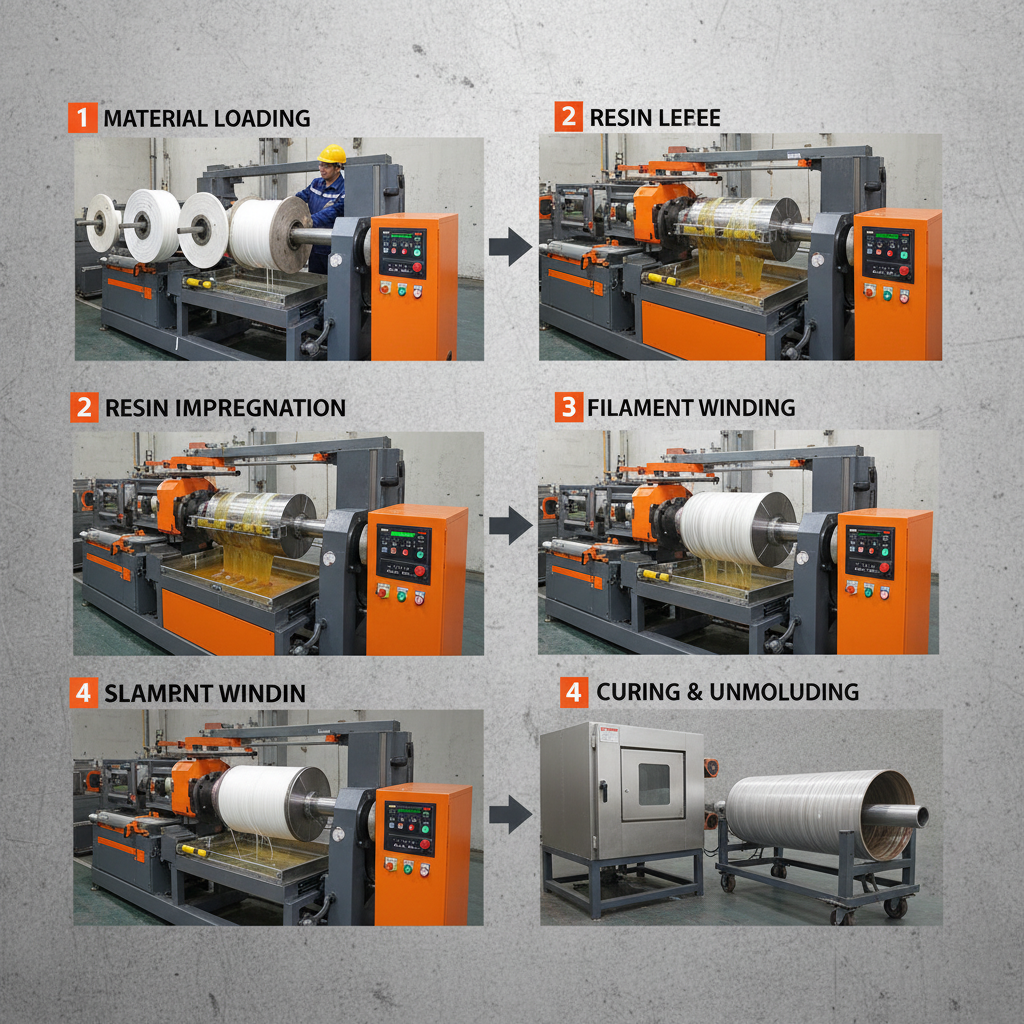
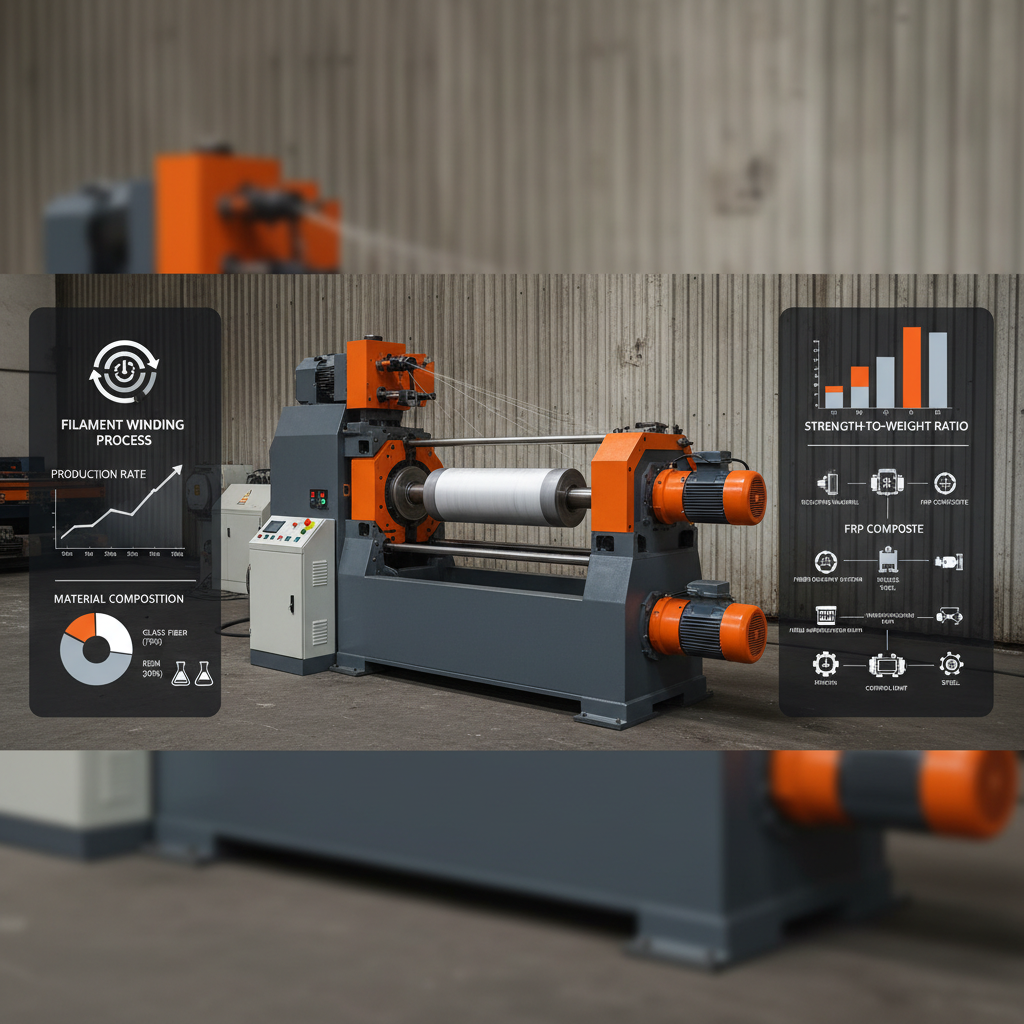
At its core, filament winding equipment is an automated manufacturing system designed to create hollow, cylindrical, or spherical composite parts. The process involves pulling continuous strands of resin-impregnated fibers—usually glass or carbon—through a resin bath and winding them onto a rotating mandrel in a specific geometric pattern. This ensures that the fibers are aligned with the primary stress directions of the finished part.
This technology bridges the gap between manual layup and mass production, offering a level of precision that is impossible to achieve by hand. In the context of water quality pollution prevention, this means producing pipes and tanks with zero leaks and extreme pressure resistance, ensuring that hazardous chemicals are contained safely throughout their lifecycle.
Modern systems integrate CNC (Computer Numerical Control) to manage the complex interplay between the mandrel's rotation and the carriage's longitudinal movement. This mathematical precision allows for the creation of custom wall thicknesses and fiber angles, transforming raw chemicals and glass fiber into high-performance industrial assets.
Core Components and Technical Factors
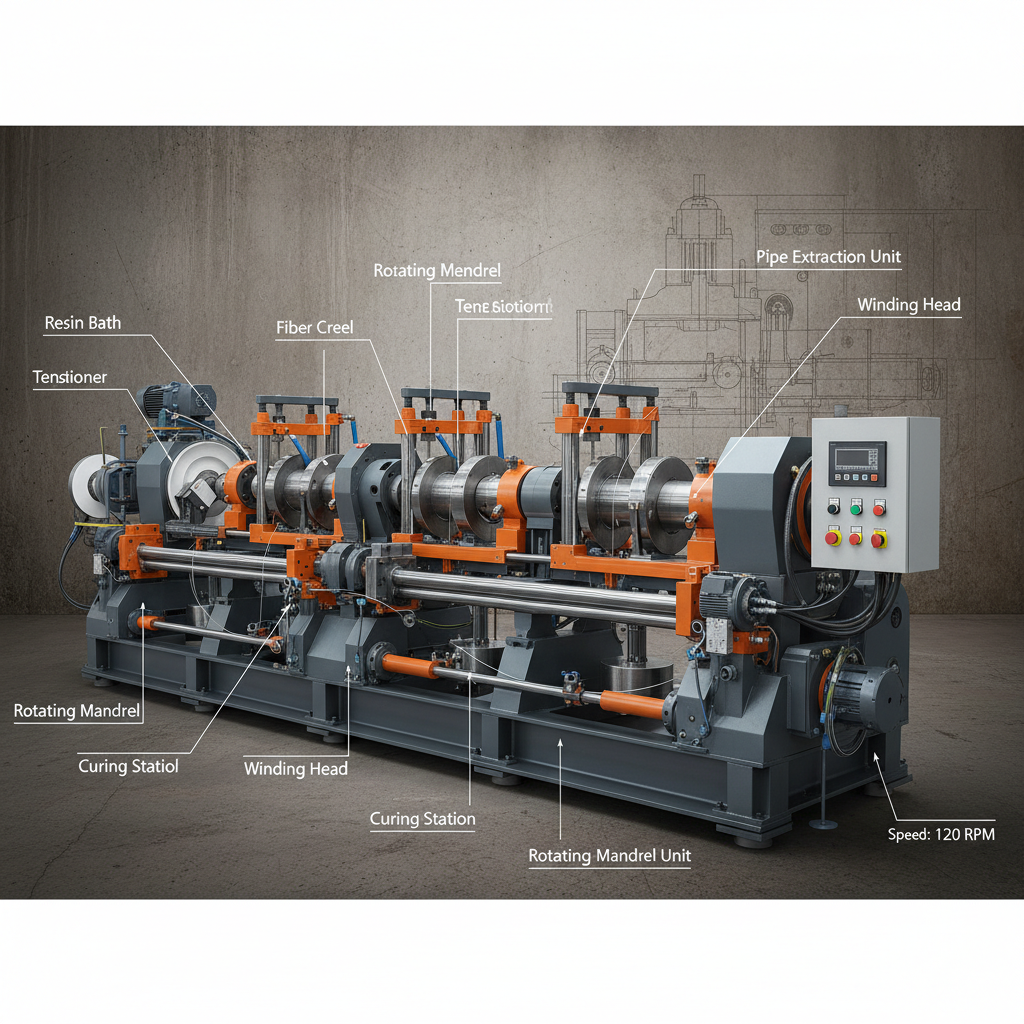
The efficiency of filament winding equipment depends heavily on its structural rigidity and the precision of its drive system. A high-torque mandrel is essential to prevent deflection when winding heavy layers of composite, while the fiber delivery system must ensure a consistent resin-to-fiber ratio to avoid structural voids.
Scalability is another critical factor; modular equipment allows manufacturers to expand their production capacity from small-diameter pipes to massive industrial storage tanks. By integrating advanced tensioning systems, the equipment ensures that each layer of fiber is tightly bonded, which is the primary driver of the product's eventual burst pressure and durability.
Finally, cost-efficiency in the long term is achieved through the minimization of material waste. Precision-controlled filament winding equipment utilizes software to calculate the exact amount of fiber needed, reducing the scrap rate and lowering the overall carbon footprint of the manufacturing process.
Performance Metrics for Composite Production
Evaluating the effectiveness of different winding strategies requires a look at specific performance indicators. For instance, the winding angle directly influences whether a pipe is better at resisting internal pressure (hoop winding) or longitudinal bending (helical winding). High-end filament winding equipment allows for a hybrid approach, combining these methods to create a balanced structural profile.
Beyond the geometry, the speed of the carriage and the consistency of the resin bath temperature are pivotal. If the resin cures too quickly or the winding speed fluctuates, the resulting composite may suffer from "delamination," where layers separate under stress, leading to catastrophic failure in high-pressure water treatment systems.
Comparative Performance of Filament Winding Equipment Methods
Global Applications and Real-World Use Cases
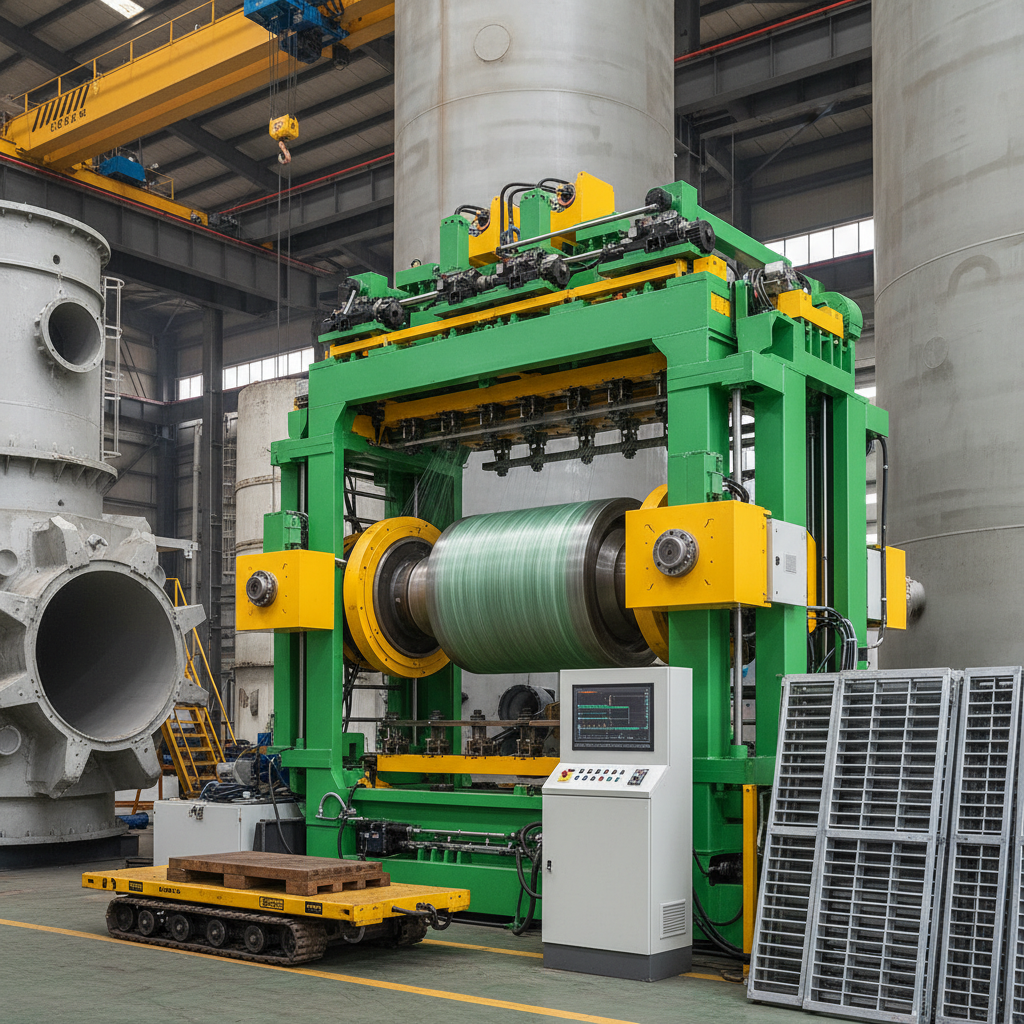
In the realm of water pollution prevention, filament winding equipment is used to produce massive FRP storage tanks for hazardous chemicals. In regions like Southeast Asia and the Middle East, where soil salinity is high and traditional metal pipes corrode rapidly, FRP piping produced by filament winding provides a permanent solution for seawater desalination plants and brine transport.
Beyond water treatment, these machines are pivotal in the energy sector. High-pressure hydrogen storage tanks and CNG cylinders rely on the extreme tensile strength of carbon fiber winding. In remote industrial zones, the ability to deploy lightweight, high-strength containers reduces the logistics burden and enhances the safety of transporting volatile substances.
Long-Term Value and Sustainability Benefits
The adoption of filament winding equipment offers a profound shift toward environmental sustainability. Unlike steel, which requires energy-intensive smelting and constant painting to prevent rust, FRP composites are naturally inert. This eliminates the risk of secondary pollution caused by anti-corrosion coatings leaching into the groundwater.
From a logical standpoint, the lifecycle cost of wound composites is significantly lower. While the initial machinery investment may be higher, the reduction in maintenance and the extension of service life—often exceeding 50 years in corrosive environments—provide a compelling return on investment (ROI).
Emotionally, the use of this technology provides peace of mind for plant operators and local communities. Knowing that a chemical storage tank is engineered with precision-wound fibers that can withstand unexpected pressure surges reduces the anxiety associated with industrial accidents, fostering a culture of trust and innovation.
Future Trends in Automation and Green Materials
The future of filament winding equipment is being shaped by the "Industry 4.0" movement. We are seeing the integration of AI-driven monitoring systems that can detect fiber breakage or resin gaps in real-time, automatically adjusting the winding tension to correct errors without stopping production.
Furthermore, there is a significant push toward "green" composites. Researchers are integrating bio-resins and natural fibers into the winding process to create biodegradable or recyclable composite structures. This transition ensures that the equipment of tomorrow not only prevents water pollution but also reduces the overall plastic footprint of the manufacturing industry.
Digital twins are also becoming standard. By creating a virtual replica of the winding process, engineers can simulate the stress distribution of a pipe before a single fiber is laid, ensuring that the filament winding equipment is used at peak efficiency with zero material trial-and-error.
Technical Comparison of Composite Winding Materials and Methods
| Material Type |
Winding Precision |
Corrosion Resistance |
Cost-Efficiency Score |
| E-Glass / Epoxy |
High |
Excellent |
9/10 |
| Carbon Fiber / Epoxy |
Ultra-High |
Superior |
6/10 |
| Aramid / Resin |
Medium |
Good |
7/10 |
| Bio-Fiber / Bio-Resin |
Medium |
Moderate |
8/10 |
| Hybrid Glass-Carbon |
High |
Excellent |
7/10 |
| Glass / Polyester |
Standard |
High |
10/10 |
FAQS
Filament winding offers significantly higher fiber volume fractions and precise control over fiber orientation. While hand layup is prone to human error and voids, filament winding equipment ensures a consistent, high-tension wrap that maximizes the strength-to-weight ratio, which is critical for high-pressure water treatment pipes.
Depending on the resin system used (such as vinyl ester or epoxy), FRP tanks typically have a service life of 30 to 50 years. Because they are immune to the electrochemical corrosion that destroys steel, they require far less maintenance and are ideal for aggressive chemical storage.
Yes, while cylinders are most common, advanced CNC filament winding equipment can create spheres, cones, and complex geodesic shapes. This is achieved by using multi-axis carriages and programmable mandrels that shift as the winding progresses.
Yes, the production of FRP composites generally involves lower temperatures and less energy than the smelting of steel. Additionally, the longevity of the products reduces the need for frequent replacements, and the lack of toxic anti-corrosion paints makes the end-of-life phase more manageable.
The most critical factor is tension control. If the fiber is wound too loosely, the structure will lack strength; if too tight, it may damage the mandrel or create resin-starved areas. High-precision filament winding equipment uses closed-loop sensors to maintain perfect tension throughout the process.
Consider your primary product dimensions and desired output. For small, high-volume parts, a multi-spindle machine is best. For massive infrastructure pipes, a heavy-duty CNC machine with a long-bed mandrel is required. We recommend analyzing your annual tonnage and maximum part length to determine the optimal scale.
Conclusion
In summary, filament winding equipment represents a vital synthesis of mechanical engineering and material science. By enabling the production of high-strength, corrosion-resistant FRP components, this technology directly supports the global mission of water pollution prevention and industrial safety. From its core components like precision mandrels to its application in hydrogen storage and desalination, the value of wound composites lies in their unmatched durability and efficiency.
Looking forward, the integration of AI and sustainable bio-materials will further elevate the capabilities of this equipment, making it an indispensable tool for the green energy transition. For companies aiming to lead in the environmental equipment sector, investing in advanced winding technology is no longer an option but a necessity for long-term competitiveness and ecological responsibility. Visit our website for more information: www.frpgrpmachine.com