Sulfuric acid, a cornerstone of modern industry, demands robust and reliable storage solutions. The need for safe and compliant sulfuric acid storage containers is paramount across a multitude of sectors, from fertilizer production and chemical manufacturing to wastewater treatment and mining. Effective storage isn’t merely about containment; it’s about protecting personnel, the environment, and ensuring operational continuity. The global demand for sulfuric acid continues to grow, driving innovation in storage technologies and stringent safety regulations.
The widespread use of sulfuric acid necessitates substantial storage capacity worldwide. According to the World Bank, the global sulfuric acid market is a multi-billion dollar industry, serving as a key indicator of economic activity. Improperly managed storage poses significant risks – corrosion, leaks, and potential environmental disasters. Consequently, the focus on advanced sulfuric acid storage containers, designed for long-term durability and safety, is increasing. Organizations like ISO develop and promote standards for handling and storage of hazardous materials, further highlighting the importance of compliant container solutions.
Investing in appropriate sulfuric acid containment is not just a regulatory requirement but a sound business practice. Well-designed and maintained sulfuric acid storage containers minimize the risk of costly spills, environmental liabilities, and production downtime. Modern solutions prioritize corrosion resistance, leak detection, and ease of inspection, ensuring a secure and efficient operation for facilities handling this critical chemical.
Introduction to Sulfuric Acid Storage
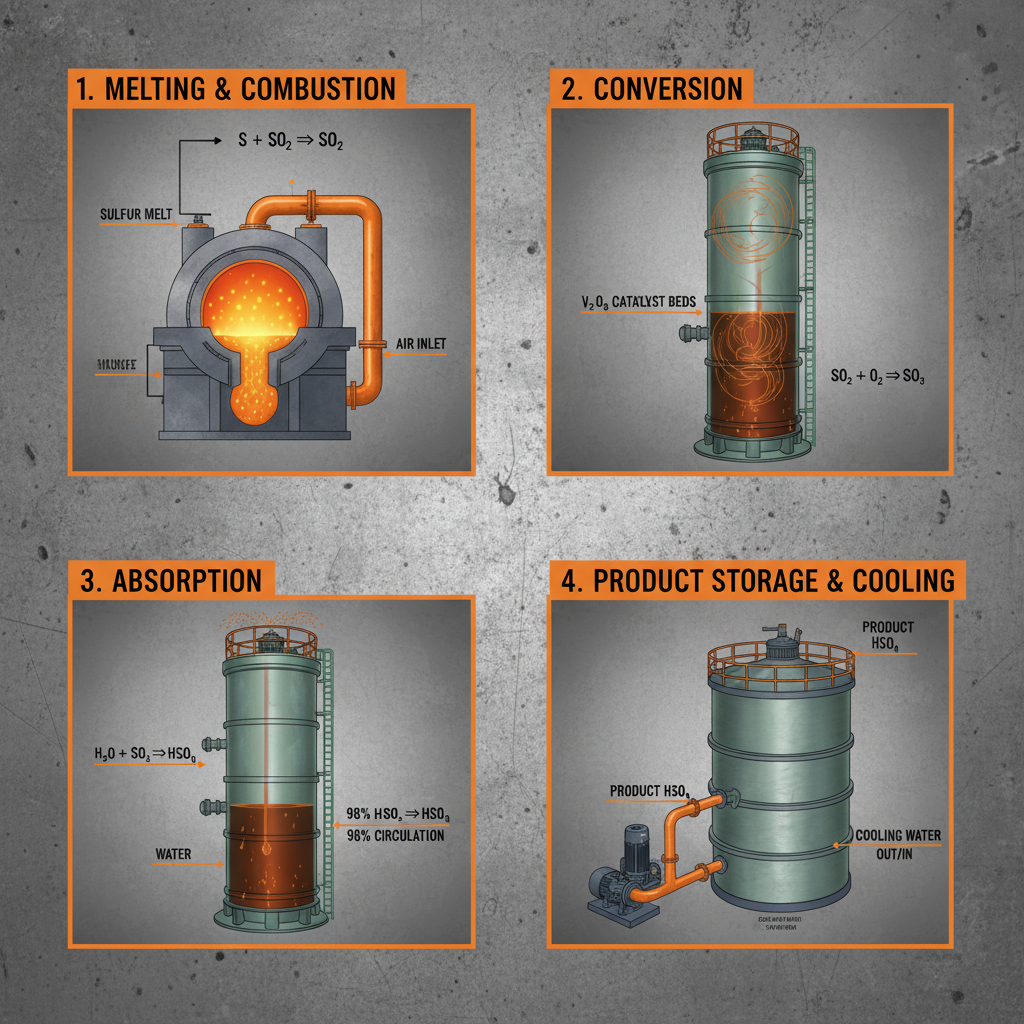
Sulfuric acid is one of the most widely produced industrial chemicals, crucial for manufacturing fertilizers, detergents, and a host of other essential products. Consequently, efficient and safe sulfuric acid storage containers are integral to maintaining stable supply chains and ensuring responsible chemical handling. The demand spans numerous industries, necessitating a variety of storage solutions tailored to specific needs.
Proper storage of sulfuric acid isn’t just about compliance; it's about preventing catastrophic failures that can lead to environmental damage, health hazards, and significant economic losses. The materials used in constructing these containers are specifically selected to withstand the highly corrosive nature of sulfuric acid, ensuring the integrity of the storage system over extended periods.
Defining Sulfuric Acid Storage Containers
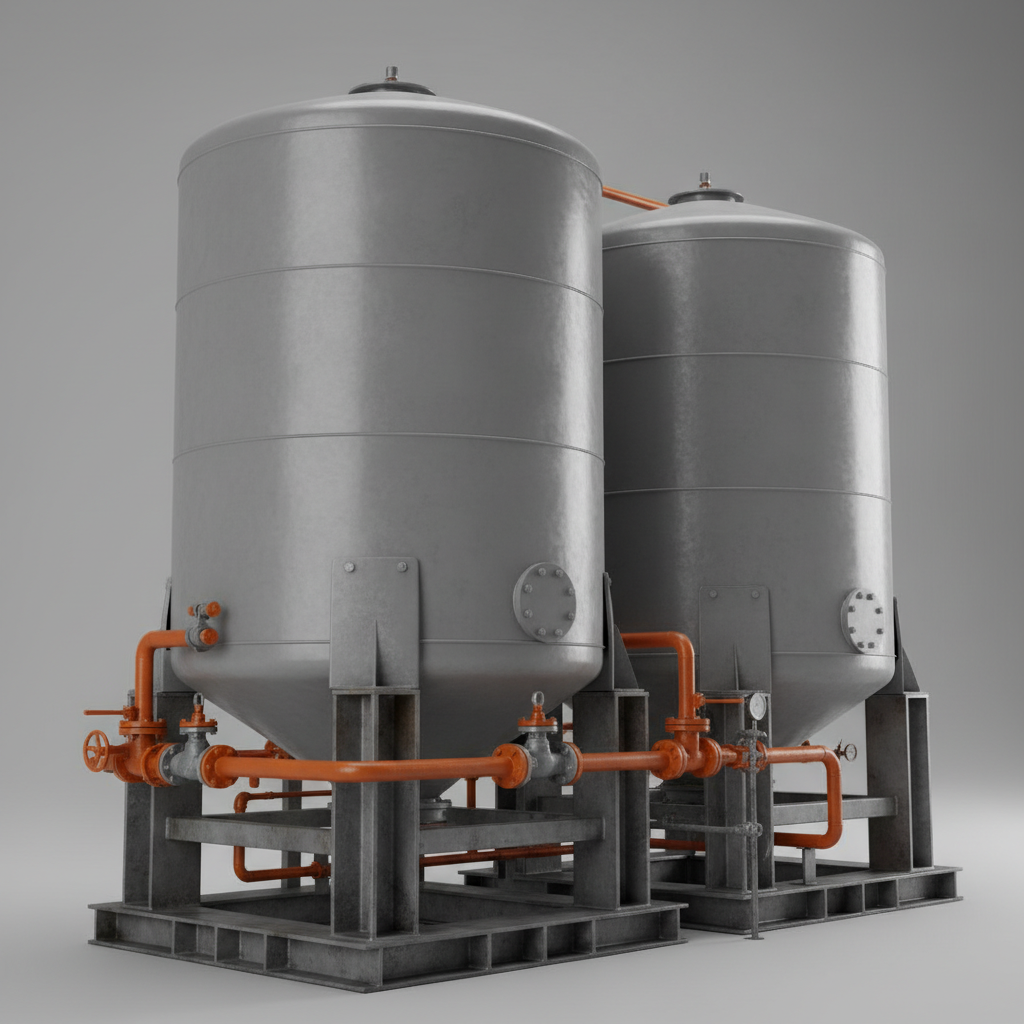
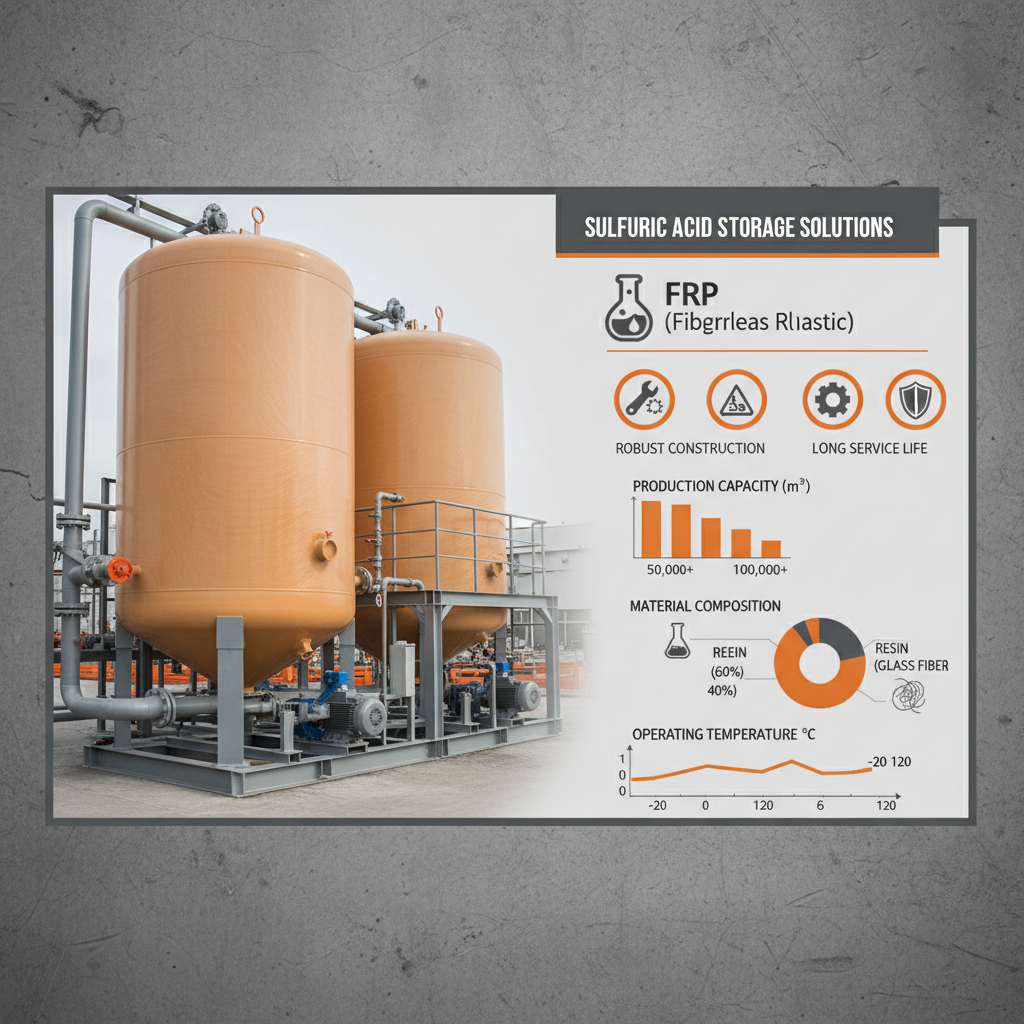
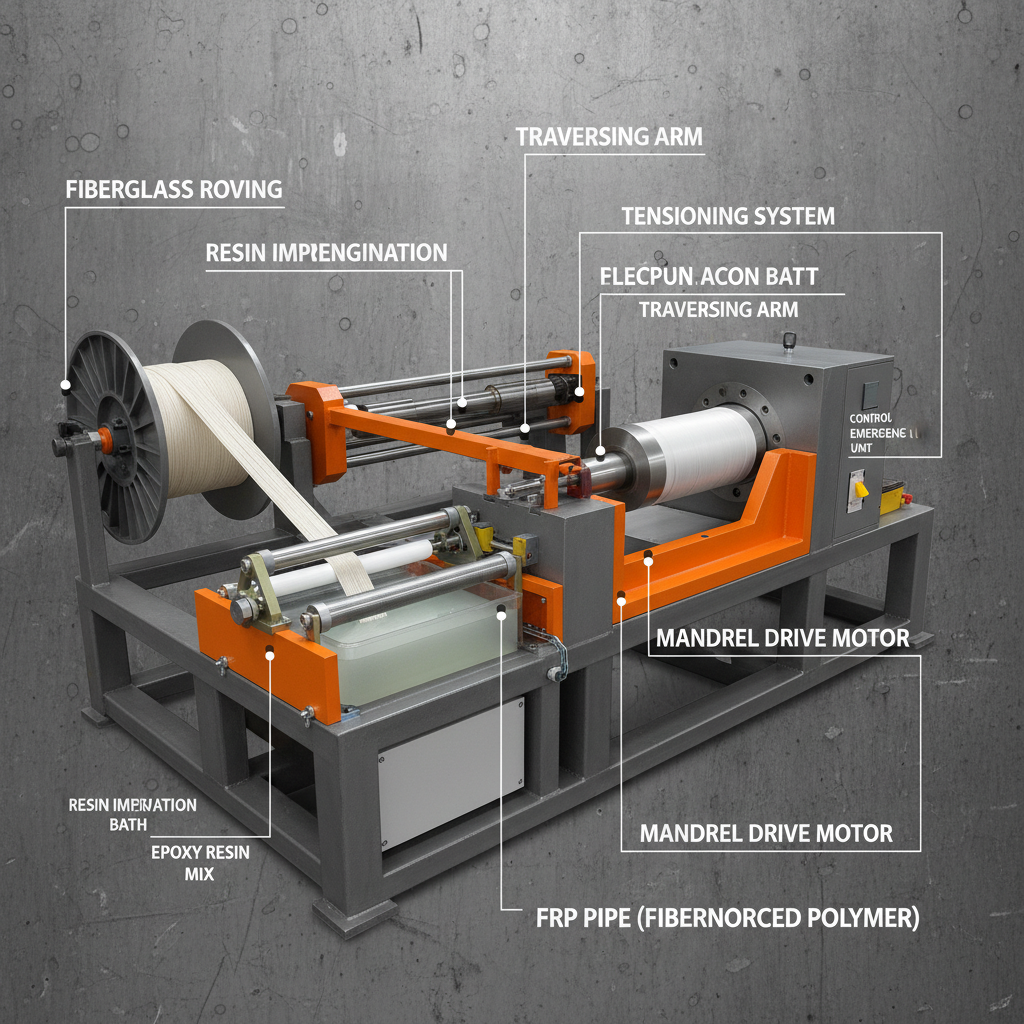
Sulfuric acid storage containers are engineered vessels designed to safely contain and preserve sulfuric acid, ranging in size from small portable tanks to massive industrial storage tanks. These containers are constructed from materials resistant to the corrosive effects of sulfuric acid, commonly including specialized polymers like fiberglass reinforced plastic (FRP) and high-density polyethylene (HDPE), as well as certain stainless steel alloys. The primary function is to prevent leaks, spills, and environmental contamination.
These containers are critical infrastructure for industries reliant on sulfuric acid. They are not simply holding tanks; they are integrated components of complex chemical processes. Features such as level indicators, ventilation systems, and emergency containment structures contribute to the overall safety and efficiency of the storage system.
The design and construction of sulfuric acid storage containers are subject to rigorous industry standards and regulations, including those set by organizations like ASTM International and various national environmental protection agencies. Compliance with these standards is essential for ensuring the safe and responsible handling of this hazardous chemical.
Core Components of Effective Storage
Durability is paramount when considering sulfuric acid storage containers. The ability to withstand the constant corrosive attack of sulfuric acid over years of service is critical to minimizing maintenance and preventing failures. Materials selection and construction techniques are key to achieving this longevity.
Scalability refers to the ability to adapt storage capacity to meet changing demands. Modular designs and flexible configurations allow facilities to easily expand or reconfigure their storage systems as production levels fluctuate. This avoids costly and disruptive infrastructure overhauls.
Corrosion resistance is not merely a feature but a fundamental necessity. The container materials must exhibit exceptional resistance to sulfuric acid at varying concentrations and temperatures. FRP and HDPE are commonly used due to their inherent resistance to chemical attack.
Global Applications and Use Cases
Sulfuric acid storage containers are essential in the fertilizer industry, where massive quantities of acid are used in the production of phosphate fertilizers. Large-scale storage tanks are common at fertilizer plants, requiring robust containment systems to prevent environmental contamination.
In the chemical manufacturing sector, sulfuric acid serves as a key reagent in numerous processes. From the production of detergents and plastics to the synthesis of pharmaceuticals, sulfuric acid storage containers are integral to maintaining smooth and efficient operations.
Wastewater treatment facilities utilize sulfuric acid for pH adjustment and the removal of heavy metals. Reliable storage is crucial for ensuring the effectiveness of these treatment processes and protecting the environment. Mining operations also depend on sulfuric acid for metal extraction, necessitating secure and compliant storage solutions in remote locations.
Sulfuric Acid Storage Container Performance Metrics
Advantages and Long-Term Value
Investing in high-quality sulfuric acid storage containers offers significant cost savings over the long term. Reduced maintenance requirements, minimized risk of spills and leaks, and extended service life all contribute to lower total cost of ownership.
Sustainability is increasingly important. Modern storage solutions, particularly those utilizing FRP, often have a lower environmental footprint compared to traditional materials like carbon steel. This aligns with growing corporate social responsibility initiatives.
Future Trends and Innovations
The development of smart storage systems, incorporating sensors and data analytics, is a growing trend. These systems provide real-time monitoring of tank levels, temperature, and structural integrity, enabling proactive maintenance and preventing potential failures.
Research into new materials with even greater corrosion resistance is ongoing. Advanced polymers and composite materials are being explored as potential replacements for traditional storage materials. The integration of digital technologies like IoT and AI will play a crucial role in optimizing storage operations and enhancing safety.
Sustainable manufacturing processes for container production are gaining traction. Utilizing recycled materials and reducing energy consumption during manufacturing contribute to a circular economy and minimize environmental impact.
Challenges and Solutions
One significant challenge is the potential for hydrogen embrittlement in certain stainless steel alloys, particularly at higher temperatures and acid concentrations. Careful material selection and the implementation of corrosion inhibitors can mitigate this risk.
Maintaining the integrity of seals and gaskets is another common issue. Regular inspection and replacement of these components are crucial for preventing leaks. The use of advanced sealing materials with improved chemical resistance can extend their service life.
Transporting and installing large sulfuric acid storage containers can be logistically complex. Careful planning, specialized equipment, and experienced installation teams are essential for ensuring a safe and efficient process.
Summary of Challenges and Solutions for Sulfuric Acid Storage
| Challenge |
Severity (1-10) |
Potential Impact |
Proposed Solution |
| Corrosion |
9 |
Tank failure, environmental release |
FRP or HDPE construction, corrosion inhibitors |
| Leakage from Seals |
7 |
Minor spills, environmental contamination |
Regular inspection, advanced sealing materials |
| Hydrogen Embrittlement |
6 |
Reduced tank strength, potential cracking |
Material selection, corrosion inhibitors |
| Installation Complexity |
5 |
Damage during installation, delays |
Experienced installation teams, detailed planning |
| Temperature Fluctuations |
4 |
Material stress, potential cracking |
Insulation, temperature control systems |
| Regulatory Compliance |
8 |
Fines, operational shutdowns |
Adherence to ASTM and EPA standards |
FAQS
The most common materials are fiberglass reinforced plastic (FRP), high-density polyethylene (HDPE), and certain stainless steel alloys. FRP and HDPE are favored for their exceptional corrosion resistance, while stainless steel offers high strength and durability for specific applications. The selection depends on the concentration of the acid, temperature, and intended use.
Regular inspections are crucial. Visually inspect the container monthly for any signs of corrosion, cracks, or leaks. Conduct a more thorough inspection annually, including checking seals, gaskets, and any monitoring equipment. Maintain detailed records of all inspections.
Essential safety measures include secondary containment to capture spills, adequate ventilation to prevent the buildup of harmful fumes, clear warning signage, and readily available personal protective equipment (PPE) for personnel. Emergency response plans should also be in place and regularly practiced.
Yes, numerous regulations apply, varying by location. These include EPA regulations in the United States, as well as standards set by organizations like ASTM International. Compliance with these regulations is mandatory to ensure safe and responsible storage practices. Local authorities may also have specific requirements.
FRP offers exceptional corrosion resistance, a long service life, and relatively low maintenance requirements. It’s also lightweight compared to steel, simplifying installation and reducing transportation costs. FRP is an ideal choice for highly corrosive environments and large-volume storage applications.
Determining the correct size requires careful consideration of your sulfuric acid consumption rate, storage capacity requirements, and potential fluctuations in demand. A thorough assessment of your operational needs, including peak usage periods and emergency reserves, is essential. Consult with a qualified storage solutions provider for assistance.
Conclusion
In conclusion, sulfuric acid storage containers are not merely vessels for containment; they are critical components of safe, efficient, and sustainable industrial operations. Choosing the right materials, adhering to stringent regulations, and implementing proactive maintenance practices are paramount for minimizing risks and maximizing long-term value. The advancements in materials science and monitoring technologies continue to improve the reliability and safety of these essential storage solutions.
Looking ahead, continued innovation in smart storage systems, sustainable manufacturing processes, and predictive maintenance will further enhance the performance and longevity of sulfuric acid storage containers. Investing in these advancements is not only a sound business decision but also a responsible step towards environmental stewardship and operational excellence. Visit our website at www.frpgrpmachine.com to learn more about our comprehensive range of sulfuric acid storage solutions.