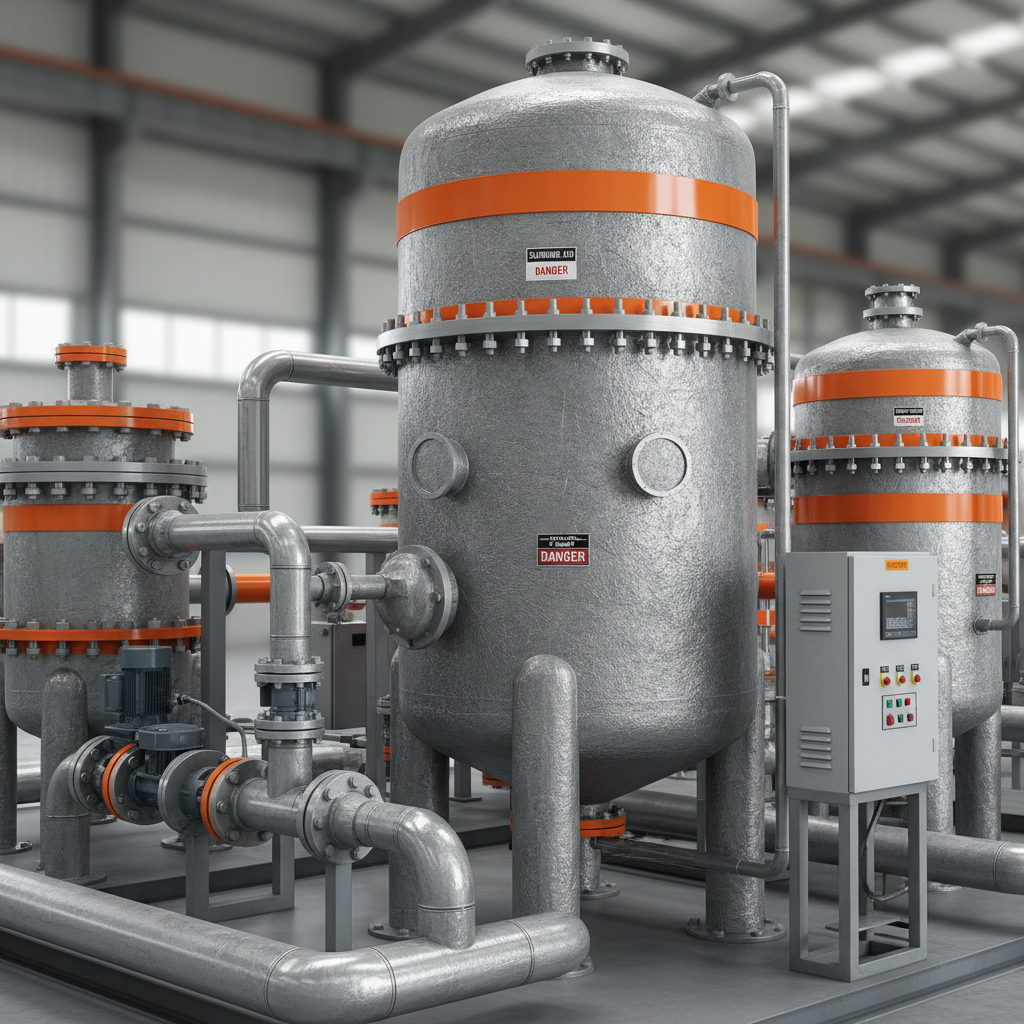
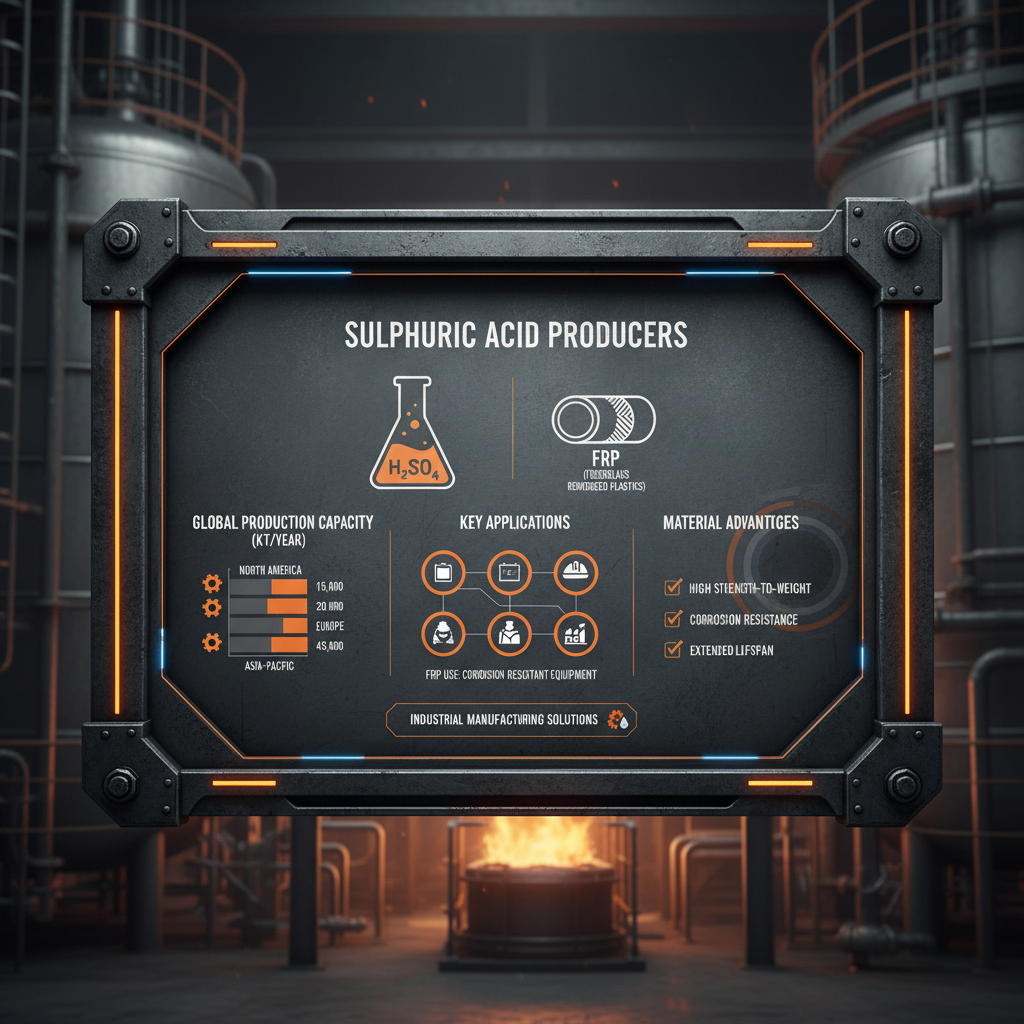
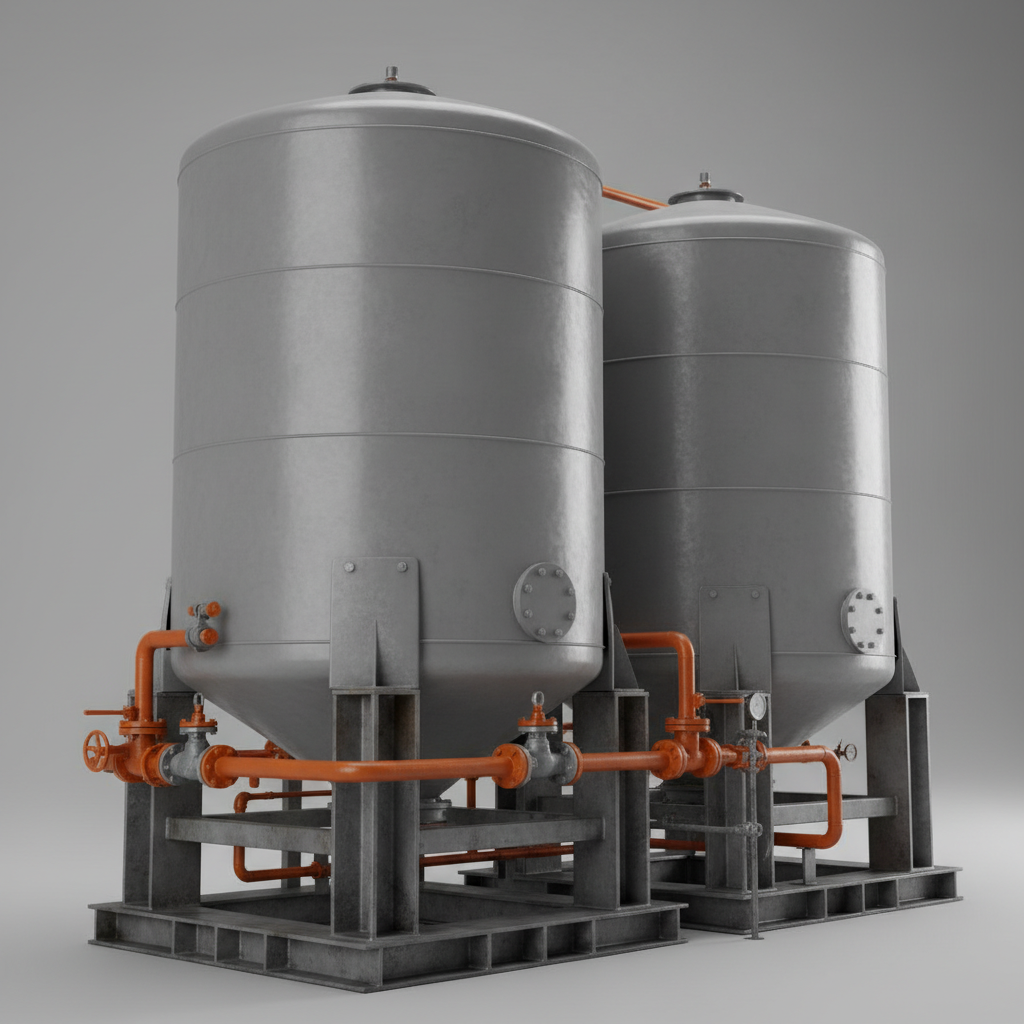
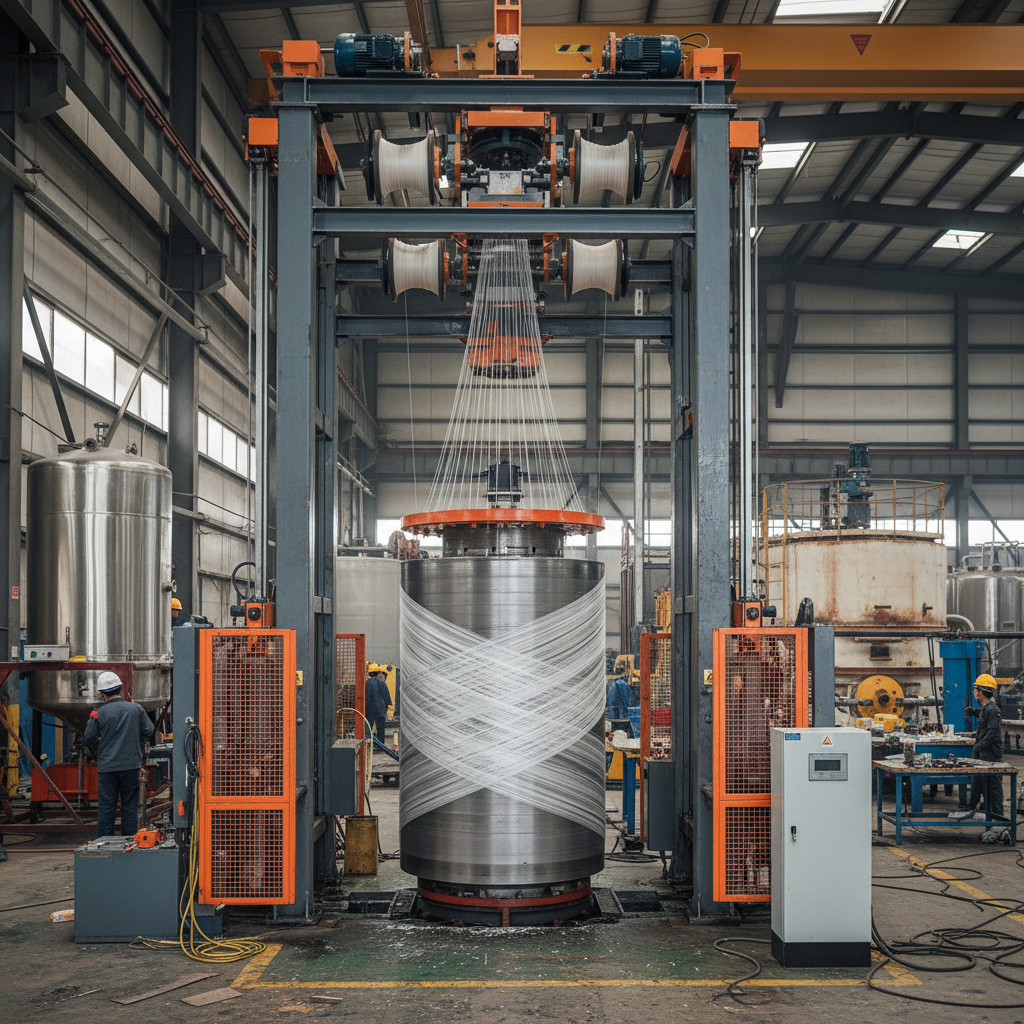
Sulphuric acid producers are fundamental to a vast array of modern industries, playing a critical role in everything from fertilizer production and mineral processing to the manufacturing of detergents and synthetic fibers. Understanding the dynamics of these producers – their technologies, capacities, and market influences – is essential for grasping the health of the global economy. They form the bedrock of numerous supply chains and are, therefore, vital to global trade.
Globally, the demand for sulphuric acid is consistently high, driven largely by the agricultural sector’s need for phosphate fertilizers. The increasing global population and the resultant demand for food ensure a continued requirement for these fertilizers, directly impacting the output and efficiency of sulphuric acid producers. Moreover, emerging industrial applications, particularly in the field of battery technology, are adding further pressure on supply.
Effective and sustainable operation by sulphuric acid producers translates directly into economic benefits for numerous downstream industries. Investments in modern production technologies and environmental controls are paramount, ensuring not only product quality but also minimizing ecological impact. Ultimately, a robust and responsible sulphuric acid production sector is integral to supporting global industrial growth and improving living standards.
Introduction to Sulphuric Acid Producers
Sulphuric acid producers are the cornerstone of numerous chemical processes vital to a functioning global economy. These facilities convert sulphur – often recovered from fossil fuel desulphurization or mined as elemental sulphur – into highly concentrated sulphuric acid (H₂SO₄). This process, while seemingly simple in concept, requires sophisticated engineering and strict quality control to ensure both efficiency and safety.
The economic impact of sulphuric acid producers extends far beyond the chemical industry itself. They are critical suppliers to the fertilizer industry, the largest consumer of sulphuric acid, supporting agricultural output worldwide. Furthermore, their products are used in the production of countless materials, from plastics and synthetic fibres to pharmaceuticals and detergents, influencing almost every aspect of modern life.
Defining Sulphuric Acid Producers
Sulphuric acid producers encompass companies that engage in the manufacturing of sulphuric acid on an industrial scale. These can range from large multinational corporations with multiple production facilities across the globe to smaller, regionally-focused enterprises. They utilize various production methods – most commonly the Contact Process – to convert raw materials like sulphur, pyrite, or spent acid into the final product.
The core competency of sulphuric acid producers lies in their ability to efficiently manage complex chemical reactions, handle corrosive materials, and adhere to stringent environmental regulations. They must also maintain robust supply chains to ensure a reliable source of raw materials and deliver their products to diverse customer bases.
These producers are inextricably linked to the broader chemical industry and the overall economic health of nations. Their ability to innovate, optimize production processes, and respond to changing market demands is essential for sustained growth and continued contribution to global prosperity.
Key Production Processes
The dominant method employed by sulphuric acid producers is the Contact Process. This involves burning sulphur to create sulphur dioxide (SO₂), which is then catalytically oxidized to sulphur trioxide (SO₃). The SO₃ is subsequently absorbed into concentrated sulphuric acid to form oleum, which is then diluted with water to produce the desired concentration of sulphuric acid. Optimizing catalyst efficiency and heat recovery are crucial for maximizing yield and minimizing costs.
Alternative methods, such as the Wet Sulphuric Acid (WSA) process, are increasingly utilized to recover sulphuric acid from industrial off-gases. This approach is particularly attractive from an environmental perspective, as it reduces sulphur dioxide emissions and promotes resource recovery. WSA plants are often integrated with smelters, refineries, and power plants.
Regardless of the chosen process, sulphuric acid producers must prioritize safety and environmental protection. This includes implementing robust emission control systems, managing wastewater effectively, and ensuring the safe handling and storage of corrosive materials. Continual investment in process optimization and pollution control technologies is essential for maintaining responsible operations.
Global Sulphuric Acid Demand & Capacity
Global demand for sulphuric acid is estimated to be over 250 million tonnes annually, with significant regional variations. Asia-Pacific accounts for the largest share of demand, driven by rapid industrialization and agricultural expansion. North America and Europe also represent substantial markets, although growth rates are typically more moderate.
Global production capacity currently exceeds demand, leading to some degree of oversupply in certain regions. China is the world’s largest producer of sulphuric acid, followed by the United States and Russia. However, the distribution of capacity is uneven, and logistical challenges can impact the availability of sulphuric acid in certain markets.
Global Sulphuric Acid Production Capacity (Millions of Tonnes)
Applications Across Industries
The versatility of sulphuric acid is reflected in its widespread applications. The fertilizer industry remains the largest consumer, utilizing it in the production of phosphate fertilizers like superphosphate and ammonium phosphate. This directly supports global food production and agricultural sustainability.
Beyond agriculture, sulphuric acid is vital in the production of detergents, synthetic fibers, pigments, and various other chemical intermediates. It plays a crucial role in metal processing, particularly in the leaching of copper, uranium, and other metals from ores. It is also used in the refining of petroleum and the production of explosives.
Advantages of Modern Production Techniques
Modern sulphuric acid production facilities benefit from significant advancements in technology, resulting in increased efficiency, reduced emissions, and improved product quality. The implementation of advanced process control systems allows for precise monitoring and optimization of operating parameters.
Furthermore, the use of high-efficiency catalysts and heat recovery systems minimizes energy consumption and reduces the environmental footprint. These innovations translate into lower production costs, enhanced competitiveness, and a more sustainable approach to chemical manufacturing.
Future Trends and Sustainability Challenges
The future of sulphuric acid producers will be shaped by increasing environmental regulations, the demand for sustainable practices, and the emergence of new applications. Developing technologies for carbon capture and utilization (CCU) could offer opportunities to reduce greenhouse gas emissions associated with sulphuric acid production.
Furthermore, the growing demand for battery materials, particularly lithium-ion batteries, is driving increased interest in utilizing sulphuric acid in the recycling of spent batteries. Addressing the challenges of spent acid management and promoting circular economy principles will be crucial for ensuring the long-term sustainability of the industry.
Innovations in WSA technology and the integration of renewable energy sources into production processes will also play a key role in creating a more environmentally responsible and economically viable future for sulphuric acid producers.
Summary of Sustainability Challenges for Sulphuric Acid Producers
| Challenge Area |
Severity (1-10) |
Potential Impact |
Mitigation Strategies |
| Emissions Control (SOx, NOx) |
9 |
Environmental Damage, Regulatory Penalties |
Advanced Scrubbing Technologies, Process Optimization |
| Spent Acid Management |
8 |
Waste Disposal Costs, Environmental Contamination |
Acid Regeneration, Neutralization & Landfill |
| Energy Consumption |
7 |
Operating Costs, Carbon Footprint |
Heat Recovery Systems, Energy-Efficient Equipment |
| Raw Material Sourcing |
6 |
Supply Chain Disruptions, Price Volatility |
Diversification of Suppliers, Long-Term Contracts |
| Water Usage & Discharge |
7 |
Water Scarcity, Wastewater Treatment Costs |
Water Recycling Systems, Efficient Cooling Technologies |
| Regulatory Compliance |
8 |
Legal Risks, Operating Restrictions |
Proactive Environmental Monitoring, Compliance Audits |
FAQS
The main concerns center around sulphur dioxide (SO₂) emissions, which contribute to acid rain and respiratory problems. Additionally, managing spent acid and minimizing water usage are critical. Modern sulphuric acid producers address these by employing advanced scrubbing technologies, acid regeneration processes, and water recycling systems, aiming to reduce their environmental footprint and adhere to strict regulations.
The purity of the sulphur feedstock directly influences the quality of the produced sulphuric acid. Impurities like arsenic, halogens, and organic compounds can poison the catalyst used in the Contact Process, reducing its efficiency and potentially contaminating the final product. Producers therefore require high-quality sulphur, and often utilize pre-treatment processes to remove these contaminants.
Sulphuric acid is highly corrosive, necessitating stringent safety protocols. These include the use of corrosion-resistant materials in all equipment, comprehensive personal protective equipment (PPE) for personnel, emergency response plans, leak detection systems, and robust ventilation to prevent exposure to harmful fumes. Regular safety training and audits are also crucial.
Advanced process control systems, utilizing real-time data analysis and automated adjustments, are pivotal in optimizing production efficiency. High-efficiency catalysts minimize energy consumption and maximize yield. Furthermore, implementing heat recovery systems significantly reduces energy costs and the overall environmental impact. Digitalization and predictive maintenance are also increasingly important.
Spent sulphuric acid, generated from various industrial processes, can be regenerated through thermal decomposition to recover SO₂, which is then converted back into sulphuric acid. Alternatively, it can be neutralized with lime or other alkaline materials and disposed of in landfills, although this is less environmentally desirable. Promoting acid regeneration is a key aspect of sustainable practices.
The increasing demand for battery materials, particularly for electric vehicles, will drive demand for sulphuric acid in battery recycling. Development of carbon capture and utilization (CCU) technologies, utilizing SO₂ emissions, presents a potential sustainability opportunity. Furthermore, tighter environmental regulations and the push for circular economy models will continue to shape the industry’s direction.
Conclusion
Sulphuric acid producers are indispensable to the functioning of the global economy, providing a critical chemical building block for countless industries. From supporting agricultural output through fertilizer production to enabling advancements in battery technology, their impact is far-reaching. Embracing sustainable practices, adopting innovative technologies, and prioritizing safety are paramount for ensuring the long-term viability of this essential sector.
Looking ahead, the sulphuric acid industry must continue to focus on reducing its environmental footprint, improving resource efficiency, and responding to evolving market demands. By investing in research and development, promoting collaboration, and adhering to the highest standards of ethical and environmental responsibility, sulphuric acid producers can maintain their vital role in building a more sustainable and prosperous future. To learn more about solutions for sulphuric acid production, visit our website: www.frpgrpmachine.com