Calcium Chloride Production Line FAQ: Specifications, Ordering and Support Questions
QUESTIONS & ANSWERS
Calcium Chloride Production Line FAQ: Specifications, Ordering and Support Questions
This FAQ addresses the most common questions buyers and procurement teams ask about the calcium chloride production line offered by Hebei Aoliande Chemical Equipment Co., Ltd. Topics covered include the Mannheim furnace process, key technical parameters, system components, energy and environmental features, PLC automation, and ordering considerations — all sourced from confirmed product documentation.

Calcium Chloride Production Line: Frequently Asked Questions
Buyers evaluating a calcium chloride production line often need clear, direct answers before making procurement decisions. The questions below are drawn from typical enquiries about process technology, equipment specifications, environmental compliance, automation, and support. Every answer is based on confirmed product documentation from Hebei Aoliande Chemical Equipment Co., Ltd.
1. What production process does the calcium chloride production line use?
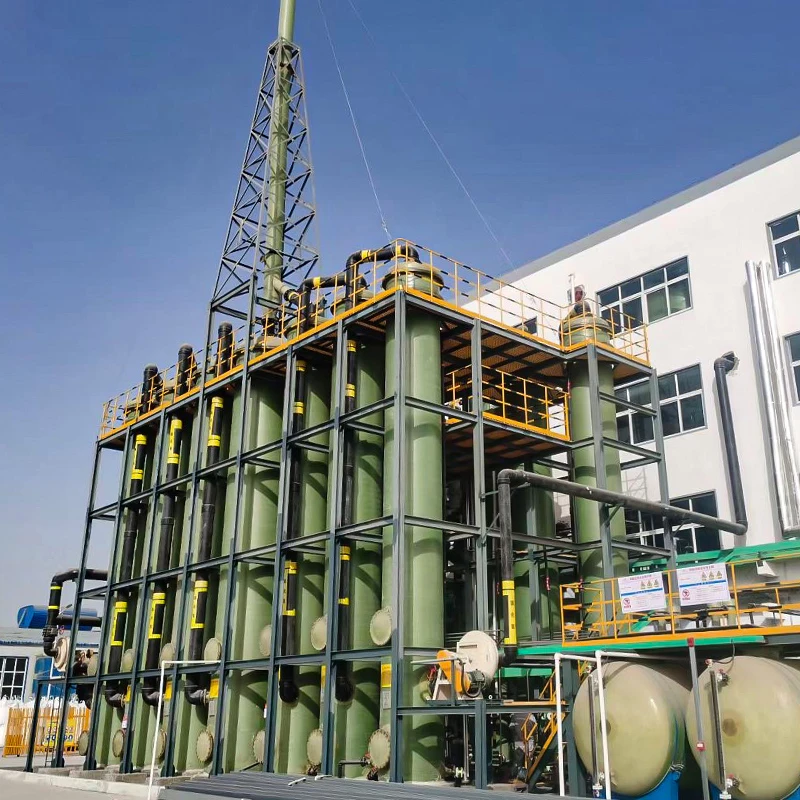
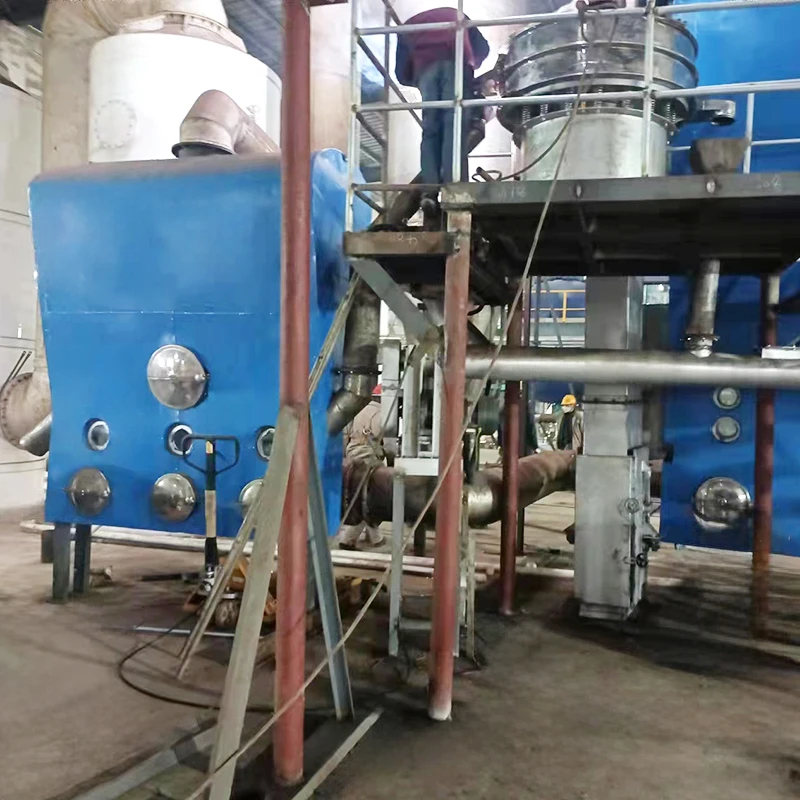
The line uses the Mannheim furnace process. Raw materials are fed into the centre of a muffle furnace heated to above 600 ºC. Potassium chloride reacts with sulphuric acid in a two-step high-temperature reaction, producing potassium sulfate along with hydrochloric acid as a by-product. Hebei Aoliande Chemical Equipment Co., Ltd. has made targeted improvements to this established process to achieve even heating, complete reaction, and lower energy consumption.
2. Why is the Mannheim process preferred over the double decomposition method?
The double decomposition method is noted for poor reaction rates and inconsistent product quality. The Mannheim furnace process delivers a complete chemical reaction, superior and consistent product purity, and optimised thermal distribution for industrial-scale output. It currently accounts for 50 % to 60 % of global potassium sulfate supply, making it the dominant and more reliable industrial route.
3. What are the key technical parameters of the production line?
Confirmed parameters from the product documentation are:
| Parameter | Detail |
|---|---|
| Process Technology | Mannheim Furnace Process |
| Heating Temperature | Above 600 ºC |
| Control System | PLC Automatic Control |
| Heating Method | Gas Generator System |
| Material Property | Corrosion-Resistant Special Alloys |
| Reaction Type | Two-Step High-Temperature Reaction |
| Environmental System | HCl Absorption & Recovery |
| Output Capacity | Large-Scale Industrial Output |
4. How does the equipment address corrosion resistance?
Key components are manufactured from specialised corrosion-resistant special alloys selected to withstand the aggressive chemical environment of high-temperature acid reactions. This material selection is identified as a direct contributor to the equipment's long service life.
5. What energy-saving features are built into the calcium chloride production line?
The furnace flue design has been improved to maximise heat utilisation and reduce overall coal and energy consumption. The gas generator system replaces older heating methods as a further energy optimisation measure. The PLC automatic control system also manages feedstock ratios precisely, reducing waste and contributing to lower running costs.
6. How does the system handle environmental compliance, particularly for HCl emissions?
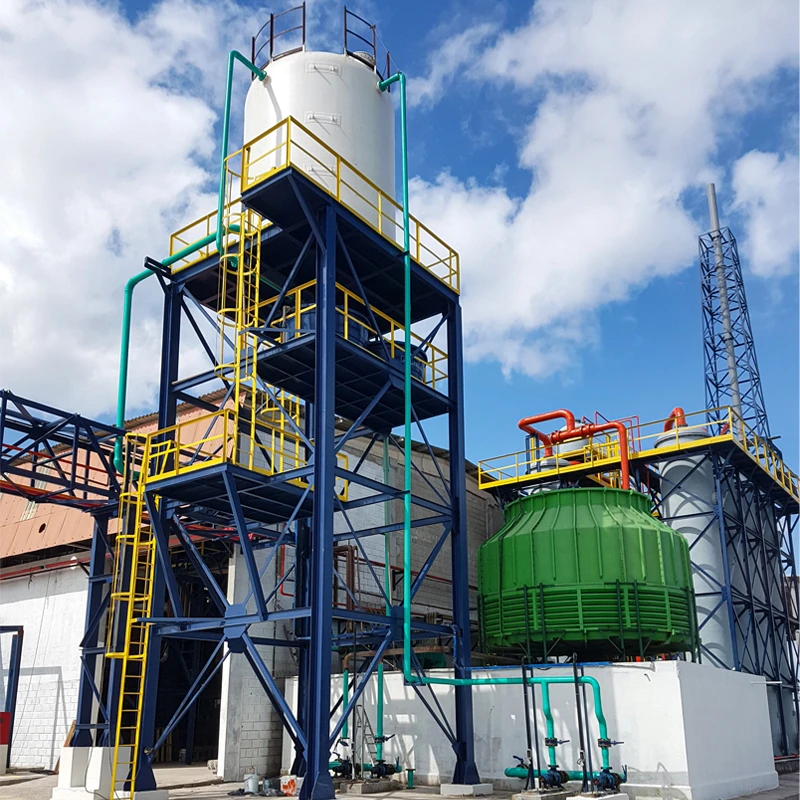
An integrated HCl absorption and waste recovery system captures hydrochloric acid produced during the reaction, recycles it, and prevents atmospheric discharge. New materials and updated technology applied to the hydrochloric acid absorption section have enhanced absorption efficiency. The system is designed to meet environmental requirements for both water and air pollution prevention.
7. What level of automation is provided, and how does it affect labour requirements?
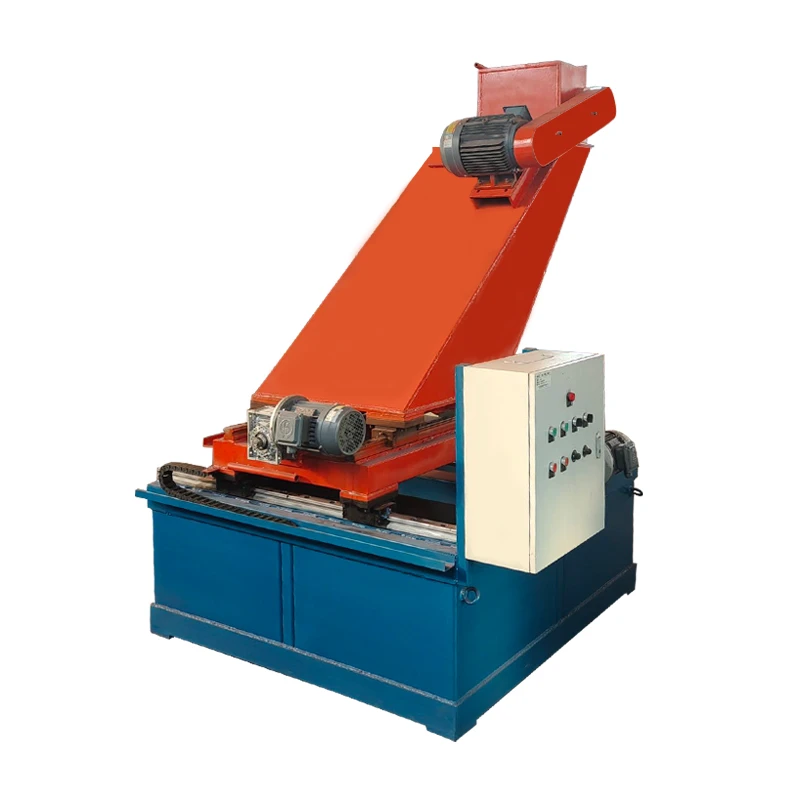
The production line uses a PLC automatic control system that manages the full manufacturing process, including feedstock ratio adjustment and production flow oversight. A centralised dashboard provides real-time monitoring and control. This level of automation significantly reduces manual labour requirements compared with non-automated alternatives.
8. What is the operational stability of the production line?
The improved furnace construction ensures even heating and complete chemical reactions, which together support stable, uninterrupted production. The supplier describes operation as stable and straightforward, reducing the risk of process disruptions.
9. Who manufactures and supplies the calcium chloride production line?
Hebei Aoliande Chemical Equipment Co., Ltd. designs, manufactures, and supplies the calcium chloride production line. The company holds ISO 9001, ISO 14001, and ISO 45001 management system certifications, as well as an SGS certificate. Its equipment and products have been sold to customers in the United States, Canada, Australia, Brazil, Japan, Germany, India, Malaysia, Indonesia, Egypt, and other countries.
10. How can I get a quotation or further technical support?
For pricing, capacity configurations, site-specific engineering requirements, or after-sales support, contact Hebei Aoliande Chemical Equipment Co., Ltd. directly through their official website at www.frpgrpequipment.com. Specific output tonnage, pricing, and delivery lead times are not published in the available product documentation and require direct enquiry.
All technical information above is sourced from confirmed product documentation. Specifications, certifications, and capabilities should be verified with the supplier before finalising any purchase decision.
THE PEOPLE

About the author
THE COMPANY
Hebei Aoliande Chemical Equipment Co., Ltd.
Hebei Aoliande Chemical Equipment Co., Ltd. is a company specialized in production and sales of complete sets of chemical equipment, complete sets of fiberglass product production lines, and meantime manufacture composite material and SMC products. We have got the Certificate of management system IS09001, IS014001, IS045001, and SGS certificate.…
About Us ↗Visit company website ↗YOUR NEXT STEP
Bring your brief. Start a useful conversation.
Use case, specification, quantity and delivery window: make the next conversation specific.