How to choose an FRP GRP pipe for industrial fluid service
A buyer-focused guide to selecting an FRP GRP pipe by media, pressure, diameter, stiffness, length, hydraulic needs, and installation conditions for petroleum, chemical, and drainage projects.

Conveyed media and corrosion conditions, because the inner resin is selected for the service environment.
Design pressure, nominal diameter, standard piece length, and stiffness grade, matched to the process and installation route.
Hydraulic requirements, including internal smoothness and the water conservancy factor, considered in head-loss and line-sizing work.
Access, lifting, support, joint, and route conditions for the selected 6m or 12m pipe pieces.
FRP GRP pipe selection starts with the service conditions. Define the conveyed media, design pressure, diameter, stiffness, pipe lengths, and installation route before requesting a quotation. These details determine whether the pipe fits the process and site.
Match the pipe to the application
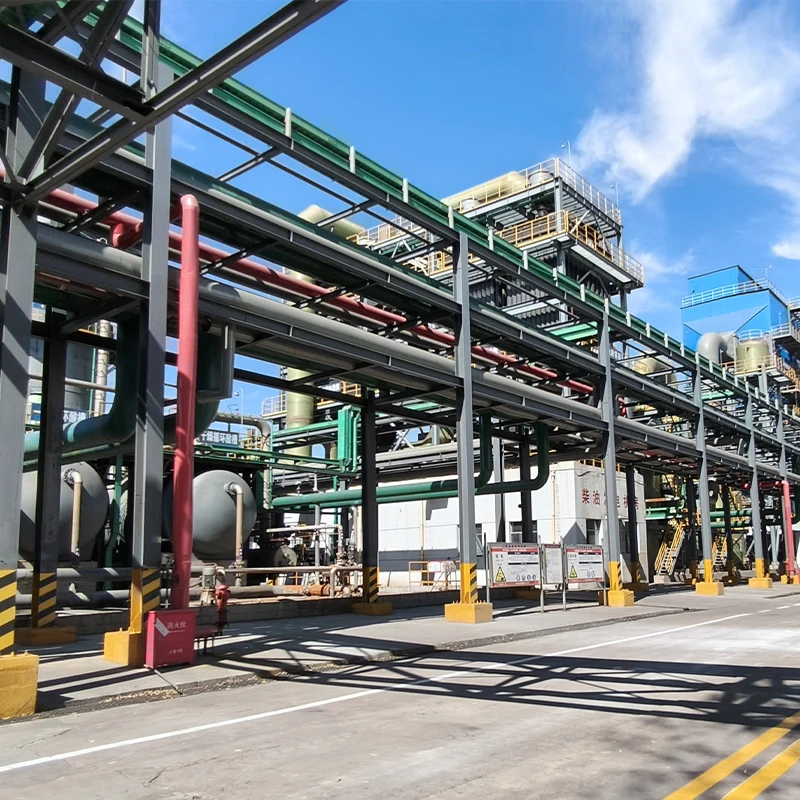
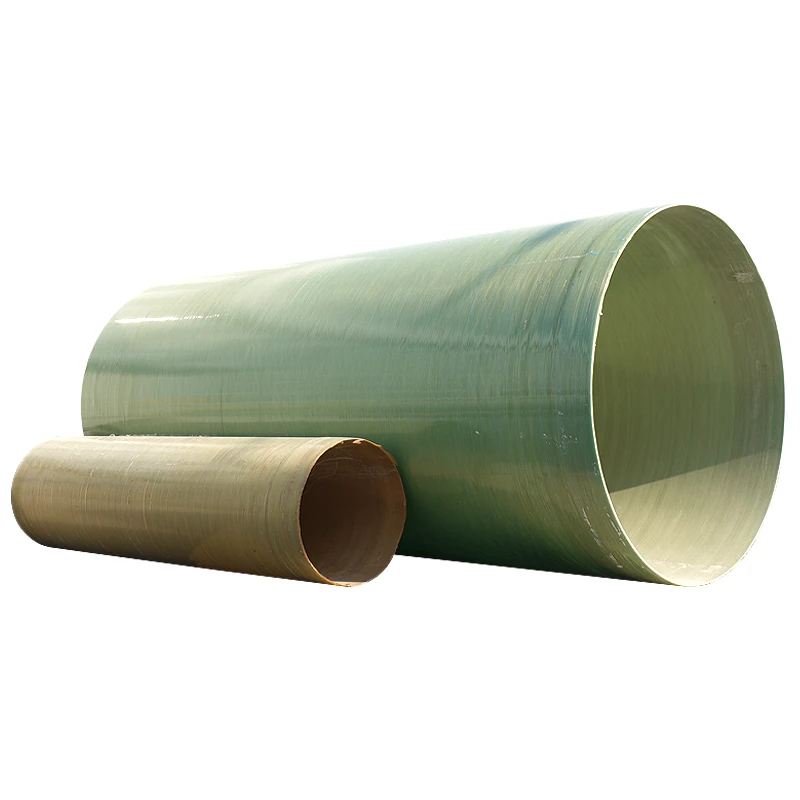
FRP/GRP pipes are used in petroleum, chemical, and drainage industries. The inner resin is selected according to the media condition, so provide the fluid name and relevant operating information before the resin system is finalized.
The FRP/GRP pipe range suits industrial fluid transport projects requiring diameters from DN15 to DN4000mm. Pressure options are 0.1MPa, 0.6MPa, 1.0MPa, and 1.6MPa, giving buyers a defined range to compare with the line's design pressure.
Check the specifications that control fit
Start the inquiry with these points:
- Conveyed media and corrosion conditions determine the service environment for the inner corrosion-resistant liner. Send the chemical or fluid conditions so the appropriate resin can be selected.
- Diameter and length need to match the route, lifting plan, joint locations, and transport access. Available diameters run from DN15 to DN4000mm, with standard piece lengths of 6m and 12m.
- Compare the design pressure with the listed choices of 0.1MPa, 0.6MPa, 1.0MPa, and 1.6MPa.
- The listed stiffness grades are 2500Pa, 5000Pa, and 10000Pa. Consider the grade alongside burial, external loads, supports, and the installation arrangement.
- The smooth internal surface supports hydraulic planning. The water conservancy factor can be kept within 140 to 150 over a long period. Use the selected diameter, flow requirement, line length, fittings, and the product's hydraulic data in the head-loss calculation.
Picture the installation before ordering
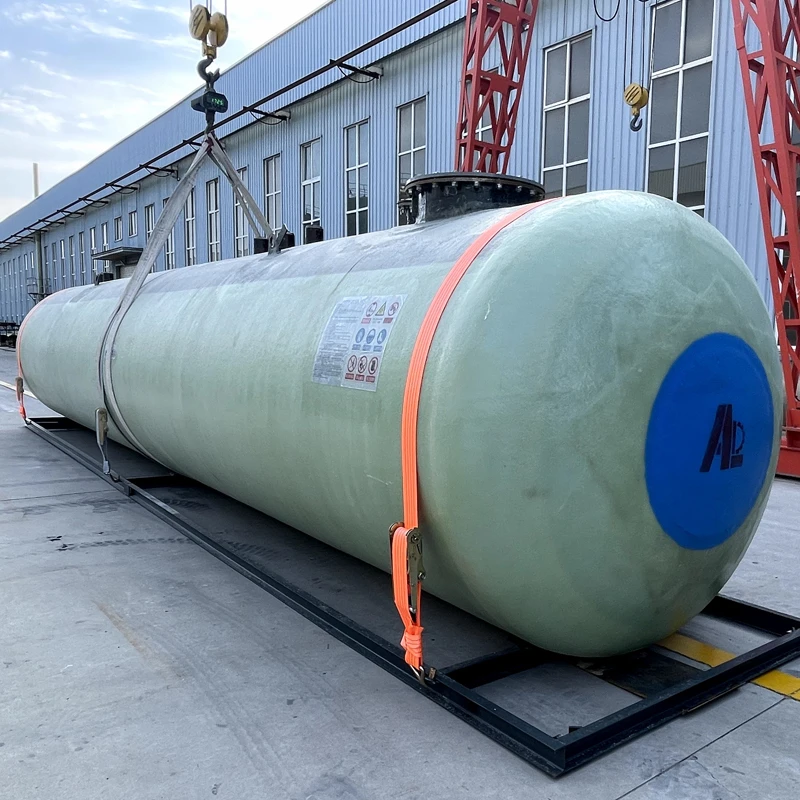
For a long industrial run, compare the 6m or 12m pipe length with the delivery route and the positions where the line will be supported or joined. Check turning space, access openings, lifting equipment, and the final installation sequence before fixing the piece length in the order.
For a chemical or drainage line, map each section by media, pressure, diameter, and stiffness requirement. A single project can contain different service conditions, so send a marked-up route or schedule showing where each specification applies.
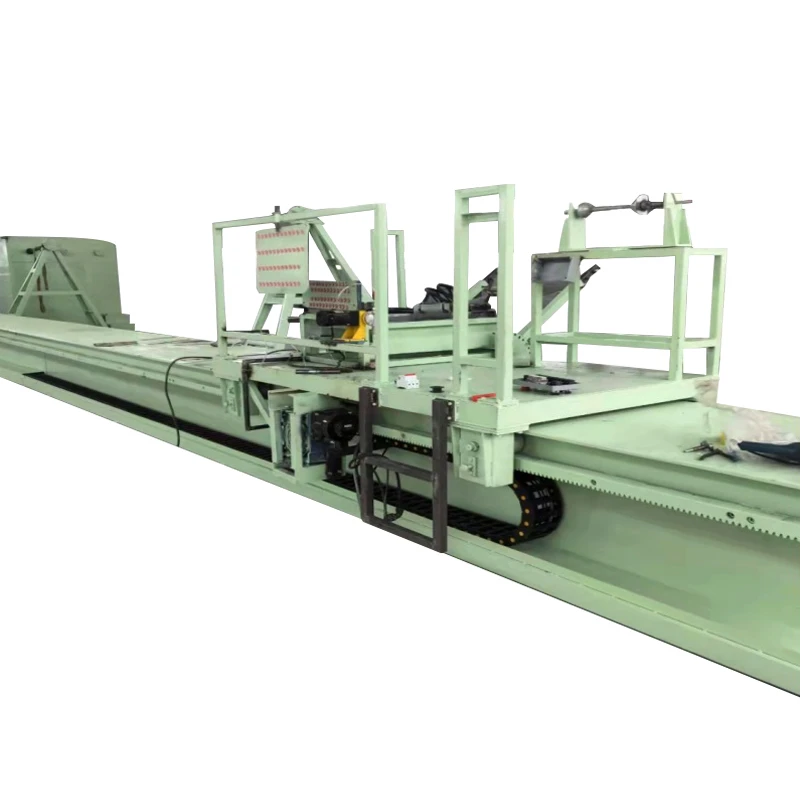
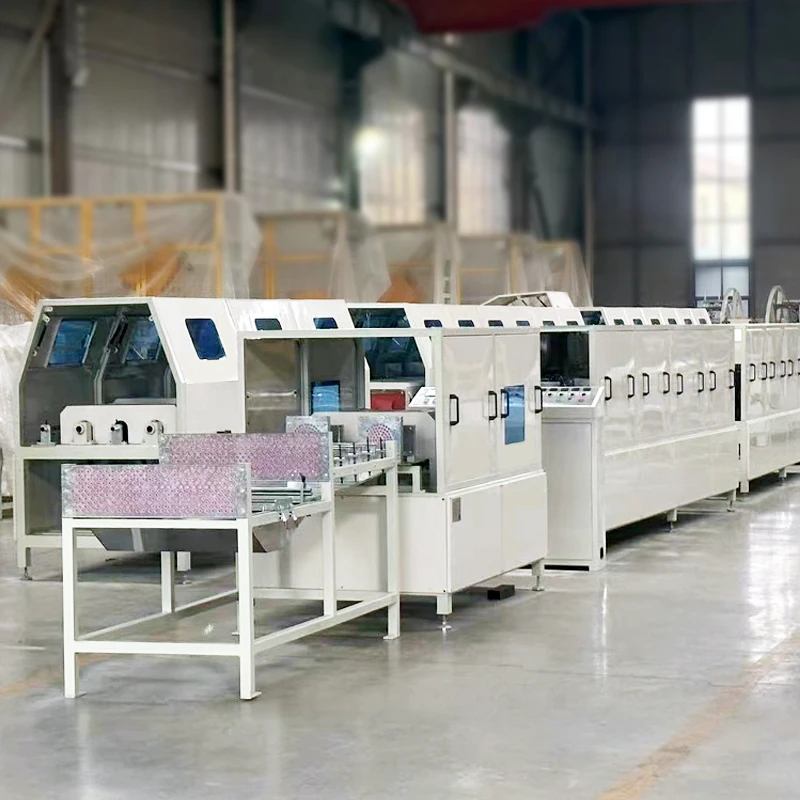
The pipe uses a computer-controlled, length-fixed filament winding process. Its construction includes an inner liner, interface layer, structural layer, and exterior surface layer. The liner addresses the chemical environment, while the structural layer provides reinforcement for the pipe body. These layer choices and the surrounding installation conditions belong in the purchase discussion.
Before requesting a project quotation, send the supplier the media, design pressure, nominal diameter, stiffness grade, required lengths, quantity, and route conditions.
The people

About the author
The company
Hebei Aoliande Chemical Equipment Co., Ltd.
Hebei Aoliande Chemical Equipment Co., Ltd. is a company specialized in production and sales of complete sets of chemical equipment, complete sets of fiberglass product production lines, and meantime manufacture composite material and SMC products. We have got the Certificate of management system IS09001, IS014001, IS045001, and SGS certificate.…
About Us ↗Visit company website ↗Your next step
Bring your brief. Start a useful conversation.
Use case, specification, quantity and delivery window: make the next conversation specific.