Choosing an FRP Tank and Vessel for Chemical Industry: Grade, Form and Application Requirements
THE BUYER'S GUIDE / SELECTION
Choosing an FRP Tank and Vessel for Chemical Industry: Grade, Form and Application Requirements
This guide helps procurement teams and project engineers evaluate key selection criteria for FRP tank and vessel purchases in chemical and industrial settings. Drawing on confirmed product specifications from Hebei Aoliande Chemical Equipment Co., Ltd., the article covers construction method, corrosion resistance, structural layers, size range, low-temperature performance, and applicable industry sectors — giving buyers a structured framework to match the right fiberglass tank to their specific media, scale and environment.

Chemical compatibility of the resin system: the inner liner resin must be matched to the specific medium (acid, alkali, salt, solvent, petroleum product, or food/water) to prevent permeation or structural failure; food-grade resin is required for drinking water and food processing applications.
Vessel geometry and volume: orientation (vertical or horizontal), required working volume, maximum diameter and length, and site constraints that may require field winding must all be defined before selecting a product.
Structural layer winding specification: the winding angle and laminate schedule in the load-bearing structural layer determine pressure and hydrostatic load ratings and must be confirmed for pressure-rated or tall liquid-column applications.
Mechanical and thermal properties: density (~1.5–1.9 g/cm³, approximately one-quarter of steel), low-temperature service capability (to −80 °C), thermal expansion coefficient and conductivity, and smooth inner surface (n = 0.0084) determine suitability for specific installation environments and hygiene requirements.
Application sector fit: the stored medium and sector (chemical, petroleum, pharmaceutical, drinking water, food, environmental, agricultural) determine resin and construction requirements; regulated sectors require buyer-verified certifications beyond the product datasheet.
Accessory and integration requirements: level indicators, FRP handrails, ladders and platforms, nozzle positions and flange standards must be specified in the order to avoid field modifications.
What Is an FRP Tank and Vessel?
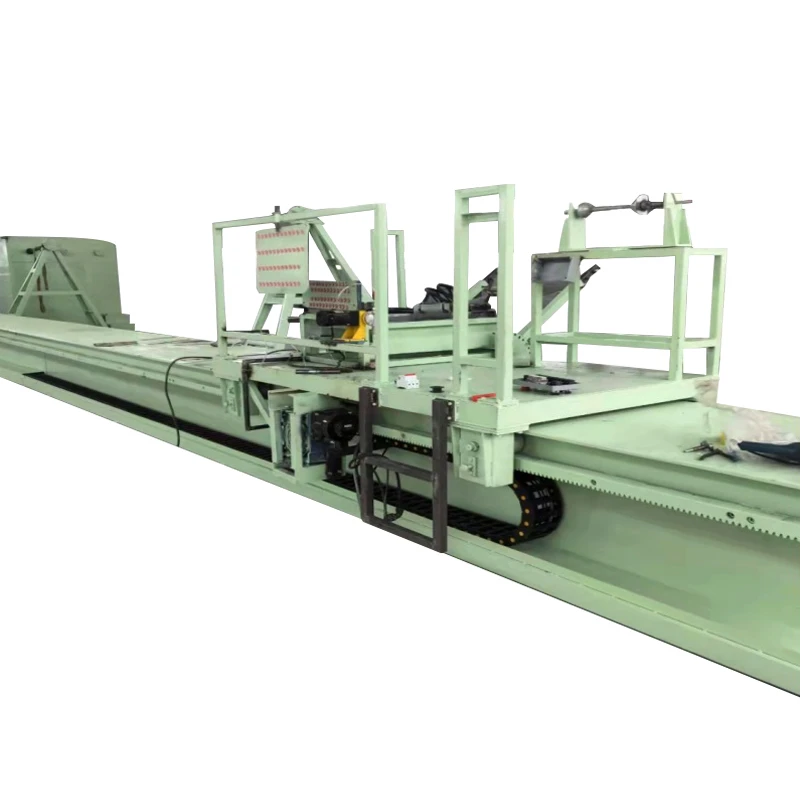
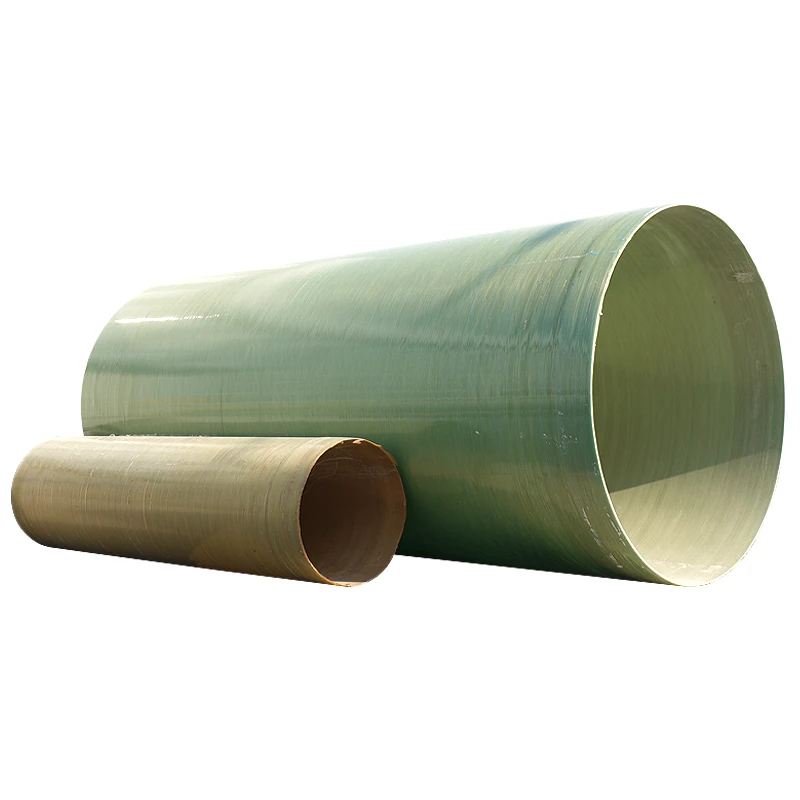
A fiberglass reinforced plastic (FRP) tank and vessel is manufactured using a filament winding process: resin-impregnated glass fibers are wound under tension onto a rotating mandrel according to a controlled pattern, then cured, stripped and finished. The resulting structure consists of three concentric zones:
- Inner liner — the chemical contact surface, whose resin grade determines media compatibility
- Structural layer — the load-bearing filament-wound shell
- Outer protective layer — UV and mechanical protection
This composite architecture distinguishes FRP tank and vessel products from welded steel or thermoplastic alternatives and directly influences the selection criteria buyers should apply.
Key Selection Criteria
1. Chemical Compatibility of the Resin System
The most critical decision point when choosing an FRP tank and vessel for chemical industry use is selecting the correct resin type for the stored medium. Because different resins offer resistance to different chemical classes, the liner resin must be matched to the specific acid, alkali, salt, solvent or petroleum product involved. An incorrect resin choice compromises the inner liner and can result in permeation or structural failure.
When the medium is a food ingredient or drinking water source, a food-grade resin must be specified: the confirmed product data notes that food-grade resin enables FRP products to meet sanitation requirements — no toxicity, no taste transfer.
Buyer action: Identify the exact medium, concentration and temperature before selecting a resin grade. Request the resin specification sheet for each candidate product.
2. Required Vessel Geometry and Volume
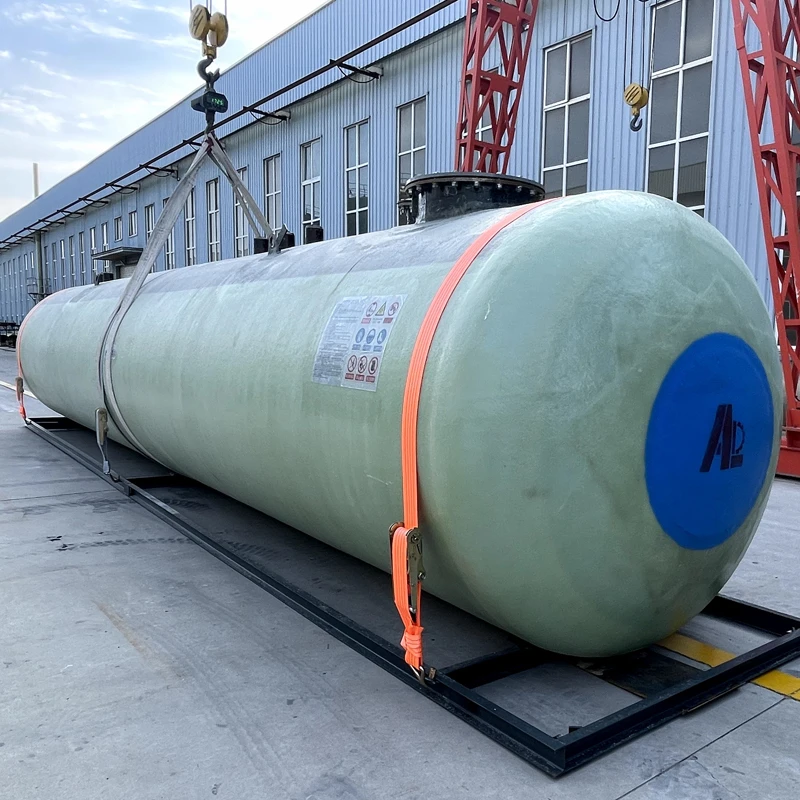
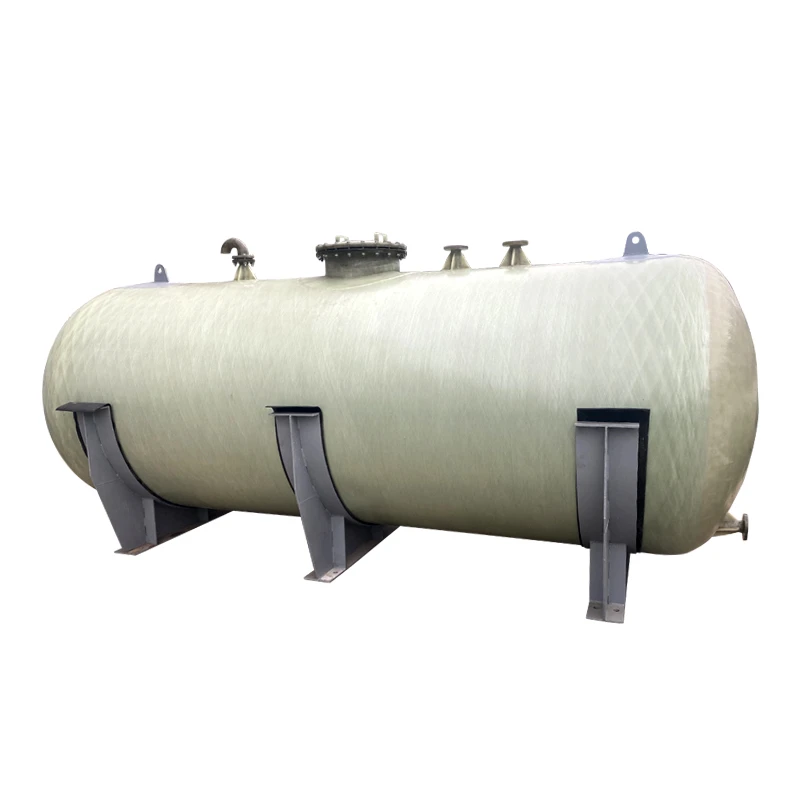
FRP tank and vessel products are available in both vertical and horizontal configurations. Large-scale vessels can also be filament-wound on-site, making them suitable for projects where transportation of a pre-assembled unit is impractical. The confirmed specifications indicate a maximum diameter of 50,000 mm and a maximum volume of 100,000 m³ for FRP vessels.
Buyers should define:
- Orientation (vertical storage tank vs. horizontal process vessel)
- Required working volume and allowances for freeboard
- Site access constraints that may favor field assembly
3. Structural Layer Specification and Winding Angle
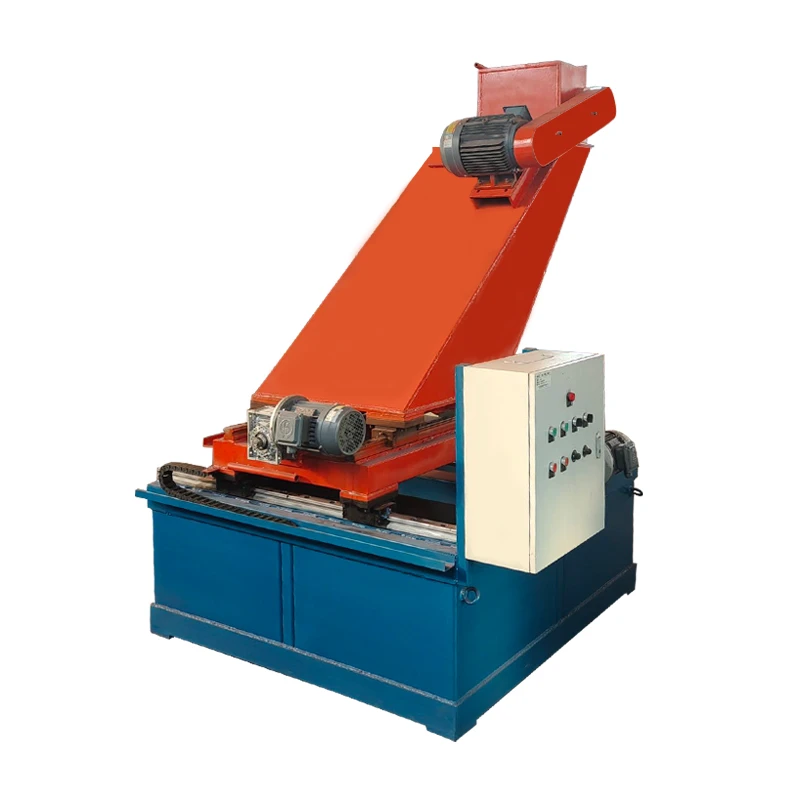
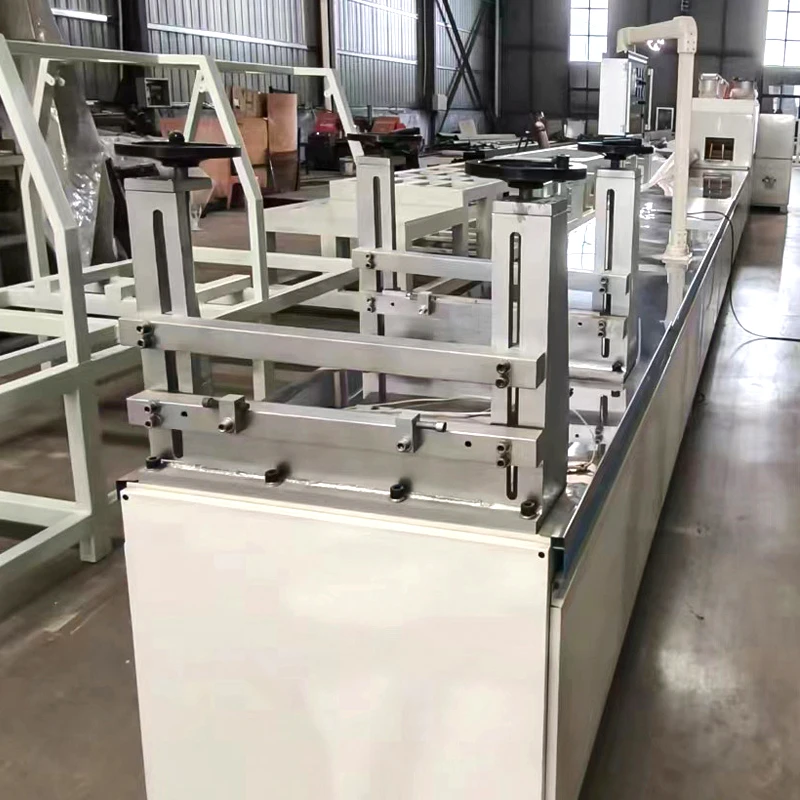
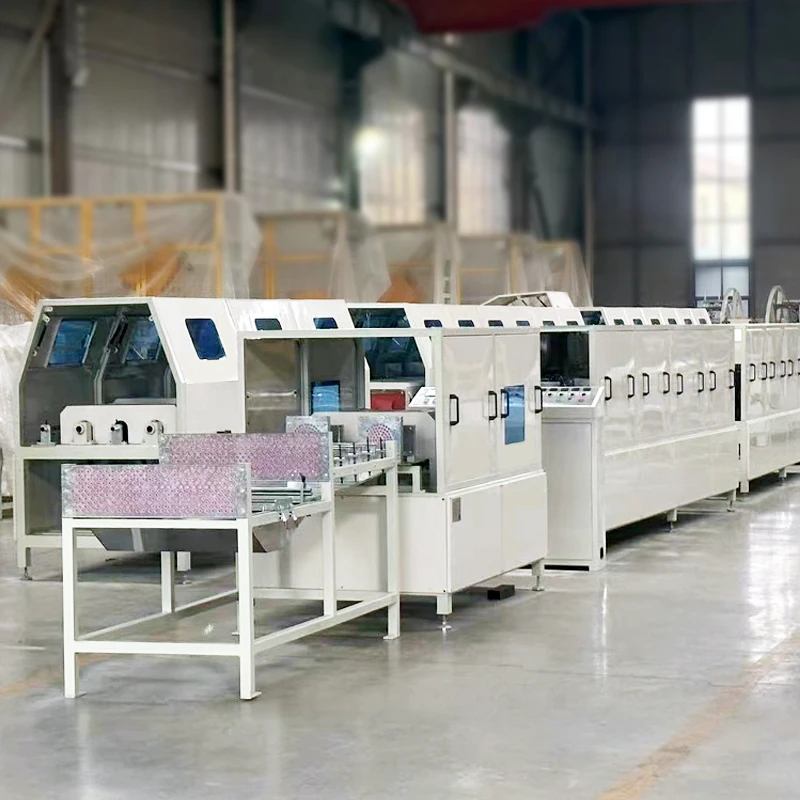
The structural layer's fiber orientation, determined during the filament winding process, governs the vessel's pressure and load ratings. The winding machine used in production (e.g., equipment capable of winding diameters from DN600 to DN4000 mm at a 45° winding angle, with lengths up to 12,000 mm) defines what geometries can be consistently produced.
For pressure vessels or vessels subjected to hydrostatic loads from tall liquid columns, buyers should confirm the design winding angle and the laminate schedule used in the structural layer.
4. Mechanical and Thermal Properties
Compared with steel, FRP offers specific mechanical and thermal properties that affect suitability for different installation environments:
| Property | FRP Value (confirmed) | Practical implication |
|---|---|---|
| Density | 1.5–1.9 g/cm³ (approx. ¼ of steel) | Lower foundation and support loads |
| Low-temperature service | Down to −80 °C | Suitable for cold-climate outdoor installations |
| Thermal expansion coefficient | 2 × 10⁻⁵ /°C | Manage nozzle and pipe connection stresses |
| Thermal conductivity | 0.2 kcal/(m²·h·°C) | Good insulation; limit heat transfer in storage |
| Inner surface roughness | n = 0.0084 | Easy cleaning, good sanitary performance |
High strength relative to low density makes FRP advantageous where reducing structural support costs matters. The thermal properties are relevant for cold-storage or outdoor applications in harsh climates.
5. Application Sector Fit
Confirmed application sectors for FRP tank and vessel products include:
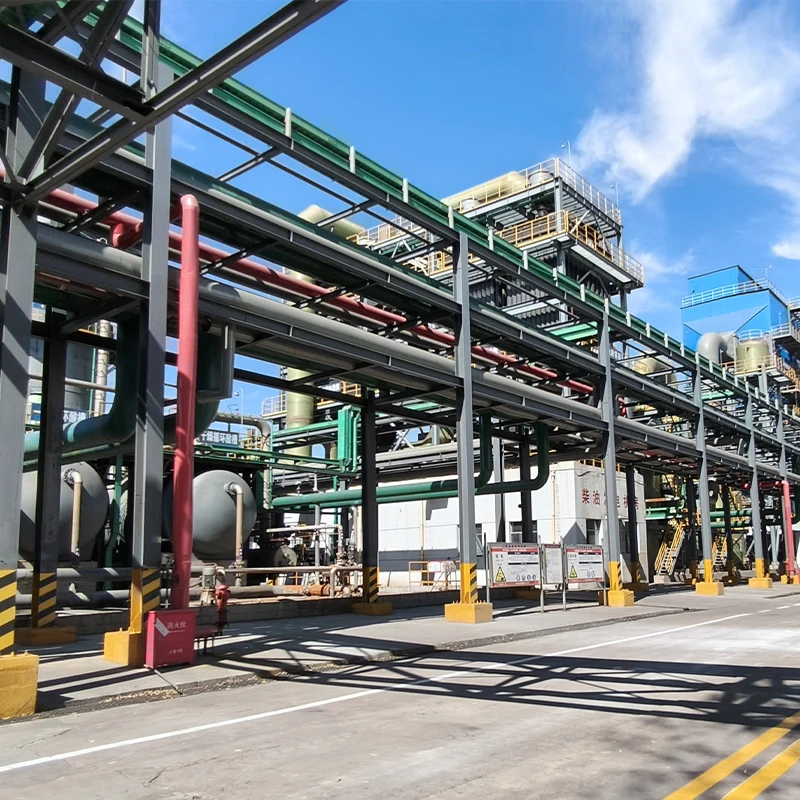
- Chemical industry — storage of acids, alkalis, salts and solvents
- Petroleum sector — storage of petroleum products where corrosion resistance is essential
- Pharmaceutical — process and storage vessels requiring cleanable, corrosion-resistant surfaces
- Drinking water treatment — where food-grade resin and smooth inner surfaces are specified
- Food processing — storage of raw materials requiring sanitary vessel construction
- Environmental protection, agriculture and construction — general corrosion-resistant containment
Buyers in regulated sectors (drinking water, food) must additionally confirm the resin grade meets the applicable sanitary standard in their jurisdiction; the supplier cannot make that determination on behalf of the buyer.
6. Accessories and Integration Requirements
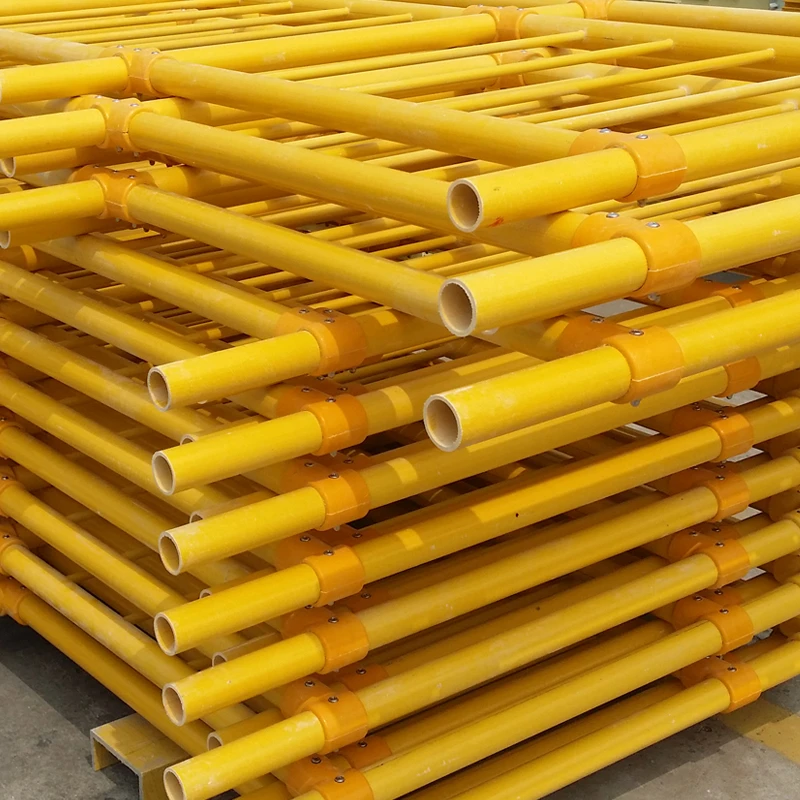
FRP tanks can be specified with matched accessories: level indicators, FRP handrails, ladders and platforms. Procurement teams integrating a vessel into a larger process system should confirm that nozzle positions, flange standards and accessory configurations are defined in the order specification to avoid costly field modifications.
How to Apply These Criteria: A Practical Checklist
Before submitting an inquiry for an FRP tank and vessel, buyers should be able to answer the following:
- What is the stored medium? (name, concentration, temperature range)
- Is a food-grade or sanitary resin required?
- What is the required volume and orientation?
- Does the installation site require field winding?
- What operating temperature and pressure apply?
- What accessories and nozzle connections are needed?
- What certifications are required in the destination country? (Certifications are buyer-verified; the article cannot confirm them.)
Providing complete answers to these questions enables the manufacturer to select the appropriate resin system and laminate design, rather than supplying a default specification.
Applicable Product
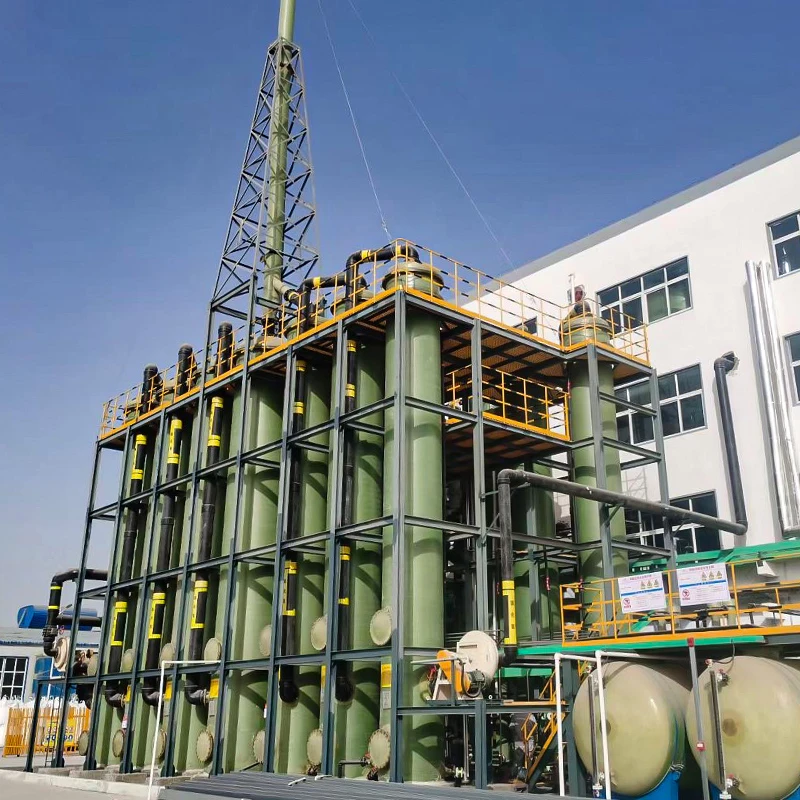
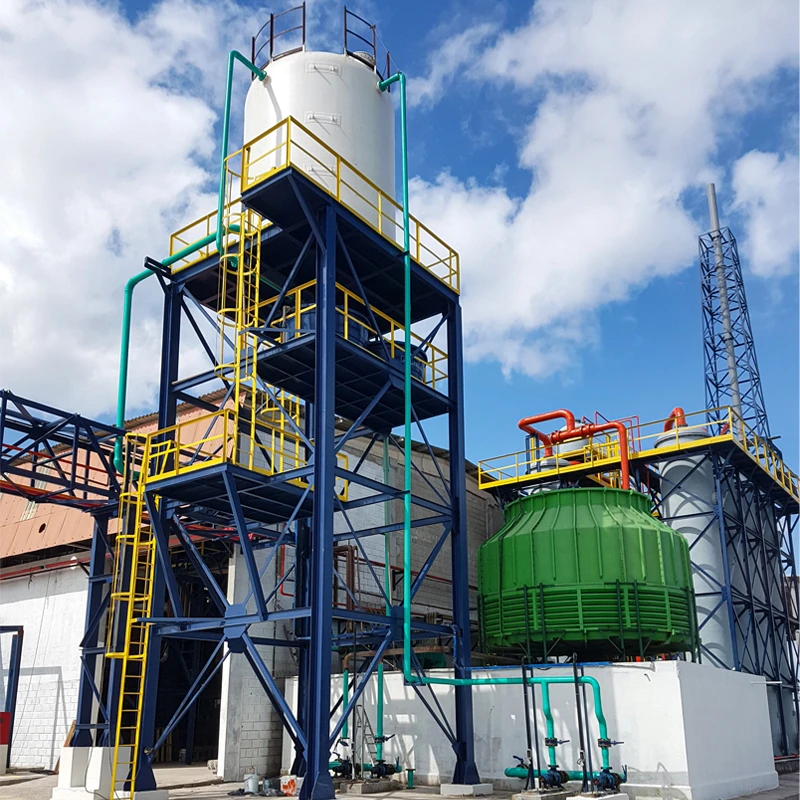
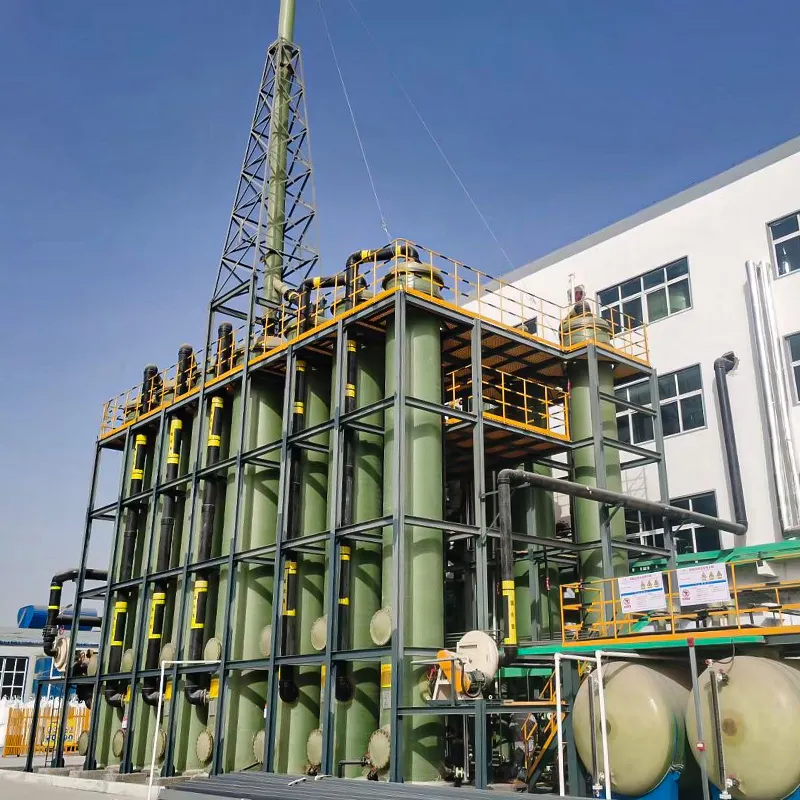
The FRP Tank / Vessel for Chemical Industry manufactured by Hebei Aoliande Chemical Equipment Co., Ltd. is the product addressed in this guide. It is produced using the filament winding process described above, with the three-layer construction (inner liner, structural layer, outer protective layer) and the range of resin options needed for chemical industry service. Buyers seeking a filament-wound FRP tank and vessel for chemical, water treatment, food or environmental applications can use the criteria in this article to frame their specification requirements before engaging the manufacturer.
Hebei Aoliande Chemical Equipment Co., Ltd. is a specialist fabricator of FRP vessels, pipes and chemical tower equipment, with products sold to customers in the United States, Canada, Australia, Brazil, Japan, Germany, India, Malaysia, Indonesia, Egypt and other markets.
Summary
Selecting the right FRP tank and vessel requires matching the resin grade to the chemical medium, confirming the vessel geometry and volume against site constraints, and verifying the structural laminate design for the applied loads. Thermal properties, accessory requirements and sector-specific sanitary standards are secondary but important factors. Use the checklist above to prepare a complete specification before procurement, and confirm certifications independently with the manufacturer and the relevant regulatory body in your country.
THE PEOPLE

About the author
THE COMPANY
Hebei Aoliande Chemical Equipment Co., Ltd.
Hebei Aoliande Chemical Equipment Co., Ltd. is a company specialized in production and sales of complete sets of chemical equipment, complete sets of fiberglass product production lines, and meantime manufacture composite material and SMC products. We have got the Certificate of management system IS09001, IS014001, IS045001, and SGS certificate.…
About Us ↗Visit company website ↗YOUR NEXT STEP
Bring your brief. Start a useful conversation.
Use case, specification, quantity and delivery window: make the next conversation specific.