Nov 29,2025

10000 Gallon Chemical Tank: Ultimate Storage for Industrial & Humanitarian Use

What’s the Big Deal About a 10000 Gallon Chemical Tank?

If you step back and scan the global industrial and humanitarian landscape, you’ll see gigantic demands for chemical storage that meets strict safety and efficiency standards. Enter the 10000 gallon chemical tank, a sturdy, sizable vessel designed specifically to hold and manage large volumes of chemical liquids safely. From manufacturing hubs in Asia to emergency relief sites in Africa, these tanks quietly facilitate operations that directly impact everything from agriculture to water treatment.

Understanding the ins and outs of such tanks isn’t just an engineer’s pastime. It ties into bigger issues — safe chemical handling to protect workers and communities, efficient resource use that minimizes waste, and scalable storage that adapts as industries grow or crises emerge. Plus, imagine the havoc if a tank that size malfunctioned — the environmental and human cost could be severe. So yeah, knowing the nuts and bolts of a 10000 gallon chemical tank is actually pretty critical worldwide.

Why Are 10000 Gallon Chemical Tanks Globally Important?

Globally, industries handle millions of tons of chemicals yearly. According to the International Organization for Standardization (ISO), safe storage and containment of chemicals is one of the top focus areas for industrial best practices. As economies industrialize, especially in developing regions, large-capacity chemical tanks like the 10000 gallon chemical tank become indispensable. They support everything from fertilizer production to wastewater treatment plants.

Yet the challenge remains — how do you store hazardous substances at scale, reliably, in places that might lack robust infrastructure? For example, post-disaster areas often rely on temporary storage tanks for essential chemicals like disinfectants or treatments. Tanks with 10,000 gallons capacity strike the right balance — big enough to minimize frequent refills but still manageable to install and maintain under various conditions.

Mini takeaway: The 10000 gallon chemical tank is a quietly crucial piece of global industrial infrastructure, meeting safety and scalability needs from factories to emergency fields.

So, What Exactly Is a 10000 Gallon Chemical Tank?

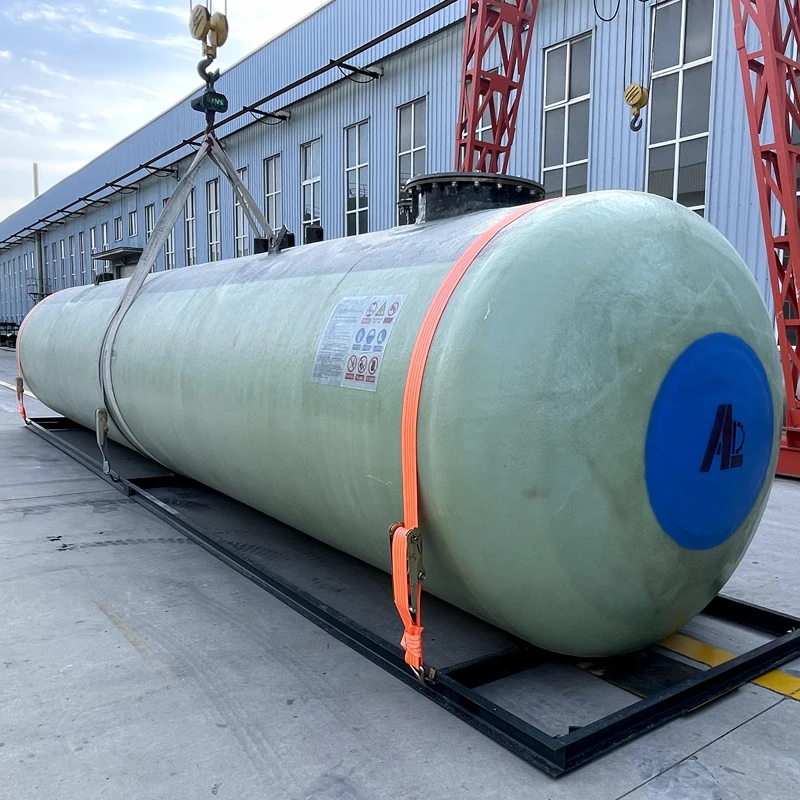
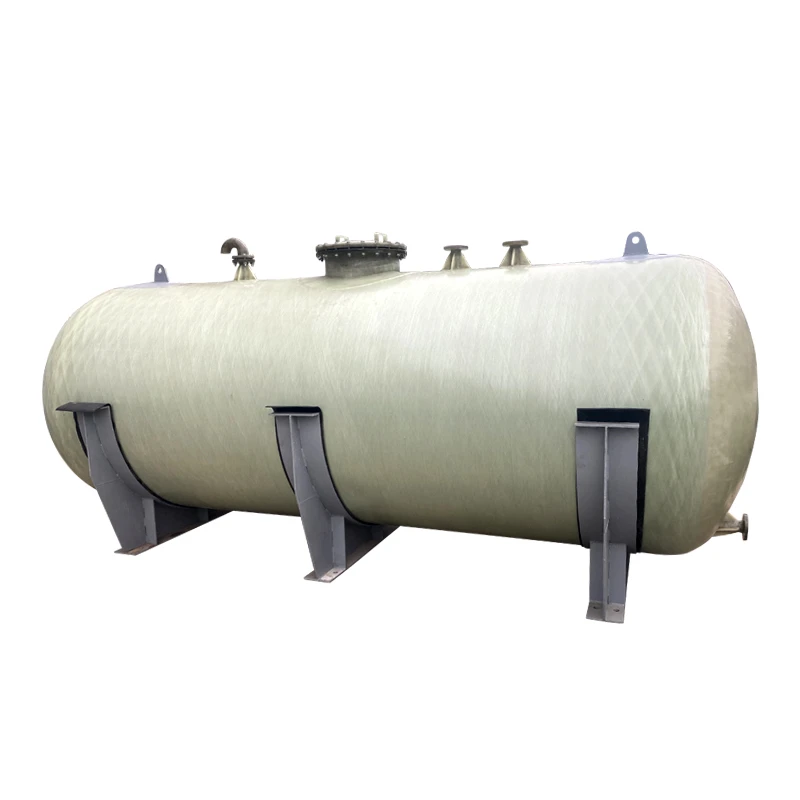
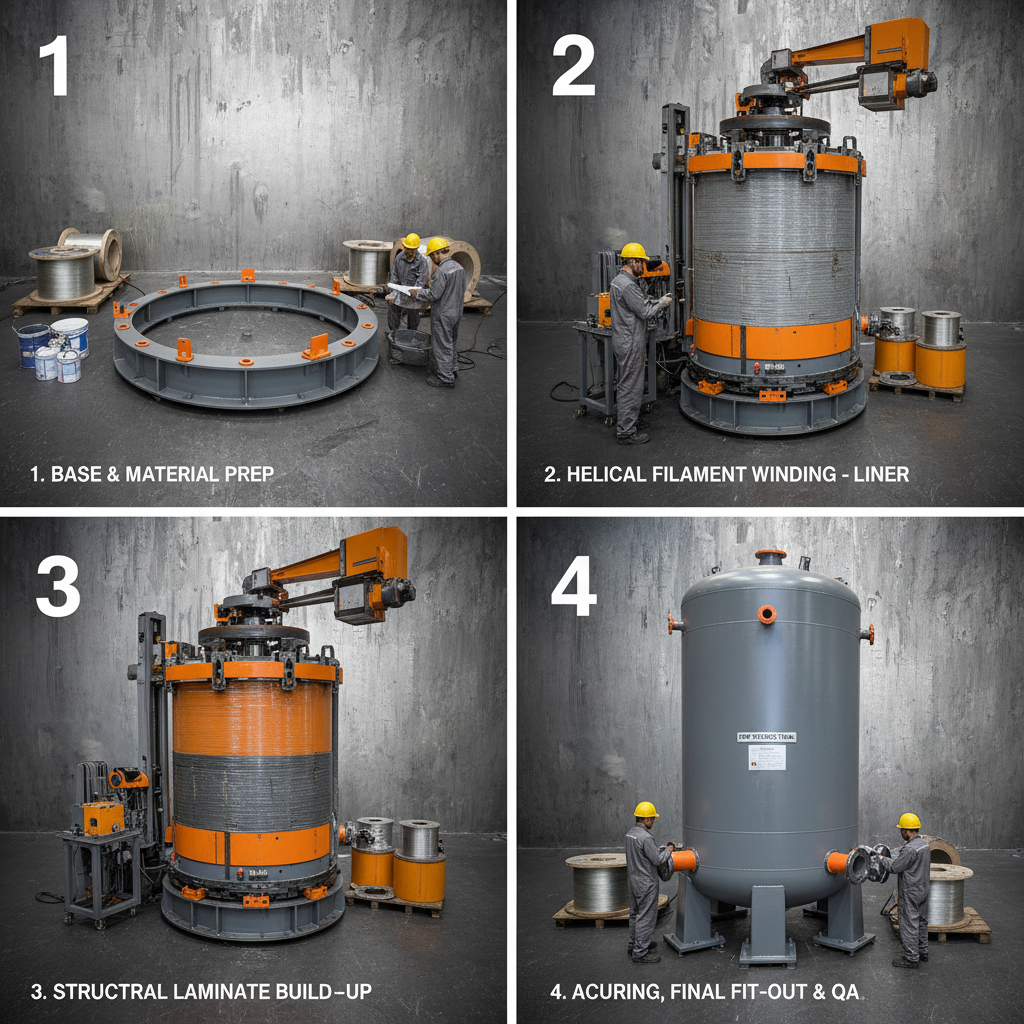
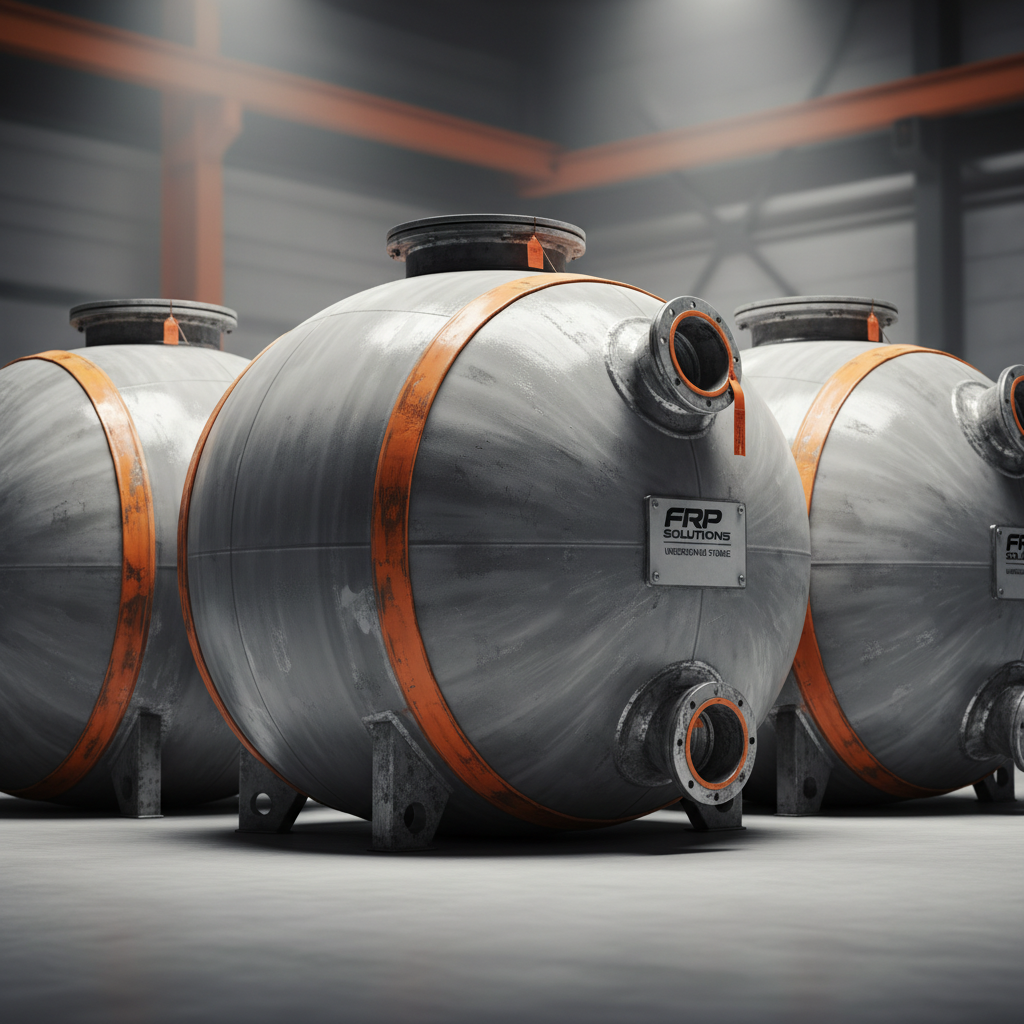
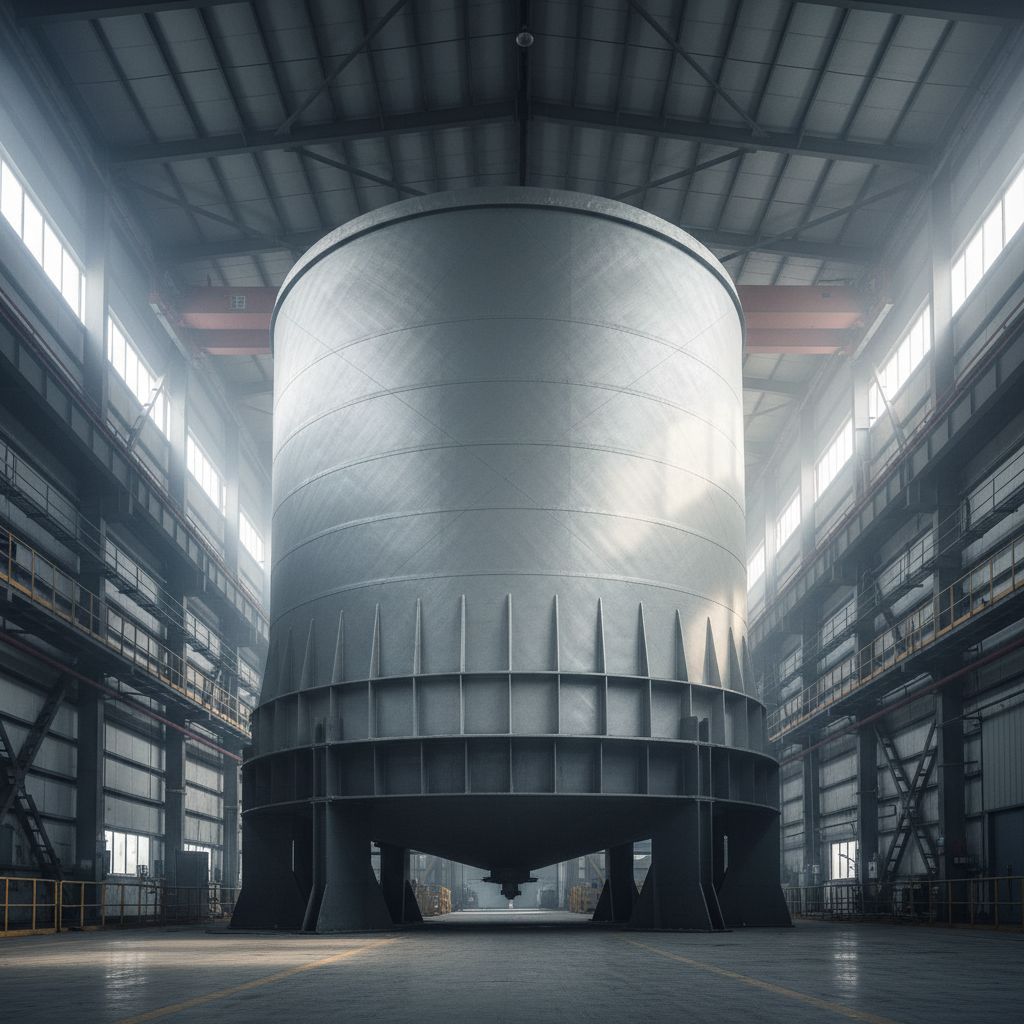
Put simply, it’s a container capable of holding about 37,850 liters of liquid chemicals. These tanks come in different materials but often use fiberglass reinforced plastic (FRP), polyethylene, or steel, depending on the chemical type and environment. The tank’s design ensures chemical compatibility, structural integrity, and adherence to regulations like EPA’s Spill Prevention, Control, and Countermeasure (SPCC) rules.

More broadly, these tanks form a fundamental part of the modern chemical supply chain — enabling industries to store raw inputs, intermediates, or finished products securely. Even humanitarian agencies rely on such tanks for storing water treatment chemicals in remote, disaster-affected zones — which brings a whole new dimension to their importance.

Core Components and Key Features of 10000 Gallon Chemical Tanks

Durability and Chemical Resistance

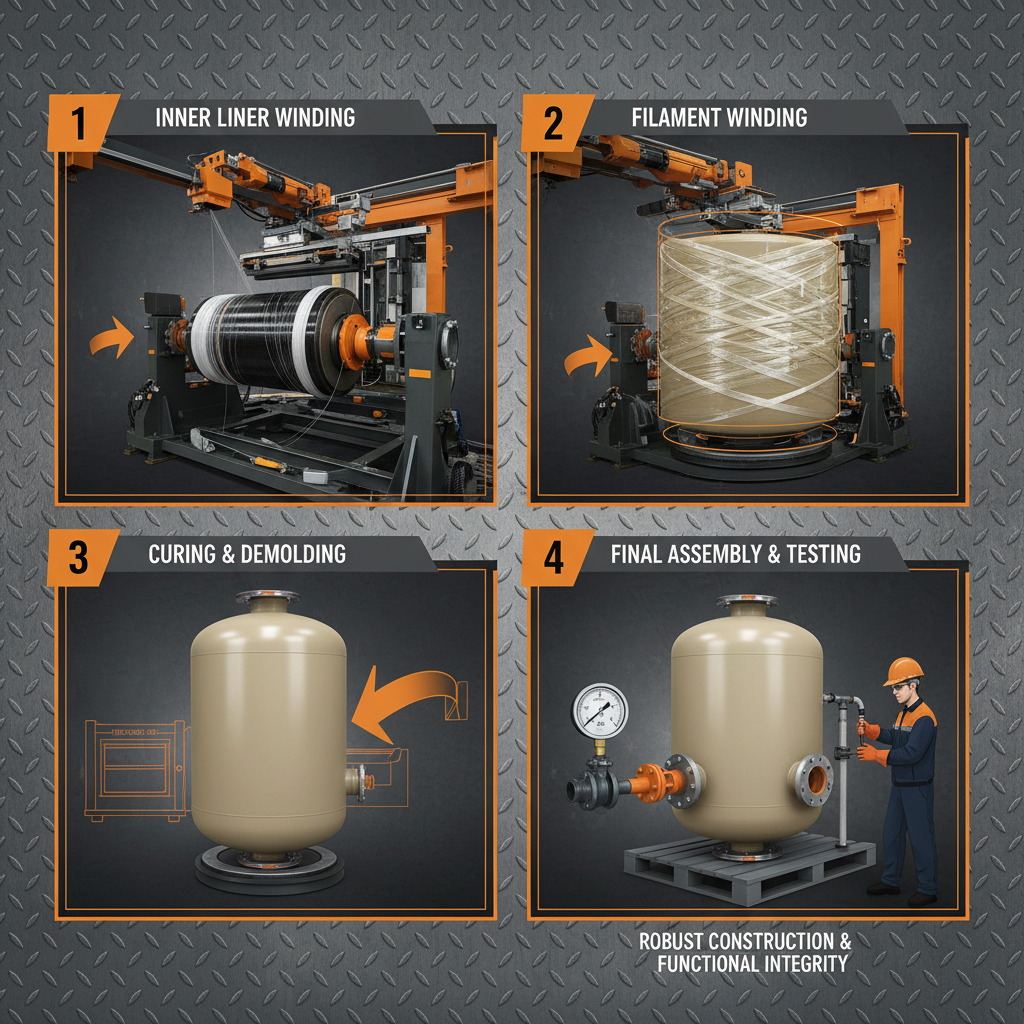
The most important feature is, quite frankly, lasting protection. Tanks are usually made with materials chosen specifically to resist corrosion, cracking, or chemical degradation. For instance, FRP tanks combine lightness with strength and chemical inertness, ideal for acids or alkalis.

Structural Design and Safety Features

Beyond just holding fluid, these tanks are engineered with reinforcement ribs, secure manways, vents, and sometimes secondary containment systems to prevent leaks or spills. Safety is paramount and often reinforced with sensors that detect pressure changes or chemical levels.

Scalability & Modular Installation

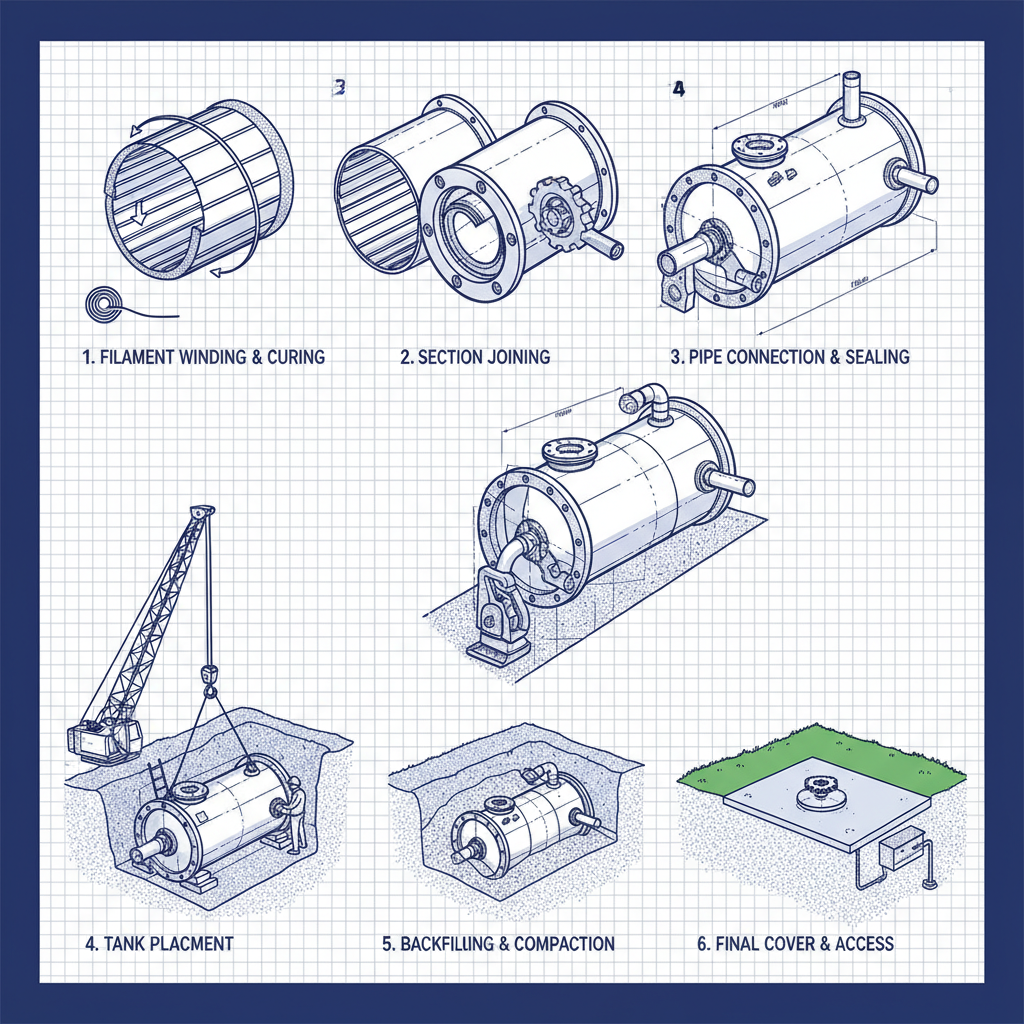
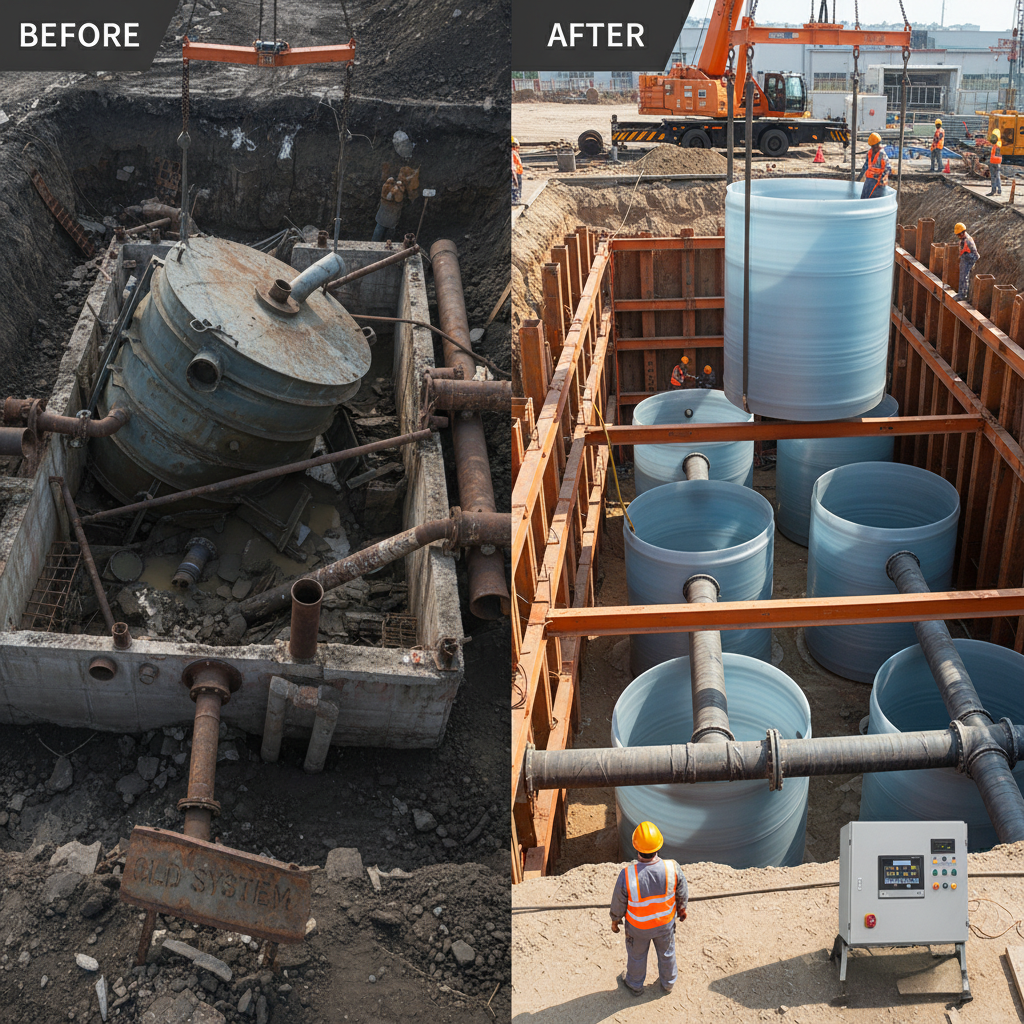
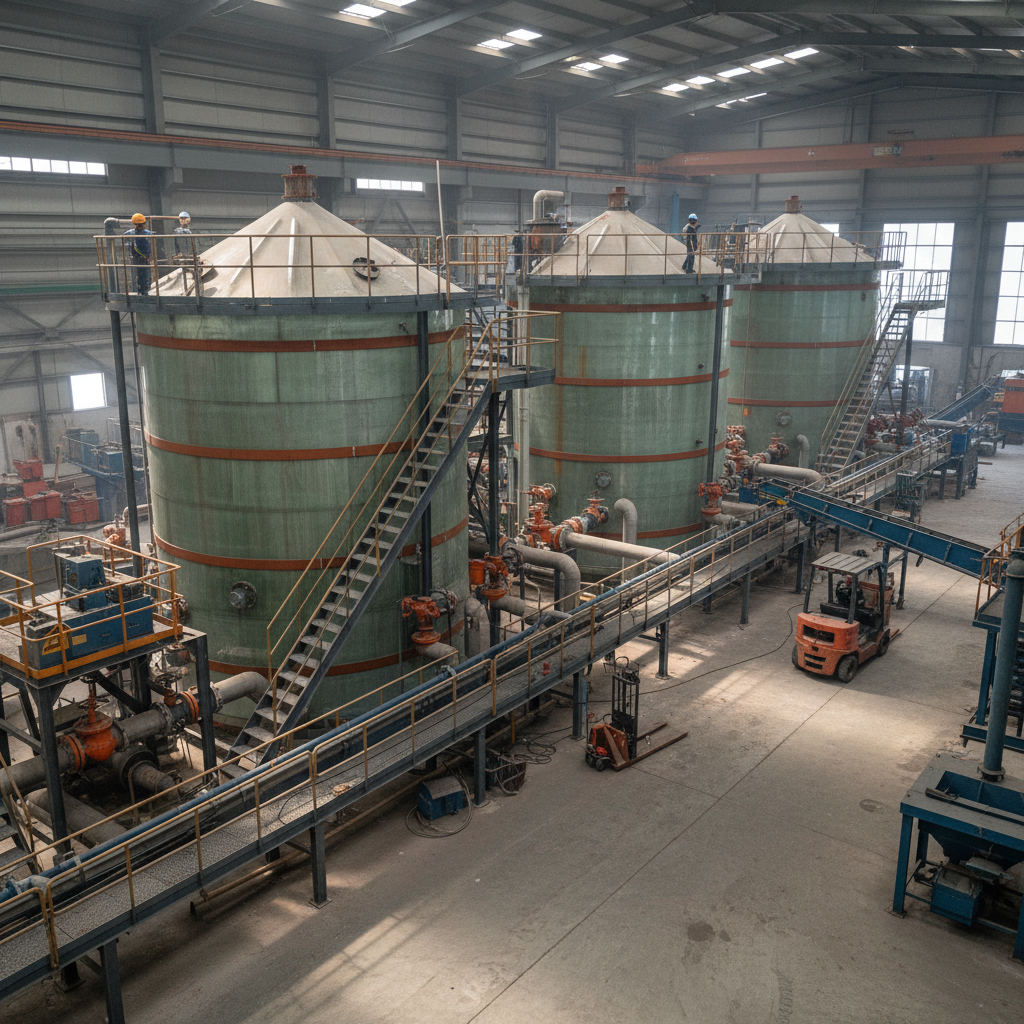
Another nifty benefit is how these tanks can be connected or expanded. Industrial sites with shifting needs can add multiple 10,000 gallon tanks in series or parallel. Setting them up isn’t as monumental as you might imagine, partly thanks to pre-fabrication advances.

Cost Efficiency over Lifecycle

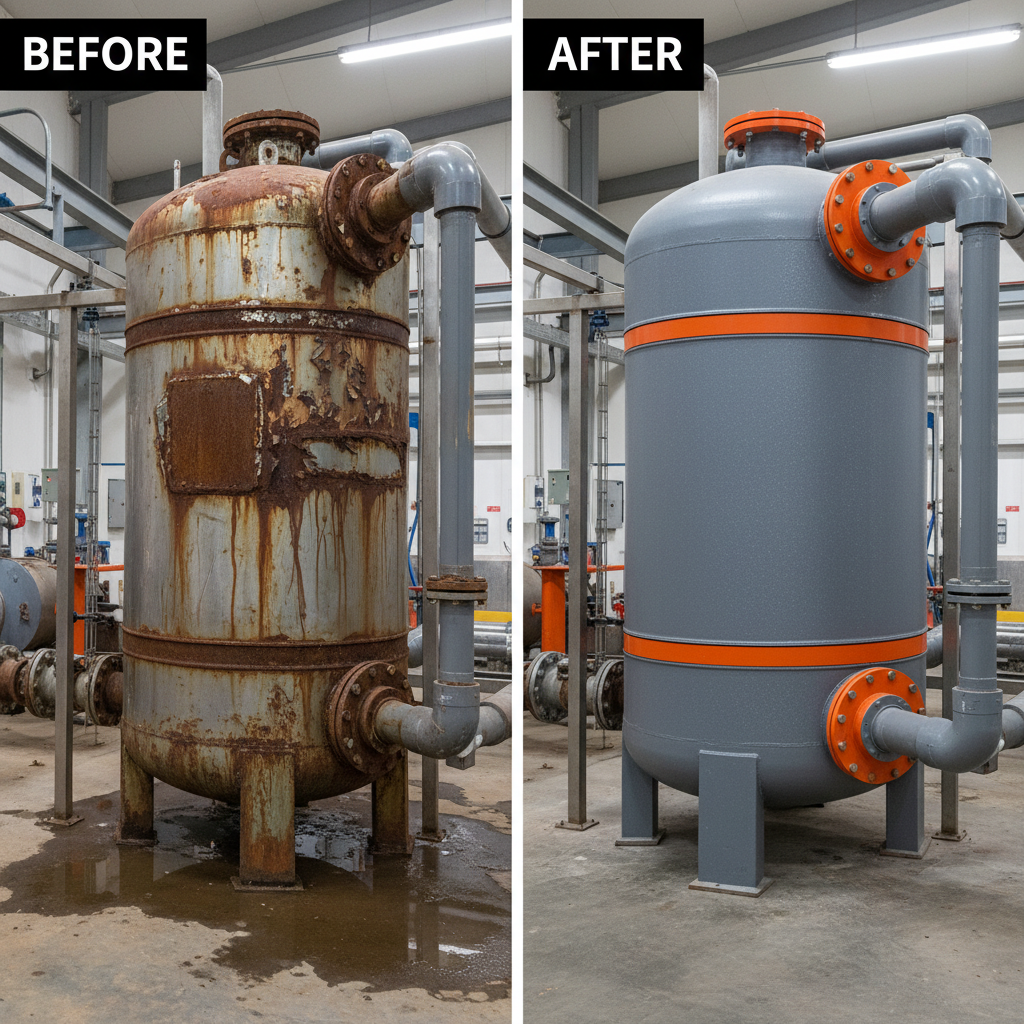
Yes, a big tank has upfront costs but reduces operational headaches — fewer refills reduce transportation costs and human error. Materials like polyethylene reduce maintenance, and choosing the right tank upfront can save decades of replacement expenses.

Compliance and Certification

Every serious large tank aligns with standards like ISO 9001 for manufacture, UL 142 for steel tanks, or NSF/ANSI 61 for potable water chemicals. This adherence gives operators peace of mind beyond just structural strength.

Mini takeaway: The 10000 gallon chemical tank is more than a big bucket. It’s a carefully engineered solution blending durability, safety, scalability, cost-effectiveness, and strict standards compliance.

How the 10000 Gallon Chemical Tank Shapes Global Industries

Around the world, these massive tanks have proven indispensable:

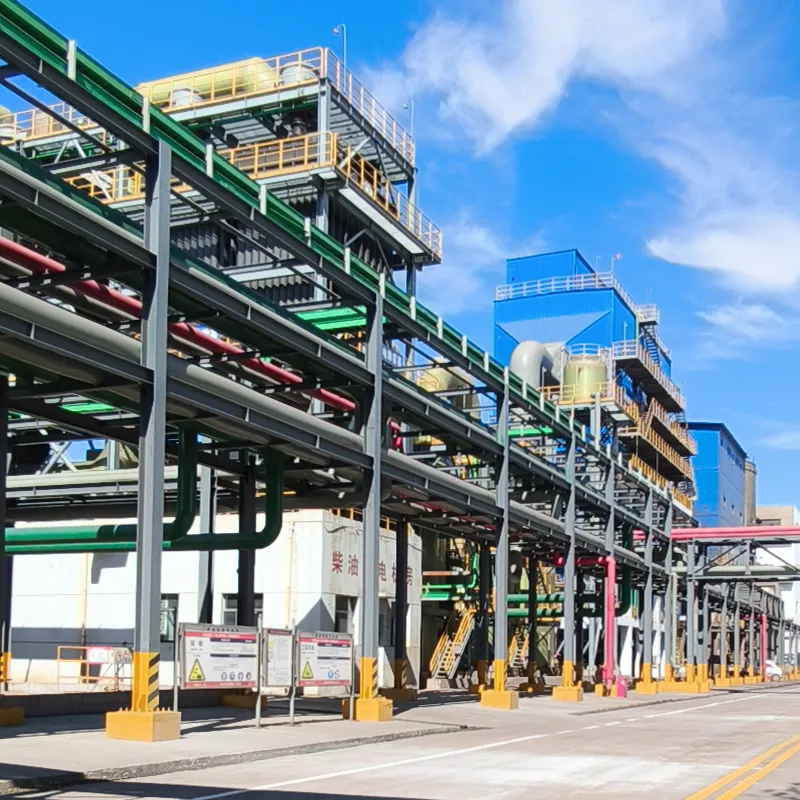
  • Manufacturing & Mining: From acids and solvents manufacture to heavy metal processing, these tanks allow for safe mass storage.
  • Agriculture: Storage of fertilizers and pesticides to supply extensive crop fields.
  • Water & Wastewater Treatment: Chemicals like chlorine or alum stored safely for municipal treatment plants.
  • Disaster Relief: In disaster-stricken regions, tanks hold crucial treatment chemicals, enabling safe clean water distribution.
  • Oil and Gas: For temporary chemical containment during drilling, refining, or pipeline maintenance.

For example, during the 2019 floods in Southeast Asia, timely deployment of modular 10000 gallon chemical tanks helped humanitarian teams treat vast quantities of water with disinfectants — protecting millions from waterborne diseases.

Product Specification Table: Typical 10000 Gallon Chemical Tank

Specification Details
Capacity10,000 US gallons (37,850 liters)
MaterialFiberglass Reinforced Plastic (FRP) / Polyethylene / Steel
DiameterApprox. 11–13 feet (varies by manufacturer)
Height10–12 feet
Operating Temperature-20°C to +60°C (dependent on materials)
Design StandardsISO 9001, UL 142, NSF/ANSI 61
Typical Weight (empty)2,000 - 3,500 lbs

Comparing Vendors: What Sets Them Apart?

Vendor Material Options Customization Delivery Time Certifications
Global Tanks Co.FRP, SteelFull custom sizing, fittings6-8 weeksUL 142, ISO 9001
ChemSafe SolutionsPolyethylene, FRPModular designs, relocatable4-6 weeksNSF/ANSI 61, EPA Compliant
EcoTank IndustriesRecycled Composite MaterialsEco-friendly coatings, solar integration8-10 weeksISO 14001, LEED Certifications

Why Choose a 10000 Gallon Chemical Tank? Benefits That Add Up

Okay, let’s get real about the perks. A tank of this size offers:

  • Operational Efficiency: Reduces frequent chemical deliveries, cutting transport emissions and costs.
  • Safety: Engineered to prevent leaks, spills, and structural failure, protecting workers and ecosystems.
  • Scalable Storage: Easy to integrate into existing facilities, expandable as needs evolve.
  • Longevity: Well-maintained tanks often serve reliably for decades, amortizing costs.
  • Environmental Protection: Compliance with global standards minimizes contamination risks.

Plus, there’s something reassuring about seeing a properly designed tank on site. It tells you the company cares about safety, sustainability, and doing things right — even if no one brags about it.

The Future: Where Are 10000 Gallon Chemical Tanks Headed?

Recent innovations lean towards smarter, greener tanks. We’re talking:

  • IoT and Remote Monitoring: Sensors give real-time updates on chemical levels or potential leaks.
  • New Materials: Bioplastic composites and recycled content truly lower the carbon footprint.
  • Renewable Energy Integration: Solar-powered pumps or aerators embedded in tanks.
  • Stricter Regulations: Pushing manufacturers to up safety and reduce environmental hazards.

Oddly enough, as we move toward a digital and eco-conscious world, the humble chemical tank becomes a hotbed of innovation — a quiet pivot that helps industries transition responsibly.

Challenges & Solutions in Current Tank Practices

Of course, things aren’t perfect:

  • Installation Complexity: In remote or rugged areas, large tanks need careful handling and foundation prep.
  • Material Compatibility: Some chemicals require pesky special coatings or liners, which add cost.
  • Leak Detection: Without modern sensors, early leak detection may remain slow.

Solutions? Manufacturers are increasingly offering modular, preassembled units that reduce onsite complexity. Advances in coatings and sensor tech also make tanks smarter and safer, mitigating common problems before they escalate.

FAQ: Your Common Questions About 10000 Gallon Chemical Tanks

What chemicals can safely be stored in a 10000 gallon chemical tank?
Most tanks are designed for a broad range of chemicals including acids, bases, solvents, and water treatment agents. However, compatibility depends on tank material. For example, FRP tanks suit corrosive acids well, while polyethylene is better for some alkalis. Always check manufacturer guidelines for chemical compatibility.
How long does installation typically take for a tank this size?
Installation varies but generally takes from two to four days for site preparation and tank setup, assuming a proper foundation is ready. Modular tanks can take less time. Site conditions and accessibility play a big role in timing.
Are 10000 gallon chemical tanks portable?
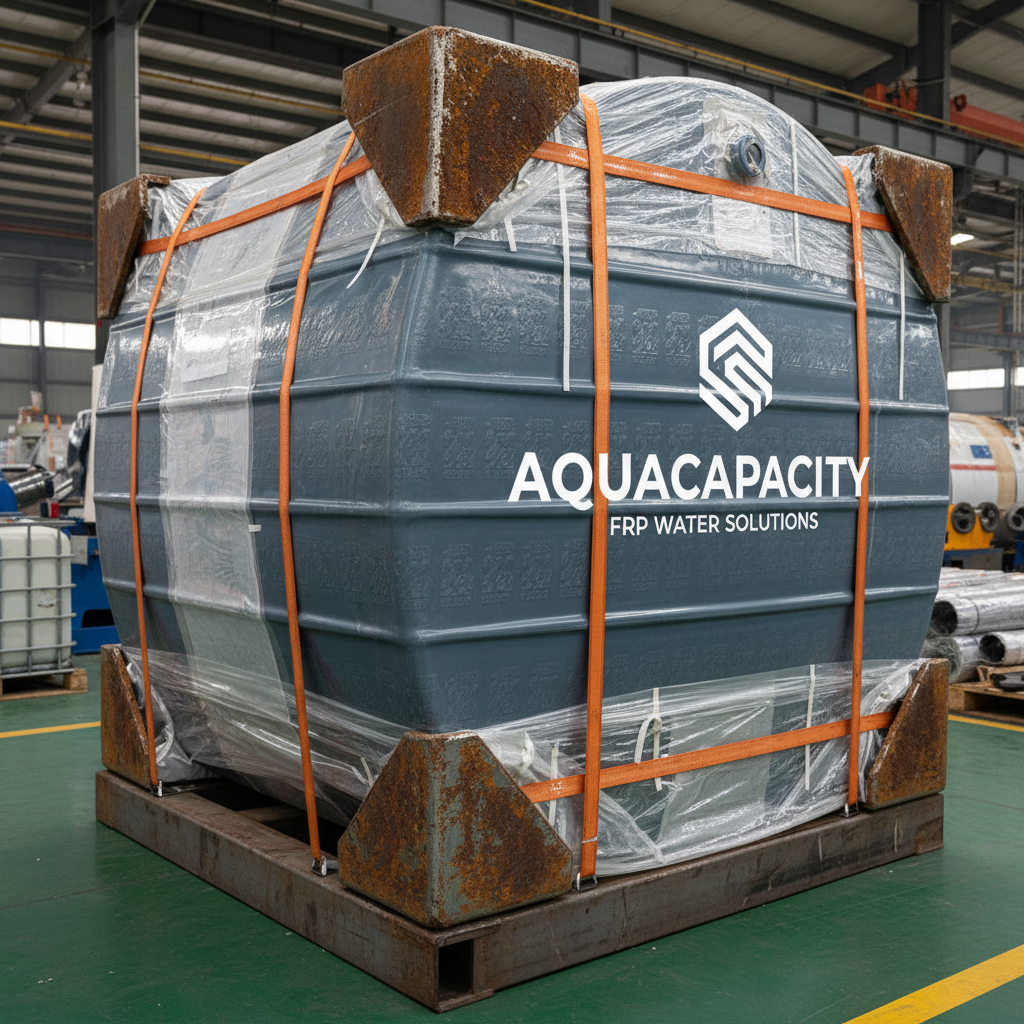
While bulky, some tanks are designed for modular assembly or are mounted on skids for easier relocation. Still, transporting a full 10,000 gallon tank can be complex and expensive, so they’re mostly considered semi-permanent. For temporary needs, smaller modular units are often more practical.
Can these tanks be used for potable water treatment chemicals?
Yes. Tanks complying with NSF/ANSI 61 certifications are suitable for drinking water treatment chemicals. However, you must ensure no cross-contamination from previous contents and maintain strict cleaning protocols.
How can I ensure regulatory compliance when purchasing a large chemical tank?
Work with vendors who provide certified tanks adhering to recognized standards like UL 142, ISO 9001, or EPA SPCC guidelines. Request documentation and certification, and consult local environmental regulations to guarantee compliance.

In Closing: Why the 10000 Gallon Chemical Tank Matters

To wrap up, a 10000 gallon chemical tank is more than just a vessel. It’s a lifeline for industries, a shield for the environment, and a tool for progress. Whether it’s holding vital chemicals for clean water in a remote village or ensuring factory production runs smoothly, tanks this size underpin some of the most important work on Earth.

Thinking ahead, if you’re involved in chemical storage or industrial planning, it’s worth exploring how these tanks fit into your operations. Safe, efficient, and increasingly smart — they help you do the heavy lifting, literally.

Ready to learn more or get a custom solution? Visit 10000 gallon chemical tank and see what’s available. You might just find the perfect fit.

References:
1. Wikipedia: Chemical Storage Tank
2. ISO 9001 Quality Management
3. EPA Spill Prevention Control and Countermeasure Rule
Upsell Products
Upsell News
Guide to Fiber Water Tank Price and FRP Storage Costs
Jul 01,2026
Guide to Fiber Water Tank Price and FRP Storage Costs
Understanding Fiber Water Tank Price: A Comprehensive Investment Guide When searching for a reliable liquid storage solution, understanding the factors that influence fiber water tank price is essential for optimizing your operational budget. Fiber-Reinforced Plastic FRP tanks have become the industry standard for water and chemical storage due to their exceptional corrosion resistance and structural integrity. Whether you are managing a municipal water project or an industrial chemical plant, selecting the right tank requires a balance between initial cost and long-term durability. In this guide, we will explore the variables that drive pricing and why FRP remains the most cost-effective choice
Guide to Fibreglass Water Tank Prices and FRP Investment
Jun 29,2026
Guide to Fibreglass Water Tank Prices and FRP Investment
Understanding Fibreglass Water Tank Prices: A Comprehensive Investment Guide When planning water storage for industrial or commercial applications, understanding the factors that influence fibreglass water tank prices is essential for optimizing your budget. Fibreglass Reinforced Plastic FRP tanks offer a superior alternative to steel or concrete due to their corrosion resistance and lightweight nature. Whether you are in the petroleum, chemical, or drainage industry, selecting a tank that balances cost with long-term durability is key. In this guide, we will explore the pricing drivers, technical advantages, and specifications of high-quality FRP storage solutions to help you make an informed purchasing decision.
Industrial Fiberglass Water Tank Price and Buyers Guide
Jun 27,2026
Industrial Fiberglass Water Tank Price and Buyers Guide
Analyzing Fiberglass Water Tank Price: A Comprehensive Buyers Guide When investing in industrial water storage, understanding the fiberglass water tank price is essential for effective budget planning and operational efficiency. Fiberglass Reinforced Plastic FRP tanks have become the gold standard in water quality pollution prevention and chemical storage due to their exceptional corrosion resistance and durability. Whether you are managing a municipal water system or a specialized manufacturing plant, choosing the right tank involves balancing initial costs with long-term lifecycle value. In this guide, we will break down the factors that influence pricing and why FRP is often the most cost-effective choice
Comprehensive Guide to GRP Sectional Water Tanks Prices and Quality
Jun 26,2026
Comprehensive Guide to GRP Sectional Water Tanks Prices and Quality
Selecting the right water storage solution is critical for industrial, commercial, and residential infrastructure. When evaluating grp sectional water tanks prices, it is essential to look beyond the initial sticker price and consider the total cost of ownership, including durability, installation ease, and maintenance. Glass Reinforced Plastic GRP tanks offer a superior alternative to traditional steel or concrete, providing exceptional corrosion resistance and modular flexibility. In this guide, we will explore the factors that influence pricing and why GRP remains the gold standard for modern water management.
Guide to Understanding FRP Tank Cost and Investment Value
Jun 25,2026
Guide to Understanding FRP Tank Cost and Investment Value
Understanding FRP Tank Cost: A Comprehensive Guide to Investment and Value When investing in industrial storage solutions, understanding the frp tank cost is essential for accurate budgeting and long-term operational planning. Fiber Reinforced Plastic FRP tanks offer an exceptional balance of corrosion resistance, structural strength, and longevity, making them the preferred choice for chemical, petroleum, and water treatment industries. While initial pricing can vary based on specifications, the total cost of ownership is often significantly lower than traditional steel tanks due to reduced maintenance. In this guide, we will explore the factors influencing pricing and the advanced machinery used to produce these high-performance vessels.
Best Industrial 500 gallon chemical tank for Storage and Safety
Jun 23,2026
Best Industrial 500 gallon chemical tank for Storage and Safety
Choosing the Best 500 Gallon Chemical Tank for Industrial Storage When managing hazardous materials or industrial fluids, the integrity of your storage system is non-negotiable. A high-quality 500 gallon chemical tank provides the perfect balance between capacity and footprint, making it an ideal choice for mid-sized operations, water treatment facilities, and chemical processing plants. Selecting the right material and design ensures not only the safety of your personnel but also the longevity of your assets. In this guide, we will explore the critical factors you need to consider to optimize your chemical storage efficiency and compliance.
Safe and Efficient Industrial Chemical Storage Tanks Guide
Jun 21,2026
Safe and Efficient Industrial Chemical Storage Tanks Guide
Maximizing Safety and Efficiency with Industrial Chemical Storage Tanks In the modern industrial landscape, the secure management of hazardous materials is not just a regulatory requirement but a critical safety priority. Selecting the right industrial chemical storage tanks is essential for preventing leaks, reducing environmental impact, and ensuring the longevity of your infrastructure. Whether you are dealing with highly corrosive acids or volatile solvents, the material composition and design of your storage system determine your operational risk. This guide explores the technical nuances of chemical storage to help you make an informed investment for your facility.
Best Guide to Choosing a Durable 200 Gallon Chemical Tank
Jun 20,2026
Best Guide to Choosing a Durable 200 Gallon Chemical Tank
The Ultimate Guide to Choosing a 200 Gallon Chemical Tank Finding the right storage solution for hazardous or corrosive substances is critical for industrial safety and operational efficiency. A 200 gallon chemical tank offers a versatile mid-size capacity, ideal for businesses that need a balance between space-saving design and sufficient volume for chemical processing. Whether you are dealing with acids, bases, or specialty solvents, the material composition of your tank determines its lifespan and your facilitys safety. In this guide, we will explore the technical specifications, material options, and best practices for maintaining these essential industrial assets.
Industrial Fiberglass Water Storage Tanks Guide for Efficiency
Jun 18,2026
Industrial Fiberglass Water Storage Tanks Guide for Efficiency
The Ultimate Guide to Fiberglass Water Storage Tanks for Industrial Use Selecting the right containment system is critical for maintaining water purity and operational efficiency. fiberglass water storage tanks have emerged as a superior alternative to traditional steel or concrete reservoirs. Combining high strength-to-weight ratios with exceptional corrosion resistance, these tanks are designed to withstand the harshest environmental conditions while ensuring the longevity of your infrastructure. Whether you are managing a municipal water system or an industrial chemical process, understanding the advantages of FRP Fiber Reinforced Plastic technology is the first step toward a sustainable storage solution.
Industrial Storage Guide for Modular Sectional Water Tanks
Jun 13,2026
Industrial Storage Guide for Modular Sectional Water Tanks
When managing large-scale water storage, efficiency and scalability are non-negotiable. Sectional water tanks offer a versatile and robust solution for industries requiring customized capacities and easy installation in restricted spaces. Unlike monolithic tanks, these systems are engineered from modular panels, allowing for precise sizing and seamless transport to remote sites. Whether it is for fire protection, potable water, or industrial processing, choosing the right tank configuration can significantly impact the longevity and reliability of your water infrastructure. In this guide, we explore why these modular systems are the preferred choice for modern engineering projects worldwide.
Industrial Safety Guide for Double Wall Chemical Tanks
Jun 11,2026
Industrial Safety Guide for Double Wall Chemical Tanks
In the world of industrial chemical storage, containment is not just a preferenceit is a critical safety requirement. double wall chemical tanks provide a sophisticated layer of security, ensuring that hazardous materials are contained even if the primary vessel fails. By utilizing a tank-within-a-tank design, these systems prevent catastrophic leaks, protect the surrounding environment, and ensure compliance with strict regulatory standards. Whether you are managing a water treatment plant or a chemical manufacturing facility, understanding the nuances of secondary containment is essential for operational longevity and risk mitigation.
High Efficiency and Durability of Fiberglass Storage Tanks
Jun 09,2026
High Efficiency and Durability of Fiberglass Storage Tanks
In the world of industrial liquid containment, choosing the right material is critical for safety, longevity, and cost-effectiveness. fiberglass storage tanks , also known as FRP Fiber Reinforced Plastic tanks, have emerged as the gold standard for storing corrosive chemicals, water, and hazardous materials. Unlike traditional metal tanks, fiberglass offers an unparalleled combination of strength and chemical inertness. Whether you are managing a municipal water system or a complex chemical processing plant, understanding the advantages of these advanced composite structures is essential for optimizing your infrastructure and reducing long-term maintenance costs.
Durable FRP Vessel for Water Treatment and Industrial Filtration
Apr 16,2026
Durable FRP Vessel for Water Treatment and Industrial Filtration
In the modern era of industrial and residential water purification, the choice of containment materials is critical for efficiency and longevity. An frp vessel for water treatment has emerged as the gold standard, replacing traditional steel tanks due to its superior corrosion resistance and lightweight properties. Whether you are dealing with desalination, softening, or filtration, using Fiber Reinforced Plastic (FRP) ensures that your system remains leak-proof and durable against aggressive chemicals. In this comprehensive guide, we will explore why FRP is the preferred choice for water treatment professionals worldwide and how to select the right vessel for your specific application.
Industrial Guide for Choosing the Right FRP Vertical Tank
Apr 09,2026
Industrial Guide for Choosing the Right FRP Vertical Tank
In today's industrial landscape, the storage of corrosive chemicals and aggressive liquids requires materials that can withstand extreme conditions without degrading. The frp vertical tank has emerged as a premier solution, offering an exceptional balance of strength, lightweight properties, and unmatched chemical resistance. Whether you are managing a water treatment plant or a chemical processing facility, understanding the nuances of Fiber Reinforced Plastic (FRP) is essential for ensuring operational safety and longevity. In this comprehensive guide, we will explore why vertical configurations are preferred and how these tanks outperform traditional metal alternatives.
Comprehensive Guide to FRP Underground Water Tank Solutions and Applications
Apr 07,2026
Comprehensive Guide to FRP Underground Water Tank Solutions and Applications
Fiberglass Reinforced Polymer (FRP) underground water tanks are becoming increasingly popular for a wide range of applications, from potable water storage to industrial wastewater containment. Their superior corrosion resistance, lightweight nature, and design flexibility make them an excellent alternative to traditional materials like concrete or steel. This article will delve into the benefits, applications, construction, and considerations for implementing FRP underground water tanks, providing a comprehensive overview for engineers, contractors, and project managers.
Comprehensive Guide to Frp Underground Water Storage Tanks and Their Applications
Apr 04,2026
Comprehensive Guide to Frp Underground Water Storage Tanks and Their Applications
When considering water storage solutions, particularly for industrial, agricultural, or municipal applications, frp underground water storage tanks stand out as a durable, cost-effective, and environmentally friendly option. These tanks are increasingly favored over traditional materials like concrete or steel due to their superior corrosion resistance, lighter weight, and ease of installation. This article delves into the benefits, applications, construction, and considerations when choosing an FRP tank, providing a detailed overview for potential buyers and project planners.
For More Details Pls Contact Us
Thank you for your interest in our gloves! We offer high-quality, durable, and comfortable gloves with fast delivery and competitive prices. For any questions or customization, feel free to contact us. We look forward to working with you!

If you are interested in our products, you can choose to leave your information here, and we will be in touch with you shortly.