Comprehensive Guide to FRP Round Tanks Applications and Benefits
Understanding FRP Round Tanks: A Comprehensive Guide
Fiber Reinforced Plastic (FRP) round tanks are rapidly becoming the preferred storage solution across a multitude of industries. Known for their durability, corrosion resistance, and cost-effectiveness, these tanks offer significant advantages over traditional materials like steel. This article will explore the benefits, applications, manufacturing process, and considerations when choosing an FRP round tank. Whether you're in chemical processing, water treatment, or agriculture, understanding FRP tanks is essential for optimizing your storage needs. We'll delve into why these tanks are a smart investment for long-term reliability and performance.
What are FRP Round Tanks?
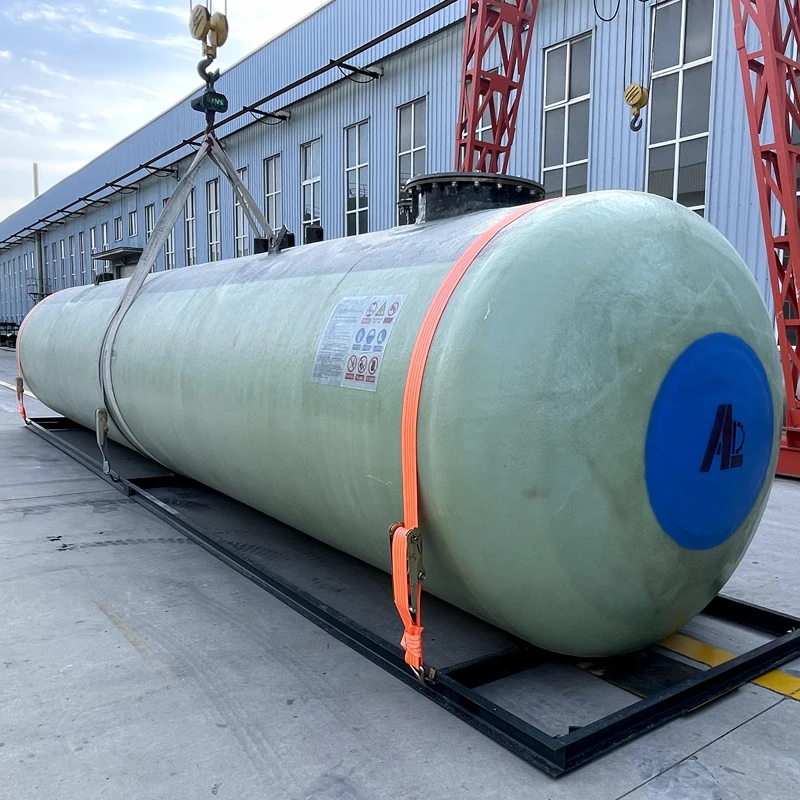
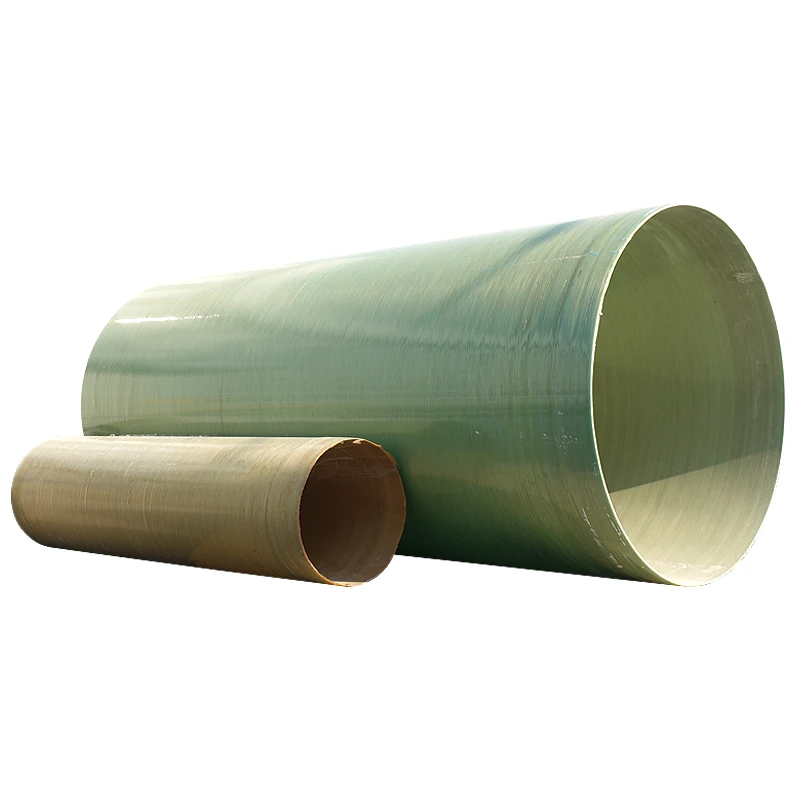
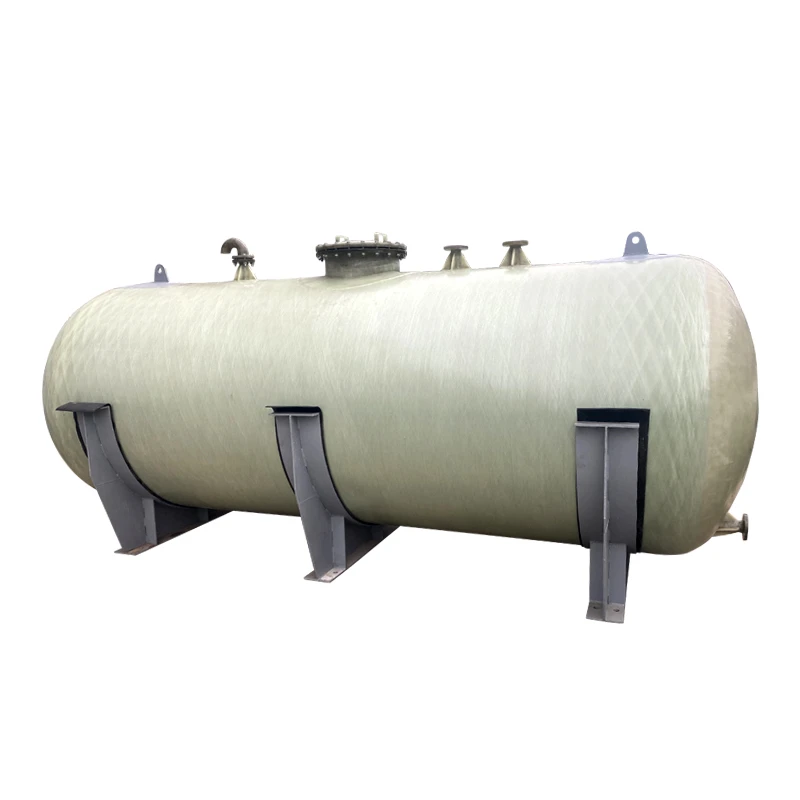
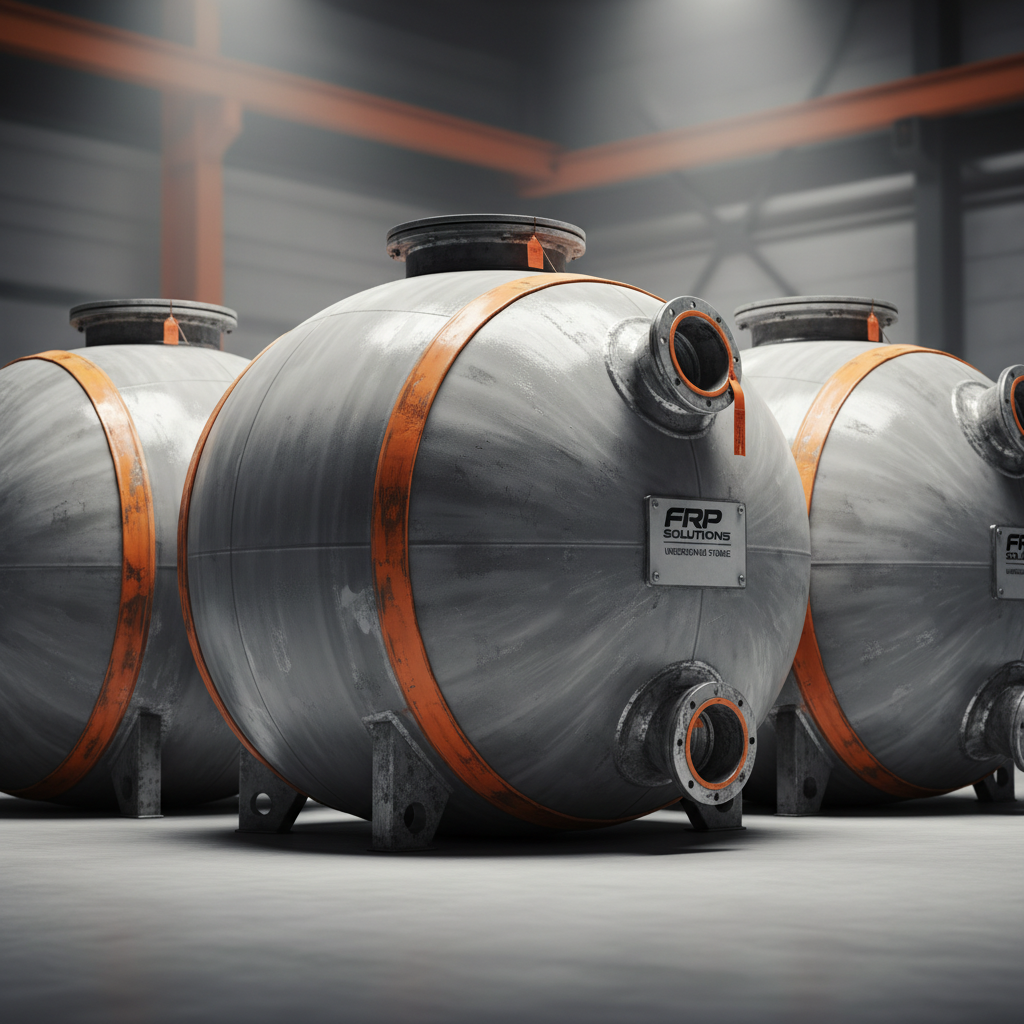
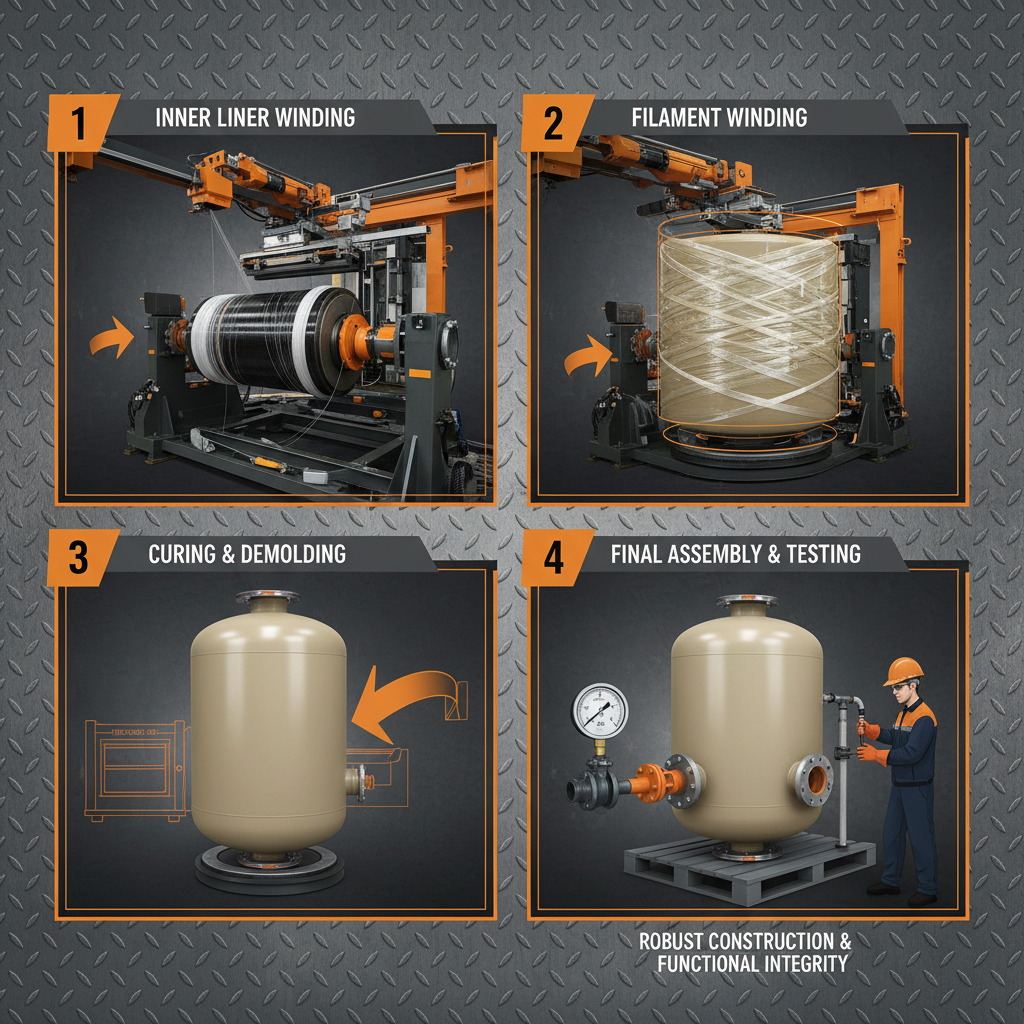
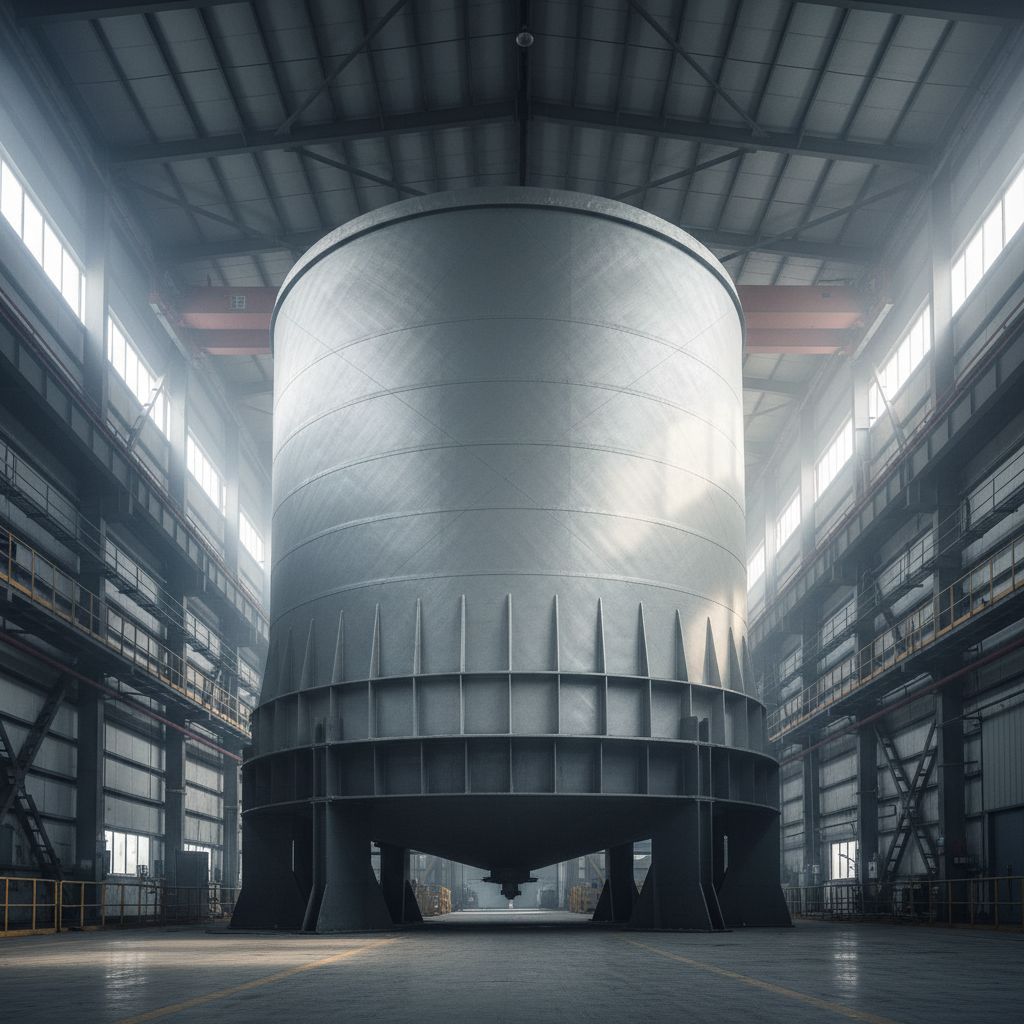
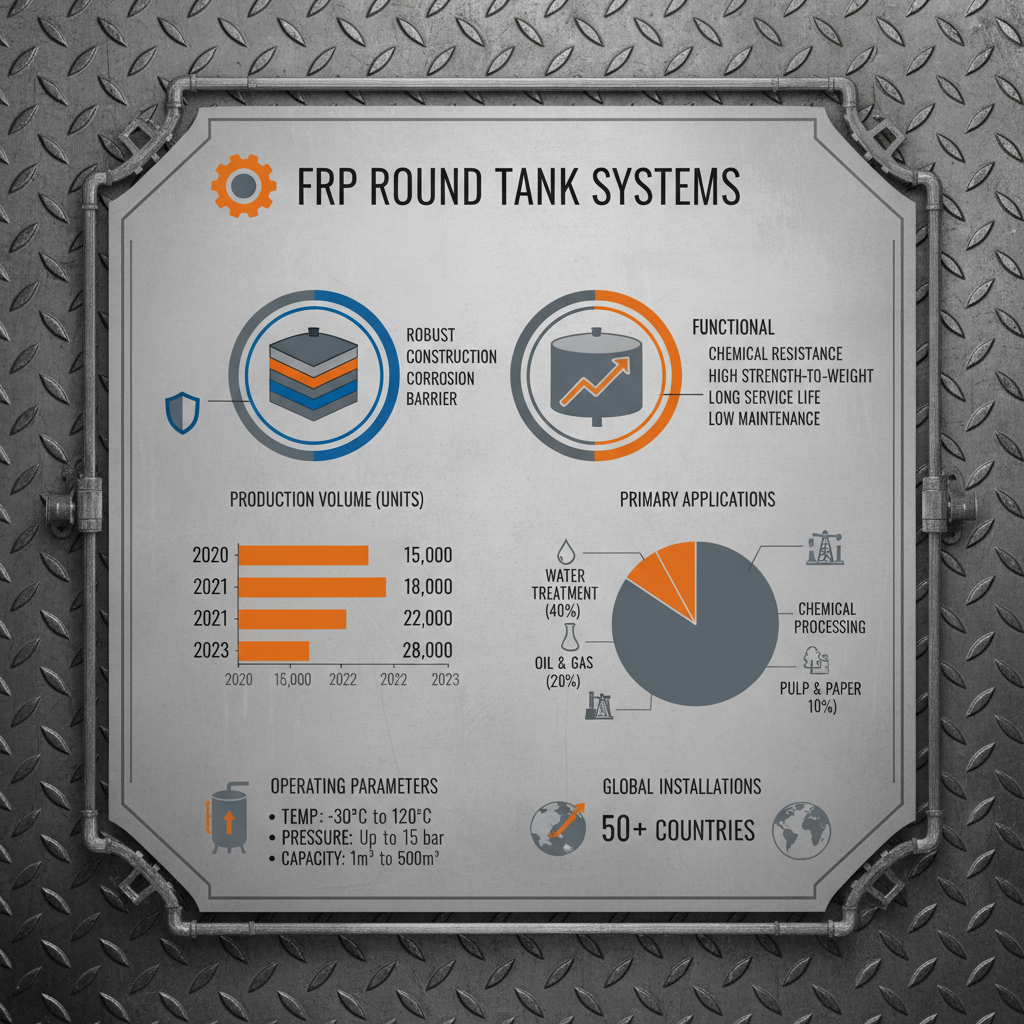
FRP round tanks are constructed using a combination of reinforcing fibers (like fiberglass, carbon fiber, or aramid fiber) embedded in a polymer resin matrix (such as polyester, vinyl ester, or epoxy). The round shape is inherently strong, distributing stress evenly and minimizing the risk of failure. These tanks are manufactured through various processes, including filament winding, hand lay-up, and spray-up molding, each suited to different tank sizes and applications. The result is a lightweight, yet incredibly strong and durable tank capable of storing a wide range of liquids and chemicals. Explore our range of FRP tanks designed to meet diverse industrial requirements.
Key Highlights: Lightweight, corrosion-resistant, durable, and customizable to various chemical and temperature requirements.
Key Benefits of Choosing FRP Round Tanks
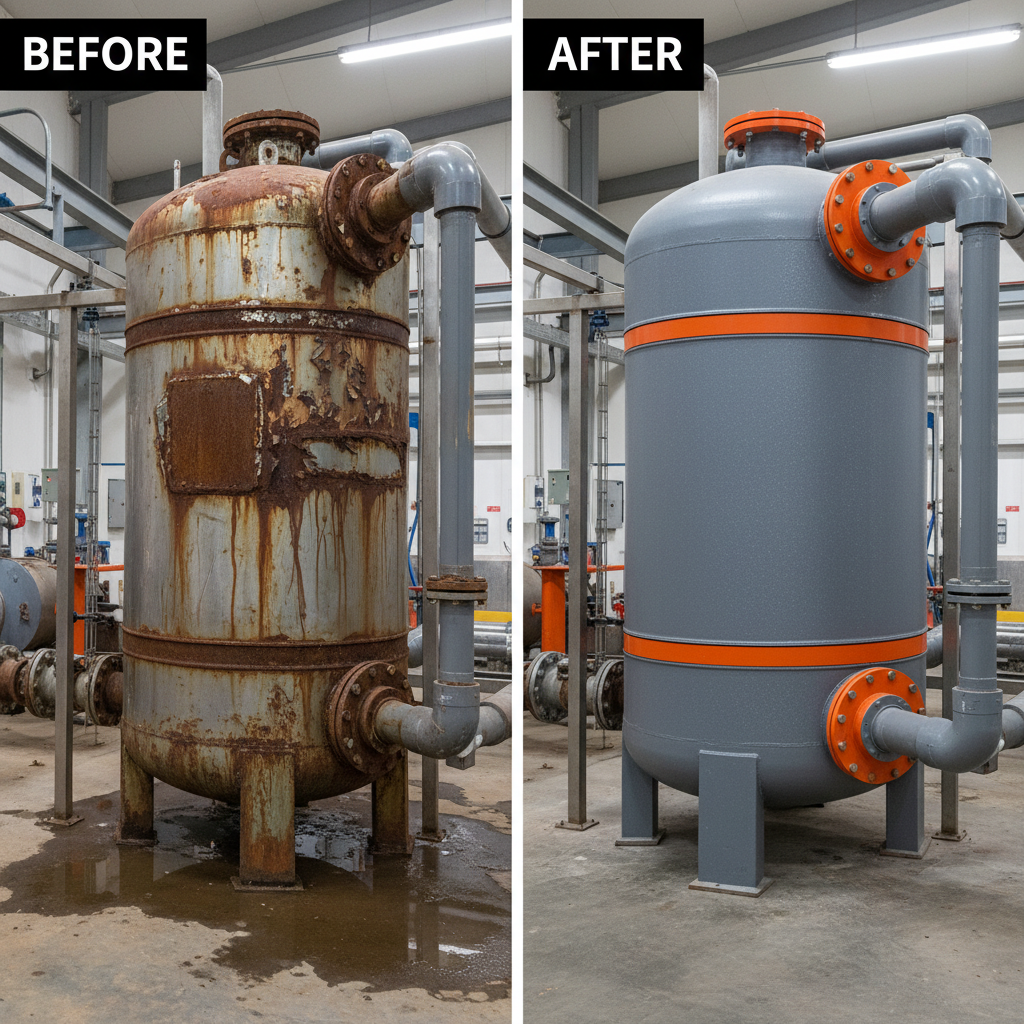
Compared to traditional tank materials like steel or concrete, FRP round tanks offer a compelling set of advantages. These include superior corrosion resistance, eliminating the need for expensive coatings and reducing maintenance costs. FRP tanks are also significantly lighter than steel tanks, simplifying installation and reducing transportation expenses. Their design flexibility allows for customization to specific requirements, including size, shape, and fitting locations. Furthermore, FRP materials exhibit excellent thermal insulation properties, reducing temperature fluctuations and energy consumption. Choosing an FRP tank is an investment in longevity and reduced operational costs.
Benefits at a Glance:
• Superior Corrosion Resistance
• Lightweight & Easy to Install
• Design Flexibility & Customization
• Excellent Thermal Insulation
FRP Round Tank Applications
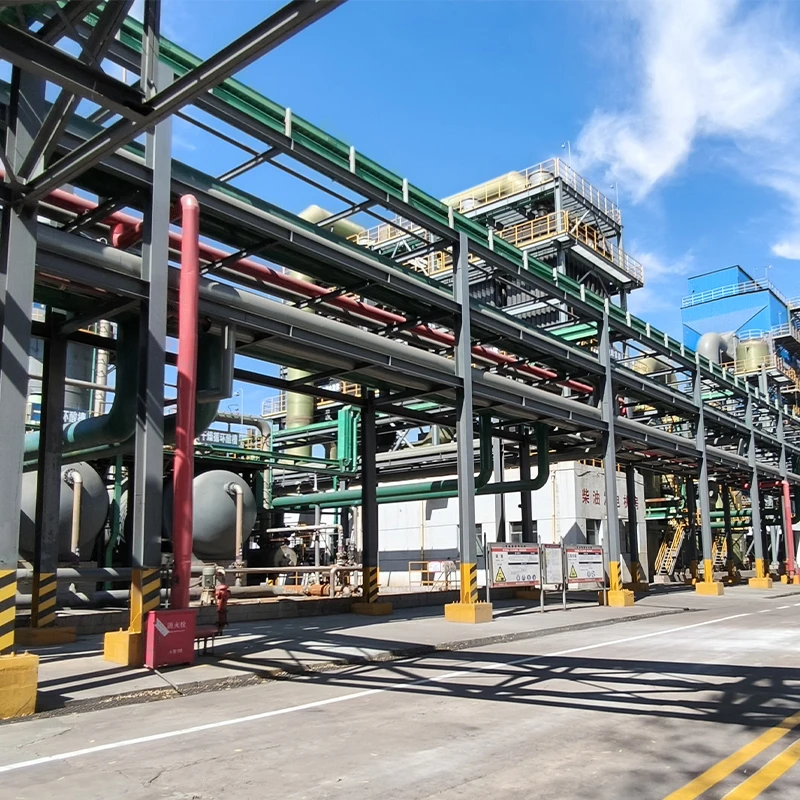
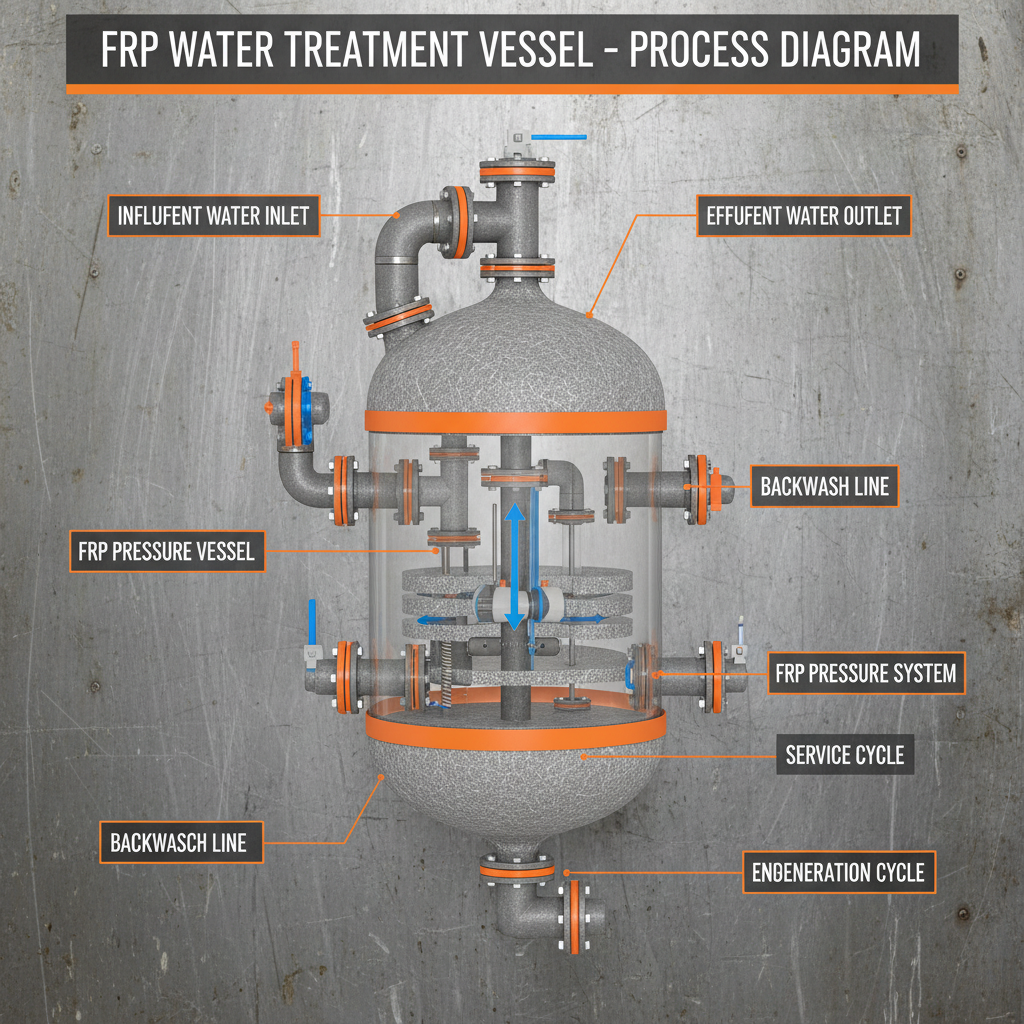
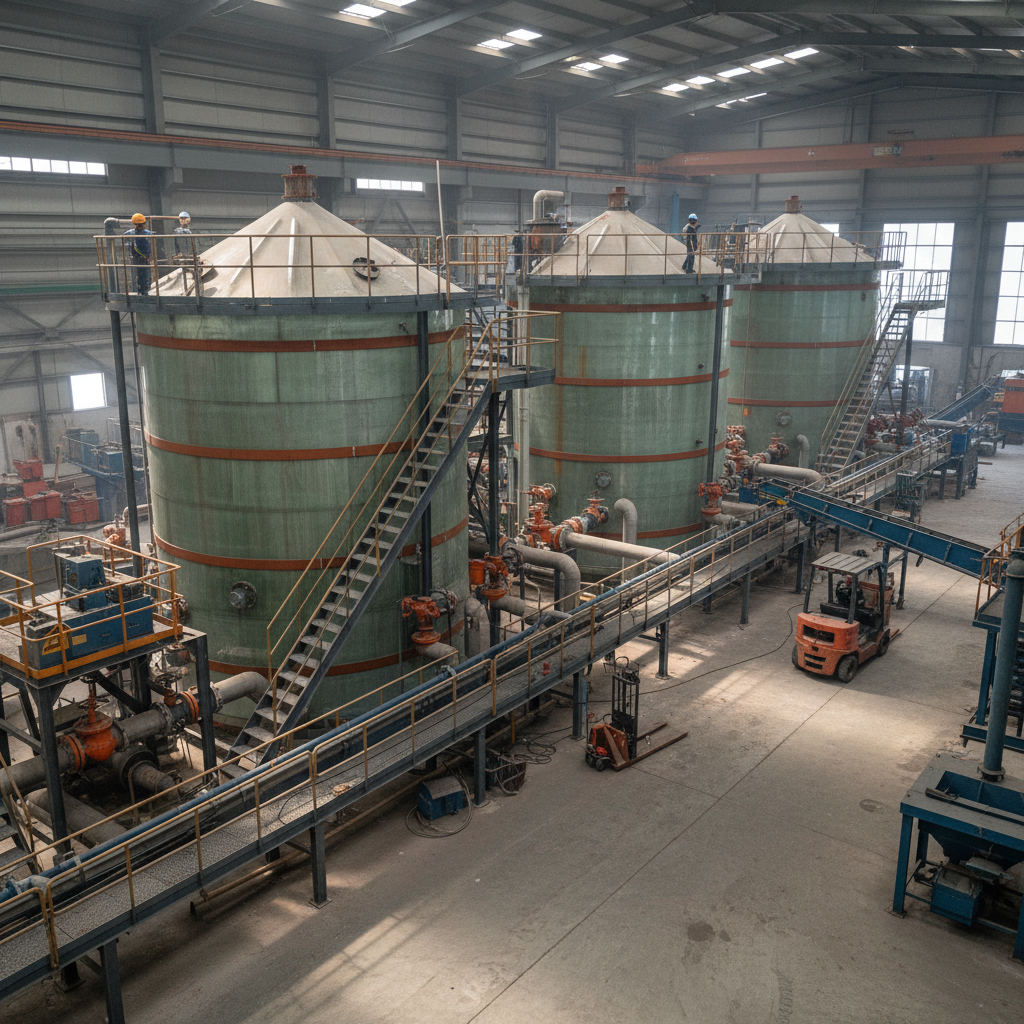
The versatility of FRP round tanks makes them ideal for a wide range of applications across diverse industries. In the chemical processing industry, they safely store corrosive acids, alkalis, and solvents. Water and wastewater treatment plants utilize FRP tanks for storing treated water, chemicals for purification, and sludge. The agricultural sector benefits from FRP tanks for storing fertilizers, pesticides, and irrigation water. Other applications include food and beverage processing, pharmaceutical manufacturing, and oil and gas storage. Discover application-specific FRP solutions from our extensive product catalog.
Manufacturing Processes for FRP Round Tanks
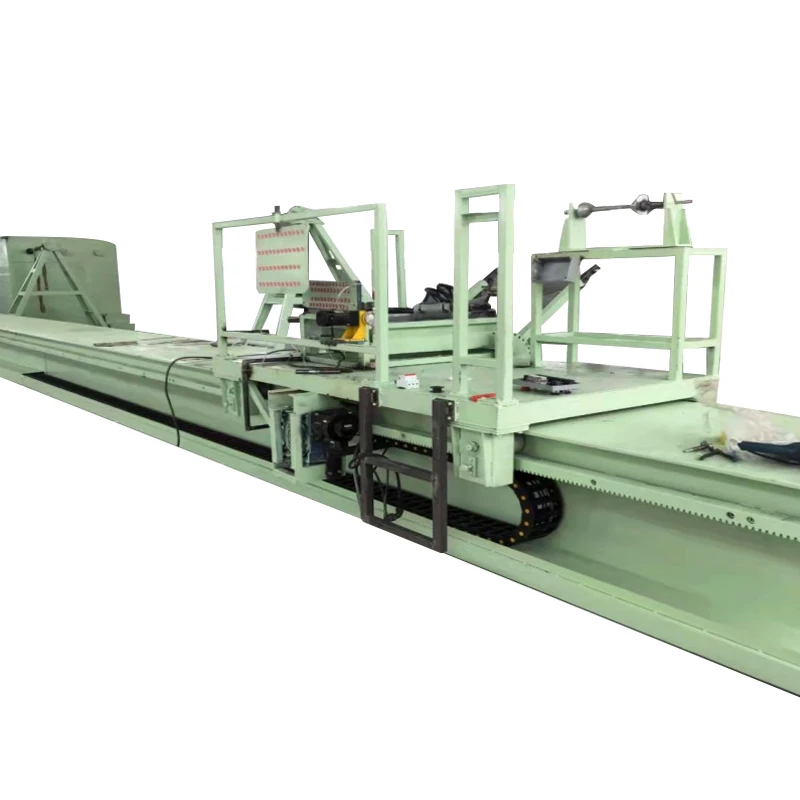
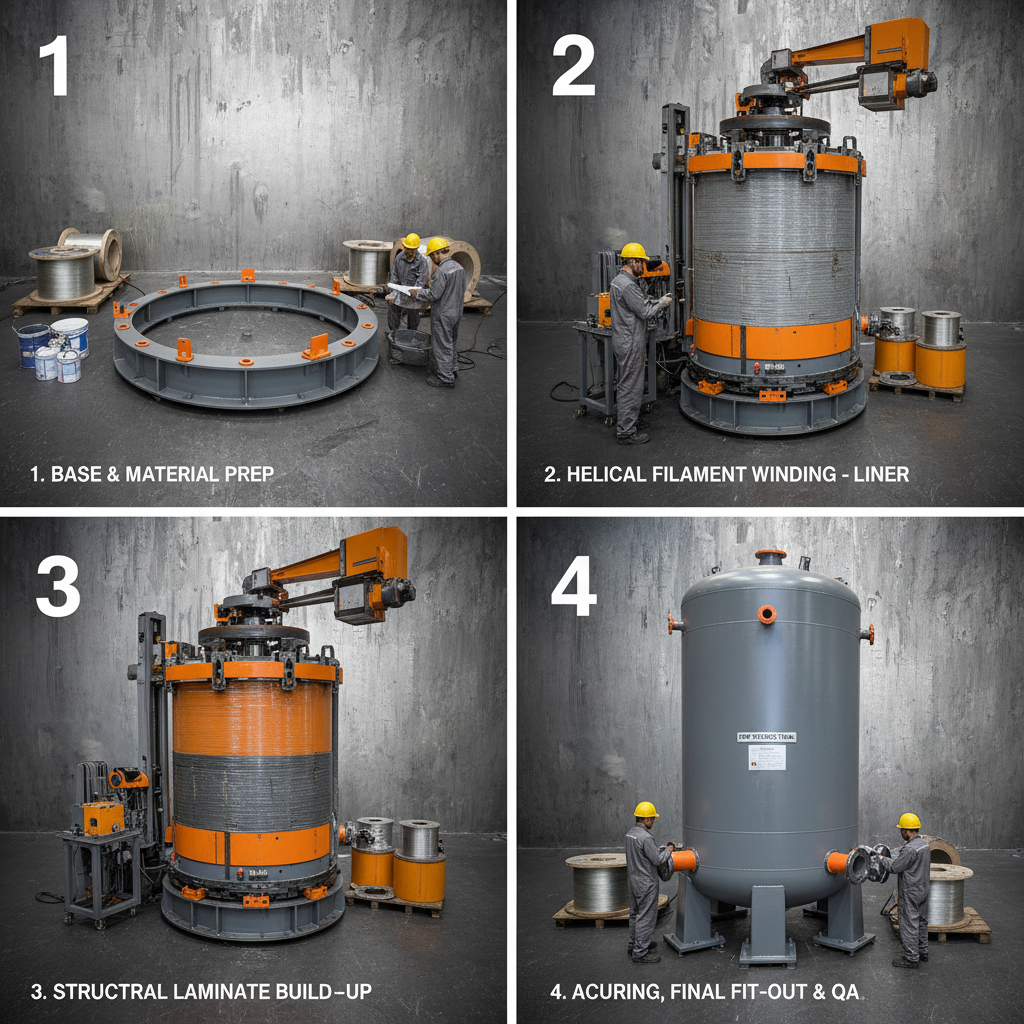
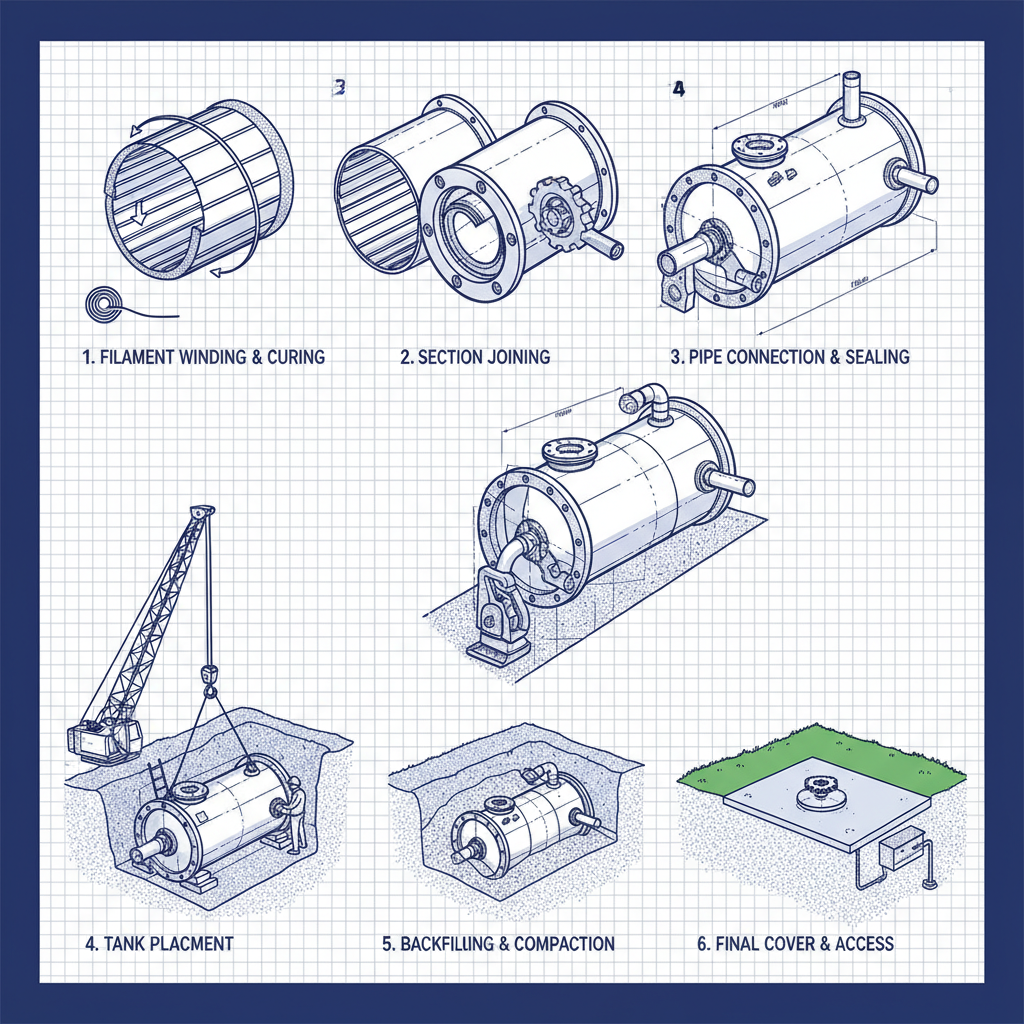
Several methods are used to manufacture FRP round tanks, each offering unique benefits. Filament winding is ideal for large-diameter tanks, providing high strength and uniform wall thickness. Hand lay-up is a versatile process suitable for smaller tanks and custom designs. Spray-up molding is a cost-effective option for producing tanks in moderate quantities. The choice of manufacturing process depends on factors such as tank size, shape, and required mechanical properties. At our facility, we utilize advanced manufacturing techniques to ensure the highest quality and performance.
Selecting the Right FRP Round Tank: Key Considerations
Choosing the right FRP round tank involves careful consideration of several factors. Determine the specific liquid or chemical to be stored and its compatibility with the chosen resin system. Consider the required tank volume and dimensions to ensure adequate capacity. Assess the operating temperature and pressure conditions. Finally, evaluate the need for any special features, such as fittings, manways, or level sensors. Working with a reputable manufacturer like FRPGRPMACHINE ensures you receive a tank tailored to your specific needs and compliant with industry standards.
Conclusion: Invest in Reliability with FRP Round Tanks
Investing in an FRP round tank from a trusted manufacturer like FRPGRPMACHINE offers a long-term, cost-effective solution for your storage needs. The superior corrosion resistance, durability, and customization options make them ideal for a wide range of industrial applications. By prioritizing quality and selecting the right tank for your specific requirements, you can ensure safe, reliable, and efficient storage for years to come.
Frequently Asked Questions (FAQs)
What is the typical lifespan of an FRP round tank?
The lifespan of an FRP round tank can exceed 50 years with proper maintenance and usage. However, factors like the specific resin system, exposure to UV radiation, chemical concentrations, and operating temperatures can influence longevity. Regular inspections are crucial to identify any signs of degradation, such as blistering, cracking, or discoloration. Preventative maintenance, including cleaning and protective coatings, can further extend the tank's service life.
Are FRP tanks suitable for potable water storage?
Yes, certain FRP tanks are specifically designed and certified for potable water storage. These tanks utilize resins that meet NSF/ANSI Standard 61, ensuring they do not leach harmful substances into the water. It's essential to verify that the tank is certified for potable water applications before using it for drinking water storage. Our team at FRPGRPMACHINE can provide guidance on selecting the appropriate tank for potable water needs.
What maintenance is required for FRP round tanks?
FRP tanks generally require minimal maintenance. Regular visual inspections for cracks, blisters, or leaks are recommended. Cleaning the tank interior periodically helps prevent the buildup of sediment or corrosion. For tanks exposed to UV radiation, applying a UV-resistant coating can extend their lifespan. Avoid using abrasive cleaners or harsh chemicals that could damage the resin matrix.
Can FRP tanks be repaired if damaged?
Minor damage to FRP tanks, such as small cracks or scratches, can often be repaired using appropriate FRP repair kits. However, significant damage, such as large cracks or punctures, may require professional repair or tank replacement. It's crucial to assess the extent of the damage and consult with an FRP specialist to determine the best course of action.