Mar 28,2026

Comprehensive Guide to Selecting the Ideal FRP Tank for Water Storage Solutions

Choosing the Right FRP Tank for Water Storage: A Comprehensive Guide

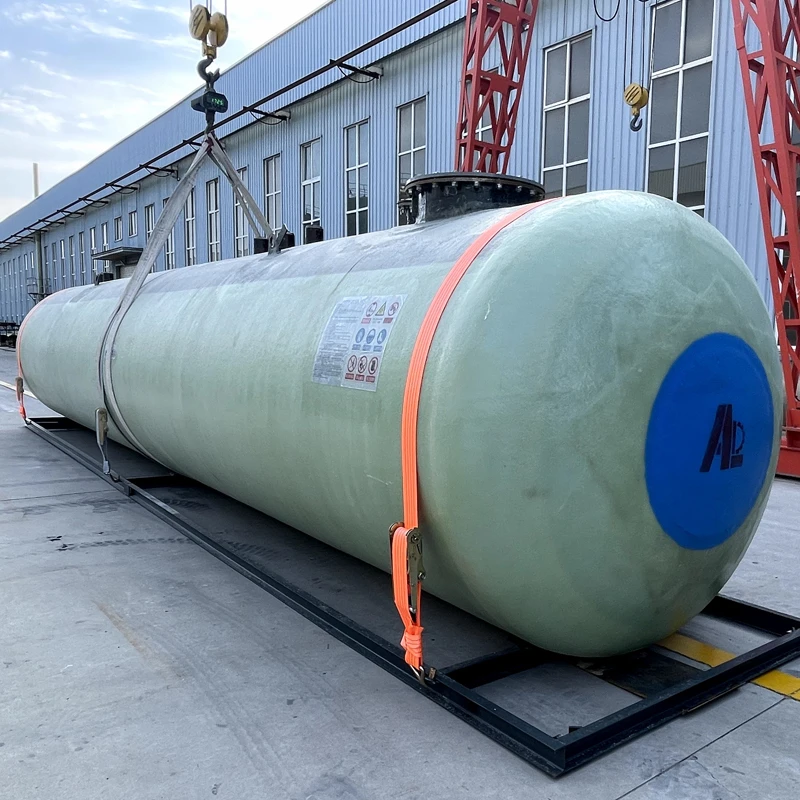
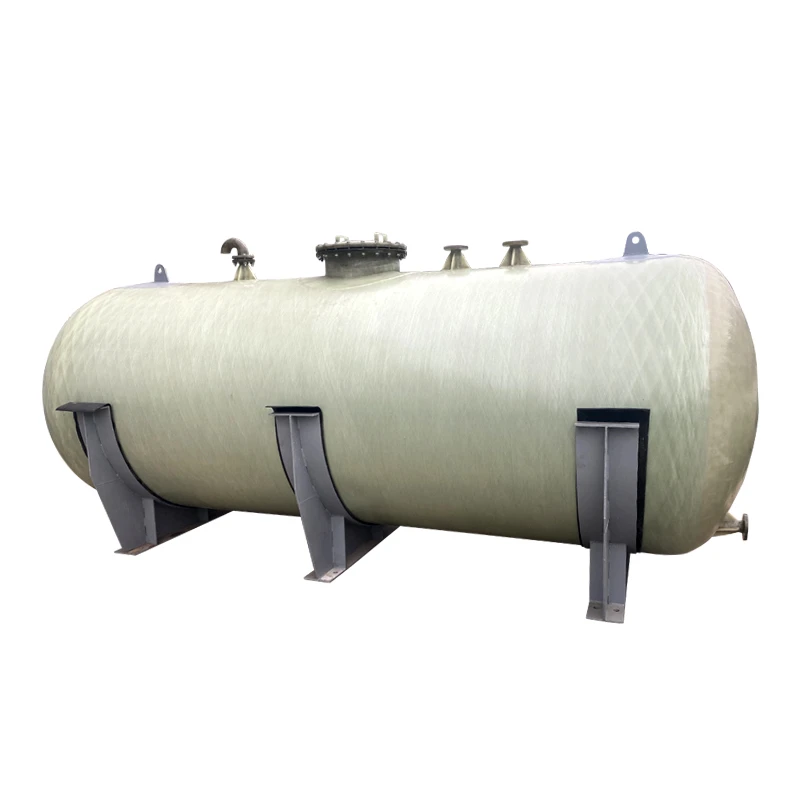
When it comes to reliable and durable water storage, FRP tanks for water are increasingly becoming the preferred solution for a wide range of applications. These tanks, constructed from Fiber Reinforced Polymer (FRP) materials, offer significant advantages over traditional storage options like steel or concrete. This article delves into the benefits, applications, and considerations when selecting an FRP tank for your water storage needs, providing a detailed overview for businesses and individuals alike. Choosing the right tank ensures long-term reliability, cost-effectiveness, and water quality preservation.
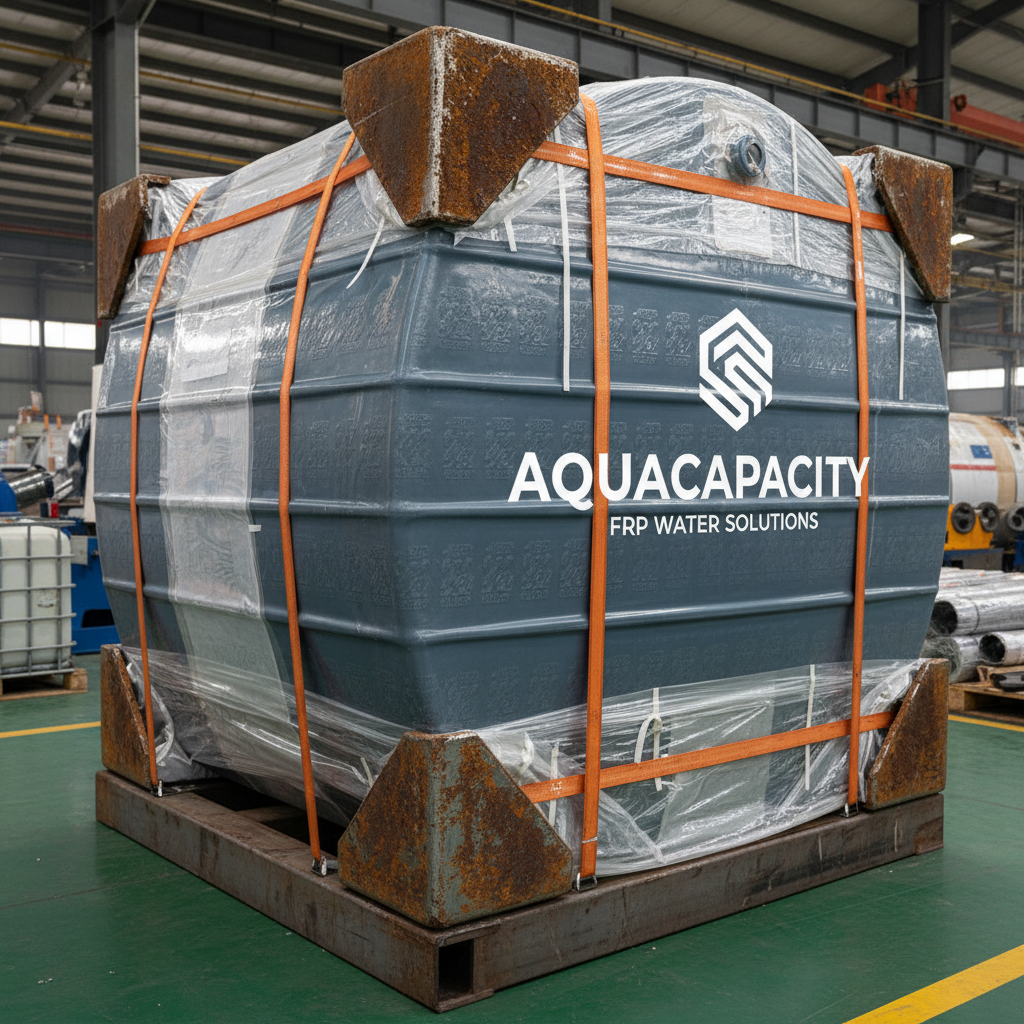
Comprehensive Guide to Selecting the Ideal FRP Tank for Water Storage Solutions

Understanding FRP Tanks: Materials and Construction

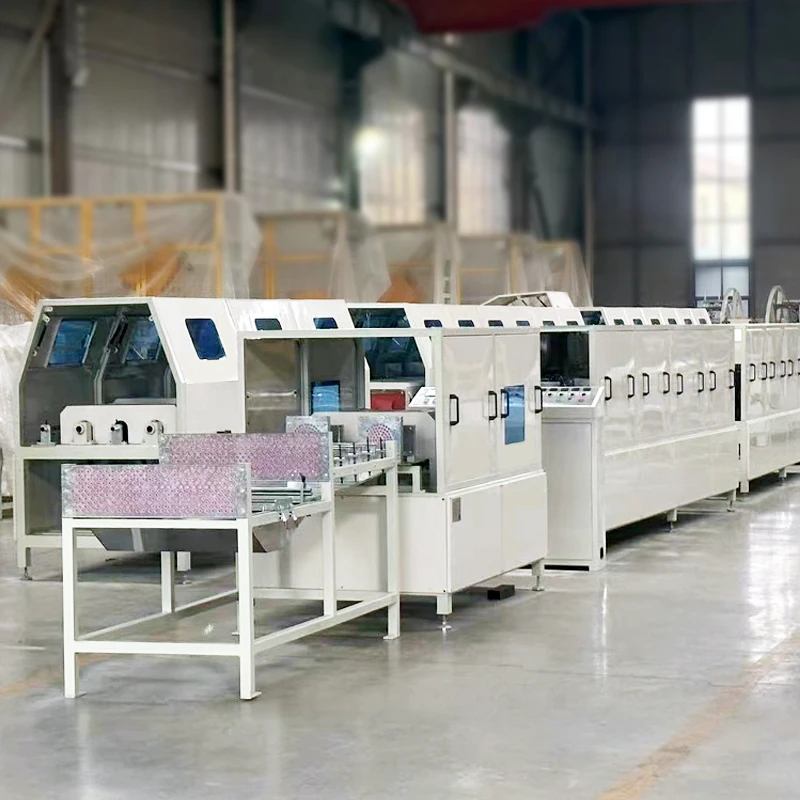
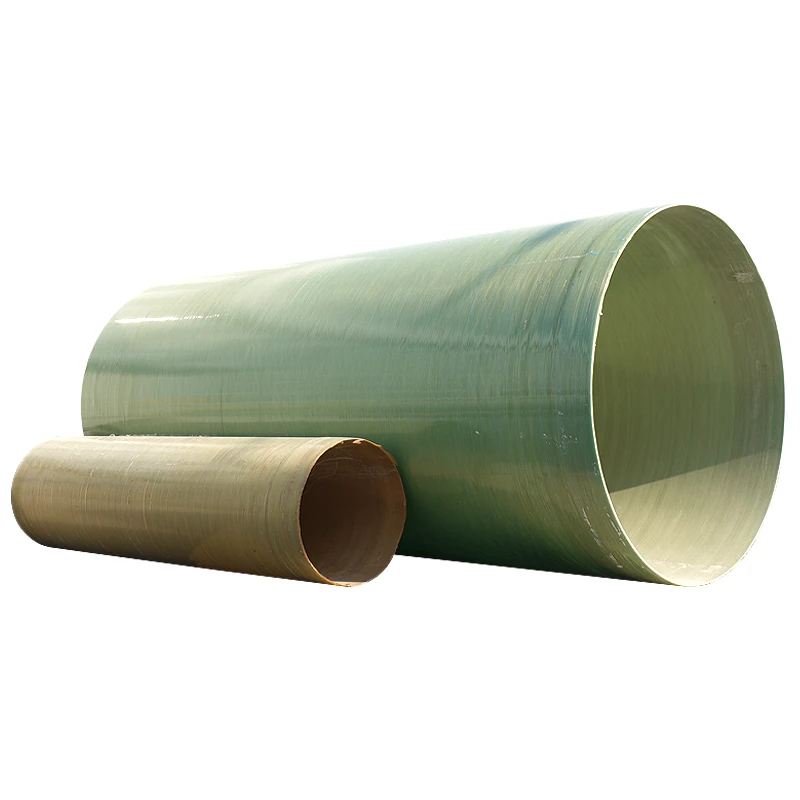
FRP tanks are manufactured using a combination of reinforcing fibers (typically fiberglass) and a polymer resin (such as polyester, vinyl ester, or epoxy). The resin binds the fibers together, creating a strong, lightweight, and corrosion-resistant structure. The specific materials used depend on the intended application and the chemical properties of the stored water. For potable water storage, tanks are often constructed with resins certified to NSF/ANSI Standard 61, ensuring they don't leach harmful substances into the water. The construction process involves layering the resin and fibers, often using automated winding or hand lay-up techniques, to create a seamless and durable tank shell. FRPGRPMachine specializes in manufacturing high-quality FRP tanks tailored to various water storage requirements.

Key Highlights: FRP tanks are lightweight, corrosion-resistant, and require minimal maintenance. They can be customized to specific sizes and shapes, and are suitable for a wide range of water storage applications.

Applications of FRP Tanks for Water Storage

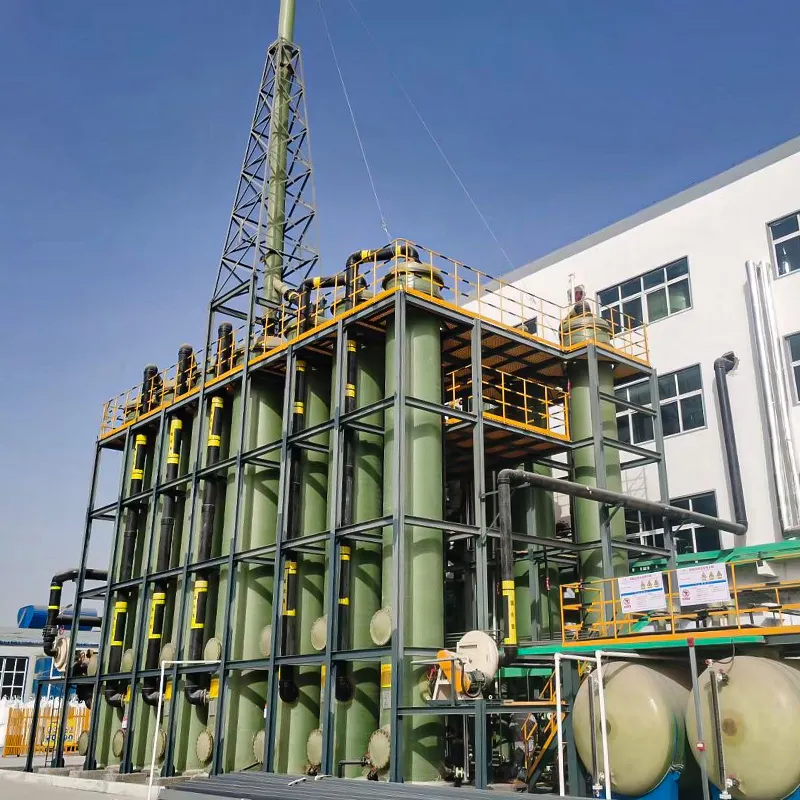
FRP tanks are incredibly versatile and find applications across numerous industries. Common uses include: Potable water storage for municipalities and residential communities; Agricultural water storage for irrigation and livestock; Industrial water storage for process water and cooling water; Rainwater harvesting for sustainable water management; and Fire suppression systems providing a reliable water source in emergencies. Their corrosion resistance makes them ideal for storing water with varying chemical compositions, and their lightweight nature simplifies installation and reduces transportation costs.

Application Benefits:

• Durable and long-lasting solution

• Lightweight and easy to install

• Corrosion-resistant, suitable for various water types

• Customizable to specific storage requirements

FRP Tank for Water vs. Traditional Materials: A Comparison

Compared to traditional water storage materials like steel and concrete, FRP tanks offer several distinct advantages. Steel tanks are susceptible to corrosion, requiring frequent maintenance and potentially leading to water contamination. Concrete tanks are heavy and prone to cracking, and can also affect water quality due to leaching. FRP tanks, on the other hand, are lightweight, corrosion-resistant, and require minimal maintenance, resulting in lower lifecycle costs and improved water quality. Selecting an FRP tank is a proactive step toward sustainable and cost-effective water storage.

Feature FRP Tank Steel Tank Concrete Tank
Corrosion Resistance Excellent Poor, requires coating Moderate, prone to cracking
Weight Lightweight Heavy Very Heavy
Maintenance Minimal High, frequent coating Moderate, crack repair
Lifecycle Cost Low High Moderate

Factors to Consider When Choosing an FRP Tank for Water

Selecting the appropriate FRP tank involves considering several key factors. The volume of water you need to store is the primary determinant of tank size. The type of water (potable, non-potable, corrosive) will influence the resin selection. The operating temperature and pressure requirements must also be factored in. Finally, local regulations and certifications, such as NSF/ANSI 61 for potable water, must be met. Working with a reputable manufacturer like FRPGRPMachine ensures you receive a tank that meets your specific needs and adheres to industry standards.
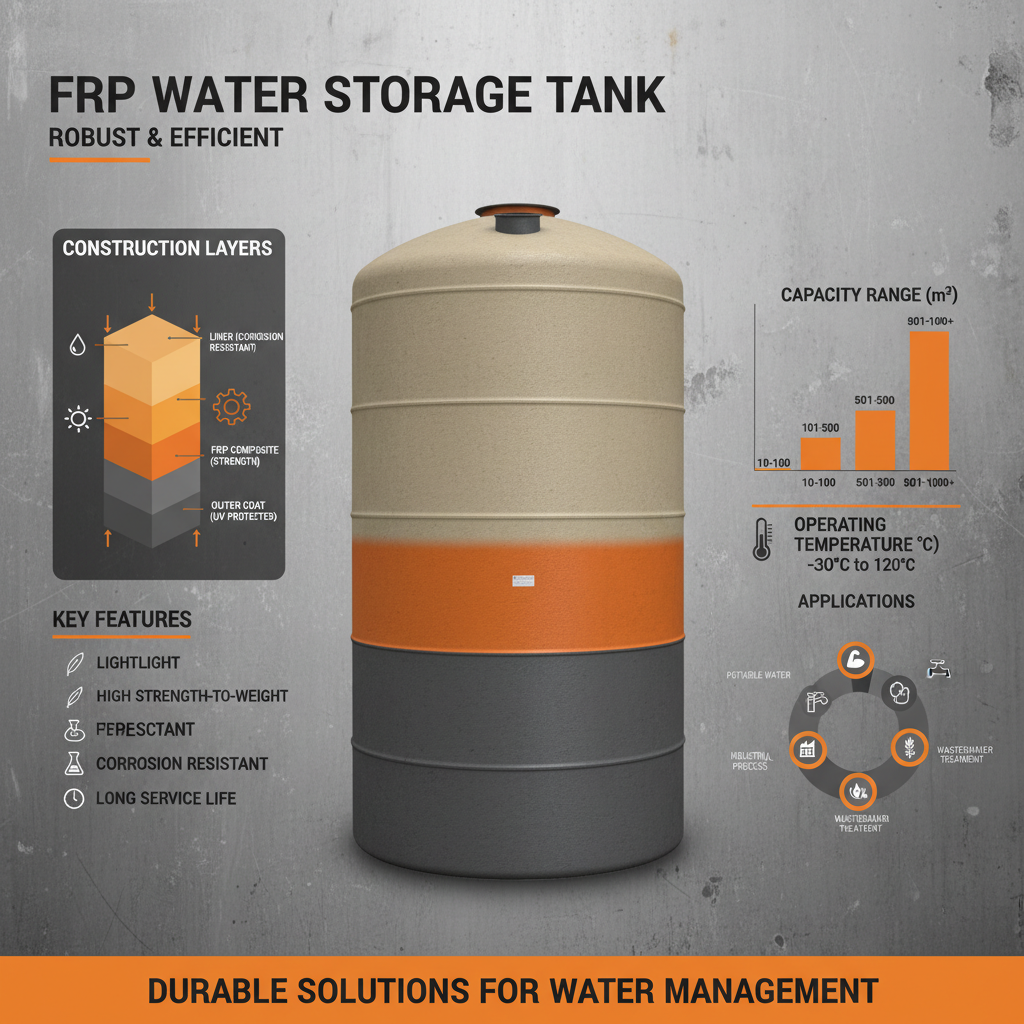
Comprehensive Guide to Selecting the Ideal FRP Tank for Water Storage Solutions

Conclusion: Investing in a Reliable Water Storage Solution

FRP tanks represent a superior solution for water storage, offering a compelling combination of durability, corrosion resistance, and cost-effectiveness. Whether you're a municipality, a farmer, or an industrial facility, choosing an FRP tank ensures a reliable and long-lasting water storage solution. By carefully considering your specific needs and partnering with a trusted manufacturer like FRPGRPMachine, you can confidently invest in a system that will provide years of dependable service.

Frequently Asked Questions (FAQs)

What is the typical lifespan of an FRP tank?

With proper maintenance and operation, an FRP tank can easily last 25-50 years or even longer. The lifespan is influenced by factors such as the quality of materials used, the specific resin type, the water being stored, and environmental conditions like UV exposure. Regular inspections for any signs of damage, such as cracks or delamination, are crucial for maximizing the tank's lifespan. Furthermore, avoiding overpressure and harsh chemical exposure will contribute to long-term durability.

Are FRP tanks suitable for storing drinking water?

Yes, FRP tanks are often an excellent choice for potable water storage, provided they are constructed using resins and materials certified to NSF/ANSI Standard 61. This certification ensures that the materials do not leach harmful substances into the water, maintaining its purity and safety for human consumption. It’s essential to verify that the tank manufacturer provides NSF/ANSI 61 certification documentation.

What maintenance is required for an FRP tank?

FRP tanks generally require minimal maintenance. Regular visual inspections for cracks, leaks, or structural damage are recommended. The exterior surface should be kept clean to prevent the growth of algae or mold. Avoid exposing the tank to extreme temperatures or direct impact. Periodic cleaning may be necessary to remove sediment buildup, depending on the water quality. Following the manufacturer's maintenance guidelines will ensure the longevity of the tank.

Can FRP tanks be customized to specific dimensions?

Yes, one of the significant advantages of FRP tanks is their customizability. Manufacturers like FRPGRPMachine can fabricate tanks to specific dimensions, shapes, and configurations to meet unique storage requirements. This includes custom fitting for pipes, nozzles, and other accessories. Customization ensures optimal space utilization and seamless integration into your existing infrastructure.
Upsell Products
Upsell News
How to choose an FRP GRP pipe for industrial fluid service
Nov 02,2026
How to choose an FRP GRP pipe for industrial fluid service
Choose an FRP GRP pipe by media, pressure, diameter, stiffness, length, hydraulic needs, and installation conditions for petroleum, chemical, and drainage systems.
Calcium Chloride Production Line FAQ: Specifications, Ordering and Support Questions
Oct 29,2026
Calcium Chloride Production Line FAQ: Specifications, Ordering and Support Questions
Find direct answers to common questions about the calcium chloride production line from Hebei Aoliande Chemical Equipment Co., Ltd. — covering the Mannheim process, technical parameters, HCl recovery, PLC automation, and ordering.
Vinyl Ester Resin Monolithic Casting FRP Electrolytic Cells Best Price: Application Fit and Specification Checks
Oct 27,2026
Vinyl Ester Resin Monolithic Casting FRP Electrolytic Cells Best Price: Application Fit and Specification Checks
Buyer's guide to evaluating Vinyl Ester Resin Monolithic Casting FRP Electrolytic Cells Best Price: covers three-layer composite construction, metal compatibility, seismic and thermal requirements, optional features, and the specification checks to complete before ordering.
Choosing an FRP Tank and Vessel for Chemical Industry: Grade, Form and Application Requirements
Oct 27,2026
Choosing an FRP Tank and Vessel for Chemical Industry: Grade, Form and Application Requirements
A practical buyer's guide to selecting FRP tank and vessel products for chemical industry use — covering resin grade, vessel geometry, structural layers, thermal properties and application sector fit, based on confirmed product specifications.
Potassium Sulfate Fertilizer Production Line Price Comparison
Oct 23,2026
Potassium Sulfate Fertilizer Production Line Price Comparison
Examine potassium sulfate fertilizer production line price comparison methods using exact documentation limits and structured purchasing checklists without assumptions.
Guide to Fiber Water Tank Price and FRP Storage Costs
Jul 01,2026
Guide to Fiber Water Tank Price and FRP Storage Costs
Understanding Fiber Water Tank Price: A Comprehensive Investment Guide When searching for a reliable liquid storage solution, understanding the factors that influence fiber water tank price is essential for optimizing your operational budget. Fiber-Reinforced Plastic FRP tanks have become the industry standard for water and chemical storage due to their exceptional corrosion resistance and structural integrity. Whether you are managing a municipal water project or an industrial chemical plant, selecting the right tank requires a balance between initial cost and long-term durability. In this guide, we will explore the variables that drive pricing and why FRP remains the most cost-effective choice
Guide to Fibreglass Water Tank Prices and FRP Investment
Jun 29,2026
Guide to Fibreglass Water Tank Prices and FRP Investment
Understanding Fibreglass Water Tank Prices: A Comprehensive Investment Guide When planning water storage for industrial or commercial applications, understanding the factors that influence fibreglass water tank prices is essential for optimizing your budget. Fibreglass Reinforced Plastic FRP tanks offer a superior alternative to steel or concrete due to their corrosion resistance and lightweight nature. Whether you are in the petroleum, chemical, or drainage industry, selecting a tank that balances cost with long-term durability is key. In this guide, we will explore the pricing drivers, technical advantages, and specifications of high-quality FRP storage solutions to help you make an informed purchasing decision.
Industrial Fiberglass Water Tank Price and Buyers Guide
Jun 27,2026
Industrial Fiberglass Water Tank Price and Buyers Guide
Analyzing Fiberglass Water Tank Price: A Comprehensive Buyers Guide When investing in industrial water storage, understanding the fiberglass water tank price is essential for effective budget planning and operational efficiency. Fiberglass Reinforced Plastic FRP tanks have become the gold standard in water quality pollution prevention and chemical storage due to their exceptional corrosion resistance and durability. Whether you are managing a municipal water system or a specialized manufacturing plant, choosing the right tank involves balancing initial costs with long-term lifecycle value. In this guide, we will break down the factors that influence pricing and why FRP is often the most cost-effective choice
Comprehensive Guide to GRP Sectional Water Tanks Prices and Quality
Jun 26,2026
Comprehensive Guide to GRP Sectional Water Tanks Prices and Quality
Selecting the right water storage solution is critical for industrial, commercial, and residential infrastructure. When evaluating grp sectional water tanks prices, it is essential to look beyond the initial sticker price and consider the total cost of ownership, including durability, installation ease, and maintenance. Glass Reinforced Plastic GRP tanks offer a superior alternative to traditional steel or concrete, providing exceptional corrosion resistance and modular flexibility. In this guide, we will explore the factors that influence pricing and why GRP remains the gold standard for modern water management.
Guide to Understanding FRP Tank Cost and Investment Value
Jun 25,2026
Guide to Understanding FRP Tank Cost and Investment Value
Understanding FRP Tank Cost: A Comprehensive Guide to Investment and Value When investing in industrial storage solutions, understanding the frp tank cost is essential for accurate budgeting and long-term operational planning. Fiber Reinforced Plastic FRP tanks offer an exceptional balance of corrosion resistance, structural strength, and longevity, making them the preferred choice for chemical, petroleum, and water treatment industries. While initial pricing can vary based on specifications, the total cost of ownership is often significantly lower than traditional steel tanks due to reduced maintenance. In this guide, we will explore the factors influencing pricing and the advanced machinery used to produce these high-performance vessels.
Best Industrial 500 gallon chemical tank for Storage and Safety
Jun 23,2026
Best Industrial 500 gallon chemical tank for Storage and Safety
Choosing the Best 500 Gallon Chemical Tank for Industrial Storage When managing hazardous materials or industrial fluids, the integrity of your storage system is non-negotiable. A high-quality 500 gallon chemical tank provides the perfect balance between capacity and footprint, making it an ideal choice for mid-sized operations, water treatment facilities, and chemical processing plants. Selecting the right material and design ensures not only the safety of your personnel but also the longevity of your assets. In this guide, we will explore the critical factors you need to consider to optimize your chemical storage efficiency and compliance.
Safe and Efficient Industrial Chemical Storage Tanks Guide
Jun 21,2026
Safe and Efficient Industrial Chemical Storage Tanks Guide
Maximizing Safety and Efficiency with Industrial Chemical Storage Tanks In the modern industrial landscape, the secure management of hazardous materials is not just a regulatory requirement but a critical safety priority. Selecting the right industrial chemical storage tanks is essential for preventing leaks, reducing environmental impact, and ensuring the longevity of your infrastructure. Whether you are dealing with highly corrosive acids or volatile solvents, the material composition and design of your storage system determine your operational risk. This guide explores the technical nuances of chemical storage to help you make an informed investment for your facility.
Best Guide to Choosing a Durable 200 Gallon Chemical Tank
Jun 20,2026
Best Guide to Choosing a Durable 200 Gallon Chemical Tank
The Ultimate Guide to Choosing a 200 Gallon Chemical Tank Finding the right storage solution for hazardous or corrosive substances is critical for industrial safety and operational efficiency. A 200 gallon chemical tank offers a versatile mid-size capacity, ideal for businesses that need a balance between space-saving design and sufficient volume for chemical processing. Whether you are dealing with acids, bases, or specialty solvents, the material composition of your tank determines its lifespan and your facilitys safety. In this guide, we will explore the technical specifications, material options, and best practices for maintaining these essential industrial assets.
Industrial Fiberglass Water Storage Tanks Guide for Efficiency
Jun 18,2026
Industrial Fiberglass Water Storage Tanks Guide for Efficiency
The Ultimate Guide to Fiberglass Water Storage Tanks for Industrial Use Selecting the right containment system is critical for maintaining water purity and operational efficiency. fiberglass water storage tanks have emerged as a superior alternative to traditional steel or concrete reservoirs. Combining high strength-to-weight ratios with exceptional corrosion resistance, these tanks are designed to withstand the harshest environmental conditions while ensuring the longevity of your infrastructure. Whether you are managing a municipal water system or an industrial chemical process, understanding the advantages of FRP Fiber Reinforced Plastic technology is the first step toward a sustainable storage solution.
Industrial Storage Guide for Modular Sectional Water Tanks
Jun 13,2026
Industrial Storage Guide for Modular Sectional Water Tanks
When managing large-scale water storage, efficiency and scalability are non-negotiable. Sectional water tanks offer a versatile and robust solution for industries requiring customized capacities and easy installation in restricted spaces. Unlike monolithic tanks, these systems are engineered from modular panels, allowing for precise sizing and seamless transport to remote sites. Whether it is for fire protection, potable water, or industrial processing, choosing the right tank configuration can significantly impact the longevity and reliability of your water infrastructure. In this guide, we explore why these modular systems are the preferred choice for modern engineering projects worldwide.
Industrial Safety Guide for Double Wall Chemical Tanks
Jun 11,2026
Industrial Safety Guide for Double Wall Chemical Tanks
In the world of industrial chemical storage, containment is not just a preferenceit is a critical safety requirement. double wall chemical tanks provide a sophisticated layer of security, ensuring that hazardous materials are contained even if the primary vessel fails. By utilizing a tank-within-a-tank design, these systems prevent catastrophic leaks, protect the surrounding environment, and ensure compliance with strict regulatory standards. Whether you are managing a water treatment plant or a chemical manufacturing facility, understanding the nuances of secondary containment is essential for operational longevity and risk mitigation.
For More Details Pls Contact Us
Thank you for your interest in our gloves! We offer high-quality, durable, and comfortable gloves with fast delivery and competitive prices. For any questions or customization, feel free to contact us. We look forward to working with you!

If you are interested in our products, you can choose to leave your information here, and we will be in touch with you shortly.