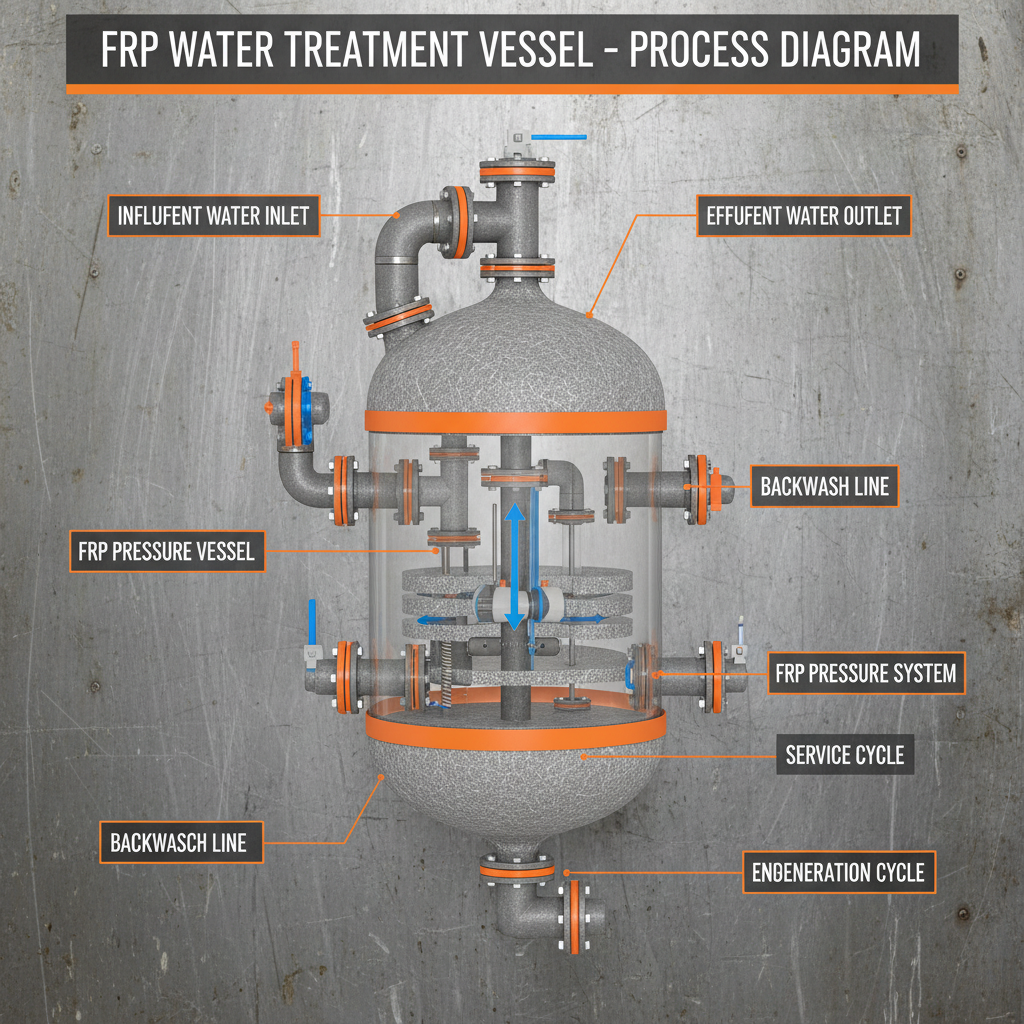
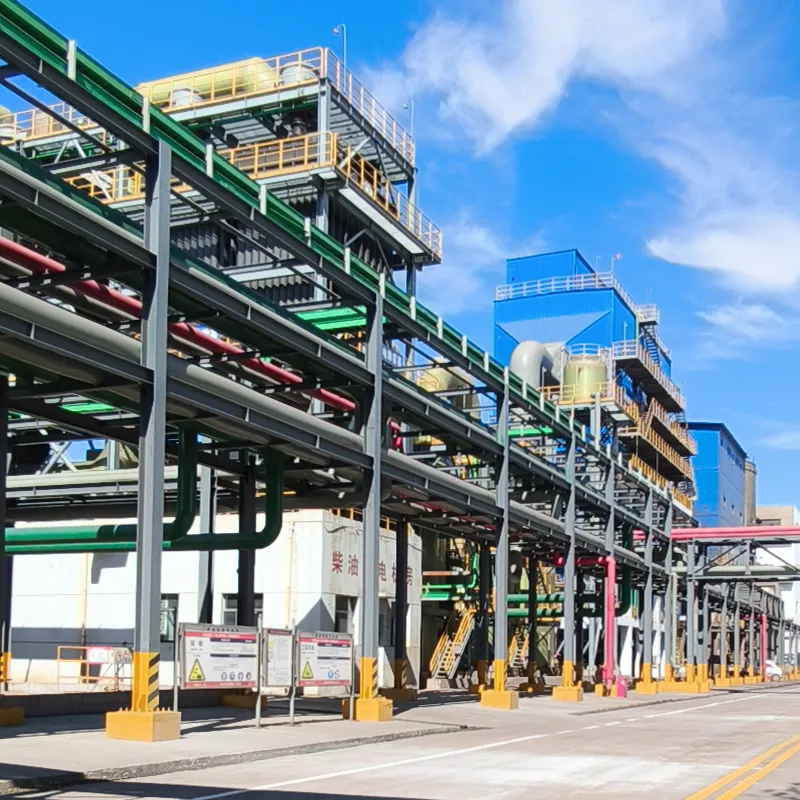
Advanced FRP Rebar Machine | GFRP Rebar Production Line
The Evolution of Construction: Understanding FRP Rebar Machine Technology
In the rapidly evolving landscape of modern infrastructure, the demand for resilient, sustainable, and high-performance construction materials is paramount. Traditional steel reinforcement, while effective, often faces challenges related to corrosion, particularly in harsh environmental conditions. This has led to the widespread adoption of Fiber Reinforced Polymer (FRP) rebar, a revolutionary alternative that offers superior durability and an extended service life. At the heart of this innovation is the FRP rebar machine, a sophisticated manufacturing solution designed to produce these advanced composite reinforcements efficiently and precisely. This article delves into the critical aspects of FRP rebar production, covering industry trends, technical specifications, application advantages, and the intricate process flow of these state-of-the-art machines.
The shift towards materials like Glass Fiber Reinforced Polymer (GFRP) rebar, often produced by a GFRP rebar machine, signifies a major step forward in engineering, addressing long-standing issues in structures exposed to chemicals, de-icing salts, and marine environments. Understanding the capabilities and operational specifics of these machines is crucial for stakeholders in the construction, petrochemical, and civil engineering sectors looking to invest in future-proof technologies.
Industry Trends and Market Demand for FRP Rebar
The global construction industry is experiencing a significant paradigm shift towards composite materials. Several factors drive the increasing adoption of FRP rebar: the escalating cost of maintenance and repair for steel-reinforced concrete structures due to corrosion; the growing emphasis on sustainable and long-lasting infrastructure; and the demand for materials that can perform optimally in highly corrosive environments. Research indicates a robust compound annual growth rate (CAGR) for the FRP rebar market, driven by infrastructure projects in coastal regions, bridges, tunnels, wastewater treatment plants, and magnetic resonance imaging (MRI) facilities.
Government initiatives promoting durable infrastructure and the availability of advanced FRP rebar machine technologies are further accelerating this trend. Engineers and specifiers are increasingly recognizing the long-term economic benefits and superior performance characteristics, such as high tensile strength and electromagnetic neutrality, offered by GFRP rebars over traditional steel.
Detailed Process Flow of an FRP Rebar Machine
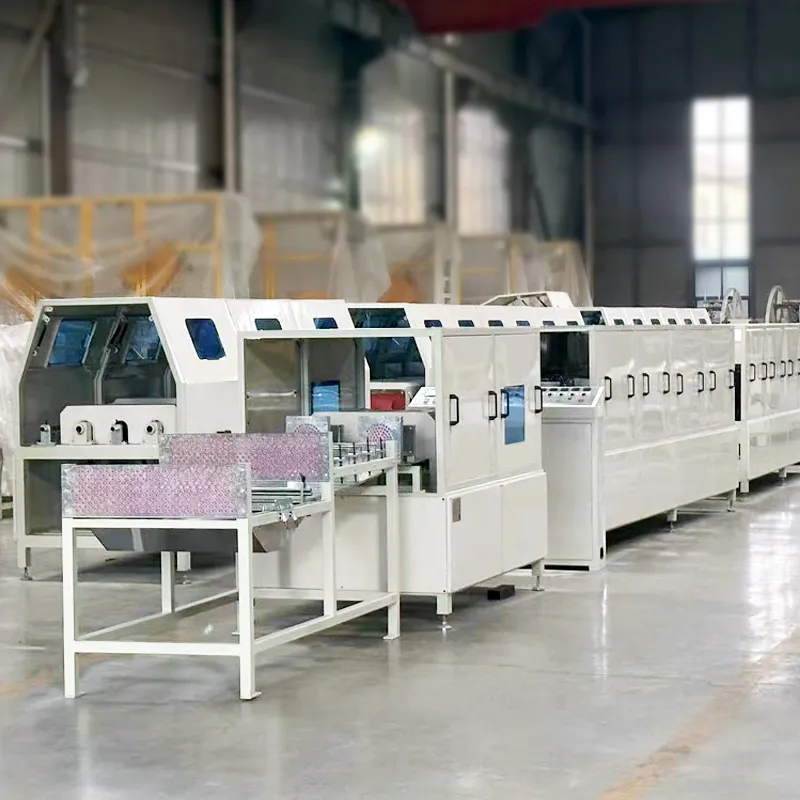
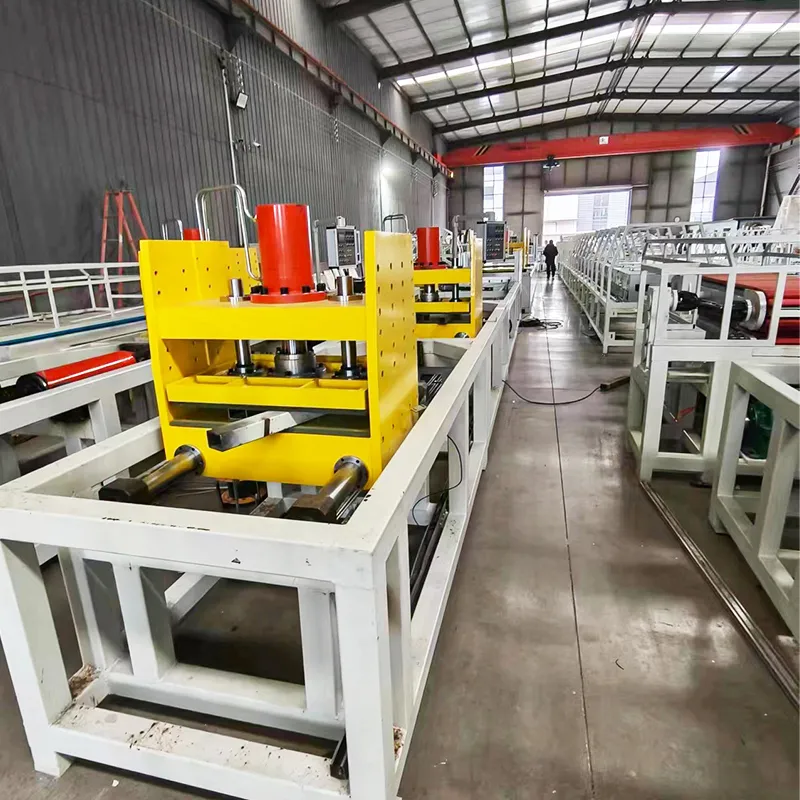
The production of high-quality FRP rebar relies on a sophisticated pultrusion process orchestrated by a specialized FRP rebar machine. This continuous manufacturing method precisely combines high-strength fibers with thermosetting resins to create a composite material with exceptional properties. Below is a detailed breakdown of the key steps:
- 1. Fiber Creel & Impregnation: High-strength continuous fibers, typically E-glass rovings, are pulled from a creel stand. These fibers then pass through a resin bath where they are thoroughly impregnated with a thermosetting polymer matrix (e.g., vinyl ester, polyester, or epoxy resin). Additives for UV resistance, fire retardancy, and pigment are also incorporated here.
- 2. Pre-forming: After impregnation, the saturated fibers are guided through a series of pre-forming dies. These dies meticulously shape the fiber bundle into the desired rebar profile and compact them, removing excess resin and entrapped air to ensure a consistent cross-section.
- 3. Pultrusion & Curing Die: The pre-formed profile then enters a heated pultrusion die. Within this die, the thermosetting resin undergoes polymerization (curing) under controlled temperature and pressure. This solidifies the composite, forming the final rigid FRP rebar. The internal design of the die dictates the rebar's diameter and external features (e.g., sand coating for improved bond).
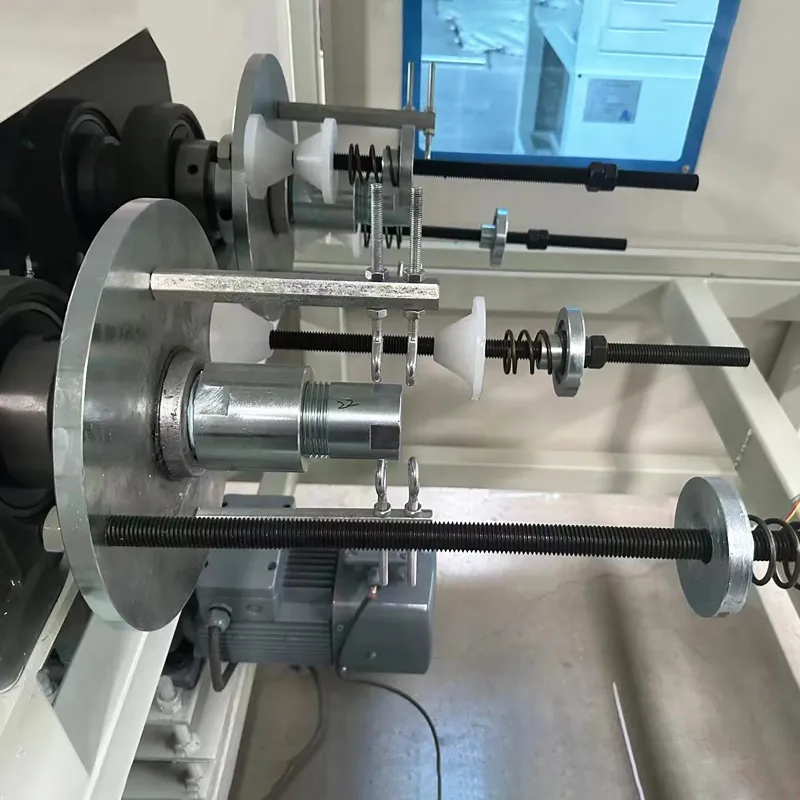
- 4. Pulling Mechanism: A powerful, precisely controlled pulling unit (often caterpillar or clamp-type) continuously draws the cured rebar through the pultrusion die. This unit ensures a consistent pull speed, which is crucial for maintaining dimensional accuracy and material integrity.
- 5. Surface Treatment (Optional): For enhanced bond strength with concrete, some FRP rebars undergo a surface treatment, such as sand coating. This involves applying a layer of sand or grit to the uncured or semi-cured surface before it fully hardens, ensuring mechanical interlocking.
- 6. Cutting & Finishing: Finally, the continuous FRP rebar is cut to specified lengths using an automated saw. The cut pieces are then inspected, bundled, and prepared for dispatch.
The materials used in FRP rebar typically include E-glass, S-glass, basalt, or carbon fibers, combined with high-performance vinyl ester or epoxy resins, which provide excellent chemical resistance and mechanical properties. The manufacturing processes for the machine components themselves involve precision CNC machining, forging for durable structural parts, and stringent assembly. Testing standards for the final FRP rebar product adhere to international specifications such as ASTM D7205 for tensile properties, ASTM D7913 for shear strength, and ACI 440.5M for general guidelines on FRP reinforcing bars. A well-maintained FRP rebar machine can ensure a product service life exceeding 100 years in suitable applications, significantly outperforming steel in corrosive environments.
Technical Specifications and Parameters of FRP Rebar Machines
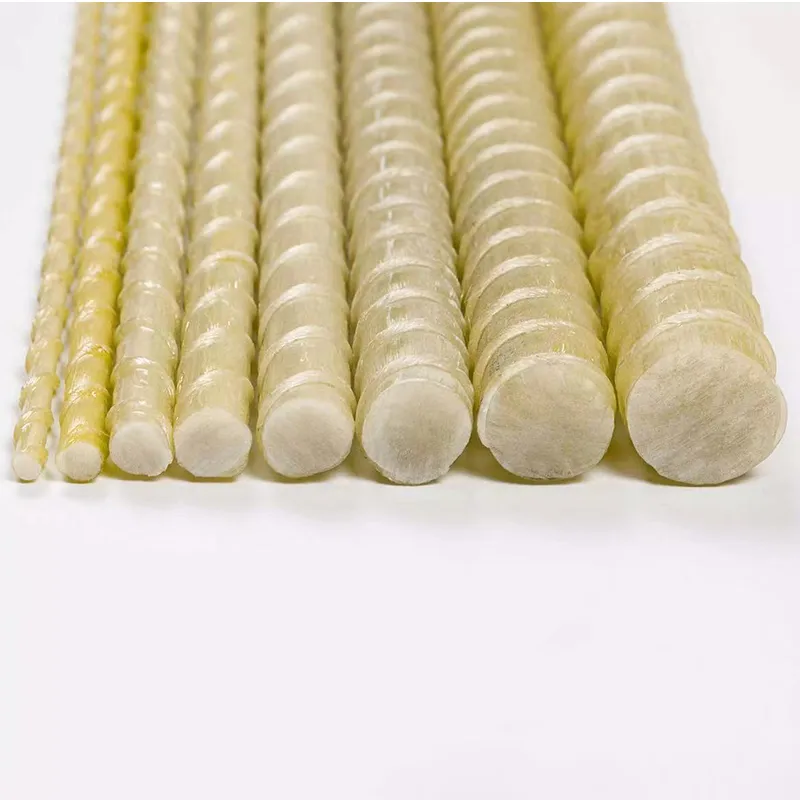
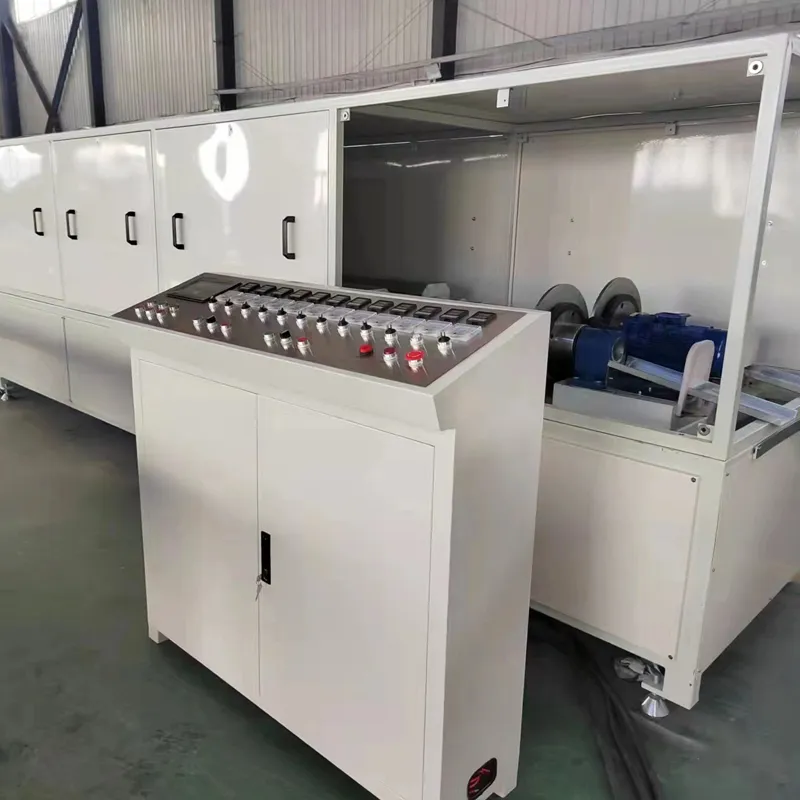
Modern FRP rebar machine systems are engineered for high efficiency, precision, and versatility. Key technical specifications dictate their performance and suitability for various production demands. Understanding these parameters is essential for any prospective buyer or operator.
| Parameter | Specification Range | Remarks |
|---|---|---|
| Rebar Diameter Range | Φ4mm - Φ40mm | Adjustable dies for various sizes. |
| Production Speed | 0.5 - 2.0 m/min per line | Varies with rebar diameter and resin type. |
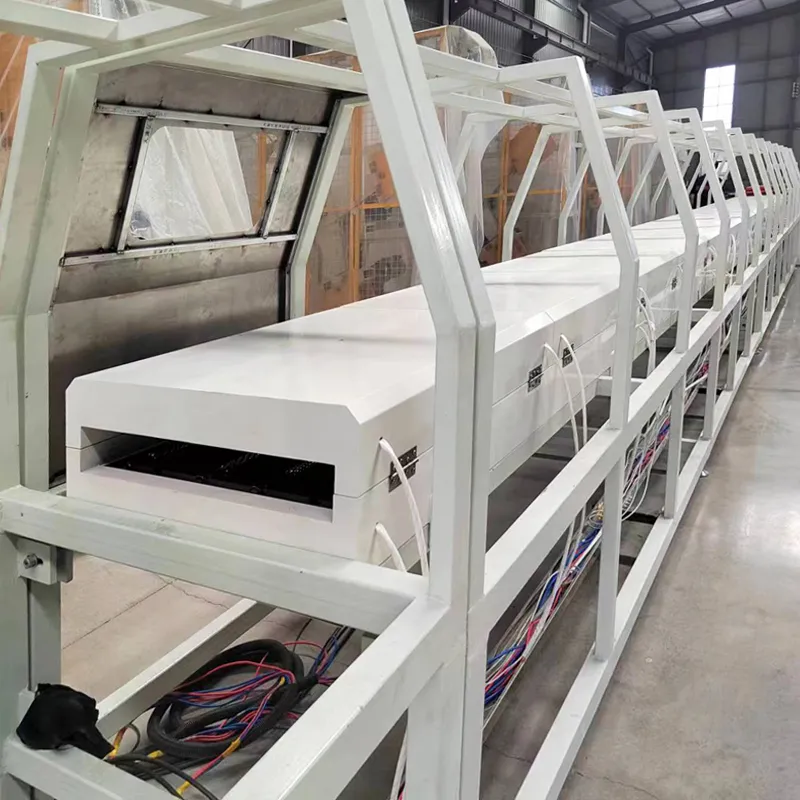
| Heating Zone Length | 3 - 6 meters | Critical for controlled resin curing. |
| Total Power Consumption | 30 - 80 kW | Includes heating, pulling, and auxiliary systems. |
| Machine Dimensions (L x W x H) | Approx. 20-30m x 2m x 2.5m | Requires significant floor space. |
| Control System | PLC with HMI Touch Screen | Ensures precise control and monitoring. |
| Pulling Force | 50 - 200 kN | Dependent on number of lines and product size. |
These parameters directly impact production capacity, operational costs, and the quality of the final GFRP rebar product. Advanced control systems, often utilizing Siemens or Allen-Bradley PLCs, allow for precise management of temperature profiles, pulling speeds, and resin impregnation, ensuring consistency and adherence to strict quality control standards like ISO 9001.
Technical Advantages and Performance Benchmarks
The advantages offered by FRP rebar, produced by a high-performance FRP rebar machine, are multifaceted and critical for modern engineering challenges. These benefits translate directly into long-term savings and enhanced structural integrity:
- Exceptional Corrosion Resistance: Unlike steel, FRP rebar does not corrode when exposed to chlorides, sulfates, or other aggressive chemicals. This is particularly vital for marine structures, chemical plants, wastewater treatment facilities, and roads exposed to de-icing salts, leading to significantly extended service life and reduced maintenance costs.
- High Strength-to-Weight Ratio: FRP rebar is typically one-quarter the weight of steel rebar while offering comparable or superior tensile strength (up to twice that of steel for GFRP). This lightness simplifies handling, reduces transportation costs, and expedites installation, leading to significant energy saving in logistics and labor.
- Non-Magnetic and Electrically Non-Conductive: This property makes FRP rebar ideal for specialized applications such as MRI facilities, scientific laboratories, power generation plants, and areas requiring electromagnetic transparency, preventing interference with sensitive equipment.
- Thermal Insulation: FRP has significantly lower thermal conductivity than steel, reducing thermal bridging in concrete structures. This can contribute to better energy efficiency in buildings and reduces the risk of thermal cracking in concrete.
- Fatigue Resistance: FRP rebar exhibits excellent fatigue resistance, making it suitable for structures subjected to dynamic loading, such as bridge decks and railway sleepers.
- Design Flexibility: FRP rebars can be manufactured in various shapes and sizes, including custom profiles, by advanced FRP rebar machine systems, offering greater design freedom to engineers.
These performance benchmarks are not just theoretical; they are consistently verified through rigorous testing, including ASTM and ISO standards for tensile strength, bond strength, and alkali resistance, affirming the reliability of products from reputable FRP rebar machine manufacturers.
Diverse Application Scenarios
The versatility and superior properties of FRP rebar open up a vast array of application scenarios across various critical industries. The output of an advanced FRP rebar machine is now foundational in:
- Infrastructure: Bridges, tunnels, retaining walls, highway pavements, and sound barriers, especially in areas subjected to de-icing salts and harsh weather.
- Marine and Coastal Structures: Seawalls, docks, jetties, pilings, and offshore platforms where saltwater corrosion is a perpetual threat.
- Water & Wastewater Treatment: Tanks, clarifiers, chemical containment structures, and pipelines where concrete is exposed to corrosive liquids and gases.
- Petrochemical and Industrial Facilities: Chemical processing plants, storage tanks, and industrial flooring that demand resistance to aggressive chemicals and thermal cycling.
- Medical and Research Facilities: MRI rooms, research labs, and facilities requiring non-magnetic construction to prevent electromagnetic interference.
- Mining and Tunneling: Ground support, rock bolts, and temporary structures where ease of cutting and non-corrosive properties are beneficial.
In these sectors, the service life extension provided by FRP rebar directly translates into significant lifecycle cost reductions and enhanced safety. For instance, in petrochemical applications, the corrosion resistance dramatically reduces the risk of structural failure from chemical attack, ensuring operational continuity and safety standards.
Vendor Comparison and Selection Criteria
Choosing the right FRP rebar machine manufacturer is a critical decision that impacts production efficiency, product quality, and long-term operational success. Key criteria for vendor comparison include:
| Criterion | Description | Impact |
|---|---|---|
| Technology & Innovation | Advanced control systems (PLC/HMI), energy efficiency, multi-line capabilities, automated cutting. | Higher output, lower operating costs, superior product consistency. |
| Experience & Reputation | Years in business, number of successful installations, client testimonials, certifications (ISO 9001). | Reliability, proven performance, reduced project risk. |
| Customization & Flexibility | Ability to tailor machines for specific rebar sizes, materials, or production volumes. | Scalability, adaptability to evolving market demands. |
| After-Sales Support | Technical assistance, spare parts availability, training, remote diagnostics, warranty. | Minimizes downtime, maximizes operational efficiency, long-term partnership. |
| Cost-Effectiveness | Initial investment vs. operational costs, energy consumption, material waste reduction. | Return on Investment (ROI), overall profitability. |
Partnering with a manufacturer boasting decades of experience, international certifications, and a robust global support network significantly de-risks the investment. Customer feedback often highlights the importance of comprehensive training and readily available spare parts to ensure continuous, uninterrupted production.
Customized Solutions for Specific Needs
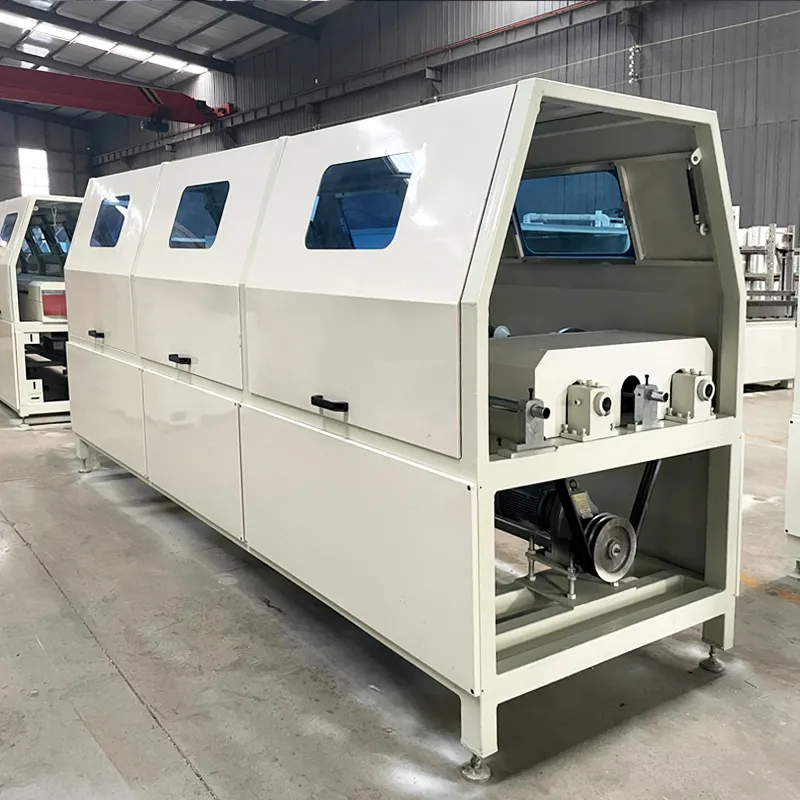
Recognizing that no two production facilities are identical, leading FRP rebar machine manufacturers offer extensive customization options. This allows clients to tailor their pultrusion lines to specific requirements, ensuring optimal efficiency and output for their unique market demands.
- Diameter Range & Production Lines: Machines can be configured for a wider or narrower range of rebar diameters, and multiple pultrusion lines can be integrated into a single system for increased throughput.
- Material Versatility: Customization allows for optimal processing of different fiber types (e.g., GFRP, BFRP, CFRP) and resin systems (e.g., vinyl ester for corrosion, epoxy for high strength).
- Automation Levels: From semi-automated to fully automated systems with robotic handling, cutting, and bundling, tailored to labor availability and desired operational complexity.
- Ancillary Equipment: Integration of specialized features like online sand coating units, winding machines for coiled rebar, or sophisticated quality control sensors.
- Space Optimization: Machine layouts can be designed to fit existing factory footprints, optimizing workflow and space utilization.
These bespoke solutions ensure that the investment in an FRP rebar machine delivers maximum ROI by perfectly aligning with operational goals and product specifications.
Application Case Studies
Real-world applications demonstrate the tangible benefits of FRP rebar produced by state-of-the-art FRP rebar machine technology:
-
Case Study 1: Coastal Bridge Deck Reinforcement
A major coastal highway bridge in a salt-spray rich environment faced severe corrosion issues with its steel-reinforced deck, requiring frequent and costly repairs. By replacing steel with GFRP rebar manufactured by an efficient FRP rebar machine, the project achieved a projected service life increase of over 50 years, drastically reducing maintenance expenditures and ensuring structural integrity against chloride ingress. -
Case Study 2: Wastewater Treatment Plant Tanks
Concrete tanks in a large municipal wastewater treatment facility were deteriorating rapidly due to exposure to aggressive chemicals and biological agents. The adoption of FRP rebar provided a non-corrosive, long-term solution, preventing spalling and delamination, and extending the operational lifespan of the critical infrastructure without the need for specialized protective coatings. -
Case Study 3: High-Speed Rail Track Beds
For new sections of a high-speed rail line, FRP rebar was utilized in the concrete track beds. Its non-magnetic properties eliminated electromagnetic interference with signaling systems, and its high fatigue resistance ensured durability under constant dynamic loading from passing trains, contributing to enhanced safety and reduced track maintenance.
Commitment to Trustworthiness: FAQ, Lead Time, Warranty, and Support
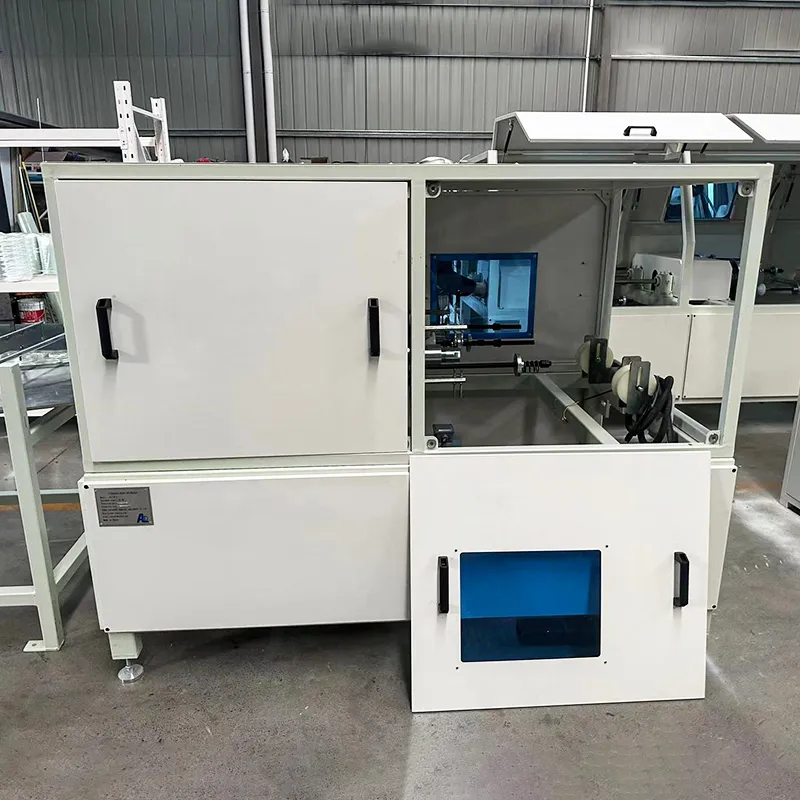
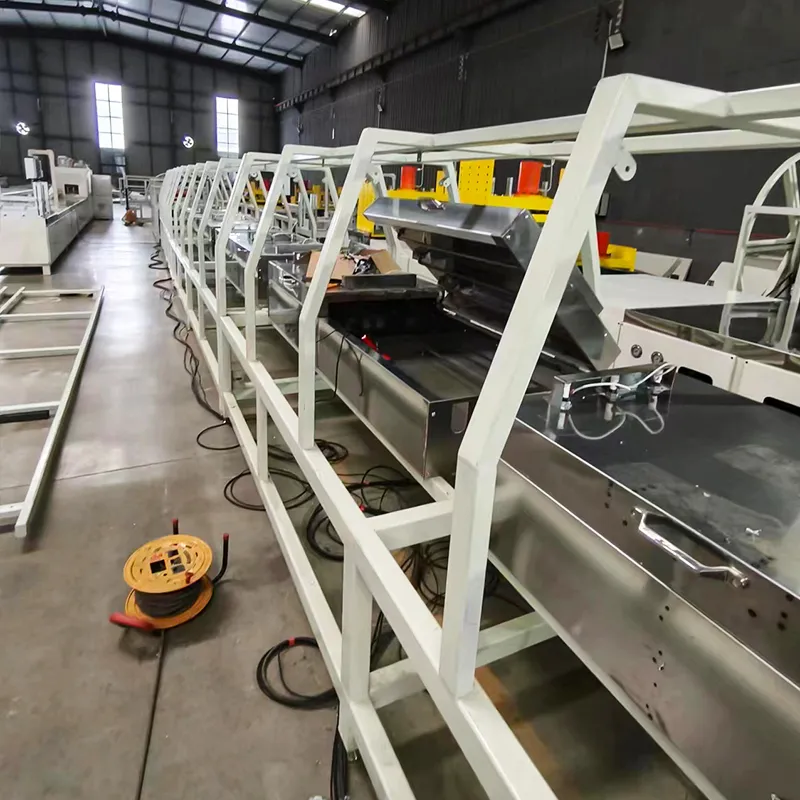
Establishing trust with B2B clients requires transparent policies and robust support systems. Reputable manufacturers of FRP rebar machine technology excel in providing comprehensive information and commitment to customer satisfaction.
Frequently Asked Questions (FAQ)
- Q: What is the typical lead time for an FRP Rebar Machine production line?
- A: Standard FRP rebar machine production lines generally have a lead time of 60-90 days from order confirmation to shipment, depending on customization requirements and current production schedules. Complex or highly customized systems may require a longer lead time.
- Q: What kind of warranty is offered with the equipment?
- A: Most reputable manufacturers provide a standard 12 to 24-month warranty on mechanical and electrical components from the date of installation or shipment, covering manufacturing defects. Extended warranty options are often available.
- Q: Is installation and training provided?
- A: Yes, comprehensive on-site installation, commissioning, and operational training are typically provided by experienced engineers. This ensures your team is fully equipped to operate and maintain the FRP rebar machine effectively.
- Q: What are the ongoing maintenance requirements?
- A: Regular maintenance includes routine cleaning of dies, checking pulling unit components, lubrication, and monitoring the heating system. A detailed maintenance schedule is provided with the machine manual to ensure optimal performance and longevity.
Lead Time and Fulfillment
Our commitment to efficient delivery is reflected in our streamlined production processes. For standard FRP rebar machine configurations, lead times typically range from 8 to 12 weeks. We utilize robust global logistics partners to ensure timely and secure delivery to your facility, anywhere in the world. Detailed fulfillment plans are provided during the order placement, including factory acceptance tests (FAT) and progress updates.
Warranty and After-Sales Support
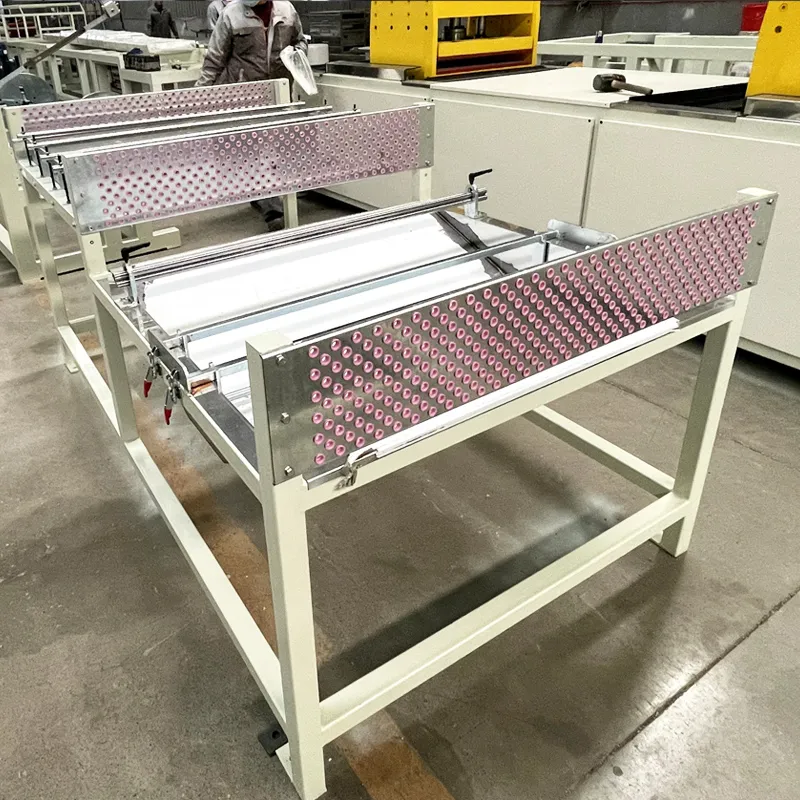
Every FRP rebar machine comes with a comprehensive two-year warranty on major components, reflecting our confidence in product quality and reliability. Beyond the warranty period, we offer extensive after-sales support, including:
- 24/7 technical hotline and remote diagnostic services.
- Prompt dispatch of spare parts from globally located warehouses.
- Scheduled maintenance programs and operational performance reviews.
- Access to our knowledge base and updated operational manuals.
Our dedicated team of engineers ensures that your investment continues to operate at peak efficiency, maximizing your return and minimizing downtime.
Conclusion
The advent of advanced FRP rebar machine technology represents a significant leap forward in the construction and infrastructure industries. By enabling the efficient production of high-performance FRP rebars, these machines contribute to the creation of more durable, sustainable, and economically viable structures. From comprehensive technical specifications and flexible customization options to robust after-sales support, investing in a quality FRP rebar production line is a strategic move for any enterprise aiming to lead in modern construction material supply. As global demand for resilient infrastructure continues to grow, the role of reliable and efficient FRP rebar production will only become more pivotal.
References
- ASTM International. "Standard Test Method for Tensile Properties of Fiber Reinforced Polymer Matrix Composite Bars." ASTM D7205/D7205M.
- ACI Committee 440. "Guide for the Design and Construction of Structural Concrete Reinforced with FRP Bars." ACI 440.1R-15.
- ISIS Canada. "Design Manual for RC Structures Strengthened with FRP." Canadian Network of Centres of Excellence, 2007.
- Ting, L., Al-Mahaidi, R. "Fatigue Performance of GFRP Reinforced Concrete Beams." Composites Part B: Engineering, 2013, 55, pp. 20-30.
- Bank, L. C. "Composites for Construction: Structural Design with FRP Materials." John Wiley & Sons, Inc., 2006.