Advanced Sodium Sulfate Production Plant | High Purity
Driving Efficiency and Purity in sodium sulfate production
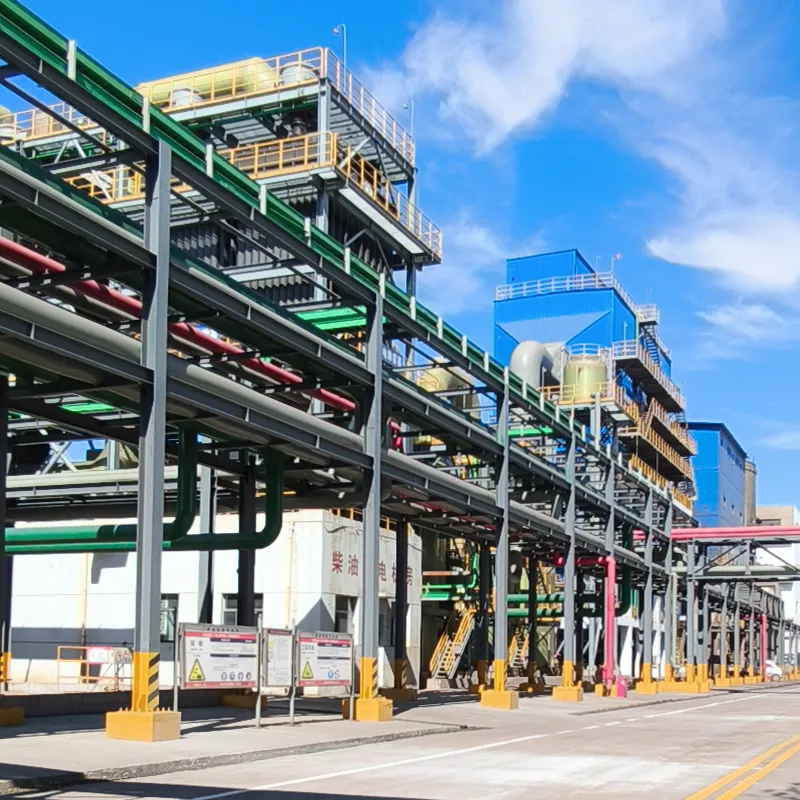
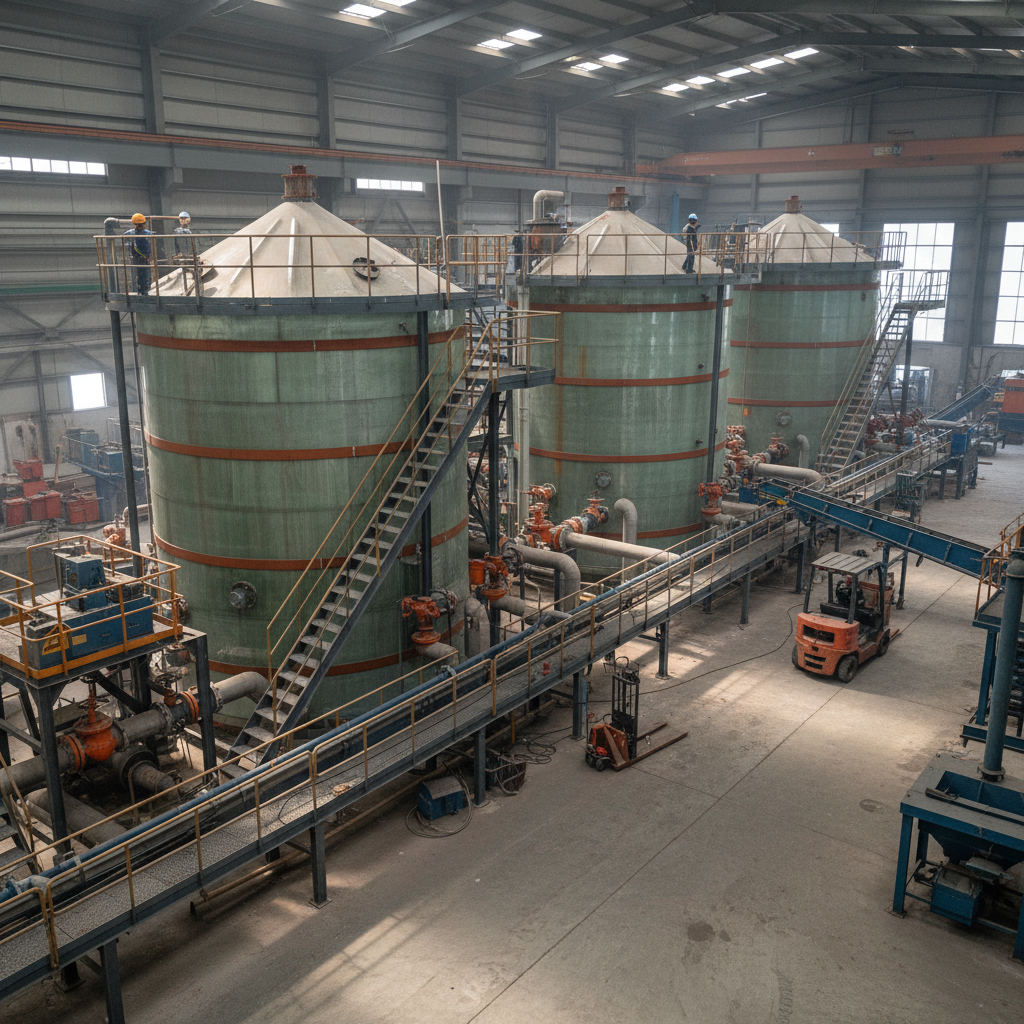
The global demand for sodium sulfate (Na2SO4) continues its upward trajectory, fueled by critical applications in industries ranging from detergents and textiles to pulp & paper and glass manufacturing. As a key inorganic chemical, the purity and cost-effectiveness of its production are paramount for downstream industries. Modern sodium sulfate production lines are engineered not just for output volume but for sustainable operation, minimal environmental footprint, and superior product quality. This comprehensive overview delves into the intricate processes, technological advancements, and strategic considerations for deploying a high-performance sodium sulfate plant.
Industry Trends Shaping Modern Sodium Sulfate Production
The landscape of sodium sulfate production is continually evolving, driven by several key trends. Firstly, there's a significant push towards energy efficiency, with advanced evaporation and crystallization technologies designed to reduce steam consumption and power requirements. Multi-effect evaporators, mechanical vapor recompression (MVR), and optimized heat recovery systems are becoming standard. Secondly, environmental sustainability is a major focus, encompassing waste minimization, effluent treatment, and the adoption of cleaner production methods. This often involves closed-loop systems and byproduct valorization. Thirdly, automation and digitalization are transforming plant operations, enabling precise control over process parameters, predictive maintenance, and real-time data analysis for enhanced operational efficiency and product consistency. Finally, the emphasis on high-purity sodium sulfate, particularly for specialized applications like pharmaceuticals and food additives, necessitates advanced purification steps and stringent quality control protocols throughout the entire sodium sulfate production line.
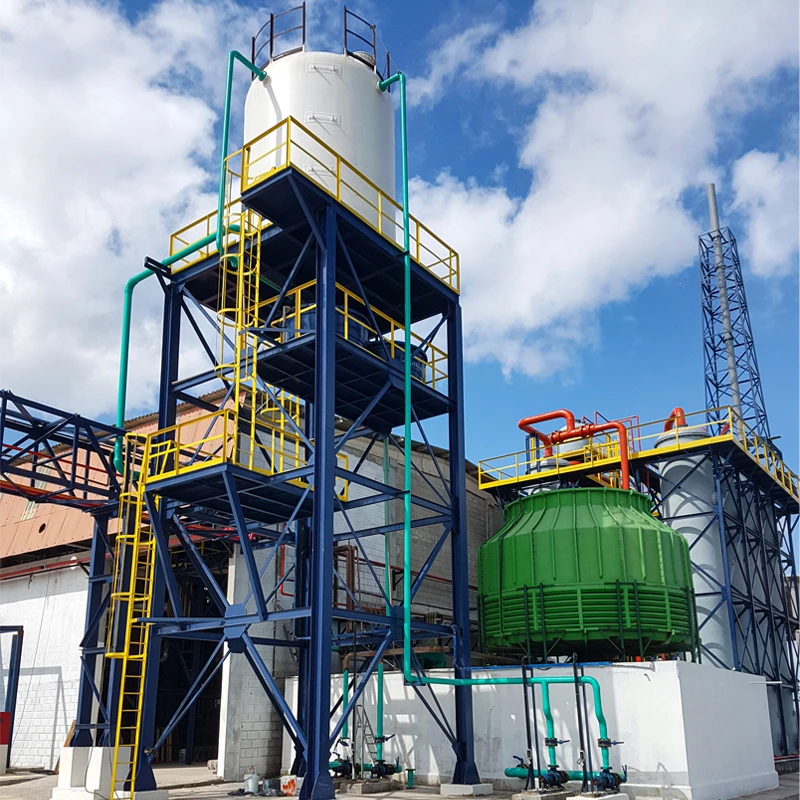
The market for sodium sulfate is segmented by source (natural vs. synthetic) and application. Synthetic sodium sulfate, often derived as a byproduct from chemical processes like the production of viscose rayon, hydrochloric acid, or phenol, requires sophisticated purification. Natural sodium sulfate, extracted from brines or mineral deposits (e.g., Glauber's salt), demands efficient mining and processing technologies. Manufacturers of sodium sulfate plant equipment are responding to these trends by integrating modular designs, enhancing material science for corrosion resistance, and offering comprehensive digital solutions for process optimization.
Understanding the Sodium Sulfate Production Process
The manufacturing process of sodium sulfate varies depending on the raw material source, but generally involves several critical stages aimed at purification, crystallization, and drying to achieve the desired product specifications. For synthetic processes, particularly those involving byproduct recovery, the process often initiates with a crude solution of sodium sulfate, which requires meticulous refinement.
Detailed Process Flow for a Modern Sodium Sulfate Production Line
1. Raw Material Preparation
This stage involves the collection and initial treatment of raw materials. For synthetic processes, this might be a solution from another chemical plant (e.g., Mannheim process byproducts). For natural sources, it includes mining Glauber's salt or concentrating brines. Key materials handled by the equipment include solutions containing Na2SO4, H2SO4, NaCl, or other industrial effluents.
2. Impurity Removal & Pre-treatment
Prior to crystallization, impurities such as chlorides, heavy metals, or organic compounds must be removed to ensure product purity. This often involves chemical precipitation, filtration, ion exchange, or activated carbon adsorption. Equipment like clarifiers, filter presses, and pH adjustment tanks are crucial here. Manufacturing processes for these components typically involve precision welding and surface treatment to prevent contamination.
3. Evaporation & Crystallization
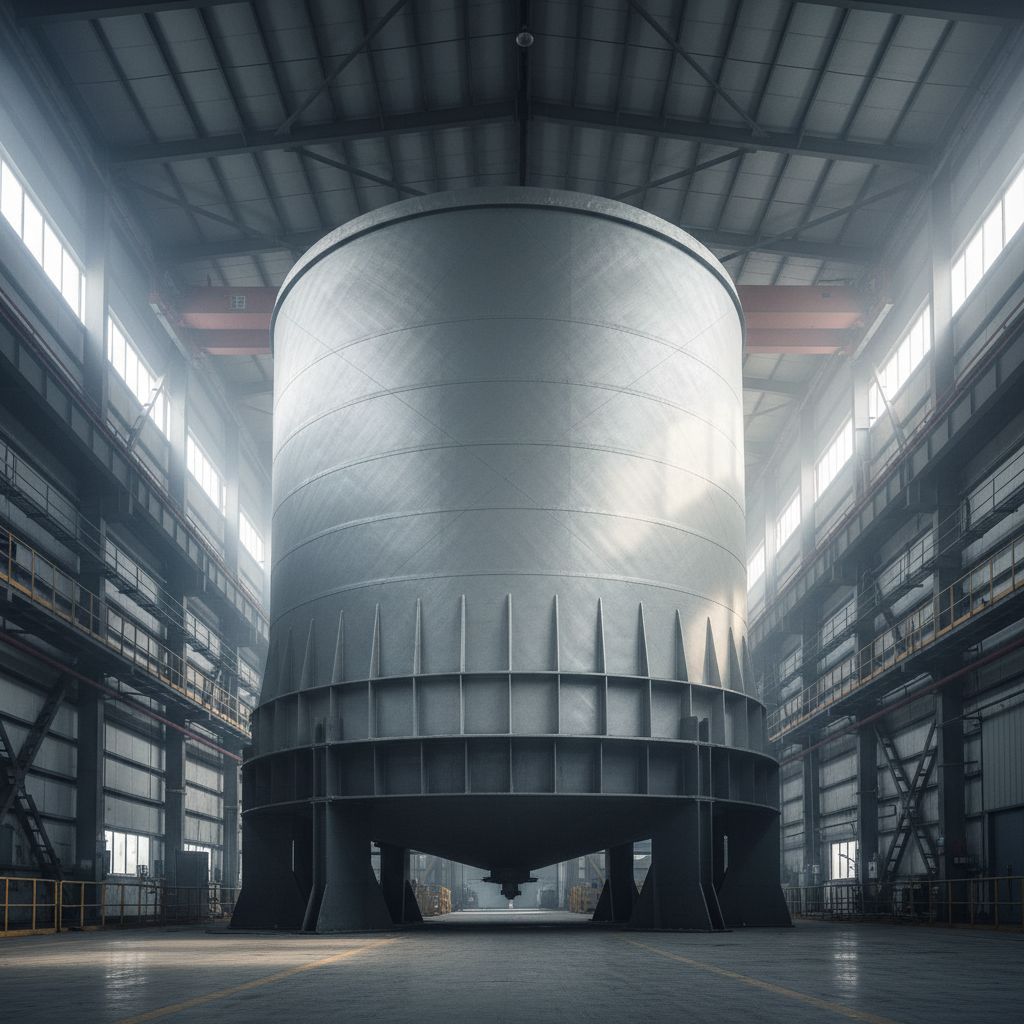
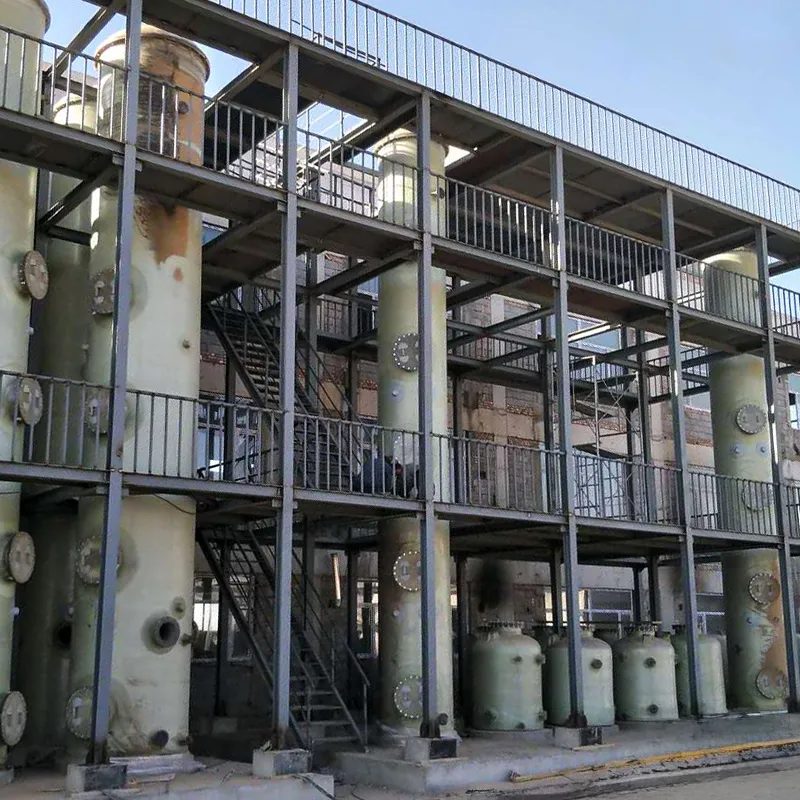
This is the core of sodium sulfate production. Evaporative crystallization concentrates the solution, causing Na2SO4 to crystallize out. Multi-effect evaporators or Mechanical Vapor Recompression (MVR) evaporators are employed for energy efficiency. Crystallizers are designed to control crystal size and morphology. Equipment fabrication uses corrosion-resistant alloys (e.g., Duplex Stainless Steel, Titanium) and precise CNC machining for heat exchanger plates and critical components. Testing standards adhere to ASME for pressure vessels and API for pumps.
4. Solid-Liquid Separation
The crystalline slurry is then separated into solid sodium sulfate and mother liquor. Centrifuges (push-type or peeler centrifuges) are commonly used due to their high efficiency. The mother liquor can be recycled or treated further to recover additional sodium sulfate or other valuable byproducts. Equipment undergoes dynamic balancing and vibration testing to ANSI standards to ensure long service life.
5. Drying
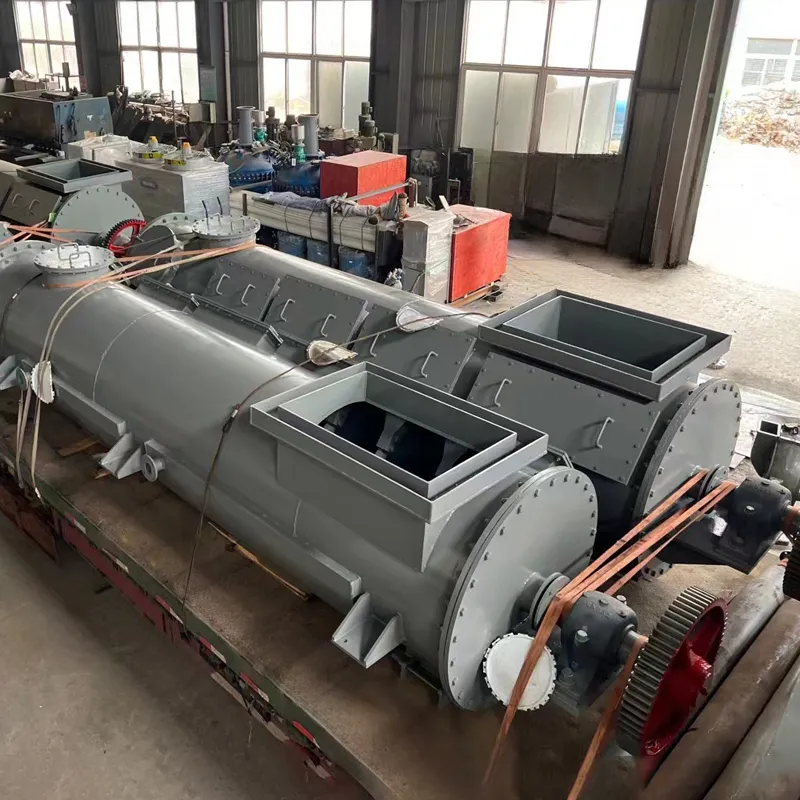
The wet sodium sulfate crystals are dried to achieve the desired moisture content, typically less than 0.1%. Rotary dryers, fluidized bed dryers, or flash dryers are utilized. These systems are designed for uniform drying and minimal product degradation. Components like dryer shells often involve forging and precise welding, followed by non-destructive testing (NDT) to ISO standards. Target industries for this equipment include chemical and metallurgical sectors.
6. Cooling, Screening & Packaging
After drying, the product is cooled, screened to ensure uniform particle size, and then conveyed for packaging. Automated packaging systems improve efficiency and reduce manual handling. The service life of these integrated systems is typically 15-20 years with proper maintenance, showcasing advantages in energy saving through efficient material handling and corrosion resistance due to appropriate material selection.
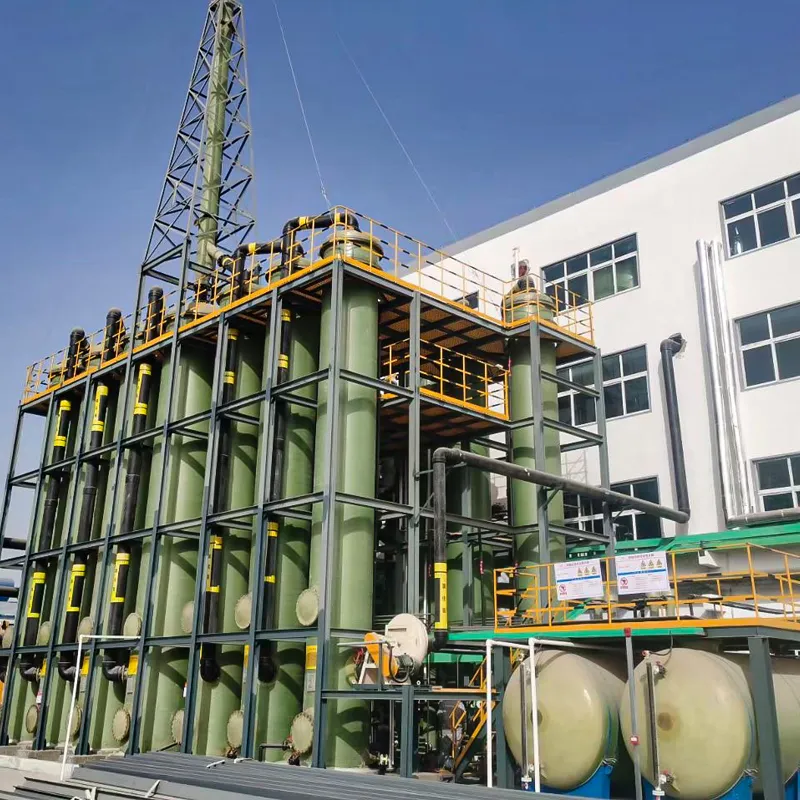
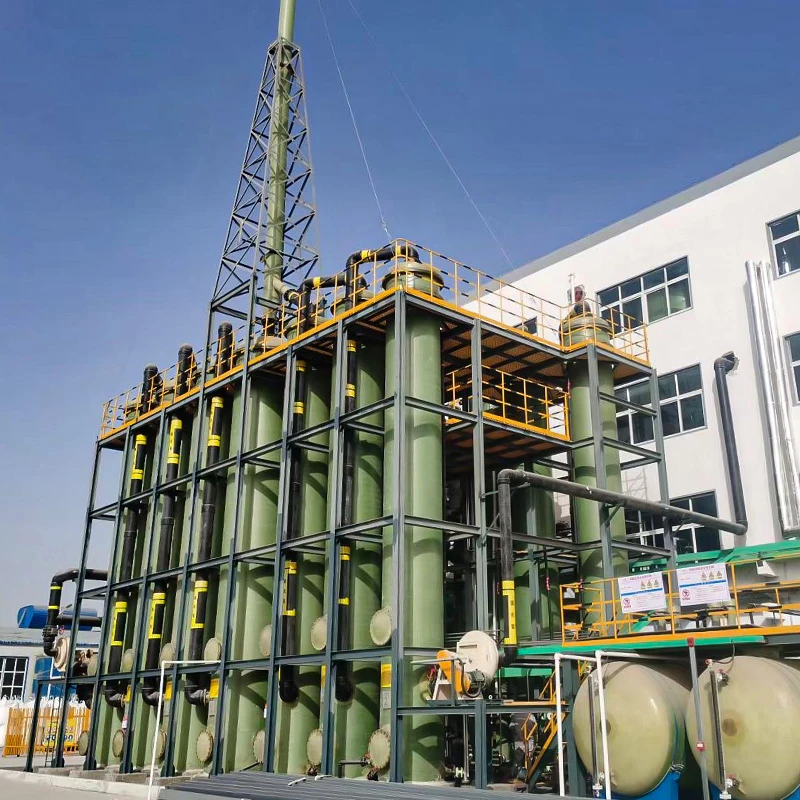
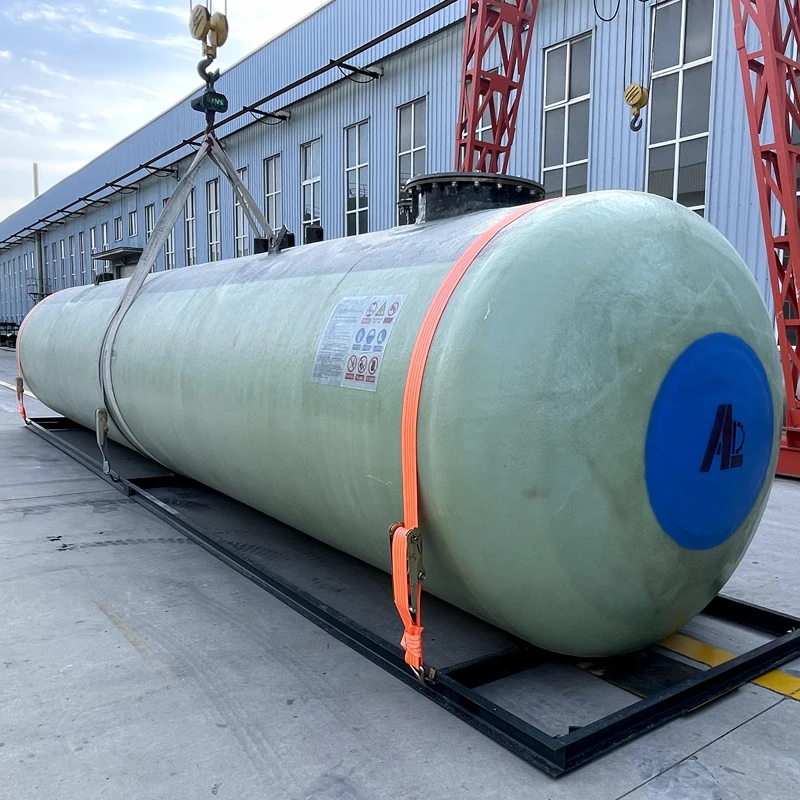
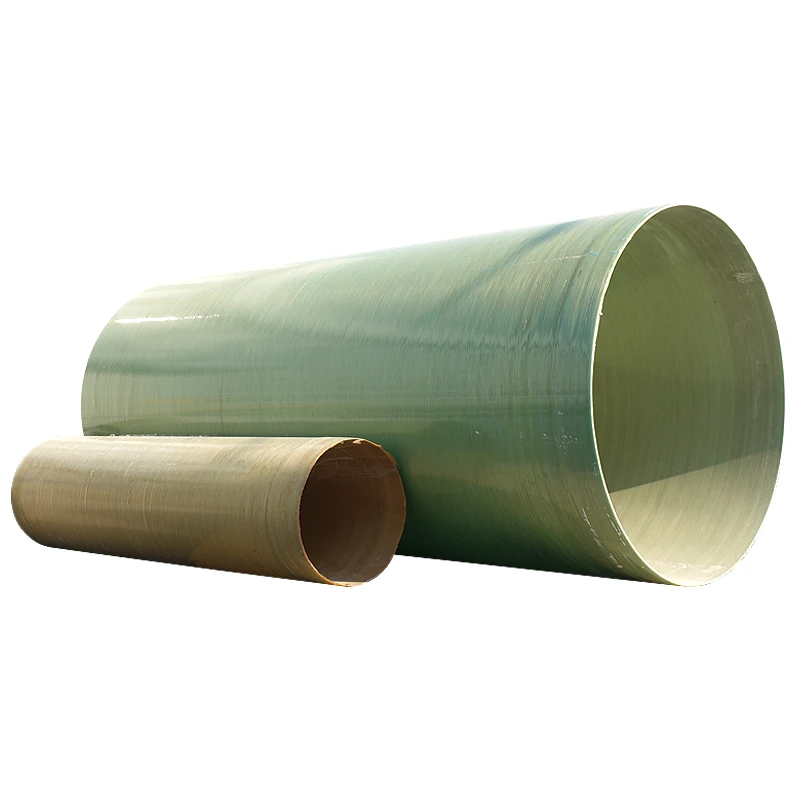
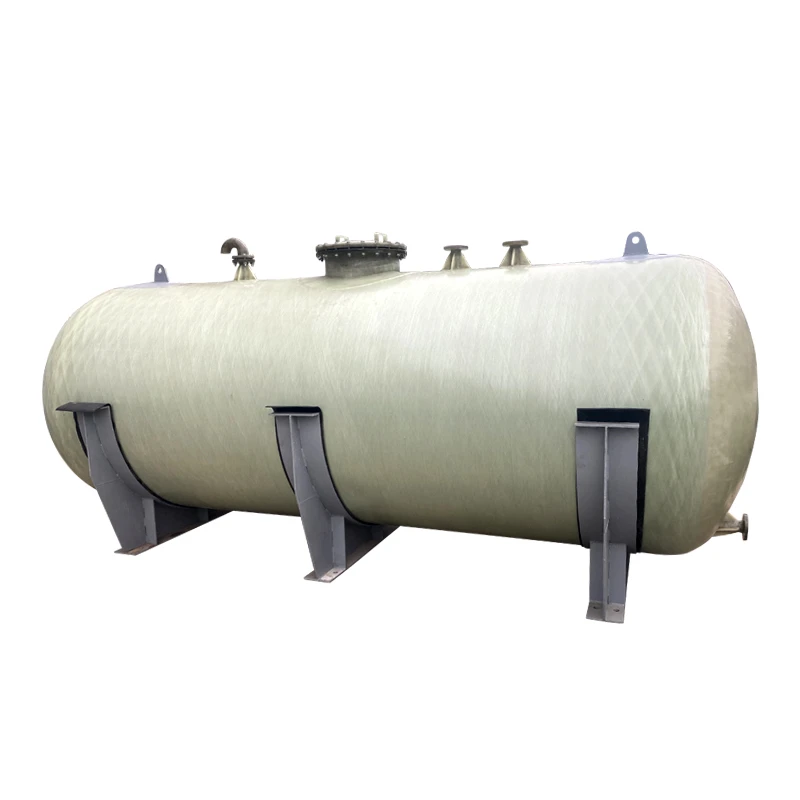
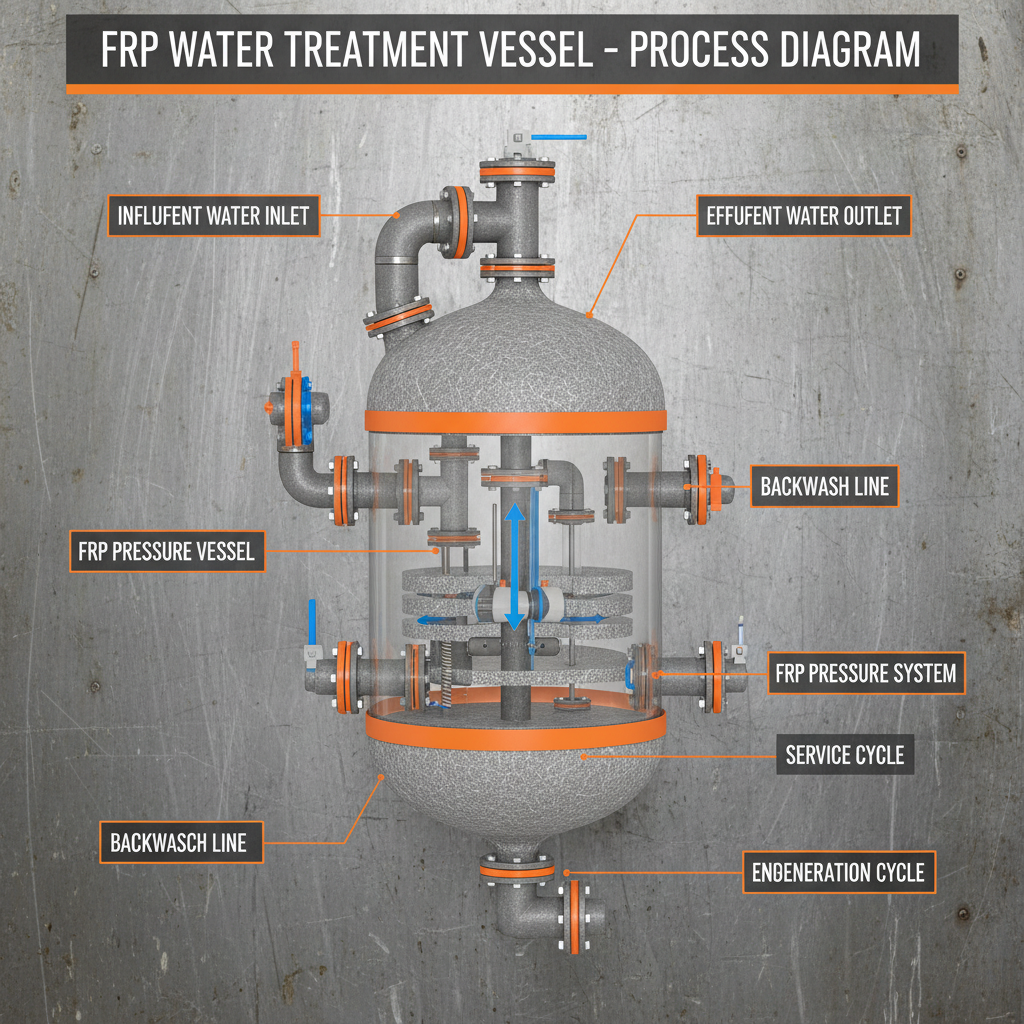
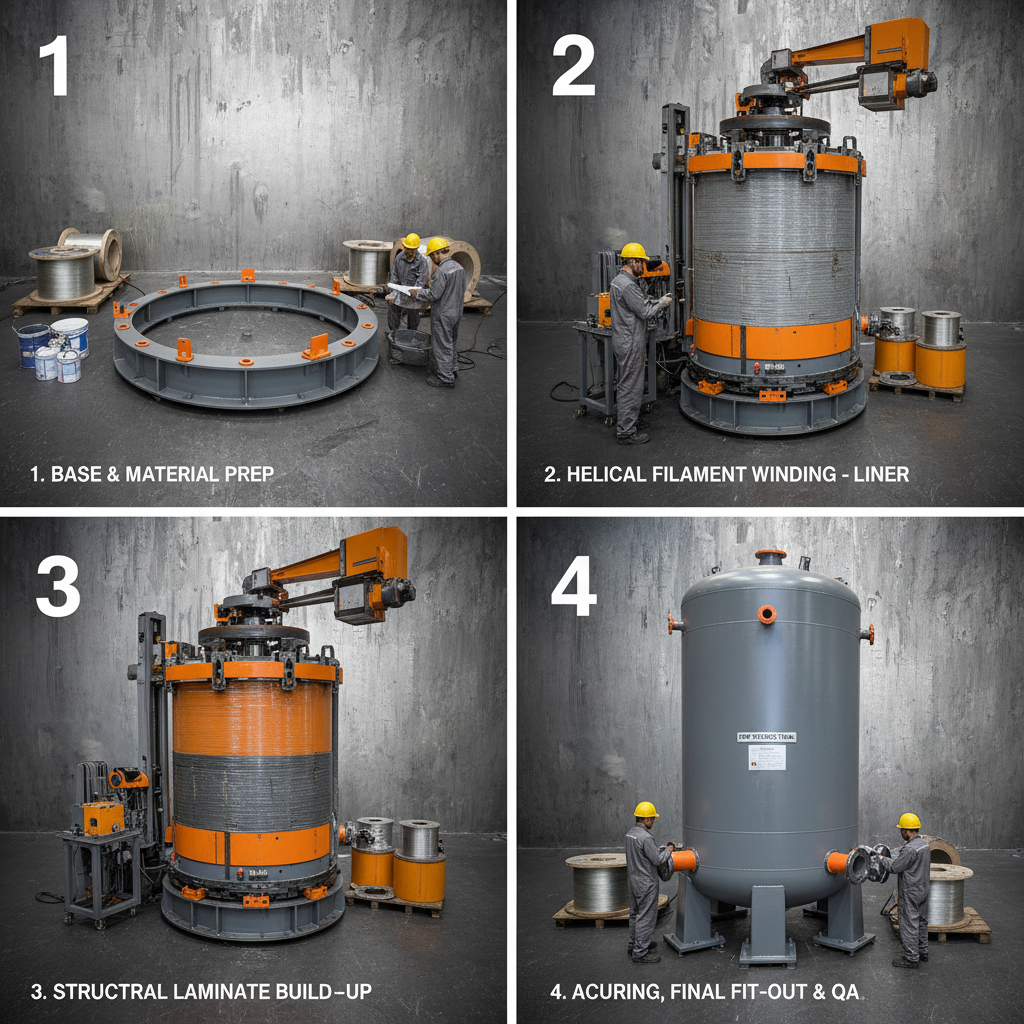
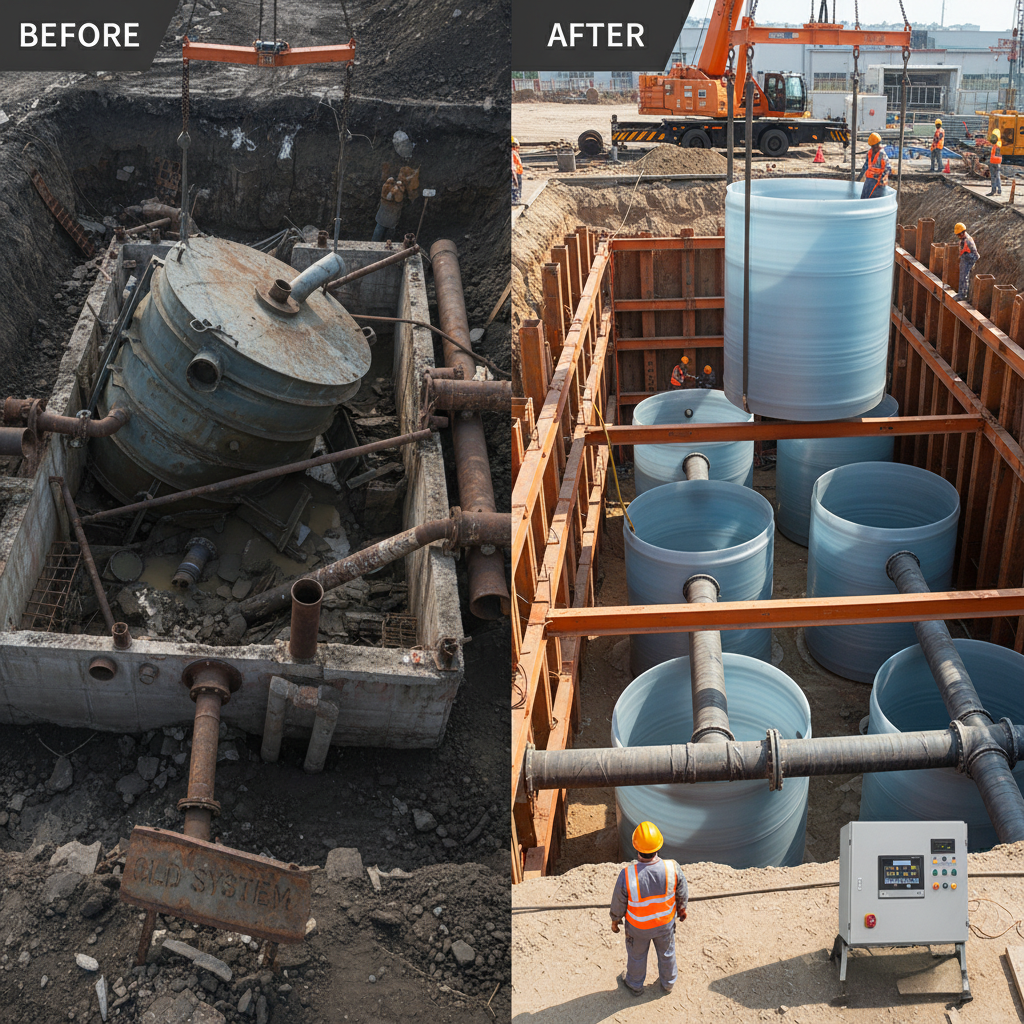
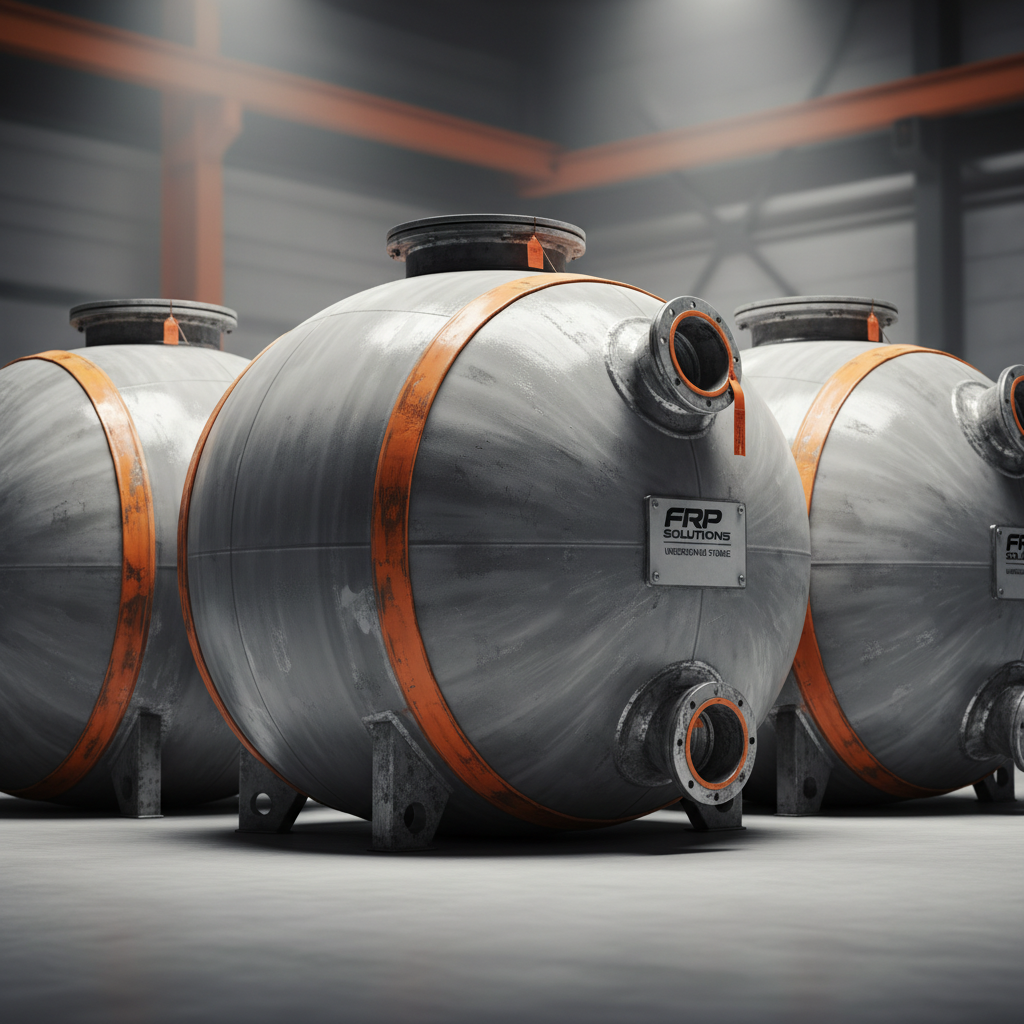
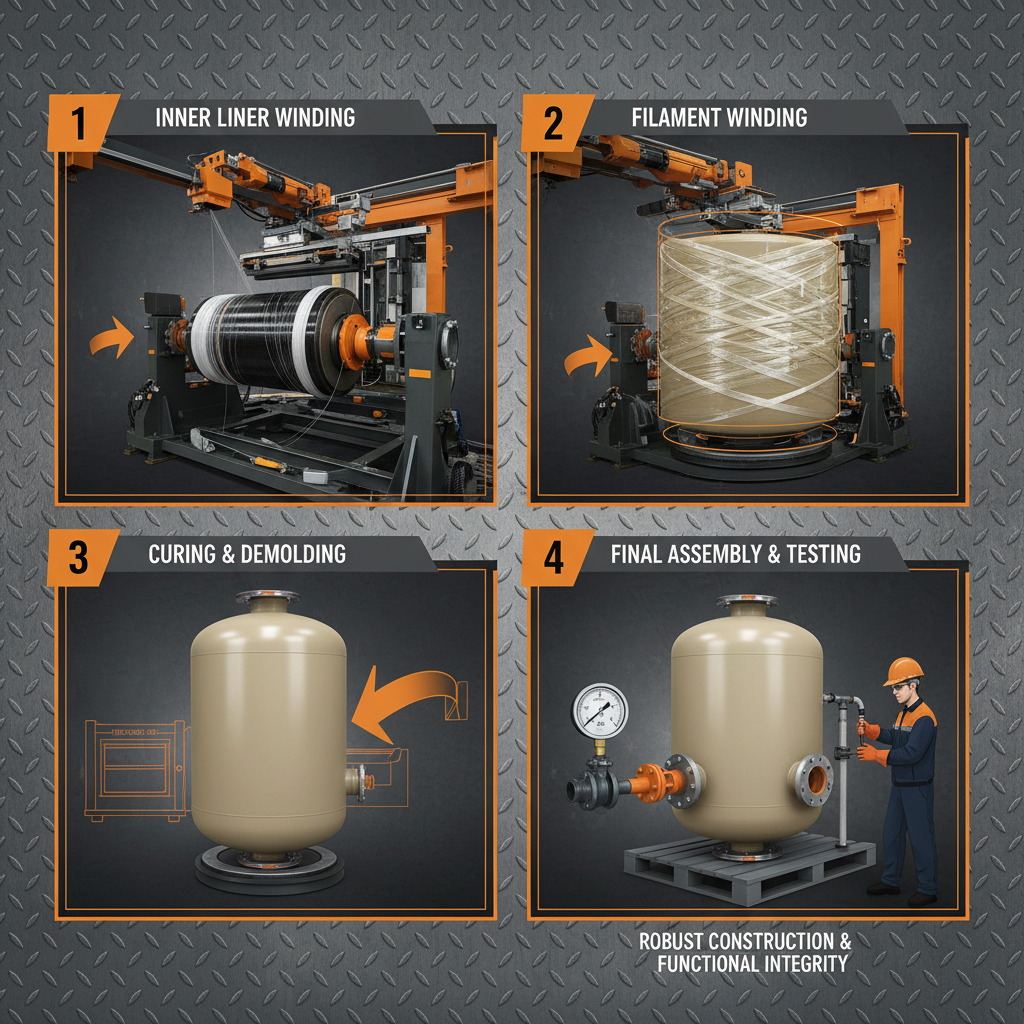
Throughout these stages, precise control over temperature, pressure, and flow rates is maintained through advanced Distributed Control Systems (DCS) and Programmable Logic Controllers (PLCs). This level of automation ensures consistent product quality and maximizes operational uptime, offering significant advantages in energy efficiency and reduced operational costs. The robust design and material selection, often including FRP and GRP composites for piping and tanks in corrosive environments, ensure exceptional corrosion resistance and extended service life, which are critical for the petrochemical, water supply & drainage, and general chemical industries.
Technical Specifications and Advantages of Advanced Sodium Sulfate Plant Solutions
Modern sodium sulfate plant solutions are characterized by their robust engineering, high efficiency, and adaptability to various feedstocks and purity requirements. The integration of advanced process equipment, optimized for specific reaction kinetics and thermodynamics, is crucial for achieving superior product quality and operational cost savings.
Key Technical Specifications of a High-Capacity Sodium Sulfate Production Line
Technical Advantages in Typical Application Scenarios
- Energy Saving: Our advanced sodium sulfate production lines incorporate energy-efficient technologies such as multi-effect evaporation and Mechanical Vapor Recompression (MVR) systems. For instance, an MVR evaporator can reduce specific energy consumption by up to 70% compared to conventional single-effect evaporators, translating into millions in annual operational savings for large-scale plants. Optimized heat integration further minimizes external energy input.
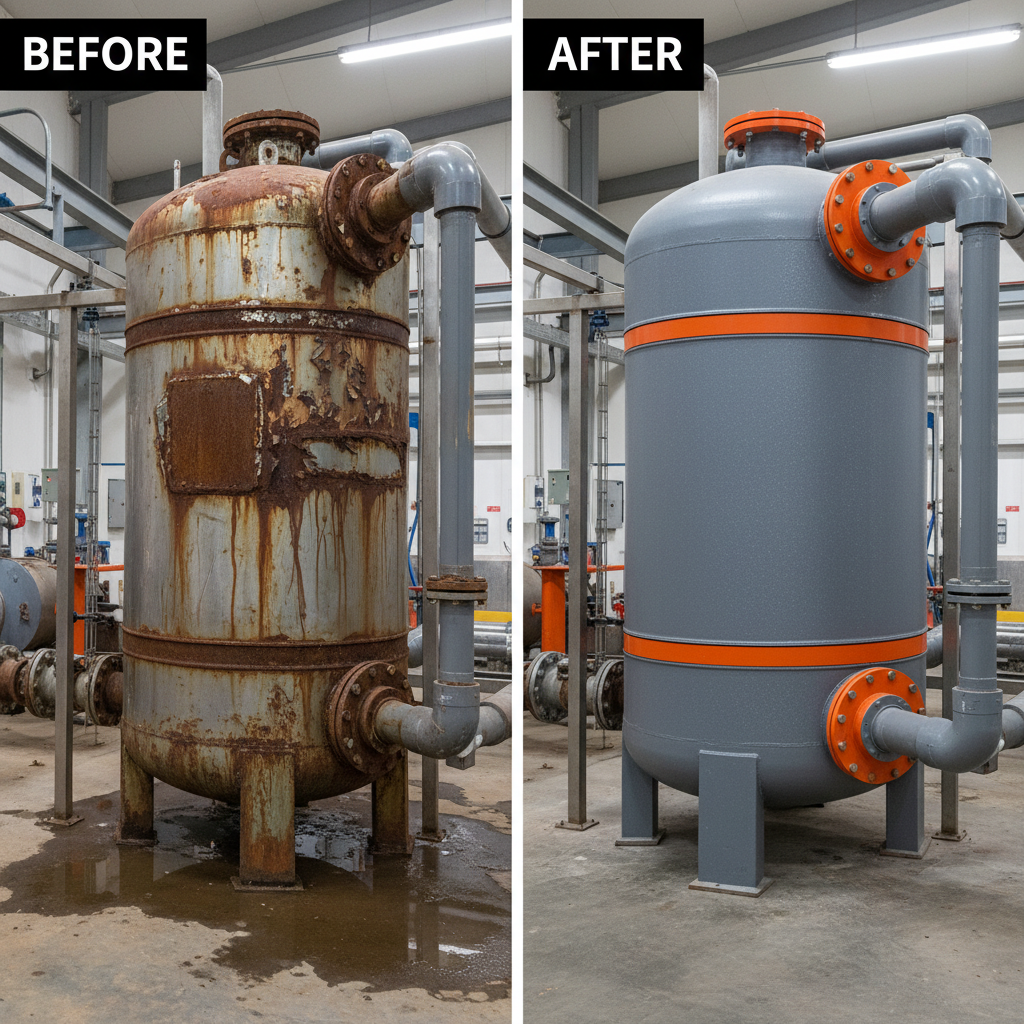
- Corrosion Resistance: Selecting appropriate materials of construction is paramount in the highly corrosive environments often encountered in sodium sulfate processing. By utilizing premium-grade stainless steels (e.g., SS316L, Duplex SS), titanium alloys, and advanced Fiber Reinforced Polymer (FRP) or Glass Reinforced Plastic (GRP) composites for specific sections, our equipment withstands aggressive chemical attack, extending service life and reducing maintenance costs significantly. This is especially critical in industries dealing with mixed acids or high chloride concentrations, such as petrochemical and metallurgy.
- High Purity Output: Precision control over crystallization kinetics and advanced impurity removal steps ensure the production of high-purity anhydrous sodium sulfate. This meets the exacting demands of applications like pharmaceutical excipients or high-grade glass manufacturing, where impurities can lead to product defects or performance issues.
- Automated Operation & Stability: Fully automated control systems minimize manual intervention, ensuring stable operation, precise parameter adjustments, and consistent product quality around the clock. This significantly reduces labor costs and enhances plant safety.
- Environmental Compliance: With options for Zero Liquid Discharge (ZLD) and advanced off-gas treatment, our sodium sulfate plant solutions help clients meet stringent environmental regulations, reducing wastewater discharge and air emissions. This commitment to sustainability offers long-term operational security and enhances corporate social responsibility.
Diverse Application Scenarios for Sodium Sulfate
Sodium sulfate, particularly in its anhydrous form, is a versatile chemical with a broad spectrum of industrial applications. The quality and consistency of the sodium sulfate production output are critical to its performance in these diverse sectors. Our advanced production lines are designed to cater to the specific demands of each application, ensuring optimal purity and physical characteristics.
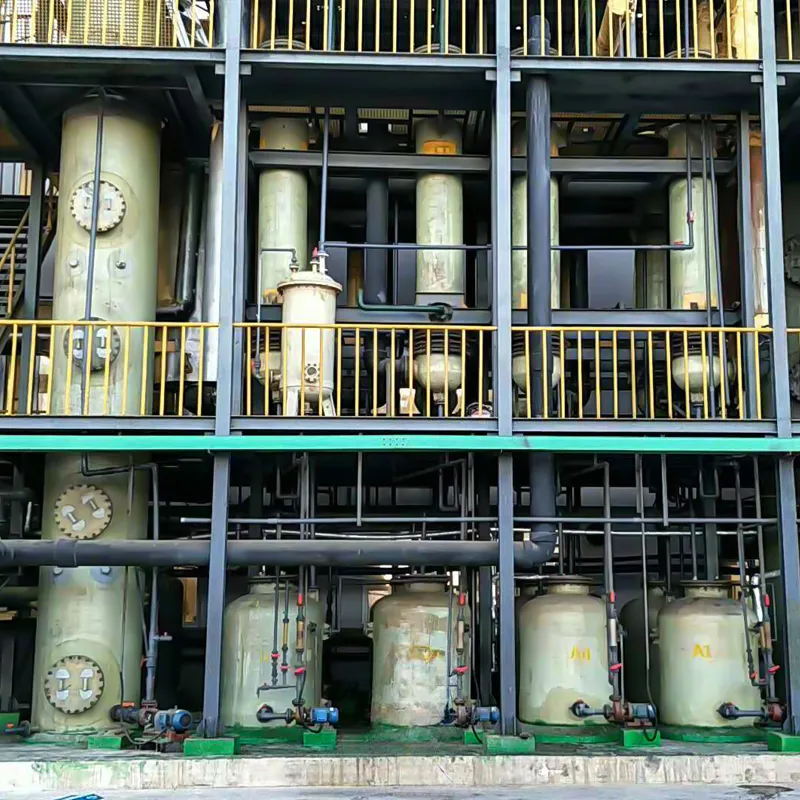
- Detergents and Cleaning Agents: Sodium sulfate serves as a filler in powdered household detergents, adjusting density and aiding in the formulation of free-flowing products. Its inert nature ensures it does not interfere with the cleaning action of active surfactants. The high purity and controlled particle size from our sodium sulfate production lines are vital to prevent caking and ensure consistent product quality in detergent manufacturing.
- Pulp and Paper Industry: In the Kraft pulping process (sulfate process), sodium sulfate is used to make up for sulfur losses, helping to recover chemicals used in digesting wood into pulp. It converts into sodium sulfide in the recovery furnace, essential for delignification. The reliable supply of high-grade sodium sulfate ensures efficient chemical recovery and sustainable paper production.
- Glass Manufacturing: Sodium sulfate acts as a fining agent in glass production, helping to remove small gas bubbles from the molten glass and reduce the melting temperature of the batch. This results in clearer, more uniform glass products and reduces energy consumption in the melting process. Consistent purity is key to avoiding defects in the final glass product.
- Textile Dyeing: Sodium sulfate is used as a leveling agent in textile dyeing, particularly with direct and acid dyes, to ensure even penetration of the dye into the fabric. It helps to control the rate of dye absorption, leading to uniform color intensity and preventing blotchy appearances.
- Chemical Industry: It serves as a raw material in the production of various other chemicals, including sodium sulfide, sodium thiosulfate, and other sulfur compounds. It's also used in some processes as a desiccant due to its anhydrous form's strong hygroscopic properties.
- Other Niche Applications: These include its use in animal feed supplements, as a laxative in veterinary medicine, and in some specialized construction materials. The versatility of sodium sulfate underscores the importance of a flexible and efficient sodium sulfate plant that can meet varying specifications.
Our solutions for sodium sulfate production are tailored to meet the specific purity, particle size, and moisture content requirements demanded by these diverse industries, providing a reliable and cost-effective source of high-quality sodium sulfate.
Choosing the Right Partner: Vendor Comparison and Custom Solutions
Selecting a technology provider for a sodium sulfate plant is a critical decision that impacts long-term operational efficiency, product quality, and profitability. A thorough vendor comparison should extend beyond initial capital expenditure to encompass technology prowess, engineering capabilities, after-sales support, and flexibility in providing customized solutions.
Vendor Comparison: Key Differentiators in Sodium Sulfate Production Technology
Customized Solutions for Unique Sodium Sulfate Production Needs
Every client has unique requirements, whether it's specific feedstock characteristics, desired product purity levels for niche applications, space constraints, or regional environmental regulations. Our approach to sodium sulfate production solutions is rooted in flexibility and customization.
- Feedstock Versatility: We design systems capable of processing diverse raw materials, from natural brines and mineral deposits to complex industrial byproducts containing sodium sulfate. This adaptability allows clients to leverage existing waste streams, turning them into valuable products.
- Product Grade Optimization: Whether the requirement is for technical grade sodium sulfate for detergents or ultra-high purity grades for pharmaceuticals, our process engineers can fine-tune crystallization parameters and purification steps to achieve the precise specifications needed.
- Modular Design & Scalability: Our solutions often incorporate modular components, allowing for easier expansion of capacity in the future or integration into existing plant layouts with minimal disruption. This reduces initial investment risk and allows for phased development.
- Regional Compliance & Energy Integration: We consider local energy costs, environmental standards (e.g., ISO 14001, local emissions limits), and resource availability to integrate the most appropriate energy recovery and waste treatment systems. Our design adheres to international standards like ISO and ANSI for safety and performance, and our components are often CE certified. We have a track record of over 20 years in providing industrial chemical solutions globally.
By collaborating closely with clients from conceptual design through commissioning, we ensure that the delivered sodium sulfate plant is a perfect fit for their operational and business objectives, guaranteeing optimal performance and long-term value.
Proven Success: Application Case Studies in Sodium Sulfate Production
Our commitment to engineering excellence and client satisfaction is best demonstrated through the successful deployment of our sodium sulfate production lines across various industries globally. These case studies highlight our ability to deliver tailored solutions that meet complex operational challenges and deliver measurable benefits.
Case Study 1: Enhanced Energy Efficiency in a European Detergent Manufacturer
- Client Profile: A leading European detergent powder manufacturer with an existing, energy-intensive sodium sulfate production unit.
- Challenge: High steam consumption in their evaporative crystallization process led to significant operating costs and a large carbon footprint.
- Solution: We designed and implemented a retrofit project, integrating a 4-effect evaporator system with an MVR unit for the most energy-intensive stage. The system was designed to handle their specific brine concentration and achieve 99.7% Na2SO4 purity.
- Results: The new system achieved a 65% reduction in specific steam consumption, saving the client approximately €1.5 million annually in energy costs. Production capacity increased by 15% due to improved process stability, and product purity consistently met their stringent internal standards.
Case Study 2: High-Purity Sodium Sulfate for an Asian Glass Manufacturer
- Client Profile: A major producer of flat glass in Southeast Asia requiring high-purity sodium sulfate as a fining agent.
- Challenge: Sourcing consistent, ultra-high purity sodium sulfate locally was difficult and expensive; desired to produce in-house from a byproduct stream containing chlorides.
- Solution: We engineered a specialized sodium sulfate production line featuring advanced pre-treatment for chloride removal (via selective crystallization), followed by a two-stage crystallization and drying process. Critical components exposed to chlorides were constructed from Hastelloy to ensure corrosion resistance.
- Results: The client successfully produced anhydrous sodium sulfate with purity exceeding 99.8% and chloride content below 100 ppm, significantly reducing their reliance on imported material. The project achieved payback within 3 years, demonstrating the economic viability of integrated chemical recovery.
Case Study 3: Turnkey Sodium Sulfate Plant for a Global Chemical Conglomerate
- Client Profile: A large chemical conglomerate expanding its production capabilities in the Middle East.
- Challenge: Required a complete turnkey sodium sulfate plant, from conceptual design to commissioning, with robust construction suitable for arid conditions and minimal on-site resources.
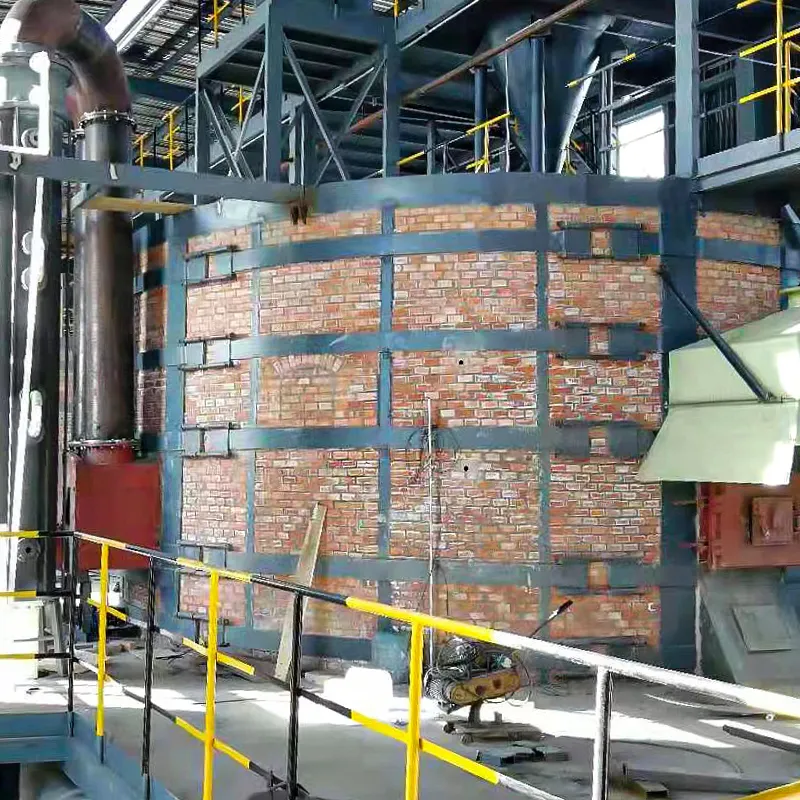
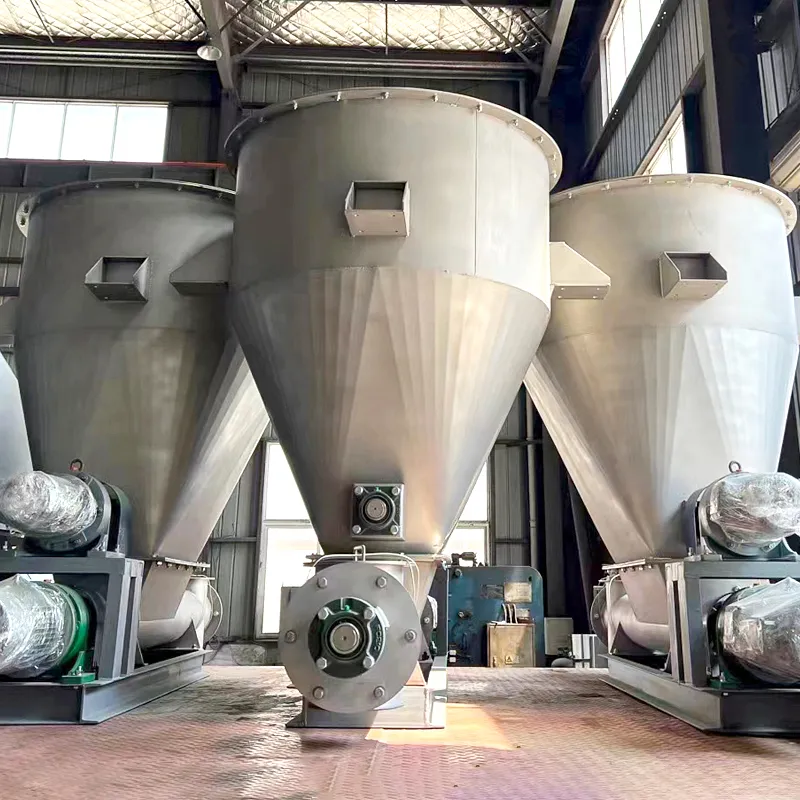
- Solution: We delivered a full EPC (Engineering, Procurement, and Construction) project, including detailed engineering, equipment manufacturing, civil works supervision, installation, and commissioning. The design incorporated advanced automation, a comprehensive dust collection system, and a modular layout for ease of construction and maintenance in a remote location.
- Results: The plant was commissioned on schedule and achieved its design capacity of 100,000 TPA within weeks. The integrated automation system allowed for remote monitoring and control, critical for the client's operational model. This successful collaboration solidified our reputation as a reliable global partner for complex industrial projects.
Ensuring Trust: Quality, Support, and Guarantees
Building and operating a high-performance sodium sulfate plant requires more than just advanced technology; it demands unwavering commitment to quality, robust after-sales support, and transparent guarantees. We understand that trust is foundational in B2B partnerships.
Quality Assurance & Certifications
Our manufacturing processes and engineering designs for sodium sulfate production lines adhere strictly to international quality management systems. We are ISO 9001:2015 certified, ensuring rigorous quality control from raw material sourcing through fabrication and final testing. Key components are CE certified where applicable, and pressure vessels conform to ASME codes. Our experience spanning over two decades in the industry, coupled with partnerships with leading material suppliers, ensures authoritative and reliable solutions for every client. All equipment undergoes comprehensive factory acceptance tests (FAT) before shipment.
Lead Time and Fulfillment
Project timelines for a custom sodium sulfate plant vary based on complexity and capacity. Typically, the lead time from design approval to factory acceptance testing ranges from 12 to 24 weeks. This includes detailed engineering, procurement of specialized materials, fabrication, and assembly. Our project management team provides regular updates and maintains transparent communication to ensure on-time delivery and seamless integration.
Warranty Commitments
We offer a standard 12-month warranty on all equipment and components against manufacturing defects and workmanship, commencing from the date of commissioning or 18 months from shipment, whichever comes first. Extended warranty options and service contracts are also available to provide clients with enhanced peace of mind and long-term operational security for their sodium sulfate production facility.
Comprehensive Customer Support & After-Sales Service
Our commitment extends far beyond commissioning. We provide extensive after-sales support to ensure the optimal and continuous performance of your sodium sulfate production line. This includes:
- Technical Assistance: 24/7 remote technical support and troubleshooting via phone and secure online channels.
- On-Site Support: Availability of experienced engineers for on-site troubleshooting, routine maintenance, and emergency repairs.
- Spare Parts Management: A comprehensive inventory of genuine spare parts and efficient logistics to minimize downtime.
- Operator Training: Thorough training programs for client personnel on operation, maintenance, and safety procedures for the sodium sulfate plant.
- Performance Optimization: Regular performance reviews and recommendations for process optimization to enhance efficiency and reduce operating costs.
Frequently Asked Questions about Sodium Sulfate Production
A1: Raw materials vary. For natural sources, it's typically Glauber's salt (sodium sulfate decahydrate) or natural brines. For synthetic production, it often comes as a byproduct from chemical processes such as hydrochloric acid manufacturing (Mannheim process), rayon production, or phenol production, containing sodium sulfate in solution.
A2: Modern plants utilize advanced technologies like multi-effect evaporators, Mechanical Vapor Recompression (MVR) systems, and efficient heat recovery techniques. These innovations significantly reduce steam and electricity consumption, leading to lower operating costs and a reduced carbon footprint.
A3: Our systems are designed to achieve high purity levels, typically ≥ 99.5% for anhydrous sodium sulfate, meeting or exceeding industry standards for diverse applications like detergents, glass, and pulp & paper. For specialized applications, ultra-high purity (>99.8%) can be achieved through tailored purification stages.
A4: Yes, material selection is a critical aspect of our design. We utilize a range of corrosion-resistant materials, including SS316L, Duplex Stainless Steel, Titanium, FRP, and GRP composites, specifically chosen based on the corrosivity of the feedstock and process conditions, ensuring long service life.
A5: We integrate advanced Distributed Control Systems (DCS) or Programmable Logic Controllers (PLC) to ensure fully automated operation. These systems enable real-time monitoring, precise parameter control, fault diagnosis, and data logging, optimizing efficiency and minimizing manual intervention.

References
- Kirk-Othmer Encyclopedia of Chemical Technology. Sodium Sulfate. John Wiley & Sons.
- Seader, J. D., Henley, E. J., & Roper, D. K. (2010). Separation Process Principles: Chemical and Biochemical Operations. John Wiley & Sons.
- Perry, R. H., & Green, D. W. (2008). Perry's Chemical Engineers' Handbook. McGraw-Hill Education.
- Ullmann's Encyclopedia of Industrial Chemistry. Sodium Sulfate. Wiley-VCH.
- World Bank Group. Environmental, Health, and Safety Guidelines for Large Volume Inorganic Chemicals. (IFC, 2007).