Nov 29,2025

Benefits and Uses of Above Ground Fiberglass Tanks | Durable & Cost-Effective Storage

Why Above Ground Fiberglass Tanks Matter in Today’s Industrial Landscape

When you think about large-scale storage solutions, rotating gears and steel tanks might be the usual suspects. But there’s a rising star that’s quietly changing the game: the above ground fiberglass tank. Globally, these sleek but tough reservoirs are a smart answer to growing demands for durability, cost-effectiveness, and sustainability in storage — especially for chemicals, water, and fuels. Understanding their benefits and where they fit can open new pathways for industries facing logistical headaches or environmental pressures.

Setting the Stage: Why Above Ground Fiberglass Tanks Are Gaining Global Attention

It’s no exaggeration to say that water and chemical storage is a backbone of countless industries, from agriculture to oil and gas to municipal utilities. According to the UN Water Statistics, nearly 2.2 billion people lack access to safely managed drinking water services globally — which means infrastructure matters more than ever.

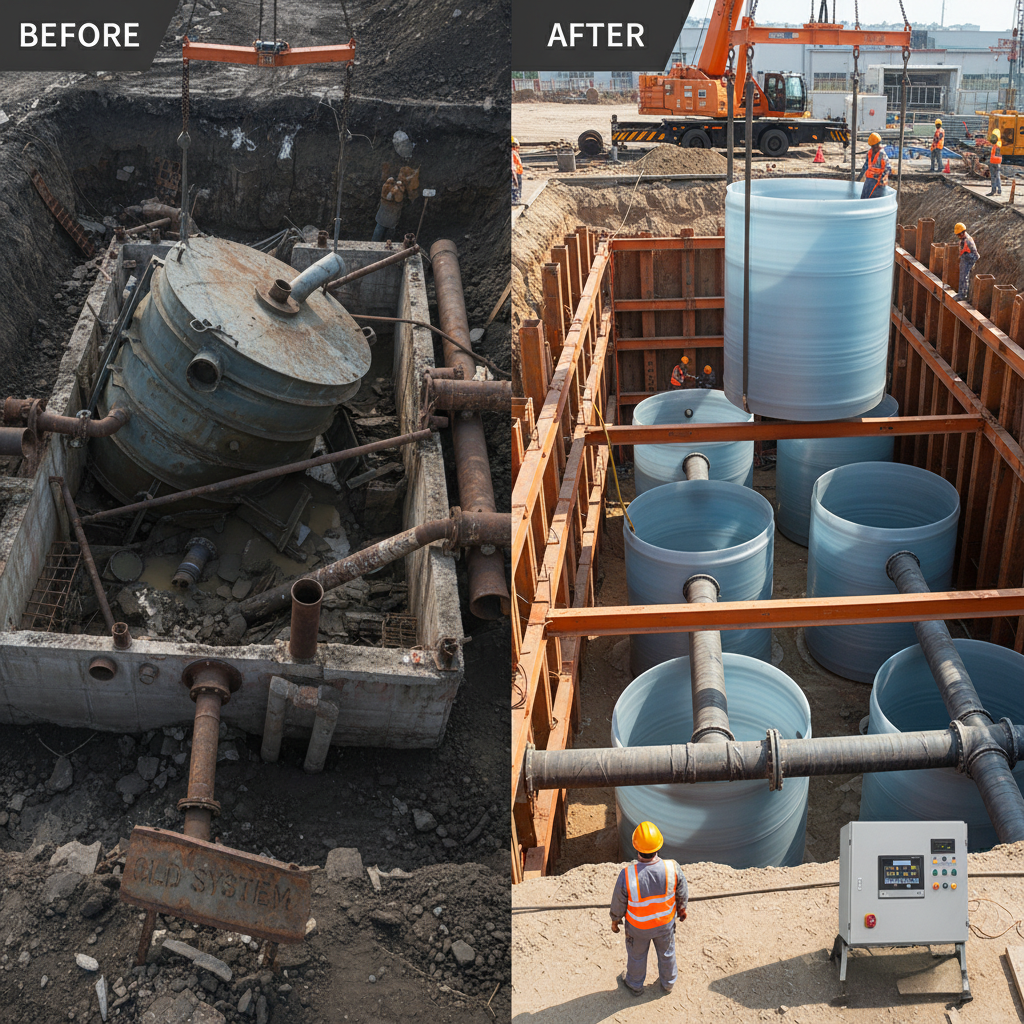
Here’s the crux: traditional steel or concrete tanks are heavy, susceptible to corrosion, expensive to install, and often tricky to maintain. Enter the above ground fiberglass tank, a solution that’s lightweight, corrosion-resistant, and surprisingly flexible in shape and size. They offer industries an alternative that efficiently addresses common challenges posed by legacy storage options.

But with innovation comes questions: Can these tanks truly withstand harsh environments? Are they cost-competitive in the long run? Do they comply with international safety norms? We’ll explore those details as we go.

What Exactly Is an Above Ground Fiberglass Tank?

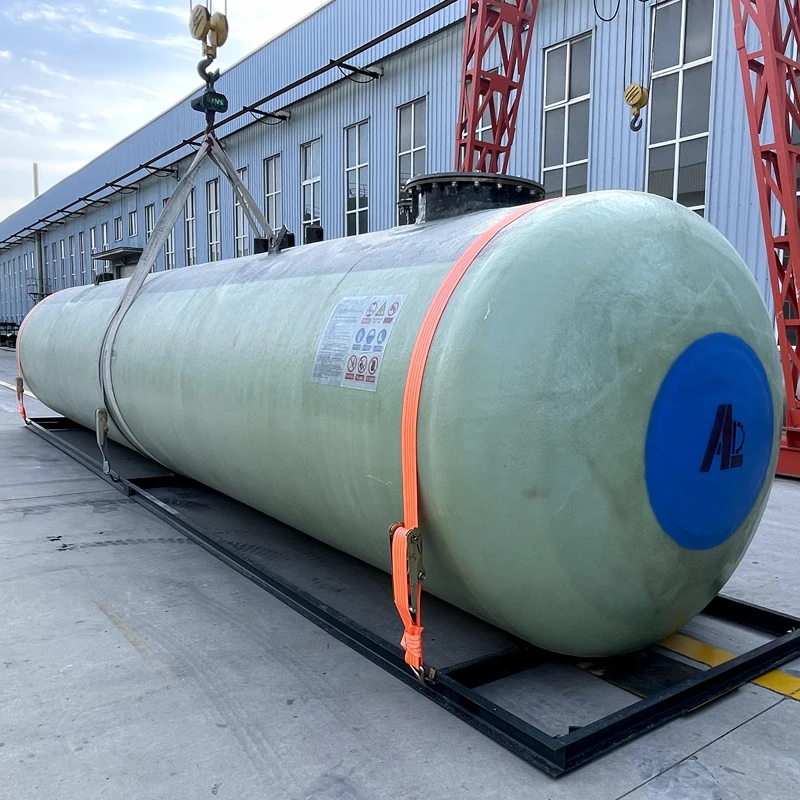
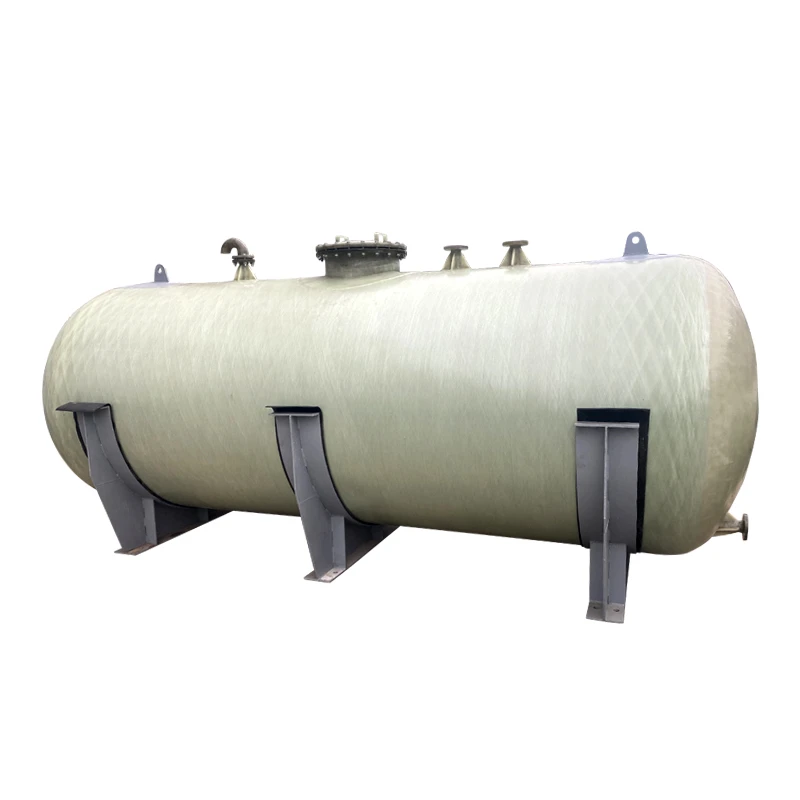
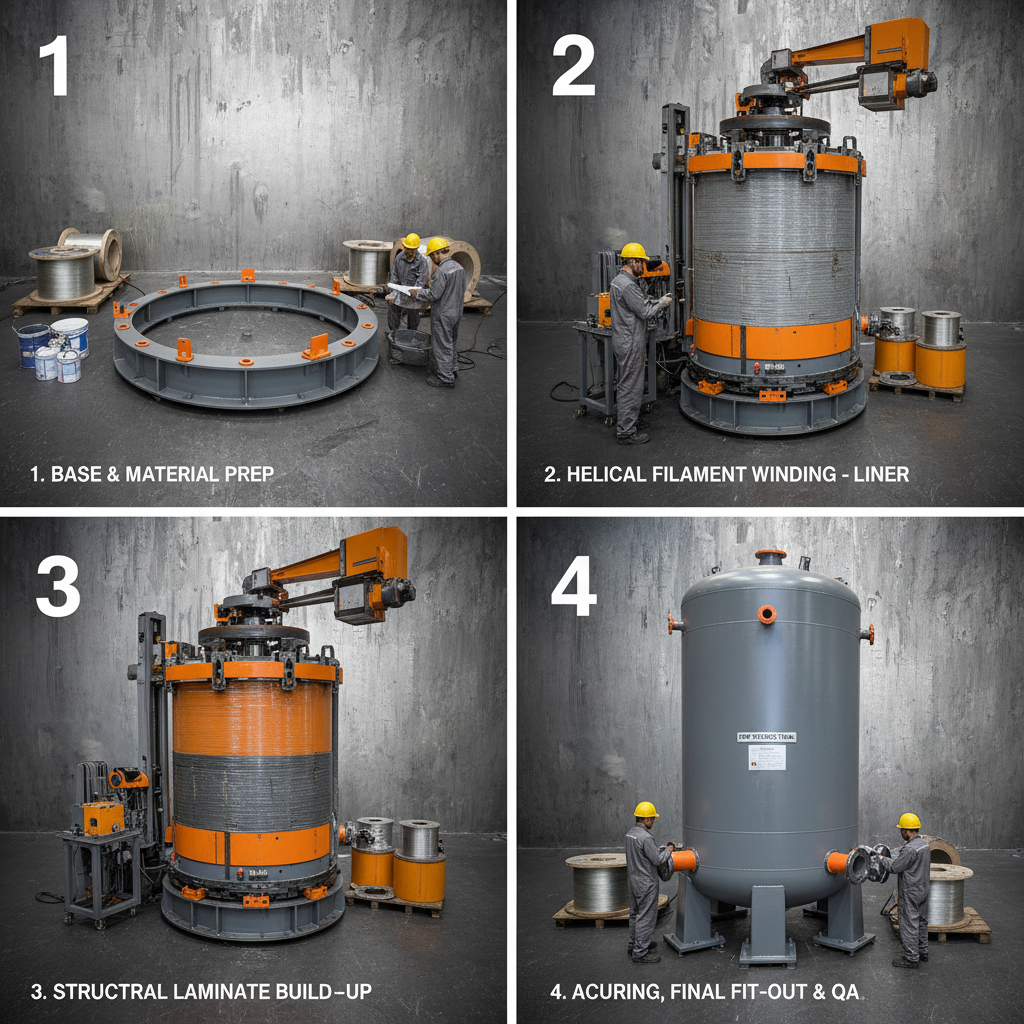
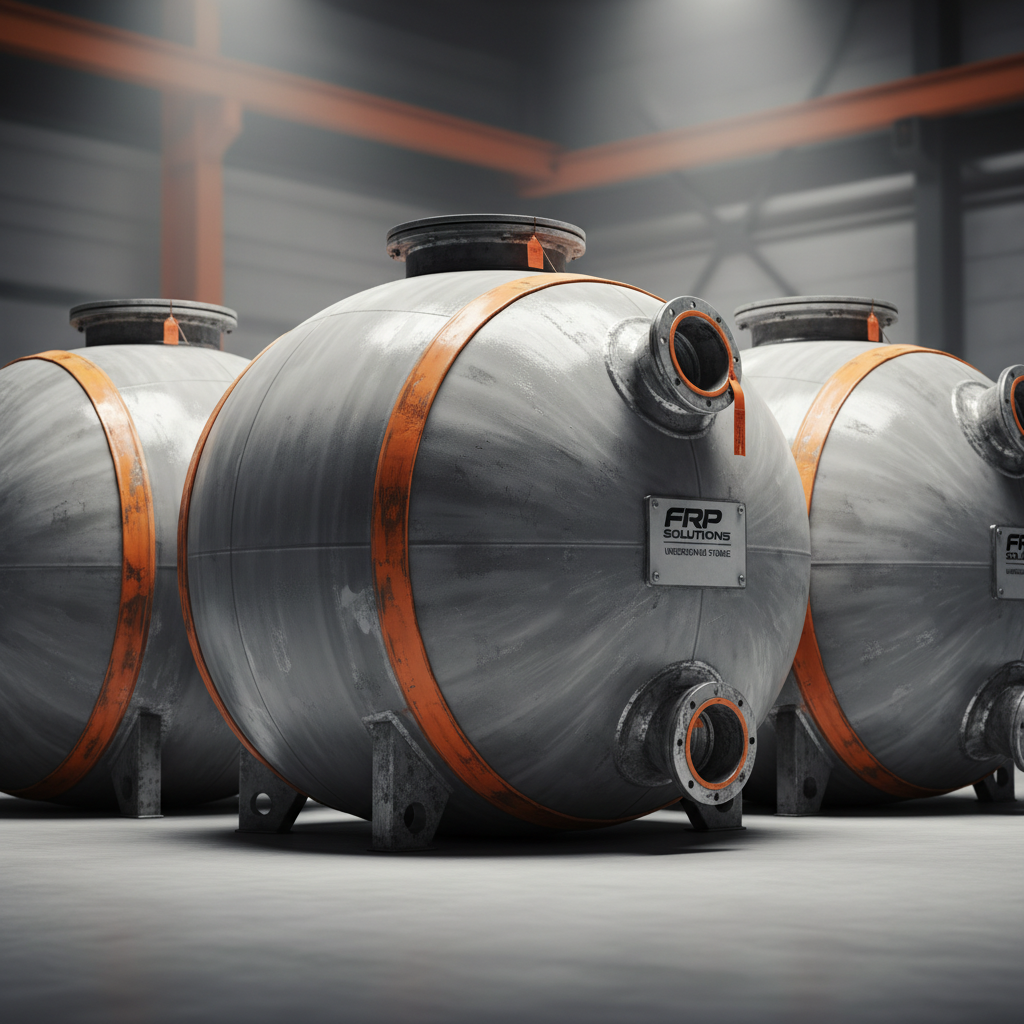
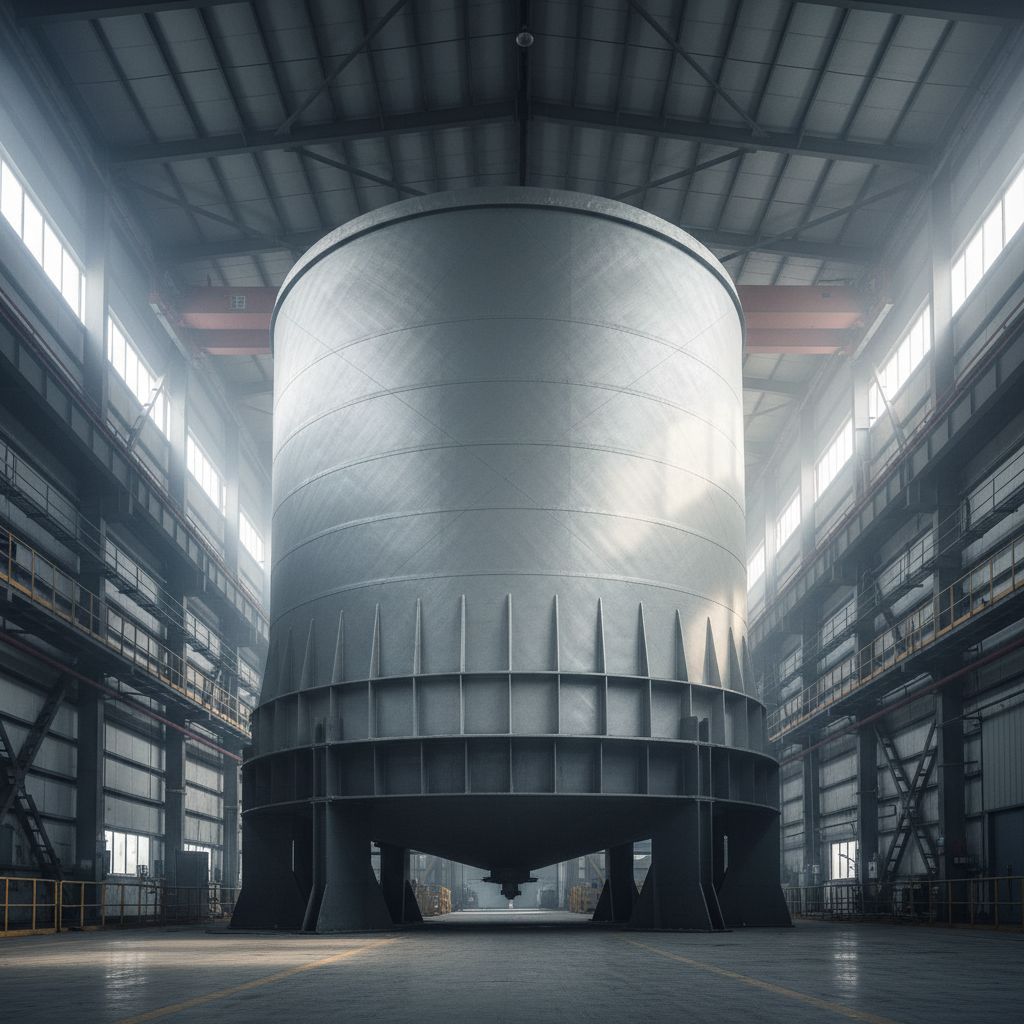
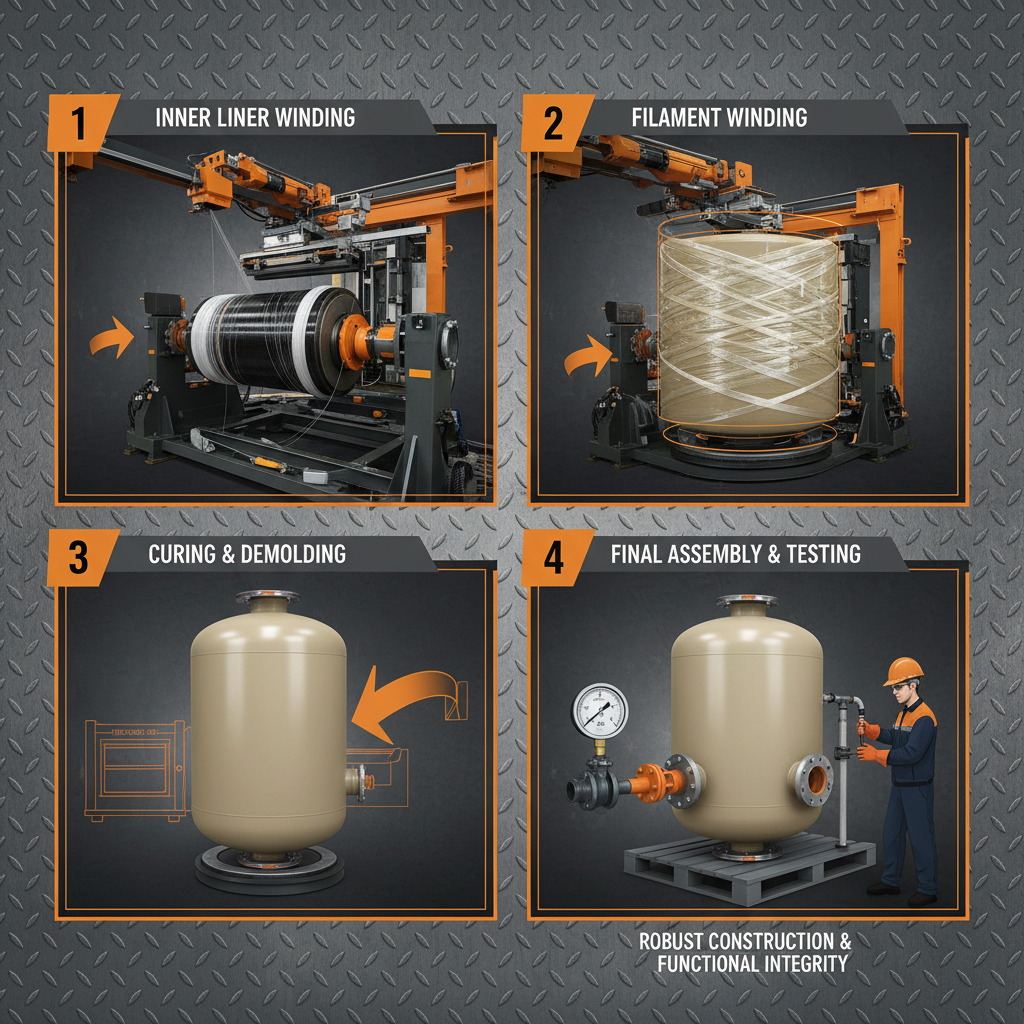
At its core, an above ground fiberglass tank is a container designed to hold liquids or gases outside of subterranean settings, primarily made using layers of fiberglass and resin compounded together. The composite material results in a robust, non-corrosive vessel that can resist UV radiation, chemical attack, and rugged environmental wear.

Why fiberglass, you ask? Well, fiberglass is light yet strong — comparable tensile strength to steel but significantly lighter. Combine that with a resin matrix that’s chemically inert, and you get tanks that last longer without rust, cracking, or excessive maintenance. In modern industry, these tanks find use wherever reliable, portable, and safe storage is a must — whether in wastewater treatment plants, chemical manufacturing sites, or remote industrial outposts.

Breaking Down Key Features of Above Ground Fiberglass Tanks

Durability

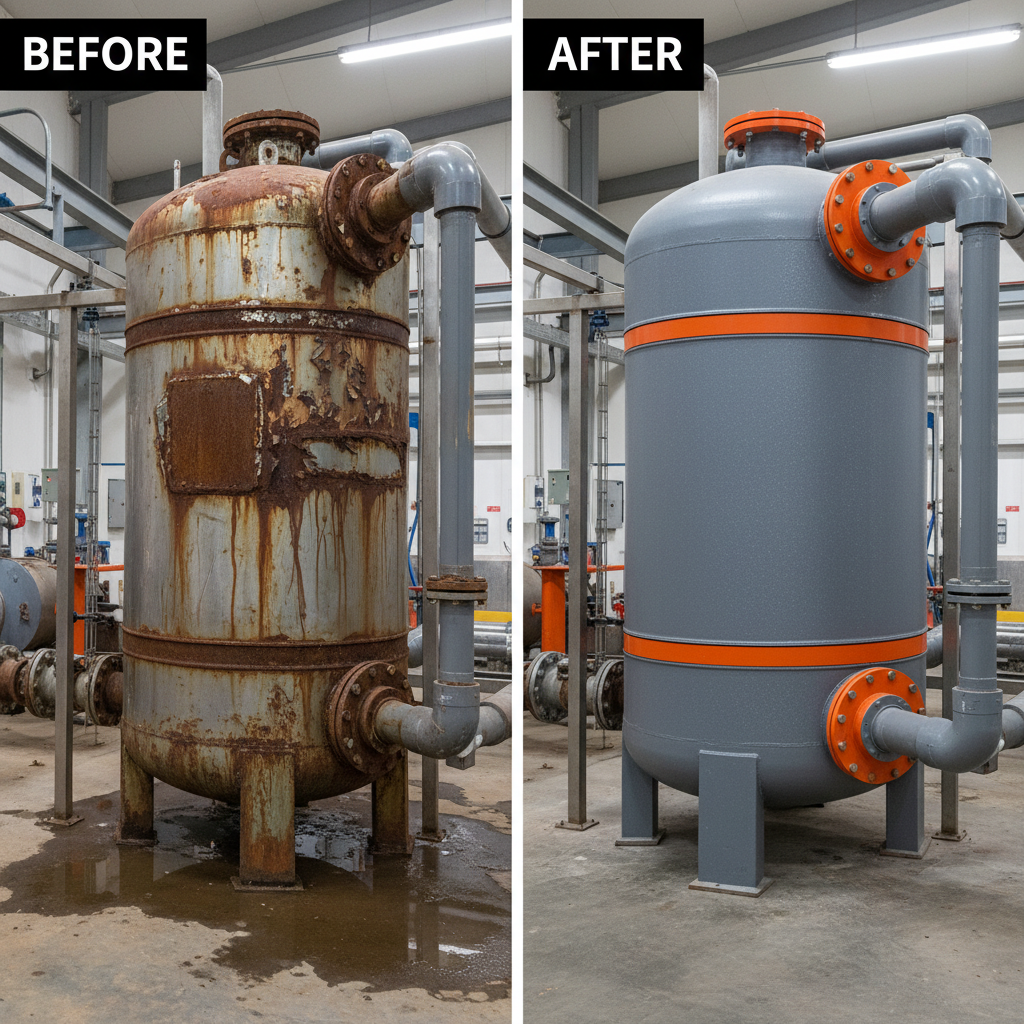
Fiberglass tanks resist corrosion from acids, alkalis, and salts, which tend to wreak havoc on steel. They also handle temperature swings and UV exposure better than some plastics.

Lightweight and Portability

This makes transport and installation quicker and cheaper, especially in remote regions or temporary setups.

Cost Efficiency

While initial cost can be slightly higher than some metals, the life-cycle savings on maintenance and repairs often tip the balance.

Customization

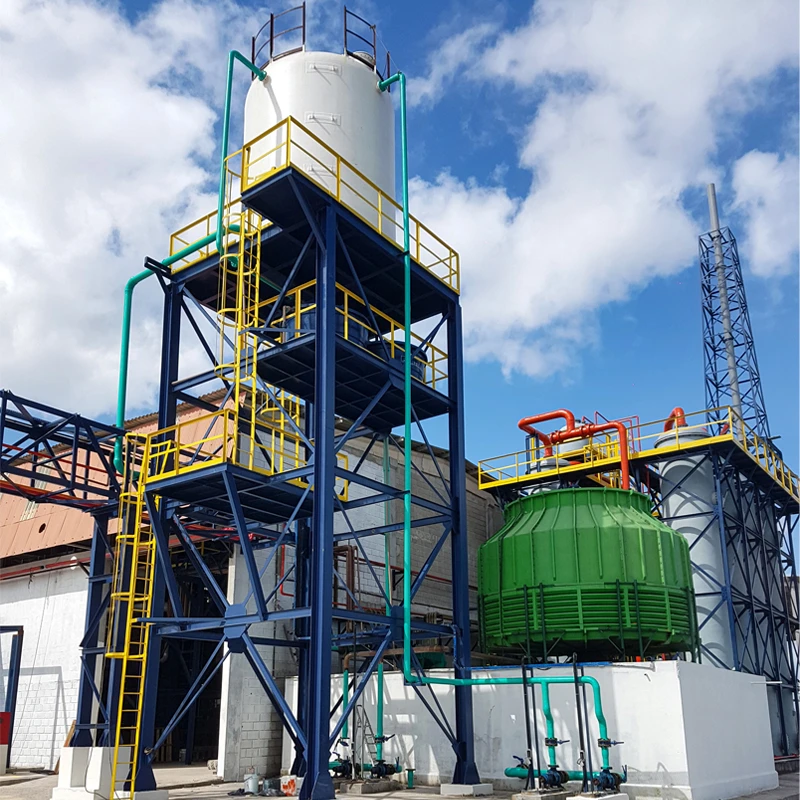
Fiberglass tanks can be molded into various shapes and sizes, allowing bespoke designs tailored to site constraints and specific liquid types.

Environmental Safety

The non-leaching nature of fibreglass makes it safe for potable water and sensitive chemicals, supporting environmental compliance and community trust.

Low Maintenance

Unlike steel tanks that require painting and anti-corrosion wraps periodically, fiberglass is more hands-off in everyday care.

Mini takeaway: Above ground fiberglass tanks blend material science and practical engineering to deliver a reliable, low-maintenance storage solution.

Real-World Applications: Who’s Using These Tanks and Why?

In post-disaster relief operations, rapid deployment of clean water storage is critical. NGOs often rely on lightweight fiberglass tanks for their ease of transport and setup. For instance, in Southeast Asia’s flood-prone regions, these tanks help ensure safe drinking water storage despite repeat natural shocks.

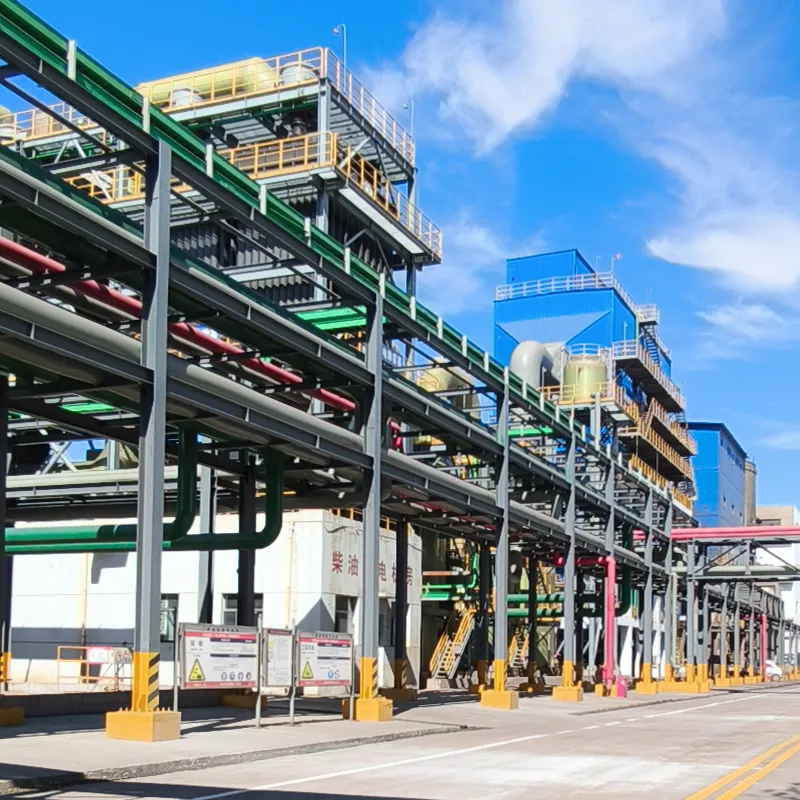
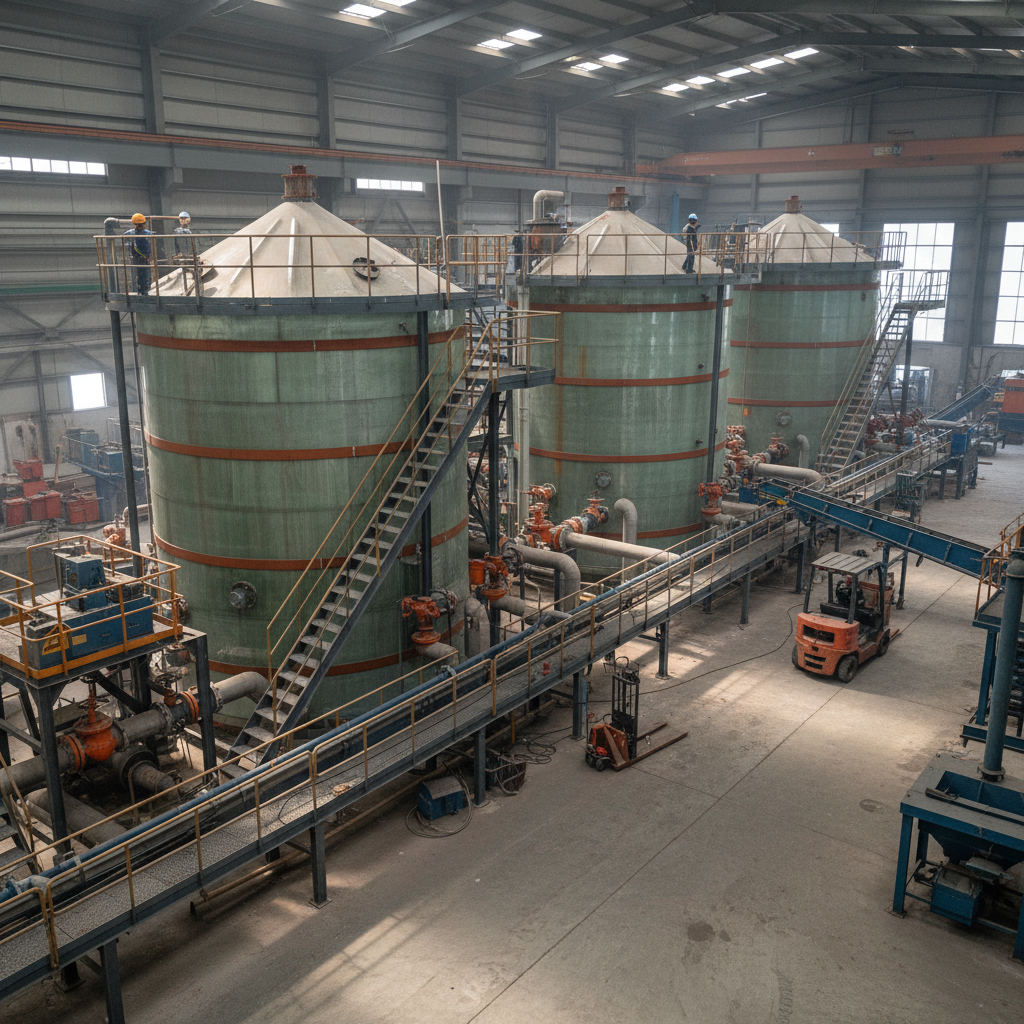
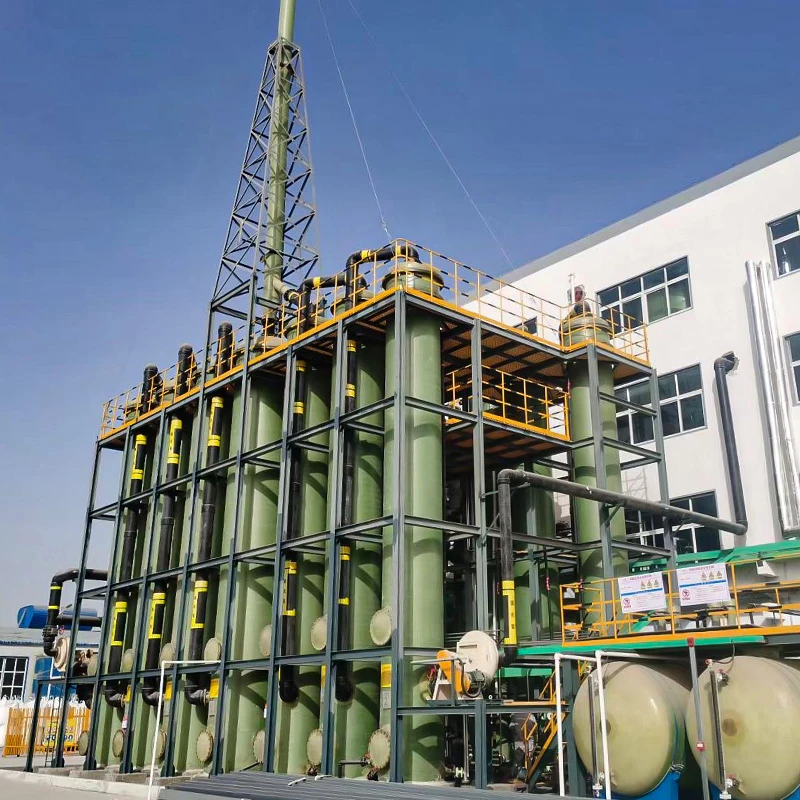
In remote industrial zones like the Arctic or desert regions, where routine maintenance is tricky, Fiberglass tanks withstand tough weather without failing — enabling uninterrupted operations. Petrochemical industries worldwide are also switching to these tanks for storing corrosive compounds thanks to their sturdy chemical resistance.

European wastewater treatment plants prefer above ground fiberglass tanks because they’re easier to inspect and maintain than buried concrete vats. The US agriculture sector deploys them for holding fertilizers and irrigation water, citing durability and contamination protection.

Above Ground Fiberglass Tank Specifications

Specification Typical Range/Value Notes
Material Fiberglass Reinforced Plastic (FRP) Composite of glass fibers and resin
Capacity 500 to 50,000+ gallons Customizable per client needs
Operating Temperature -40°F to 200°F (-40°C to 93°C) Depends on resin type
Chemical Compatibility Wide variety including acids and bases Check specific materials for compatibility
Lifespan 20 to 40 years (typical) Depends on maintenance and UV exposure

Comparing Top Vendors of Fiberglass Tanks

Vendor Tank Capacity Range Material Quality Customization Typical Lead Time
Fiberglass Solutions Inc. 1,000 - 40,000 gallons High-grade vinyl ester resins Yes, extensive 4-6 weeks
Returna Tanks 500 - 50,000 gallons Standard polyester resin Moderate 3-5 weeks
Global Fiberglass Tanks 2,000 - 30,000 gallons Premium vinyl ester and epoxy High 6-8 weeks

The Lasting Benefits of Above Ground Fiberglass Tanks

Frankly, the biggest advantage of these tanks is really peace of mind. They don’t corrode, leak, or require constant maintenance, which can be a costly headache with metals. That means fewer disruptions, lower total cost of ownership, and a reduced environmental footprint.

Plus, since fiberglass tanks can be adapted to a site’s exact needs — smaller for urban areas, larger for farms or plants — there's an element of ingenuity in their use. It’s this combination of customization, durability, and cost control that engenders trust within industry professionals.

And of course, from a social angle, ensuring clean water or safe chemical storage directly enhances communities' wellbeing and safety. That counts for a lot.

Looking Ahead: Innovations Shaping the Future of Fiberglass Tanks

There’s a lot happening with materials science here — additives for improved fire resistance, ultra-UV-stable coatings, and smart sensors embedded in tank walls to monitor integrity in real-time. Digital transformation makes proactive maintenance easier and reduces unexpected failures.

Moreover, as sustainability is driving global policies, manufacturers are exploring bio-resins and recyclable components to create greener fiberglass tanks. This dovetails nicely with circular economy goals and stricter environmental regulations.

Challenges and How They Are Being Addressed

It isn’t all blue skies. Some challenges persist, like the initial perception that fiberglass tanks might be fragile or less robust than steel. But field evidence contradicts this — though it takes time to overcome entrenched supplier preferences and regulatory inertia.

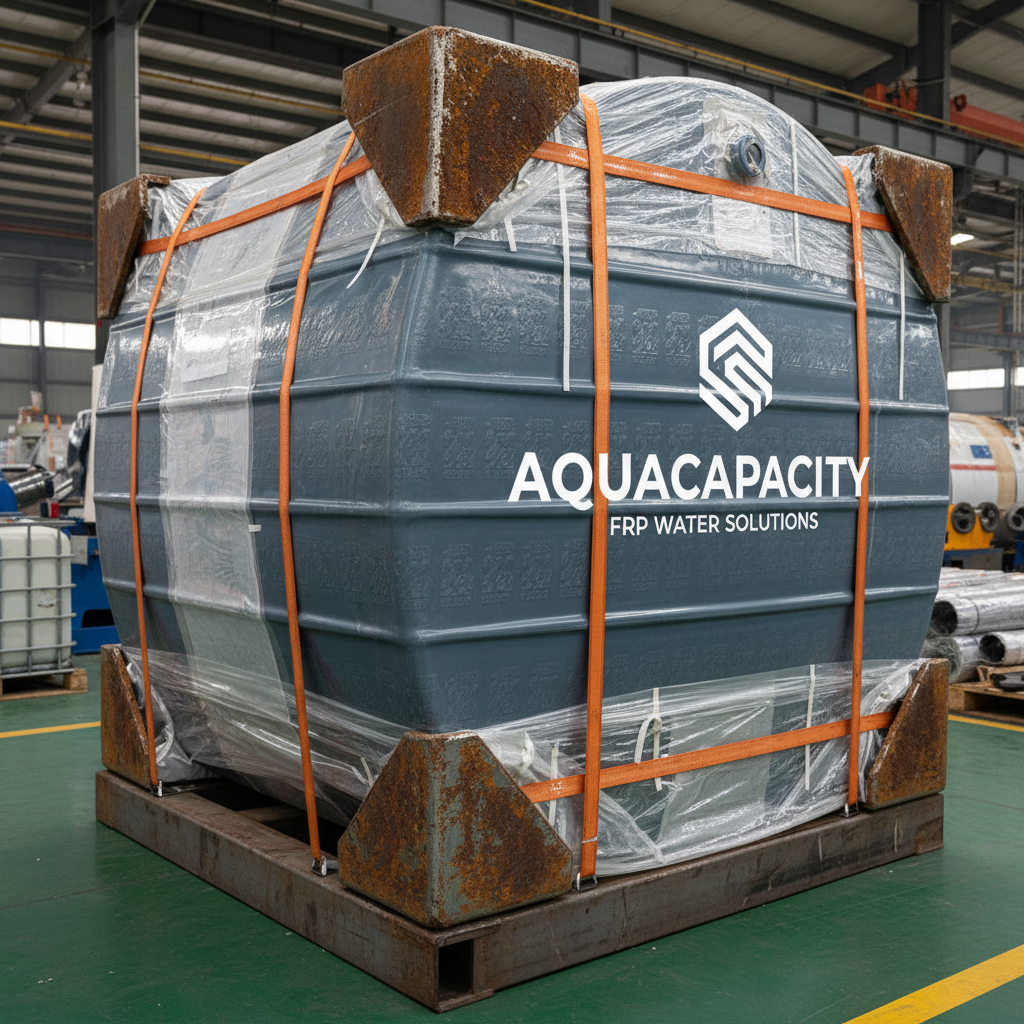
Also, while fiberglass is strong, impact damage can occur, so installation procedures are critical. Vendors often now provide training and improved packaging to mitigate this risk, along with warranty guarantees.

Frequently Asked Questions About Above Ground Fiberglass Tanks

  • Q: How resistant are fiberglass tanks to chemical corrosion?
    A: Fiberglass tanks are highly resistant to a broad range of chemicals, including acids, alkalis, and solvents. Resistance varies with resin type, so you should specify based on the stored substance. Overall, they outperform steel by a long margin in corrosive environments.

  • Q: Can these tanks be installed quickly on-site?
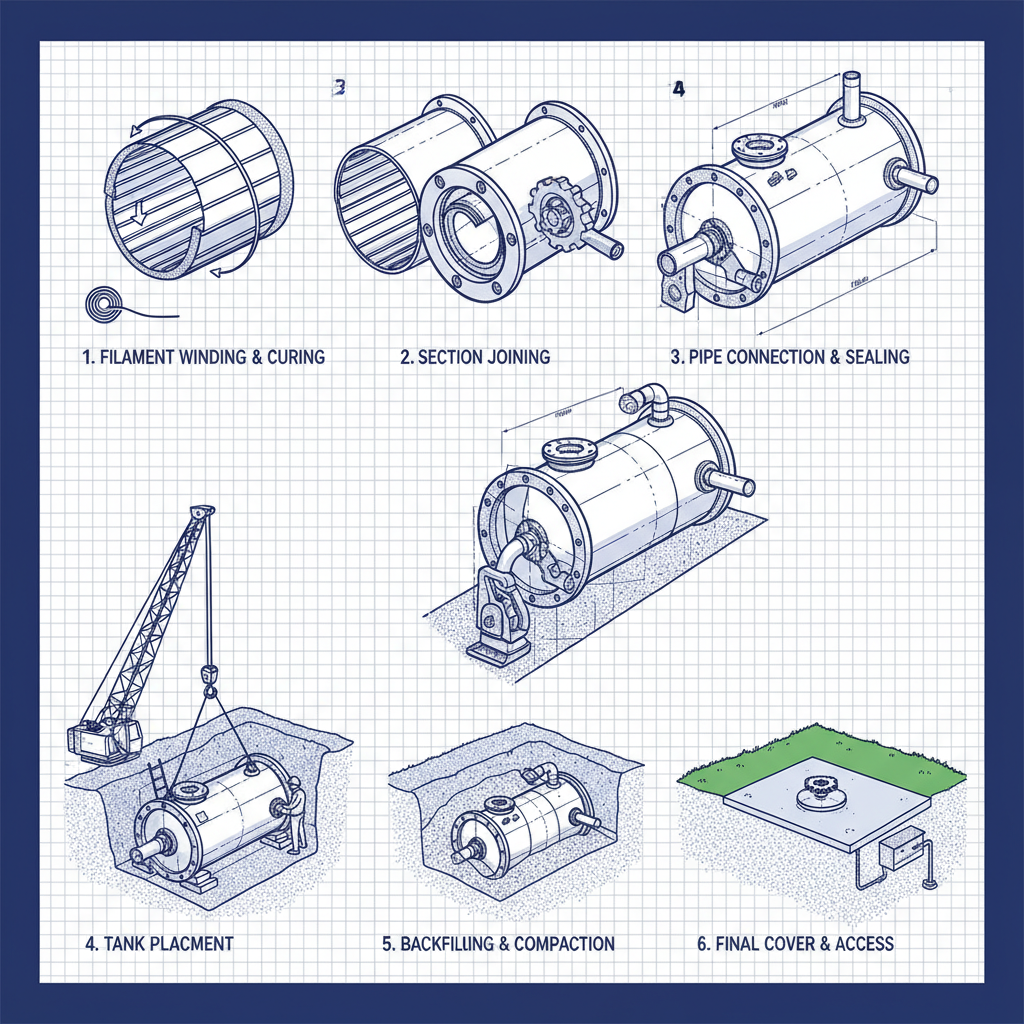
    A: Absolutely. Their lightweight design means fewer heavy machinery and less excavation compared to buried tanks. Installation can take days rather than weeks, a crucial benefit in emergency or remote settings.

  • Q: Are fiberglass tanks suitable for potable water storage?
    A: Yes, many fiberglass tanks use food-grade resins and liners that comply with international standards for drinking water. It’s essential to verify certification from your supplier.

  • Q: What is the expected lifespan of an above ground fiberglass tank?
    A: Typically, well-maintained tanks last anywhere from 20 to 40 years. Factors like UV exposure, chemical content, and mechanical stress can influence longevity.

  • Q: How do these tanks compare environmentally to steel or concrete?
    A: They generally have a smaller carbon footprint from production through end-of-life, especially with new recycling programs underway. Plus, reduced maintenance means fewer resources consumed over the years.

Wrapping It Up: The Case for Investing in Above Ground Fiberglass Tanks

At the intersection of material innovation and practical utility lies the above ground fiberglass tank. It’s a solution that addresses some of the oldest headaches in the storage world — durability, ease of installation, and environmental safety — while opening doors to smarter, more adaptable infrastructure.

For businesses and organizations looking to boost reliability and sustainability in their fluid storage, this is an option worth exploring. Curious to learn more or get a custom quote? Check out above ground fiberglass tank solutions and see how these tanks can fit your project’s needs. Sometimes the best fix is one you didn’t expect.
References

  1. UN Water Statistics
  2. Fiberglass - Wikipedia
  3. ISO 14692: Petroleum and natural gas industries — Glass-reinforced plastics (GRP) piping

Upsell Products
Upsell News
Durable FRP Vessel for Water Treatment and Industrial Filtration
Apr 16,2026
Durable FRP Vessel for Water Treatment and Industrial Filtration
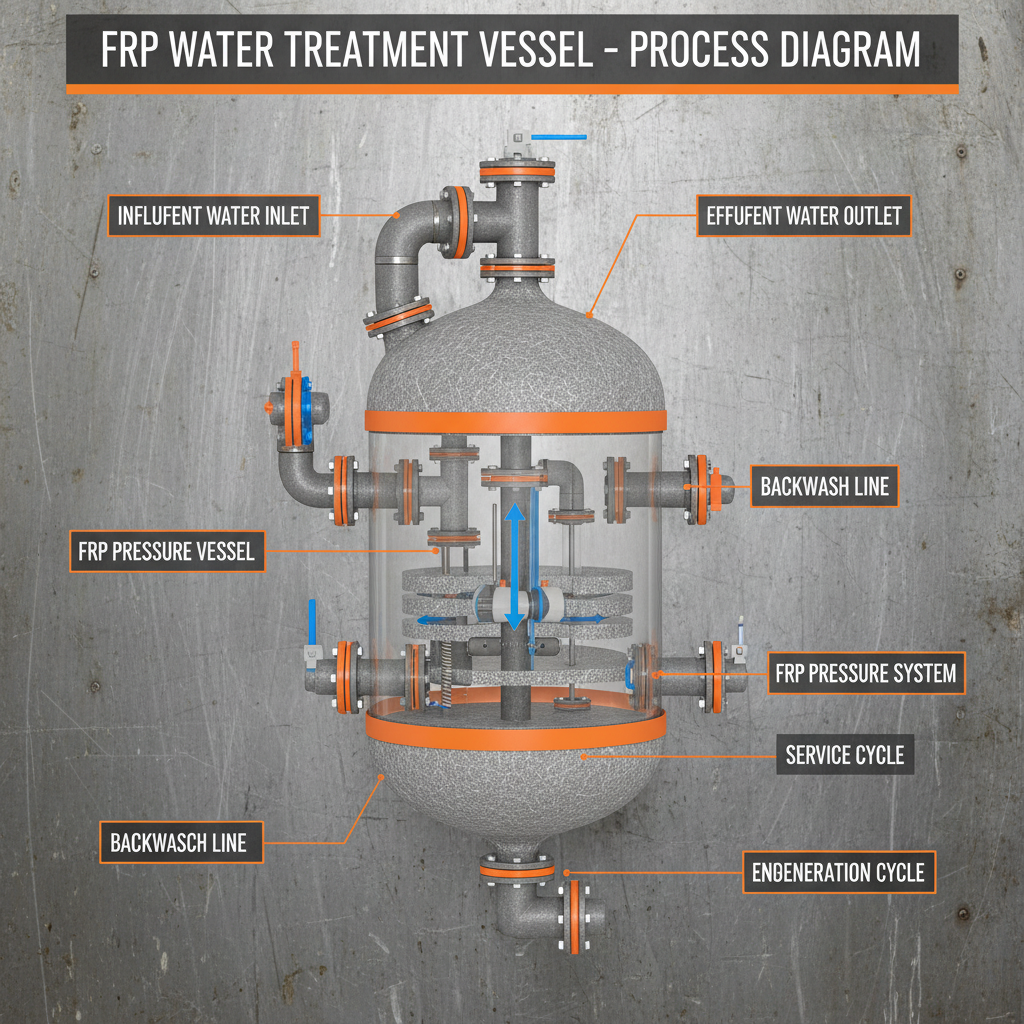
In the modern era of industrial and residential water purification, the choice of containment materials is critical for efficiency and longevity. An frp vessel for water treatment has emerged as the gold standard, replacing traditional steel tanks due to its superior corrosion resistance and lightweight properties. Whether you are dealing with desalination, softening, or filtration, using Fiber Reinforced Plastic (FRP) ensures that your system remains leak-proof and durable against aggressive chemicals. In this comprehensive guide, we will explore why FRP is the preferred choice for water treatment professionals worldwide and how to select the right vessel for your specific application.
Industrial Guide for Choosing the Right FRP Vertical Tank
Apr 09,2026
Industrial Guide for Choosing the Right FRP Vertical Tank
In today's industrial landscape, the storage of corrosive chemicals and aggressive liquids requires materials that can withstand extreme conditions without degrading. The frp vertical tank has emerged as a premier solution, offering an exceptional balance of strength, lightweight properties, and unmatched chemical resistance. Whether you are managing a water treatment plant or a chemical processing facility, understanding the nuances of Fiber Reinforced Plastic (FRP) is essential for ensuring operational safety and longevity. In this comprehensive guide, we will explore why vertical configurations are preferred and how these tanks outperform traditional metal alternatives.
Comprehensive Guide to FRP Underground Water Tank Solutions and Applications
Apr 07,2026
Comprehensive Guide to FRP Underground Water Tank Solutions and Applications
Fiberglass Reinforced Polymer (FRP) underground water tanks are becoming increasingly popular for a wide range of applications, from potable water storage to industrial wastewater containment. Their superior corrosion resistance, lightweight nature, and design flexibility make them an excellent alternative to traditional materials like concrete or steel. This article will delve into the benefits, applications, construction, and considerations for implementing FRP underground water tanks, providing a comprehensive overview for engineers, contractors, and project managers.
Comprehensive Guide to Frp Underground Water Storage Tanks and Their Applications
Apr 04,2026
Comprehensive Guide to Frp Underground Water Storage Tanks and Their Applications
When considering water storage solutions, particularly for industrial, agricultural, or municipal applications, frp underground water storage tanks stand out as a durable, cost-effective, and environmentally friendly option. These tanks are increasingly favored over traditional materials like concrete or steel due to their superior corrosion resistance, lighter weight, and ease of installation. This article delves into the benefits, applications, construction, and considerations when choosing an FRP tank, providing a detailed overview for potential buyers and project planners.
Sulfuric Acid Production Line - Hebei Aoliande|Efficient H2SO4 Plant Technology
Apr 01,2026
Sulfuric Acid Production Line - Hebei Aoliande|Efficient H2SO4 Plant Technology
Discover efficient H2SO4 plant technology and advanced sulfuric acid production solutions. Hebei Aoliande combines energy-saving furnace design and eco-friendly HCl recovery systems for sustainable industrial applications. Explore now: https://www.frpgrpmachine.com/sulfuric-acid-production-line-for-h2so4-plant.html
Sulfuric Acid Production Line - Hebei Aoliande|Efficient H2SO4 Plant Technology
Apr 01,2026
Sulfuric Acid Production Line - Hebei Aoliande|Efficient H2SO4 Plant Technology
Discover efficient H2SO4 plant technology and advanced sulfuric acid production solutions. Hebei Aoliande combines energy-saving furnace design and eco-friendly HCl recovery systems for sustainable industrial applications. Explore now: https://www.frpgrpmachine.com/sulfuric-acid-production-line-for-h2so4-plant.html
Sulfuric Acid Production Line - Hebei Aoliande|Efficient H2SO4 Plant Technology
Apr 01,2026
Sulfuric Acid Production Line - Hebei Aoliande|Efficient H2SO4 Plant Technology
Discover efficient H2SO4 plant technology and advanced sulfuric acid production solutions. Hebei Aoliande combines energy-saving furnace design and eco-friendly HCl recovery systems for sustainable industrial applications. Explore now: https://www.frpgrpmachine.com/sulfuric-acid-production-line-for-h2so4-plant.html
Sulfuric Acid Production Line - Hebei Aoliande|Efficient H2SO4 Plant Technology
Apr 01,2026
Sulfuric Acid Production Line - Hebei Aoliande|Efficient H2SO4 Plant Technology
Discover efficient H2SO4 plant technology and advanced sulfuric acid production solutions. Hebei Aoliande combines energy-saving furnace design and eco-friendly HCl recovery systems for sustainable industrial applications. Explore now: https://www.frpgrpmachine.com/sulfuric-acid-production-line-for-h2so4-plant.html
Sulfuric Acid Production Line - Hebei Aoliande|Efficient H2SO4 Plant Technology
Apr 01,2026
Sulfuric Acid Production Line - Hebei Aoliande|Efficient H2SO4 Plant Technology
Discover efficient H2SO4 plant technology and advanced sulfuric acid production solutions. Hebei Aoliande combines energy-saving furnace design and eco-friendly HCl recovery systems for sustainable industrial applications. Explore now: https://www.frpgrpmachine.com/sulfuric-acid-production-line-for-h2so4-plant.html
Sulfuric Acid Production Line - Hebei Aoliande|Efficient H2SO4 Plant Technology
Apr 01,2026
Sulfuric Acid Production Line - Hebei Aoliande|Efficient H2SO4 Plant Technology
Discover efficient H2SO4 plant technology and advanced sulfuric acid production solutions. Hebei Aoliande combines energy-saving furnace design and eco-friendly HCl recovery systems for sustainable industrial applications. Explore now: https://www.frpgrpmachine.com/sulfuric-acid-production-line-for-h2so4-plant.html
Comprehensive Guide to Frp Underground Storage Tanks for Reliable Storage Solutions
Mar 31,2026
Comprehensive Guide to Frp Underground Storage Tanks for Reliable Storage Solutions
Fiberglass Reinforced Polymer (FRP) underground storage tanks are becoming increasingly popular for a wide range of applications, from fuel storage to wastewater management. Their corrosion resistance, lightweight nature, and durability offer significant advantages over traditional materials like steel. This article will provide an in-depth look at FRP underground storage tanks, covering their benefits, applications, installation, and maintenance. Understanding these aspects is crucial for making informed decisions about long-term storage solutions.
Comprehensive Guide to Selecting the Ideal FRP Tank for Water Storage Solutions
Mar 28,2026
Comprehensive Guide to Selecting the Ideal FRP Tank for Water Storage Solutions
When it comes to reliable and durable water storage, FRP tanks for water are increasingly becoming the preferred solution for a wide range of applications. These tanks, constructed from Fiber Reinforced Polymer (FRP) materials, offer significant advantages over traditional storage options like steel or concrete. This article delves into the benefits, applications, and considerations when selecting an FRP tank for your water storage needs, providing a detailed overview for businesses and individuals alike.
Comprehensive Guide to Frp Tank and Vessel Applications and Manufacturing
Mar 26,2026
Comprehensive Guide to Frp Tank and Vessel Applications and Manufacturing
Fiber Reinforced Polymer (FRP) tanks and vessels are increasingly becoming the preferred choice for storage and processing across a multitude of industries. Their lightweight nature, corrosion resistance, and design flexibility offer significant advantages over traditional materials like steel. This article will delve into the intricacies of FRP tanks and vessels, exploring their applications, manufacturing processes, benefits, and considerations for selecting the right solution for your specific needs. We’ll also highlight why FRP tanks are a cost-effective and reliable long-term investment. FRP tanks and vessels are constructed from a combination of reinforcing fibers (such as fiberglass, carbon fiber, or aramid fiber) embedded in a polymer matrix (typically polyester, vinyl ester, or epoxy resin). This combination creates a composite material that boasts high strength-to-weight ratio, exceptional corrosion resistance, and the ability to be molded into complex shapes. They’re designed to safely contain a wide variety of liquids and gases, ranging from corrosive chemicals and water to food products and pharmaceuticals.
Optimizing Water Filtration with Durable FRP Sand Filter Vessels
Mar 24,2026
Optimizing Water Filtration with Durable FRP Sand Filter Vessels
In water treatment and filtration systems, the choice of filter vessel material is paramount. Fiber Reinforced Plastic (FRP), also known as Glass Reinforced Polymer (GRP), sand filter vessels are increasingly popular due to their superior corrosion resistance, lightweight nature, and cost-effectiveness. This article delves into the benefits, applications, design considerations, and factors to consider when selecting an FRP sand filter vessel. Whether you are involved in municipal water treatment, industrial wastewater management, or recreational water filtration, understanding FRP technology is essential for optimizing your filtration process. An FRP sand filter vessel is a containment unit designed to house filtration media, typically sand, gravel, and anthracite. These vessels are integral components in sand filtration systems used for removing suspended solids, turbidity, and other particulate matter from water. FRP construction involves layering glass fibers within a resin matrix (typically polyester or vinyl ester) to create a strong, durable, and chemically resistant shell. The strength and rigidity of the vessel are crucial for withstanding the pressure from the filtration media and the water flow.
Comprehensive Guide to FRP Round Tanks Applications and Benefits
Mar 21,2026
Comprehensive Guide to FRP Round Tanks Applications and Benefits
Fiber Reinforced Polymer (FRP) round tanks are increasingly becoming the preferred choice for storage solutions across a variety of industries. Their lightweight nature, corrosion resistance, and design flexibility offer significant advantages over traditional materials like steel. This article provides an in-depth look at FRP round tanks, exploring their applications, benefits, manufacturing processes, and key considerations when choosing the right tank for your needs. Whether you're in chemical processing, water treatment, or agriculture, understanding FRP round tanks is crucial for optimizing your storage infrastructure. FRP round tanks are constructed from a combination of reinforcing fibers (typically fiberglass, carbon fiber, or a blend) embedded in a polymer matrix (often polyester, vinyl ester, or epoxy resin). The round shape inherently provides excellent structural strength, distributing pressure evenly across the tank’s surface.
Comprehensive Guide to FRP Pressure Tanks Benefits and Applications
Mar 19,2026
Comprehensive Guide to FRP Pressure Tanks Benefits and Applications
Fiber Reinforced Polymer (FRP) pressure tanks are becoming increasingly popular in a wide range of industrial applications, offering a compelling alternative to traditional steel tanks. Known for their lightweight nature, corrosion resistance, and high strength-to-weight ratio, FRP tanks provide efficient and durable solutions for storing liquids and gases under pressure. This article will delve into the benefits, applications, construction, and key considerations when selecting an FRP pressure tank, helping you make an informed decision for your specific needs. Understanding the advantages of FRP technology can lead to significant cost savings and improved operational efficiency. Compared to steel, FRP pressure tanks offer several key advantages. The most significant is their superior corrosion resistance. Unlike steel, which is susceptible to rust and corrosion when exposed to various chemicals, FRP materials are inherently resistant to a wide range of corrosive substances. This translates to a longer lifespan, reduced maintenance costs, and increased safety. Furthermore, FRP is significantly lighter than steel, making installation easier and reducing transportation costs.
For More Details Pls Contact Us
Thank you for your interest in our gloves! We offer high-quality, durable, and comfortable gloves with fast delivery and competitive prices. For any questions or customization, feel free to contact us. We look forward to working with you!

If you are interested in our products, you can choose to leave your information here, and we will be in touch with you shortly.