Oct 05,2025

Calcium Chloride Production Line - High Yield, Automated?

Inside the calcium chloride production line: what buyers are really asking in 2025

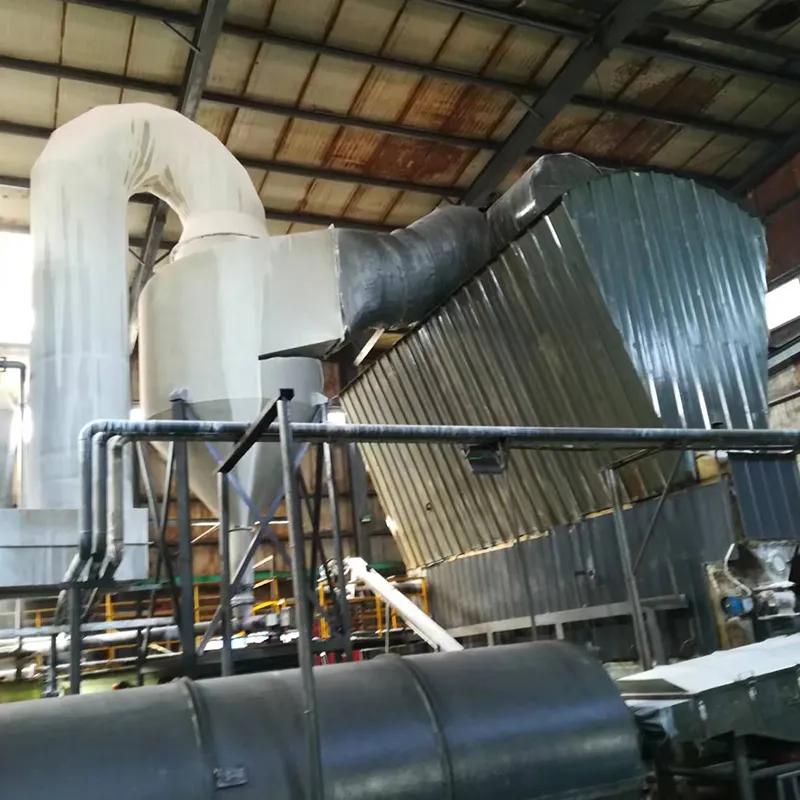
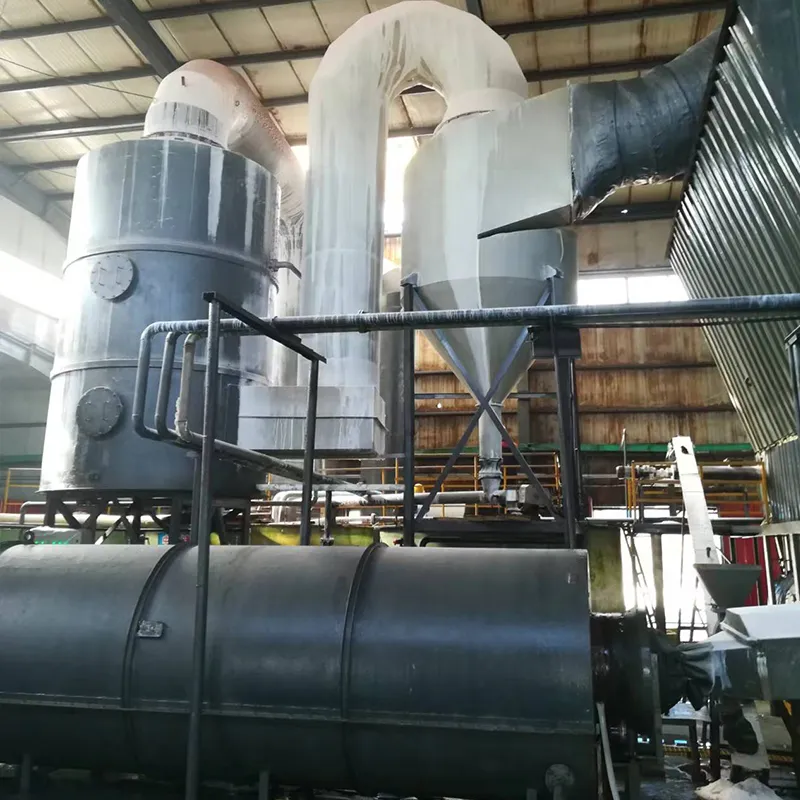
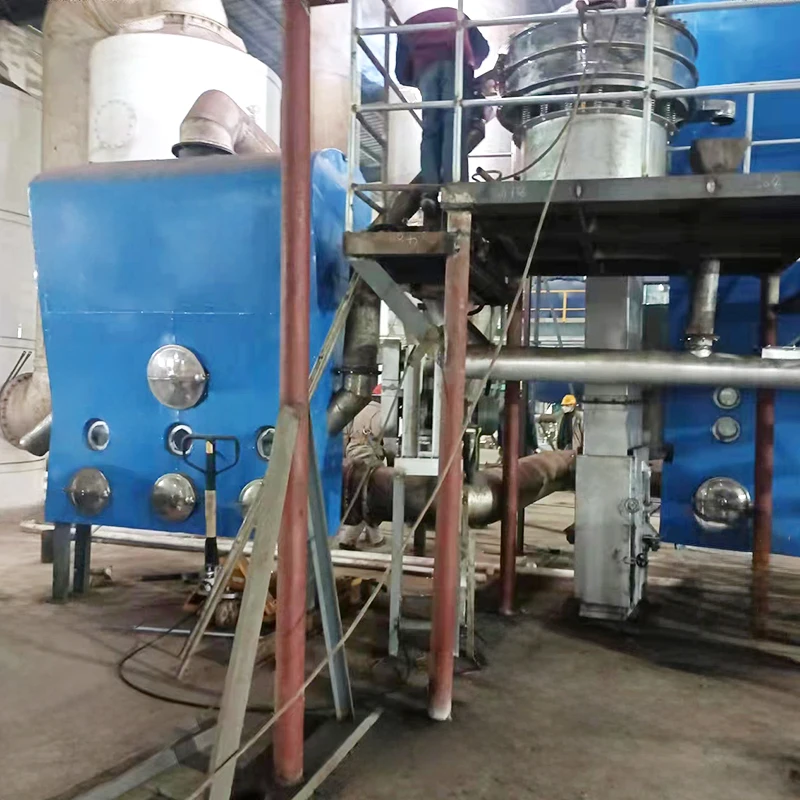
I’ve toured more plants than I can count, and to be honest, the best ones feel…quiet. That’s usually a sign of good engineering. The same vibe came through in Hebei, where a team that cut its teeth on Mannheim furnace revamps now applies that even-heating, low-loss mindset to the calcium chloride production line—from acid dissolution to multi-effect evaporation, flaking, and dust-tight packing.
Calcium Chloride Production Line - High Yield, Automated?

Market snapshot (and why it matters)

De-icing budgets rise with every odd winter. Oilfield and dust-control orders spike in Q3, then food-grade requests trickle in—steady and picky. The winning calcium chloride production line today? Efficient steam use, reliable granulation (94–97%), and emissions that don’t give compliance teams heartburn. Surprisingly, many customers say they’d trade 2% capacity for uptime they can bank on.
Calcium Chloride Production Line - High Yield, Automated?

Process flow: materials, methods, and the boring stuff that saves money

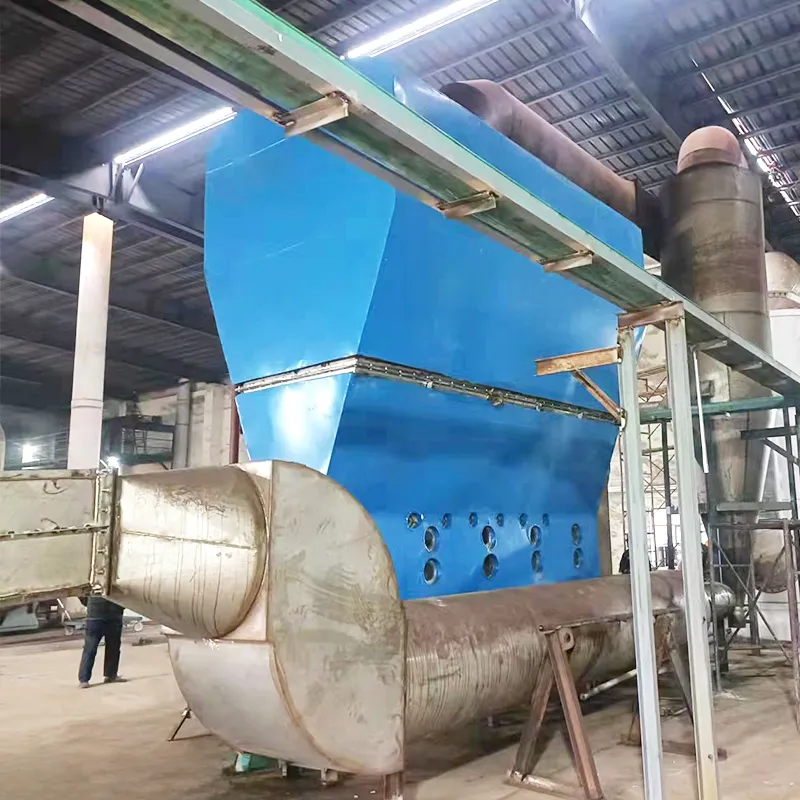
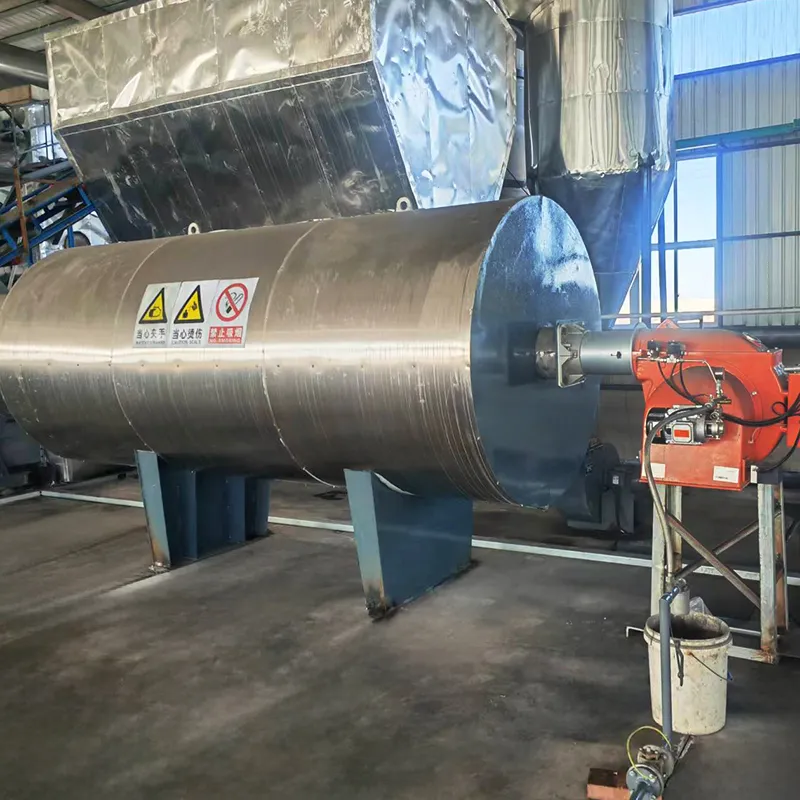
Feed options: limestone (≈98% CaCO3) + 31–33% HCl, or integrated by‑product brine from soda ash. Core steps:

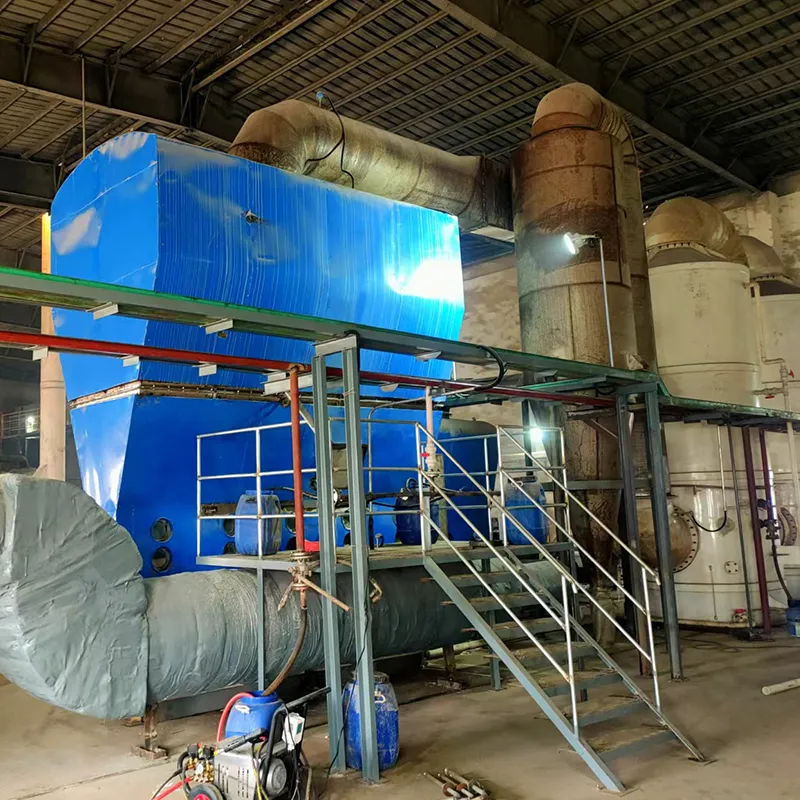
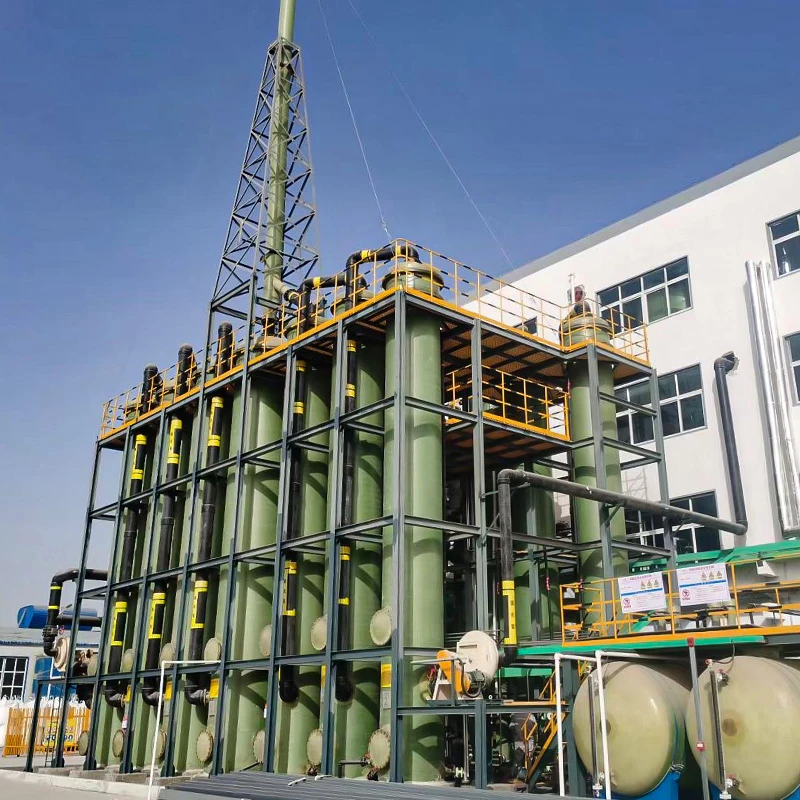
  • Acid dissolution reactor with controlled HCl dosing; off-gas to FRP scrubber.
  • Solid-liquid separation (pressure leaf or decanter) to knock down fines.
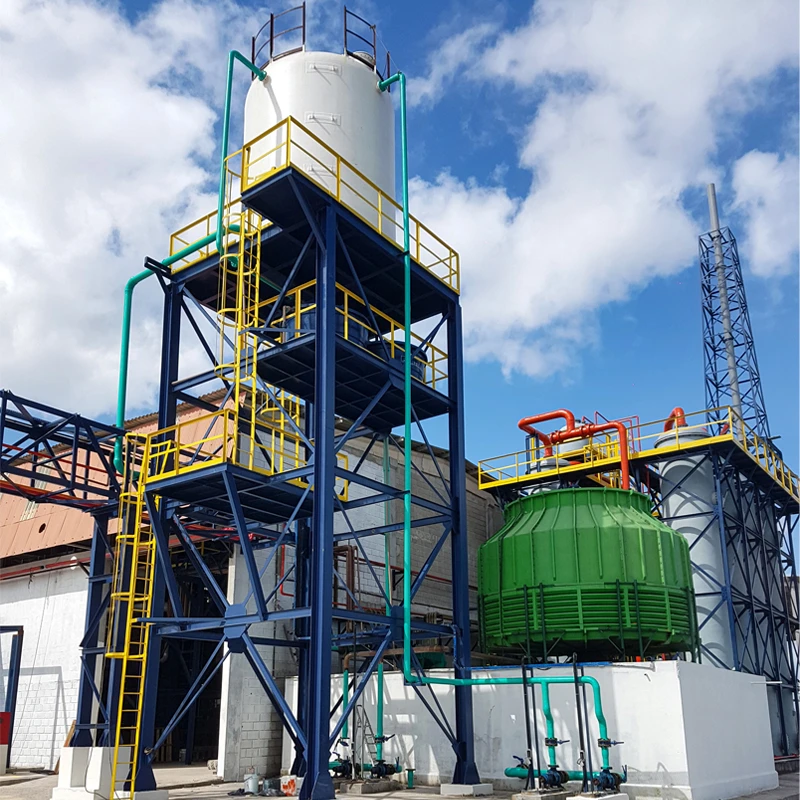
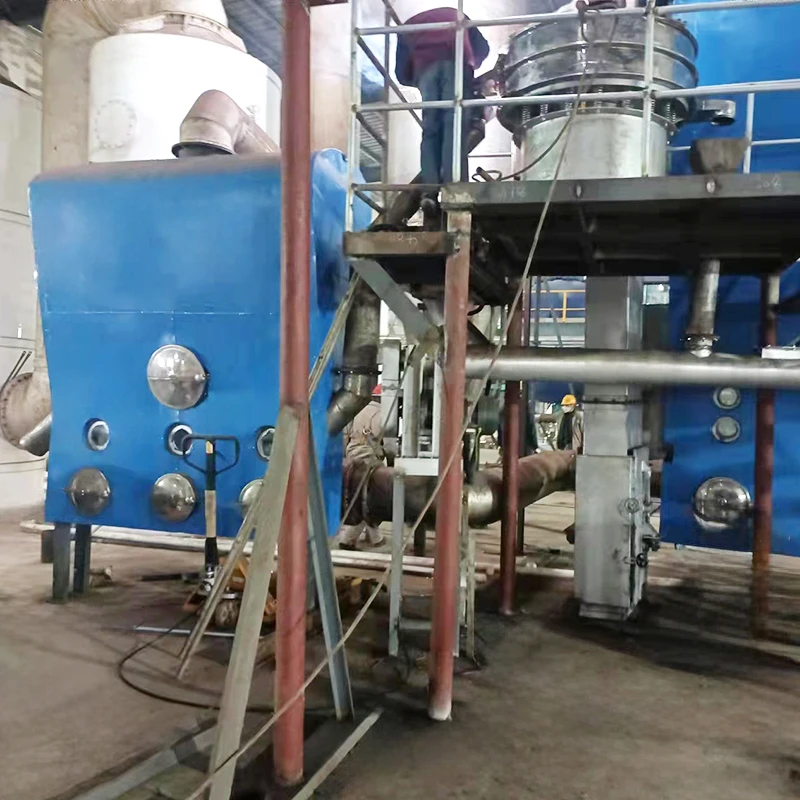
  • 3–5 effect evaporation to 74% CaCl2 solution; condensate reuse to cut water bills.
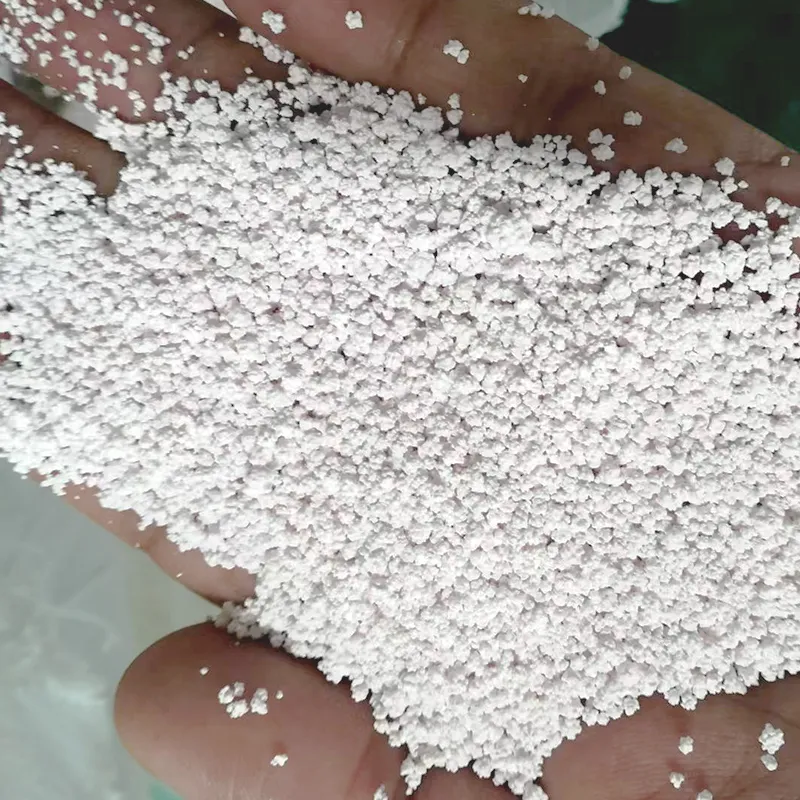
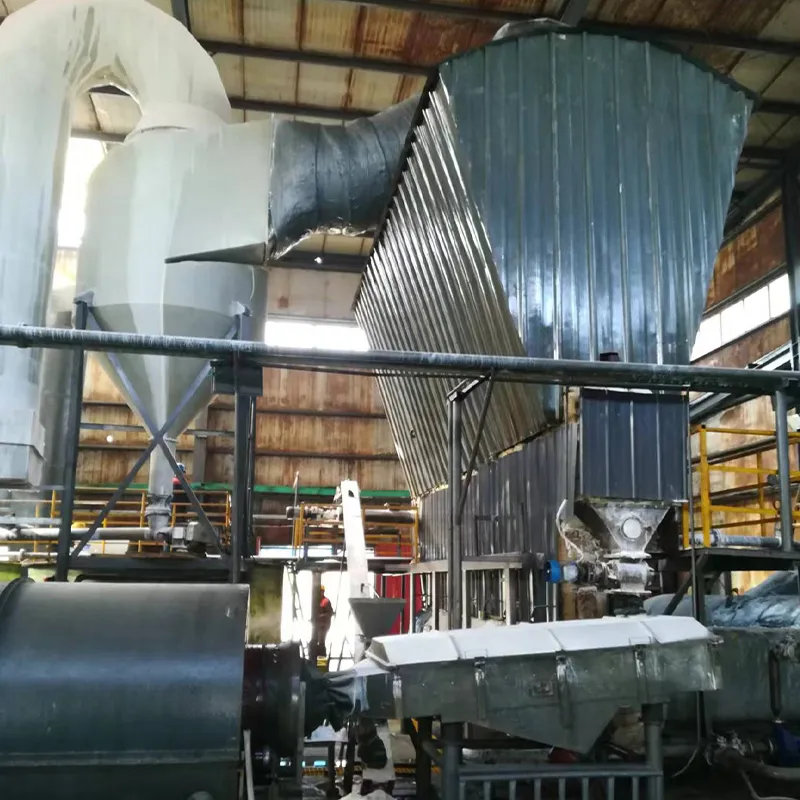
  • Flaker/granulator to 94–97% pellets/prills; optional dryer to hit low moisture.
  • Screening, anti-caking dose (food/industrial grade variants), closed packing.

Testing: ASTM D98 and GB/T 26520 routines—titration for CaCl2, ICP-OES for metals, chloride insolubles, and KF moisture. Typical batch data (real-world use may vary): 94.3% CaCl2, Fe < 10 ppm, Mg < 0.02%, insolubles < 0.05%, pH (10% soln) ≈ 8.0.
Calcium Chloride Production Line - High Yield, Automated?

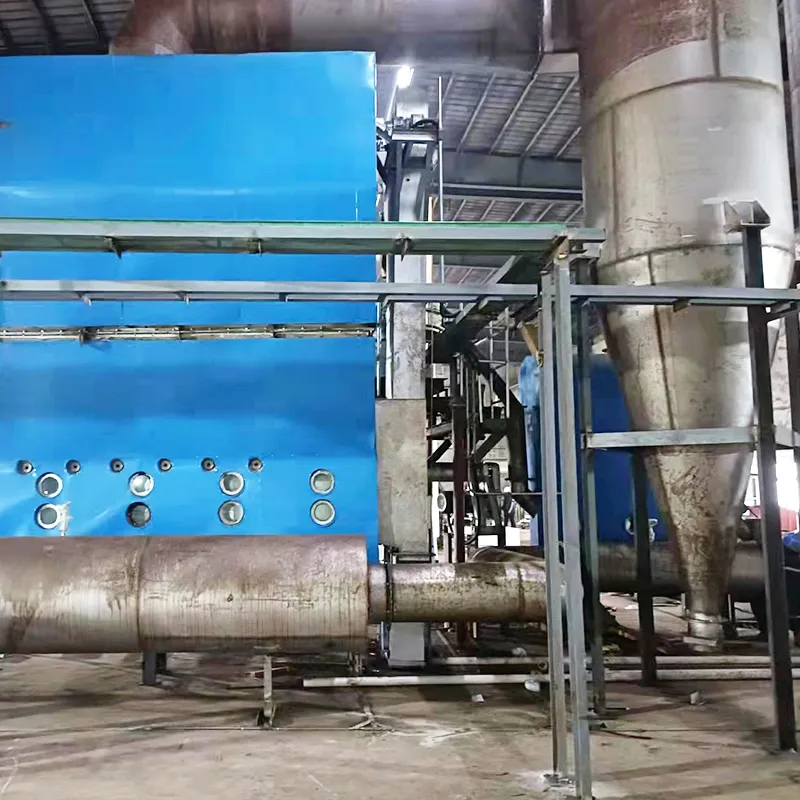
Core specifications (typical)

Capacity10–100 t/day (expandable modules)
Grades74% solution; 94–97% flakes/prills; anhydrous option
Raw materialsHCl 31–33% + CaCO3; or by‑product brine
MOC (key)Reactor PTFE-lined CS; evaporator 316L/2205; scrubber FRP
Steam use≈0.8–1.2 t/t product (multi-effect)
Power≈45–120 kWh/t (line size dependent)
EmissionsHCl off-gas < 5 mg/Nm³ after scrubber
ControlsPLC/DCS (Siemens S7-1500 or similar)
Service life10–15 years critical equipment with proper CIP
Calcium Chloride Production Line - High Yield, Automated?

Applications and industries

  • Municipal de-icing and anti-icing (flakes, 32% solution).
  • Dust control for mines and unpaved roads.
  • Oilfield brines, workover fluids, cementing.
  • Concrete accelerator (careful dosing), wastewater treatment.
  • Food/beverage (E509), if the calcium chloride production line includes food-grade modules and HACCP.
Calcium Chloride Production Line - High Yield, Automated?

Vendor comparison (quick, imperfect, but useful)

FeatureHebei ManufacturerRegional OEMLow‑cost Builder
Energy useLow (multi-effect)MediumHigh (single/dual effect)
Corrosion design316L/2205 + FRP scrubbersMostly 304/316Carbon steel heavy
AutomationPLC/DCS with historianBasic PLCManual-heavy
Food-grade optionYes (HACCP/HALAL/KOSHER)LimitedNo
Lead time≈4–6 months≈6–8 months≈3–4 months
Calcium Chloride Production Line - High Yield, Automated?

Customization, certifications, and real feedback

Options include duplex-steel evaporators, flaker vs. prilling, ATEX-rated electrics, and closed-loop condensate reuse. Certifications many buyers ask for: ISO 9001/14001, CE for machinery, REACH registration, and for food-grade, 21 CFR 184.1193 compliance. Customers keep pointing out stable granule hardness and cleaner stacks as the reasons they’ve standardized on this calcium chloride production line.
Calcium Chloride Production Line - High Yield, Automated?

Case notes (field-proven)

  • Northern city de-icing hub, 50 t/d: steam cut ≈18% after a 4-effect retrofit; payback in 14 months.
  • GCC oilfield base, 30 t/d: duplex upgrade stopped seasonal pitting; uptime +6%.
  • Beverage-grade micro line, 10 t/d: low-iron skid with HEPA packing; passed third-party audits first try.

Origin: No. Room 211,706 Xinghua North Street, Jizhou District, Hengshui City, Hebei Province. It seems modest, but the shop floor is better than you’d expect.
Calcium Chloride Production Line - High Yield, Automated?

What to ask before you buy

  • Can you share verified ASTM D98/GB/T 26520 test runs from the exact calcium chloride production line model?
  • What’s the guaranteed HCl stack number and the scrubber packing spec?
  • Real steam and kWh per ton, not just design values—got historian exports?
Calcium Chloride Production Line - High Yield, Automated?

References

  1. ASTM D98 – Standard Specification for Calcium Chloride.
  2. GB/T 26520 – Calcium chloride for industrial use (China).
  3. AASHTO M 144 – Standard Specification for Calcium Chloride.
  4. 21 CFR 184.1193 – Calcium chloride (FDA GRAS; food use conditions).
Upsell Products
Upsell News
Durable FRP Vessel for Water Treatment and Industrial Filtration
Apr 16,2026
Durable FRP Vessel for Water Treatment and Industrial Filtration
In the modern era of industrial and residential water purification, the choice of containment materials is critical for efficiency and longevity. An frp vessel for water treatment has emerged as the gold standard, replacing traditional steel tanks due to its superior corrosion resistance and lightweight properties. Whether you are dealing with desalination, softening, or filtration, using Fiber Reinforced Plastic (FRP) ensures that your system remains leak-proof and durable against aggressive chemicals. In this comprehensive guide, we will explore why FRP is the preferred choice for water treatment professionals worldwide and how to select the right vessel for your specific application.
Industrial Guide for Choosing the Right FRP Vertical Tank
Apr 09,2026
Industrial Guide for Choosing the Right FRP Vertical Tank
In today's industrial landscape, the storage of corrosive chemicals and aggressive liquids requires materials that can withstand extreme conditions without degrading. The frp vertical tank has emerged as a premier solution, offering an exceptional balance of strength, lightweight properties, and unmatched chemical resistance. Whether you are managing a water treatment plant or a chemical processing facility, understanding the nuances of Fiber Reinforced Plastic (FRP) is essential for ensuring operational safety and longevity. In this comprehensive guide, we will explore why vertical configurations are preferred and how these tanks outperform traditional metal alternatives.
Comprehensive Guide to FRP Underground Water Tank Solutions and Applications
Apr 07,2026
Comprehensive Guide to FRP Underground Water Tank Solutions and Applications
Fiberglass Reinforced Polymer (FRP) underground water tanks are becoming increasingly popular for a wide range of applications, from potable water storage to industrial wastewater containment. Their superior corrosion resistance, lightweight nature, and design flexibility make them an excellent alternative to traditional materials like concrete or steel. This article will delve into the benefits, applications, construction, and considerations for implementing FRP underground water tanks, providing a comprehensive overview for engineers, contractors, and project managers.
Comprehensive Guide to Frp Underground Water Storage Tanks and Their Applications
Apr 04,2026
Comprehensive Guide to Frp Underground Water Storage Tanks and Their Applications
When considering water storage solutions, particularly for industrial, agricultural, or municipal applications, frp underground water storage tanks stand out as a durable, cost-effective, and environmentally friendly option. These tanks are increasingly favored over traditional materials like concrete or steel due to their superior corrosion resistance, lighter weight, and ease of installation. This article delves into the benefits, applications, construction, and considerations when choosing an FRP tank, providing a detailed overview for potential buyers and project planners.
Sulfuric Acid Production Line - Hebei Aoliande|Efficient H2SO4 Plant Technology
Apr 01,2026
Sulfuric Acid Production Line - Hebei Aoliande|Efficient H2SO4 Plant Technology
Discover efficient H2SO4 plant technology and advanced sulfuric acid production solutions. Hebei Aoliande combines energy-saving furnace design and eco-friendly HCl recovery systems for sustainable industrial applications. Explore now: https://www.frpgrpmachine.com/sulfuric-acid-production-line-for-h2so4-plant.html
Sulfuric Acid Production Line - Hebei Aoliande|Efficient H2SO4 Plant Technology
Apr 01,2026
Sulfuric Acid Production Line - Hebei Aoliande|Efficient H2SO4 Plant Technology
Discover efficient H2SO4 plant technology and advanced sulfuric acid production solutions. Hebei Aoliande combines energy-saving furnace design and eco-friendly HCl recovery systems for sustainable industrial applications. Explore now: https://www.frpgrpmachine.com/sulfuric-acid-production-line-for-h2so4-plant.html
Sulfuric Acid Production Line - Hebei Aoliande|Efficient H2SO4 Plant Technology
Apr 01,2026
Sulfuric Acid Production Line - Hebei Aoliande|Efficient H2SO4 Plant Technology
Discover efficient H2SO4 plant technology and advanced sulfuric acid production solutions. Hebei Aoliande combines energy-saving furnace design and eco-friendly HCl recovery systems for sustainable industrial applications. Explore now: https://www.frpgrpmachine.com/sulfuric-acid-production-line-for-h2so4-plant.html
Sulfuric Acid Production Line - Hebei Aoliande|Efficient H2SO4 Plant Technology
Apr 01,2026
Sulfuric Acid Production Line - Hebei Aoliande|Efficient H2SO4 Plant Technology
Discover efficient H2SO4 plant technology and advanced sulfuric acid production solutions. Hebei Aoliande combines energy-saving furnace design and eco-friendly HCl recovery systems for sustainable industrial applications. Explore now: https://www.frpgrpmachine.com/sulfuric-acid-production-line-for-h2so4-plant.html
Sulfuric Acid Production Line - Hebei Aoliande|Efficient H2SO4 Plant Technology
Apr 01,2026
Sulfuric Acid Production Line - Hebei Aoliande|Efficient H2SO4 Plant Technology
Discover efficient H2SO4 plant technology and advanced sulfuric acid production solutions. Hebei Aoliande combines energy-saving furnace design and eco-friendly HCl recovery systems for sustainable industrial applications. Explore now: https://www.frpgrpmachine.com/sulfuric-acid-production-line-for-h2so4-plant.html
Sulfuric Acid Production Line - Hebei Aoliande|Efficient H2SO4 Plant Technology
Apr 01,2026
Sulfuric Acid Production Line - Hebei Aoliande|Efficient H2SO4 Plant Technology
Discover efficient H2SO4 plant technology and advanced sulfuric acid production solutions. Hebei Aoliande combines energy-saving furnace design and eco-friendly HCl recovery systems for sustainable industrial applications. Explore now: https://www.frpgrpmachine.com/sulfuric-acid-production-line-for-h2so4-plant.html
Comprehensive Guide to Frp Underground Storage Tanks for Reliable Storage Solutions
Mar 31,2026
Comprehensive Guide to Frp Underground Storage Tanks for Reliable Storage Solutions
Fiberglass Reinforced Polymer (FRP) underground storage tanks are becoming increasingly popular for a wide range of applications, from fuel storage to wastewater management. Their corrosion resistance, lightweight nature, and durability offer significant advantages over traditional materials like steel. This article will provide an in-depth look at FRP underground storage tanks, covering their benefits, applications, installation, and maintenance. Understanding these aspects is crucial for making informed decisions about long-term storage solutions.
Comprehensive Guide to Selecting the Ideal FRP Tank for Water Storage Solutions
Mar 28,2026
Comprehensive Guide to Selecting the Ideal FRP Tank for Water Storage Solutions
When it comes to reliable and durable water storage, FRP tanks for water are increasingly becoming the preferred solution for a wide range of applications. These tanks, constructed from Fiber Reinforced Polymer (FRP) materials, offer significant advantages over traditional storage options like steel or concrete. This article delves into the benefits, applications, and considerations when selecting an FRP tank for your water storage needs, providing a detailed overview for businesses and individuals alike.
Comprehensive Guide to Frp Tank and Vessel Applications and Manufacturing
Mar 26,2026
Comprehensive Guide to Frp Tank and Vessel Applications and Manufacturing
Fiber Reinforced Polymer (FRP) tanks and vessels are increasingly becoming the preferred choice for storage and processing across a multitude of industries. Their lightweight nature, corrosion resistance, and design flexibility offer significant advantages over traditional materials like steel. This article will delve into the intricacies of FRP tanks and vessels, exploring their applications, manufacturing processes, benefits, and considerations for selecting the right solution for your specific needs. We’ll also highlight why FRP tanks are a cost-effective and reliable long-term investment. FRP tanks and vessels are constructed from a combination of reinforcing fibers (such as fiberglass, carbon fiber, or aramid fiber) embedded in a polymer matrix (typically polyester, vinyl ester, or epoxy resin). This combination creates a composite material that boasts high strength-to-weight ratio, exceptional corrosion resistance, and the ability to be molded into complex shapes. They’re designed to safely contain a wide variety of liquids and gases, ranging from corrosive chemicals and water to food products and pharmaceuticals.
Optimizing Water Filtration with Durable FRP Sand Filter Vessels
Mar 24,2026
Optimizing Water Filtration with Durable FRP Sand Filter Vessels
In water treatment and filtration systems, the choice of filter vessel material is paramount. Fiber Reinforced Plastic (FRP), also known as Glass Reinforced Polymer (GRP), sand filter vessels are increasingly popular due to their superior corrosion resistance, lightweight nature, and cost-effectiveness. This article delves into the benefits, applications, design considerations, and factors to consider when selecting an FRP sand filter vessel. Whether you are involved in municipal water treatment, industrial wastewater management, or recreational water filtration, understanding FRP technology is essential for optimizing your filtration process. An FRP sand filter vessel is a containment unit designed to house filtration media, typically sand, gravel, and anthracite. These vessels are integral components in sand filtration systems used for removing suspended solids, turbidity, and other particulate matter from water. FRP construction involves layering glass fibers within a resin matrix (typically polyester or vinyl ester) to create a strong, durable, and chemically resistant shell. The strength and rigidity of the vessel are crucial for withstanding the pressure from the filtration media and the water flow.
Comprehensive Guide to FRP Round Tanks Applications and Benefits
Mar 21,2026
Comprehensive Guide to FRP Round Tanks Applications and Benefits
Fiber Reinforced Polymer (FRP) round tanks are increasingly becoming the preferred choice for storage solutions across a variety of industries. Their lightweight nature, corrosion resistance, and design flexibility offer significant advantages over traditional materials like steel. This article provides an in-depth look at FRP round tanks, exploring their applications, benefits, manufacturing processes, and key considerations when choosing the right tank for your needs. Whether you're in chemical processing, water treatment, or agriculture, understanding FRP round tanks is crucial for optimizing your storage infrastructure. FRP round tanks are constructed from a combination of reinforcing fibers (typically fiberglass, carbon fiber, or a blend) embedded in a polymer matrix (often polyester, vinyl ester, or epoxy resin). The round shape inherently provides excellent structural strength, distributing pressure evenly across the tank’s surface.
Comprehensive Guide to FRP Pressure Tanks Benefits and Applications
Mar 19,2026
Comprehensive Guide to FRP Pressure Tanks Benefits and Applications
Fiber Reinforced Polymer (FRP) pressure tanks are becoming increasingly popular in a wide range of industrial applications, offering a compelling alternative to traditional steel tanks. Known for their lightweight nature, corrosion resistance, and high strength-to-weight ratio, FRP tanks provide efficient and durable solutions for storing liquids and gases under pressure. This article will delve into the benefits, applications, construction, and key considerations when selecting an FRP pressure tank, helping you make an informed decision for your specific needs. Understanding the advantages of FRP technology can lead to significant cost savings and improved operational efficiency. Compared to steel, FRP pressure tanks offer several key advantages. The most significant is their superior corrosion resistance. Unlike steel, which is susceptible to rust and corrosion when exposed to various chemicals, FRP materials are inherently resistant to a wide range of corrosive substances. This translates to a longer lifespan, reduced maintenance costs, and increased safety. Furthermore, FRP is significantly lighter than steel, making installation easier and reducing transportation costs.
For More Details Pls Contact Us
Thank you for your interest in our gloves! We offer high-quality, durable, and comfortable gloves with fast delivery and competitive prices. For any questions or customization, feel free to contact us. We look forward to working with you!

If you are interested in our products, you can choose to leave your information here, and we will be in touch with you shortly.