Oct 01,2025

Calcium Chloride Production Line—High Purity, Low Cost?

Inside a modern calcium chloride production line: what actually matters

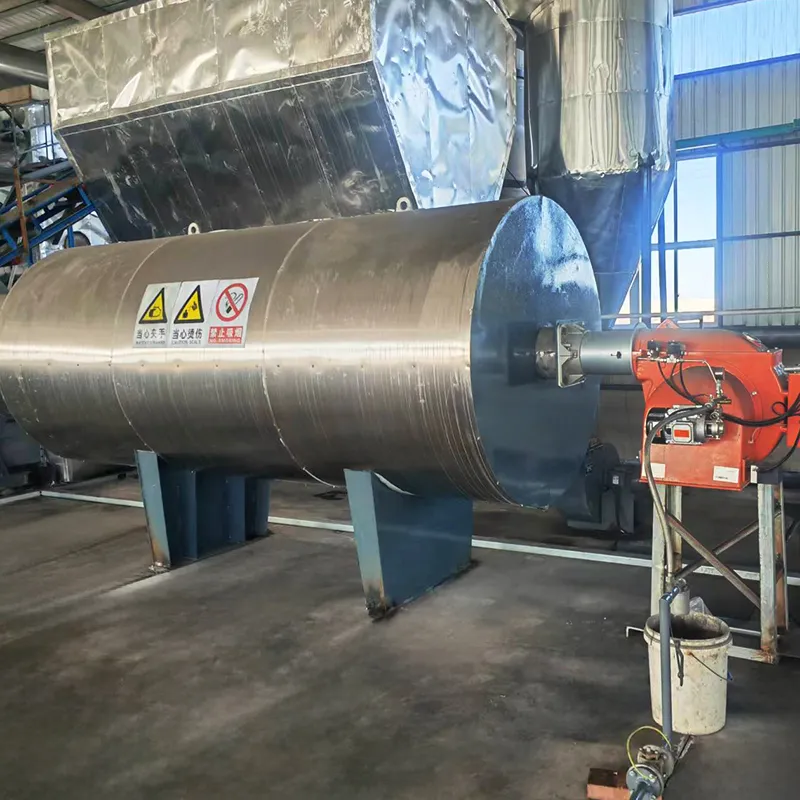
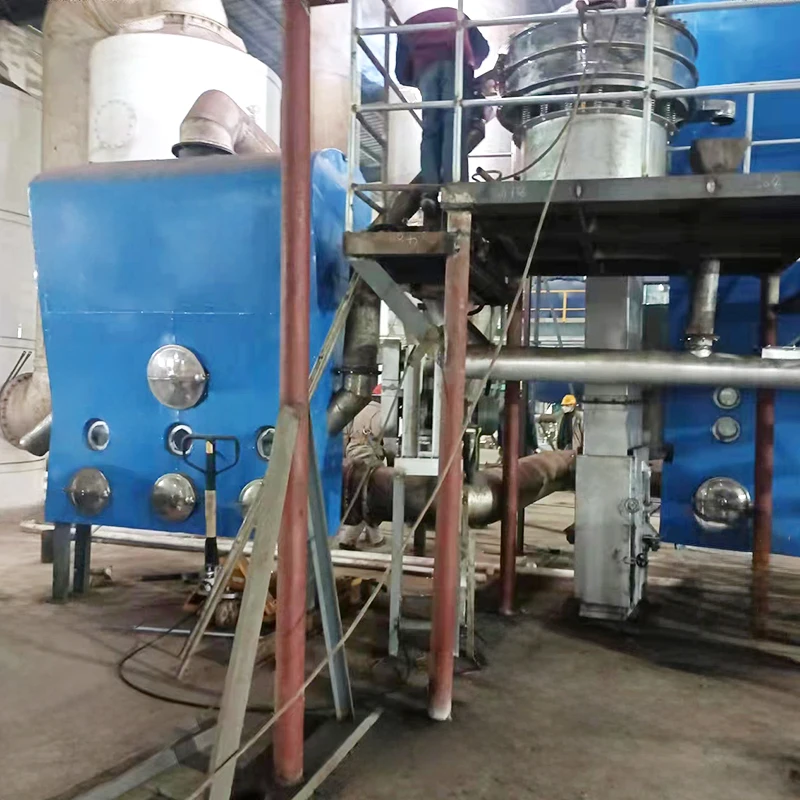
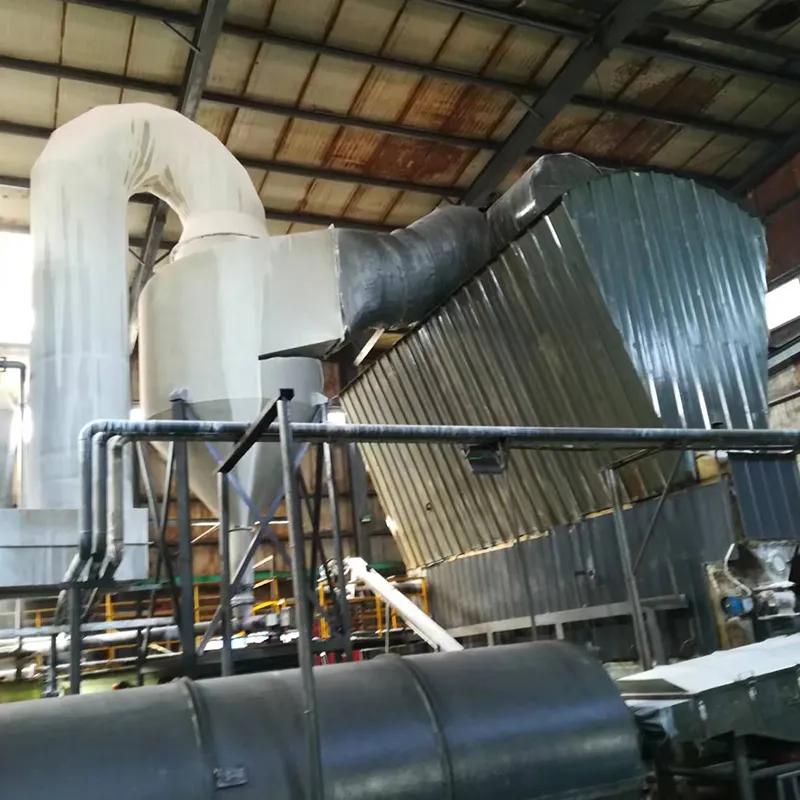
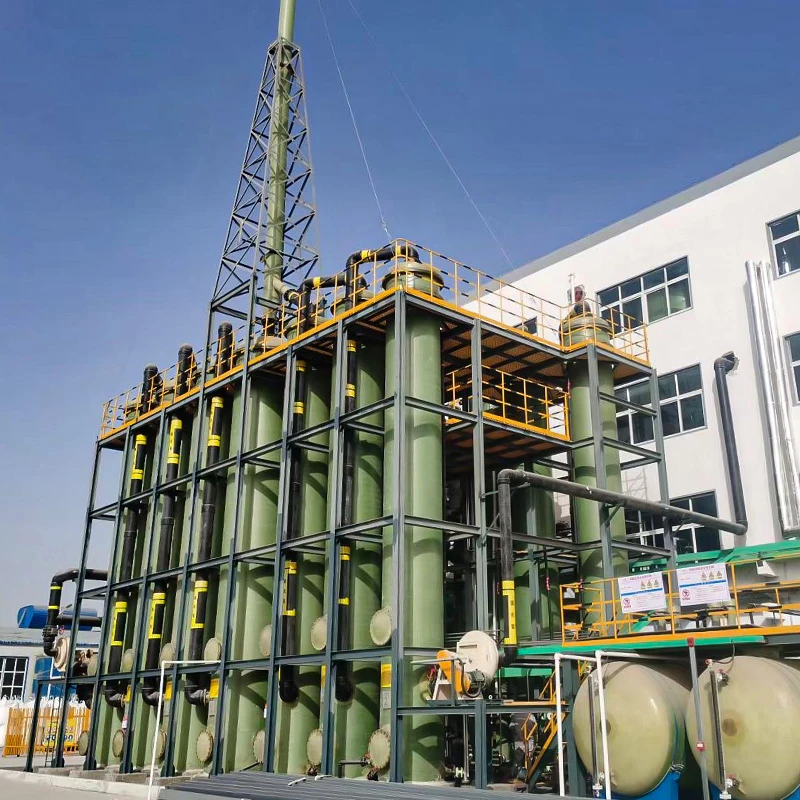
I’ve walked more than a few brine halls and acid bays, and, to be honest, the plants that run smoothly tend to be the ones that sweat the boring details: heat balance, corrosion allowances, and off‑gas scrubbing. This line from Hebei (No. Room 211,706 Xinghua North Street, Jizhou District, Hengshui City) leans on Mannheim-inspired thermal design to get even heating and low energy use—an old idea, refined. Many customers say that’s what keeps OPEX predictable, especially in winter de‑icing season.
Calcium Chloride Production Line—High Purity, Low Cost?

Industry snapshot

Global demand is pushed by road de‑icing, dust control, oilfield brines, and—surprisingly—food & beverage (cheese-making, brewing). Trends? Higher purity specs (≥94% pellets), lower chloride emissions, modular capacity (≈10–60 ktpa), and smarter utilities integration with heat recovery.
Calcium Chloride Production Line—High Purity, Low Cost?

Process flow at a glance

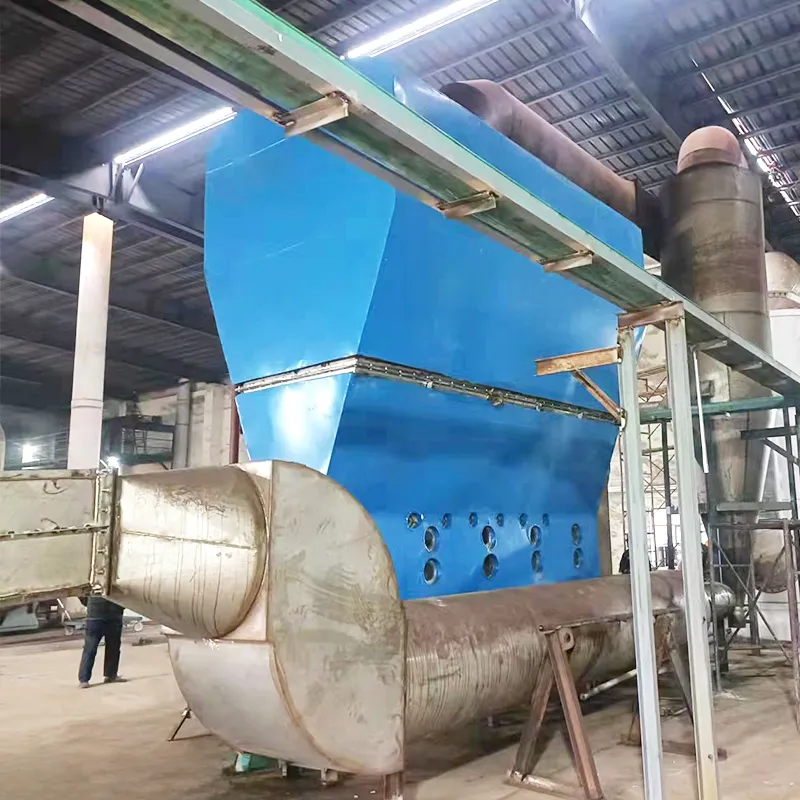
Feedstocks: technical HCl (31–33%), limestone (CaCO3) or hydrated lime (Ca(OH)2); demin water; antiscalant. Method is straightforward but unforgiving:

  • Neutralization reactor: 2HCl + CaCO3 → CaCl2 + CO2 + H2O. Jacketed reactor with pH and temperature interlocks.
  • Solid–liquid separation: desanding and polishing filters to protect evaporators.
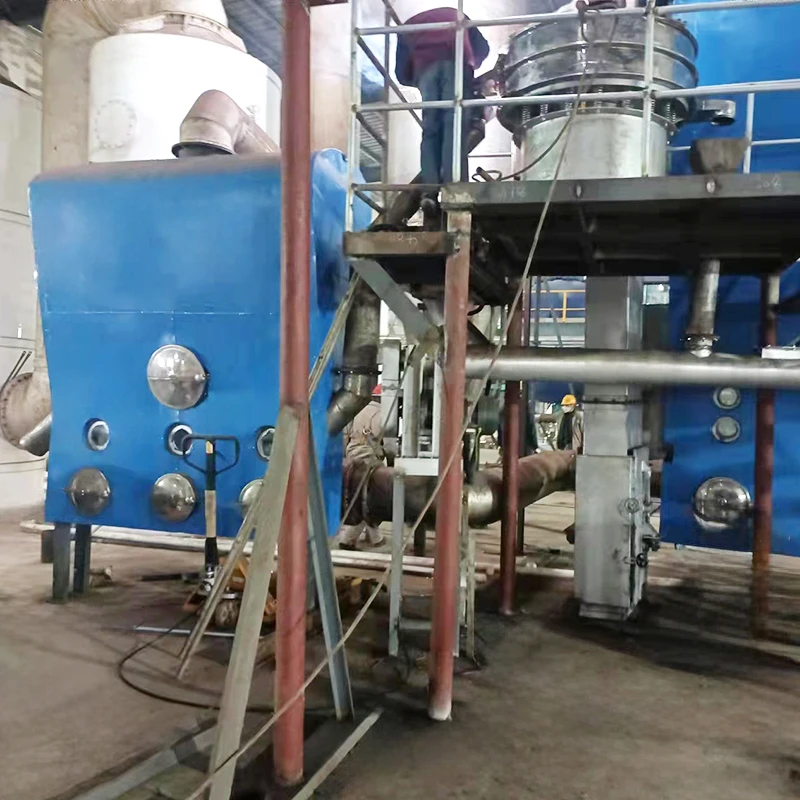
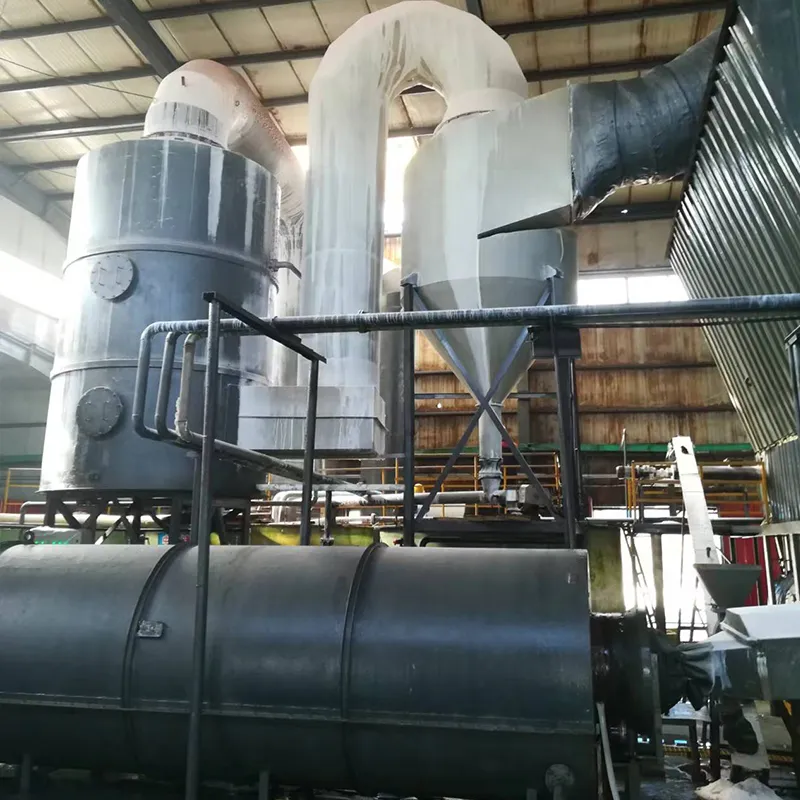
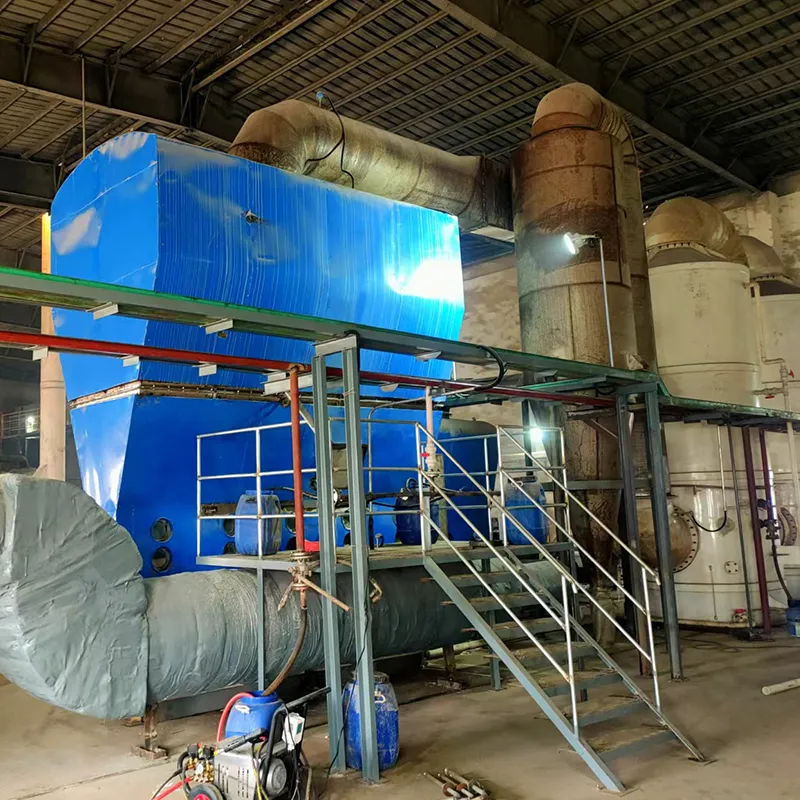
  • Triple‑effect evaporation: concentrate to 74–77% CaCl2; integrated condensate recovery.
  • Crystallization/conditioning: control hydration state (dihydrate vs. anhydrous path).
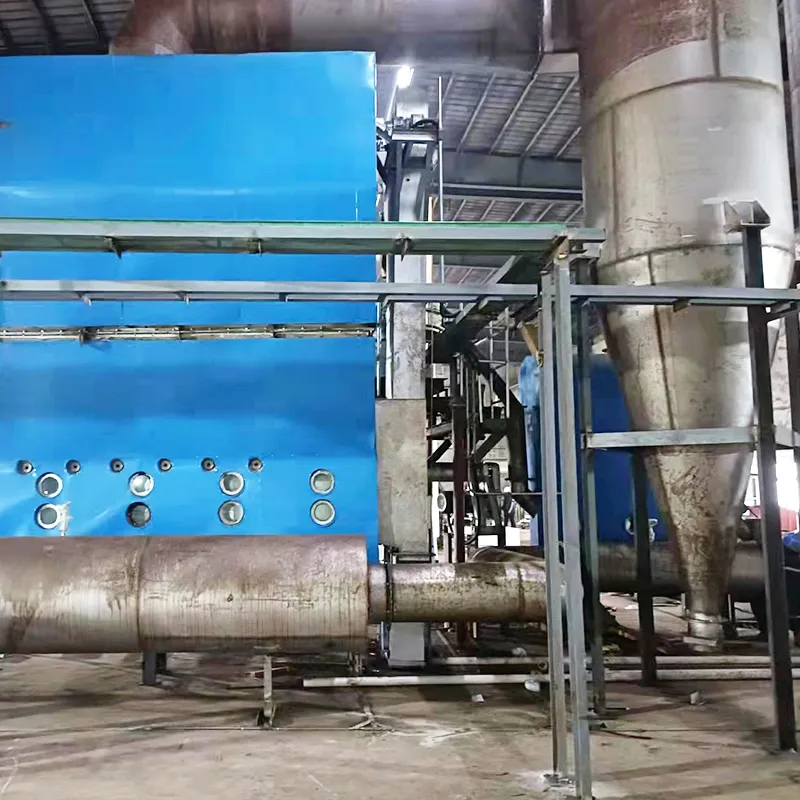
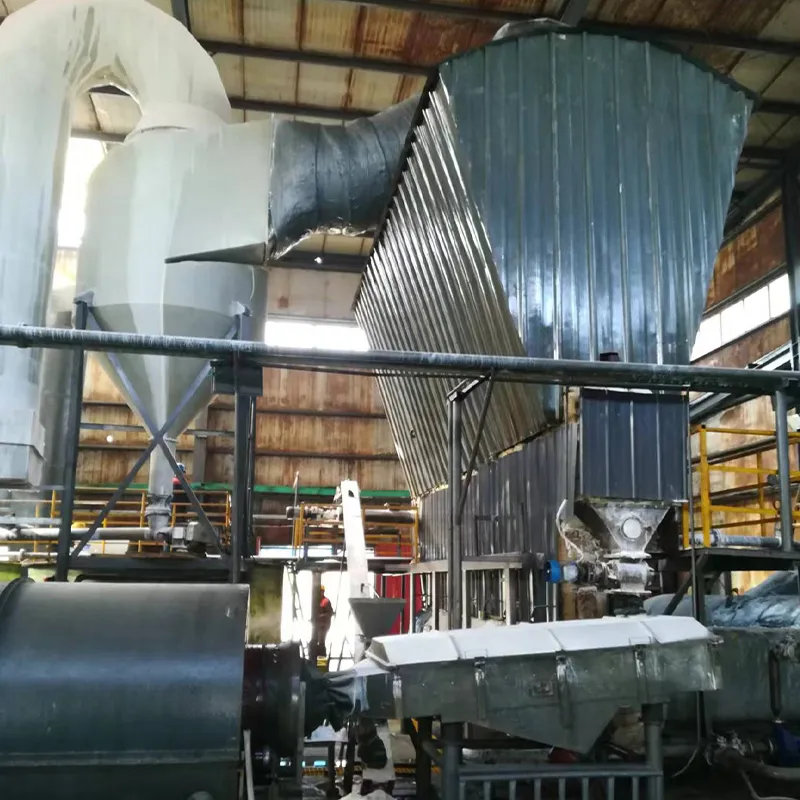
  • Drying/flaking or prilling: Mannheim‑style thermal uniformity helps avoid caking.
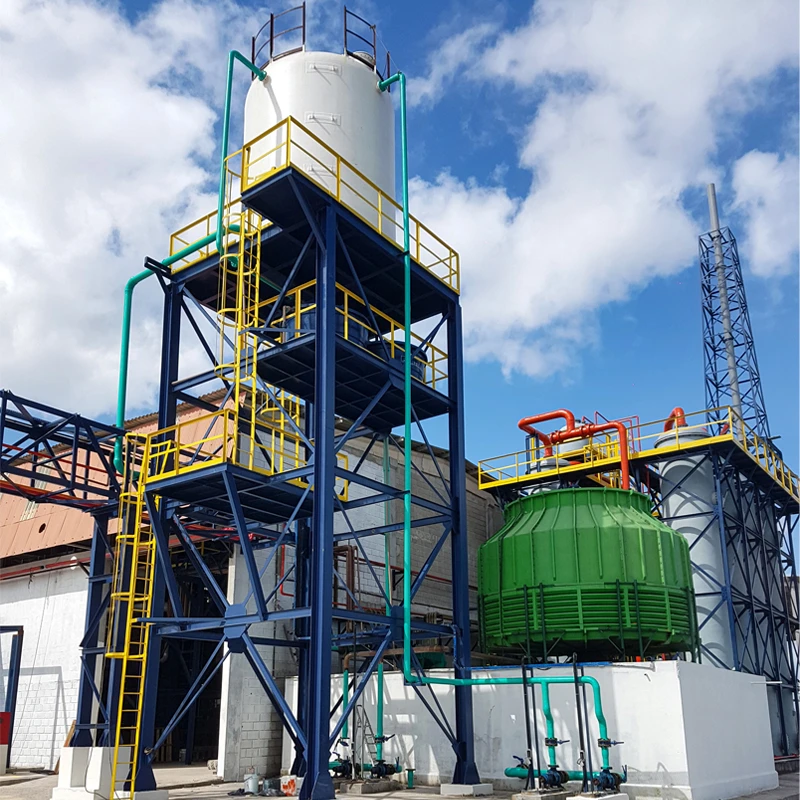
  • Scrubbing: HCl and mist to
  • Packaging & QC: big‑bag or bulk, on‑line density and moisture checks.
Calcium Chloride Production Line—High Purity, Low Cost?

Why this calcium chloride production line is interesting

  • Even heating, complete reaction, lower steam per tonne thanks to heat integration.
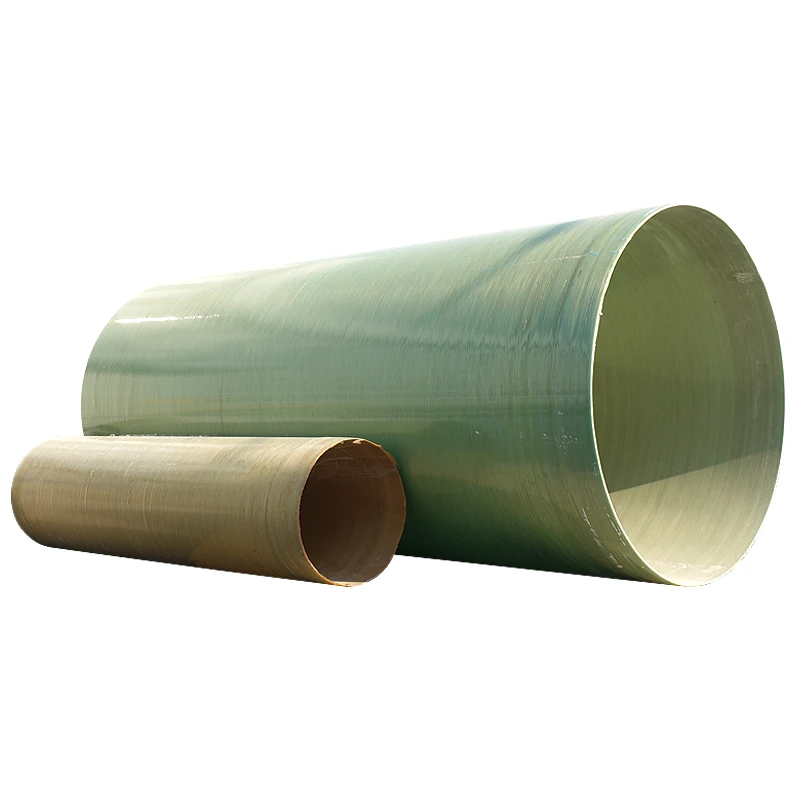
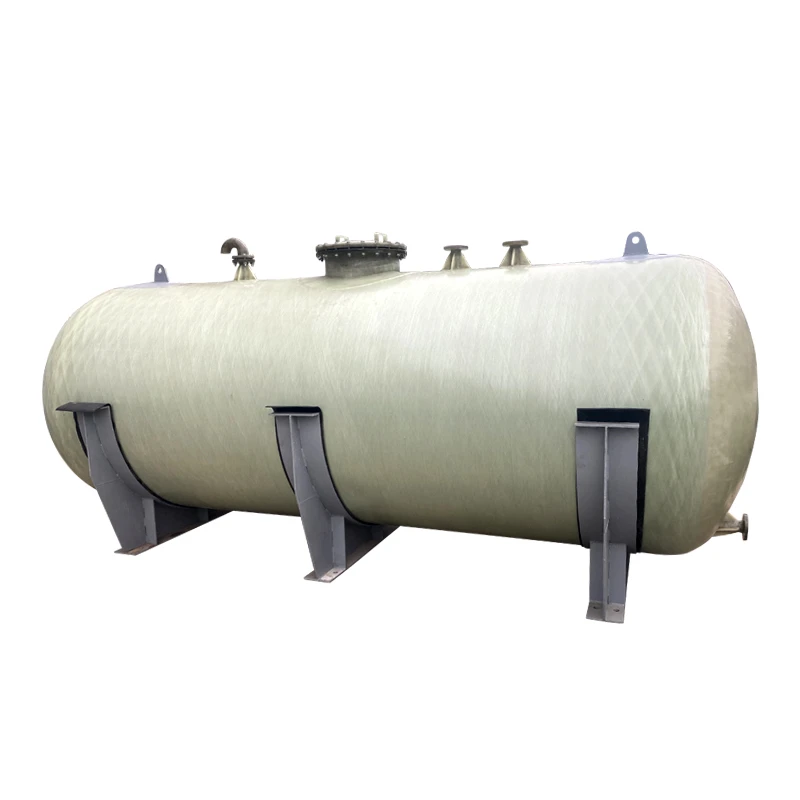
  • Corrosion‑aware materials: 316L/duplex in hot brine sections; FRP scrubbers.
  • Automation: recipe control for pellet vs. flake grades; historian for traceability.
Calcium Chloride Production Line—High Purity, Low Cost?

Typical specs (indicative)

ParameterValue (≈)
Capacity10–60 ktpa (modular 5 ktpa blocks)
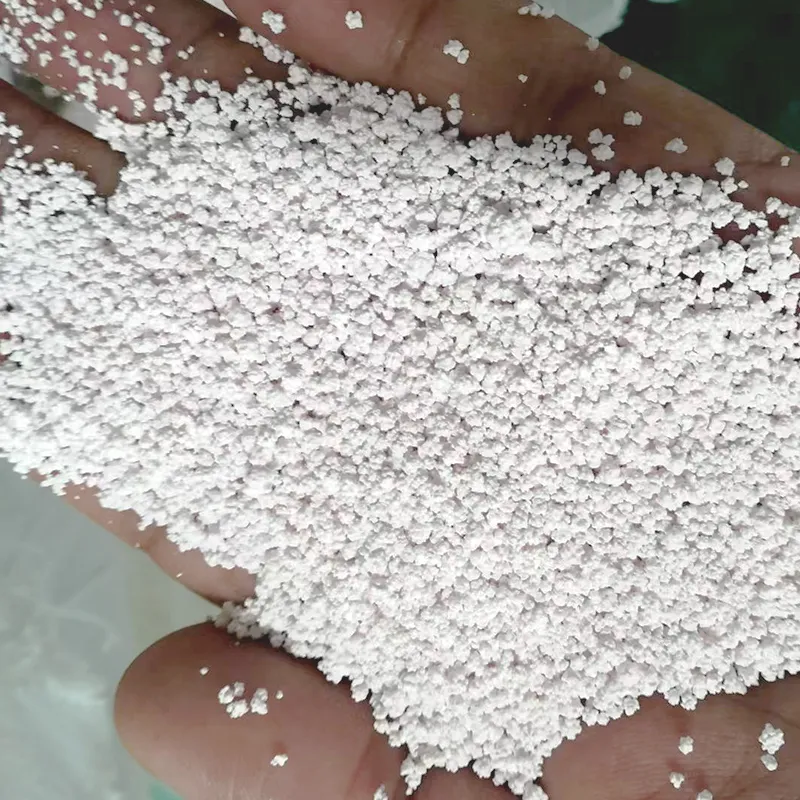
Product gradesFlake 77–94%; Pellet 94–97%; Brine 32–35%
Steam use0.6–0.9 t/t product (at 6–8 bar)
Power120–220 kWh/t (layout dependent)
EmissionsHCl
Service lifeKey vessels 10–15 yrs; exchangers 8–12 yrs
Calcium Chloride Production Line—High Purity, Low Cost?

Quality & testing

Typical lab data: purity 95.5% (pellet), alkalinity as Ca(OH)2 ≤0.2%, water insolubles ≤0.03%, Fe ≤20 ppm, moisture (flake) 4–6%. Tested against ASTM D98 and—where applicable—EN 16811‑2 for de‑icing composition. Equipment pressure parts are designed to ASME Section VIII; QA system can align to ISO 9001.
Calcium Chloride Production Line—High Purity, Low Cost?

Where it’s used

  • Highways de‑icing and anti‑icing brines.
  • Oil & gas workover/completion fluids (density control).
  • Dust suppression on haul roads and mines.
  • Concrete accelerator, refrigeration brines, and food/beverage (with higher QC).
Calcium Chloride Production Line—High Purity, Low Cost?

Vendor landscape (quick take)

Vendor CapEx (≈) Lead time Energy Support
FRP/GRP Machine (Hebei) $–$$ 4–7 months Low (heat recovery) On‑site + remote, spare kits
Local fabricator $ 3–6 months Medium Variable
European OEM $$$ 8–12 months Low Global lifecycle
Calcium Chloride Production Line—High Purity, Low Cost?

Customization options

Choose pelletizer vs. flaker, stainless grade upgrades, zero‑liquid‑discharge mode, ATEX zoning, and PLC brand. Skid modules fit tight brownfield sites. It seems that most plants now pick duplex metallurgy just to sleep better at night.
Calcium Chloride Production Line—High Purity, Low Cost?

Mini case study

A 20 ktpa highway‑grade calcium chloride production line in Central Asia switched from single‑effect to triple‑effect evaporation and added a second‑stage HCl scrubber. Result after 6 months: steam cut ≈28%, product purity up to 95.2% pellets, odor complaints near zero. Operator feedback: “startup was calmer than expected; filters saved our evaporators.”

Standards and references

  1. ASTM D98 – Standard Specification for Calcium Chloride.
  2. EN 16811‑2 – Winter service equipment and products for de‑icing agents.
  3. GB/T 26520 – Industrial calcium chloride (China).
  4. ASME Boiler & Pressure Vessel Code, Section VIII (for pressure parts).
  5. ISO 9001:2015 – Quality management systems.
Upsell Products
Upsell News
Durable FRP Vessel for Water Treatment and Industrial Filtration
Apr 16,2026
Durable FRP Vessel for Water Treatment and Industrial Filtration
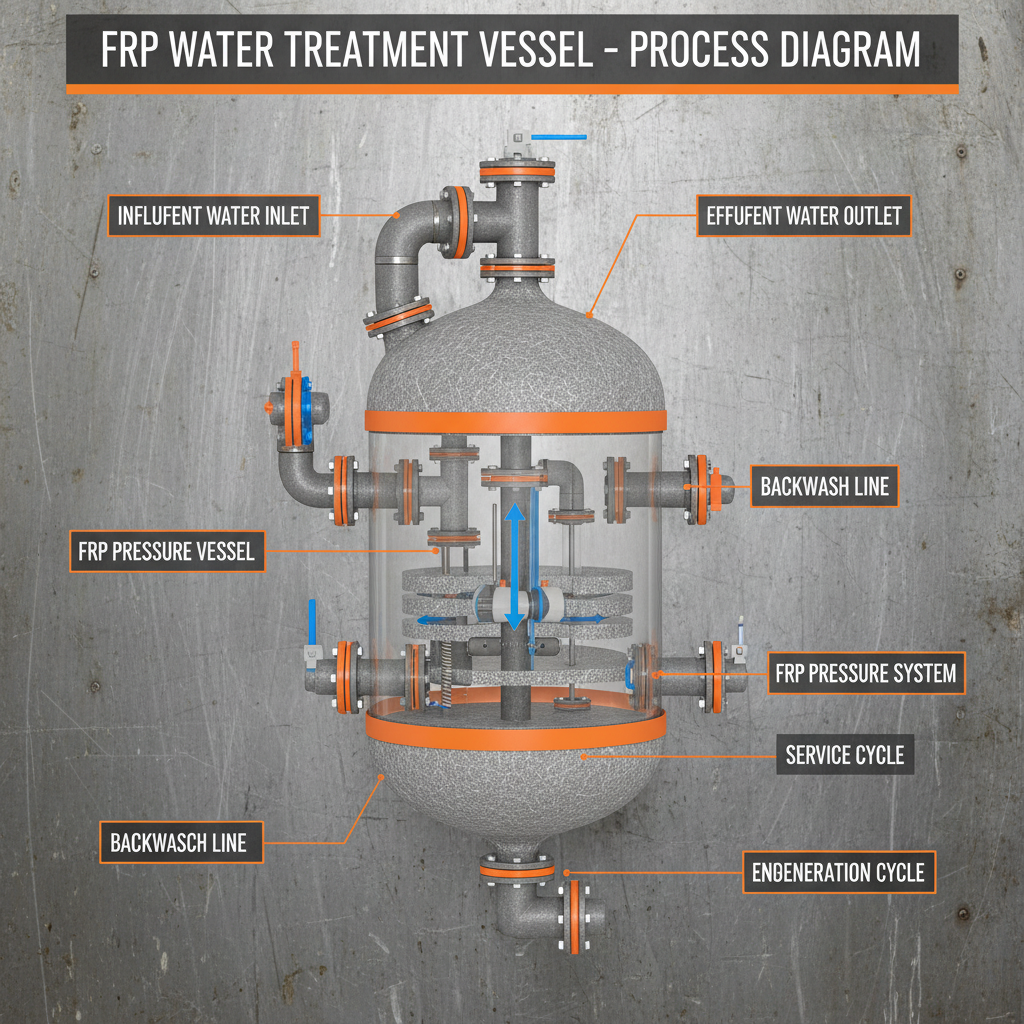
In the modern era of industrial and residential water purification, the choice of containment materials is critical for efficiency and longevity. An frp vessel for water treatment has emerged as the gold standard, replacing traditional steel tanks due to its superior corrosion resistance and lightweight properties. Whether you are dealing with desalination, softening, or filtration, using Fiber Reinforced Plastic (FRP) ensures that your system remains leak-proof and durable against aggressive chemicals. In this comprehensive guide, we will explore why FRP is the preferred choice for water treatment professionals worldwide and how to select the right vessel for your specific application.
Industrial Guide for Choosing the Right FRP Vertical Tank
Apr 09,2026
Industrial Guide for Choosing the Right FRP Vertical Tank
In today's industrial landscape, the storage of corrosive chemicals and aggressive liquids requires materials that can withstand extreme conditions without degrading. The frp vertical tank has emerged as a premier solution, offering an exceptional balance of strength, lightweight properties, and unmatched chemical resistance. Whether you are managing a water treatment plant or a chemical processing facility, understanding the nuances of Fiber Reinforced Plastic (FRP) is essential for ensuring operational safety and longevity. In this comprehensive guide, we will explore why vertical configurations are preferred and how these tanks outperform traditional metal alternatives.
Comprehensive Guide to FRP Underground Water Tank Solutions and Applications
Apr 07,2026
Comprehensive Guide to FRP Underground Water Tank Solutions and Applications
Fiberglass Reinforced Polymer (FRP) underground water tanks are becoming increasingly popular for a wide range of applications, from potable water storage to industrial wastewater containment. Their superior corrosion resistance, lightweight nature, and design flexibility make them an excellent alternative to traditional materials like concrete or steel. This article will delve into the benefits, applications, construction, and considerations for implementing FRP underground water tanks, providing a comprehensive overview for engineers, contractors, and project managers.
Comprehensive Guide to Frp Underground Water Storage Tanks and Their Applications
Apr 04,2026
Comprehensive Guide to Frp Underground Water Storage Tanks and Their Applications
When considering water storage solutions, particularly for industrial, agricultural, or municipal applications, frp underground water storage tanks stand out as a durable, cost-effective, and environmentally friendly option. These tanks are increasingly favored over traditional materials like concrete or steel due to their superior corrosion resistance, lighter weight, and ease of installation. This article delves into the benefits, applications, construction, and considerations when choosing an FRP tank, providing a detailed overview for potential buyers and project planners.
Sulfuric Acid Production Line - Hebei Aoliande|Efficient H2SO4 Plant Technology
Apr 01,2026
Sulfuric Acid Production Line - Hebei Aoliande|Efficient H2SO4 Plant Technology
Discover efficient H2SO4 plant technology and advanced sulfuric acid production solutions. Hebei Aoliande combines energy-saving furnace design and eco-friendly HCl recovery systems for sustainable industrial applications. Explore now: https://www.frpgrpmachine.com/sulfuric-acid-production-line-for-h2so4-plant.html
Sulfuric Acid Production Line - Hebei Aoliande|Efficient H2SO4 Plant Technology
Apr 01,2026
Sulfuric Acid Production Line - Hebei Aoliande|Efficient H2SO4 Plant Technology
Discover efficient H2SO4 plant technology and advanced sulfuric acid production solutions. Hebei Aoliande combines energy-saving furnace design and eco-friendly HCl recovery systems for sustainable industrial applications. Explore now: https://www.frpgrpmachine.com/sulfuric-acid-production-line-for-h2so4-plant.html
Sulfuric Acid Production Line - Hebei Aoliande|Efficient H2SO4 Plant Technology
Apr 01,2026
Sulfuric Acid Production Line - Hebei Aoliande|Efficient H2SO4 Plant Technology
Discover efficient H2SO4 plant technology and advanced sulfuric acid production solutions. Hebei Aoliande combines energy-saving furnace design and eco-friendly HCl recovery systems for sustainable industrial applications. Explore now: https://www.frpgrpmachine.com/sulfuric-acid-production-line-for-h2so4-plant.html
Sulfuric Acid Production Line - Hebei Aoliande|Efficient H2SO4 Plant Technology
Apr 01,2026
Sulfuric Acid Production Line - Hebei Aoliande|Efficient H2SO4 Plant Technology
Discover efficient H2SO4 plant technology and advanced sulfuric acid production solutions. Hebei Aoliande combines energy-saving furnace design and eco-friendly HCl recovery systems for sustainable industrial applications. Explore now: https://www.frpgrpmachine.com/sulfuric-acid-production-line-for-h2so4-plant.html
Sulfuric Acid Production Line - Hebei Aoliande|Efficient H2SO4 Plant Technology
Apr 01,2026
Sulfuric Acid Production Line - Hebei Aoliande|Efficient H2SO4 Plant Technology
Discover efficient H2SO4 plant technology and advanced sulfuric acid production solutions. Hebei Aoliande combines energy-saving furnace design and eco-friendly HCl recovery systems for sustainable industrial applications. Explore now: https://www.frpgrpmachine.com/sulfuric-acid-production-line-for-h2so4-plant.html
Sulfuric Acid Production Line - Hebei Aoliande|Efficient H2SO4 Plant Technology
Apr 01,2026
Sulfuric Acid Production Line - Hebei Aoliande|Efficient H2SO4 Plant Technology
Discover efficient H2SO4 plant technology and advanced sulfuric acid production solutions. Hebei Aoliande combines energy-saving furnace design and eco-friendly HCl recovery systems for sustainable industrial applications. Explore now: https://www.frpgrpmachine.com/sulfuric-acid-production-line-for-h2so4-plant.html
Comprehensive Guide to Frp Underground Storage Tanks for Reliable Storage Solutions
Mar 31,2026
Comprehensive Guide to Frp Underground Storage Tanks for Reliable Storage Solutions
Fiberglass Reinforced Polymer (FRP) underground storage tanks are becoming increasingly popular for a wide range of applications, from fuel storage to wastewater management. Their corrosion resistance, lightweight nature, and durability offer significant advantages over traditional materials like steel. This article will provide an in-depth look at FRP underground storage tanks, covering their benefits, applications, installation, and maintenance. Understanding these aspects is crucial for making informed decisions about long-term storage solutions.
Comprehensive Guide to Selecting the Ideal FRP Tank for Water Storage Solutions
Mar 28,2026
Comprehensive Guide to Selecting the Ideal FRP Tank for Water Storage Solutions
When it comes to reliable and durable water storage, FRP tanks for water are increasingly becoming the preferred solution for a wide range of applications. These tanks, constructed from Fiber Reinforced Polymer (FRP) materials, offer significant advantages over traditional storage options like steel or concrete. This article delves into the benefits, applications, and considerations when selecting an FRP tank for your water storage needs, providing a detailed overview for businesses and individuals alike.
Comprehensive Guide to Frp Tank and Vessel Applications and Manufacturing
Mar 26,2026
Comprehensive Guide to Frp Tank and Vessel Applications and Manufacturing
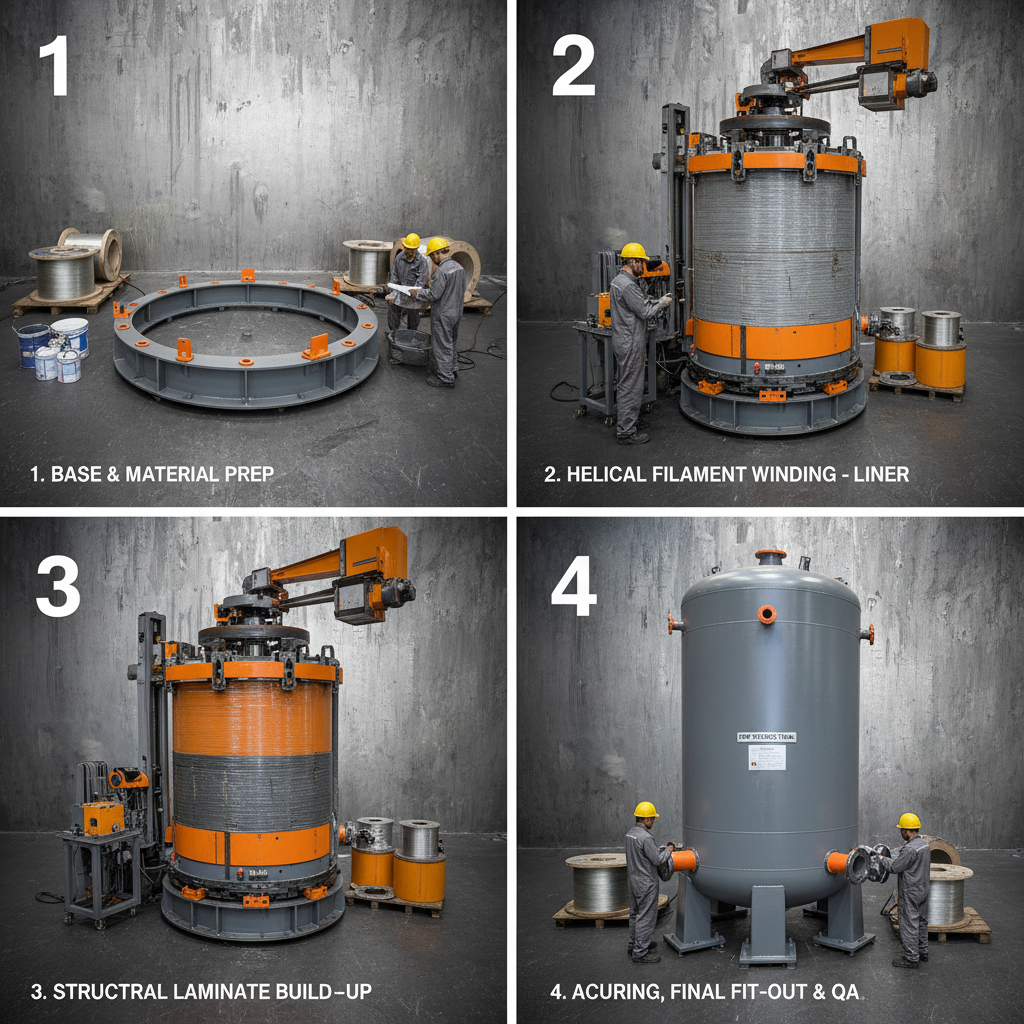
Fiber Reinforced Polymer (FRP) tanks and vessels are increasingly becoming the preferred choice for storage and processing across a multitude of industries. Their lightweight nature, corrosion resistance, and design flexibility offer significant advantages over traditional materials like steel. This article will delve into the intricacies of FRP tanks and vessels, exploring their applications, manufacturing processes, benefits, and considerations for selecting the right solution for your specific needs. We’ll also highlight why FRP tanks are a cost-effective and reliable long-term investment. FRP tanks and vessels are constructed from a combination of reinforcing fibers (such as fiberglass, carbon fiber, or aramid fiber) embedded in a polymer matrix (typically polyester, vinyl ester, or epoxy resin). This combination creates a composite material that boasts high strength-to-weight ratio, exceptional corrosion resistance, and the ability to be molded into complex shapes. They’re designed to safely contain a wide variety of liquids and gases, ranging from corrosive chemicals and water to food products and pharmaceuticals.
Optimizing Water Filtration with Durable FRP Sand Filter Vessels
Mar 24,2026
Optimizing Water Filtration with Durable FRP Sand Filter Vessels
In water treatment and filtration systems, the choice of filter vessel material is paramount. Fiber Reinforced Plastic (FRP), also known as Glass Reinforced Polymer (GRP), sand filter vessels are increasingly popular due to their superior corrosion resistance, lightweight nature, and cost-effectiveness. This article delves into the benefits, applications, design considerations, and factors to consider when selecting an FRP sand filter vessel. Whether you are involved in municipal water treatment, industrial wastewater management, or recreational water filtration, understanding FRP technology is essential for optimizing your filtration process. An FRP sand filter vessel is a containment unit designed to house filtration media, typically sand, gravel, and anthracite. These vessels are integral components in sand filtration systems used for removing suspended solids, turbidity, and other particulate matter from water. FRP construction involves layering glass fibers within a resin matrix (typically polyester or vinyl ester) to create a strong, durable, and chemically resistant shell. The strength and rigidity of the vessel are crucial for withstanding the pressure from the filtration media and the water flow.
Comprehensive Guide to FRP Round Tanks Applications and Benefits
Mar 21,2026
Comprehensive Guide to FRP Round Tanks Applications and Benefits
Fiber Reinforced Polymer (FRP) round tanks are increasingly becoming the preferred choice for storage solutions across a variety of industries. Their lightweight nature, corrosion resistance, and design flexibility offer significant advantages over traditional materials like steel. This article provides an in-depth look at FRP round tanks, exploring their applications, benefits, manufacturing processes, and key considerations when choosing the right tank for your needs. Whether you're in chemical processing, water treatment, or agriculture, understanding FRP round tanks is crucial for optimizing your storage infrastructure. FRP round tanks are constructed from a combination of reinforcing fibers (typically fiberglass, carbon fiber, or a blend) embedded in a polymer matrix (often polyester, vinyl ester, or epoxy resin). The round shape inherently provides excellent structural strength, distributing pressure evenly across the tank’s surface.
Comprehensive Guide to FRP Pressure Tanks Benefits and Applications
Mar 19,2026
Comprehensive Guide to FRP Pressure Tanks Benefits and Applications
Fiber Reinforced Polymer (FRP) pressure tanks are becoming increasingly popular in a wide range of industrial applications, offering a compelling alternative to traditional steel tanks. Known for their lightweight nature, corrosion resistance, and high strength-to-weight ratio, FRP tanks provide efficient and durable solutions for storing liquids and gases under pressure. This article will delve into the benefits, applications, construction, and key considerations when selecting an FRP pressure tank, helping you make an informed decision for your specific needs. Understanding the advantages of FRP technology can lead to significant cost savings and improved operational efficiency. Compared to steel, FRP pressure tanks offer several key advantages. The most significant is their superior corrosion resistance. Unlike steel, which is susceptible to rust and corrosion when exposed to various chemicals, FRP materials are inherently resistant to a wide range of corrosive substances. This translates to a longer lifespan, reduced maintenance costs, and increased safety. Furthermore, FRP is significantly lighter than steel, making installation easier and reducing transportation costs.
For More Details Pls Contact Us
Thank you for your interest in our gloves! We offer high-quality, durable, and comfortable gloves with fast delivery and competitive prices. For any questions or customization, feel free to contact us. We look forward to working with you!

If you are interested in our products, you can choose to leave your information here, and we will be in touch with you shortly.