Nov 27,2025

Chemical Pot Feeder Tank: Durable, Efficient, and Tailored for Industrial Precision

Understanding the Chemical Pot Feeder Tank: Why It Matters Today

In the vast and ever-evolving world of industrial equipment, the chemical pot feeder tank quietly plays a pivotal role. You might not hear about it much outside specialized circles, but these tanks are essential in countless chemical processing, water treatment, and manufacturing operations globally. They’re the unsung heroes ensuring precise, safe, and efficient feeding of chemicals into systems where volume and accuracy matter—a detail which translates into big savings and, frankly, less hassle.

Why does this matter on a global scale? According to the International Organization for Standardization (ISO), reliable chemical dosing systems significantly reduce environmental impact by preventing overdosing and wastage. Plus, as industries push toward sustainability, smarter chemical pot feeder tanks are becoming core to greener practices worldwide.

Global Context: Meeting Industry Demands in a Changing World

The global chemical industry is expected to top $5 trillion by 2027, and within that ecosystem, equipment precision and safety standards are tighter than ever. The World Bank reports that water treatment needs alone are driving up demand for accurate chemical dosing solutions in developing and developed nations alike. Chemical pot feeder tanks answer this by offering dependable storage and controlled feed rates in complex and variable conditions.

Yet, the challenge remains: How do industries balance cost-efficiency, environmental compliance, and operational continuity? Chemical pot feeder tanks address this by simplifying chemical handling logistics, ensuring safer working environments, and reducing downtime, which are all vital for industries under constant pressure to optimize.

What Exactly Is a Chemical Pot Feeder Tank?

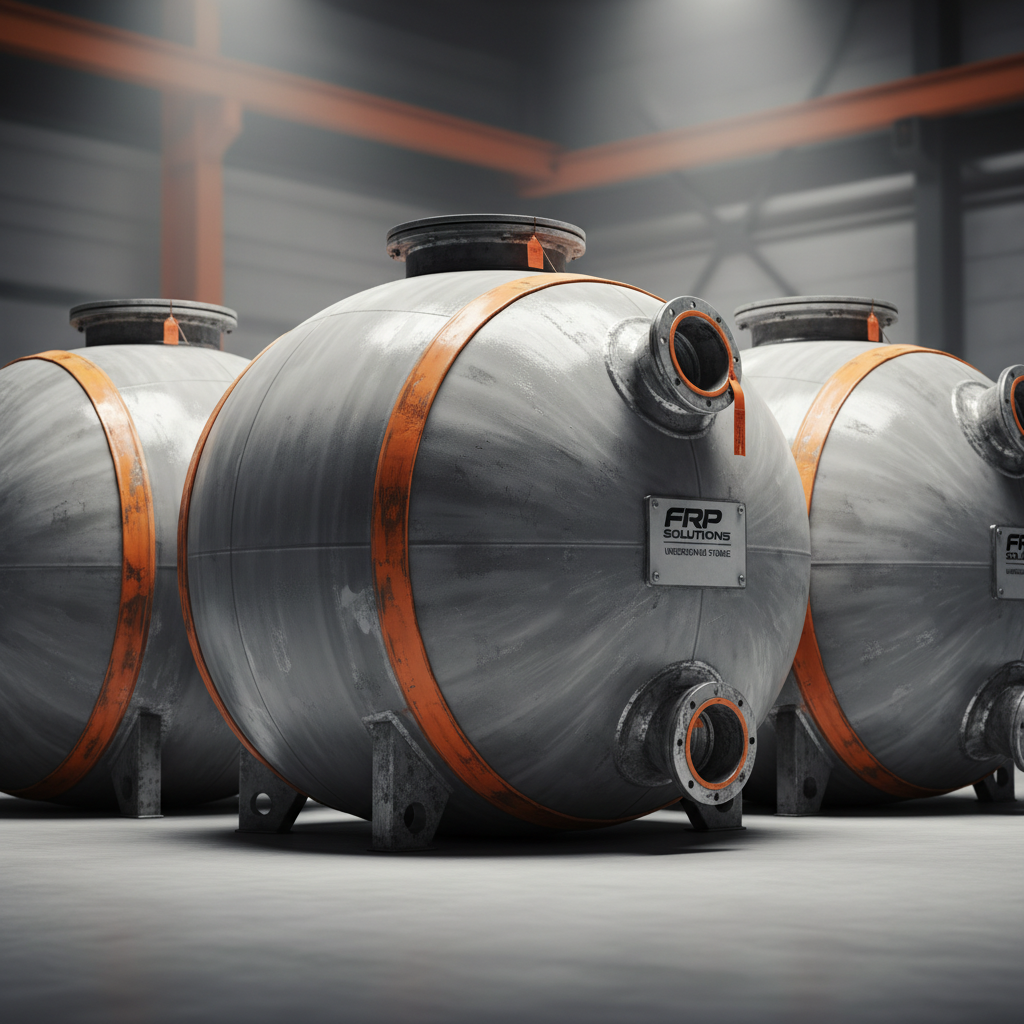
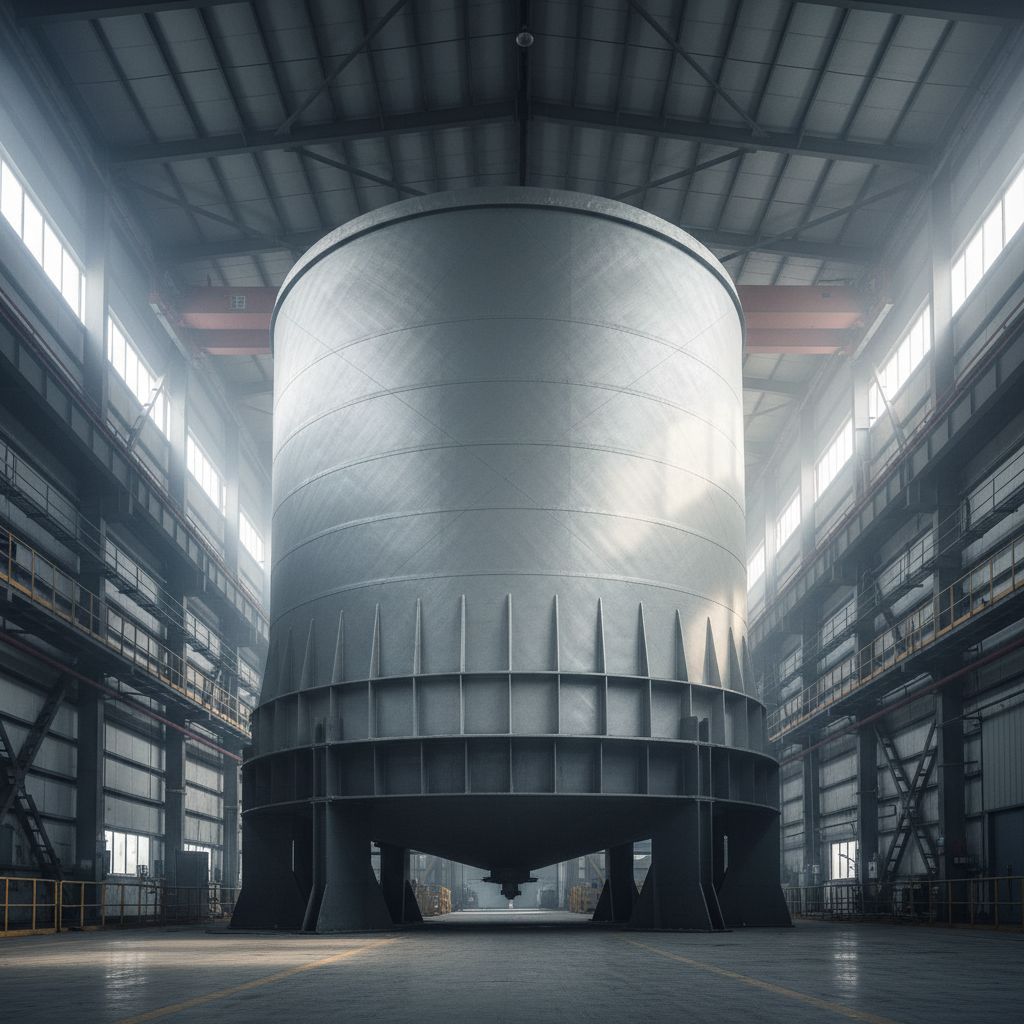
Put simply, a chemical pot feeder tank is a type of container designed for storage and controlled dispensing of chemical liquids, powders, or solids in process industries. Think of it as both a reservoir and a precision dispenser that integrates with automated feeding systems.

Its role isn’t just to hold chemicals—it helps maintain dosing accuracy in systems like water treatment plants, agriculture fertilizer systems, or manufacturing lines in pharmaceuticals and textiles. The design ensures safe containment while enabling a smooth feed into reactors, mixers, or pipelines, aligning perfectly with industrial and even humanitarian needs such as clean water supply projects.

Key Features That Make Chemical Pot Feeder Tanks Reliable

Durability and Material Construction

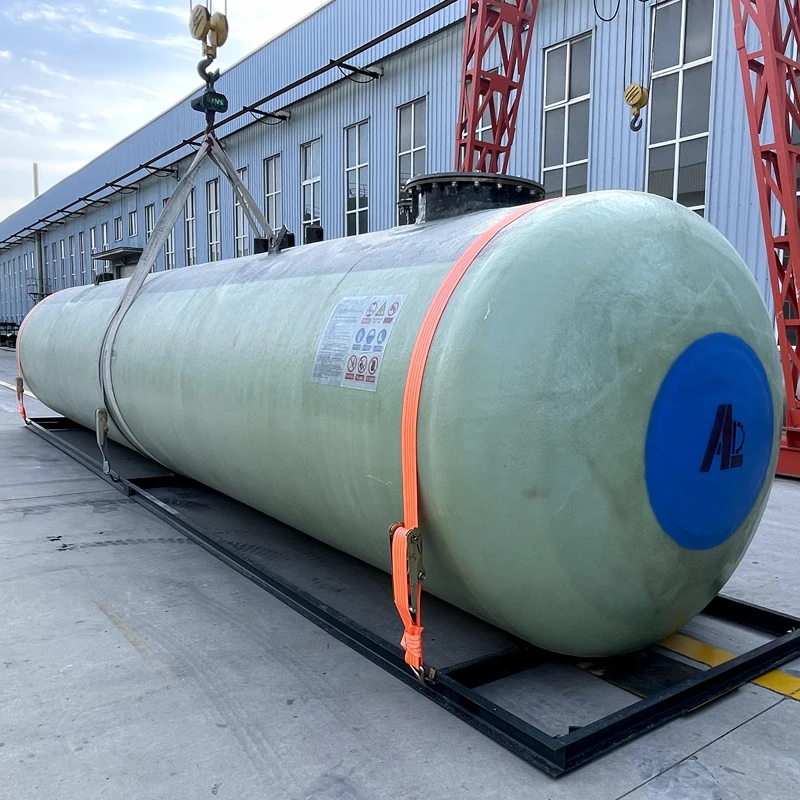
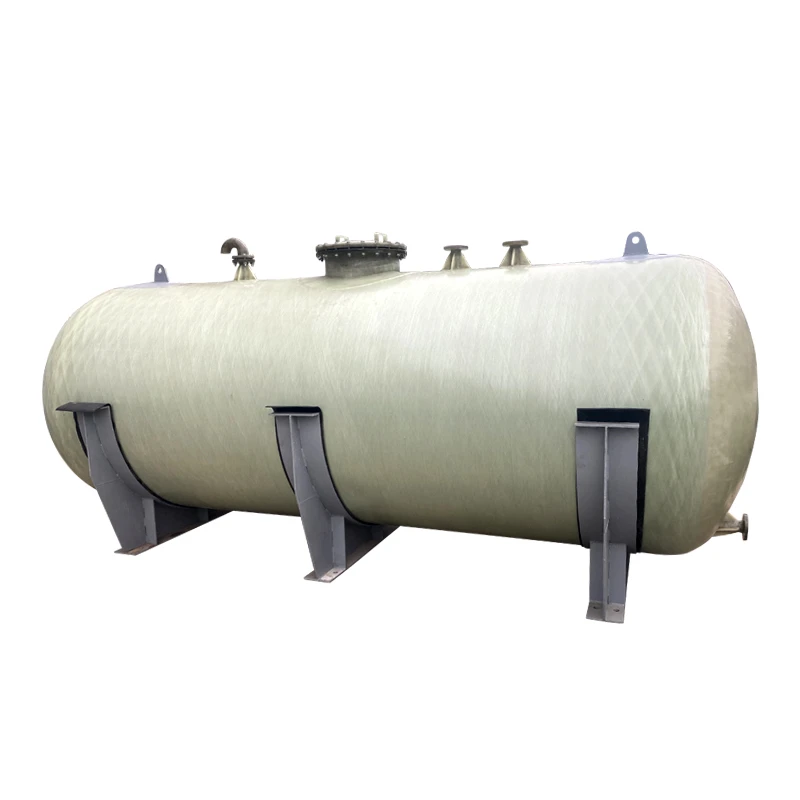
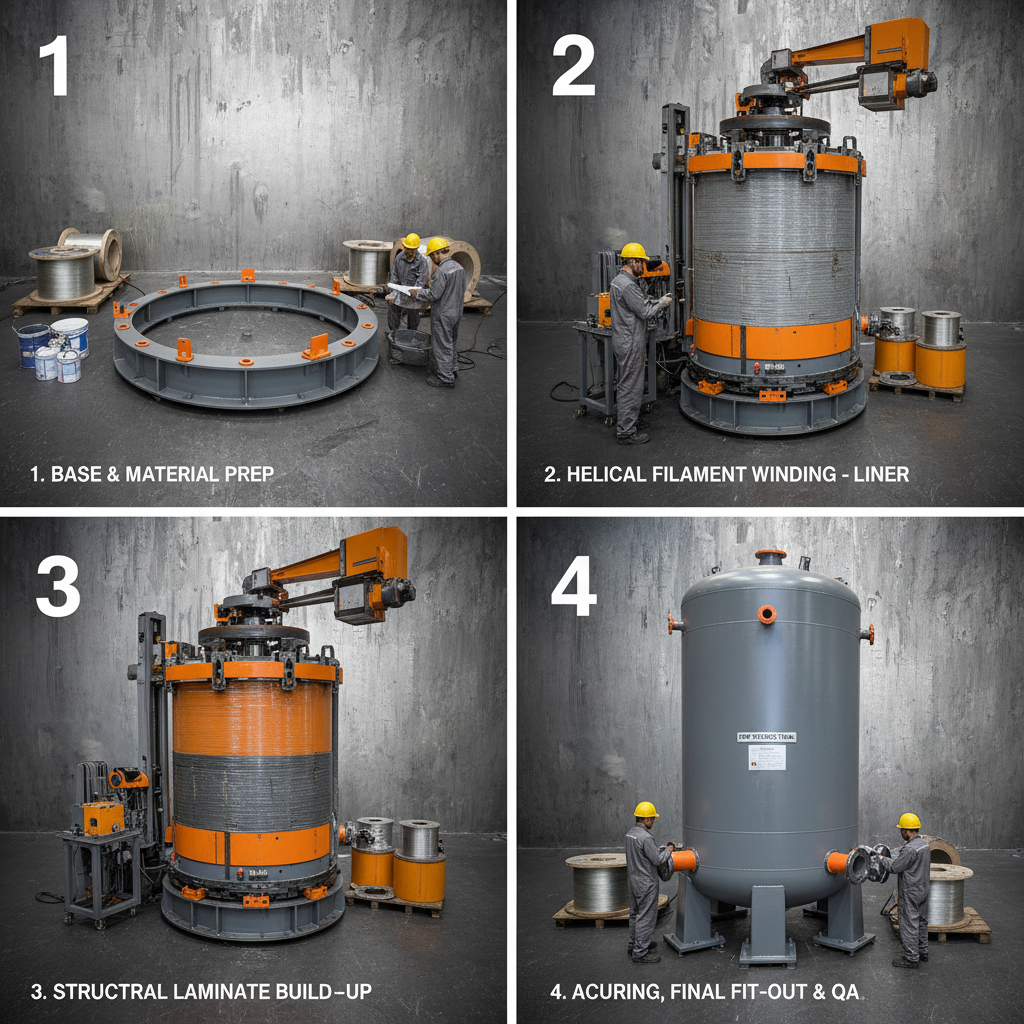
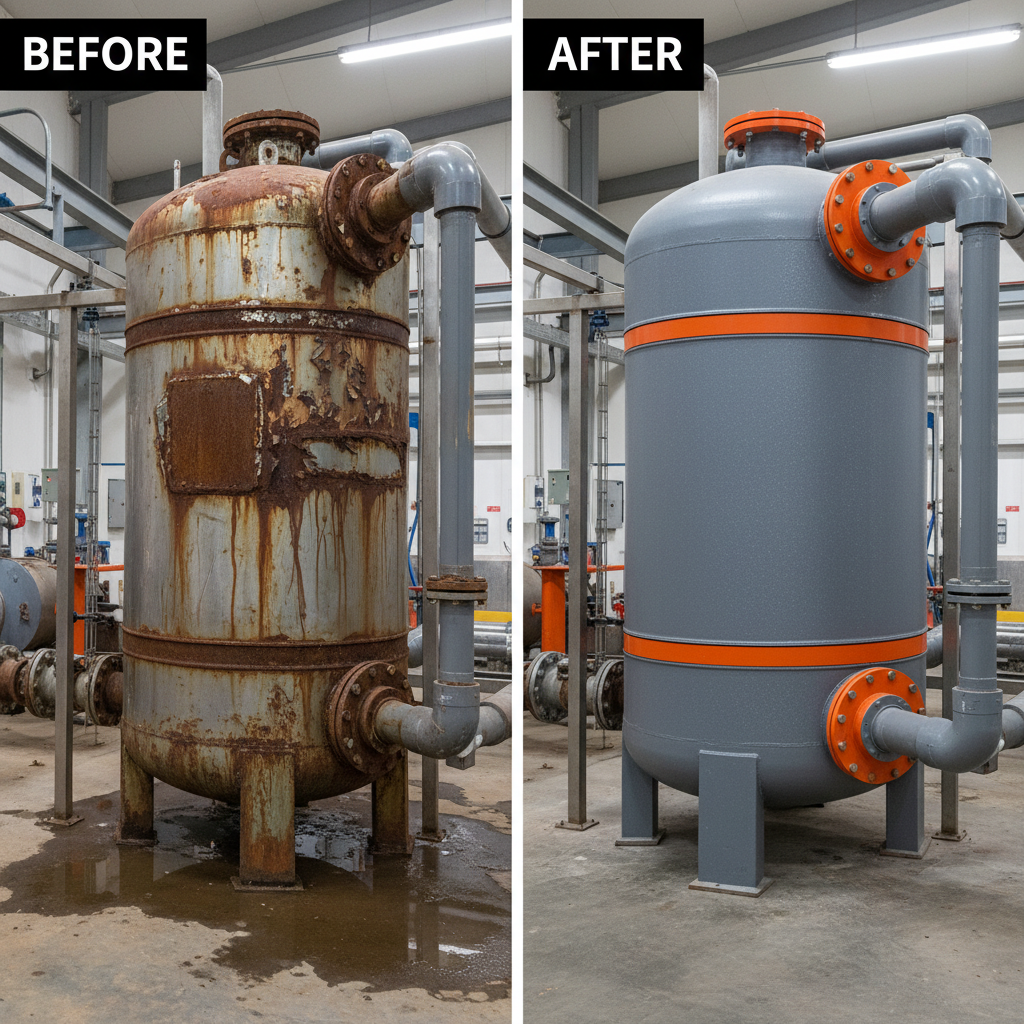
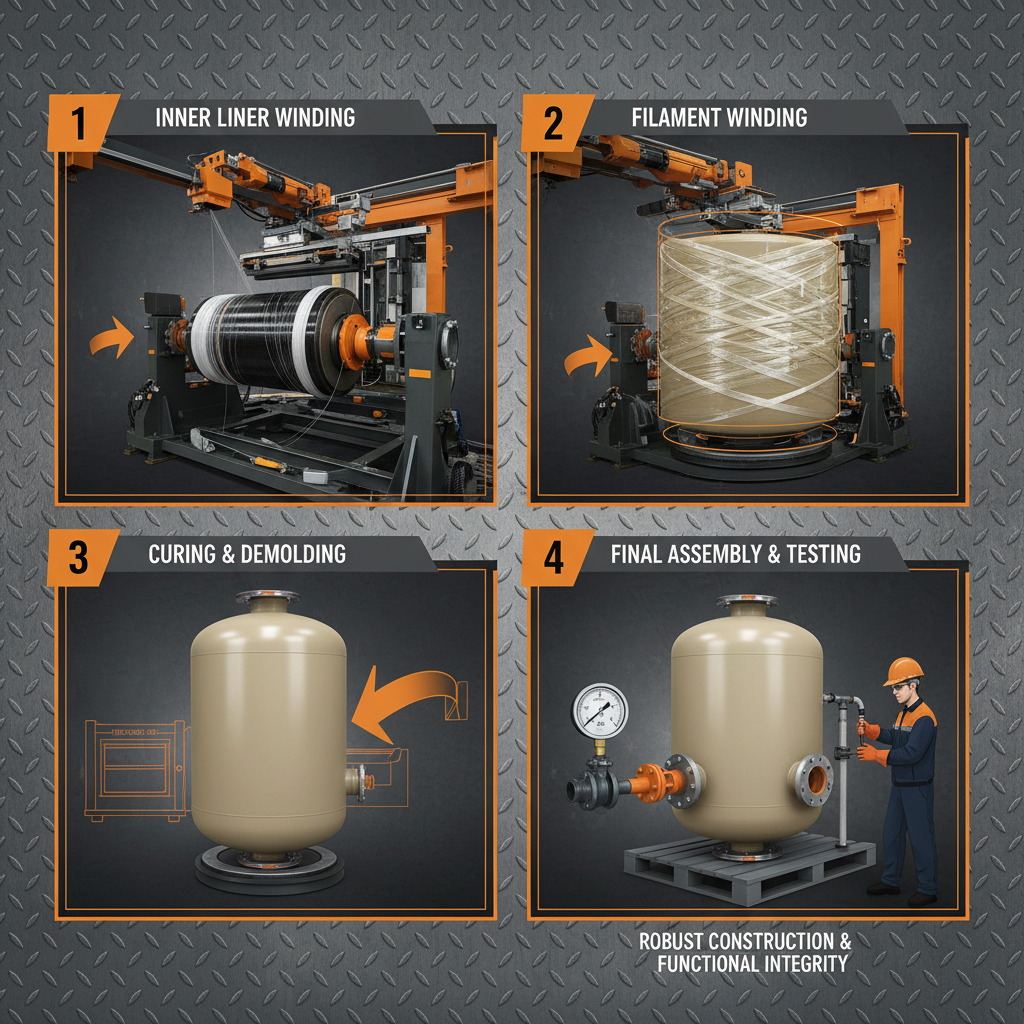
These tanks are usually made from corrosion-resistant materials such as FRP (Fiberglass Reinforced Plastic), HDPE, or stainless steel depending on chemical compatibility. Many engineers emphasize this because chemical interactions can be unforgiving—choosing the right tank material reduces maintenance and extends lifespan.

Scalability and Size Flexibility

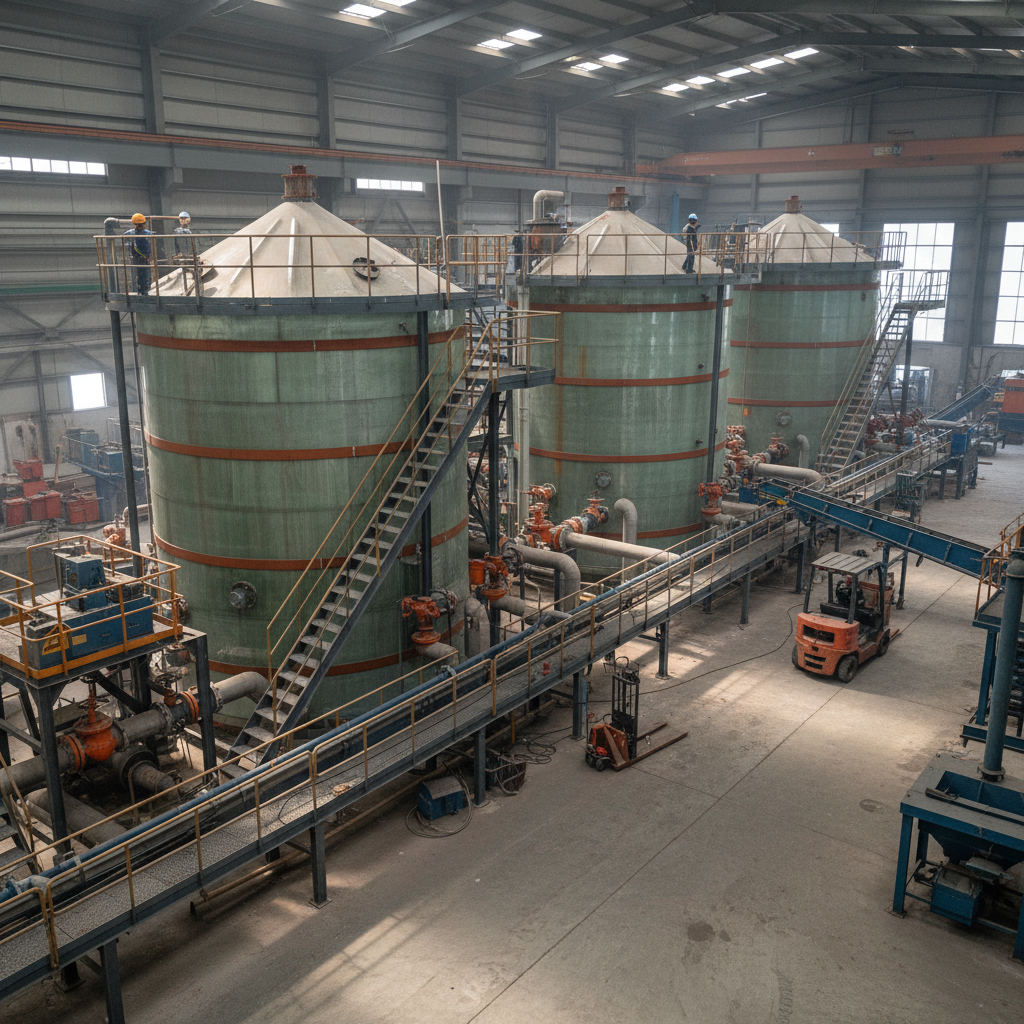
From small-scale labs to large industrial plants, pot feeder tanks come in sizes ranging from a few liters to several thousand gallons. This scalability means facilities can customize systems exactly to their production volume and chemical choices, avoiding waste and excess inventory.

Cost Efficiency Without Compromise

While initial investment varies, the long-term savings from reduced chemical wastage and maintenance often justify the expenditure. Add to that the reduced risk of spills and regulatory fines, and you have a compelling economic case.

Safety Features and Compliance

Leak-proof seals, pressure relief valves, and secondary containment options are standard. Compliance with international safety standards (like OSHA or EPA guidelines) ensures operators can use these tanks without constantly fearing hazardous incidents.

Quick Summary:

  • Tanks are built tough with chemical-resistant materials.
  • Sizes scale from lab to industry needs.
  • Designed for safe, cost-effective operation.
  • Regulatory compliance is key to use in sensitive settings.

Where Chemical Pot Feeder Tanks Show Their Worth Worldwide

Their application crosses multiple borders and industries:

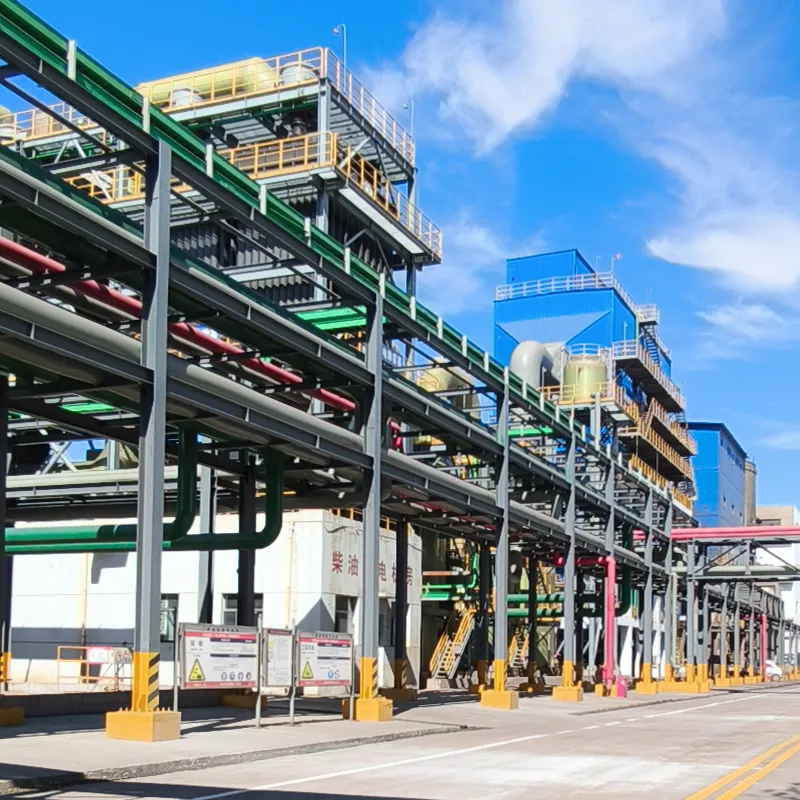
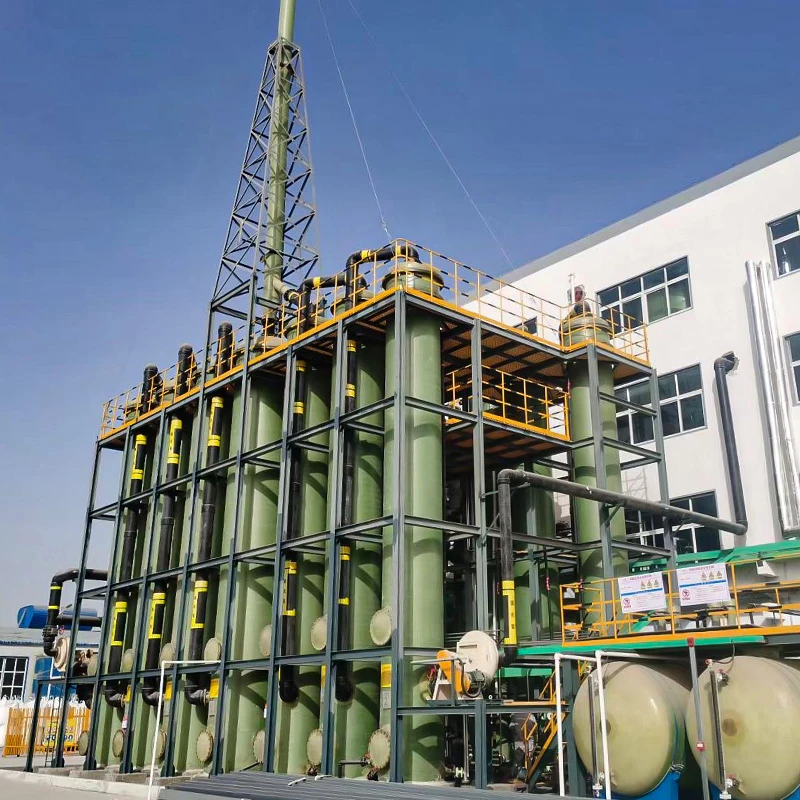
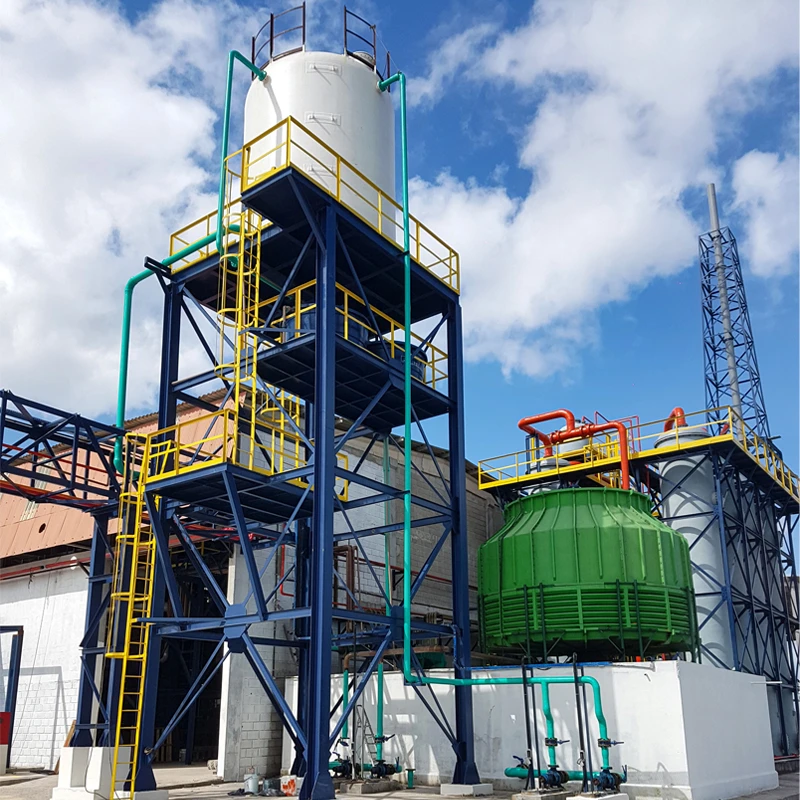
  • Water and Wastewater Treatment: Municipal plants in Europe use these tanks to dose chlorine safely (source: UN Water reports).
  • Agriculture: Precision fertilizer delivery in South America farms relies heavily on these tanks.
  • Textile Manufacturing: Chemical baths and conditioning tanks in Asia benefit from feeder tanks for consistency.
  • Disaster Relief and Humanitarian Aid: Clean water projects after natural calamities need portable chemical feeding systems for quick deployment.

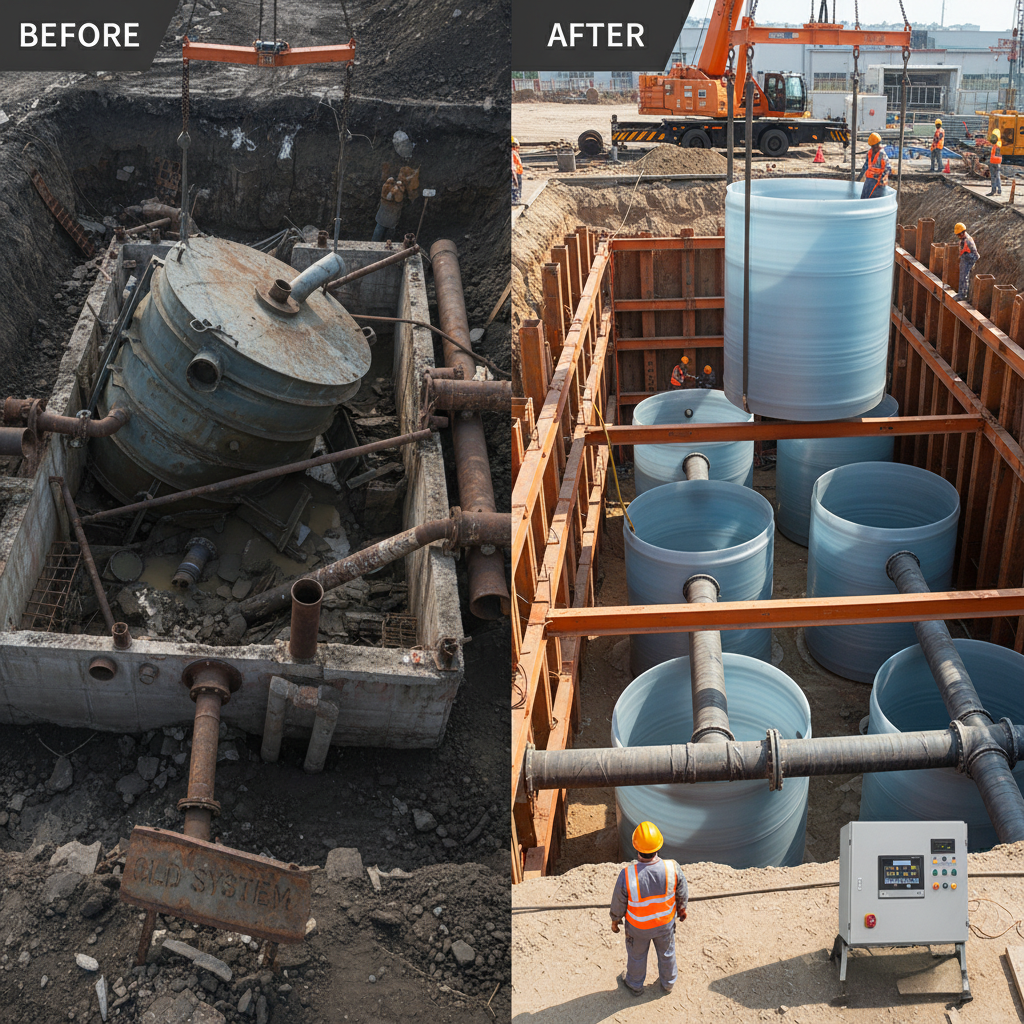
One interesting case: a remote Australian mining operation cut chemical losses by 30% after upgrading to automated chemical pot feeder tanks, reducing environmental impact and operational costs.

Specification Table: Typical Chemical Pot Feeder Tank Model

Specification Details
Material Fiberglass Reinforced Plastic (FRP)
Capacity Range 500 - 5,000 liters
Operating Pressure Up to 1.5 bar
Temperature Range -10°C to 60°C
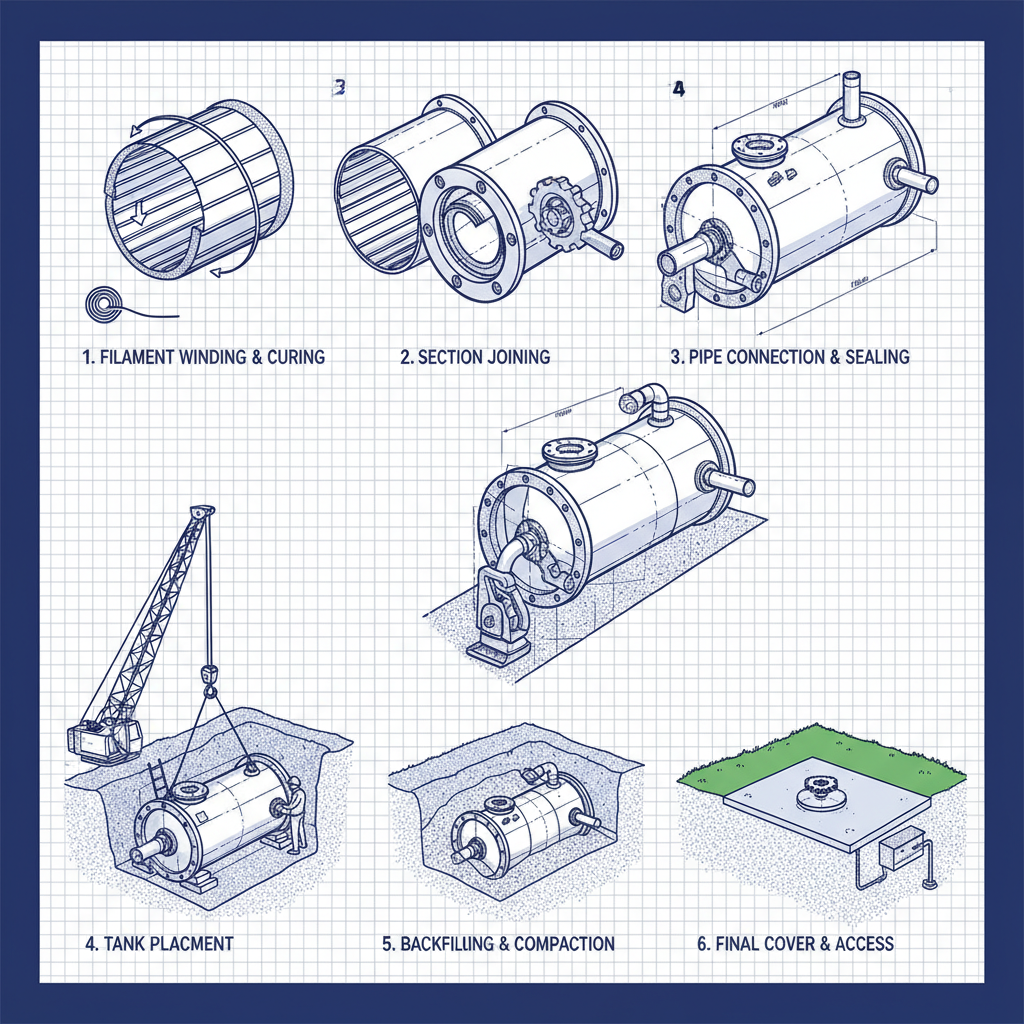
Inlet/Outlet Fittings Standard 2-inch flanges, customizable
Additional Features Leak detection sensor, level gauge, vent valves

Comparing Vendors: What Sets Your Options Apart

Vendor Material Options Customization Price Range Lead Time
FRP Group Machine FRP, HDPE, Stainless Steel High — Size, features, fittings $$ - $$$ 4–6 weeks
ChemTech Supplies HDPE only Medium — Mostly standard sizes $ - $$ 2–3 weeks
Global Chemical Tanks Stainless Steel only Low — Fixed models $$$ 6–8 weeks

Why Invest in Chemical Pot Feeder Tanks? The Long-Term Upside

Apart from just storing and dosing chemicals, these tanks contribute to sustainability by cutting down on waste and controlling emissions. Emotionally, operators can rest easier knowing fewer spill incidents occur and safety measures are robust. It’s also innovation at play—smart sensors can notify maintenance teams early, preventing costly downtime.

The contemplative part? They build trust. Stakeholders and clients alike appreciate systems that are safe, efficient, and environmentally conscious. It feels like a forward-thinking approach that balances immediate needs with larger responsibility.

Looking Ahead: Future Trends and Innovations

Frankly, the chemical dosing field is buzzing with innovations:

  • Smart tanks: Equipped with IoT sensors delivering real-time data for remote monitoring.
  • Eco-friendly materials: Bioplastics and recyclable composites improving sustainability footprints.
  • Automation: Integrating with AI to adjust feed rates dynamically to process demands.
  • Policy influence: Stricter global regulations enforcing better containment and reporting.

Basically, the chemical pot feeder tank is evolving from a simple container to a crucial node in the digital industrial landscape.

Current Challenges and How Industry Experts Are Addressing Them

Of course, not everything is smooth sailing. Common challenges include:

  • Material compatibility issues: Some harsh chemicals still wear down tank linings faster than expected.
  • Scaling complexity: Customization can delay supply chains, especially with novel features.
  • Sensor reliability: Some IoT components fail early in aggressive environments.

Experts counter these with rigorous material testing, modular designs for flexibility, and partnerships with electronics firms specializing in industrial-grade sensors. It’s a collaborative effort ensuring that tanks perform reliably in the field.

FAQ: What You Want to Know About Chemical Pot Feeder Tanks

1. What size chemical pot feeder tank do I need for my facility?

Tank size depends on your daily chemical consumption, storage space, and dosing frequency. Many vendors offer custom sizes—working with a supplier like chemical pot feeder tank providers can help you tailor capacity to your exact needs.

2. How often should maintenance be performed on these tanks?

Regular inspection every 3–6 months is advisable depending on chemical corrosiveness and usage rates. Maintenance includes checking seals, valves, and sensor calibration to avoid leaks and ensure accurate dosing.

3. Are chemical pot feeder tanks always suitable for hazardous chemicals?

While many tanks are designed for general chemical compatibility, extremely aggressive or toxic chemicals may require specialized materials or additional safety features. Always consult your vendor about specific chemical compatibility.

4. Can these tanks be integrated with automated control systems?

Absolutely. Modern tanks often come with or can be retrofitted with sensors and control units that allow integration with plant-wide automation systems for precise dosing and remote monitoring.

5. How do I ensure compliance with environmental regulations using these tanks?

Choose tanks meeting recognized standards (like EPA or OSHA) that incorporate leak-proof design and secondary containment. Maintain logs and sensor data to demonstrate compliance during audits.

Wrapping It Up: Why Chemical Pot Feeder Tanks Are Here to Stay

These tanks aren’t just equipment; they’re part of the big push toward safer, more efficient, and sustainable industrial processes. Whether it’s ensuring clean water, supporting farm yields, or running manufacturing lines, the humble chemical pot feeder tank quietly carries a world of responsibility.

Looking to explore options for your next project? Visit chemical pot feeder tank suppliers to see the latest models and custom solutions tailored to your needs.
References

  1. ISO Technical Committee on Chemical Dosing
  2. UN Water Reports on Safe Chemical Use
  3. World Bank: Water Resources Management Data
Upsell Products
Upsell News
Durable FRP Vessel for Water Treatment and Industrial Filtration
Apr 16,2026
Durable FRP Vessel for Water Treatment and Industrial Filtration
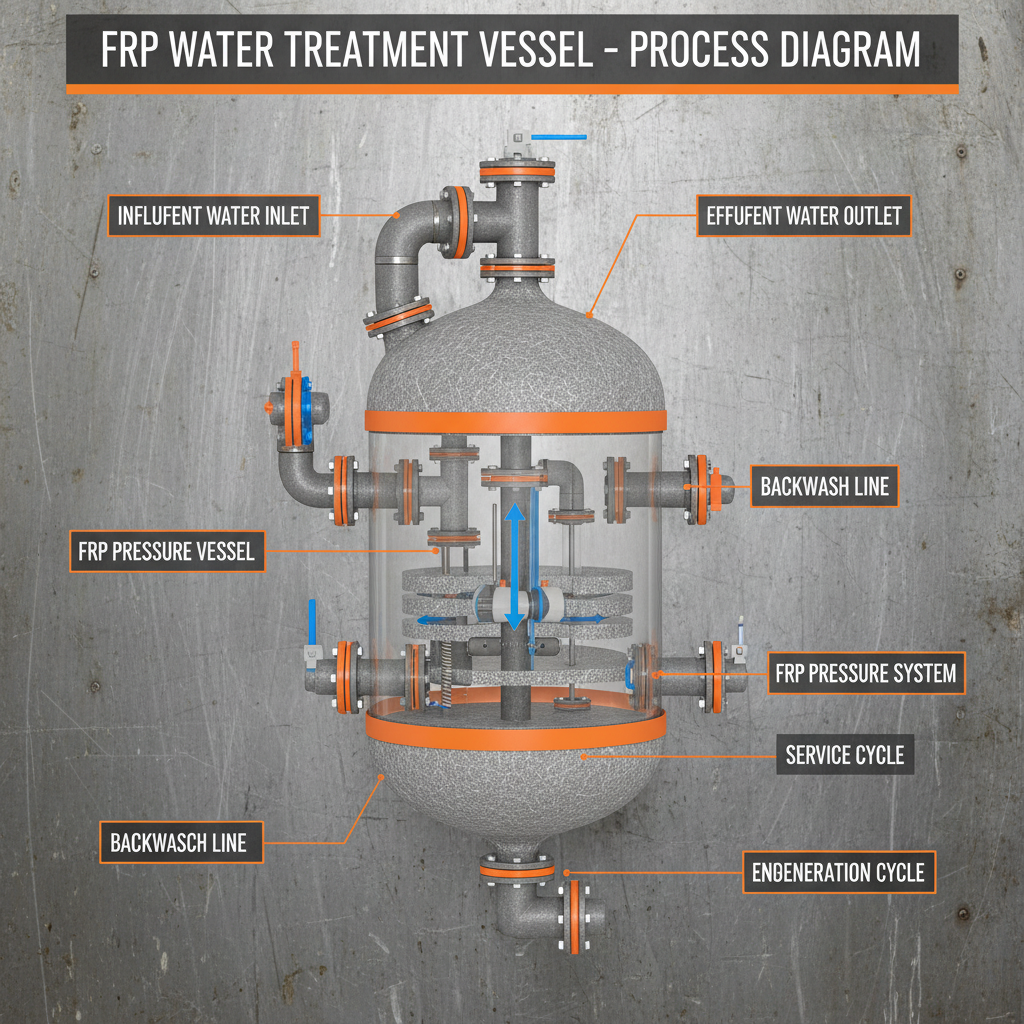
In the modern era of industrial and residential water purification, the choice of containment materials is critical for efficiency and longevity. An frp vessel for water treatment has emerged as the gold standard, replacing traditional steel tanks due to its superior corrosion resistance and lightweight properties. Whether you are dealing with desalination, softening, or filtration, using Fiber Reinforced Plastic (FRP) ensures that your system remains leak-proof and durable against aggressive chemicals. In this comprehensive guide, we will explore why FRP is the preferred choice for water treatment professionals worldwide and how to select the right vessel for your specific application.
Industrial Guide for Choosing the Right FRP Vertical Tank
Apr 09,2026
Industrial Guide for Choosing the Right FRP Vertical Tank
In today's industrial landscape, the storage of corrosive chemicals and aggressive liquids requires materials that can withstand extreme conditions without degrading. The frp vertical tank has emerged as a premier solution, offering an exceptional balance of strength, lightweight properties, and unmatched chemical resistance. Whether you are managing a water treatment plant or a chemical processing facility, understanding the nuances of Fiber Reinforced Plastic (FRP) is essential for ensuring operational safety and longevity. In this comprehensive guide, we will explore why vertical configurations are preferred and how these tanks outperform traditional metal alternatives.
Comprehensive Guide to FRP Underground Water Tank Solutions and Applications
Apr 07,2026
Comprehensive Guide to FRP Underground Water Tank Solutions and Applications
Fiberglass Reinforced Polymer (FRP) underground water tanks are becoming increasingly popular for a wide range of applications, from potable water storage to industrial wastewater containment. Their superior corrosion resistance, lightweight nature, and design flexibility make them an excellent alternative to traditional materials like concrete or steel. This article will delve into the benefits, applications, construction, and considerations for implementing FRP underground water tanks, providing a comprehensive overview for engineers, contractors, and project managers.
Comprehensive Guide to Frp Underground Water Storage Tanks and Their Applications
Apr 04,2026
Comprehensive Guide to Frp Underground Water Storage Tanks and Their Applications
When considering water storage solutions, particularly for industrial, agricultural, or municipal applications, frp underground water storage tanks stand out as a durable, cost-effective, and environmentally friendly option. These tanks are increasingly favored over traditional materials like concrete or steel due to their superior corrosion resistance, lighter weight, and ease of installation. This article delves into the benefits, applications, construction, and considerations when choosing an FRP tank, providing a detailed overview for potential buyers and project planners.
Sulfuric Acid Production Line - Hebei Aoliande|Efficient H2SO4 Plant Technology
Apr 01,2026
Sulfuric Acid Production Line - Hebei Aoliande|Efficient H2SO4 Plant Technology
Discover efficient H2SO4 plant technology and advanced sulfuric acid production solutions. Hebei Aoliande combines energy-saving furnace design and eco-friendly HCl recovery systems for sustainable industrial applications. Explore now: https://www.frpgrpmachine.com/sulfuric-acid-production-line-for-h2so4-plant.html
Sulfuric Acid Production Line - Hebei Aoliande|Efficient H2SO4 Plant Technology
Apr 01,2026
Sulfuric Acid Production Line - Hebei Aoliande|Efficient H2SO4 Plant Technology
Discover efficient H2SO4 plant technology and advanced sulfuric acid production solutions. Hebei Aoliande combines energy-saving furnace design and eco-friendly HCl recovery systems for sustainable industrial applications. Explore now: https://www.frpgrpmachine.com/sulfuric-acid-production-line-for-h2so4-plant.html
Sulfuric Acid Production Line - Hebei Aoliande|Efficient H2SO4 Plant Technology
Apr 01,2026
Sulfuric Acid Production Line - Hebei Aoliande|Efficient H2SO4 Plant Technology
Discover efficient H2SO4 plant technology and advanced sulfuric acid production solutions. Hebei Aoliande combines energy-saving furnace design and eco-friendly HCl recovery systems for sustainable industrial applications. Explore now: https://www.frpgrpmachine.com/sulfuric-acid-production-line-for-h2so4-plant.html
Sulfuric Acid Production Line - Hebei Aoliande|Efficient H2SO4 Plant Technology
Apr 01,2026
Sulfuric Acid Production Line - Hebei Aoliande|Efficient H2SO4 Plant Technology
Discover efficient H2SO4 plant technology and advanced sulfuric acid production solutions. Hebei Aoliande combines energy-saving furnace design and eco-friendly HCl recovery systems for sustainable industrial applications. Explore now: https://www.frpgrpmachine.com/sulfuric-acid-production-line-for-h2so4-plant.html
Sulfuric Acid Production Line - Hebei Aoliande|Efficient H2SO4 Plant Technology
Apr 01,2026
Sulfuric Acid Production Line - Hebei Aoliande|Efficient H2SO4 Plant Technology
Discover efficient H2SO4 plant technology and advanced sulfuric acid production solutions. Hebei Aoliande combines energy-saving furnace design and eco-friendly HCl recovery systems for sustainable industrial applications. Explore now: https://www.frpgrpmachine.com/sulfuric-acid-production-line-for-h2so4-plant.html
Sulfuric Acid Production Line - Hebei Aoliande|Efficient H2SO4 Plant Technology
Apr 01,2026
Sulfuric Acid Production Line - Hebei Aoliande|Efficient H2SO4 Plant Technology
Discover efficient H2SO4 plant technology and advanced sulfuric acid production solutions. Hebei Aoliande combines energy-saving furnace design and eco-friendly HCl recovery systems for sustainable industrial applications. Explore now: https://www.frpgrpmachine.com/sulfuric-acid-production-line-for-h2so4-plant.html
Comprehensive Guide to Frp Underground Storage Tanks for Reliable Storage Solutions
Mar 31,2026
Comprehensive Guide to Frp Underground Storage Tanks for Reliable Storage Solutions
Fiberglass Reinforced Polymer (FRP) underground storage tanks are becoming increasingly popular for a wide range of applications, from fuel storage to wastewater management. Their corrosion resistance, lightweight nature, and durability offer significant advantages over traditional materials like steel. This article will provide an in-depth look at FRP underground storage tanks, covering their benefits, applications, installation, and maintenance. Understanding these aspects is crucial for making informed decisions about long-term storage solutions.
Comprehensive Guide to Selecting the Ideal FRP Tank for Water Storage Solutions
Mar 28,2026
Comprehensive Guide to Selecting the Ideal FRP Tank for Water Storage Solutions
When it comes to reliable and durable water storage, FRP tanks for water are increasingly becoming the preferred solution for a wide range of applications. These tanks, constructed from Fiber Reinforced Polymer (FRP) materials, offer significant advantages over traditional storage options like steel or concrete. This article delves into the benefits, applications, and considerations when selecting an FRP tank for your water storage needs, providing a detailed overview for businesses and individuals alike.
Comprehensive Guide to Frp Tank and Vessel Applications and Manufacturing
Mar 26,2026
Comprehensive Guide to Frp Tank and Vessel Applications and Manufacturing
Fiber Reinforced Polymer (FRP) tanks and vessels are increasingly becoming the preferred choice for storage and processing across a multitude of industries. Their lightweight nature, corrosion resistance, and design flexibility offer significant advantages over traditional materials like steel. This article will delve into the intricacies of FRP tanks and vessels, exploring their applications, manufacturing processes, benefits, and considerations for selecting the right solution for your specific needs. We’ll also highlight why FRP tanks are a cost-effective and reliable long-term investment. FRP tanks and vessels are constructed from a combination of reinforcing fibers (such as fiberglass, carbon fiber, or aramid fiber) embedded in a polymer matrix (typically polyester, vinyl ester, or epoxy resin). This combination creates a composite material that boasts high strength-to-weight ratio, exceptional corrosion resistance, and the ability to be molded into complex shapes. They’re designed to safely contain a wide variety of liquids and gases, ranging from corrosive chemicals and water to food products and pharmaceuticals.
Optimizing Water Filtration with Durable FRP Sand Filter Vessels
Mar 24,2026
Optimizing Water Filtration with Durable FRP Sand Filter Vessels
In water treatment and filtration systems, the choice of filter vessel material is paramount. Fiber Reinforced Plastic (FRP), also known as Glass Reinforced Polymer (GRP), sand filter vessels are increasingly popular due to their superior corrosion resistance, lightweight nature, and cost-effectiveness. This article delves into the benefits, applications, design considerations, and factors to consider when selecting an FRP sand filter vessel. Whether you are involved in municipal water treatment, industrial wastewater management, or recreational water filtration, understanding FRP technology is essential for optimizing your filtration process. An FRP sand filter vessel is a containment unit designed to house filtration media, typically sand, gravel, and anthracite. These vessels are integral components in sand filtration systems used for removing suspended solids, turbidity, and other particulate matter from water. FRP construction involves layering glass fibers within a resin matrix (typically polyester or vinyl ester) to create a strong, durable, and chemically resistant shell. The strength and rigidity of the vessel are crucial for withstanding the pressure from the filtration media and the water flow.
Comprehensive Guide to FRP Round Tanks Applications and Benefits
Mar 21,2026
Comprehensive Guide to FRP Round Tanks Applications and Benefits
Fiber Reinforced Polymer (FRP) round tanks are increasingly becoming the preferred choice for storage solutions across a variety of industries. Their lightweight nature, corrosion resistance, and design flexibility offer significant advantages over traditional materials like steel. This article provides an in-depth look at FRP round tanks, exploring their applications, benefits, manufacturing processes, and key considerations when choosing the right tank for your needs. Whether you're in chemical processing, water treatment, or agriculture, understanding FRP round tanks is crucial for optimizing your storage infrastructure. FRP round tanks are constructed from a combination of reinforcing fibers (typically fiberglass, carbon fiber, or a blend) embedded in a polymer matrix (often polyester, vinyl ester, or epoxy resin). The round shape inherently provides excellent structural strength, distributing pressure evenly across the tank’s surface.
Comprehensive Guide to FRP Pressure Tanks Benefits and Applications
Mar 19,2026
Comprehensive Guide to FRP Pressure Tanks Benefits and Applications
Fiber Reinforced Polymer (FRP) pressure tanks are becoming increasingly popular in a wide range of industrial applications, offering a compelling alternative to traditional steel tanks. Known for their lightweight nature, corrosion resistance, and high strength-to-weight ratio, FRP tanks provide efficient and durable solutions for storing liquids and gases under pressure. This article will delve into the benefits, applications, construction, and key considerations when selecting an FRP pressure tank, helping you make an informed decision for your specific needs. Understanding the advantages of FRP technology can lead to significant cost savings and improved operational efficiency. Compared to steel, FRP pressure tanks offer several key advantages. The most significant is their superior corrosion resistance. Unlike steel, which is susceptible to rust and corrosion when exposed to various chemicals, FRP materials are inherently resistant to a wide range of corrosive substances. This translates to a longer lifespan, reduced maintenance costs, and increased safety. Furthermore, FRP is significantly lighter than steel, making installation easier and reducing transportation costs.
For More Details Pls Contact Us
Thank you for your interest in our gloves! We offer high-quality, durable, and comfortable gloves with fast delivery and competitive prices. For any questions or customization, feel free to contact us. We look forward to working with you!

If you are interested in our products, you can choose to leave your information here, and we will be in touch with you shortly.