Nov 27,2025

Chemical Water Tank: Durable, Cost-Efficient Water Storage Solutions for Global Needs

Understanding Chemical Water Tanks: Why They Matter Globally

Imagine a container specially designed to hold chemical-treated water safely and reliably — that’s essentially what a chemical water tank is. On the surface, it might seem like a mundane topic. However, the reality is quite the opposite. Water storage, especially for chemically treated water, is vital for industries, disaster relief, agriculture, and sanitation efforts worldwide. In a time when water scarcity and contamination pose serious threats, understanding how chemical water tanks work and why they are essential takes on a global urgency.

Reports by the United Nations Water Agency highlight that over two billion people globally lack access to safe drinking water. Tanks that can store chemically treated or potable water safely become lifelines in both urban and remote locations. Plus, the environmental and health benefits of preventing water contamination through better storage are simply priceless.

Mini takeaway: A chemical water tank is more than industrial hardware—it’s a key part of global health, safety, and sustainability efforts.

The Global Context: Chemical Water Tanks in Today's Industry

Worldwide, chemical water tanks serve a burgeoning range of sectors. From municipal water treatment plants to pharmaceutical factories, their role continues to expand. According to ISO’s guidelines on water storage tanks, the demand for reliable, corrosion-resistant containers is growing at roughly 5% annually across the globe. In developing regions, these tanks often surface in humanitarian aid, helping store treated water safely after purification.

Yet the challenge remains: not every tank is built equal. Many developing countries face obstacles in sourcing durable and cost-effective tanks that withstand harsh chemicals long term. I noticed in some field reports how poorly maintained or sub-par tanks can jeopardize water safety — a risk nobody wants.

Mini takeaway: Chemical water tanks are cornerstones in diverse sectors but still struggle with quality and accessibility in some regions.

What Exactly Is a Chemical Water Tank?

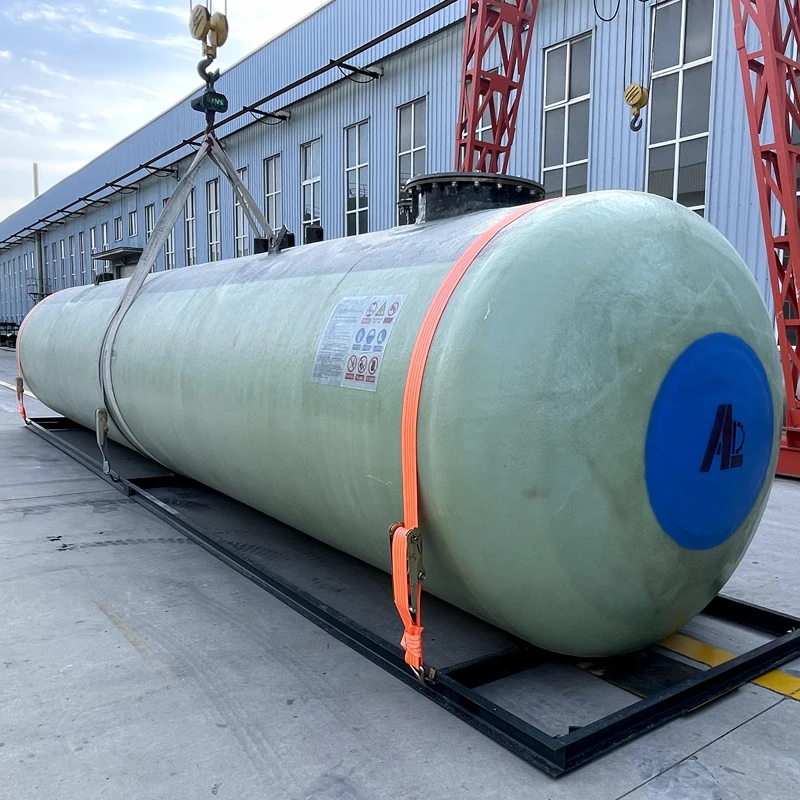
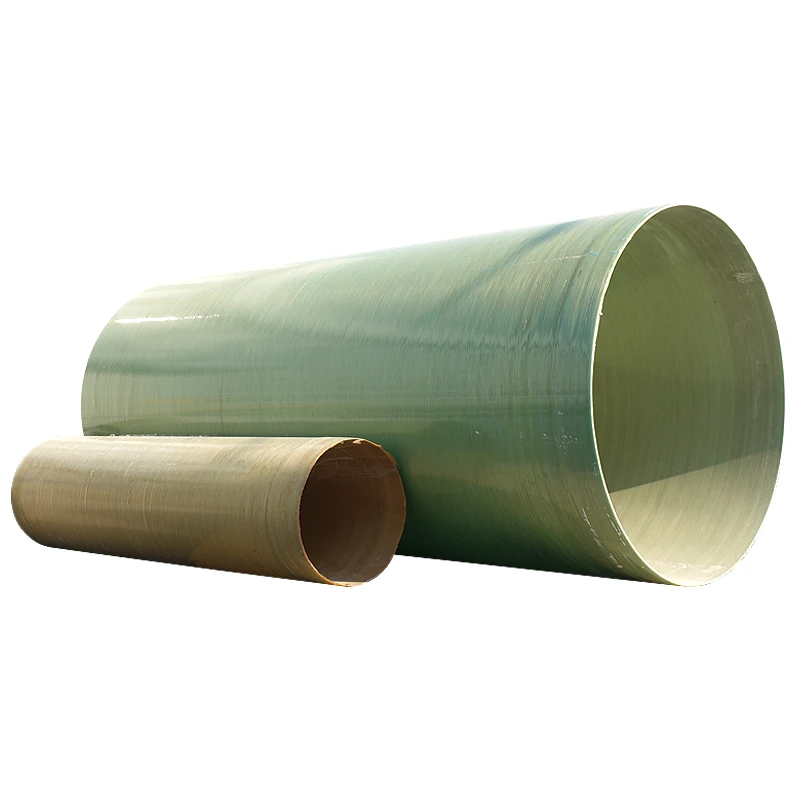
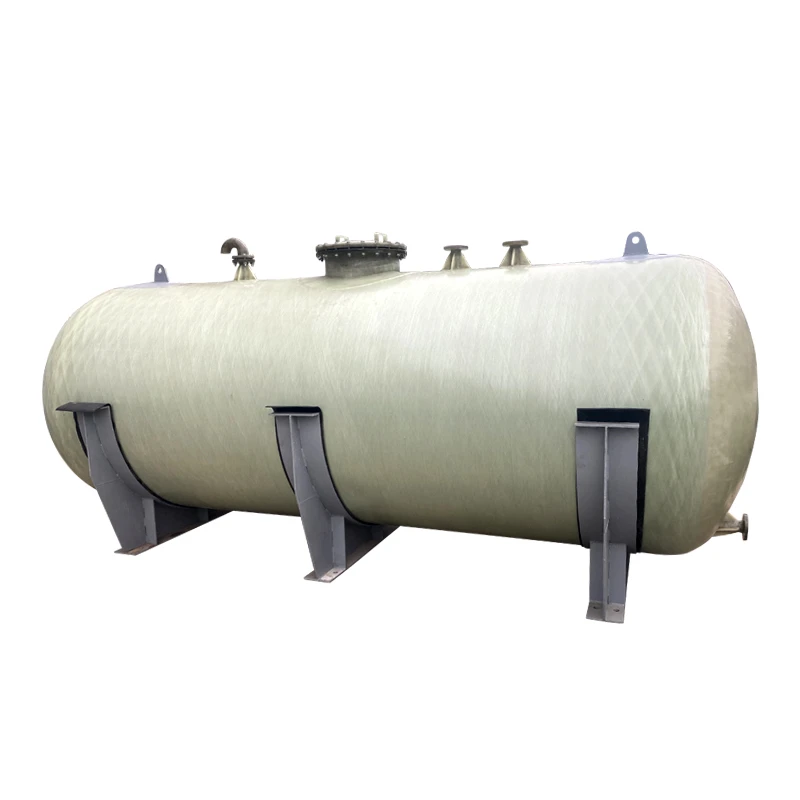
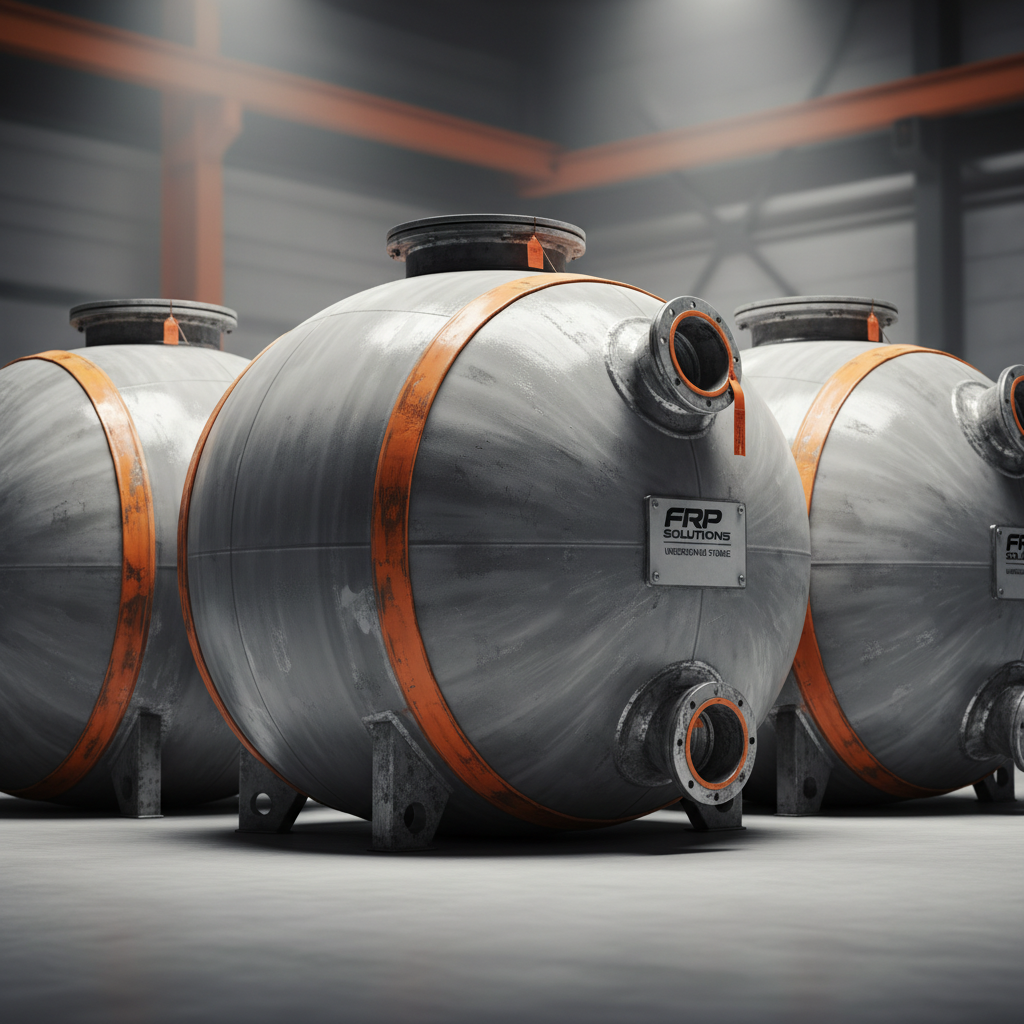
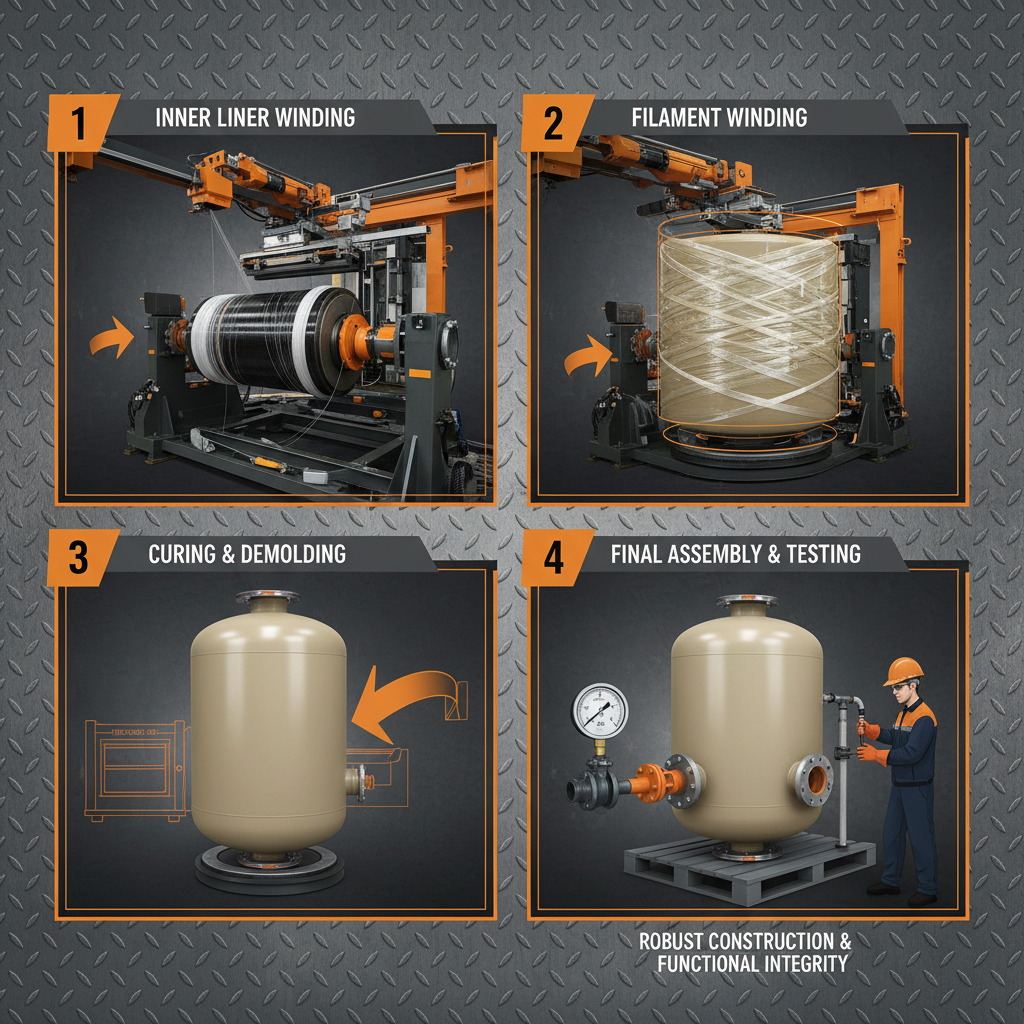
At its core, a chemical water tank is a container designed to hold water treated with chemicals or water containing chemical additives, without risk of corrosion or contamination. Typically, these tanks are made from materials like fiberglass-reinforced plastic (FRP), polyethylene, or stainless steel to resist corrosive effects.

These tanks are crucial for various purposes: storing chlorinated water in municipal systems, holding water for industrial cooling processes, or safeguarding potable water in flood-prone areas. They play a tactical role in modern infrastructure and humanitarian aid, ensuring water remains uncontaminated and safe.

Core Factors in Chemical Water Tank Design

Durability Against Corrosion

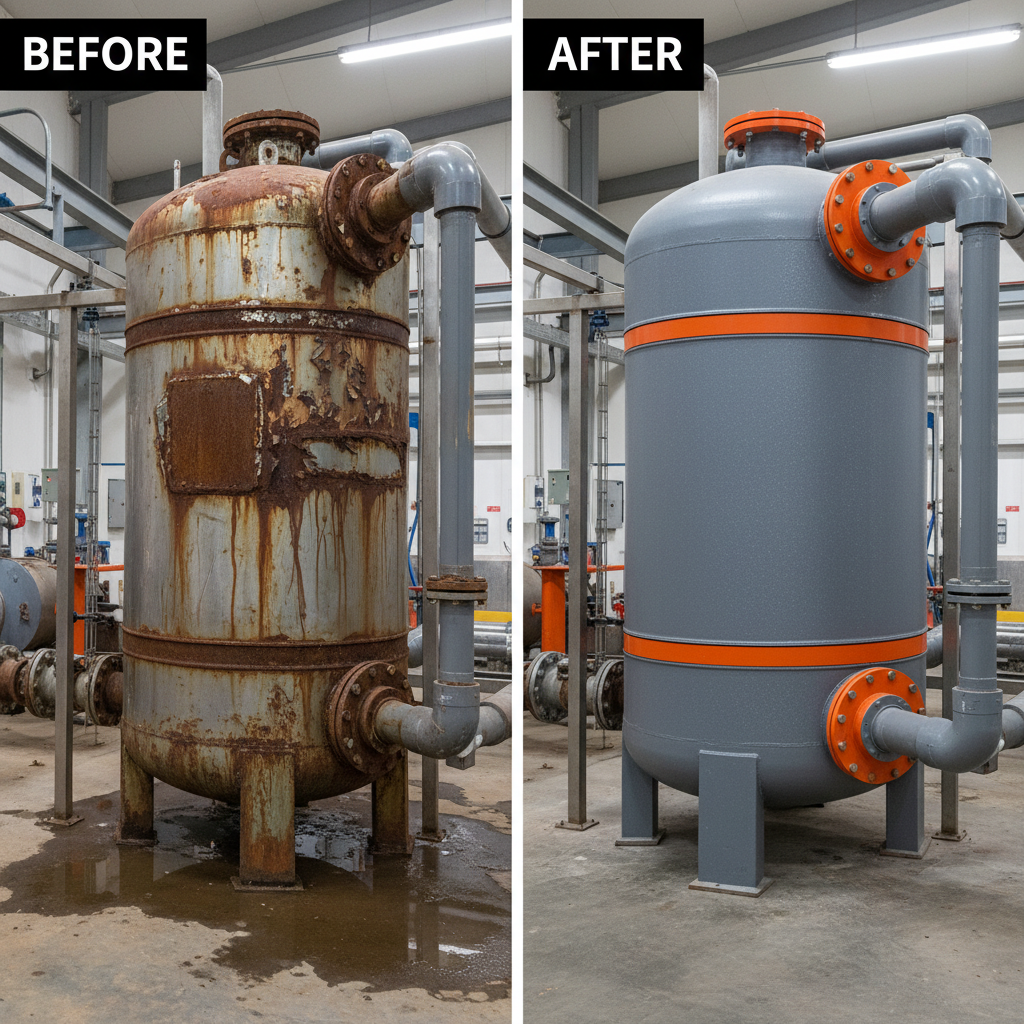
The defining feature is resistance to chemical corrosion. Most conventional tanks degrade rapidly when exposed to chlorinated or chemically treated water. That’s why manufacturers turn to advanced composite materials or heavy-duty plastics that offer impressive lifespan and reliability.

Scalability & Capacity

Whether you need a small tank for a rural clinic or a massive reservoir at a water treatment plant, scalability is crucial. Tanks often range from a few hundred liters to thousands of cubic meters, meeting industrial or domestic demands.

Cost Efficiency

Balancing upfront costs with long-term maintenance is tricky but essential. Fiberglass tanks, for instance, cost more initially than steel but tend to save money over time due to lower upkeep and corrosion resistance.

Installation & Maintenance

Ease of installation affects project timelines, especially in remote or disaster-prone areas. Tanks designed for quick assembly and straightforward maintenance shine in such contexts.

Compliance with Standards

Certified tanks that meet ISO or local guidelines ensure safety and regulatory compliance, critical for both manufacturers and users.

Environmental Impact

Sustainable manufacturing and recyclable materials are becoming more important as industries push green initiatives, reducing the carbon footprint of storage solutions.

Mini takeaway: Durability, scalability, cost, ease of use, and sustainability form the backbone of modern chemical water tank design.

Where Are Chemical Water Tanks Used Around the World?

Their applications are remarkably broad:

  • Disaster relief: In earthquake or flood zones, international agencies deploy chemical water tanks to store treated water, ensuring survivors avoid waterborne diseases.
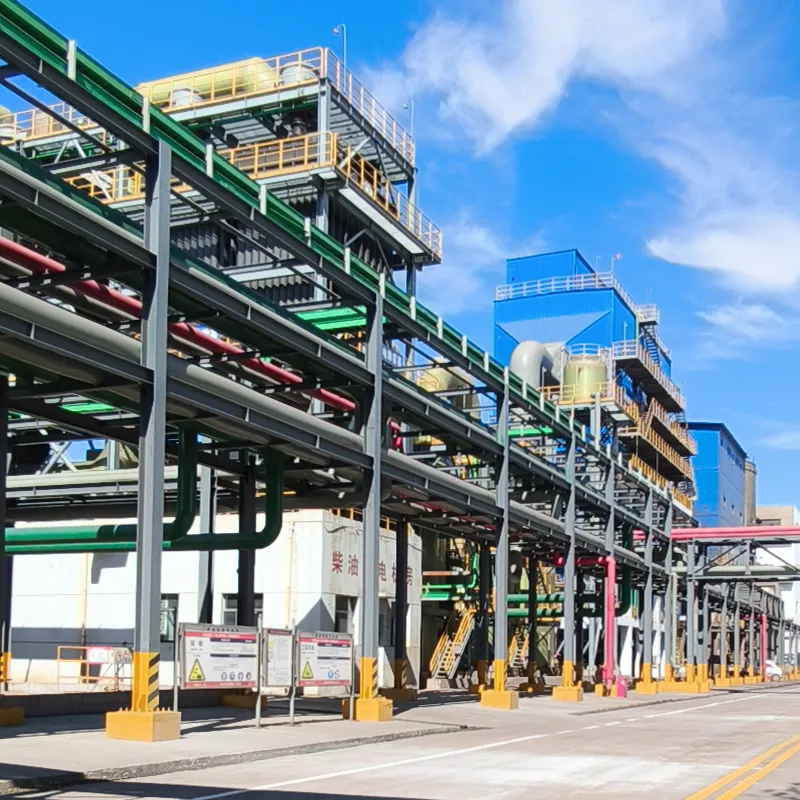
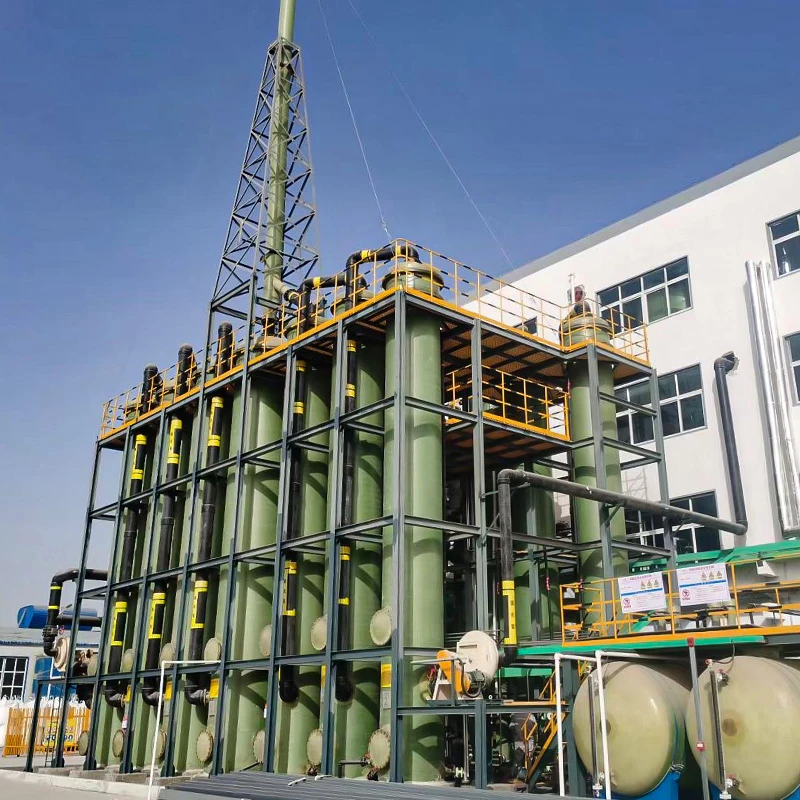
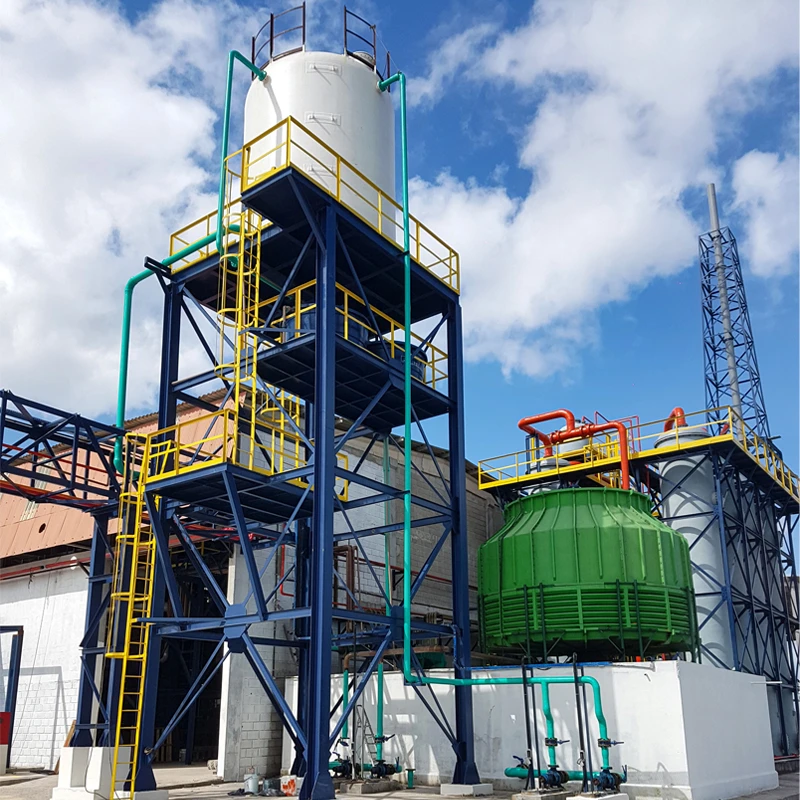
  • Industrial plants: Factories use these tanks for safely storing process water, cooling water, and even wastewater treatment.
  • Agriculture: Chemical water tanks play a role in irrigation, storing treated water resistant to agricultural chemicals.
  • Municipal water treatment: Cities rely on them for safe chlorinated water storage before distribution.
  • Remote regions: In areas without pipeline infrastructure, portable chemical water tanks become the primary water source.

For example, in South Asia’s cyclone recovery efforts, open-frame chemical water tanks stored potable water treated on-site, preventing outbreaks of cholera. In Europe, pharmaceutical firms use high-grade tanks complying with ISO 9001 standards for manufacturing processes.

Advantages and Long-Term Value of Chemical Water Tanks

On paper, these tanks save money through reduced maintenance and longer lifespans. But if you think beyond dollars and cents, they provide emotional reassurance: safe water means health, dignity, and trust for communities.

  • Cost savings: Fewer repairs, longer life cycles, and fewer replacements.
  • Sustainability: Reduced leaks and contamination lower environmental damage.
  • Reliability: Consistent water safety ensures public confidence.
  • Innovation: New materials and designs improve user experience and adaptability.

Ultimately, a robust chemical water tank underpins both infrastructure and social well-being in the long run.

What’s Next? Future Trends in Chemical Water Tanks

The future’s quite exciting. I’ve seen increasing interest in digital monitoring — imagine a chemical water tank that alerts managers via smartphone if water quality drops or if there’s a leak. That’s part of the broader Industry 4.0 trend, adding sensors and IoT tech.

Materials science is also evolving, with nanomaterial coatings enhancing corrosion resistance and longevity, paired with sustainable manufacturing methods to reduce environmental impact. Renewable energy integration (solar-powered pumping and filtration) is also becoming standard in newer installations.

Common Challenges and Their Solutions

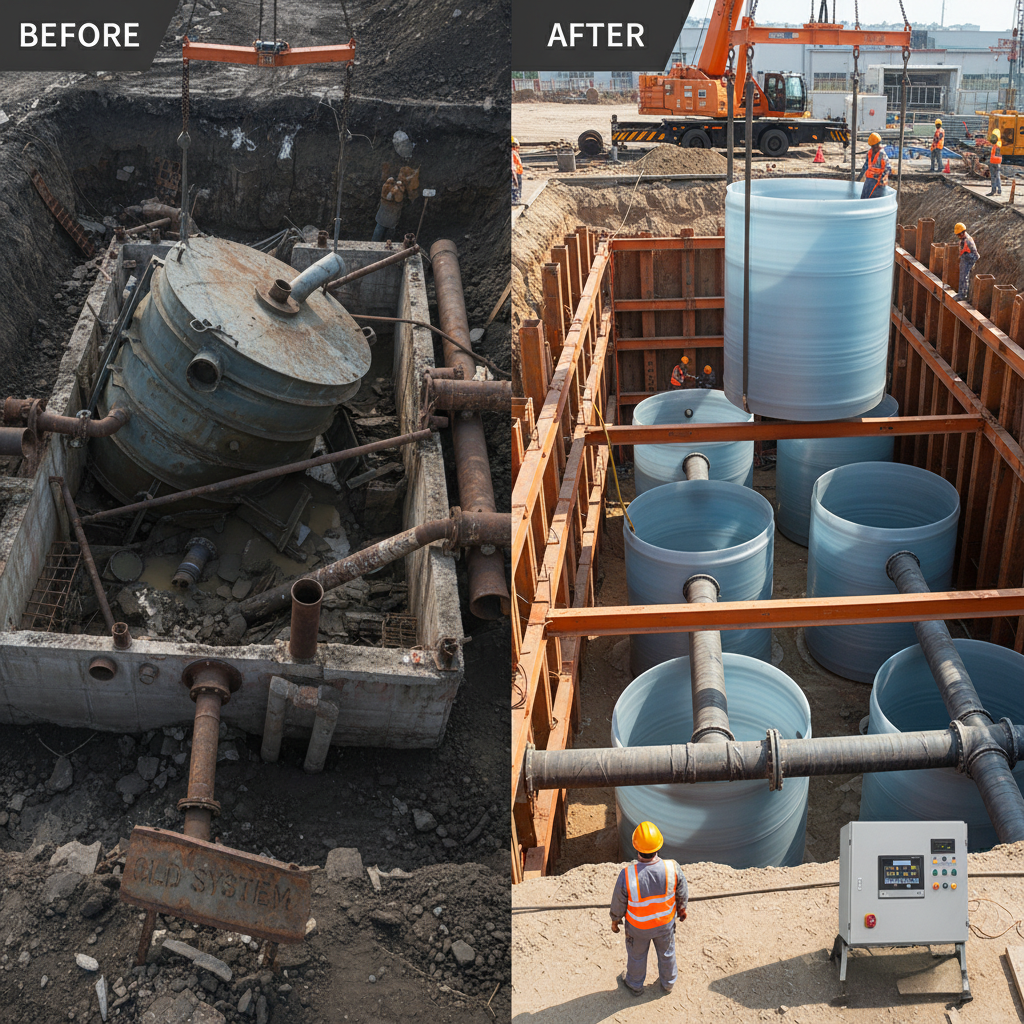
Despite improvements, issues persist. Many tanks suffer from inadequate ventilation, poor installation, or subpar material choice, leading to contamination or premature failure. Addressing these requires:

  • Better training for installation teams
  • Certified quality control measures
  • Innovative designs easing maintenance
  • Use of standardized, certified manufacturers

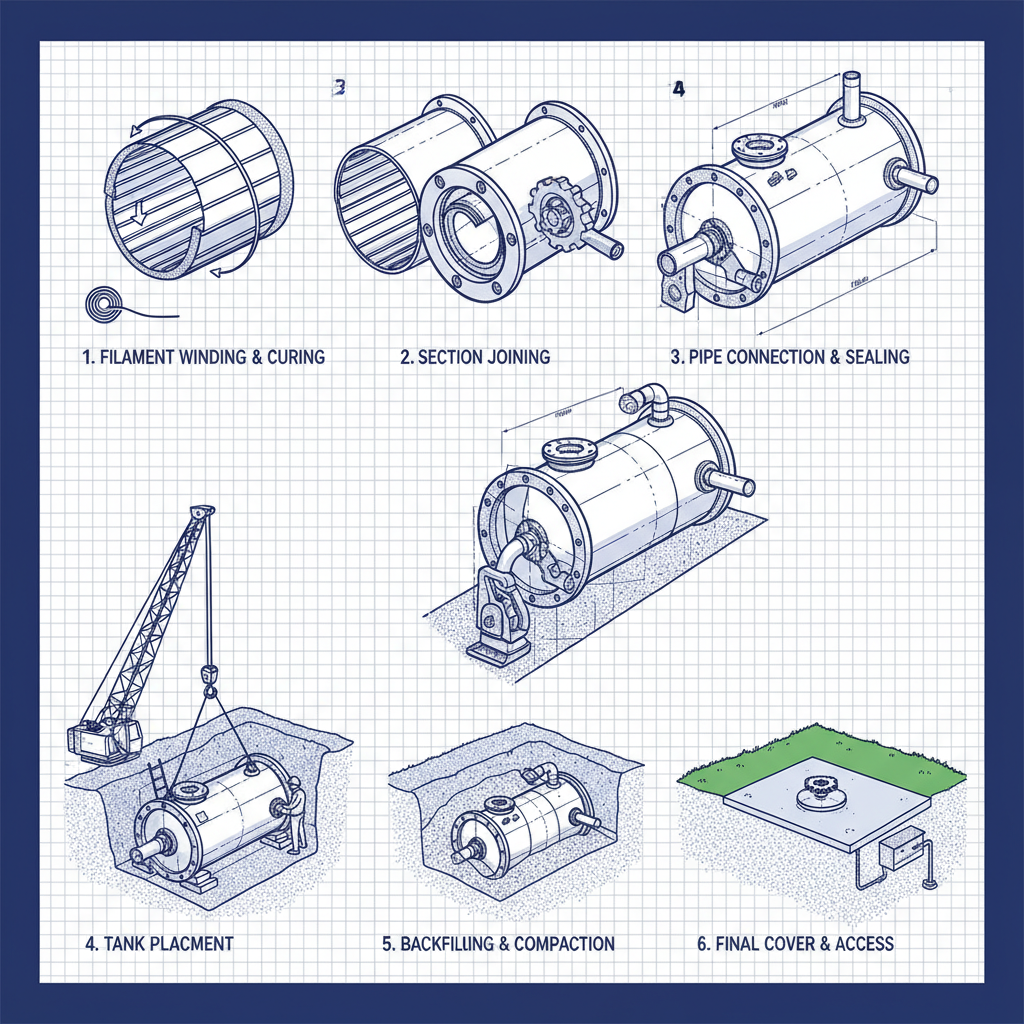
For example, modular tank designs that snap together without heavy equipment can be game-changers in rugged terrains.

Frequently Asked Questions About Chemical Water Tanks

What materials are best for chemical water tanks?
Fiberglass-reinforced plastic (FRP), polyethylene, and stainless steel are top picks due to their corrosion resistance and durability. Material choice depends on the chemicals involved and operational environment.
How long do chemical water tanks typically last?
With proper maintenance and quality materials, these tanks can last 15 to 30 years or more. Environmental factors and chemical exposure intensity affect longevity.
Can chemical water tanks be used for potable water?
Absolutely. Tanks designed with food-grade or potable water standards are safe and commonly used in municipal water supply systems after chemical treatment.
Are chemical water tanks easy to install in remote areas?
Many modern tanks are designed for easy, modular assembly—some even require no heavy machinery—making them ideal for remote or disaster zones.
How to ensure a chemical water tank meets safety standards?
Look for certifications such as ISO 9001 and compliance with local regulatory guidelines, plus vendor transparency on materials and testing.

Product Specifications at a Glance

Specification Typical Value Unit
Material Fiberglass-Reinforced Plastic (FRP) -
Capacity Range 500 – 20,000 Liters
Operating Temperature -10 to 50 °C
Chemical Compatibility Chlorine, acids, alkalis -
Lifespan 15 – 25 Years

Vendor Comparison: What to Look For

Vendor Material Options Compliance Certifications Customization Delivery Time Price Range
GlobalTank Co. FRP, Polyethylene ISO 9001, NSF High 2-4 weeks $$$
AquaShield Tanks Stainless Steel, FRP ISO 14001, CE Medium 3-5 weeks $$$$
EcoTank Manufacturing Recycled Polyethylene ISO 9001 Low 1-3 weeks $

Wrapping It Up: Why Chemical Water Tanks Are Worth the Investment

At the end of the day, whether you’re equipping a municipality, an industrial plant, or a relief camp, investing in a good chemical water tank means betting on safety, reliability, and sustainability. It’s one of those practical, almost unnoticed solutions that keep the wheels turning and communities safe worldwide.

If you want more details, explore options like the chemical water tank offerings on market-leading sites. After all, quality water storage is no luxury — it’s a necessity that anyone managing water resources should understand and embrace.

Mini takeaway: The right chemical water tank is a long-term partner in water safety and infrastructure resilience.
References

  1. Wikipedia - Water Tank
  2. UN Water - Water Scarcity
  3. ISO 8528 – Water Storage Tanks
Upsell Products
Upsell News
Durable FRP Vessel for Water Treatment and Industrial Filtration
Apr 16,2026
Durable FRP Vessel for Water Treatment and Industrial Filtration
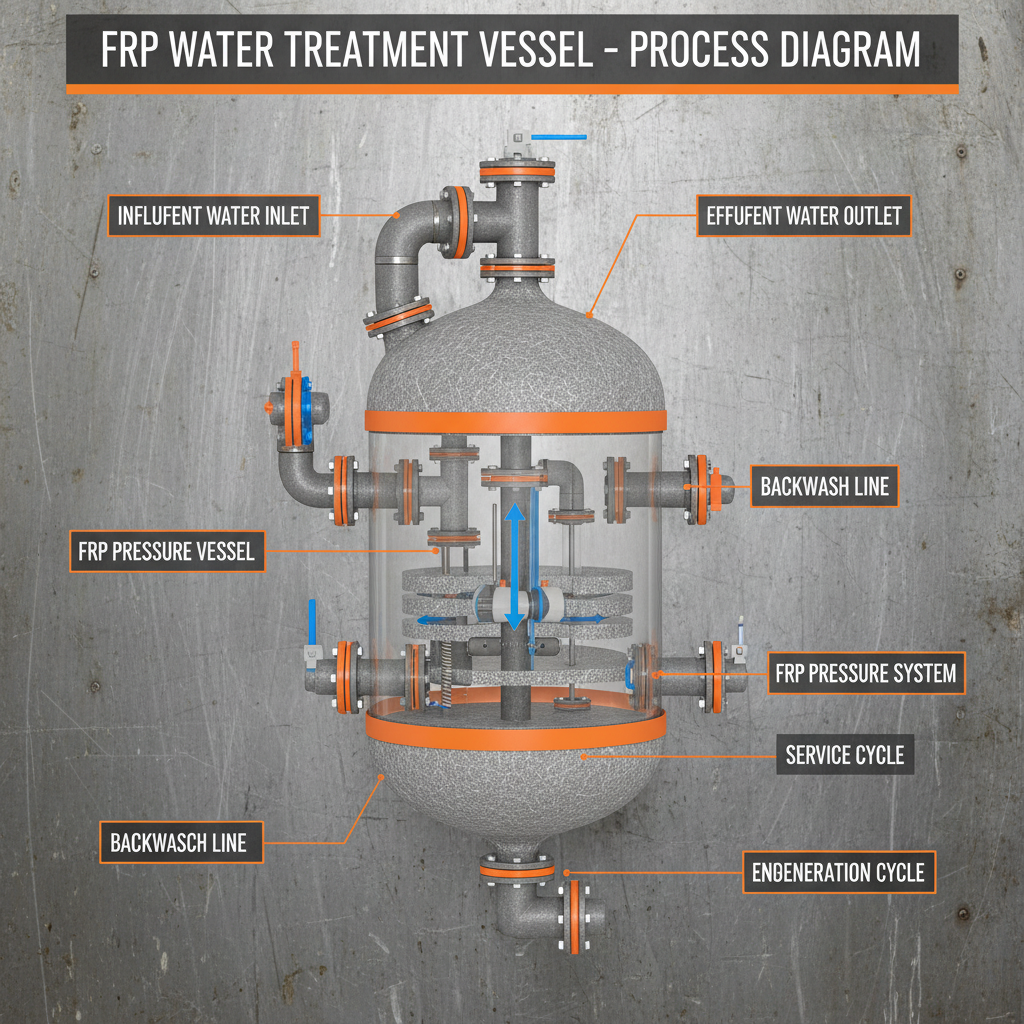
In the modern era of industrial and residential water purification, the choice of containment materials is critical for efficiency and longevity. An frp vessel for water treatment has emerged as the gold standard, replacing traditional steel tanks due to its superior corrosion resistance and lightweight properties. Whether you are dealing with desalination, softening, or filtration, using Fiber Reinforced Plastic (FRP) ensures that your system remains leak-proof and durable against aggressive chemicals. In this comprehensive guide, we will explore why FRP is the preferred choice for water treatment professionals worldwide and how to select the right vessel for your specific application.
Industrial Guide for Choosing the Right FRP Vertical Tank
Apr 09,2026
Industrial Guide for Choosing the Right FRP Vertical Tank
In today's industrial landscape, the storage of corrosive chemicals and aggressive liquids requires materials that can withstand extreme conditions without degrading. The frp vertical tank has emerged as a premier solution, offering an exceptional balance of strength, lightweight properties, and unmatched chemical resistance. Whether you are managing a water treatment plant or a chemical processing facility, understanding the nuances of Fiber Reinforced Plastic (FRP) is essential for ensuring operational safety and longevity. In this comprehensive guide, we will explore why vertical configurations are preferred and how these tanks outperform traditional metal alternatives.
Comprehensive Guide to FRP Underground Water Tank Solutions and Applications
Apr 07,2026
Comprehensive Guide to FRP Underground Water Tank Solutions and Applications
Fiberglass Reinforced Polymer (FRP) underground water tanks are becoming increasingly popular for a wide range of applications, from potable water storage to industrial wastewater containment. Their superior corrosion resistance, lightweight nature, and design flexibility make them an excellent alternative to traditional materials like concrete or steel. This article will delve into the benefits, applications, construction, and considerations for implementing FRP underground water tanks, providing a comprehensive overview for engineers, contractors, and project managers.
Comprehensive Guide to Frp Underground Water Storage Tanks and Their Applications
Apr 04,2026
Comprehensive Guide to Frp Underground Water Storage Tanks and Their Applications
When considering water storage solutions, particularly for industrial, agricultural, or municipal applications, frp underground water storage tanks stand out as a durable, cost-effective, and environmentally friendly option. These tanks are increasingly favored over traditional materials like concrete or steel due to their superior corrosion resistance, lighter weight, and ease of installation. This article delves into the benefits, applications, construction, and considerations when choosing an FRP tank, providing a detailed overview for potential buyers and project planners.
Sulfuric Acid Production Line - Hebei Aoliande|Efficient H2SO4 Plant Technology
Apr 01,2026
Sulfuric Acid Production Line - Hebei Aoliande|Efficient H2SO4 Plant Technology
Discover efficient H2SO4 plant technology and advanced sulfuric acid production solutions. Hebei Aoliande combines energy-saving furnace design and eco-friendly HCl recovery systems for sustainable industrial applications. Explore now: https://www.frpgrpmachine.com/sulfuric-acid-production-line-for-h2so4-plant.html
Sulfuric Acid Production Line - Hebei Aoliande|Efficient H2SO4 Plant Technology
Apr 01,2026
Sulfuric Acid Production Line - Hebei Aoliande|Efficient H2SO4 Plant Technology
Discover efficient H2SO4 plant technology and advanced sulfuric acid production solutions. Hebei Aoliande combines energy-saving furnace design and eco-friendly HCl recovery systems for sustainable industrial applications. Explore now: https://www.frpgrpmachine.com/sulfuric-acid-production-line-for-h2so4-plant.html
Sulfuric Acid Production Line - Hebei Aoliande|Efficient H2SO4 Plant Technology
Apr 01,2026
Sulfuric Acid Production Line - Hebei Aoliande|Efficient H2SO4 Plant Technology
Discover efficient H2SO4 plant technology and advanced sulfuric acid production solutions. Hebei Aoliande combines energy-saving furnace design and eco-friendly HCl recovery systems for sustainable industrial applications. Explore now: https://www.frpgrpmachine.com/sulfuric-acid-production-line-for-h2so4-plant.html
Sulfuric Acid Production Line - Hebei Aoliande|Efficient H2SO4 Plant Technology
Apr 01,2026
Sulfuric Acid Production Line - Hebei Aoliande|Efficient H2SO4 Plant Technology
Discover efficient H2SO4 plant technology and advanced sulfuric acid production solutions. Hebei Aoliande combines energy-saving furnace design and eco-friendly HCl recovery systems for sustainable industrial applications. Explore now: https://www.frpgrpmachine.com/sulfuric-acid-production-line-for-h2so4-plant.html
Sulfuric Acid Production Line - Hebei Aoliande|Efficient H2SO4 Plant Technology
Apr 01,2026
Sulfuric Acid Production Line - Hebei Aoliande|Efficient H2SO4 Plant Technology
Discover efficient H2SO4 plant technology and advanced sulfuric acid production solutions. Hebei Aoliande combines energy-saving furnace design and eco-friendly HCl recovery systems for sustainable industrial applications. Explore now: https://www.frpgrpmachine.com/sulfuric-acid-production-line-for-h2so4-plant.html
Sulfuric Acid Production Line - Hebei Aoliande|Efficient H2SO4 Plant Technology
Apr 01,2026
Sulfuric Acid Production Line - Hebei Aoliande|Efficient H2SO4 Plant Technology
Discover efficient H2SO4 plant technology and advanced sulfuric acid production solutions. Hebei Aoliande combines energy-saving furnace design and eco-friendly HCl recovery systems for sustainable industrial applications. Explore now: https://www.frpgrpmachine.com/sulfuric-acid-production-line-for-h2so4-plant.html
Comprehensive Guide to Frp Underground Storage Tanks for Reliable Storage Solutions
Mar 31,2026
Comprehensive Guide to Frp Underground Storage Tanks for Reliable Storage Solutions
Fiberglass Reinforced Polymer (FRP) underground storage tanks are becoming increasingly popular for a wide range of applications, from fuel storage to wastewater management. Their corrosion resistance, lightweight nature, and durability offer significant advantages over traditional materials like steel. This article will provide an in-depth look at FRP underground storage tanks, covering their benefits, applications, installation, and maintenance. Understanding these aspects is crucial for making informed decisions about long-term storage solutions.
Comprehensive Guide to Selecting the Ideal FRP Tank for Water Storage Solutions
Mar 28,2026
Comprehensive Guide to Selecting the Ideal FRP Tank for Water Storage Solutions
When it comes to reliable and durable water storage, FRP tanks for water are increasingly becoming the preferred solution for a wide range of applications. These tanks, constructed from Fiber Reinforced Polymer (FRP) materials, offer significant advantages over traditional storage options like steel or concrete. This article delves into the benefits, applications, and considerations when selecting an FRP tank for your water storage needs, providing a detailed overview for businesses and individuals alike.
Comprehensive Guide to Frp Tank and Vessel Applications and Manufacturing
Mar 26,2026
Comprehensive Guide to Frp Tank and Vessel Applications and Manufacturing
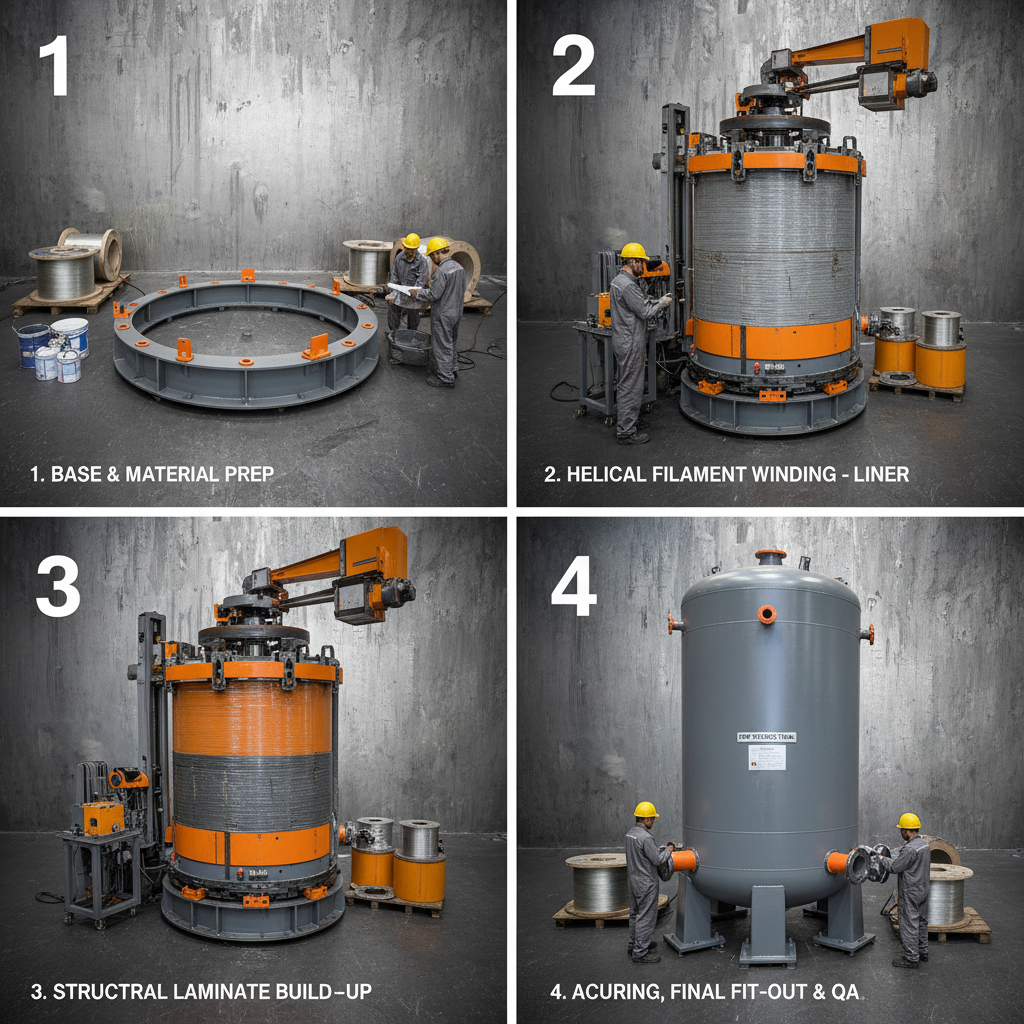
Fiber Reinforced Polymer (FRP) tanks and vessels are increasingly becoming the preferred choice for storage and processing across a multitude of industries. Their lightweight nature, corrosion resistance, and design flexibility offer significant advantages over traditional materials like steel. This article will delve into the intricacies of FRP tanks and vessels, exploring their applications, manufacturing processes, benefits, and considerations for selecting the right solution for your specific needs. We’ll also highlight why FRP tanks are a cost-effective and reliable long-term investment. FRP tanks and vessels are constructed from a combination of reinforcing fibers (such as fiberglass, carbon fiber, or aramid fiber) embedded in a polymer matrix (typically polyester, vinyl ester, or epoxy resin). This combination creates a composite material that boasts high strength-to-weight ratio, exceptional corrosion resistance, and the ability to be molded into complex shapes. They’re designed to safely contain a wide variety of liquids and gases, ranging from corrosive chemicals and water to food products and pharmaceuticals.
Optimizing Water Filtration with Durable FRP Sand Filter Vessels
Mar 24,2026
Optimizing Water Filtration with Durable FRP Sand Filter Vessels
In water treatment and filtration systems, the choice of filter vessel material is paramount. Fiber Reinforced Plastic (FRP), also known as Glass Reinforced Polymer (GRP), sand filter vessels are increasingly popular due to their superior corrosion resistance, lightweight nature, and cost-effectiveness. This article delves into the benefits, applications, design considerations, and factors to consider when selecting an FRP sand filter vessel. Whether you are involved in municipal water treatment, industrial wastewater management, or recreational water filtration, understanding FRP technology is essential for optimizing your filtration process. An FRP sand filter vessel is a containment unit designed to house filtration media, typically sand, gravel, and anthracite. These vessels are integral components in sand filtration systems used for removing suspended solids, turbidity, and other particulate matter from water. FRP construction involves layering glass fibers within a resin matrix (typically polyester or vinyl ester) to create a strong, durable, and chemically resistant shell. The strength and rigidity of the vessel are crucial for withstanding the pressure from the filtration media and the water flow.
Comprehensive Guide to FRP Round Tanks Applications and Benefits
Mar 21,2026
Comprehensive Guide to FRP Round Tanks Applications and Benefits
Fiber Reinforced Polymer (FRP) round tanks are increasingly becoming the preferred choice for storage solutions across a variety of industries. Their lightweight nature, corrosion resistance, and design flexibility offer significant advantages over traditional materials like steel. This article provides an in-depth look at FRP round tanks, exploring their applications, benefits, manufacturing processes, and key considerations when choosing the right tank for your needs. Whether you're in chemical processing, water treatment, or agriculture, understanding FRP round tanks is crucial for optimizing your storage infrastructure. FRP round tanks are constructed from a combination of reinforcing fibers (typically fiberglass, carbon fiber, or a blend) embedded in a polymer matrix (often polyester, vinyl ester, or epoxy resin). The round shape inherently provides excellent structural strength, distributing pressure evenly across the tank’s surface.
Comprehensive Guide to FRP Pressure Tanks Benefits and Applications
Mar 19,2026
Comprehensive Guide to FRP Pressure Tanks Benefits and Applications
Fiber Reinforced Polymer (FRP) pressure tanks are becoming increasingly popular in a wide range of industrial applications, offering a compelling alternative to traditional steel tanks. Known for their lightweight nature, corrosion resistance, and high strength-to-weight ratio, FRP tanks provide efficient and durable solutions for storing liquids and gases under pressure. This article will delve into the benefits, applications, construction, and key considerations when selecting an FRP pressure tank, helping you make an informed decision for your specific needs. Understanding the advantages of FRP technology can lead to significant cost savings and improved operational efficiency. Compared to steel, FRP pressure tanks offer several key advantages. The most significant is their superior corrosion resistance. Unlike steel, which is susceptible to rust and corrosion when exposed to various chemicals, FRP materials are inherently resistant to a wide range of corrosive substances. This translates to a longer lifespan, reduced maintenance costs, and increased safety. Furthermore, FRP is significantly lighter than steel, making installation easier and reducing transportation costs.
For More Details Pls Contact Us
Thank you for your interest in our gloves! We offer high-quality, durable, and comfortable gloves with fast delivery and competitive prices. For any questions or customization, feel free to contact us. We look forward to working with you!

If you are interested in our products, you can choose to leave your information here, and we will be in touch with you shortly.