Dec 03,2025

Comprehensive Guide to Electroplating Electrolytic Cell – Technology, Uses & Future Trends

Understanding the Electroplating Electrolytic Cell: A Key to Modern Industry

Electroplating electrolytic cells might sound like something locked away in a high-tech lab, but they are at the heart of industries that impact our daily lives – from the gadgets we use, to automotive parts, and even infrastructure components. Simply put, these cells make it possible to coat a base metal with another metal using electrical currents, adding desirable properties like corrosion resistance, improved appearance, or enhanced conductivity.

Why does this topic matter globally? Honestly, the world relies on electroplating processes more than most people realize. The global electroplating market is expanding steadily, bolstered by rapid industrialization and the demand for high-performance, durable materials. By understanding how electrolytic cells work, manufacturers can optimize processes, reduce waste, and innovate toward greener solutions, which is crucial for industries aiming to meet sustainability targets set by organizations like the ISO and the United Nations.

Introduction: The Global Context of Electroplating Electrolytic Cells

Electroplating technologies underpin many sectors worldwide, driving everything from consumer electronics manufacturing in East Asia to aerospace component production in Europe and automotive supply chains in North America. According to recent industry reports, the worldwide electroplating market size exceeded $12 billion in 2023, with annual growth projected around 5%. Despite this growth, challenges like environmental regulations, energy consumption, and raw material scarcity remain barriers.

These electrolytic cells are part of the solution. By improving cell design and operation, manufacturers can achieve better metal utilization and reduce hazardous emissions — pressing concerns especially for developing economies seeking industrial growth while managing environmental impacts.

What Is an Electroplating Electrolytic Cell?

In its essence, an electroplating electrolytic cell is a setup where electric current passes through a liquid solution (electrolyte), causing metal ions from an anode to deposit onto a cathode substrate. The “cell” itself typically includes a plating tank filled with electrolyte, electrodes (anode and cathode), a power supply, and sometimes auxiliary components like agitators or filtration systems.

This process is vital beyond just aesthetics. Electroplating ensures products resist corrosion, wear, and electrical failure, which aligns with humanitarian needs too — for example, in medical device manufacturing, where reliability and sterility are paramount.

Core Components and Key Factors of Electroplating Electrolytic Cells

1. Durability of Cell Materials

The tank and electrodes must withstand corrosive electrolytes and high currents. Stainless steel or specialized plastics often make the cut, ensuring longevity and stable operation. This durability means fewer shutdowns, less maintenance downtime — which frankly saves a lot of headaches (and money).

2. Scalability and Customization

Sizes vary from small lab setups to massive industrial vats—scalable designs let industries tailor cells to specific throughput needs. Customizable electrode positioning or bath agitation systems can dramatically improve deposition uniformity.

3. Cost Efficiency

Energy consumption is a big deal here. Thoughtful electrical design, including the choice of rectifiers and current densities, can optimize metal deposition rates while minimizing power usage. Economical but effective corrosion inhibitors also help extend bath life.

4. Environmental Sustainability

Modern electroplating plants often integrate wastewater treatment and metal recovery systems. Electrolytic cells designed for minimized effluent and recycle loops contribute heavily to reducing environmental footprints — increasingly a must for global markets.

5. Safety and Automation

Handling strong chemicals and high currents calls for strict safety protocols. Automation offers consistent results, reduces human error, and enhances worker safety, plus it addresses labor shortages seen in many industrialized zones.

Global Applications and Real-World Use Cases

Electroplating electrolytic cells find their place across continents and sectors. In Japan and South Korea, precision electronics rely on these cells to plate circuit boards. In Europe, automotive manufacturers line up to electroplate engine components, improving durability and heat resistance. Meanwhile, in emerging markets like India and Brazil, electroplating supports the growing infrastructure and renewable energy equipment fabrication, such as plating steel parts in wind turbines.

Oddly enough, in post-disaster relief, certain mobile or modular plating units can help restore critical medical equipment on-site — a niche but impactful application. More broadly, from aerospace components to jewelry, electrolytic cells shape materials crucial to tomorrow’s technologies.

Product Specifications at a Glance

Specification Typical Range / Details
Cell Size From 5L small labs to >10,000L industrial scale
Electrode Material Pure copper, stainless steel, lead alloys
Operating Voltage 1.5V – 20V depending on cell size/configuration
Electrolyte Types Acidic, alkaline, cyanide & cyanide-free baths
Current Density 5 – 100 A/dm2
Automation Features Bath filtration, voltage/current monitoring, electrolyte agitation

Vendor Comparison: Choosing the Right Electroplating Electrolytic Cell Supplier

Feature Vendor A Vendor B Vendor C
Customization Options High (engineer-to-order services) Medium (modular units) Low (standardized models)
Lead Time 6-8 weeks 4-6 weeks 2-3 weeks
After-sales Support Comprehensive training & maintenance Limited to phone & email None
Price Range $$$ (premium) $$ $ (budget)
Sustainability Features Advanced waste treatment integration Basic recycle options None

Advantages and Long-Term Value

Using a well-designed electroplating electrolytic cell brings measurable advantages:

  • Cost savings: Efficient metal use and energy management reduce raw material and operational costs.
  • Sustainability: Lower waste and emissions align with stricter environmental norms.
  • Reliability: Consistent plating thickness and quality increase product lifespan and customer satisfaction.
  • Safety: Modern automation reduces exposure to hazardous chemicals and improves workplace safety.

On a human level, it’s about trust and dignity — making products that last longer with less environmental harm. Manufacturers who invest in good electrolytic cells build a reputation for quality and responsibility.

Future Trends and Innovations

The future looks promising. Smart cells embedded with IoT sensors can predict maintenance needs and optimize bath chemistry in real-time. Green electroplating solutions using less toxic chemicals and renewable power sources are gaining traction. Automation paired with AI could radically simplify complex plating recipes. And, oddly enough, additive manufacturing (3D printing) is beginning to complement traditional plating for highly customized, lightweight parts.

Challenges and Solutions

Of course, it’s not all smooth sailing. Electroplating electrolytic cells must contend with issues like electrolyte contamination, uneven coatings, and regulation compliance. Yet engineers and operators are finding ways around these, such as enhanced filtration systems, bath monitoring software, and environmentally friendlier cyanide-free baths. It feels like a constant balance between efficiency, safety, and sustainability.

FAQ: Frequently Asked Questions About Electroplating Electrolytic Cells

How long does an electroplating electrolytic cell typically last?
With proper maintenance, such as regular bath filtration and electrode replacement, electroplating cells can operate efficiently for 5-10 years or more. Of course, harsh conditions or poor monitoring will shorten this considerably.
Can electroplating be done without using hazardous chemicals?
Yes. Advances in eco-friendly electrolytes and cyanide-free baths are helping reduce chemical hazards. Though some processes still rely on traditional chemicals, greener alternatives are increasingly preferred due to regulations and corporate responsibility.
What industries benefit most from electroplating electrolytic cells?
Key users include automotive, aerospace, electronics, jewelry, and industrial machinery manufacturing. These sectors require corrosion-resistant and visually appealing metal coatings.
Are there portable electroplating cells for field use?
Portable or modular units exist but are less common. They tend to be smaller scale, used mainly in specialized repairs or remote manufacturing applications.
Is automation necessary for a plating plant?
Automation is not mandatory but highly recommended. It improves precision, safety, and throughput consistency, saving costs in the long run.

Conclusion: The Long-Term Benefits of the Electroplating Electrolytic Cell

To wrap this up, mastering electroplating electrolytic cells can transform how industries produce durable, quality metal coatings sustainably. It’s a blend of science, engineering, and environmental stewardship with real-world economic benefits. For manufacturers ready to upgrade or innovate their plating operations, exploring electroplating electrolytic cell technologies is a smart next step.

Ready to take your electroplating processes to the next level? Visit https://www.frpgrpmachine.com to explore advanced solutions and expert support.

It feels like the more we understand these systems, the more they reveal possibilities — not just in metal coating, but in building a sustainable industrial future.

References:
  1. Wikipedia: Electroplating
  2. ISO 50001 Energy Management
  3. United Nations Sustainable Development Goals
Upsell Products
Upsell News
Durable FRP Vessel for Water Treatment and Industrial Filtration
Apr 16,2026
Durable FRP Vessel for Water Treatment and Industrial Filtration
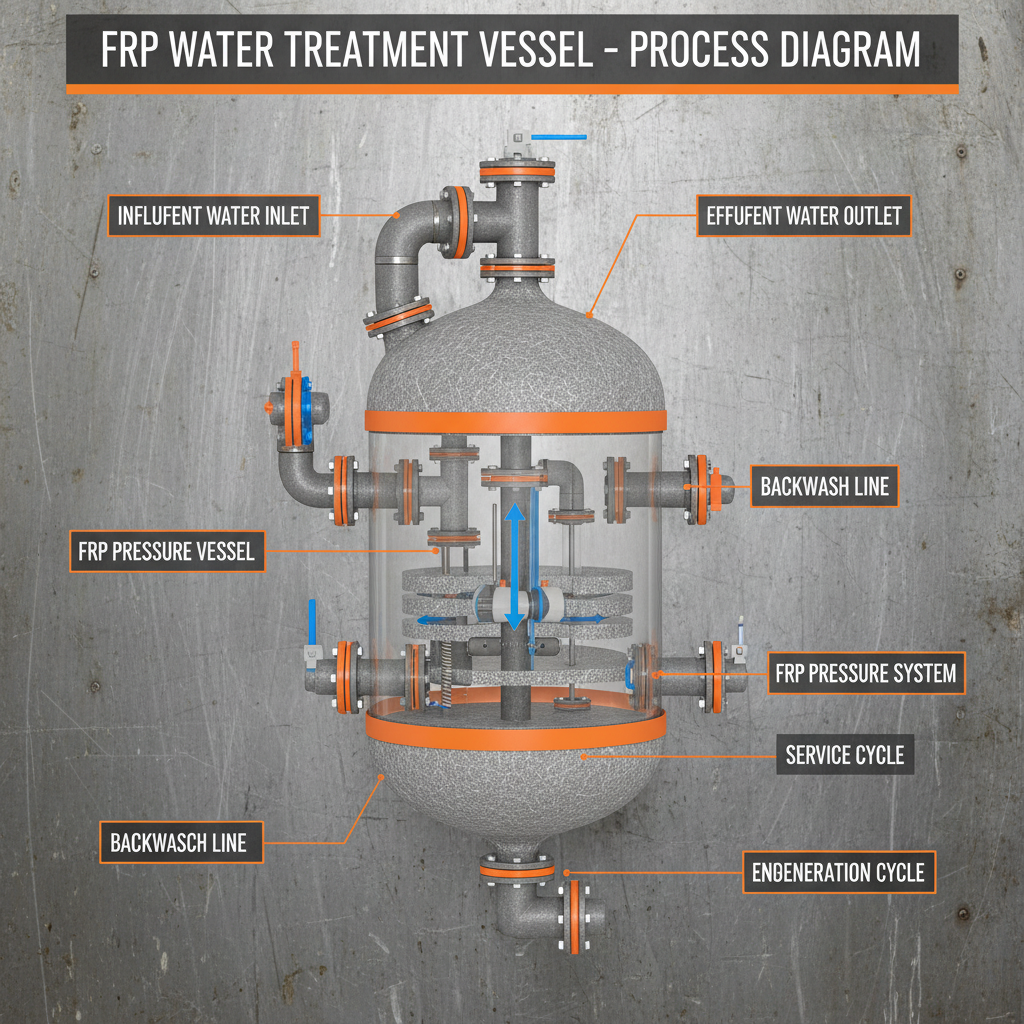
In the modern era of industrial and residential water purification, the choice of containment materials is critical for efficiency and longevity. An frp vessel for water treatment has emerged as the gold standard, replacing traditional steel tanks due to its superior corrosion resistance and lightweight properties. Whether you are dealing with desalination, softening, or filtration, using Fiber Reinforced Plastic (FRP) ensures that your system remains leak-proof and durable against aggressive chemicals. In this comprehensive guide, we will explore why FRP is the preferred choice for water treatment professionals worldwide and how to select the right vessel for your specific application.
Industrial Guide for Choosing the Right FRP Vertical Tank
Apr 09,2026
Industrial Guide for Choosing the Right FRP Vertical Tank
In today's industrial landscape, the storage of corrosive chemicals and aggressive liquids requires materials that can withstand extreme conditions without degrading. The frp vertical tank has emerged as a premier solution, offering an exceptional balance of strength, lightweight properties, and unmatched chemical resistance. Whether you are managing a water treatment plant or a chemical processing facility, understanding the nuances of Fiber Reinforced Plastic (FRP) is essential for ensuring operational safety and longevity. In this comprehensive guide, we will explore why vertical configurations are preferred and how these tanks outperform traditional metal alternatives.
Comprehensive Guide to FRP Underground Water Tank Solutions and Applications
Apr 07,2026
Comprehensive Guide to FRP Underground Water Tank Solutions and Applications
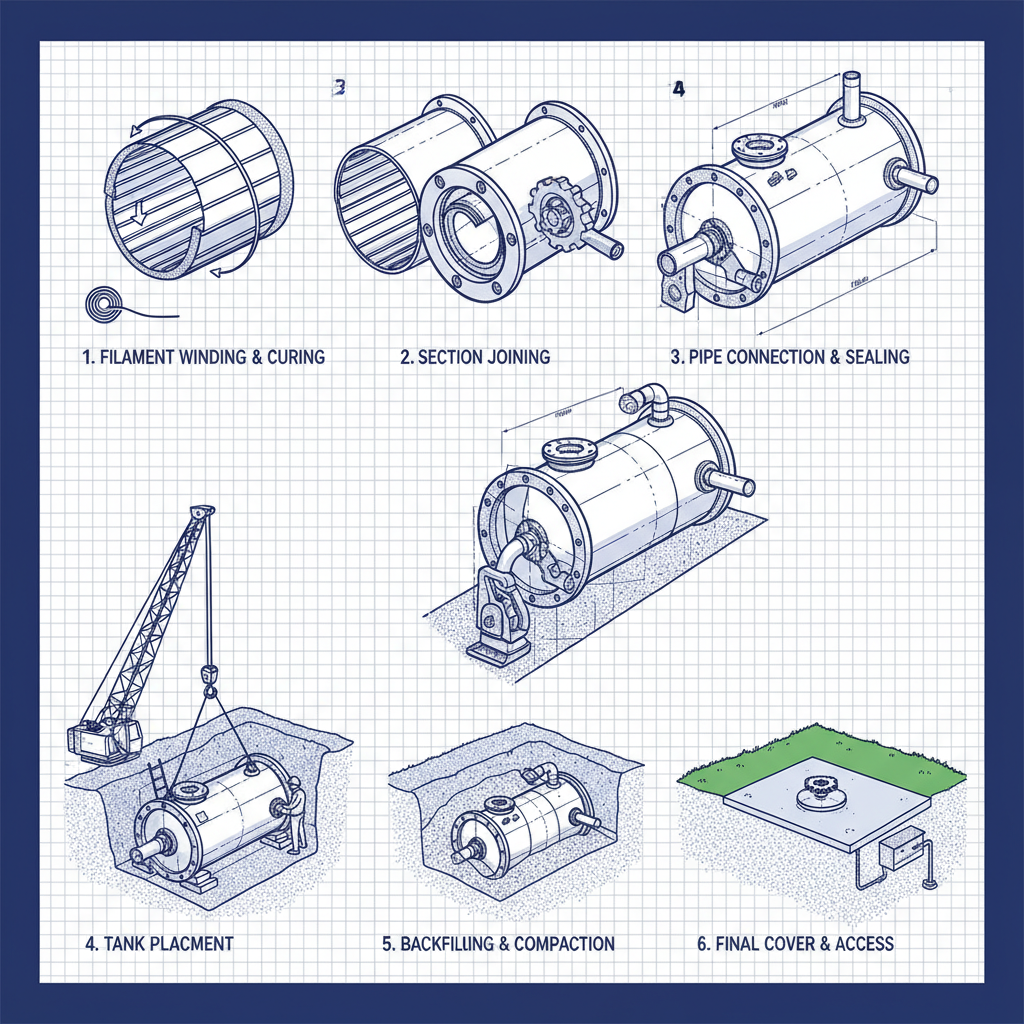
Fiberglass Reinforced Polymer (FRP) underground water tanks are becoming increasingly popular for a wide range of applications, from potable water storage to industrial wastewater containment. Their superior corrosion resistance, lightweight nature, and design flexibility make them an excellent alternative to traditional materials like concrete or steel. This article will delve into the benefits, applications, construction, and considerations for implementing FRP underground water tanks, providing a comprehensive overview for engineers, contractors, and project managers.
Comprehensive Guide to Frp Underground Water Storage Tanks and Their Applications
Apr 04,2026
Comprehensive Guide to Frp Underground Water Storage Tanks and Their Applications
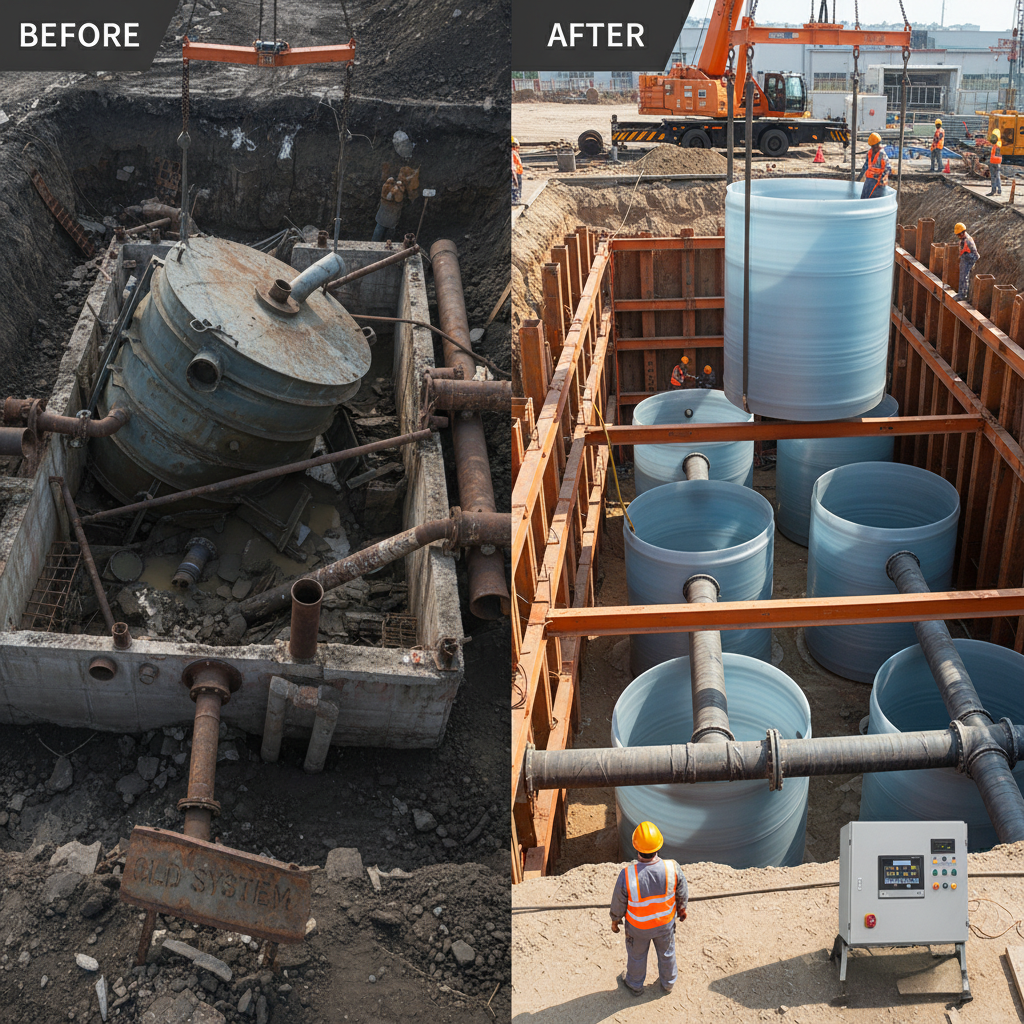
When considering water storage solutions, particularly for industrial, agricultural, or municipal applications, frp underground water storage tanks stand out as a durable, cost-effective, and environmentally friendly option. These tanks are increasingly favored over traditional materials like concrete or steel due to their superior corrosion resistance, lighter weight, and ease of installation. This article delves into the benefits, applications, construction, and considerations when choosing an FRP tank, providing a detailed overview for potential buyers and project planners.
Sulfuric Acid Production Line - Hebei Aoliande|Efficient H2SO4 Plant Technology
Apr 01,2026
Sulfuric Acid Production Line - Hebei Aoliande|Efficient H2SO4 Plant Technology
Discover efficient H2SO4 plant technology and advanced sulfuric acid production solutions. Hebei Aoliande combines energy-saving furnace design and eco-friendly HCl recovery systems for sustainable industrial applications. Explore now: https://www.frpgrpmachine.com/sulfuric-acid-production-line-for-h2so4-plant.html
Sulfuric Acid Production Line - Hebei Aoliande|Efficient H2SO4 Plant Technology
Apr 01,2026
Sulfuric Acid Production Line - Hebei Aoliande|Efficient H2SO4 Plant Technology
Discover efficient H2SO4 plant technology and advanced sulfuric acid production solutions. Hebei Aoliande combines energy-saving furnace design and eco-friendly HCl recovery systems for sustainable industrial applications. Explore now: https://www.frpgrpmachine.com/sulfuric-acid-production-line-for-h2so4-plant.html
Sulfuric Acid Production Line - Hebei Aoliande|Efficient H2SO4 Plant Technology
Apr 01,2026
Sulfuric Acid Production Line - Hebei Aoliande|Efficient H2SO4 Plant Technology
Discover efficient H2SO4 plant technology and advanced sulfuric acid production solutions. Hebei Aoliande combines energy-saving furnace design and eco-friendly HCl recovery systems for sustainable industrial applications. Explore now: https://www.frpgrpmachine.com/sulfuric-acid-production-line-for-h2so4-plant.html
Sulfuric Acid Production Line - Hebei Aoliande|Efficient H2SO4 Plant Technology
Apr 01,2026
Sulfuric Acid Production Line - Hebei Aoliande|Efficient H2SO4 Plant Technology
Discover efficient H2SO4 plant technology and advanced sulfuric acid production solutions. Hebei Aoliande combines energy-saving furnace design and eco-friendly HCl recovery systems for sustainable industrial applications. Explore now: https://www.frpgrpmachine.com/sulfuric-acid-production-line-for-h2so4-plant.html
Sulfuric Acid Production Line - Hebei Aoliande|Efficient H2SO4 Plant Technology
Apr 01,2026
Sulfuric Acid Production Line - Hebei Aoliande|Efficient H2SO4 Plant Technology
Discover efficient H2SO4 plant technology and advanced sulfuric acid production solutions. Hebei Aoliande combines energy-saving furnace design and eco-friendly HCl recovery systems for sustainable industrial applications. Explore now: https://www.frpgrpmachine.com/sulfuric-acid-production-line-for-h2so4-plant.html
Sulfuric Acid Production Line - Hebei Aoliande|Efficient H2SO4 Plant Technology
Apr 01,2026
Sulfuric Acid Production Line - Hebei Aoliande|Efficient H2SO4 Plant Technology
Discover efficient H2SO4 plant technology and advanced sulfuric acid production solutions. Hebei Aoliande combines energy-saving furnace design and eco-friendly HCl recovery systems for sustainable industrial applications. Explore now: https://www.frpgrpmachine.com/sulfuric-acid-production-line-for-h2so4-plant.html
Comprehensive Guide to Frp Underground Storage Tanks for Reliable Storage Solutions
Mar 31,2026
Comprehensive Guide to Frp Underground Storage Tanks for Reliable Storage Solutions
Fiberglass Reinforced Polymer (FRP) underground storage tanks are becoming increasingly popular for a wide range of applications, from fuel storage to wastewater management. Their corrosion resistance, lightweight nature, and durability offer significant advantages over traditional materials like steel. This article will provide an in-depth look at FRP underground storage tanks, covering their benefits, applications, installation, and maintenance. Understanding these aspects is crucial for making informed decisions about long-term storage solutions.
Comprehensive Guide to Selecting the Ideal FRP Tank for Water Storage Solutions
Mar 28,2026
Comprehensive Guide to Selecting the Ideal FRP Tank for Water Storage Solutions
When it comes to reliable and durable water storage, FRP tanks for water are increasingly becoming the preferred solution for a wide range of applications. These tanks, constructed from Fiber Reinforced Polymer (FRP) materials, offer significant advantages over traditional storage options like steel or concrete. This article delves into the benefits, applications, and considerations when selecting an FRP tank for your water storage needs, providing a detailed overview for businesses and individuals alike.
Comprehensive Guide to Frp Tank and Vessel Applications and Manufacturing
Mar 26,2026
Comprehensive Guide to Frp Tank and Vessel Applications and Manufacturing
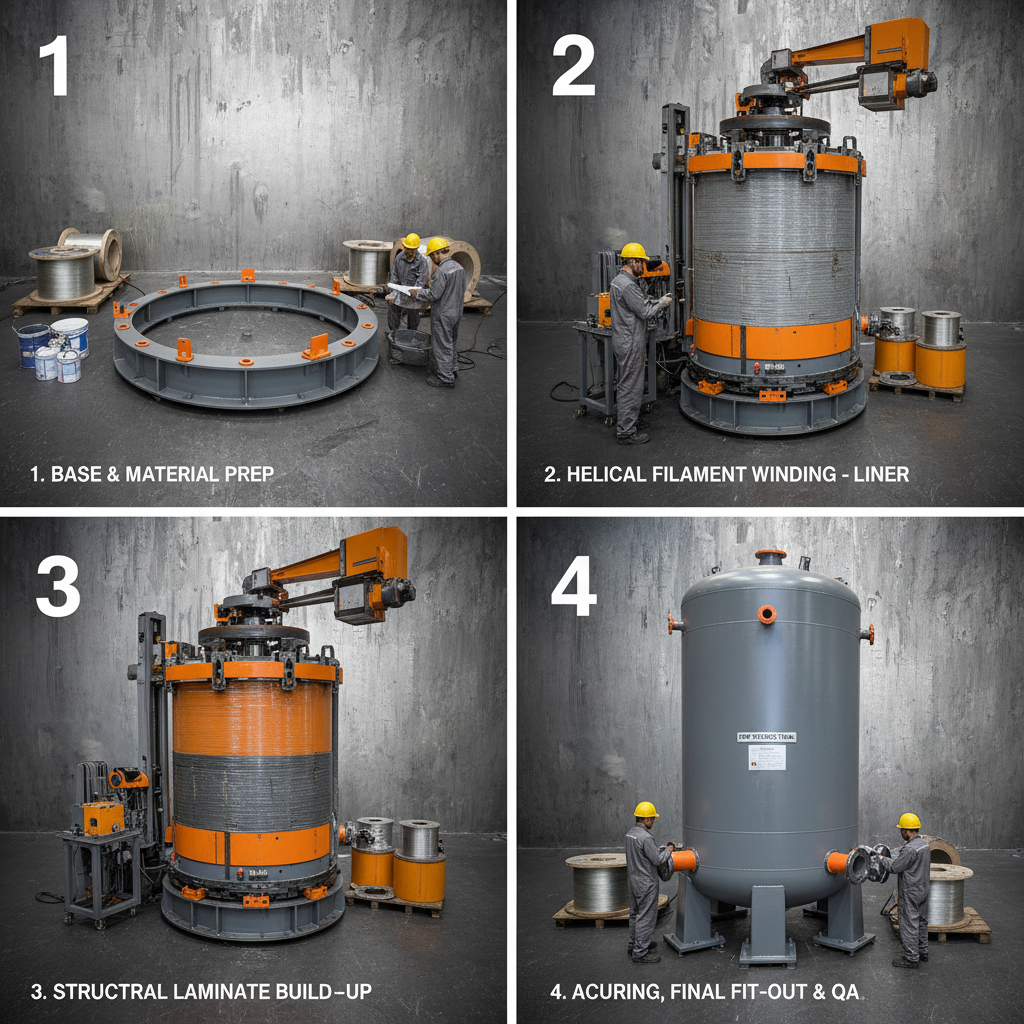
Fiber Reinforced Polymer (FRP) tanks and vessels are increasingly becoming the preferred choice for storage and processing across a multitude of industries. Their lightweight nature, corrosion resistance, and design flexibility offer significant advantages over traditional materials like steel. This article will delve into the intricacies of FRP tanks and vessels, exploring their applications, manufacturing processes, benefits, and considerations for selecting the right solution for your specific needs. We’ll also highlight why FRP tanks are a cost-effective and reliable long-term investment. FRP tanks and vessels are constructed from a combination of reinforcing fibers (such as fiberglass, carbon fiber, or aramid fiber) embedded in a polymer matrix (typically polyester, vinyl ester, or epoxy resin). This combination creates a composite material that boasts high strength-to-weight ratio, exceptional corrosion resistance, and the ability to be molded into complex shapes. They’re designed to safely contain a wide variety of liquids and gases, ranging from corrosive chemicals and water to food products and pharmaceuticals.
Optimizing Water Filtration with Durable FRP Sand Filter Vessels
Mar 24,2026
Optimizing Water Filtration with Durable FRP Sand Filter Vessels
In water treatment and filtration systems, the choice of filter vessel material is paramount. Fiber Reinforced Plastic (FRP), also known as Glass Reinforced Polymer (GRP), sand filter vessels are increasingly popular due to their superior corrosion resistance, lightweight nature, and cost-effectiveness. This article delves into the benefits, applications, design considerations, and factors to consider when selecting an FRP sand filter vessel. Whether you are involved in municipal water treatment, industrial wastewater management, or recreational water filtration, understanding FRP technology is essential for optimizing your filtration process. An FRP sand filter vessel is a containment unit designed to house filtration media, typically sand, gravel, and anthracite. These vessels are integral components in sand filtration systems used for removing suspended solids, turbidity, and other particulate matter from water. FRP construction involves layering glass fibers within a resin matrix (typically polyester or vinyl ester) to create a strong, durable, and chemically resistant shell. The strength and rigidity of the vessel are crucial for withstanding the pressure from the filtration media and the water flow.
Comprehensive Guide to FRP Round Tanks Applications and Benefits
Mar 21,2026
Comprehensive Guide to FRP Round Tanks Applications and Benefits
Fiber Reinforced Polymer (FRP) round tanks are increasingly becoming the preferred choice for storage solutions across a variety of industries. Their lightweight nature, corrosion resistance, and design flexibility offer significant advantages over traditional materials like steel. This article provides an in-depth look at FRP round tanks, exploring their applications, benefits, manufacturing processes, and key considerations when choosing the right tank for your needs. Whether you're in chemical processing, water treatment, or agriculture, understanding FRP round tanks is crucial for optimizing your storage infrastructure. FRP round tanks are constructed from a combination of reinforcing fibers (typically fiberglass, carbon fiber, or a blend) embedded in a polymer matrix (often polyester, vinyl ester, or epoxy resin). The round shape inherently provides excellent structural strength, distributing pressure evenly across the tank’s surface.
Comprehensive Guide to FRP Pressure Tanks Benefits and Applications
Mar 19,2026
Comprehensive Guide to FRP Pressure Tanks Benefits and Applications
Fiber Reinforced Polymer (FRP) pressure tanks are becoming increasingly popular in a wide range of industrial applications, offering a compelling alternative to traditional steel tanks. Known for their lightweight nature, corrosion resistance, and high strength-to-weight ratio, FRP tanks provide efficient and durable solutions for storing liquids and gases under pressure. This article will delve into the benefits, applications, construction, and key considerations when selecting an FRP pressure tank, helping you make an informed decision for your specific needs. Understanding the advantages of FRP technology can lead to significant cost savings and improved operational efficiency. Compared to steel, FRP pressure tanks offer several key advantages. The most significant is their superior corrosion resistance. Unlike steel, which is susceptible to rust and corrosion when exposed to various chemicals, FRP materials are inherently resistant to a wide range of corrosive substances. This translates to a longer lifespan, reduced maintenance costs, and increased safety. Furthermore, FRP is significantly lighter than steel, making installation easier and reducing transportation costs.
For More Details Pls Contact Us
Thank you for your interest in our gloves! We offer high-quality, durable, and comfortable gloves with fast delivery and competitive prices. For any questions or customization, feel free to contact us. We look forward to working with you!

If you are interested in our products, you can choose to leave your information here, and we will be in touch with you shortly.