Oct 10,2025

Double Wall Fuel Tank: Safe, Compliant, Durable—Need One?

Field notes on the SF double wall fuel tank: what’s changing underground

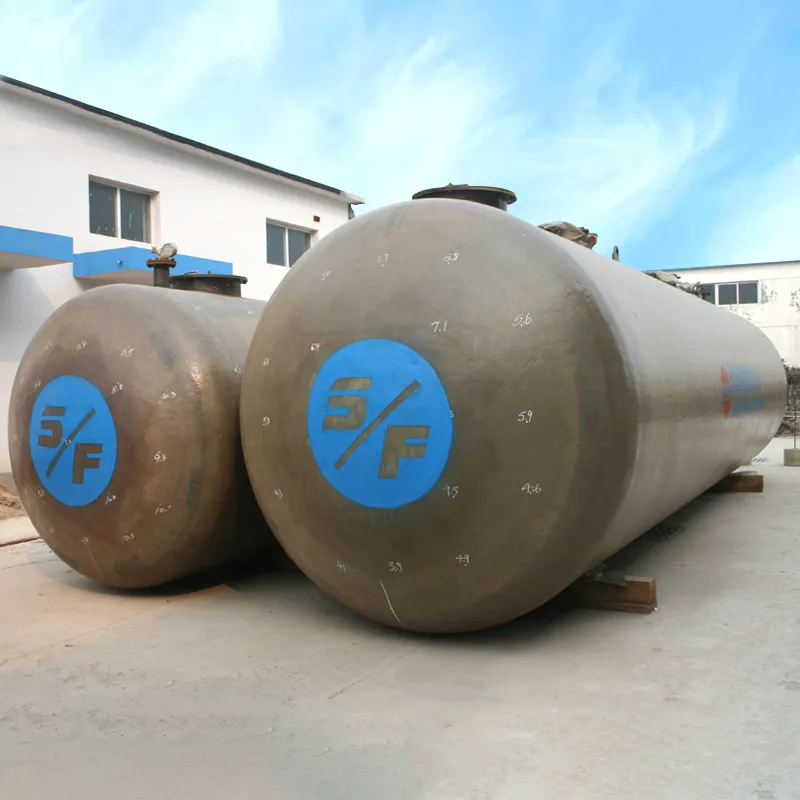
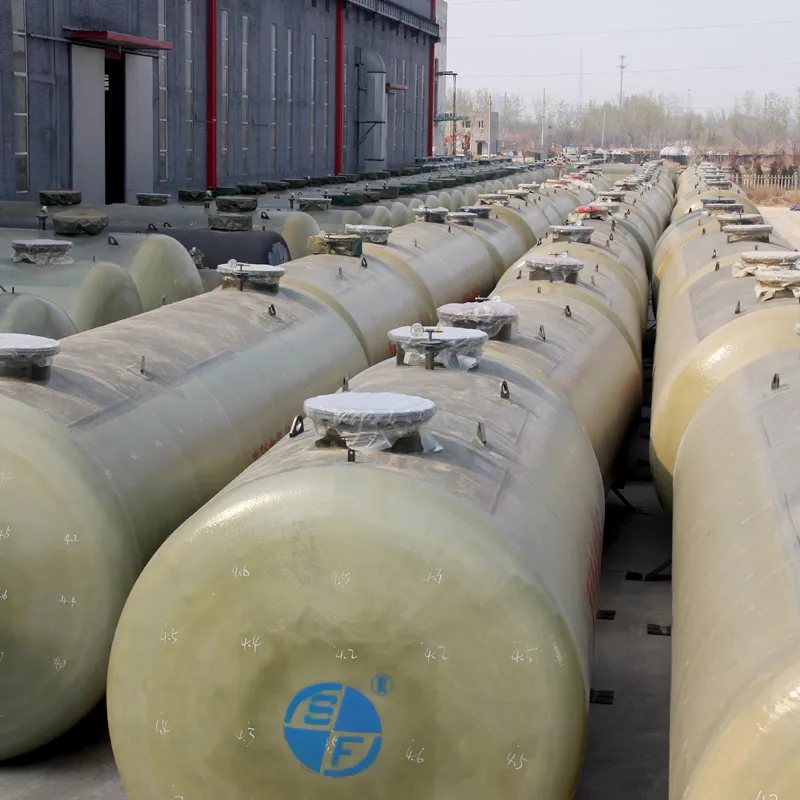
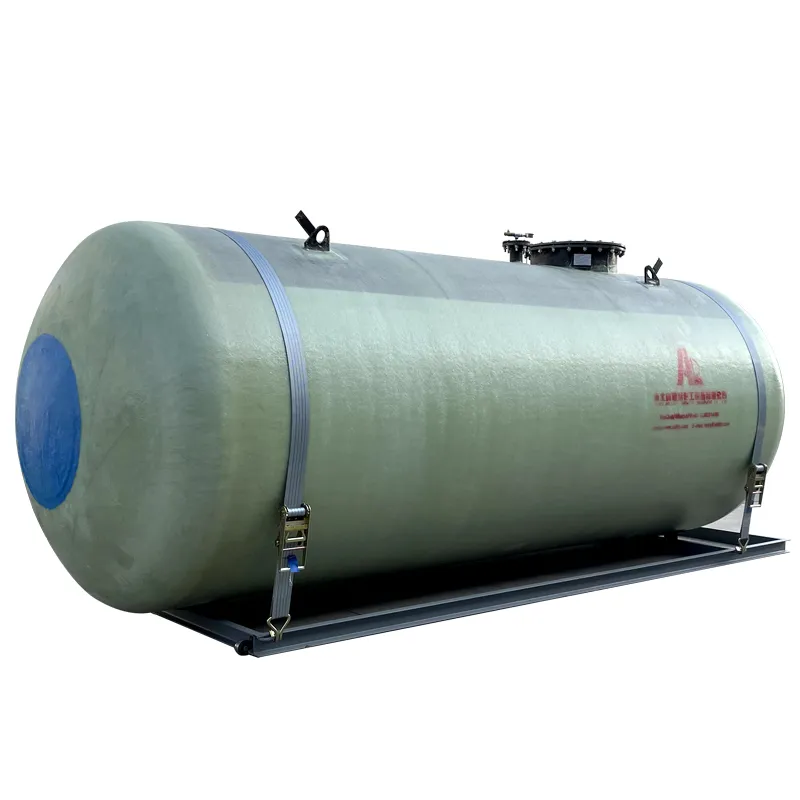
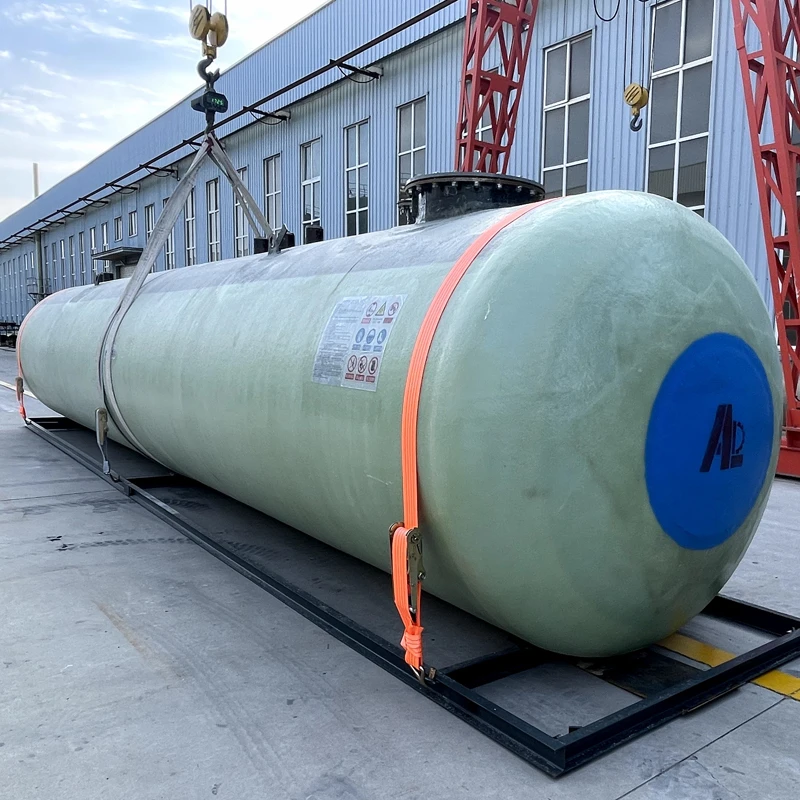
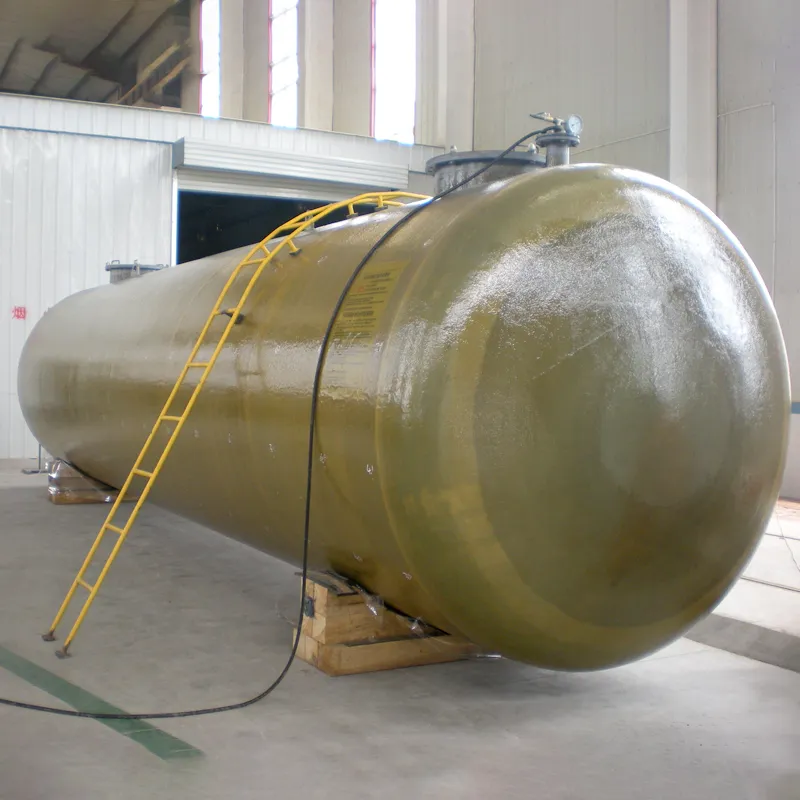
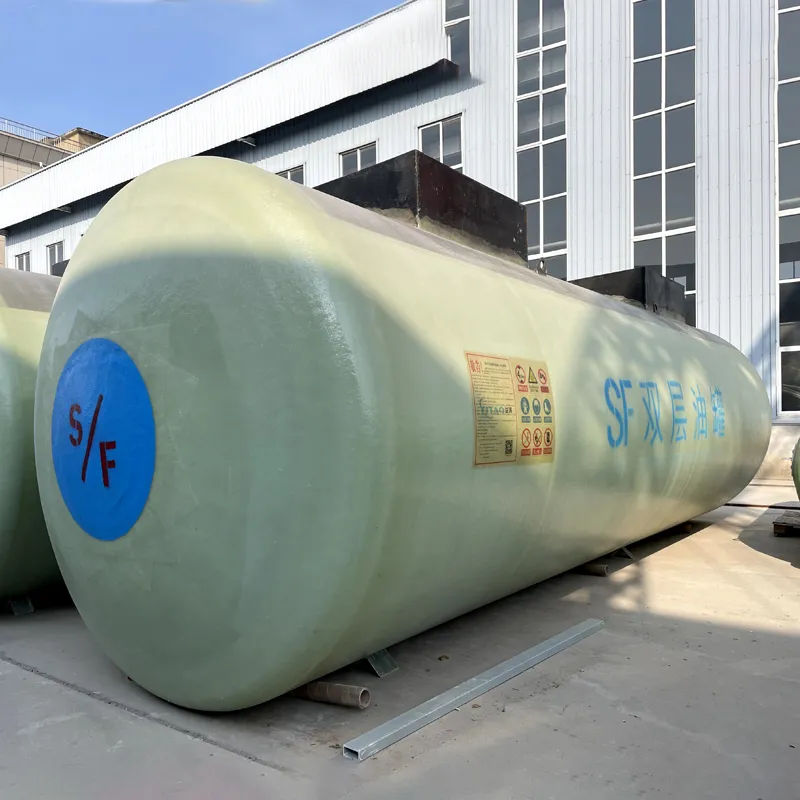
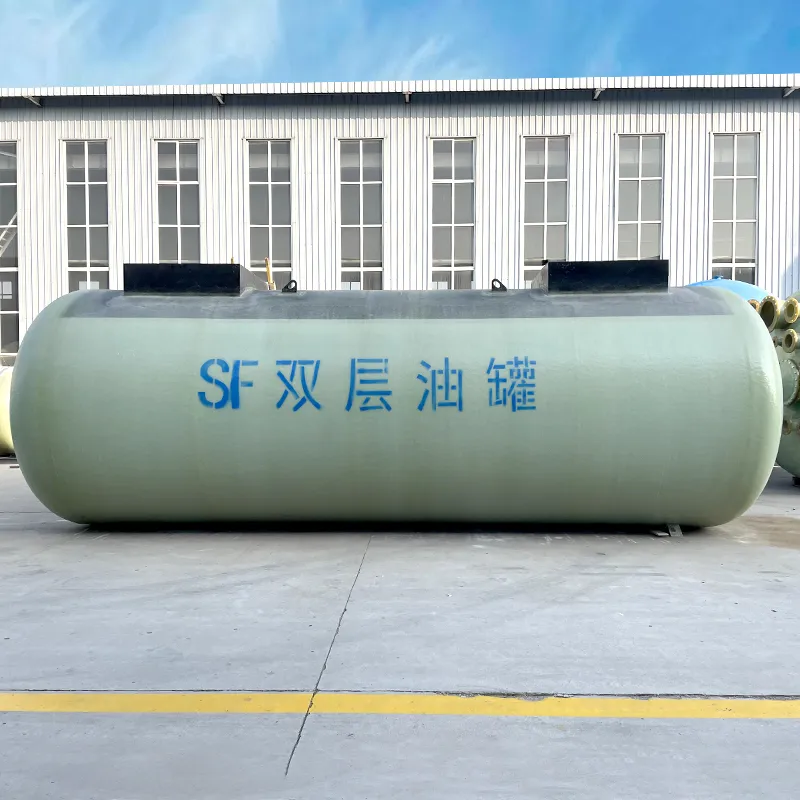
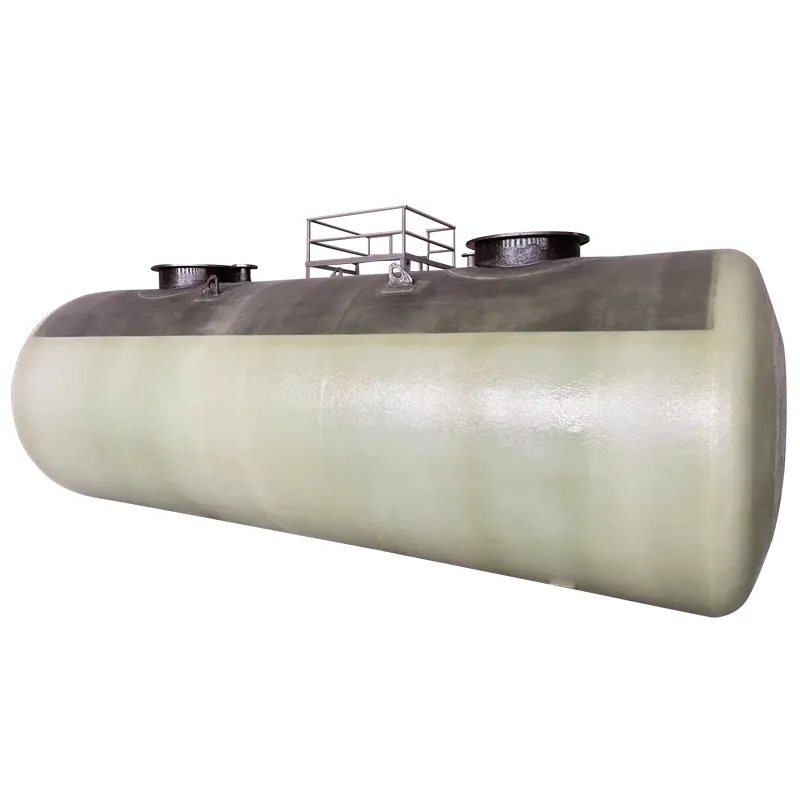
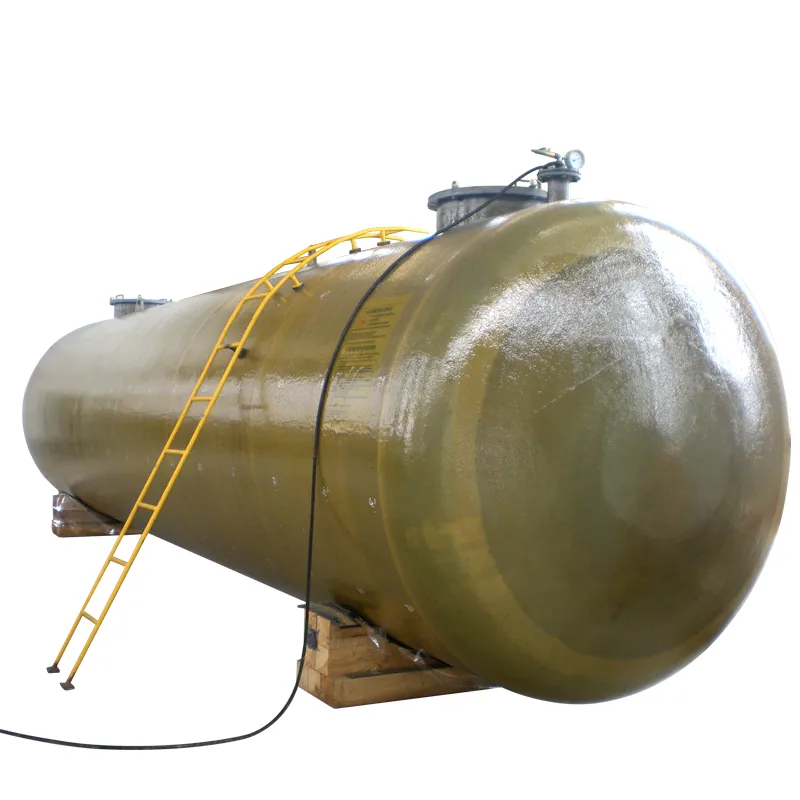
I’ve spent enough time around forecourts and backup gen-sets to know: fuel storage only gets noticed when it fails. The SF Double Wall Underground Fuel Tank For Sale caught my eye because it blends a steel inner shell (“S”) with a fiberglass outer (“F”). In practice, that means petroleum touches steel; soil and groundwater meet FRP—smart separation, lower corrosion risk, calmer environmental auditors.
Double Wall Fuel Tank: Safe, Compliant, Durable—Need One?

Who buys it and why now

Trends are obvious: tighter leak regs, higher fuel volatility (hello, biodiesel blends), and site owners wanting 30-year service life without babysitting coatings. Many customers say interstitial monitoring gave them “sleep-at-night” value. And, surprisingly, contractors like the install speed compared with legacy single-wall steel + cathodic protection.
Double Wall Fuel Tank: Safe, Compliant, Durable—Need One?

Quick spec snapshot

ParameterTypical value (≈, real-world may vary)
Capacities5–100 m³ common; custom larger on request
Inner shellCarbon steel (e.g., Q235B), automatic welded, RT/UT spot checks
Outer shellFRP with vinyl ester resin; filament-wound FRP laminate
Interstitial spaceVacuum or pressure-monitored; EN 13160 leak detection compatible
Corrosion controlFRP isolation externally; internal epoxy options for ULSD/biofuels
Design life≈30 years with routine inspections
Standards (target)UL 58, UL 1746, EPA 40 CFR Part 280, EN 13160 (leak detection)
Double Wall Fuel Tank: Safe, Compliant, Durable—Need One?

Process flow, testing, and the nerdy bits

  • Materials: steel plate prep (shot-blast SA 2.5), vinyl-ester FRP outer shell, glass roving.
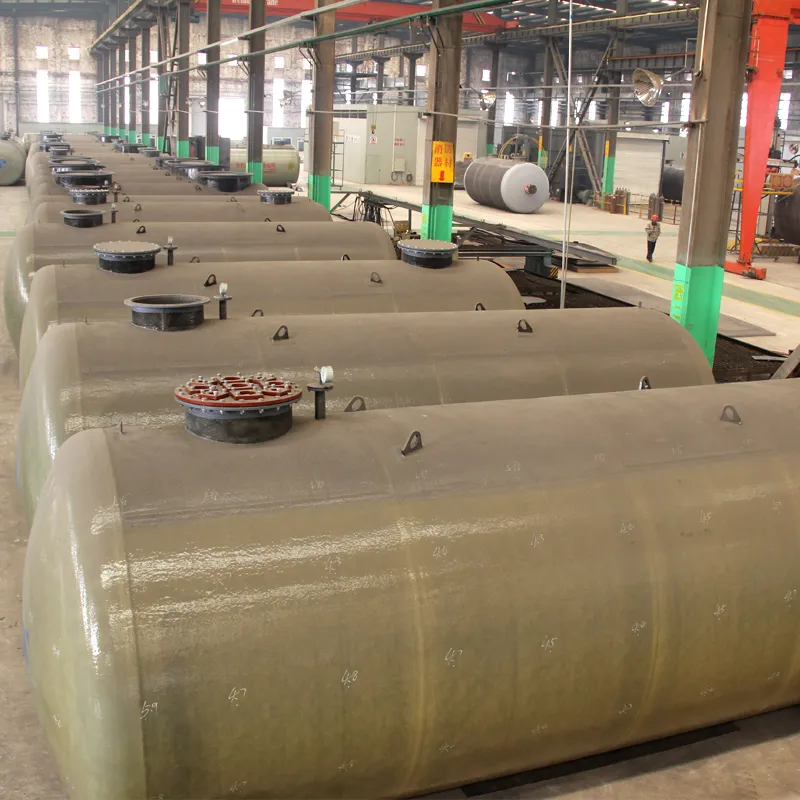
  • Methods: automatic girth welding; FRP filament winding; post-cure cycle for resin.
  • Testing: hydrostatic test at ≈1.3× design pressure; interstice vacuum hold test (≤1 mbar/h drop); holiday/spark testing on coatings; NDT on seams (RT/UT sample rate per WPS).
  • Documentation: MTRs, WPS/PQR, factory QC records, leak test reports.
Double Wall Fuel Tank: Safe, Compliant, Durable—Need One?

Origin matters for logistics: No. Room 211,706 Xinghua North Street, Jizhou District, Hengshui City, Hebei Province. Freight lanes from Hebei are reliable—lead times feel sane, to be honest.
Double Wall Fuel Tank: Safe, Compliant, Durable—Need One?

Where it’s used

Fuel stations, data centers (diesel backup), ports, mining depots, municipal fleets, even airports. Anywhere a double wall fuel tank with monitored interstice cuts risk and paperwork.
Double Wall Fuel Tank: Safe, Compliant, Durable—Need One?

Real-world feedback

  • “Interstitial alarm caught a bad gasket during startup—cheap save.”
  • “Groundwater around the site? FRP outer shell made permitting easier.”
  • “Bio-blend B10 okay so far; we added internal epoxy just in case.”
Double Wall Fuel Tank: Safe, Compliant, Durable—Need One?

Vendor comparison (at a glance)

Vendor/typeConstructionCerts/targetsLead timePrice bandAfter-sales
SF tank (this model)Steel inner + FRP outerUL 58/1746, ISO 90014–8 weeks$$Remote leak monitoring support
FRP-only USTDual FRPUL 13166–10 weeks$$$Strong corrosion immunity
Single-wall steel + CPSteel + cathodic protectionUL 583–6 weeks$Higher compliance overhead
Double Wall Fuel Tank: Safe, Compliant, Durable—Need One?

Customization menu

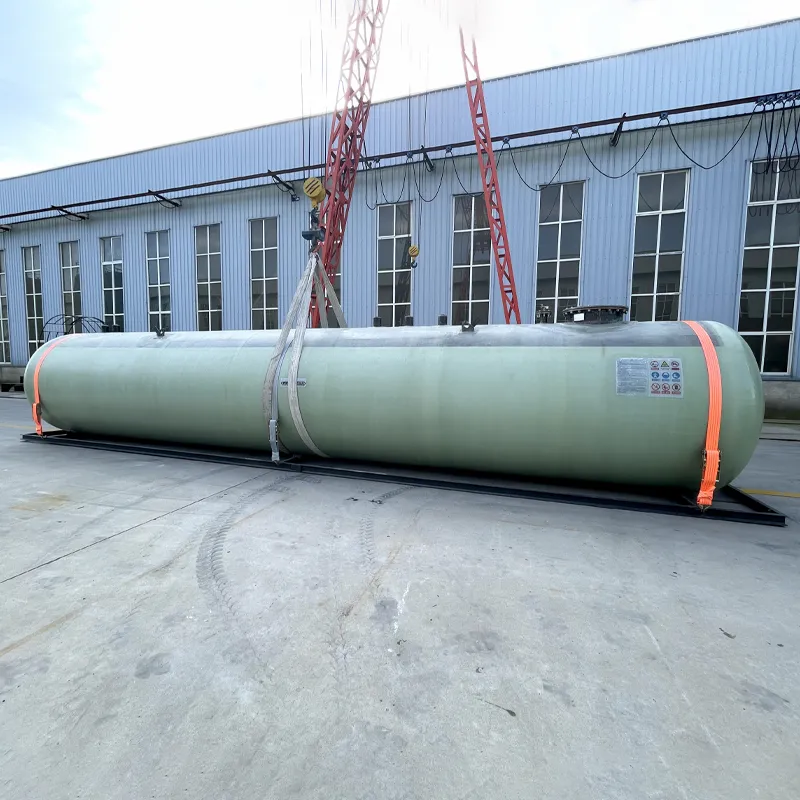
Options include manway sizes, nozzle maps, internal epoxy lining for biodiesel blends, sump integration, anodes (belt-and-suspenders), and telemetry-ready leak sensors. For colder regions, heat tracing stubs—yes, really—are being asked for more lately.
Double Wall Fuel Tank: Safe, Compliant, Durable—Need One?

Case notes

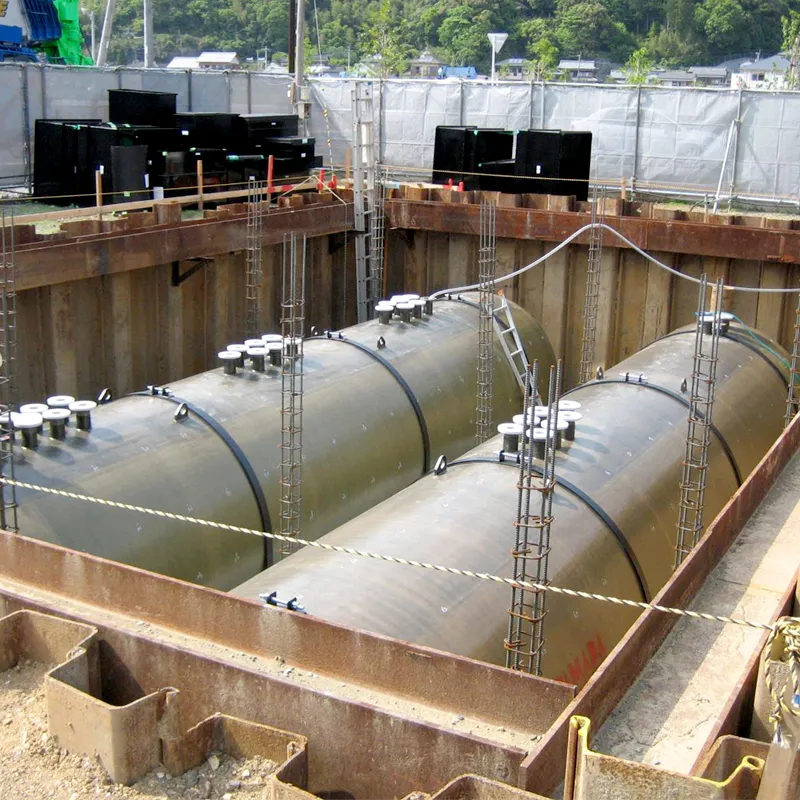
Retail station upgrade: 30 m³ double wall fuel tank swapped in over a weekend; interstice held vacuum 24h (no drop). Inspector ticked the box instantly.

Data center: twin 50 m³ diesel tanks; EN 13160 Class II leak detection; they liked the alarm relay into BMS. No drama since commissioning.
Double Wall Fuel Tank: Safe, Compliant, Durable—Need One? Double Wall Fuel Tank: Safe, Compliant, Durable—Need One? Double Wall Fuel Tank: Safe, Compliant, Durable—Need One?

Compliance checklist (short version)

  • Design to UL 58; external protection via UL 1746 methods.
  • Install per PEI RP100 and local code; keep EPA 40 CFR Part 280 records.
  • Commission: hydro test, interstitial leak test, ATG/leak sensor calibration.

If you need a pragmatic underground double wall fuel tank with serious leak defense and straightforward paperwork, this SF model is, actually, a balanced choice.


Authoritative citations

  1. EPA 40 CFR Part 280 — Underground Storage Tanks
  2. UL 58 — Steel Underground Tanks for Flammable and Combustible Liquids
  3. UL 1746 — External Corrosion Protection Systems for Steel Underground Tanks
  4. EN 13160 — Leak detection systems
  5. PEI RP100 — Installation of Underground Liquid Storage Systems
Upsell Products
Upsell News
Durable FRP Vessel for Water Treatment and Industrial Filtration
Apr 16,2026
Durable FRP Vessel for Water Treatment and Industrial Filtration
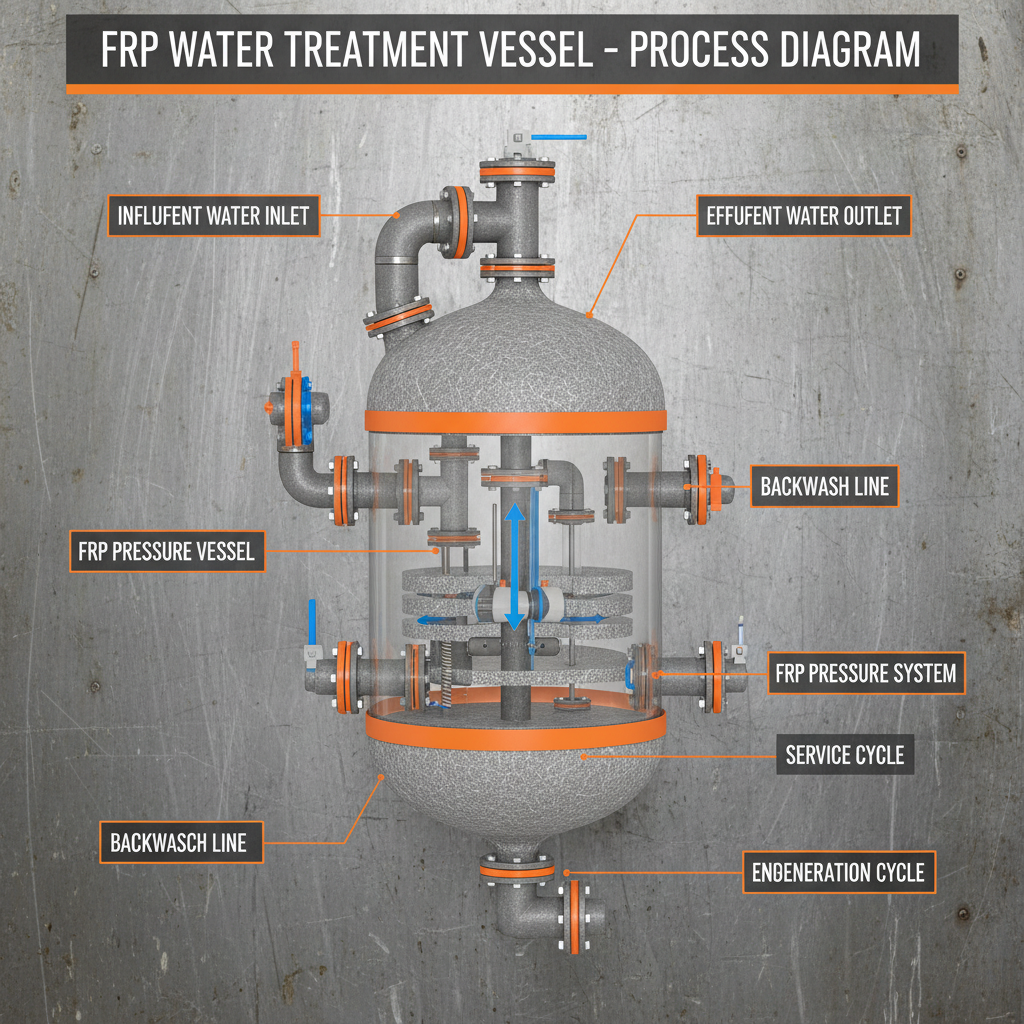
In the modern era of industrial and residential water purification, the choice of containment materials is critical for efficiency and longevity. An frp vessel for water treatment has emerged as the gold standard, replacing traditional steel tanks due to its superior corrosion resistance and lightweight properties. Whether you are dealing with desalination, softening, or filtration, using Fiber Reinforced Plastic (FRP) ensures that your system remains leak-proof and durable against aggressive chemicals. In this comprehensive guide, we will explore why FRP is the preferred choice for water treatment professionals worldwide and how to select the right vessel for your specific application.
Industrial Guide for Choosing the Right FRP Vertical Tank
Apr 09,2026
Industrial Guide for Choosing the Right FRP Vertical Tank
In today's industrial landscape, the storage of corrosive chemicals and aggressive liquids requires materials that can withstand extreme conditions without degrading. The frp vertical tank has emerged as a premier solution, offering an exceptional balance of strength, lightweight properties, and unmatched chemical resistance. Whether you are managing a water treatment plant or a chemical processing facility, understanding the nuances of Fiber Reinforced Plastic (FRP) is essential for ensuring operational safety and longevity. In this comprehensive guide, we will explore why vertical configurations are preferred and how these tanks outperform traditional metal alternatives.
Comprehensive Guide to FRP Underground Water Tank Solutions and Applications
Apr 07,2026
Comprehensive Guide to FRP Underground Water Tank Solutions and Applications
Fiberglass Reinforced Polymer (FRP) underground water tanks are becoming increasingly popular for a wide range of applications, from potable water storage to industrial wastewater containment. Their superior corrosion resistance, lightweight nature, and design flexibility make them an excellent alternative to traditional materials like concrete or steel. This article will delve into the benefits, applications, construction, and considerations for implementing FRP underground water tanks, providing a comprehensive overview for engineers, contractors, and project managers.
Comprehensive Guide to Frp Underground Water Storage Tanks and Their Applications
Apr 04,2026
Comprehensive Guide to Frp Underground Water Storage Tanks and Their Applications
When considering water storage solutions, particularly for industrial, agricultural, or municipal applications, frp underground water storage tanks stand out as a durable, cost-effective, and environmentally friendly option. These tanks are increasingly favored over traditional materials like concrete or steel due to their superior corrosion resistance, lighter weight, and ease of installation. This article delves into the benefits, applications, construction, and considerations when choosing an FRP tank, providing a detailed overview for potential buyers and project planners.
Sulfuric Acid Production Line - Hebei Aoliande|Efficient H2SO4 Plant Technology
Apr 01,2026
Sulfuric Acid Production Line - Hebei Aoliande|Efficient H2SO4 Plant Technology
Discover efficient H2SO4 plant technology and advanced sulfuric acid production solutions. Hebei Aoliande combines energy-saving furnace design and eco-friendly HCl recovery systems for sustainable industrial applications. Explore now: https://www.frpgrpmachine.com/sulfuric-acid-production-line-for-h2so4-plant.html
Sulfuric Acid Production Line - Hebei Aoliande|Efficient H2SO4 Plant Technology
Apr 01,2026
Sulfuric Acid Production Line - Hebei Aoliande|Efficient H2SO4 Plant Technology
Discover efficient H2SO4 plant technology and advanced sulfuric acid production solutions. Hebei Aoliande combines energy-saving furnace design and eco-friendly HCl recovery systems for sustainable industrial applications. Explore now: https://www.frpgrpmachine.com/sulfuric-acid-production-line-for-h2so4-plant.html
Sulfuric Acid Production Line - Hebei Aoliande|Efficient H2SO4 Plant Technology
Apr 01,2026
Sulfuric Acid Production Line - Hebei Aoliande|Efficient H2SO4 Plant Technology
Discover efficient H2SO4 plant technology and advanced sulfuric acid production solutions. Hebei Aoliande combines energy-saving furnace design and eco-friendly HCl recovery systems for sustainable industrial applications. Explore now: https://www.frpgrpmachine.com/sulfuric-acid-production-line-for-h2so4-plant.html
Sulfuric Acid Production Line - Hebei Aoliande|Efficient H2SO4 Plant Technology
Apr 01,2026
Sulfuric Acid Production Line - Hebei Aoliande|Efficient H2SO4 Plant Technology
Discover efficient H2SO4 plant technology and advanced sulfuric acid production solutions. Hebei Aoliande combines energy-saving furnace design and eco-friendly HCl recovery systems for sustainable industrial applications. Explore now: https://www.frpgrpmachine.com/sulfuric-acid-production-line-for-h2so4-plant.html
Sulfuric Acid Production Line - Hebei Aoliande|Efficient H2SO4 Plant Technology
Apr 01,2026
Sulfuric Acid Production Line - Hebei Aoliande|Efficient H2SO4 Plant Technology
Discover efficient H2SO4 plant technology and advanced sulfuric acid production solutions. Hebei Aoliande combines energy-saving furnace design and eco-friendly HCl recovery systems for sustainable industrial applications. Explore now: https://www.frpgrpmachine.com/sulfuric-acid-production-line-for-h2so4-plant.html
Sulfuric Acid Production Line - Hebei Aoliande|Efficient H2SO4 Plant Technology
Apr 01,2026
Sulfuric Acid Production Line - Hebei Aoliande|Efficient H2SO4 Plant Technology
Discover efficient H2SO4 plant technology and advanced sulfuric acid production solutions. Hebei Aoliande combines energy-saving furnace design and eco-friendly HCl recovery systems for sustainable industrial applications. Explore now: https://www.frpgrpmachine.com/sulfuric-acid-production-line-for-h2so4-plant.html
Comprehensive Guide to Frp Underground Storage Tanks for Reliable Storage Solutions
Mar 31,2026
Comprehensive Guide to Frp Underground Storage Tanks for Reliable Storage Solutions
Fiberglass Reinforced Polymer (FRP) underground storage tanks are becoming increasingly popular for a wide range of applications, from fuel storage to wastewater management. Their corrosion resistance, lightweight nature, and durability offer significant advantages over traditional materials like steel. This article will provide an in-depth look at FRP underground storage tanks, covering their benefits, applications, installation, and maintenance. Understanding these aspects is crucial for making informed decisions about long-term storage solutions.
Comprehensive Guide to Selecting the Ideal FRP Tank for Water Storage Solutions
Mar 28,2026
Comprehensive Guide to Selecting the Ideal FRP Tank for Water Storage Solutions
When it comes to reliable and durable water storage, FRP tanks for water are increasingly becoming the preferred solution for a wide range of applications. These tanks, constructed from Fiber Reinforced Polymer (FRP) materials, offer significant advantages over traditional storage options like steel or concrete. This article delves into the benefits, applications, and considerations when selecting an FRP tank for your water storage needs, providing a detailed overview for businesses and individuals alike.
Comprehensive Guide to Frp Tank and Vessel Applications and Manufacturing
Mar 26,2026
Comprehensive Guide to Frp Tank and Vessel Applications and Manufacturing
Fiber Reinforced Polymer (FRP) tanks and vessels are increasingly becoming the preferred choice for storage and processing across a multitude of industries. Their lightweight nature, corrosion resistance, and design flexibility offer significant advantages over traditional materials like steel. This article will delve into the intricacies of FRP tanks and vessels, exploring their applications, manufacturing processes, benefits, and considerations for selecting the right solution for your specific needs. We’ll also highlight why FRP tanks are a cost-effective and reliable long-term investment. FRP tanks and vessels are constructed from a combination of reinforcing fibers (such as fiberglass, carbon fiber, or aramid fiber) embedded in a polymer matrix (typically polyester, vinyl ester, or epoxy resin). This combination creates a composite material that boasts high strength-to-weight ratio, exceptional corrosion resistance, and the ability to be molded into complex shapes. They’re designed to safely contain a wide variety of liquids and gases, ranging from corrosive chemicals and water to food products and pharmaceuticals.
Optimizing Water Filtration with Durable FRP Sand Filter Vessels
Mar 24,2026
Optimizing Water Filtration with Durable FRP Sand Filter Vessels
In water treatment and filtration systems, the choice of filter vessel material is paramount. Fiber Reinforced Plastic (FRP), also known as Glass Reinforced Polymer (GRP), sand filter vessels are increasingly popular due to their superior corrosion resistance, lightweight nature, and cost-effectiveness. This article delves into the benefits, applications, design considerations, and factors to consider when selecting an FRP sand filter vessel. Whether you are involved in municipal water treatment, industrial wastewater management, or recreational water filtration, understanding FRP technology is essential for optimizing your filtration process. An FRP sand filter vessel is a containment unit designed to house filtration media, typically sand, gravel, and anthracite. These vessels are integral components in sand filtration systems used for removing suspended solids, turbidity, and other particulate matter from water. FRP construction involves layering glass fibers within a resin matrix (typically polyester or vinyl ester) to create a strong, durable, and chemically resistant shell. The strength and rigidity of the vessel are crucial for withstanding the pressure from the filtration media and the water flow.
Comprehensive Guide to FRP Round Tanks Applications and Benefits
Mar 21,2026
Comprehensive Guide to FRP Round Tanks Applications and Benefits
Fiber Reinforced Polymer (FRP) round tanks are increasingly becoming the preferred choice for storage solutions across a variety of industries. Their lightweight nature, corrosion resistance, and design flexibility offer significant advantages over traditional materials like steel. This article provides an in-depth look at FRP round tanks, exploring their applications, benefits, manufacturing processes, and key considerations when choosing the right tank for your needs. Whether you're in chemical processing, water treatment, or agriculture, understanding FRP round tanks is crucial for optimizing your storage infrastructure. FRP round tanks are constructed from a combination of reinforcing fibers (typically fiberglass, carbon fiber, or a blend) embedded in a polymer matrix (often polyester, vinyl ester, or epoxy resin). The round shape inherently provides excellent structural strength, distributing pressure evenly across the tank’s surface.
Comprehensive Guide to FRP Pressure Tanks Benefits and Applications
Mar 19,2026
Comprehensive Guide to FRP Pressure Tanks Benefits and Applications
Fiber Reinforced Polymer (FRP) pressure tanks are becoming increasingly popular in a wide range of industrial applications, offering a compelling alternative to traditional steel tanks. Known for their lightweight nature, corrosion resistance, and high strength-to-weight ratio, FRP tanks provide efficient and durable solutions for storing liquids and gases under pressure. This article will delve into the benefits, applications, construction, and key considerations when selecting an FRP pressure tank, helping you make an informed decision for your specific needs. Understanding the advantages of FRP technology can lead to significant cost savings and improved operational efficiency. Compared to steel, FRP pressure tanks offer several key advantages. The most significant is their superior corrosion resistance. Unlike steel, which is susceptible to rust and corrosion when exposed to various chemicals, FRP materials are inherently resistant to a wide range of corrosive substances. This translates to a longer lifespan, reduced maintenance costs, and increased safety. Furthermore, FRP is significantly lighter than steel, making installation easier and reducing transportation costs.
For More Details Pls Contact Us
Thank you for your interest in our gloves! We offer high-quality, durable, and comfortable gloves with fast delivery and competitive prices. For any questions or customization, feel free to contact us. We look forward to working with you!

If you are interested in our products, you can choose to leave your information here, and we will be in touch with you shortly.