Nov 26,2025

Durable and Cost-Effective 2000 Gallon Fiberglass Tank for Industrial & Humanitarian Use

Understanding the 2000 Gallon Fiberglass Tank: A Global Essential

The humble 2000 gallon fiberglass tank might not make headlines like smartphones or electric cars, but its role in holding and managing liquids safely is nothing short of crucial worldwide. From storing potable water for remote villages to handling chemicals in industrial plants, these tanks bridge a gap between raw resource and practical use. Grasping why this tank size and material are so widely used uncovers key insights into sustainability, logistics, and cost-efficiency on a global scale.

Why the 2000 Gallon Fiberglass Tank Matters Globally

Globally, access to clean water and safe chemical storage is a fundamental challenge — one that has no quick fix. According to the World Bank, about 2.2 billion people lack safely managed drinking water services worldwide (source: World Bank Water Data). Solutions like the 2000 gallon fiberglass tank provide a scalable answer to storing and transporting water efficiently. In the industrial sphere, the ISO 9001 standards emphasize the need for reliable storage solutions that can ensure both safety and sustainability. These tanks come into focus especially in environments with extreme weather or corrosive materials where metal tanks might fail.

However, the challenge lies in balancing durability, cost, and portability. A tank that's too large is unwieldy; too small, and it demands frequent refilling, creating logistical headaches. Enter the 2000 gallon fiberglass tank — a Goldilocks solution of sorts that addresses many of these concerns.

Mini Takeaway:

  • The 2000 gallon fiberglass tank is a widely adopted solution bridging major global water and industrial storage challenges with durability and adaptability.

What Exactly Is a 2000 Gallon Fiberglass Tank?

A 2000 gallon fiberglass tank is, in essence, a container made from fiberglass-reinforced plastic (FRP) capable of holding approximately 7,571 liters of liquid. Fiberglass’s popularity stems from its corrosion resistance, strength-to-weight ratio, and relatively low maintenance costs. This tank size hits a sweet spot for medium-scale applications — large enough to provide meaningful capacity but still manageable in terms of installation and transport.

In modern industries — including water treatment, agriculture, and chemical processing — these tanks provide a robust alternative to metals that might rust or plastics that weaken over time. On the humanitarian side, organizations find these tanks invaluable when setting up quick-access water depots in disaster zones or supporting remote farming communities where infrastructure is minimal.

Mini Takeaway:

  • The 2000 gallon fiberglass tank is a medium-capacity, corrosion-resistant container essential across industries and humanitarian applications.

Core Characteristics of the 2000 Gallon Fiberglass Tank

Durability and Corrosion Resistance

Fiberglass resists rust, rot, and chemical reactions that typically afflict steel or aluminum tanks, making it ideal for both potable water and aggressive chemicals. In coastal or industrial zones, where salt or chemicals are a constant threat, this means fewer replacements and less risk of leaks.

Lightweight Design for Easier Handling

Compared to steel tanks of similar size, these fiberglass tanks are noticeably lighter, easing transport and installation — a blessing in remote or rugged locations. Often, cranes or specialized machinery aren’t strictly necessary.

Cost Efficiency Over the Long Haul

Though initial costs can be slightly higher than some plastic alternatives, reduced maintenance and extended lifespan often tip the balance in favor of fiberglass tanks. For industries running uninterrupted operations, downtime avoidance is worth its weight in gold.

Scalability and Versatility

With standardized capacities, including the 2000 gallon size, many vendors provide modular options or tank arrays to meet growing or fluctuating demands. This makes future expansion or shifting site needs easier to manage.

Minimal Environmental Impact

Many manufacturers now produce fiberglass tanks with recyclable materials or eco-friendly resins, reflecting increased focus on sustainability. In addition, the tanks’ longevity reduces waste in landfills.

Mini Takeaway:

  • The 2000 gallon fiberglass tank balances durability, portability, and cost, making it a versatile asset across many sectors.

Real-World Applications of 2000 Gallon Fiberglass Tanks

This tank size has found homes in a diverse array of sectors and geographies. Here are some typical uses:

  • Post-disaster humanitarian aid: Agencies establish safe water storage points rapidly to curb disease outbreaks.
  • Agricultural irrigation: Farms in arid zones use them to collect and dispense water precisely when needed.
  • Industrial chemical containment: Sites with corrosion-prone chemicals rely on fiberglass tanks for safety compliance.
  • Remote mining operations: Where hauling water is costly, these tanks serve as essential water reserves.

For instance, In parts of sub-Saharan Africa and Southeast Asia, NGOs supply 2000 gallon fiberglass tanks as part of clean water initiatives — a practical solution that reduces dependency on trucked water or makeshift containers vulnerable to contamination.

Mini Takeaway:

  • The versatility of 2000 gallon fiberglass tanks enables critical support in both development projects and complex industrial operations globally.

Why Invest in the 2000 Gallon Fiberglass Tank? Advantages & Long-Term Value

  • Cost-Effectiveness: Longer lifespan and less maintenance reduce total cost of ownership.
  • Social Impact: Safe, clean water storage improves community health and dignity.
  • Reliability: Fiberglass offers peace of mind against leaks and failures — vital for hazardous materials.
  • Sustainability: Reduced environmental footprint via durable materials and recycling potential.
  • Innovation: Compatible with new sensors and IoT monitoring for smart storage management.

When you think about it, investing in reliable tanks isn’t just about storing liquid — it’s about safeguarding livelihoods, meeting regulatory demands, and enabling innovation in resource management.

Upcoming Trends & Innovations Involving Fiberglass Tanks

Besides the standard fiberglass construction, several interesting developments are underway:

  • Bio-based resins: Reducing petrochemical reliance in tank fabrication.
  • Integrated IoT sensors: Allowing operators to monitor liquid levels, temperature, and integrity remotely.
  • Modular tank designs: Simplifying scalability and transportation.
  • Enhanced UV protection: Extending outdoor lifespan in harsh climates.

It feels like the next decade will see these tanks evolve into “smart containers,” integral to digital transformation in infrastructure and resource management.

Challenges and Possible Solutions

Of course, no system is perfect. Some common hurdles include:

  • High upfront costs: Fiberglass tanks sometimes seem pricier than plastic alternatives.
  • Repair complexity: Unlike metal tanks that can be patched, fiberglass repair requires specialized skills.
  • Transportation constraints: Though lighter than metals, these tanks still demand careful handling due to size.

Experts suggest that costs can be amortized by focusing on lifecycle savings, proactive maintenance, and local training in repair techniques. Modular designs and on-site assembly can mitigate transportation issues.

Frequently Asked Questions About 2000 Gallon Fiberglass Tanks

1. How long does a 2000 gallon fiberglass tank typically last?
With proper care, these tanks can last 20 to 30 years or more. Fiberglass’s resistance to corrosion and UV degradation plays a big role in this longevity.
2. Can these tanks be used for both potable water and chemicals?
Yes, fiberglass tanks are versatile. However, tanks intended for potable water need FDA-compliant resins, while chemical tanks require specific resin formulations compatible with the stored substance.
3. How difficult is it to transport and install a 2000 gallon fiberglass tank?
Generally, these tanks are lighter than metal counterparts, which eases transport. Still, due to their size, lifting equipment and careful planning are necessary, especially for remote or confined installations.
4. Are there environmental benefits to choosing fiberglass tanks?
Definitely. Fiberglass tanks often last longer than plastic or metal alternatives, reducing replacement cycles. Newer production processes also use recyclable materials and bio-based resins.
5. Can the size of 2000 gallons be scaled up or down easily?
Yes, many manufacturers offer modular systems or different sizes close to this capacity, allowing customers to customize storage solutions according to evolving demands.

Comparing Popular 2000 Gallon Fiberglass Tanks on the Market

Feature Vendor A Vendor B Vendor C
Material Standard FRP with gel coat Chemical-grade FRP Bio-resin enhanced FRP
UV Resistance Moderate High High (with added coating)
Weight Approx. 1200 lbs Approx. 1300 lbs Approx. 1150 lbs
Warranty 10 years 15 years 12 years
Price Range $4,500–$5,000 $5,000–$5,500 $4,800–$5,200

Typical Product Specifications for a 2000 Gallon Fiberglass Tank

Capacity 2000 US gallons (7,571 liters)
Diameter Approx. 96 inches (8 feet)
Height Approx. 72 inches (6 feet)
Material Fiberglass-Reinforced Plastic (FRP) with gel coat finish
Weight (empty) Around 1200 pounds (545 kg)
Operating Temp. Up to 140°F (60°C)
UV Protection Standard UV stabilizers included

In Closing: The Long-Term Value of 2000 Gallon Fiberglass Tanks

Getting the right tank isn’t just about numbers or specs — it’s about enabling communities, protecting environments, and simplifying industrial workflows in ways that matter over decades. The 2000 gallon fiberglass tank provides a reliable, versatile middle ground prized by NGOs, industries, and governments alike. If you’re looking for a way to efficiently manage water or chemicals with an eye on durability, cost, and sustainability, it’s definitely worth a second look.

I encourage you to explore available models and innovations at your convenience, and why not start by visiting our site for detailed info and expert advice?


References

  1. World Bank: Water Data
  2. Wikipedia: Fiberglass
  3. ISO 9001 Quality Management
Upsell Products
Upsell News
Durable FRP Vessel for Water Treatment and Industrial Filtration
Apr 16,2026
Durable FRP Vessel for Water Treatment and Industrial Filtration
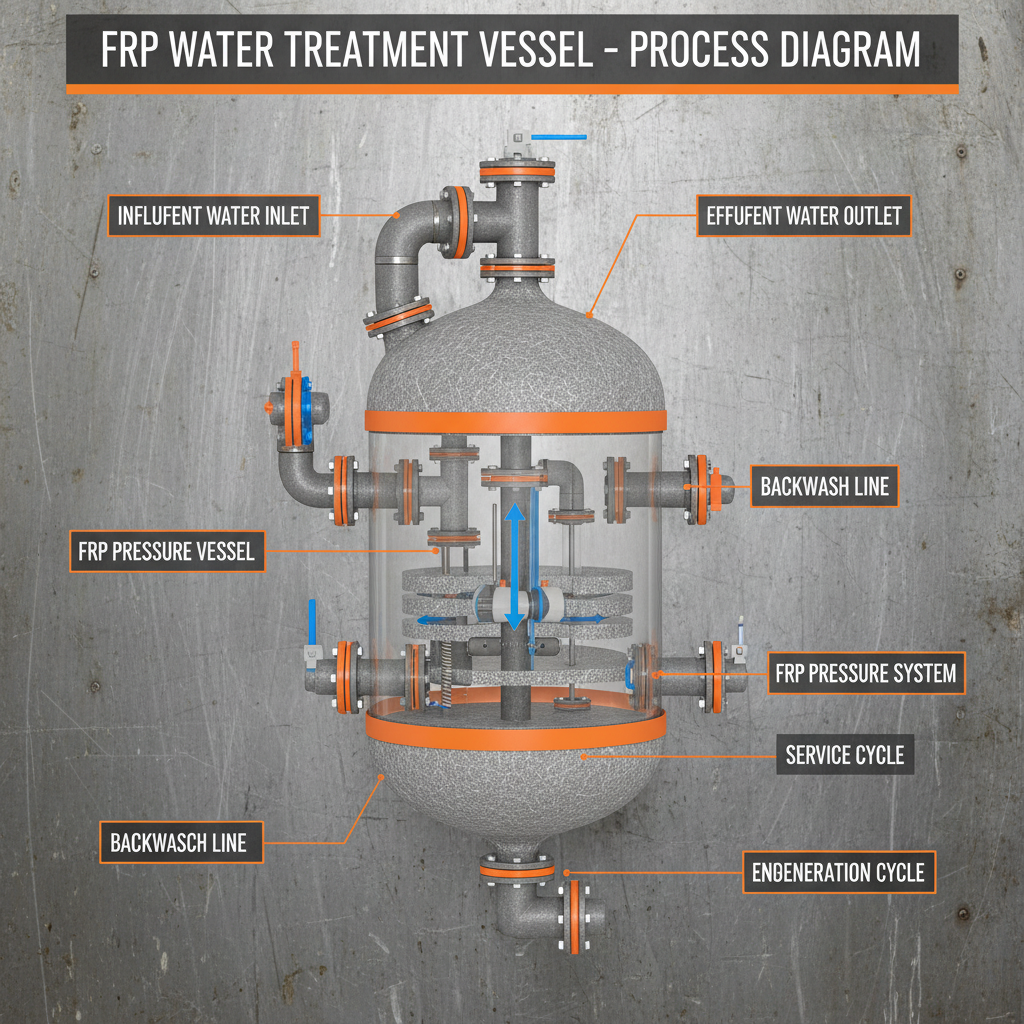
In the modern era of industrial and residential water purification, the choice of containment materials is critical for efficiency and longevity. An frp vessel for water treatment has emerged as the gold standard, replacing traditional steel tanks due to its superior corrosion resistance and lightweight properties. Whether you are dealing with desalination, softening, or filtration, using Fiber Reinforced Plastic (FRP) ensures that your system remains leak-proof and durable against aggressive chemicals. In this comprehensive guide, we will explore why FRP is the preferred choice for water treatment professionals worldwide and how to select the right vessel for your specific application.
Industrial Guide for Choosing the Right FRP Vertical Tank
Apr 09,2026
Industrial Guide for Choosing the Right FRP Vertical Tank
In today's industrial landscape, the storage of corrosive chemicals and aggressive liquids requires materials that can withstand extreme conditions without degrading. The frp vertical tank has emerged as a premier solution, offering an exceptional balance of strength, lightweight properties, and unmatched chemical resistance. Whether you are managing a water treatment plant or a chemical processing facility, understanding the nuances of Fiber Reinforced Plastic (FRP) is essential for ensuring operational safety and longevity. In this comprehensive guide, we will explore why vertical configurations are preferred and how these tanks outperform traditional metal alternatives.
Comprehensive Guide to FRP Underground Water Tank Solutions and Applications
Apr 07,2026
Comprehensive Guide to FRP Underground Water Tank Solutions and Applications
Fiberglass Reinforced Polymer (FRP) underground water tanks are becoming increasingly popular for a wide range of applications, from potable water storage to industrial wastewater containment. Their superior corrosion resistance, lightweight nature, and design flexibility make them an excellent alternative to traditional materials like concrete or steel. This article will delve into the benefits, applications, construction, and considerations for implementing FRP underground water tanks, providing a comprehensive overview for engineers, contractors, and project managers.
Comprehensive Guide to Frp Underground Water Storage Tanks and Their Applications
Apr 04,2026
Comprehensive Guide to Frp Underground Water Storage Tanks and Their Applications
When considering water storage solutions, particularly for industrial, agricultural, or municipal applications, frp underground water storage tanks stand out as a durable, cost-effective, and environmentally friendly option. These tanks are increasingly favored over traditional materials like concrete or steel due to their superior corrosion resistance, lighter weight, and ease of installation. This article delves into the benefits, applications, construction, and considerations when choosing an FRP tank, providing a detailed overview for potential buyers and project planners.
Sulfuric Acid Production Line - Hebei Aoliande|Efficient H2SO4 Plant Technology
Apr 01,2026
Sulfuric Acid Production Line - Hebei Aoliande|Efficient H2SO4 Plant Technology
Discover efficient H2SO4 plant technology and advanced sulfuric acid production solutions. Hebei Aoliande combines energy-saving furnace design and eco-friendly HCl recovery systems for sustainable industrial applications. Explore now: https://www.frpgrpmachine.com/sulfuric-acid-production-line-for-h2so4-plant.html
Sulfuric Acid Production Line - Hebei Aoliande|Efficient H2SO4 Plant Technology
Apr 01,2026
Sulfuric Acid Production Line - Hebei Aoliande|Efficient H2SO4 Plant Technology
Discover efficient H2SO4 plant technology and advanced sulfuric acid production solutions. Hebei Aoliande combines energy-saving furnace design and eco-friendly HCl recovery systems for sustainable industrial applications. Explore now: https://www.frpgrpmachine.com/sulfuric-acid-production-line-for-h2so4-plant.html
Sulfuric Acid Production Line - Hebei Aoliande|Efficient H2SO4 Plant Technology
Apr 01,2026
Sulfuric Acid Production Line - Hebei Aoliande|Efficient H2SO4 Plant Technology
Discover efficient H2SO4 plant technology and advanced sulfuric acid production solutions. Hebei Aoliande combines energy-saving furnace design and eco-friendly HCl recovery systems for sustainable industrial applications. Explore now: https://www.frpgrpmachine.com/sulfuric-acid-production-line-for-h2so4-plant.html
Sulfuric Acid Production Line - Hebei Aoliande|Efficient H2SO4 Plant Technology
Apr 01,2026
Sulfuric Acid Production Line - Hebei Aoliande|Efficient H2SO4 Plant Technology
Discover efficient H2SO4 plant technology and advanced sulfuric acid production solutions. Hebei Aoliande combines energy-saving furnace design and eco-friendly HCl recovery systems for sustainable industrial applications. Explore now: https://www.frpgrpmachine.com/sulfuric-acid-production-line-for-h2so4-plant.html
Sulfuric Acid Production Line - Hebei Aoliande|Efficient H2SO4 Plant Technology
Apr 01,2026
Sulfuric Acid Production Line - Hebei Aoliande|Efficient H2SO4 Plant Technology
Discover efficient H2SO4 plant technology and advanced sulfuric acid production solutions. Hebei Aoliande combines energy-saving furnace design and eco-friendly HCl recovery systems for sustainable industrial applications. Explore now: https://www.frpgrpmachine.com/sulfuric-acid-production-line-for-h2so4-plant.html
Sulfuric Acid Production Line - Hebei Aoliande|Efficient H2SO4 Plant Technology
Apr 01,2026
Sulfuric Acid Production Line - Hebei Aoliande|Efficient H2SO4 Plant Technology
Discover efficient H2SO4 plant technology and advanced sulfuric acid production solutions. Hebei Aoliande combines energy-saving furnace design and eco-friendly HCl recovery systems for sustainable industrial applications. Explore now: https://www.frpgrpmachine.com/sulfuric-acid-production-line-for-h2so4-plant.html
Comprehensive Guide to Frp Underground Storage Tanks for Reliable Storage Solutions
Mar 31,2026
Comprehensive Guide to Frp Underground Storage Tanks for Reliable Storage Solutions
Fiberglass Reinforced Polymer (FRP) underground storage tanks are becoming increasingly popular for a wide range of applications, from fuel storage to wastewater management. Their corrosion resistance, lightweight nature, and durability offer significant advantages over traditional materials like steel. This article will provide an in-depth look at FRP underground storage tanks, covering their benefits, applications, installation, and maintenance. Understanding these aspects is crucial for making informed decisions about long-term storage solutions.
Comprehensive Guide to Selecting the Ideal FRP Tank for Water Storage Solutions
Mar 28,2026
Comprehensive Guide to Selecting the Ideal FRP Tank for Water Storage Solutions
When it comes to reliable and durable water storage, FRP tanks for water are increasingly becoming the preferred solution for a wide range of applications. These tanks, constructed from Fiber Reinforced Polymer (FRP) materials, offer significant advantages over traditional storage options like steel or concrete. This article delves into the benefits, applications, and considerations when selecting an FRP tank for your water storage needs, providing a detailed overview for businesses and individuals alike.
Comprehensive Guide to Frp Tank and Vessel Applications and Manufacturing
Mar 26,2026
Comprehensive Guide to Frp Tank and Vessel Applications and Manufacturing
Fiber Reinforced Polymer (FRP) tanks and vessels are increasingly becoming the preferred choice for storage and processing across a multitude of industries. Their lightweight nature, corrosion resistance, and design flexibility offer significant advantages over traditional materials like steel. This article will delve into the intricacies of FRP tanks and vessels, exploring their applications, manufacturing processes, benefits, and considerations for selecting the right solution for your specific needs. We’ll also highlight why FRP tanks are a cost-effective and reliable long-term investment. FRP tanks and vessels are constructed from a combination of reinforcing fibers (such as fiberglass, carbon fiber, or aramid fiber) embedded in a polymer matrix (typically polyester, vinyl ester, or epoxy resin). This combination creates a composite material that boasts high strength-to-weight ratio, exceptional corrosion resistance, and the ability to be molded into complex shapes. They’re designed to safely contain a wide variety of liquids and gases, ranging from corrosive chemicals and water to food products and pharmaceuticals.
Optimizing Water Filtration with Durable FRP Sand Filter Vessels
Mar 24,2026
Optimizing Water Filtration with Durable FRP Sand Filter Vessels
In water treatment and filtration systems, the choice of filter vessel material is paramount. Fiber Reinforced Plastic (FRP), also known as Glass Reinforced Polymer (GRP), sand filter vessels are increasingly popular due to their superior corrosion resistance, lightweight nature, and cost-effectiveness. This article delves into the benefits, applications, design considerations, and factors to consider when selecting an FRP sand filter vessel. Whether you are involved in municipal water treatment, industrial wastewater management, or recreational water filtration, understanding FRP technology is essential for optimizing your filtration process. An FRP sand filter vessel is a containment unit designed to house filtration media, typically sand, gravel, and anthracite. These vessels are integral components in sand filtration systems used for removing suspended solids, turbidity, and other particulate matter from water. FRP construction involves layering glass fibers within a resin matrix (typically polyester or vinyl ester) to create a strong, durable, and chemically resistant shell. The strength and rigidity of the vessel are crucial for withstanding the pressure from the filtration media and the water flow.
Comprehensive Guide to FRP Round Tanks Applications and Benefits
Mar 21,2026
Comprehensive Guide to FRP Round Tanks Applications and Benefits
Fiber Reinforced Polymer (FRP) round tanks are increasingly becoming the preferred choice for storage solutions across a variety of industries. Their lightweight nature, corrosion resistance, and design flexibility offer significant advantages over traditional materials like steel. This article provides an in-depth look at FRP round tanks, exploring their applications, benefits, manufacturing processes, and key considerations when choosing the right tank for your needs. Whether you're in chemical processing, water treatment, or agriculture, understanding FRP round tanks is crucial for optimizing your storage infrastructure. FRP round tanks are constructed from a combination of reinforcing fibers (typically fiberglass, carbon fiber, or a blend) embedded in a polymer matrix (often polyester, vinyl ester, or epoxy resin). The round shape inherently provides excellent structural strength, distributing pressure evenly across the tank’s surface.
Comprehensive Guide to FRP Pressure Tanks Benefits and Applications
Mar 19,2026
Comprehensive Guide to FRP Pressure Tanks Benefits and Applications
Fiber Reinforced Polymer (FRP) pressure tanks are becoming increasingly popular in a wide range of industrial applications, offering a compelling alternative to traditional steel tanks. Known for their lightweight nature, corrosion resistance, and high strength-to-weight ratio, FRP tanks provide efficient and durable solutions for storing liquids and gases under pressure. This article will delve into the benefits, applications, construction, and key considerations when selecting an FRP pressure tank, helping you make an informed decision for your specific needs. Understanding the advantages of FRP technology can lead to significant cost savings and improved operational efficiency. Compared to steel, FRP pressure tanks offer several key advantages. The most significant is their superior corrosion resistance. Unlike steel, which is susceptible to rust and corrosion when exposed to various chemicals, FRP materials are inherently resistant to a wide range of corrosive substances. This translates to a longer lifespan, reduced maintenance costs, and increased safety. Furthermore, FRP is significantly lighter than steel, making installation easier and reducing transportation costs.
For More Details Pls Contact Us
Thank you for your interest in our gloves! We offer high-quality, durable, and comfortable gloves with fast delivery and competitive prices. For any questions or customization, feel free to contact us. We look forward to working with you!

If you are interested in our products, you can choose to leave your information here, and we will be in touch with you shortly.