Nov 28,2025

Durable and Safe Ferric Chloride Storage Tanks for Industry and Environment

Why Ferric Chloride Storage Tanks Matter More Than You Think

At first glance, a ferric chloride storage tank might sound like a niche industrial container—probably one of those bulky, boring things sitting behind an industrial site. But, in reality, these tanks play a surprisingly crucial role worldwide. They help store and handle ferric chloride safely, a chemical widely utilized in water treatment, electronics manufacturing, and even in environmental cleanup projects. Understanding these tanks means grasping a tiny yet vital piece of how we keep water clean, factories running, and scarce resources safe—especially when scaled globally.

Think about the billions of liters of wastewater treated each day across the globe, or the amount of circuit boards manufactured for our gadgets—it all hinges on secure, reliable containment of ferric chloride, which is corrosive and tricky to handle. So, the storage tank itself becomes a safety gatekeeper and a sustainability enabler. If you've ever wondered why better industrial storage matters, the ferric chloride tank is a good place to start.

Global Context: The Unseen Backbone of Industry and Environment

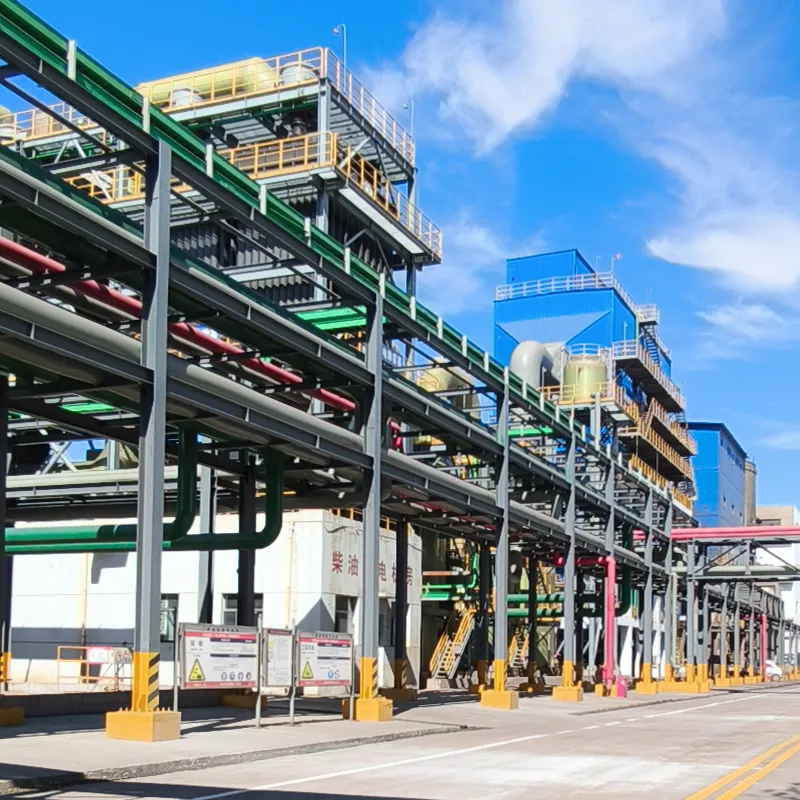
Worldwide, ferric chloride is among the most commonly used coagulants for water treatment. According to the United Nations Water Decade reports, improving water quality is a global priority for fighting disease and promoting sustainable urban growth. Industrial zones in Asia, Europe, and North America rely heavily on ferric chloride storage tanks to maintain steady production and safety standards.

Yet challenges remain. Improper storage can lead to leaks, corrosion, or contamination—turning a boon chemical into an environmental menace. Many developing regions face infrastructure gaps here, especially in rapid urbanization spots. This means innovation in material science and tank design isn’t just good business; it’s potentially life-saving.

What Exactly Is a Ferric Chloride Storage Tank?

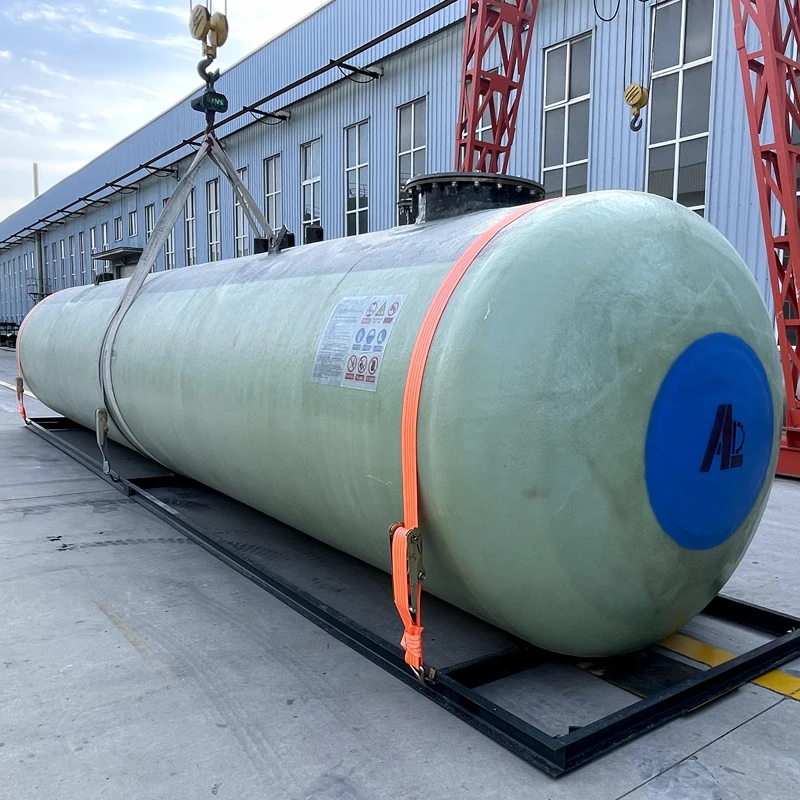
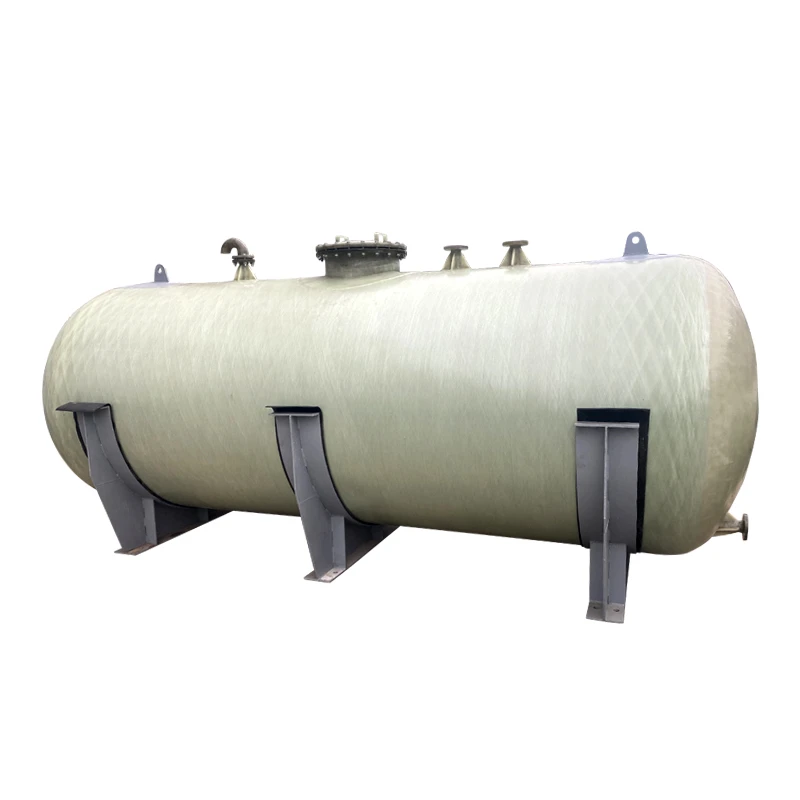
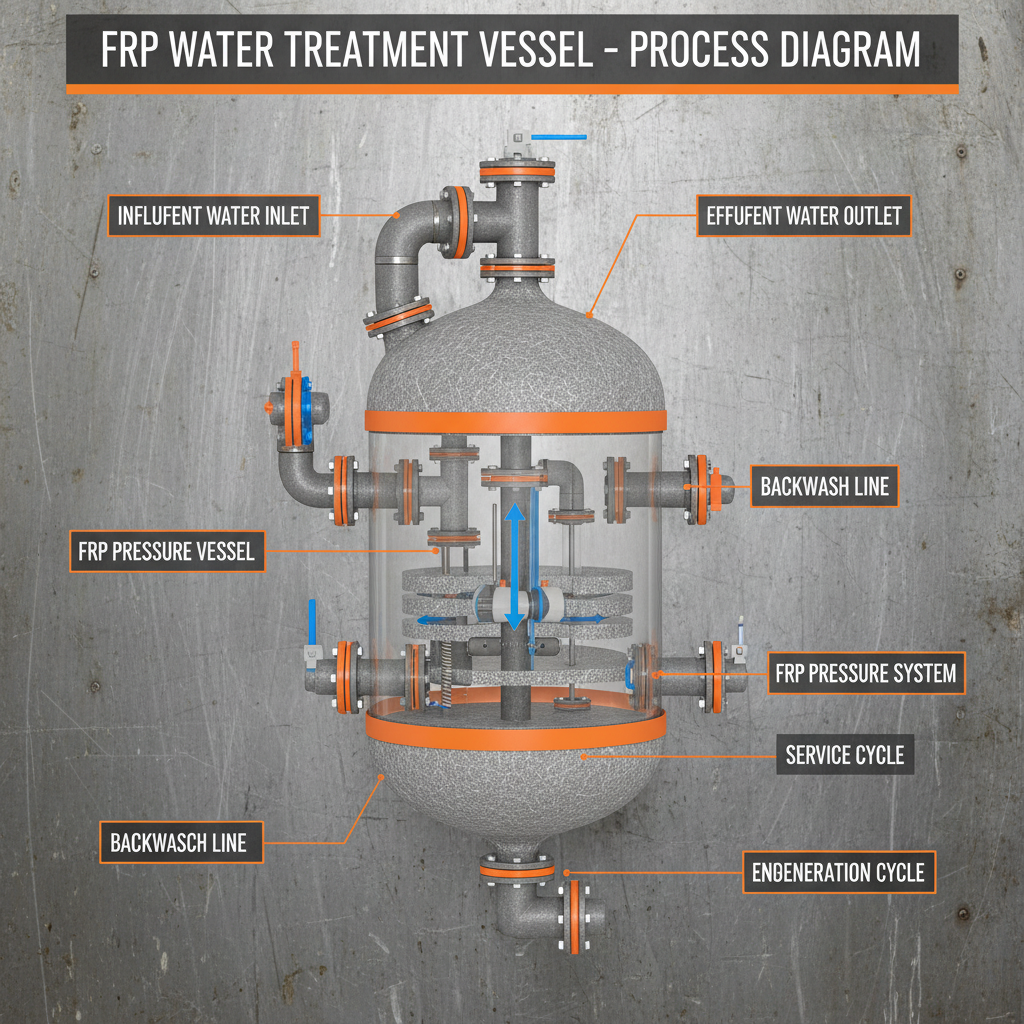
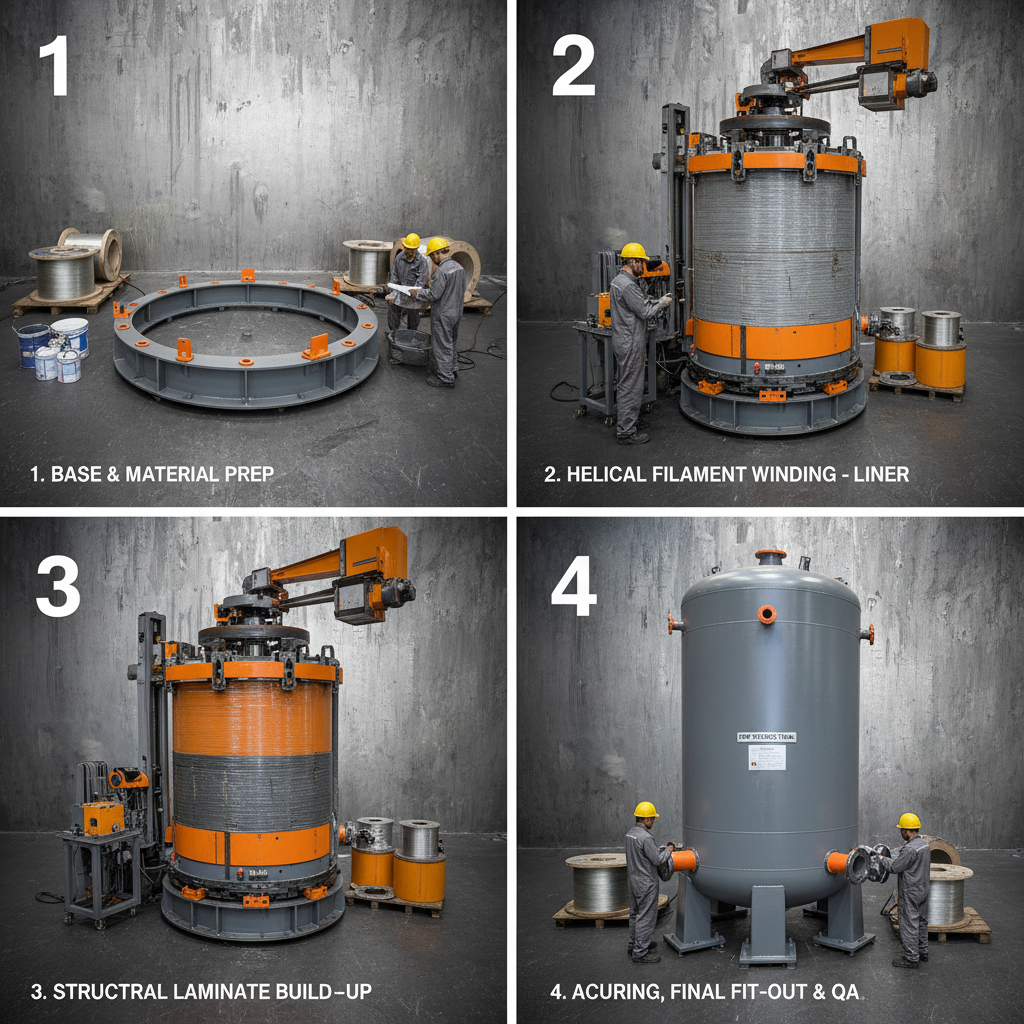
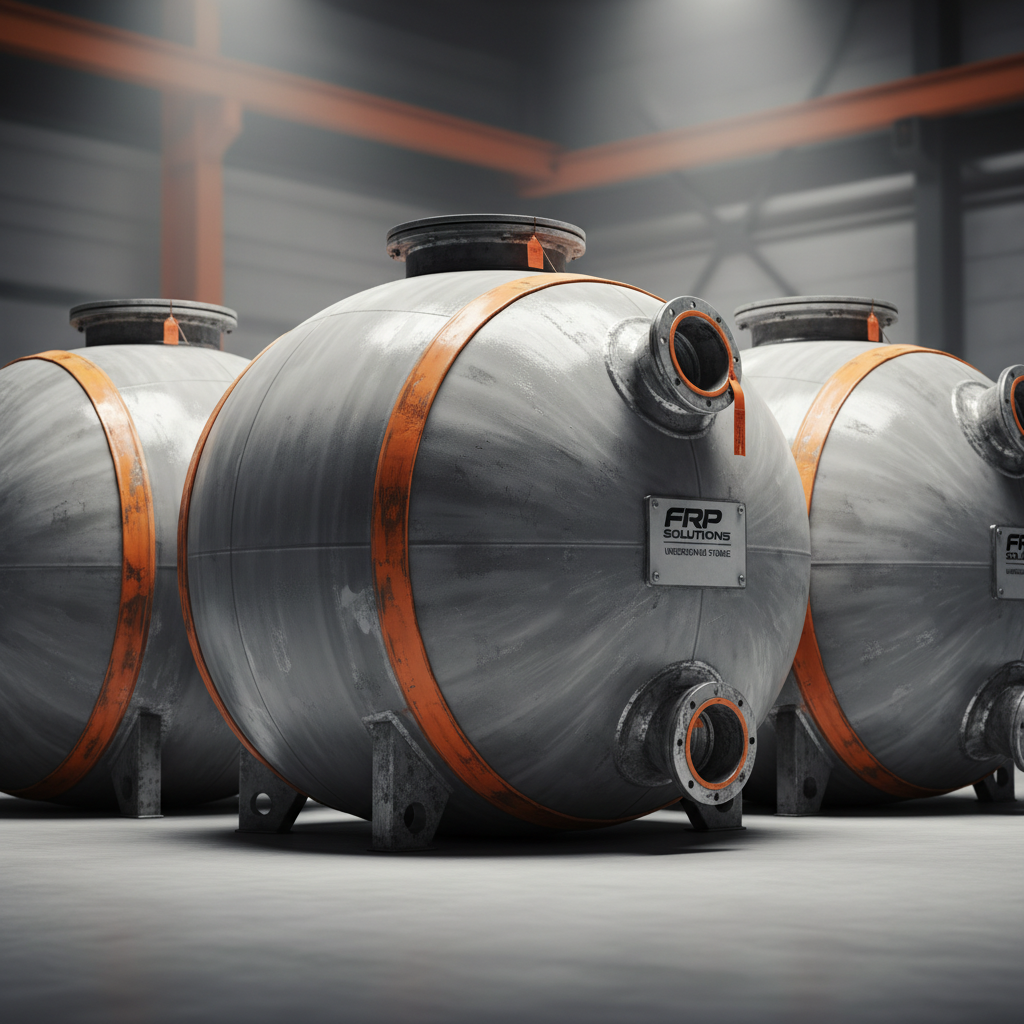
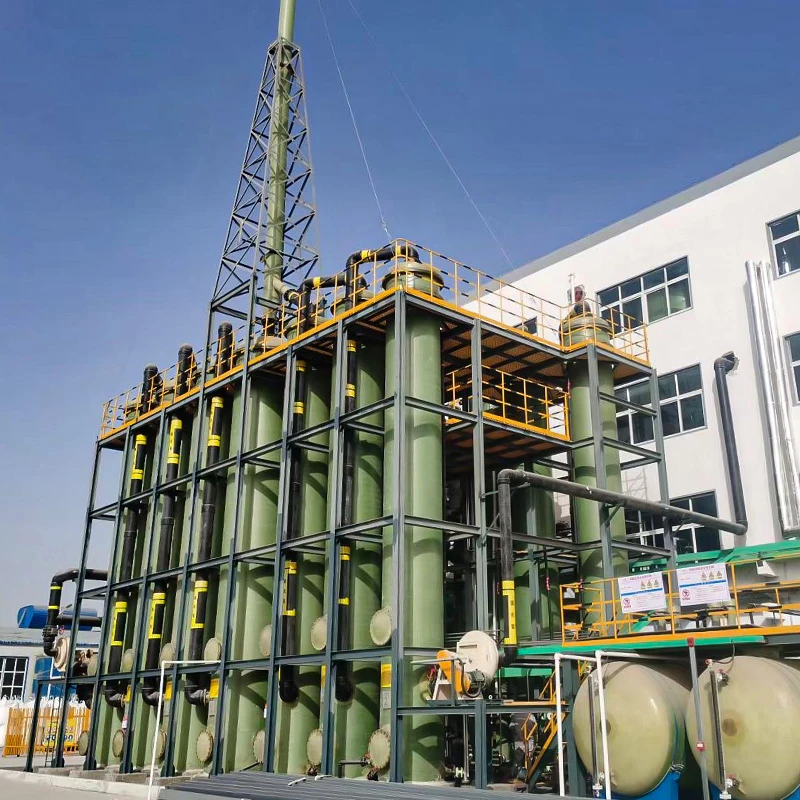
Put simply, a ferric chloride storage tank is a vessel specifically designed to hold ferric chloride solutions safely over time. Ferric chloride itself is a dark brown liquid with highly corrosive properties. Regular tanks won’t do—these storage units require materials resistant to chemical damage, like certain grades of fiberglass reinforced plastic (FRP) or specialized coatings on steel. The tank must handle variable temperatures and pressures, and often include features for agitation and dispensing.

This tank bridges the gap between industrial chemistry and practical engineering. Without it, processes ranging from municipal wastewater treatment plants to electronic etching operations could hardly operate efficiently or safely.

Key Features That Make Ferric Chloride Storage Tanks Reliable

Durability & Material Selection

Corrosion resistance is king. FRP tanks are increasingly preferred since their composite structure resists ferric chloride and reduces tank failure risks for years. Steel tanks, when properly lined with epoxy or rubber, also have their place but demand careful maintenance.

Capacity & Scalability

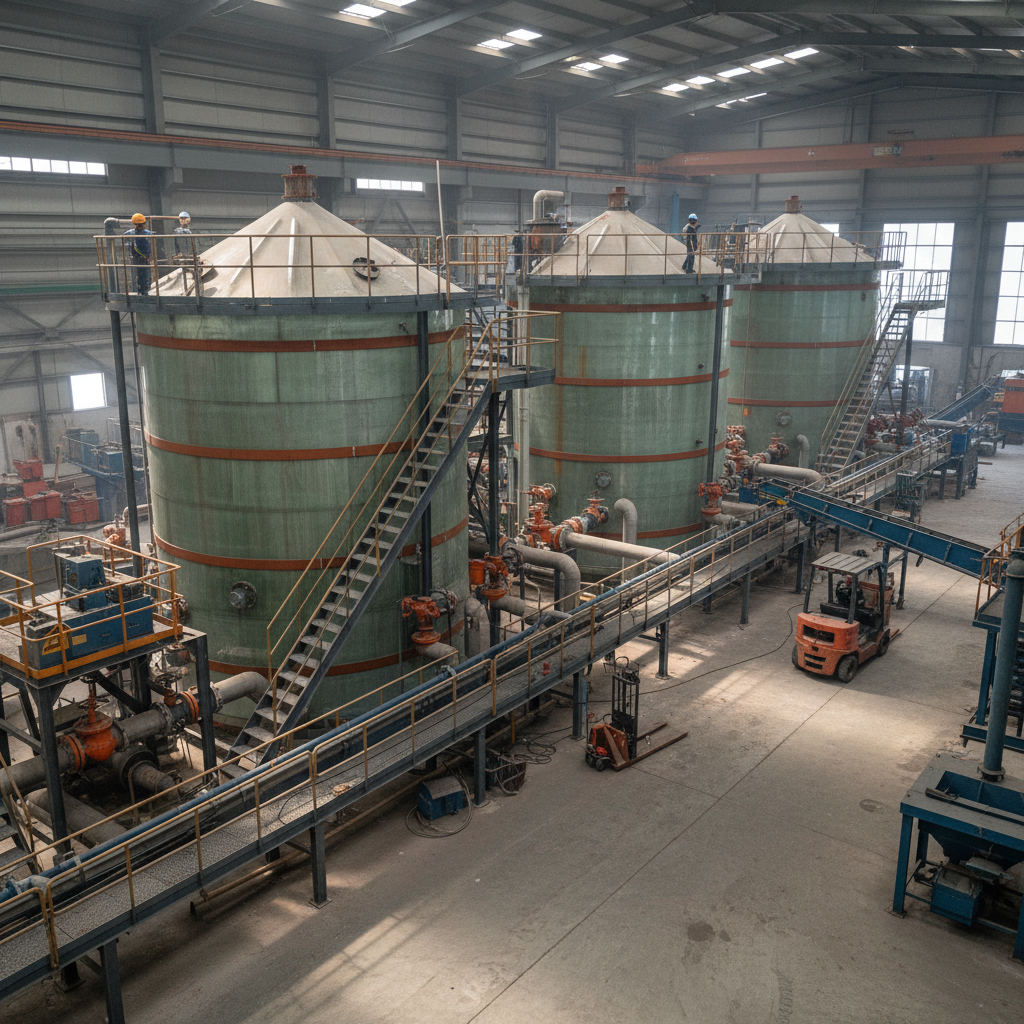
Tanks can range from a few hundred liters for lab use to thousands of cubic meters in industrial complexes. The ability to scale capacity based on demand is critical, especially for municipal projects expanding treatment capabilities.

Safety & Compliance

Pressure relief valves, secure hatches, and proper seals help prevent accidental leaks or emissions. Many tanks meet stringent ISO and EPA standards, ensuring both worker safety and environmental compliance.

Maintenance & Cost Efficiency

Long-lasting materials and thoughtful design reduce maintenance downtime and costs. Often, smart sensors now track tank integrity in real-time, meaning potential issues get flagged before disaster strikes.

Portability

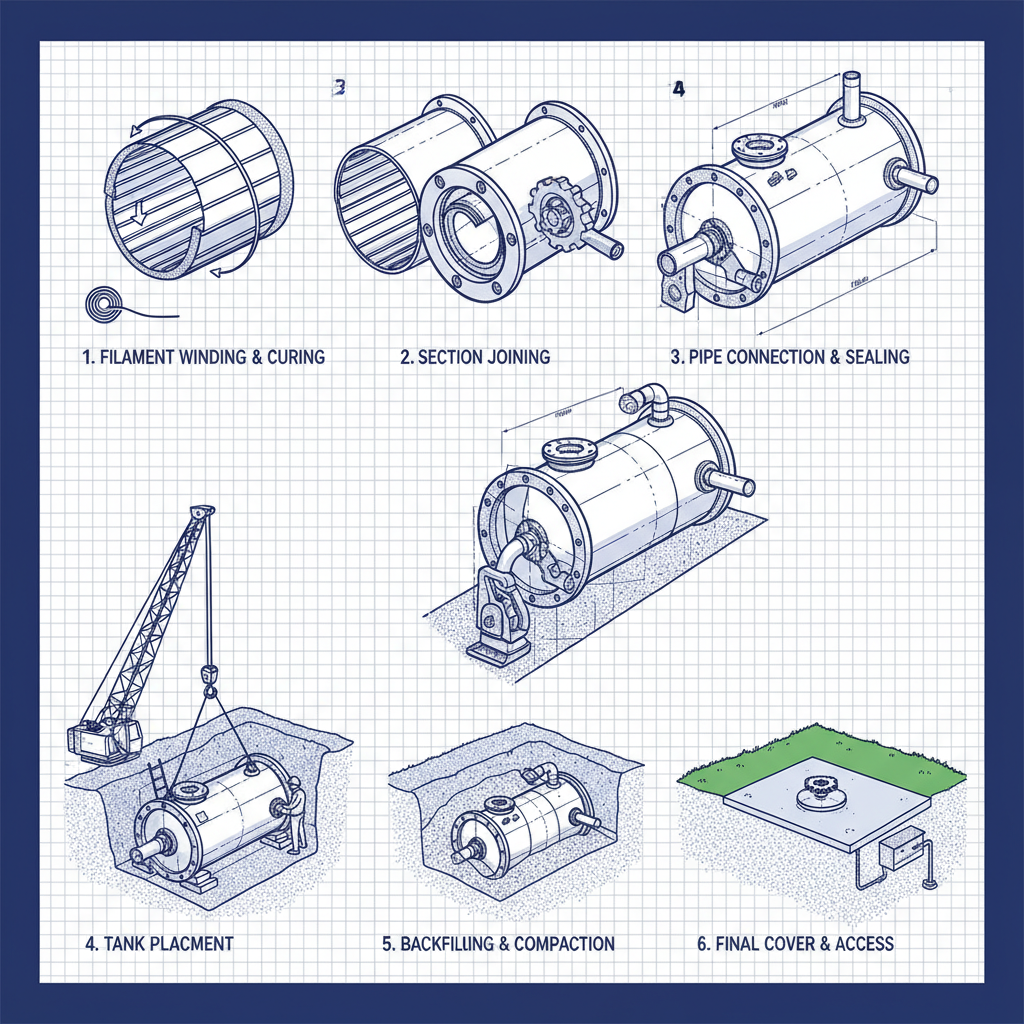
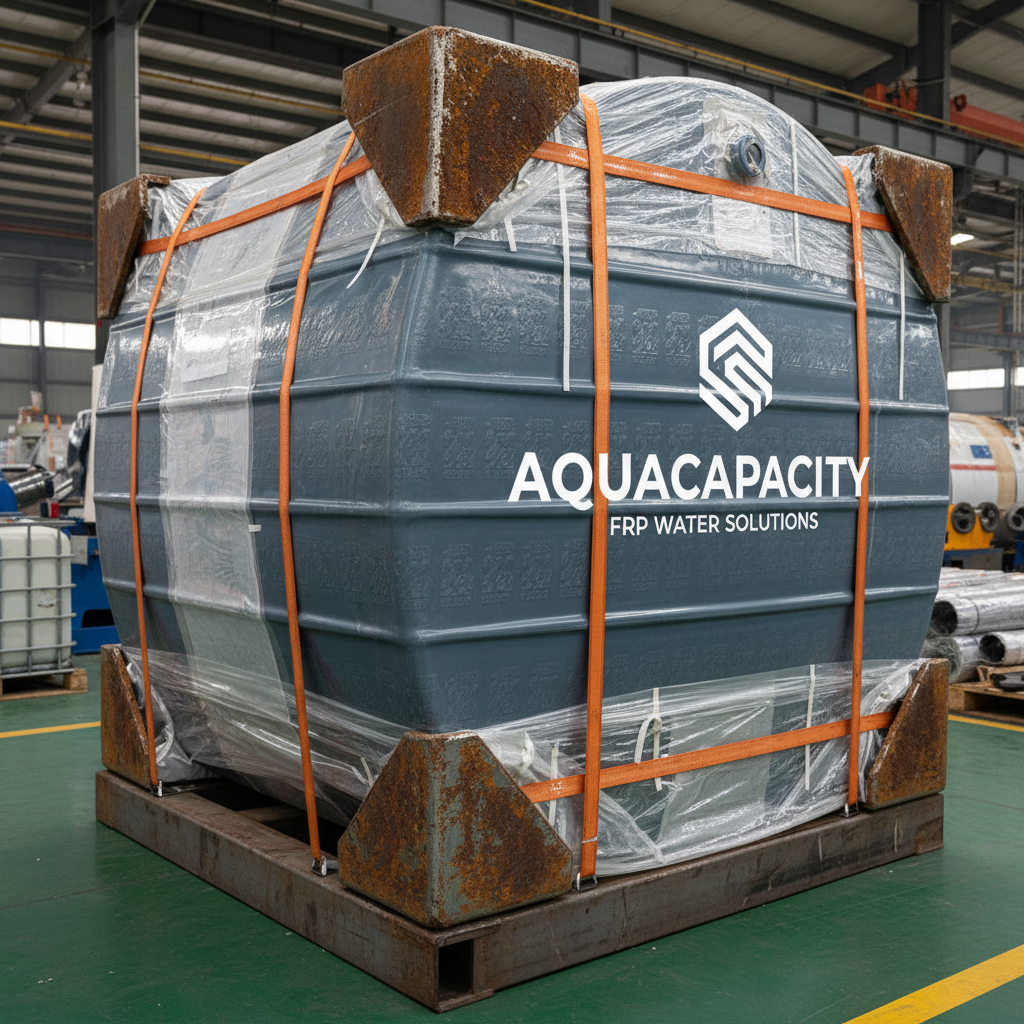
In some contexts, like emergency water treatment after natural disasters, mobile tanks become essential. The design must then balance durability with ease of transport and setup, a tough engineering compromise in any toxic chemical scenario.

Mini Takeaway: A ferric chloride storage tank isn’t just a container—it's a tailor-made solution balancing material science, safety, and operational needs to manage a tricky chemical effectively.

Where Are These Tanks Used Around the World?

The uses are surprisingly diverse:

  • Municipal Water Treatment: Cities in Europe and Asia typically house massive tanks for ferric chloride to improve drinking water quality, reducing contaminants and pathogens.
  • Industrial Manufacturing: Electronic and metal finishing plants rely on them for chemical etching processes.
  • Mining Industry: Sometimes, ferric chloride is used to treat mining wastewater, often requiring rugged, large tanks in remote locations.
  • Emergency Relief & Environmental Cleanups: Post-disaster zones often deploy mobile ferric chloride tanks to restore safe water quickly.

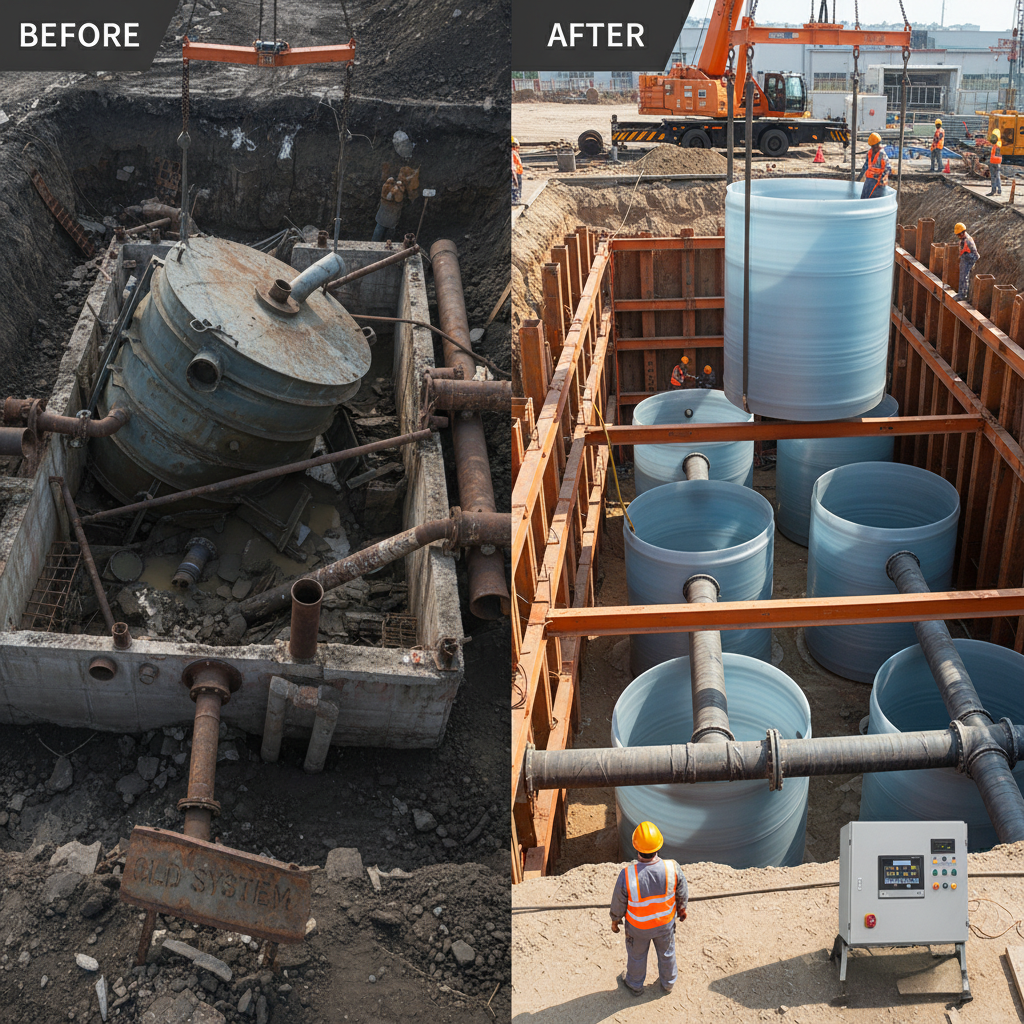
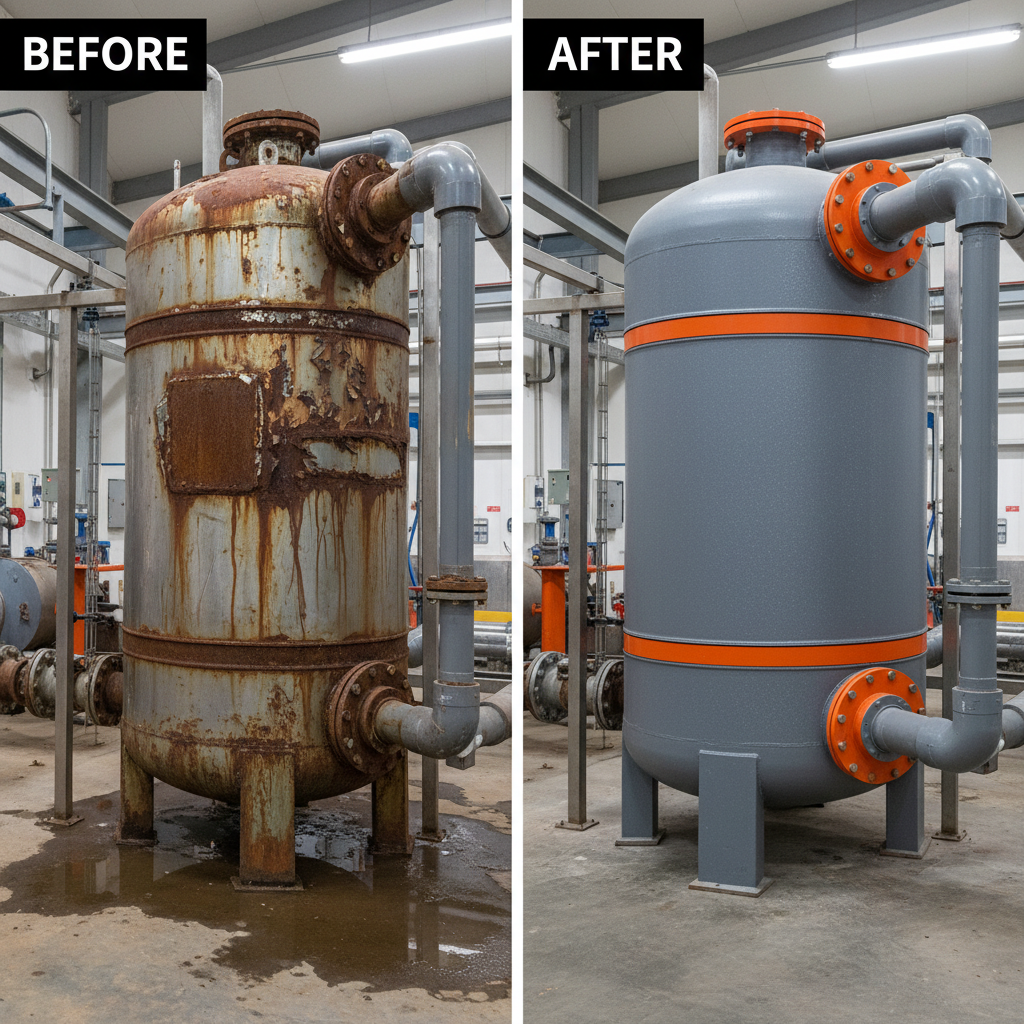
For example, a water treatment facility in Singapore upgraded their ferric chloride storage tank system to FRP-based solutions after corrosion issues plagued their older steel units—boosting uptime and safety noticeably.

Advantages & Long-Term Value of Quality Ferric Chloride Storage Tanks

Reliable tanks mean less downtime, safer operations, and ultimately, cleaner water and better product quality. They reduce environmental hazards by preventing leaks that could poison soil or water. For workers, containment integrity means fewer chemical burns or inhalation risks—improving morale and productivity.

On a logical level, companies save money by avoiding costly chemical spills or replacement tanks. Emotionally, there's peace of mind that comes with knowing a critical hazard is controlled. This balance between cost, safety, and sustainability makes ferric chloride storage tanks a small but vital investment.

Innovations Shaping the Future of Storage Tanks

The future looks quite interesting. Manufacturers are experimenting with advanced composites infused with nano-materials to extend tank lifespan. Sensors integrated into tanks enable predictive maintenance using IoT tech, so operators get alerts before corrosion or leaks occur.

Environmental regulations worldwide are pushing toward greener materials and designs that minimize carbon footprints. Some companies are even developing modular tanks to be deployed quickly in crisis zones or industrial expansions with minimal hassle.

Green energy integration, like solar-powered agitation systems within tanks, might sound futuristic but is already piloted here and there.

Challenges — And How The Industry Handles Them

Still, the journey isn’t smooth. Common issues like unexpected chemical compatibility problems, the cost of high-end materials, and logistical hurdles in remote areas sometimes slow adoption. Many engineers wrestle with striking that perfect balance between upfront cost and operational reliability.

Innovative coatings, improved quality control, and international standards harmonization are helping. I also noticed that training programs for operators have become more widespread, reducing human errors that historically caused spills or accidents.

Frequently Asked Questions About Ferric Chloride Storage Tanks

What materials are best for ferric chloride storage tanks?
Fiberglass reinforced plastic (FRP) tanks are popular due to excellent corrosion resistance and durability. Steel tanks lined with epoxy coatings work too but require more maintenance.
How often should ferric chloride storage tanks be inspected?
Regular visual inspections every 3–6 months are recommended, with comprehensive assessments annually. Advanced sensor systems enable real-time monitoring in critical setups.
Can ferric chloride tanks be used outdoors?
Yes, but they must have UV-resistant coatings and weatherproof features, especially if exposed long-term. Temperature fluctuations should also be considered to prevent damage.
Are mobile ferric chloride storage tanks safe for disaster relief?
When properly designed and handled, portable tanks are safe and effective. They must follow strict transport regulations and have secure fittings to avoid spills during deployment.

Ferric Chloride Storage Requirements: Product Specifications

Specification Typical Value Notes
Material FRP (Fiberglass Reinforced Plastic) Preferred for corrosion resistance
Capacity Range 500L to 20,000L Custom sizes available
Operating Temperature -10°C to 50°C Can be customized
Pressure Rating Up to 1.5 bar For atmospheric and low pressure tanks
Lining Epoxy or Rubberized coatings For steel tanks primarily
Safety Features Pressure relief valves, sealed manholes Meets ISO 24817 standards

Vendor Comparison: Leading Ferric Chloride Storage Tank Suppliers

Vendor Material Options Custom Sizes Price Range Global Availability
FRPGRP Machine Co. FRP, Epoxy-lined Steel Yes (up to 20,000L) $$$ (Mid-Range) Asia, Europe, Americas
ChemTank Solutions HDPE, FRP Limited $$ (Affordable) North America, Europe
SafeContain Corp. Epoxy-lined Steel, FRP Yes $$$$ (Premium) Global

Final Thoughts

Rarely do we ponder the tank behind the chemical that purifies billions of liters of water or etches the chips powering our devices. Yet, the ferric chloride storage tank is that humble hero—quietly assuring safety, efficiency, and environmental protection worldwide.

Looking ahead, as cities grow and green standards climb, these tanks will only get smarter, safer, and more sustainable. If your industry hinges on ferric chloride, investing in high-quality, well-designed storage tanks isn't just a technical choice—it’s a long-term safeguard.

Curious to explore options or upgrade your setup? Visit ferric chloride storage tank manufacturers for detailed specs and tailored solutions that fit your industry’s unique needs.

Mini Takeaway: The unsung workhorse of industrial water treatment and manufacturing thrives on innovation and care — both in chemistry and in the tanks that hold it.


References:

  1. Wikipedia: Ferric Chloride
  2. United Nations Water Quality Initiatives
  3. ISO 24817 - FRP Tanks for Chemical Storage
Upsell Products
Upsell News
Guide to Fiber Water Tank Price and FRP Storage Costs
Jul 01,2026
Guide to Fiber Water Tank Price and FRP Storage Costs
Understanding Fiber Water Tank Price: A Comprehensive Investment Guide When searching for a reliable liquid storage solution, understanding the factors that influence fiber water tank price is essential for optimizing your operational budget. Fiber-Reinforced Plastic FRP tanks have become the industry standard for water and chemical storage due to their exceptional corrosion resistance and structural integrity. Whether you are managing a municipal water project or an industrial chemical plant, selecting the right tank requires a balance between initial cost and long-term durability. In this guide, we will explore the variables that drive pricing and why FRP remains the most cost-effective choice
Guide to Fibreglass Water Tank Prices and FRP Investment
Jun 29,2026
Guide to Fibreglass Water Tank Prices and FRP Investment
Understanding Fibreglass Water Tank Prices: A Comprehensive Investment Guide When planning water storage for industrial or commercial applications, understanding the factors that influence fibreglass water tank prices is essential for optimizing your budget. Fibreglass Reinforced Plastic FRP tanks offer a superior alternative to steel or concrete due to their corrosion resistance and lightweight nature. Whether you are in the petroleum, chemical, or drainage industry, selecting a tank that balances cost with long-term durability is key. In this guide, we will explore the pricing drivers, technical advantages, and specifications of high-quality FRP storage solutions to help you make an informed purchasing decision.
Industrial Fiberglass Water Tank Price and Buyers Guide
Jun 27,2026
Industrial Fiberglass Water Tank Price and Buyers Guide
Analyzing Fiberglass Water Tank Price: A Comprehensive Buyers Guide When investing in industrial water storage, understanding the fiberglass water tank price is essential for effective budget planning and operational efficiency. Fiberglass Reinforced Plastic FRP tanks have become the gold standard in water quality pollution prevention and chemical storage due to their exceptional corrosion resistance and durability. Whether you are managing a municipal water system or a specialized manufacturing plant, choosing the right tank involves balancing initial costs with long-term lifecycle value. In this guide, we will break down the factors that influence pricing and why FRP is often the most cost-effective choice
Comprehensive Guide to GRP Sectional Water Tanks Prices and Quality
Jun 26,2026
Comprehensive Guide to GRP Sectional Water Tanks Prices and Quality
Selecting the right water storage solution is critical for industrial, commercial, and residential infrastructure. When evaluating grp sectional water tanks prices, it is essential to look beyond the initial sticker price and consider the total cost of ownership, including durability, installation ease, and maintenance. Glass Reinforced Plastic GRP tanks offer a superior alternative to traditional steel or concrete, providing exceptional corrosion resistance and modular flexibility. In this guide, we will explore the factors that influence pricing and why GRP remains the gold standard for modern water management.
Guide to Understanding FRP Tank Cost and Investment Value
Jun 25,2026
Guide to Understanding FRP Tank Cost and Investment Value
Understanding FRP Tank Cost: A Comprehensive Guide to Investment and Value When investing in industrial storage solutions, understanding the frp tank cost is essential for accurate budgeting and long-term operational planning. Fiber Reinforced Plastic FRP tanks offer an exceptional balance of corrosion resistance, structural strength, and longevity, making them the preferred choice for chemical, petroleum, and water treatment industries. While initial pricing can vary based on specifications, the total cost of ownership is often significantly lower than traditional steel tanks due to reduced maintenance. In this guide, we will explore the factors influencing pricing and the advanced machinery used to produce these high-performance vessels.
Best Industrial 500 gallon chemical tank for Storage and Safety
Jun 23,2026
Best Industrial 500 gallon chemical tank for Storage and Safety
Choosing the Best 500 Gallon Chemical Tank for Industrial Storage When managing hazardous materials or industrial fluids, the integrity of your storage system is non-negotiable. A high-quality 500 gallon chemical tank provides the perfect balance between capacity and footprint, making it an ideal choice for mid-sized operations, water treatment facilities, and chemical processing plants. Selecting the right material and design ensures not only the safety of your personnel but also the longevity of your assets. In this guide, we will explore the critical factors you need to consider to optimize your chemical storage efficiency and compliance.
Safe and Efficient Industrial Chemical Storage Tanks Guide
Jun 21,2026
Safe and Efficient Industrial Chemical Storage Tanks Guide

Maximizing Safety and Efficiency with Industrial Chemical Storage Tanks In the modern industrial landscape, the secure management of hazardous materials is not just a regulatory requirement but a critical safety priority. Selecting the right industrial chemical storage tanks is essential for preventing leaks, reducing environmental impact, and ensuring the longevity of your infrastructure. Whether you are dealing with highly corrosive acids or volatile solvents, the material composition and design of your storage system determine your operational risk. This guide explores the technical nuances of chemical storage to help you make an informed investment for your facility.
Best Guide to Choosing a Durable 200 Gallon Chemical Tank
Jun 20,2026
Best Guide to Choosing a Durable 200 Gallon Chemical Tank
The Ultimate Guide to Choosing a 200 Gallon Chemical Tank Finding the right storage solution for hazardous or corrosive substances is critical for industrial safety and operational efficiency. A 200 gallon chemical tank offers a versatile mid-size capacity, ideal for businesses that need a balance between space-saving design and sufficient volume for chemical processing. Whether you are dealing with acids, bases, or specialty solvents, the material composition of your tank determines its lifespan and your facilitys safety. In this guide, we will explore the technical specifications, material options, and best practices for maintaining these essential industrial assets.
Industrial Fiberglass Water Storage Tanks Guide for Efficiency
Jun 18,2026
Industrial Fiberglass Water Storage Tanks Guide for Efficiency
The Ultimate Guide to Fiberglass Water Storage Tanks for Industrial Use Selecting the right containment system is critical for maintaining water purity and operational efficiency. fiberglass water storage tanks have emerged as a superior alternative to traditional steel or concrete reservoirs. Combining high strength-to-weight ratios with exceptional corrosion resistance, these tanks are designed to withstand the harshest environmental conditions while ensuring the longevity of your infrastructure. Whether you are managing a municipal water system or an industrial chemical process, understanding the advantages of FRP Fiber Reinforced Plastic technology is the first step toward a sustainable storage solution.
Industrial Storage Guide for Modular Sectional Water Tanks
Jun 13,2026
Industrial Storage Guide for Modular Sectional Water Tanks
When managing large-scale water storage, efficiency and scalability are non-negotiable. Sectional water tanks offer a versatile and robust solution for industries requiring customized capacities and easy installation in restricted spaces. Unlike monolithic tanks, these systems are engineered from modular panels, allowing for precise sizing and seamless transport to remote sites. Whether it is for fire protection, potable water, or industrial processing, choosing the right tank configuration can significantly impact the longevity and reliability of your water infrastructure. In this guide, we explore why these modular systems are the preferred choice for modern engineering projects worldwide.
Industrial Safety Guide for Double Wall Chemical Tanks
Jun 11,2026
Industrial Safety Guide for Double Wall Chemical Tanks
In the world of industrial chemical storage, containment is not just a preferenceit is a critical safety requirement. double wall chemical tanks provide a sophisticated layer of security, ensuring that hazardous materials are contained even if the primary vessel fails. By utilizing a tank-within-a-tank design, these systems prevent catastrophic leaks, protect the surrounding environment, and ensure compliance with strict regulatory standards. Whether you are managing a water treatment plant or a chemical manufacturing facility, understanding the nuances of secondary containment is essential for operational longevity and risk mitigation.
High Efficiency and Durability of Fiberglass Storage Tanks
Jun 09,2026
High Efficiency and Durability of Fiberglass Storage Tanks
In the world of industrial liquid containment, choosing the right material is critical for safety, longevity, and cost-effectiveness. fiberglass storage tanks , also known as FRP Fiber Reinforced Plastic tanks, have emerged as the gold standard for storing corrosive chemicals, water, and hazardous materials. Unlike traditional metal tanks, fiberglass offers an unparalleled combination of strength and chemical inertness. Whether you are managing a municipal water system or a complex chemical processing plant, understanding the advantages of these advanced composite structures is essential for optimizing your infrastructure and reducing long-term maintenance costs.
Durable FRP Vessel for Water Treatment and Industrial Filtration
Apr 16,2026
Durable FRP Vessel for Water Treatment and Industrial Filtration
In the modern era of industrial and residential water purification, the choice of containment materials is critical for efficiency and longevity. An frp vessel for water treatment has emerged as the gold standard, replacing traditional steel tanks due to its superior corrosion resistance and lightweight properties. Whether you are dealing with desalination, softening, or filtration, using Fiber Reinforced Plastic (FRP) ensures that your system remains leak-proof and durable against aggressive chemicals. In this comprehensive guide, we will explore why FRP is the preferred choice for water treatment professionals worldwide and how to select the right vessel for your specific application.
Industrial Guide for Choosing the Right FRP Vertical Tank
Apr 09,2026
Industrial Guide for Choosing the Right FRP Vertical Tank
In today's industrial landscape, the storage of corrosive chemicals and aggressive liquids requires materials that can withstand extreme conditions without degrading. The frp vertical tank has emerged as a premier solution, offering an exceptional balance of strength, lightweight properties, and unmatched chemical resistance. Whether you are managing a water treatment plant or a chemical processing facility, understanding the nuances of Fiber Reinforced Plastic (FRP) is essential for ensuring operational safety and longevity. In this comprehensive guide, we will explore why vertical configurations are preferred and how these tanks outperform traditional metal alternatives.
Comprehensive Guide to FRP Underground Water Tank Solutions and Applications
Apr 07,2026
Comprehensive Guide to FRP Underground Water Tank Solutions and Applications
Fiberglass Reinforced Polymer (FRP) underground water tanks are becoming increasingly popular for a wide range of applications, from potable water storage to industrial wastewater containment. Their superior corrosion resistance, lightweight nature, and design flexibility make them an excellent alternative to traditional materials like concrete or steel. This article will delve into the benefits, applications, construction, and considerations for implementing FRP underground water tanks, providing a comprehensive overview for engineers, contractors, and project managers.
Comprehensive Guide to Frp Underground Water Storage Tanks and Their Applications
Apr 04,2026
Comprehensive Guide to Frp Underground Water Storage Tanks and Their Applications
When considering water storage solutions, particularly for industrial, agricultural, or municipal applications, frp underground water storage tanks stand out as a durable, cost-effective, and environmentally friendly option. These tanks are increasingly favored over traditional materials like concrete or steel due to their superior corrosion resistance, lighter weight, and ease of installation. This article delves into the benefits, applications, construction, and considerations when choosing an FRP tank, providing a detailed overview for potential buyers and project planners.
For More Details Pls Contact Us
Thank you for your interest in our gloves! We offer high-quality, durable, and comfortable gloves with fast delivery and competitive prices. For any questions or customization, feel free to contact us. We look forward to working with you!

If you are interested in our products, you can choose to leave your information here, and we will be in touch with you shortly.