Nov 27,2025

Durable and Sustainable 1000 Gallon Fiberglass Tanks for Industrial & Humanitarian Use

Understanding the 1000 Gallon Fiberglass Tank: Why It Matters Worldwide

If you’ve ever paused to wonder how industries or humanitarian agencies store or transport large amounts of liquids efficiently and safely, the 1000 gallon fiberglass tank might just be the unsung hero here. Globally, the demand for durable, lightweight, and corrosion-resistant storage solutions continues to grow, especially with rising environmental and industrial challenges. Understanding these tanks is important because they represent a sustainable approach to fluid management—whether that’s water in drought-stricken regions, chemicals in manufacturing, or fuel in remote projects. The benefits? They’re cost-efficient, highly durable, eco-friendly, and often customizable to fit specific needs.

Global Context: Why the 1000 Gallon Fiberglass Tank is More Relevant Than Ever

From the deserts of Africa to bustling industrial hubs in Asia, fiberglass tanks have steadily gained traction. According to a 2022 UN report on sustainable infrastructure, lightweight materials that reduce environmental footprints in transportation and installation are key priorities for emerging economies. Traditional steel tanks, while strong, are heavy, prone to corrosion, and expensive to install and maintain. Enter the fiberglass 1000 gallon tank—its combination of strength and portability addresses a pressing global challenge: how to safely store large quantities of liquids in varying conditions without breaking the bank or the environment. Oddly enough, many water-scarce areas rely on these tanks to store precious rainwater during wet seasons — a simple solution with massive implications for food security and public health. So the problem these tanks tackle is both practical and humanitarian: to provide reliable, adaptable storage under harsh or remote conditions.

What Is a 1000 Gallon Fiberglass Tank?

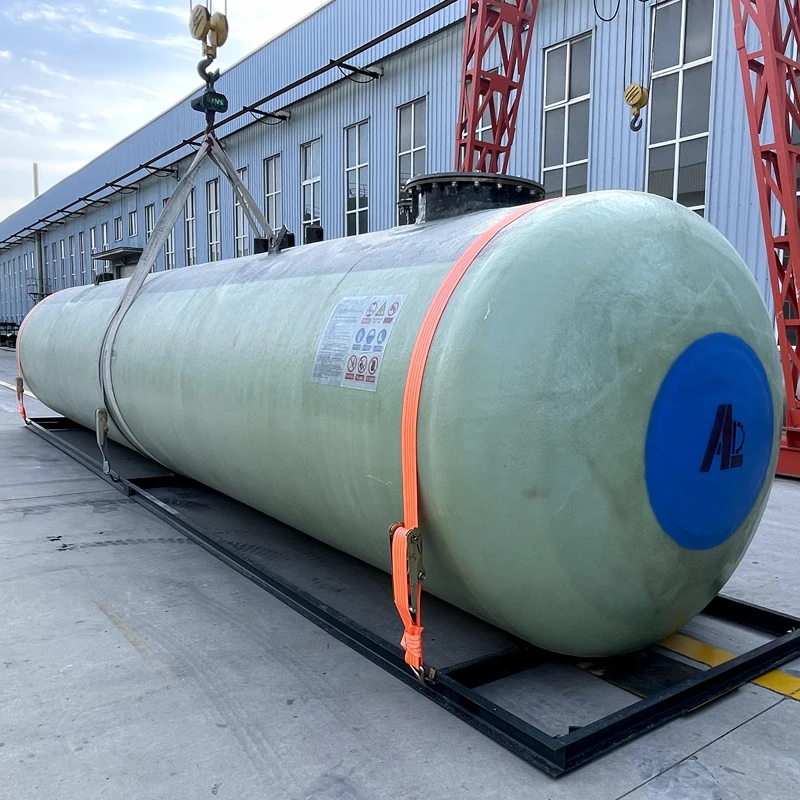
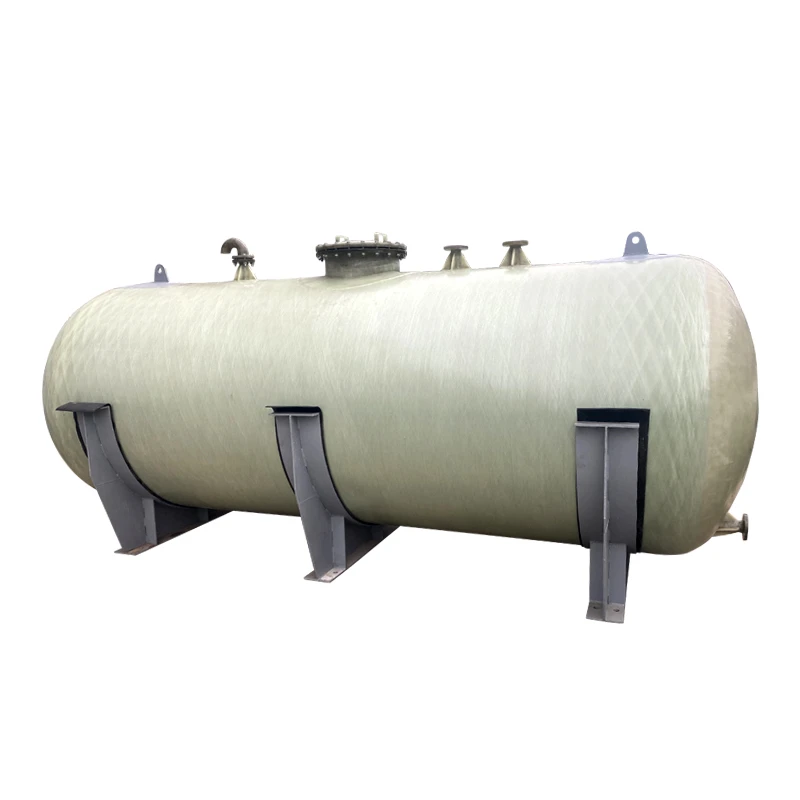
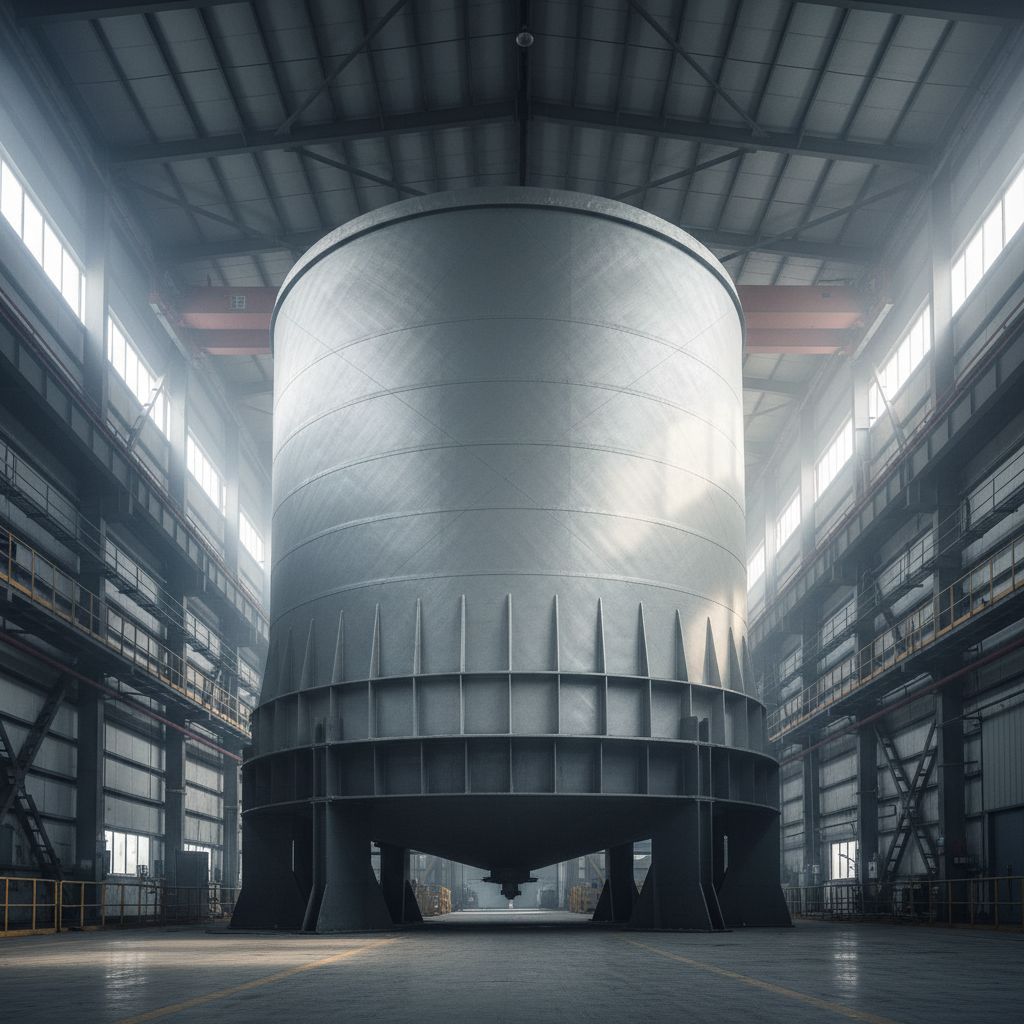
Put simply, a 1000 gallon fiberglass tank is a large-capacity container made from reinforced plastic fibers embedded in a resin matrix. These tanks hold about 7,570 pounds of water — that’s roughly a cubic meter of liquid multiplied by a thousand. The “fiberglass” part means they use glass fibers for structural reinforcement, making them strong yet lightweight. Industrially, these tanks are vital. Fiberglass tanks resist corrosion from acids, salts, and many chemicals better than metal tanks, making them popular in chemical manufacturing, agriculture, and even firefighting. On the humanitarian side, their ease of transport and chemical resistance make them ideal for water storage and fuel backup in disaster relief or rural development projects.

Key Factors You Should Know About 1000 Gallon Fiberglass Tanks

Durability

The resin-glass fiber composite used doesn’t rust or corrode like metal. This extends the lifespan to 20+ years with minimal maintenance — many engineers say this saves tens of thousands in replacement costs over the long haul.

Portability and Installation

Compared to steel, a 1000 gallon fiberglass tank weighs less than half, which simplifies shipping and onsite installation. No need for cranes or heavy machinery — a boon in remote or disaster-stricken zones.

Cost Efficiency

While upfront costs can be slightly higher than plastic tanks, fiberglass delivers better durability and chemical resistance, making the lifecycle costs far lower. For industrial users, that’s a critical consideration.

Customization

Fiberglass tanks are easier to shape or modify onsite or in factories — you can add fittings, inspections hatches, or customize sizes without wrecking the structural integrity.

Environmental Impact

They’re recyclable and don’t leach toxins into the environment. Plus, by lowering fuel consumption during transport due to lighter weight, they indirectly support carbon footprint reduction.

Mini takeaway:

The 1000 gallon fiberglass tank isn’t just a container — it’s a maintenance-friendly, cost-conscious, and green-storage solution that balances strength and convenience.

Where Are These Tanks Making a Difference Around the World?

In practical terms, the places you’ll find these tanks are everywhere needing reliable liquid storage without heavy infrastructure costs:
  • Disaster Relief: After hurricanes or earthquakes, quick water or fuel storage is critical. Fiberglass tanks can be airlifted or trucked easily.
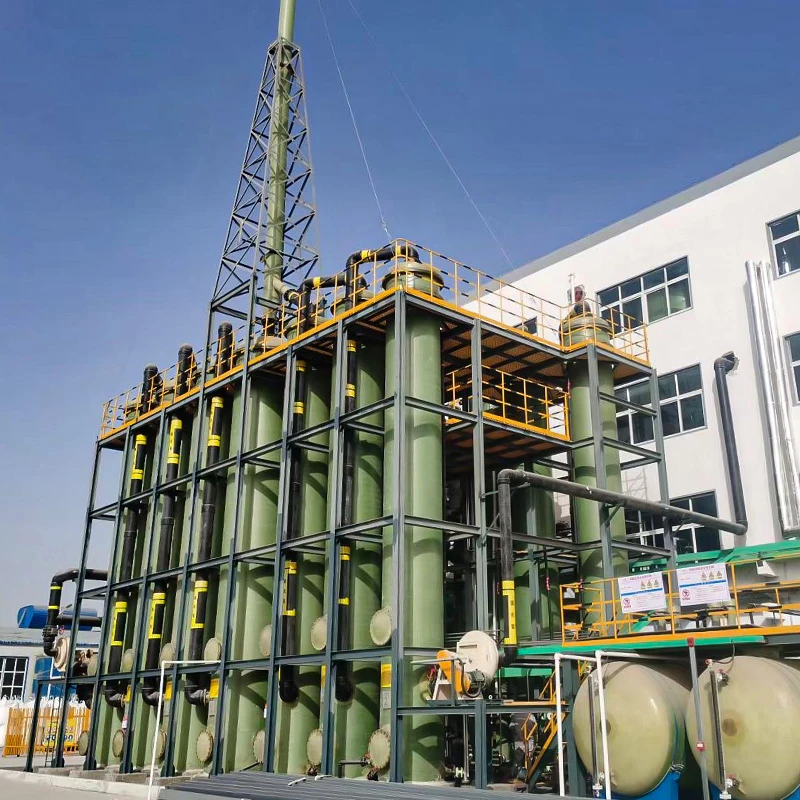
  • Remote Industry: Mining sites in Australia or oil fields in Africa use these tanks because traditional storage logistics there are daunting.
  • Agriculture and Aquaculture: Farmers in drought-prone areas use them for water storage, fish farms for oxygenated water tanks.
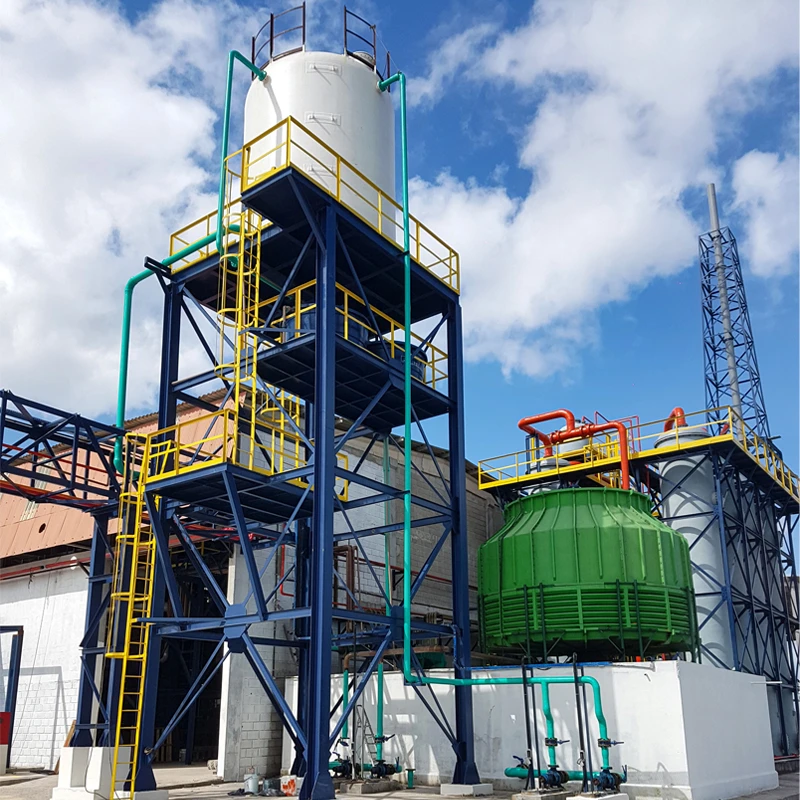
  • Municipal Water Storage: Towns with aging infrastructure use fiberglass tanks as corrosion-free alternatives.
A good case in point: In 2023, an NGO in Southeast Asia supplied several 1000 gallon fiberglass tanks to flood-affected villages. The tanks enabled safe drinking water storage for thousands for months — a quiet but life-saving innovation.

The Long-Term Benefits You’ll Want to Remember

Some advantages are straightforward: these tanks cost less to maintain, last longer, and reduce downtime in operations. But beyond the numbers, there’s an emotional and societal layer:
  • Safety & Trust: When you’re storing hazardous chemicals, knowing your tank won’t corrode or leak builds confidence with workers and stakeholders.
  • Dignity & Sustainability: Communities with access to clean water storage feel empowered and safer.
  • Innovation & Adaptability: These tanks represent how material science and industry innovation combine to solve real-world problems.

Looking Ahead: Trends Shaping the Future of Fiberglass Tanks

Technology is never static. For these fiberglass tanks, expect the following shifts soon:
  • Smart Sensors: Embedded IoT sensors monitor tank levels, detect leaks, and optimize refilling schedules.
  • Eco-friendly Resins: Manufacturers are moving towards bio-based, recyclable resins to reduce environmental impact even more.
  • Modular Designs: Tanks that are easier to assemble onsite with snap-fit components.
  • Integration with Renewable Energy: Tanks paired with solar-powered pumps or filtration systems for off-grid solutions.

The Challenges and How Industry Is Overcoming Them

Of course, nothing is perfect. Fiberglass tanks face some issues:
  • UV Degradation: Prolonged sun exposure can weaken fiberglass’s resin layer, though UV inhibitors help.
  • Impact Resistance: Fiberglass isn’t as impact-resistant as metals; accidental damage can occur on-site.
  • Size Limitations: While 1000 gallons is a popular size, really large custom tanks can be costlier.
  • Recycling: Fiberglass recycling infrastructure isn’t as mature as for steel or plastics — work is ongoing.
Innovative coatings, better transport packing, and ongoing R&D are rapidly addressing these concerns.

Product Specifications at a Glance

Specification Details
Volume Capacity 1000 gallons (approx. 3785 liters)
Material Fiberglass Reinforced Plastic (FRP) with resin matrix
Weight Approx. 350-450 lbs (depending on design)
Dimensions Typical diameter: 60–72 inches; Height: 72–80 inches
Corrosion Resistance Excellent against most acids, salts, and chemicals
Lifespan 15-25 years (with UV protection and proper maintenance)

How Do Leading Vendors Compare?

Vendor Price Range (USD) Customization Options Delivery Time Warranty
Fiberglass Tanks Inc. $3,000 - $3,500 Fittings, color, UV coating 3-4 weeks 5 years
Global FRP Storage $2,800 - $3,200 Custom diameters, molds 2-3 weeks 3 years
EcoTank Solutions $3,400 - $3,800 Renewable material options 4-5 weeks 7 years

Frequently Asked Questions About 1000 Gallon Fiberglass Tanks

Q1: How long can a 1000 gallon fiberglass tank last outdoors?

The lifespan typically ranges from 15 to 25 years when properly maintained, especially with UV inhibitors or protective coatings. Harsh UV exposure without protection will degrade the resin over time, but with care, these tanks are very durable.

Q2: Can these tanks store chemicals safely?

Yes, fiberglass tanks are highly resistant to many corrosive chemicals, acids, and salts. However, it's always best to confirm the tank’s resin and fiber compatibility with specific chemicals to prevent damage.

Q3: How difficult is it to transport and install a 1000 gallon fiberglass tank?

Relatively easy. These tanks weigh less than half of steel equivalents, so handling can often be done with light equipment. Their portability is why NGOs and remote workers prefer them.

Q4: Are fiberglass tanks environmentally friendly?

While not biodegradable, fiberglass tanks are recyclable and reduce frequent replacements, lowering waste. Innovations in bio-resins and recycling systems are improving their green credentials.

Q5: Where can I buy a reliable 1000 gallon fiberglass tank?

Several reputable vendors offer customizable options; compare warranties, delivery times, and customization before buying. For example, check out 1000 gallon fiberglass tank providers with solid track records.
Wrapping Up: Why the 1000 Gallon Fiberglass Tank is a Smart Long-Term Investment

In the grand scheme, fiberglass tanks solve a practical yet critical need worldwide: reliable, durable, and efficient storage of liquids. Whether you’re supporting disaster resilience, global industry, or sustainable agriculture, these tanks carry a quiet power to transform operations without fuss or failure. If you’re in the market for storage solutions that balance cost, durability, and sustainability, then visiting 1000 gallon fiberglass tank manufacturers is a solid next step. ### Mini takeaway: Fiberglass tanks might feel like “just containers,” but their ripple effects on safety, sustainability, and industry innovation are oddly impressive.

References

  1. Wikipedia – Fiberglass
  2. United Nations on Sustainable Infrastructure
  3. ISO Standards for Composite Materials
Upsell Products
Upsell News
Durable FRP Vessel for Water Treatment and Industrial Filtration
Apr 16,2026
Durable FRP Vessel for Water Treatment and Industrial Filtration
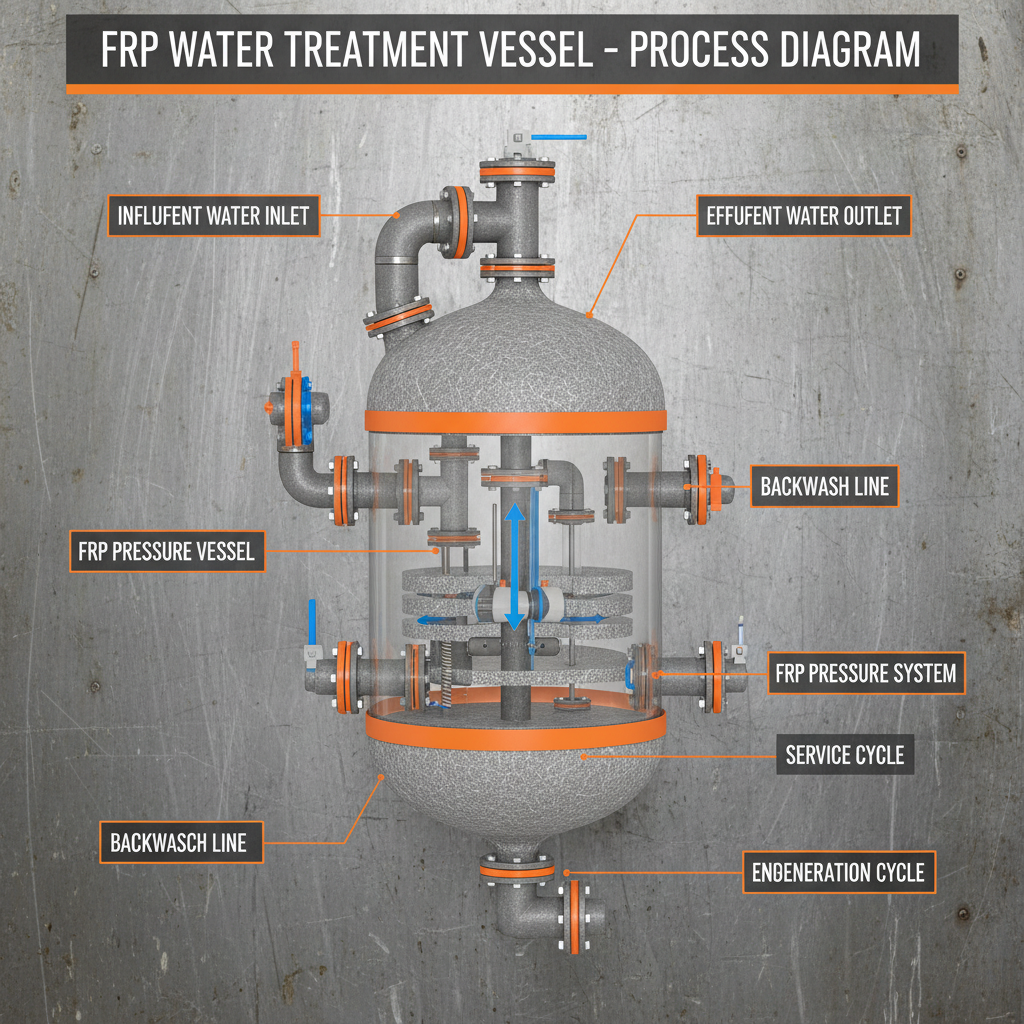
In the modern era of industrial and residential water purification, the choice of containment materials is critical for efficiency and longevity. An frp vessel for water treatment has emerged as the gold standard, replacing traditional steel tanks due to its superior corrosion resistance and lightweight properties. Whether you are dealing with desalination, softening, or filtration, using Fiber Reinforced Plastic (FRP) ensures that your system remains leak-proof and durable against aggressive chemicals. In this comprehensive guide, we will explore why FRP is the preferred choice for water treatment professionals worldwide and how to select the right vessel for your specific application.
Industrial Guide for Choosing the Right FRP Vertical Tank
Apr 09,2026
Industrial Guide for Choosing the Right FRP Vertical Tank
In today's industrial landscape, the storage of corrosive chemicals and aggressive liquids requires materials that can withstand extreme conditions without degrading. The frp vertical tank has emerged as a premier solution, offering an exceptional balance of strength, lightweight properties, and unmatched chemical resistance. Whether you are managing a water treatment plant or a chemical processing facility, understanding the nuances of Fiber Reinforced Plastic (FRP) is essential for ensuring operational safety and longevity. In this comprehensive guide, we will explore why vertical configurations are preferred and how these tanks outperform traditional metal alternatives.
Comprehensive Guide to FRP Underground Water Tank Solutions and Applications
Apr 07,2026
Comprehensive Guide to FRP Underground Water Tank Solutions and Applications
Fiberglass Reinforced Polymer (FRP) underground water tanks are becoming increasingly popular for a wide range of applications, from potable water storage to industrial wastewater containment. Their superior corrosion resistance, lightweight nature, and design flexibility make them an excellent alternative to traditional materials like concrete or steel. This article will delve into the benefits, applications, construction, and considerations for implementing FRP underground water tanks, providing a comprehensive overview for engineers, contractors, and project managers.
Comprehensive Guide to Frp Underground Water Storage Tanks and Their Applications
Apr 04,2026
Comprehensive Guide to Frp Underground Water Storage Tanks and Their Applications
When considering water storage solutions, particularly for industrial, agricultural, or municipal applications, frp underground water storage tanks stand out as a durable, cost-effective, and environmentally friendly option. These tanks are increasingly favored over traditional materials like concrete or steel due to their superior corrosion resistance, lighter weight, and ease of installation. This article delves into the benefits, applications, construction, and considerations when choosing an FRP tank, providing a detailed overview for potential buyers and project planners.
Sulfuric Acid Production Line - Hebei Aoliande|Efficient H2SO4 Plant Technology
Apr 01,2026
Sulfuric Acid Production Line - Hebei Aoliande|Efficient H2SO4 Plant Technology
Discover efficient H2SO4 plant technology and advanced sulfuric acid production solutions. Hebei Aoliande combines energy-saving furnace design and eco-friendly HCl recovery systems for sustainable industrial applications. Explore now: https://www.frpgrpmachine.com/sulfuric-acid-production-line-for-h2so4-plant.html
Sulfuric Acid Production Line - Hebei Aoliande|Efficient H2SO4 Plant Technology
Apr 01,2026
Sulfuric Acid Production Line - Hebei Aoliande|Efficient H2SO4 Plant Technology
Discover efficient H2SO4 plant technology and advanced sulfuric acid production solutions. Hebei Aoliande combines energy-saving furnace design and eco-friendly HCl recovery systems for sustainable industrial applications. Explore now: https://www.frpgrpmachine.com/sulfuric-acid-production-line-for-h2so4-plant.html
Sulfuric Acid Production Line - Hebei Aoliande|Efficient H2SO4 Plant Technology
Apr 01,2026
Sulfuric Acid Production Line - Hebei Aoliande|Efficient H2SO4 Plant Technology
Discover efficient H2SO4 plant technology and advanced sulfuric acid production solutions. Hebei Aoliande combines energy-saving furnace design and eco-friendly HCl recovery systems for sustainable industrial applications. Explore now: https://www.frpgrpmachine.com/sulfuric-acid-production-line-for-h2so4-plant.html
Sulfuric Acid Production Line - Hebei Aoliande|Efficient H2SO4 Plant Technology
Apr 01,2026
Sulfuric Acid Production Line - Hebei Aoliande|Efficient H2SO4 Plant Technology
Discover efficient H2SO4 plant technology and advanced sulfuric acid production solutions. Hebei Aoliande combines energy-saving furnace design and eco-friendly HCl recovery systems for sustainable industrial applications. Explore now: https://www.frpgrpmachine.com/sulfuric-acid-production-line-for-h2so4-plant.html
Sulfuric Acid Production Line - Hebei Aoliande|Efficient H2SO4 Plant Technology
Apr 01,2026
Sulfuric Acid Production Line - Hebei Aoliande|Efficient H2SO4 Plant Technology
Discover efficient H2SO4 plant technology and advanced sulfuric acid production solutions. Hebei Aoliande combines energy-saving furnace design and eco-friendly HCl recovery systems for sustainable industrial applications. Explore now: https://www.frpgrpmachine.com/sulfuric-acid-production-line-for-h2so4-plant.html
Sulfuric Acid Production Line - Hebei Aoliande|Efficient H2SO4 Plant Technology
Apr 01,2026
Sulfuric Acid Production Line - Hebei Aoliande|Efficient H2SO4 Plant Technology
Discover efficient H2SO4 plant technology and advanced sulfuric acid production solutions. Hebei Aoliande combines energy-saving furnace design and eco-friendly HCl recovery systems for sustainable industrial applications. Explore now: https://www.frpgrpmachine.com/sulfuric-acid-production-line-for-h2so4-plant.html
Comprehensive Guide to Frp Underground Storage Tanks for Reliable Storage Solutions
Mar 31,2026
Comprehensive Guide to Frp Underground Storage Tanks for Reliable Storage Solutions
Fiberglass Reinforced Polymer (FRP) underground storage tanks are becoming increasingly popular for a wide range of applications, from fuel storage to wastewater management. Their corrosion resistance, lightweight nature, and durability offer significant advantages over traditional materials like steel. This article will provide an in-depth look at FRP underground storage tanks, covering their benefits, applications, installation, and maintenance. Understanding these aspects is crucial for making informed decisions about long-term storage solutions.
Comprehensive Guide to Selecting the Ideal FRP Tank for Water Storage Solutions
Mar 28,2026
Comprehensive Guide to Selecting the Ideal FRP Tank for Water Storage Solutions
When it comes to reliable and durable water storage, FRP tanks for water are increasingly becoming the preferred solution for a wide range of applications. These tanks, constructed from Fiber Reinforced Polymer (FRP) materials, offer significant advantages over traditional storage options like steel or concrete. This article delves into the benefits, applications, and considerations when selecting an FRP tank for your water storage needs, providing a detailed overview for businesses and individuals alike.
Comprehensive Guide to Frp Tank and Vessel Applications and Manufacturing
Mar 26,2026
Comprehensive Guide to Frp Tank and Vessel Applications and Manufacturing
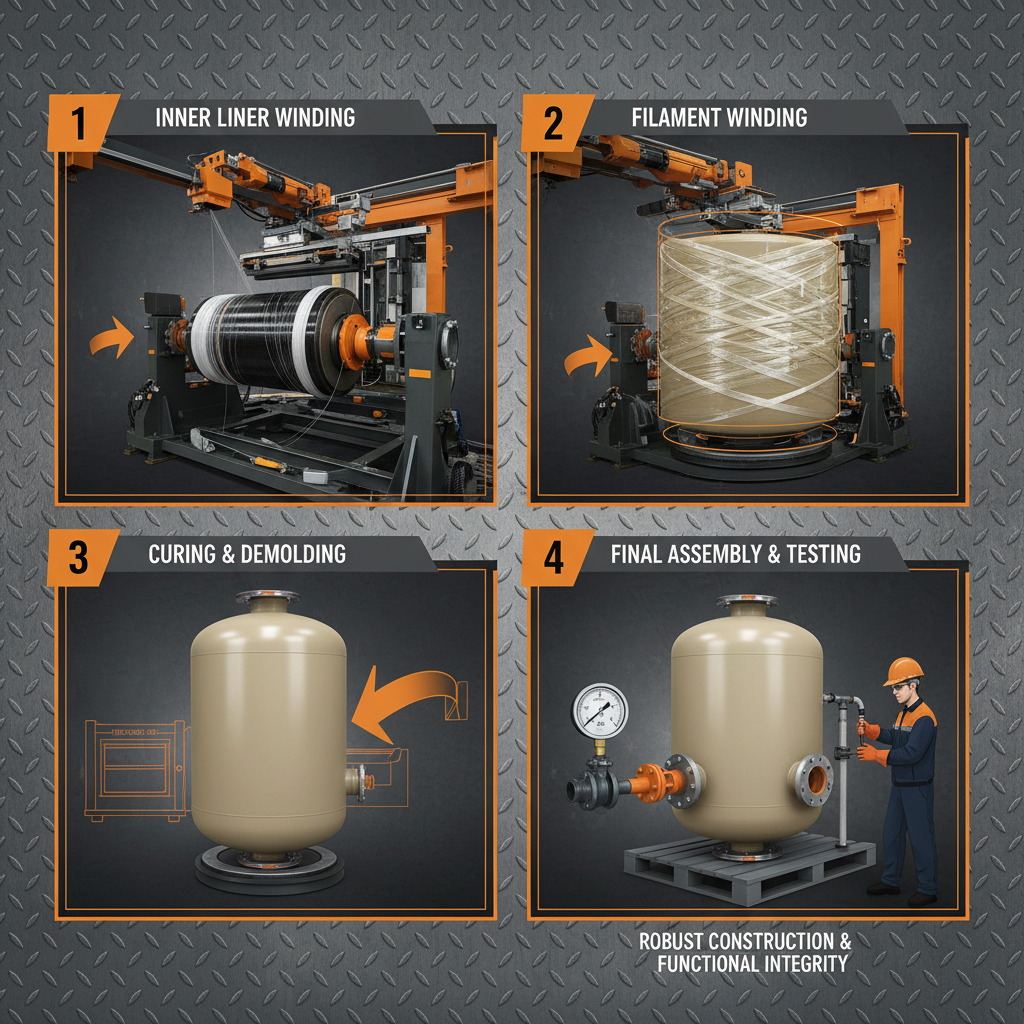
Fiber Reinforced Polymer (FRP) tanks and vessels are increasingly becoming the preferred choice for storage and processing across a multitude of industries. Their lightweight nature, corrosion resistance, and design flexibility offer significant advantages over traditional materials like steel. This article will delve into the intricacies of FRP tanks and vessels, exploring their applications, manufacturing processes, benefits, and considerations for selecting the right solution for your specific needs. We’ll also highlight why FRP tanks are a cost-effective and reliable long-term investment. FRP tanks and vessels are constructed from a combination of reinforcing fibers (such as fiberglass, carbon fiber, or aramid fiber) embedded in a polymer matrix (typically polyester, vinyl ester, or epoxy resin). This combination creates a composite material that boasts high strength-to-weight ratio, exceptional corrosion resistance, and the ability to be molded into complex shapes. They’re designed to safely contain a wide variety of liquids and gases, ranging from corrosive chemicals and water to food products and pharmaceuticals.
Optimizing Water Filtration with Durable FRP Sand Filter Vessels
Mar 24,2026
Optimizing Water Filtration with Durable FRP Sand Filter Vessels
In water treatment and filtration systems, the choice of filter vessel material is paramount. Fiber Reinforced Plastic (FRP), also known as Glass Reinforced Polymer (GRP), sand filter vessels are increasingly popular due to their superior corrosion resistance, lightweight nature, and cost-effectiveness. This article delves into the benefits, applications, design considerations, and factors to consider when selecting an FRP sand filter vessel. Whether you are involved in municipal water treatment, industrial wastewater management, or recreational water filtration, understanding FRP technology is essential for optimizing your filtration process. An FRP sand filter vessel is a containment unit designed to house filtration media, typically sand, gravel, and anthracite. These vessels are integral components in sand filtration systems used for removing suspended solids, turbidity, and other particulate matter from water. FRP construction involves layering glass fibers within a resin matrix (typically polyester or vinyl ester) to create a strong, durable, and chemically resistant shell. The strength and rigidity of the vessel are crucial for withstanding the pressure from the filtration media and the water flow.
Comprehensive Guide to FRP Round Tanks Applications and Benefits
Mar 21,2026
Comprehensive Guide to FRP Round Tanks Applications and Benefits
Fiber Reinforced Polymer (FRP) round tanks are increasingly becoming the preferred choice for storage solutions across a variety of industries. Their lightweight nature, corrosion resistance, and design flexibility offer significant advantages over traditional materials like steel. This article provides an in-depth look at FRP round tanks, exploring their applications, benefits, manufacturing processes, and key considerations when choosing the right tank for your needs. Whether you're in chemical processing, water treatment, or agriculture, understanding FRP round tanks is crucial for optimizing your storage infrastructure. FRP round tanks are constructed from a combination of reinforcing fibers (typically fiberglass, carbon fiber, or a blend) embedded in a polymer matrix (often polyester, vinyl ester, or epoxy resin). The round shape inherently provides excellent structural strength, distributing pressure evenly across the tank’s surface.
Comprehensive Guide to FRP Pressure Tanks Benefits and Applications
Mar 19,2026
Comprehensive Guide to FRP Pressure Tanks Benefits and Applications
Fiber Reinforced Polymer (FRP) pressure tanks are becoming increasingly popular in a wide range of industrial applications, offering a compelling alternative to traditional steel tanks. Known for their lightweight nature, corrosion resistance, and high strength-to-weight ratio, FRP tanks provide efficient and durable solutions for storing liquids and gases under pressure. This article will delve into the benefits, applications, construction, and key considerations when selecting an FRP pressure tank, helping you make an informed decision for your specific needs. Understanding the advantages of FRP technology can lead to significant cost savings and improved operational efficiency. Compared to steel, FRP pressure tanks offer several key advantages. The most significant is their superior corrosion resistance. Unlike steel, which is susceptible to rust and corrosion when exposed to various chemicals, FRP materials are inherently resistant to a wide range of corrosive substances. This translates to a longer lifespan, reduced maintenance costs, and increased safety. Furthermore, FRP is significantly lighter than steel, making installation easier and reducing transportation costs.
For More Details Pls Contact Us
Thank you for your interest in our gloves! We offer high-quality, durable, and comfortable gloves with fast delivery and competitive prices. For any questions or customization, feel free to contact us. We look forward to working with you!

If you are interested in our products, you can choose to leave your information here, and we will be in touch with you shortly.