Jan 05,2026

Durable FRP Structural Profiles for Industrial Use | Expert Insights

FRP Structural Profiles: Durable Solutions in Modern Industry

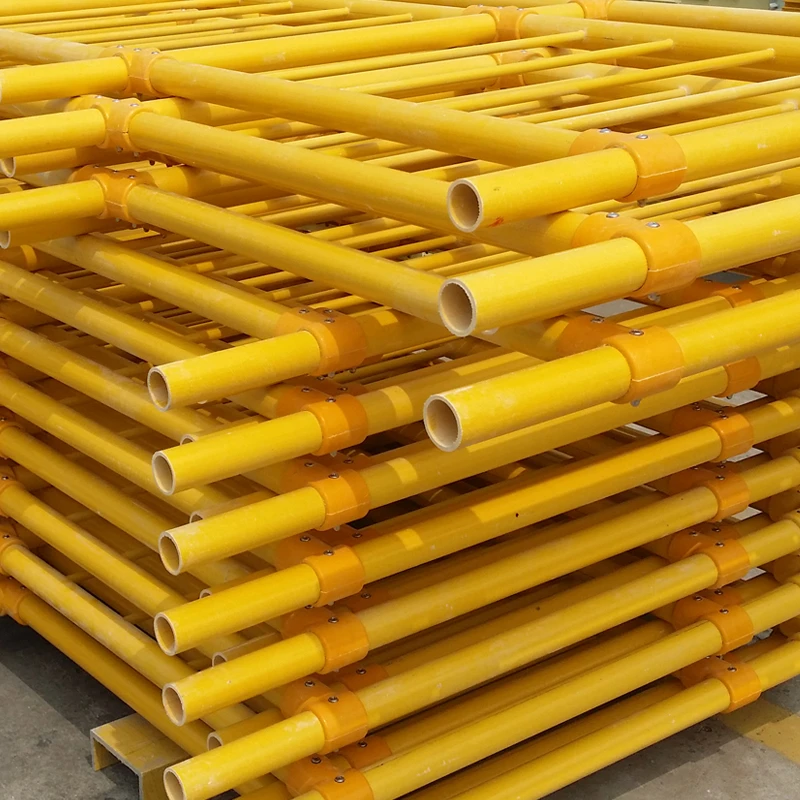
Having spent over a decade in the industrial equipment sector, I’ve seen many materials come and go—some promising, some underwhelming. But FRP structural profiles are one of those innovations that truly stuck with me. They’re a smart, lightweight alternative to traditional metals that frankly still surprises many engineers with their strength and versatility.

FRP, or fiberglass-reinforced polymer, is not new to engineers but how it’s applied in structural profiles has evolved significantly. You know, it feels like just yesterday when corrosion issues meant routine expensive maintenance for outdoor frameworks or chemical plants. FRP profiles bring remarkable resistance to corrosion, chemicals, and weather extremes—all while staying relatively light. The result: lower costs over the long haul and sometimes a few headaches less.

I recall a client in the wastewater treatment industry emphasizing how switching to FRP structural profiles for their support beams cut down replacement time below six months—a task that sometimes took over a year with carbon steel. Oddly enough, the profiles’ dimensional stability impressed site crews, too. It’s kind of those small benefits piling up that made a difference.

Material Composition and Design Considerations

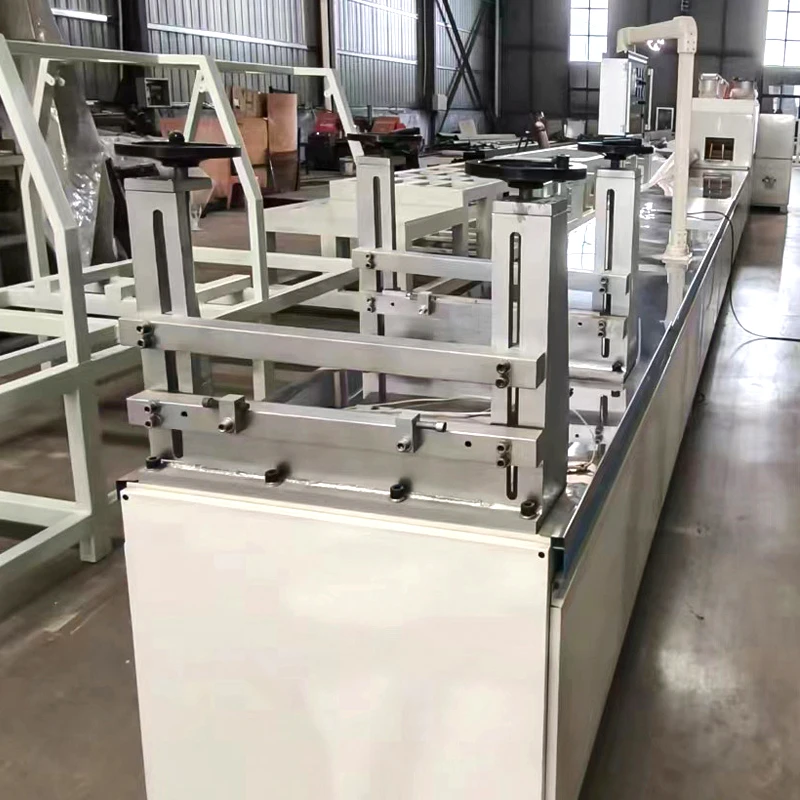
Typically, these profiles are made by pultrusion—a process where continuous fiberglass strands are pulled through resin and shaped to exact cross-sections. This method ensures consistent strength and eliminates many defects common in other composites. Frankly, the range of shapes and sizes you can get—from I-beams and channels to custom sections—makes it easy to fit very particular project specs.

Designers often note the favorable strength-to-weight ratio, with tensile strengths often exceeding 500 MPa, depending on the resin type and fiber orientation. Thermal expansion, however, can be 2-3 times higher than steel, so allowances in design are wise. Also, it’s key to ensure UV stabilizers are included or protective coatings applied, especially in outdoor applications.

Specification Typical Value Unit
Tensile Strength 450 - 550 MPa
Density 1.8 - 2.0 g/cm³
Flexural Modulus 20,000 - 30,000 MPa
Thermal Expansion Coefficient 7 - 12 10⁻⁶ /°C
Max Operating Temp. 120 - 130 °C

Comparing Leading FRP Structural Profile Vendors

In real terms, not all FRP profiles are created equal. Choice of resin, fiber type, and manufacturing precision affects performance, durability, and cost significantly. Here's a quick comparison of three notable vendors I’ve worked with over the years:

Vendor Fiber Type Resin System Typical Lead Time Noted Strength Price Range
Fibra Struct E-Glass Vinyl Ester 4-6 weeks Good Chemical Resistance $$
PolyCore Inc. S-Glass Phenolic 6-8 weeks Highest Strength & Fire Resistance $$$
ResinWorks E-Glass/Hybrid Polyester 3-5 weeks Cost-Effective, Moderate Chemical Resistance $

Application & Customization Insights

One thing I frequently tell young engineers entering the field: customization is where FRP shines. You’re not stuck with standard beams or angles. Need a distinct cross-section for a machine frame? Or a lightweight but ultra-corrosion-resistant handrail for a coastal platform? Just specify and it’s usually doable. That said, costs ramp up with complexity and volume, so it pays to be precise with design stages.

Plus, it’s important to consider load calculations carefully. FRP’s anisotropic nature means it behaves differently under stress depending on fiber alignment. I’ve seen projects flop when teams overlooked layered orientation patterns, but on the flip side, it offers exciting ways to tailor strength along specific axes.

I sometimes muse that if we had these materials twenty years ago, the rig maintenance schedules at offshore oil platforms might have looked very different. Fewer shutdowns due to corrosion damage would’ve likely saved millions.

To wrap up, I’d say FRP structural profiles represent a mature, practical choice for engineers and industry professionals looking to upgrade their structural elements with a mix of durability, flexibility, and reduced weight. They’re not magic, but they’re solid, and that counts.

For detailed product selections and customization options, explore FRP structural profiles from trusted manufacturers.

References:
1. “Pultruded FRP Composites Handbook,” Composites World, 2019
2. ASTM D7565-12, Standard Guide for Design and Fabrication of Pultruded FRP Structural Shapes
3. Client case file: Wastewater Plant Retrofit, 2018
Upsell Products
Upsell News
Durable FRP Vessel for Water Treatment and Industrial Filtration
Apr 16,2026
Durable FRP Vessel for Water Treatment and Industrial Filtration
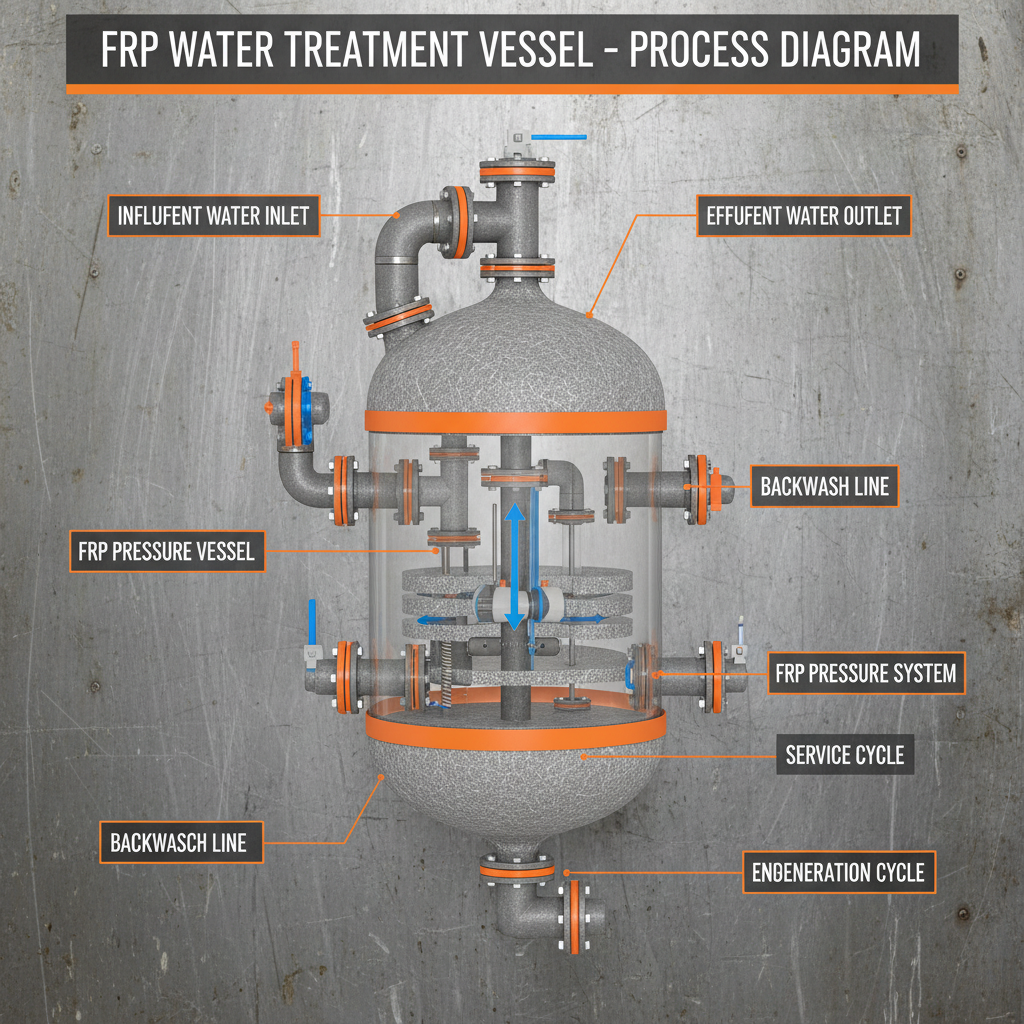
In the modern era of industrial and residential water purification, the choice of containment materials is critical for efficiency and longevity. An frp vessel for water treatment has emerged as the gold standard, replacing traditional steel tanks due to its superior corrosion resistance and lightweight properties. Whether you are dealing with desalination, softening, or filtration, using Fiber Reinforced Plastic (FRP) ensures that your system remains leak-proof and durable against aggressive chemicals. In this comprehensive guide, we will explore why FRP is the preferred choice for water treatment professionals worldwide and how to select the right vessel for your specific application.
Industrial Guide for Choosing the Right FRP Vertical Tank
Apr 09,2026
Industrial Guide for Choosing the Right FRP Vertical Tank
In today's industrial landscape, the storage of corrosive chemicals and aggressive liquids requires materials that can withstand extreme conditions without degrading. The frp vertical tank has emerged as a premier solution, offering an exceptional balance of strength, lightweight properties, and unmatched chemical resistance. Whether you are managing a water treatment plant or a chemical processing facility, understanding the nuances of Fiber Reinforced Plastic (FRP) is essential for ensuring operational safety and longevity. In this comprehensive guide, we will explore why vertical configurations are preferred and how these tanks outperform traditional metal alternatives.
Comprehensive Guide to FRP Underground Water Tank Solutions and Applications
Apr 07,2026
Comprehensive Guide to FRP Underground Water Tank Solutions and Applications
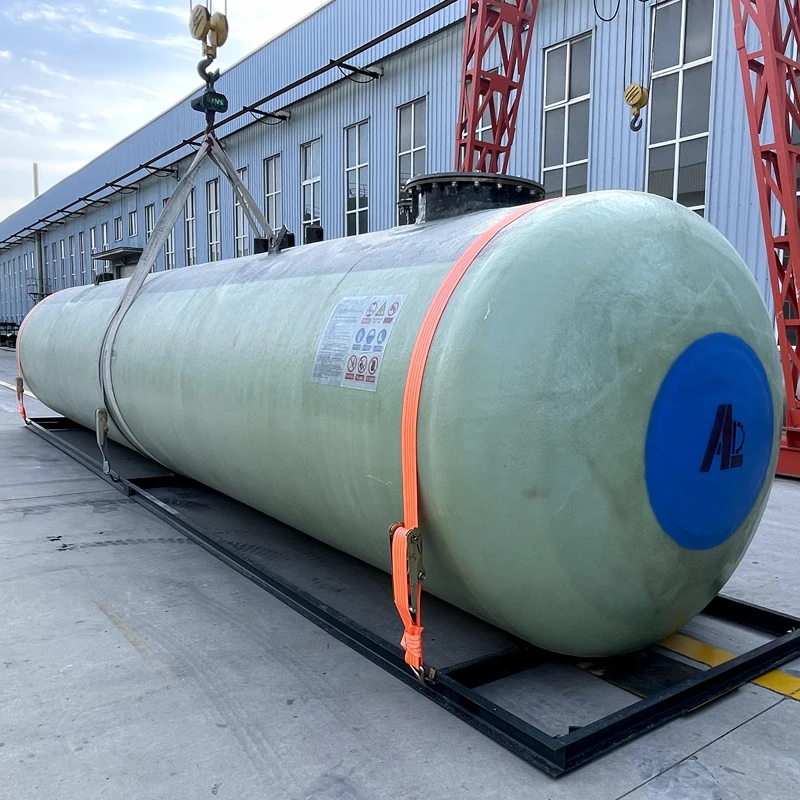
Fiberglass Reinforced Polymer (FRP) underground water tanks are becoming increasingly popular for a wide range of applications, from potable water storage to industrial wastewater containment. Their superior corrosion resistance, lightweight nature, and design flexibility make them an excellent alternative to traditional materials like concrete or steel. This article will delve into the benefits, applications, construction, and considerations for implementing FRP underground water tanks, providing a comprehensive overview for engineers, contractors, and project managers.
Comprehensive Guide to Frp Underground Water Storage Tanks and Their Applications
Apr 04,2026
Comprehensive Guide to Frp Underground Water Storage Tanks and Their Applications
When considering water storage solutions, particularly for industrial, agricultural, or municipal applications, frp underground water storage tanks stand out as a durable, cost-effective, and environmentally friendly option. These tanks are increasingly favored over traditional materials like concrete or steel due to their superior corrosion resistance, lighter weight, and ease of installation. This article delves into the benefits, applications, construction, and considerations when choosing an FRP tank, providing a detailed overview for potential buyers and project planners.
Sulfuric Acid Production Line - Hebei Aoliande|Efficient H2SO4 Plant Technology
Apr 01,2026
Sulfuric Acid Production Line - Hebei Aoliande|Efficient H2SO4 Plant Technology
Discover efficient H2SO4 plant technology and advanced sulfuric acid production solutions. Hebei Aoliande combines energy-saving furnace design and eco-friendly HCl recovery systems for sustainable industrial applications. Explore now: https://www.frpgrpmachine.com/sulfuric-acid-production-line-for-h2so4-plant.html
Sulfuric Acid Production Line - Hebei Aoliande|Efficient H2SO4 Plant Technology
Apr 01,2026
Sulfuric Acid Production Line - Hebei Aoliande|Efficient H2SO4 Plant Technology
Discover efficient H2SO4 plant technology and advanced sulfuric acid production solutions. Hebei Aoliande combines energy-saving furnace design and eco-friendly HCl recovery systems for sustainable industrial applications. Explore now: https://www.frpgrpmachine.com/sulfuric-acid-production-line-for-h2so4-plant.html
Sulfuric Acid Production Line - Hebei Aoliande|Efficient H2SO4 Plant Technology
Apr 01,2026
Sulfuric Acid Production Line - Hebei Aoliande|Efficient H2SO4 Plant Technology
Discover efficient H2SO4 plant technology and advanced sulfuric acid production solutions. Hebei Aoliande combines energy-saving furnace design and eco-friendly HCl recovery systems for sustainable industrial applications. Explore now: https://www.frpgrpmachine.com/sulfuric-acid-production-line-for-h2so4-plant.html
Sulfuric Acid Production Line - Hebei Aoliande|Efficient H2SO4 Plant Technology
Apr 01,2026
Sulfuric Acid Production Line - Hebei Aoliande|Efficient H2SO4 Plant Technology
Discover efficient H2SO4 plant technology and advanced sulfuric acid production solutions. Hebei Aoliande combines energy-saving furnace design and eco-friendly HCl recovery systems for sustainable industrial applications. Explore now: https://www.frpgrpmachine.com/sulfuric-acid-production-line-for-h2so4-plant.html
Sulfuric Acid Production Line - Hebei Aoliande|Efficient H2SO4 Plant Technology
Apr 01,2026
Sulfuric Acid Production Line - Hebei Aoliande|Efficient H2SO4 Plant Technology
Discover efficient H2SO4 plant technology and advanced sulfuric acid production solutions. Hebei Aoliande combines energy-saving furnace design and eco-friendly HCl recovery systems for sustainable industrial applications. Explore now: https://www.frpgrpmachine.com/sulfuric-acid-production-line-for-h2so4-plant.html
Sulfuric Acid Production Line - Hebei Aoliande|Efficient H2SO4 Plant Technology
Apr 01,2026
Sulfuric Acid Production Line - Hebei Aoliande|Efficient H2SO4 Plant Technology
Discover efficient H2SO4 plant technology and advanced sulfuric acid production solutions. Hebei Aoliande combines energy-saving furnace design and eco-friendly HCl recovery systems for sustainable industrial applications. Explore now: https://www.frpgrpmachine.com/sulfuric-acid-production-line-for-h2so4-plant.html
Comprehensive Guide to Frp Underground Storage Tanks for Reliable Storage Solutions
Mar 31,2026
Comprehensive Guide to Frp Underground Storage Tanks for Reliable Storage Solutions
Fiberglass Reinforced Polymer (FRP) underground storage tanks are becoming increasingly popular for a wide range of applications, from fuel storage to wastewater management. Their corrosion resistance, lightweight nature, and durability offer significant advantages over traditional materials like steel. This article will provide an in-depth look at FRP underground storage tanks, covering their benefits, applications, installation, and maintenance. Understanding these aspects is crucial for making informed decisions about long-term storage solutions.
Comprehensive Guide to Selecting the Ideal FRP Tank for Water Storage Solutions
Mar 28,2026
Comprehensive Guide to Selecting the Ideal FRP Tank for Water Storage Solutions
When it comes to reliable and durable water storage, FRP tanks for water are increasingly becoming the preferred solution for a wide range of applications. These tanks, constructed from Fiber Reinforced Polymer (FRP) materials, offer significant advantages over traditional storage options like steel or concrete. This article delves into the benefits, applications, and considerations when selecting an FRP tank for your water storage needs, providing a detailed overview for businesses and individuals alike.
Comprehensive Guide to Frp Tank and Vessel Applications and Manufacturing
Mar 26,2026
Comprehensive Guide to Frp Tank and Vessel Applications and Manufacturing
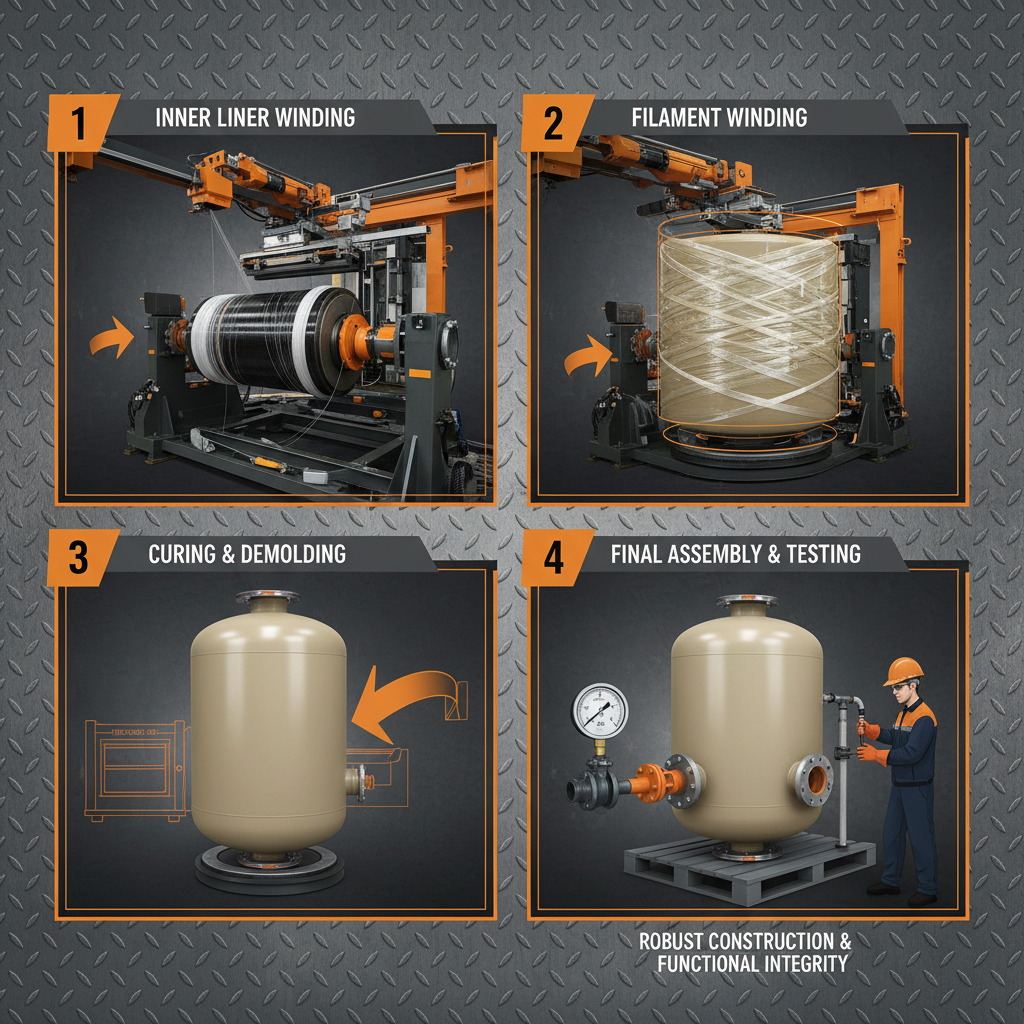
Fiber Reinforced Polymer (FRP) tanks and vessels are increasingly becoming the preferred choice for storage and processing across a multitude of industries. Their lightweight nature, corrosion resistance, and design flexibility offer significant advantages over traditional materials like steel. This article will delve into the intricacies of FRP tanks and vessels, exploring their applications, manufacturing processes, benefits, and considerations for selecting the right solution for your specific needs. We’ll also highlight why FRP tanks are a cost-effective and reliable long-term investment. FRP tanks and vessels are constructed from a combination of reinforcing fibers (such as fiberglass, carbon fiber, or aramid fiber) embedded in a polymer matrix (typically polyester, vinyl ester, or epoxy resin). This combination creates a composite material that boasts high strength-to-weight ratio, exceptional corrosion resistance, and the ability to be molded into complex shapes. They’re designed to safely contain a wide variety of liquids and gases, ranging from corrosive chemicals and water to food products and pharmaceuticals.
Optimizing Water Filtration with Durable FRP Sand Filter Vessels
Mar 24,2026
Optimizing Water Filtration with Durable FRP Sand Filter Vessels
In water treatment and filtration systems, the choice of filter vessel material is paramount. Fiber Reinforced Plastic (FRP), also known as Glass Reinforced Polymer (GRP), sand filter vessels are increasingly popular due to their superior corrosion resistance, lightweight nature, and cost-effectiveness. This article delves into the benefits, applications, design considerations, and factors to consider when selecting an FRP sand filter vessel. Whether you are involved in municipal water treatment, industrial wastewater management, or recreational water filtration, understanding FRP technology is essential for optimizing your filtration process. An FRP sand filter vessel is a containment unit designed to house filtration media, typically sand, gravel, and anthracite. These vessels are integral components in sand filtration systems used for removing suspended solids, turbidity, and other particulate matter from water. FRP construction involves layering glass fibers within a resin matrix (typically polyester or vinyl ester) to create a strong, durable, and chemically resistant shell. The strength and rigidity of the vessel are crucial for withstanding the pressure from the filtration media and the water flow.
Comprehensive Guide to FRP Round Tanks Applications and Benefits
Mar 21,2026
Comprehensive Guide to FRP Round Tanks Applications and Benefits
Fiber Reinforced Polymer (FRP) round tanks are increasingly becoming the preferred choice for storage solutions across a variety of industries. Their lightweight nature, corrosion resistance, and design flexibility offer significant advantages over traditional materials like steel. This article provides an in-depth look at FRP round tanks, exploring their applications, benefits, manufacturing processes, and key considerations when choosing the right tank for your needs. Whether you're in chemical processing, water treatment, or agriculture, understanding FRP round tanks is crucial for optimizing your storage infrastructure. FRP round tanks are constructed from a combination of reinforcing fibers (typically fiberglass, carbon fiber, or a blend) embedded in a polymer matrix (often polyester, vinyl ester, or epoxy resin). The round shape inherently provides excellent structural strength, distributing pressure evenly across the tank’s surface.
Comprehensive Guide to FRP Pressure Tanks Benefits and Applications
Mar 19,2026
Comprehensive Guide to FRP Pressure Tanks Benefits and Applications
Fiber Reinforced Polymer (FRP) pressure tanks are becoming increasingly popular in a wide range of industrial applications, offering a compelling alternative to traditional steel tanks. Known for their lightweight nature, corrosion resistance, and high strength-to-weight ratio, FRP tanks provide efficient and durable solutions for storing liquids and gases under pressure. This article will delve into the benefits, applications, construction, and key considerations when selecting an FRP pressure tank, helping you make an informed decision for your specific needs. Understanding the advantages of FRP technology can lead to significant cost savings and improved operational efficiency. Compared to steel, FRP pressure tanks offer several key advantages. The most significant is their superior corrosion resistance. Unlike steel, which is susceptible to rust and corrosion when exposed to various chemicals, FRP materials are inherently resistant to a wide range of corrosive substances. This translates to a longer lifespan, reduced maintenance costs, and increased safety. Furthermore, FRP is significantly lighter than steel, making installation easier and reducing transportation costs.
For More Details Pls Contact Us
Thank you for your interest in our gloves! We offer high-quality, durable, and comfortable gloves with fast delivery and competitive prices. For any questions or customization, feel free to contact us. We look forward to working with you!

If you are interested in our products, you can choose to leave your information here, and we will be in touch with you shortly.