Nov 24,2025

Durable & Lightweight GRP Storage Tanks for Global Industrial Use

Understanding GRP Storage Tanks: A Global Necessity for Durable Solutions

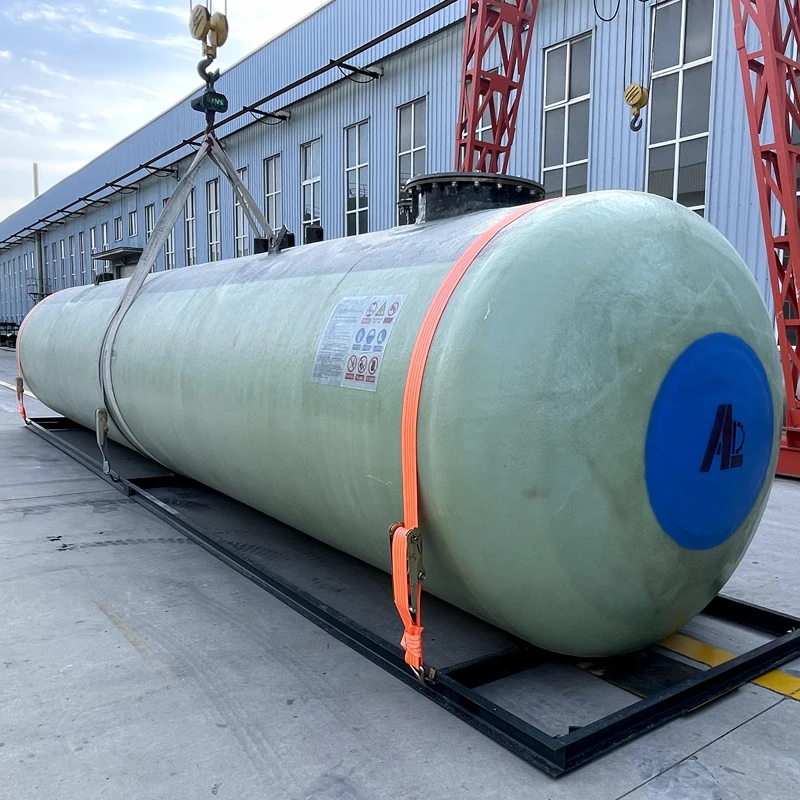
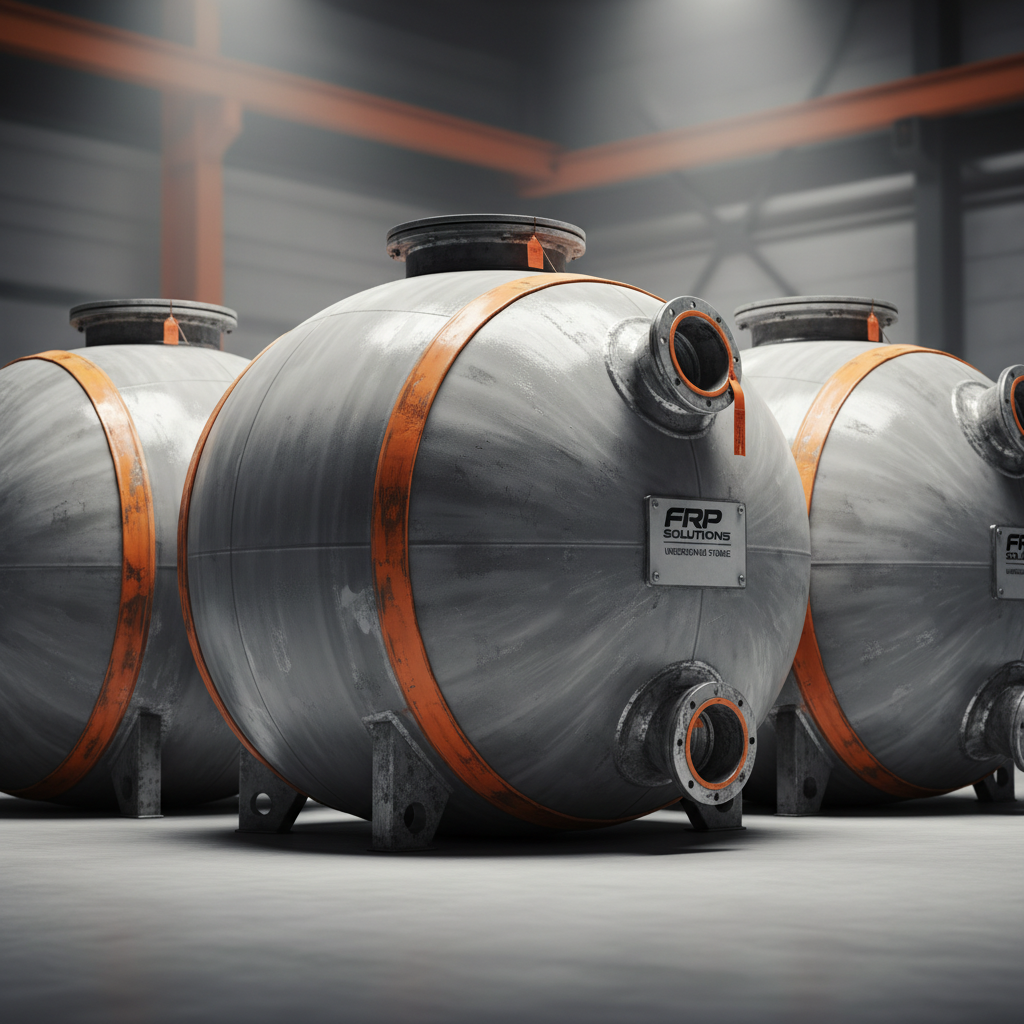
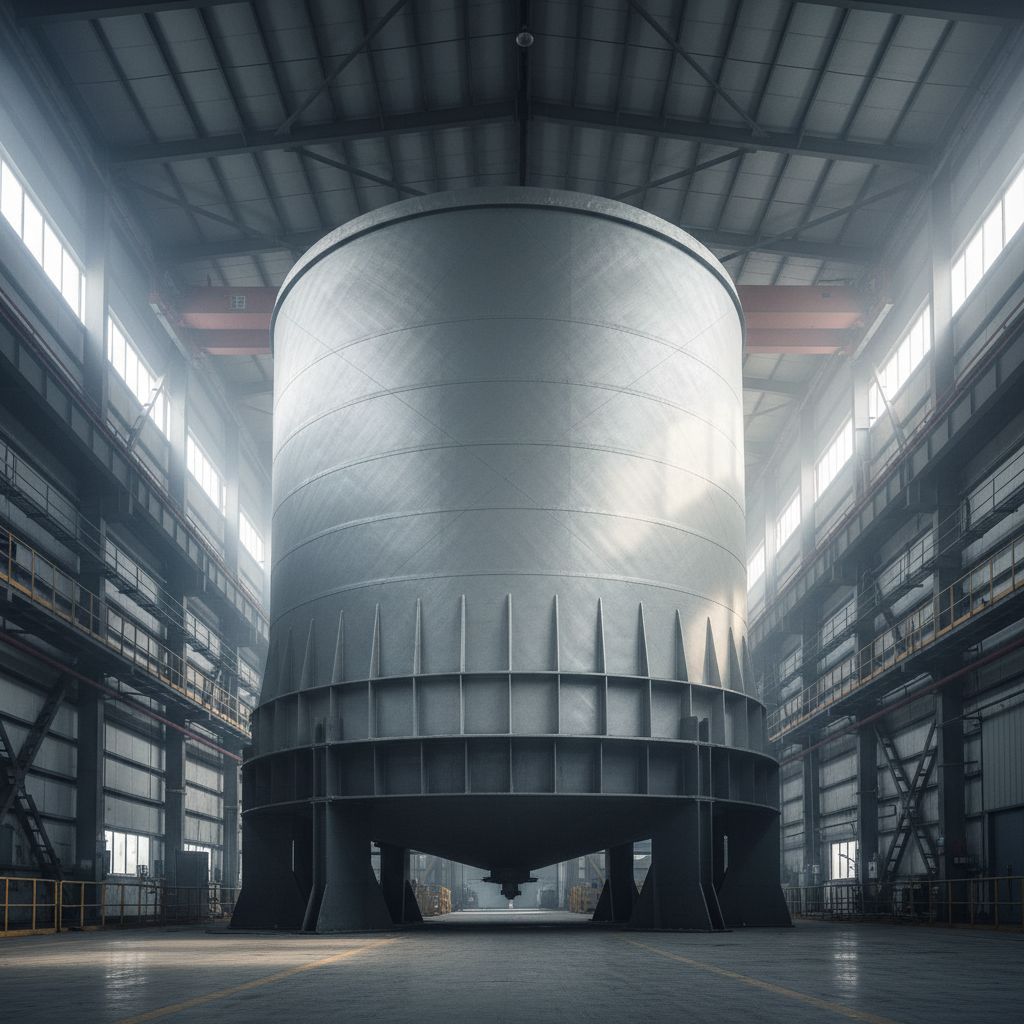
GRP storage tanks might sound like industry jargon, but in reality, they're quietly reshaping how we store critical liquids and chemicals around the world. Whether it’s clean water for communities, fuel on remote industrial sites, or chemicals for treatment plants, these tanks play a vital role. But why the fuss? Well, the strength, lightweight nature, and corrosion resistance of GRP (Glass Reinforced Plastic) tanks address challenges that traditional materials sometimes just can’t handle. Learning more about them isn’t just for engineers or procurement managers; it’s about understanding a small piece of how infrastructure quietly sustains daily life—and disaster relief, too.

How GRP Storage Tanks Fit into the Global Picture

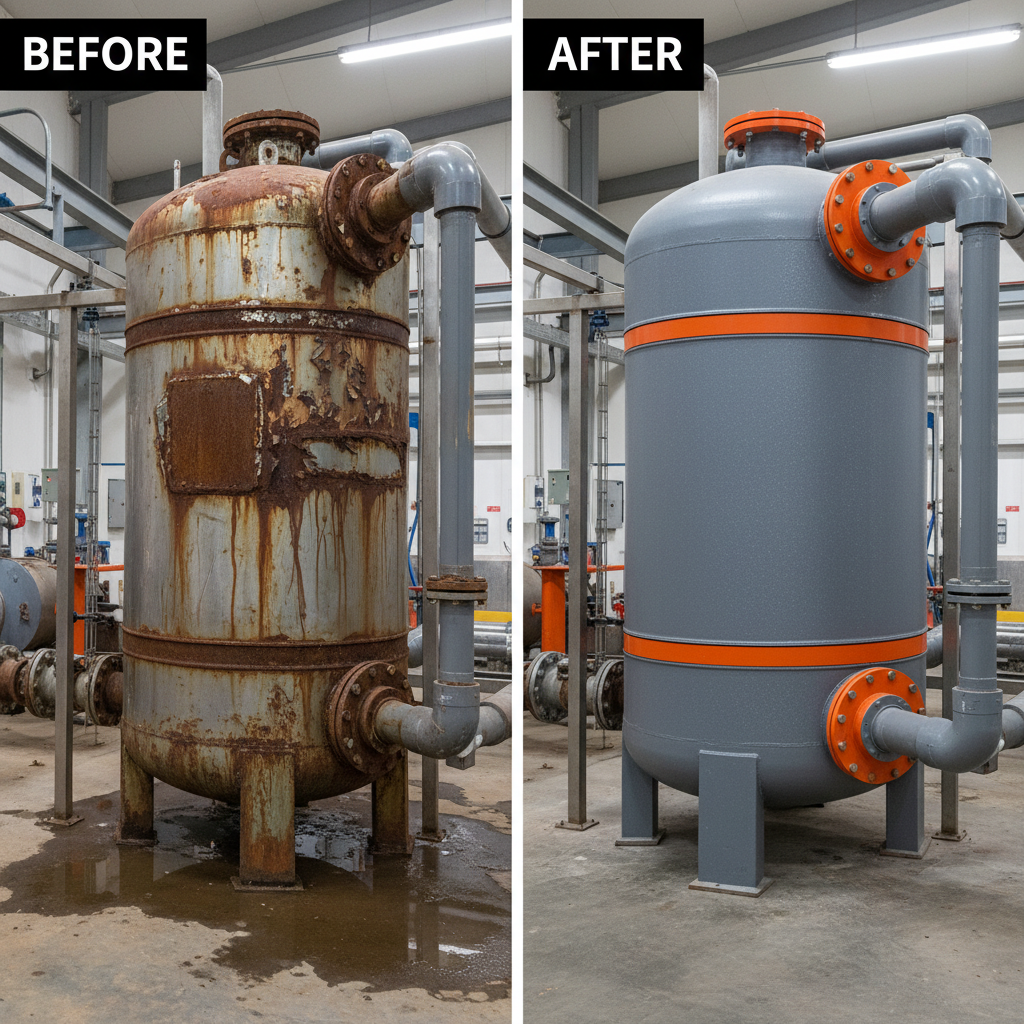
Take a moment and think globally: the United Nations estimates that by 2030, nearly 40% of the world’s population will be facing water shortages. Industrial growth, urban sprawl, and climate change have heightened the demand for reliable, safe storage solutions. Here’s where grp storage tanks truly shine. According to ISO standards for industrial storage, materials that resist corrosion and require minimal maintenance are invaluable. Traditional metal or concrete tanks often succumb to rust, cracking, or leaks, leading to costly repairs or worse, environmental hazards.

In rough terms, GRP tanks offer a significantly longer service life and better performance in aggressive environments, which is why industries from chemical processing in Europe to water treatment projects in Africa and Asia increasingly rely on them. This growing trend answers a practical challenge—sustainability and reliability under tough conditions.

What Exactly Are GRP Storage Tanks?

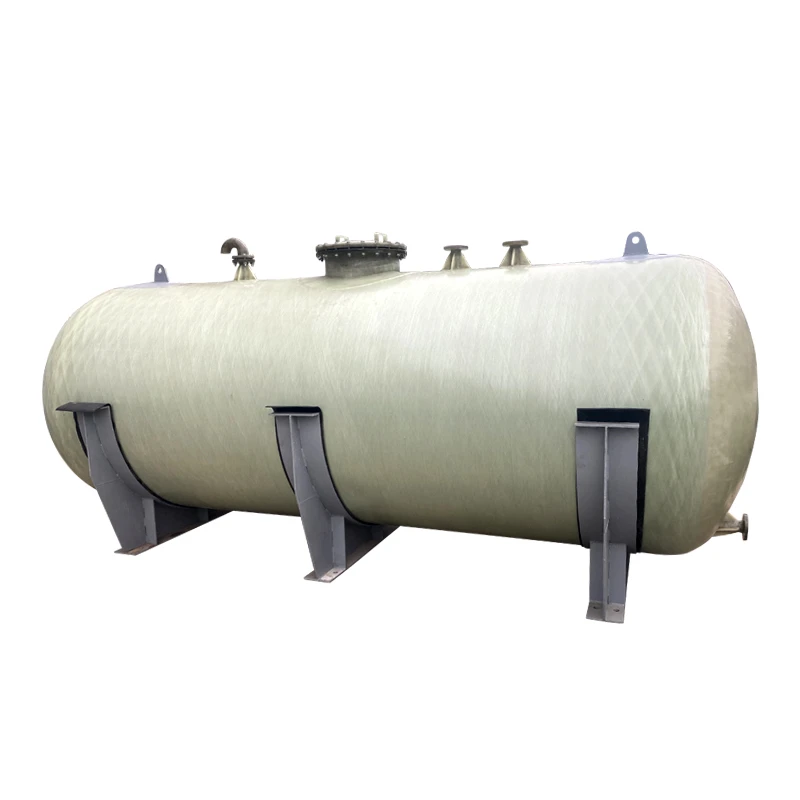
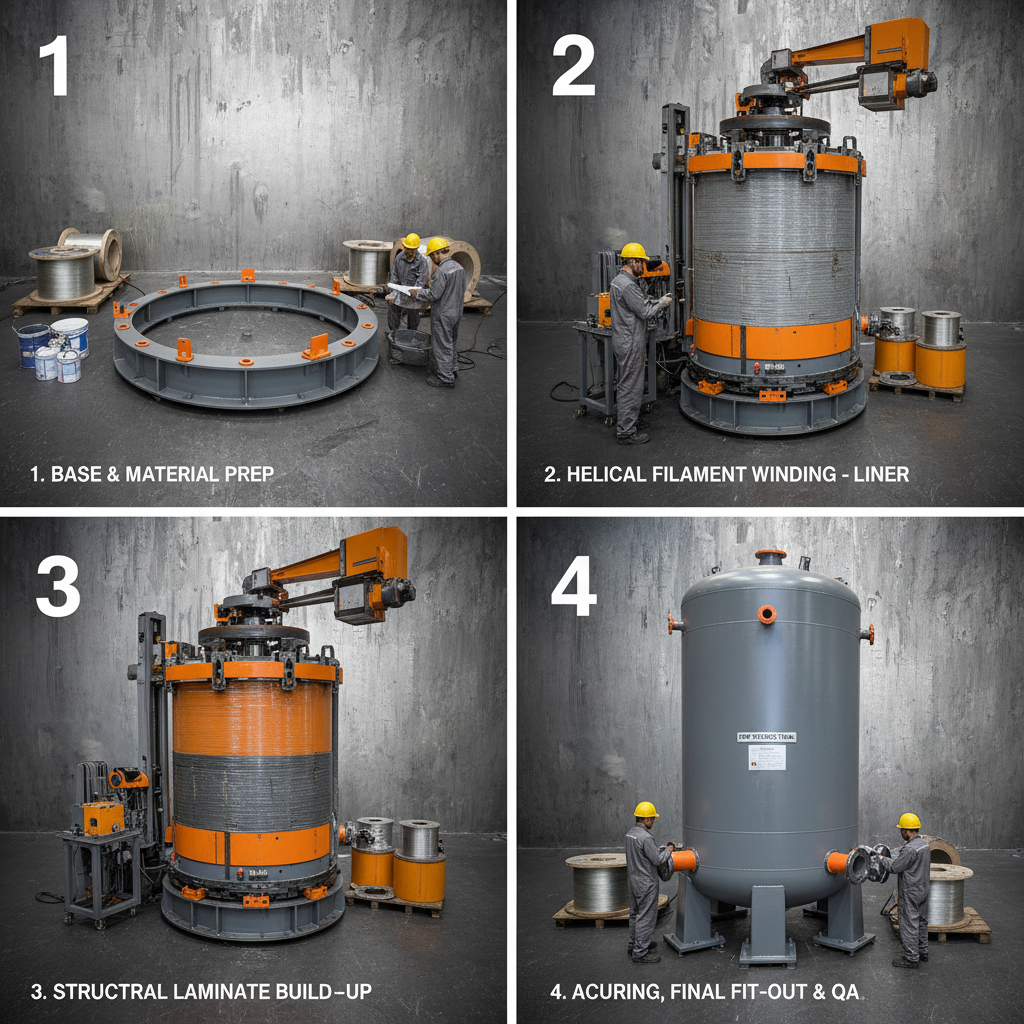
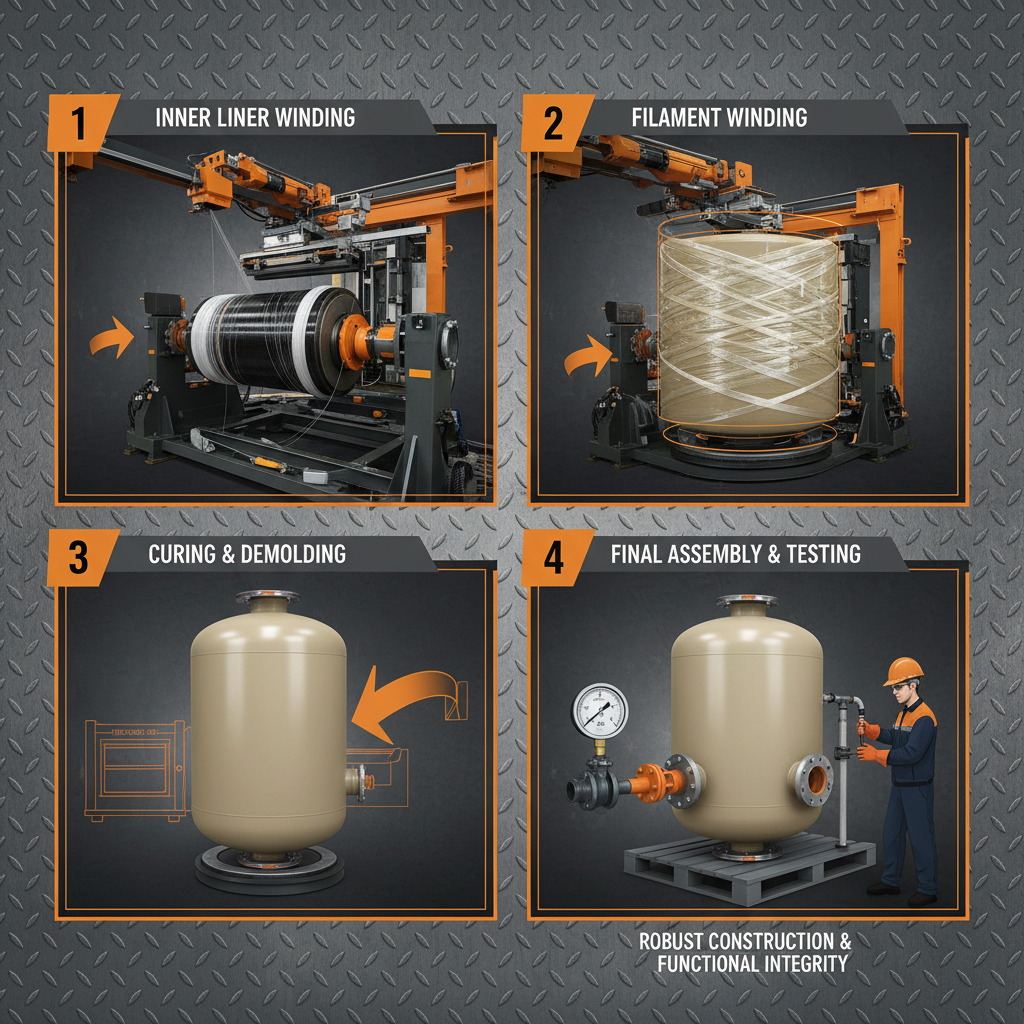
Let’s break it down simply. GRP storage tanks are containers made from glass fiber reinforced plastics — essentially, a strong plastic matrix embedded with glass fibers that boosts durability and resistance to pressure and corrosion. They’re engineered for storing liquids such as water, chemicals, and even fuels safely over long periods.

What makes them tick is the combination of plastic’s flexibility and the glass fibers’ tensile strength. This hybrid material keeps tanks lightweight yet robust, ideal for modern infrastructure needs and emergency uses alike. The tanks’ modular and easily transportable nature also connects GRP storage tanks closely with humanitarian efforts—imagine quickly deploying clean water storage in a flood zone.

Core Features of GRP Storage Tanks

Durability and Corrosion Resistance

One of the biggest perks is their innate resistance to corrosion. Unlike steel tanks, GRP tanks shrug off rust and chemical damage, which makes them perfect for storing a wide range of industrial liquids without the deterioration that compromises safety.

Lightweight and Easy to Install

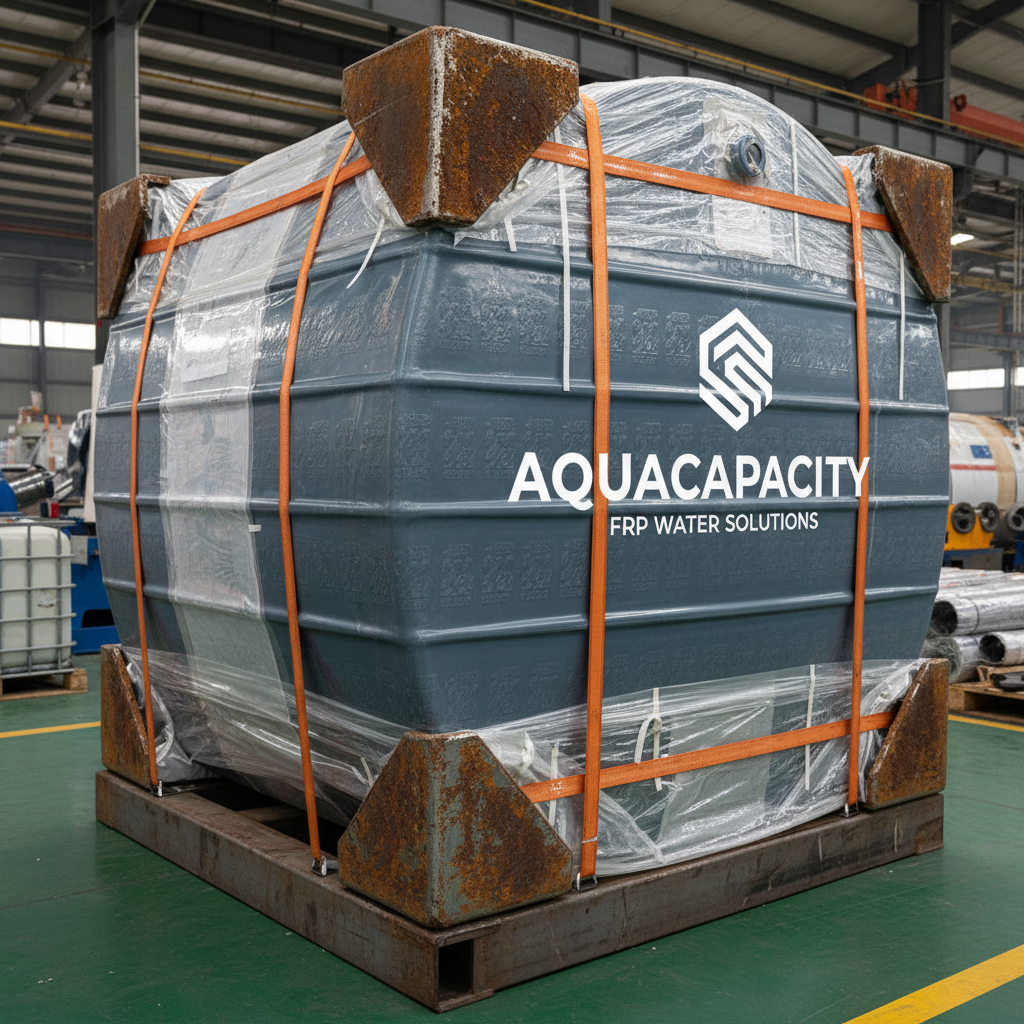
At roughly a quarter of steel’s weight, these tanks simplify shipping and installation. It’s odd how much this counts when you’re on a remote site or post-disaster setting where heavy machinery isn’t always available.

Versatility in Size and Shape

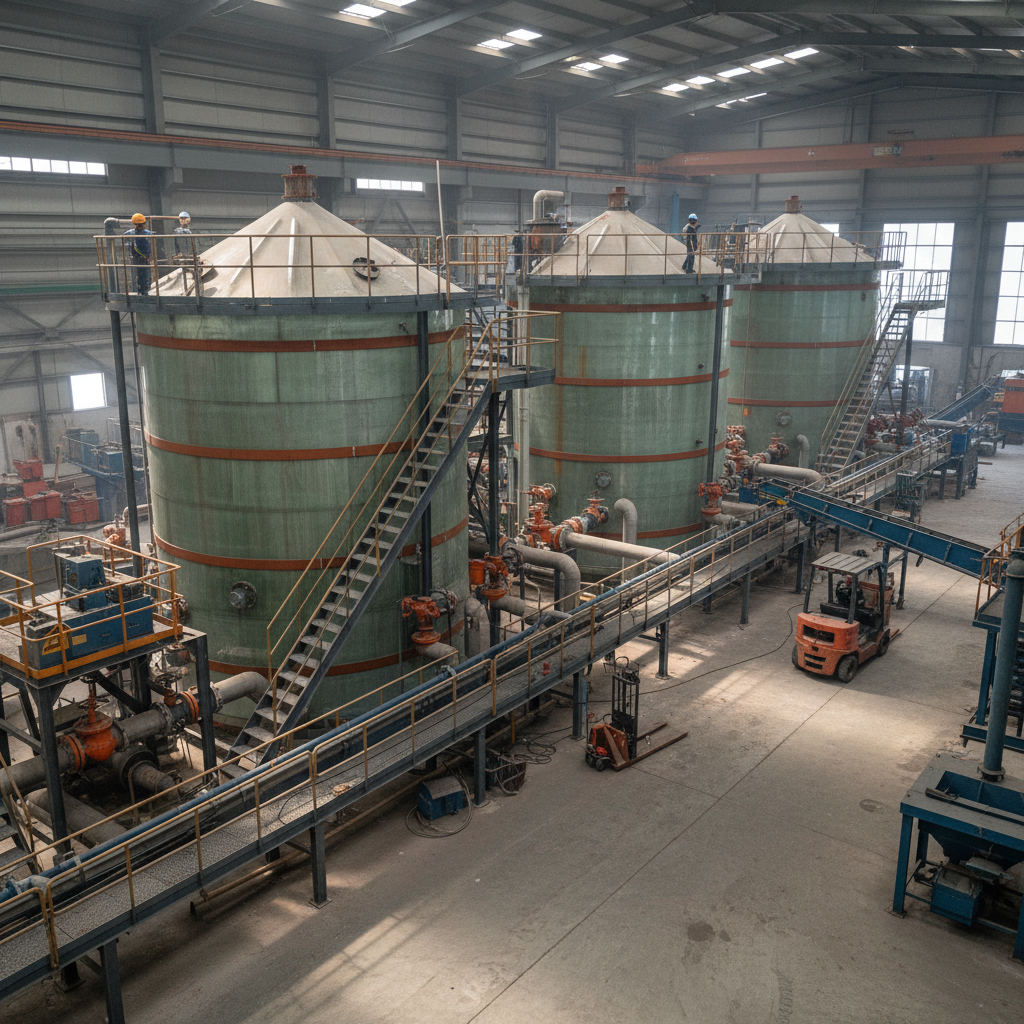
From small modular units to massive industrial reservoirs, GRP storage tanks adapt well. This flexibility means they’re a go-to in many sectors, whether you want a 10,000-gallon tank for agriculture or a compact, mobile unit for a research camp.

Low Maintenance Needs

They don’t just last long — they require minimal upkeep, lowering operational costs and downtime. Many engineers note that, over a 20-year lifespan, maintenance savings can be substantial compared to metal tanks.

Environmental Sustainability

While the manufacturing process is energy-intensive, GRP tanks contribute to sustainability by reducing leaks, preserving stored liquids, and often being recyclable. Sustainability isn’t just a buzzword here—it’s practical economics and good stewardship.

Specifications at a Glance

Parameter Typical Value
Material Composition Unsaturated polyester resin + glass fibers
Density ~1.8 - 2.0 g/cm3
Max Operating Temperature Up to 60°C (140°F)
Chemical Resistance Strong resistance vs. acids, alkalis
Typical Lifespan 20+ years
Weight (empty) ~1/4 weight of comparable steel tank

Who Benefits? Applications Around the World

GRP storage tanks have found their stride across continents and sectors, including:

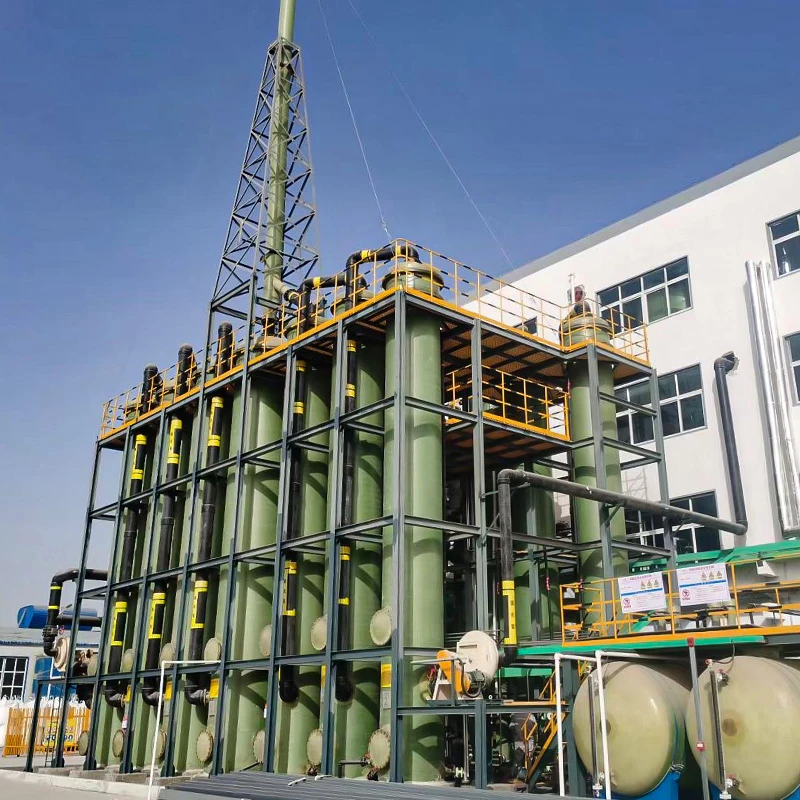
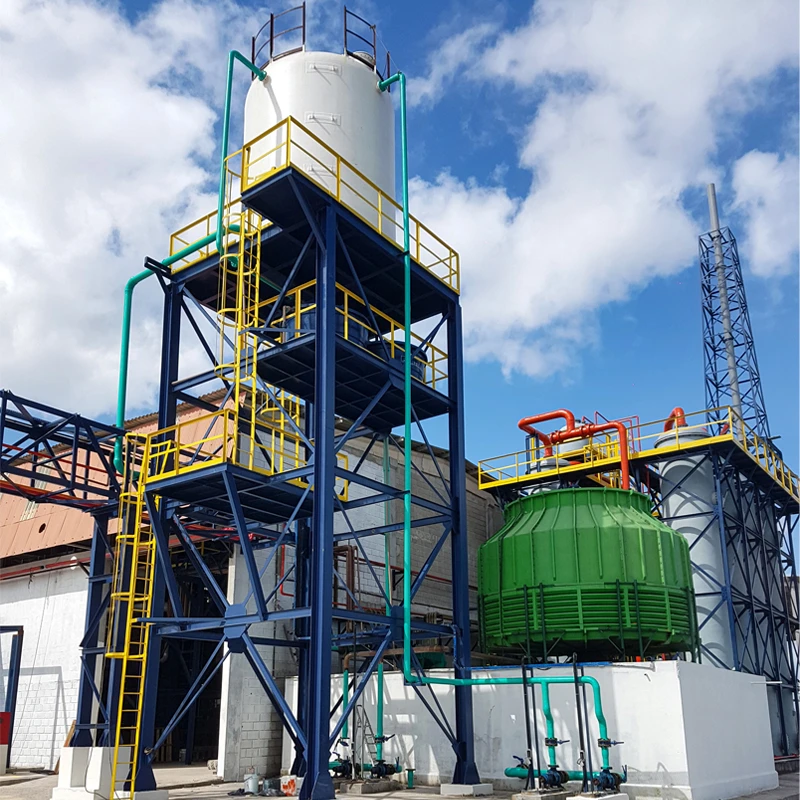
  • Water treatment plants: Municipalities in Asia and Africa relying on durable tanks to store both potable water and wastewater.
  • Chemical industry: European chemical processors preferring GRP tanks for corrosive liquids.
  • Oil & Gas storage: Remote drilling sites needing lightweight yet robust storage tanks.
  • Disaster relief & humanitarian aid: Rapid deployment of clean water storage in flood, earthquake zones worldwide.
  • Agriculture: Irrigation water reservoirs in arid regions benefiting from rust-free storage.

For example, after the 2015 Nepal earthquake, humanitarian organizations rapidly deployed GRP tanks to store potable water, where traditional steel tanks weren't practical due to terrain and transportation limits.

Mini takeaway: The adaptability and reliability of GRP storage tanks make them trusted allies wherever infrastructure must be strong but flexible.

The Long-Term Advantage: Why Choose GRP Storage Tanks?

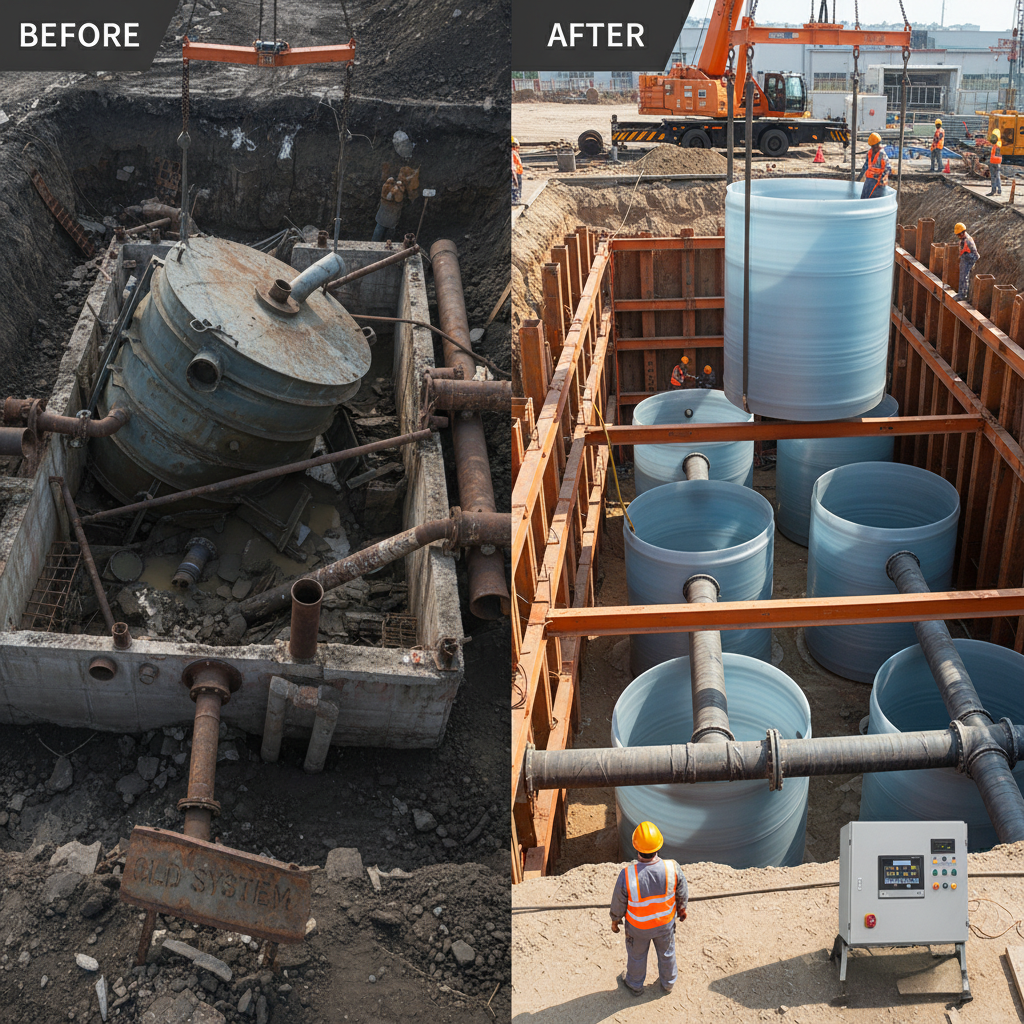
When you factor in long-term costs, environmental impact, and safety, GRP tanks offer a compelling case. They don’t just reduce immediate installation costs via lightweight construction but also minimize leaks that can cause environmental hazards or health risks.

Many operators highlight the “peace of mind” that comes with maintenance-lite storage. And I guess, in industries dealing with hazardous substances, that’s invaluable. There’s also the social angle — providing safe, leak-proof water storage can improve community health and dignity, which, frankly, can’t be understated.

Emerging Trends in GRP Storage Technology

Innovation never rests. Recently, we’re seeing:

  • Integration of sensors for real-time leak detection and tank health monitoring, tying into Industry 4.0 concepts.
  • Use of bio-based resins aiming to reduce the carbon footprint of manufacturing.
  • Modular designs tailored for rapid assembly and transport, fueling their use in humanitarian logistics.
  • Advances in UV-resistant coatings extending outdoor tank longevity even further.

It’s sort of exciting to think that these innovations not only improve the tanks but enable better management across sectors, adding layers of safety and efficiency.

Overcoming Challenges with Expert Solutions

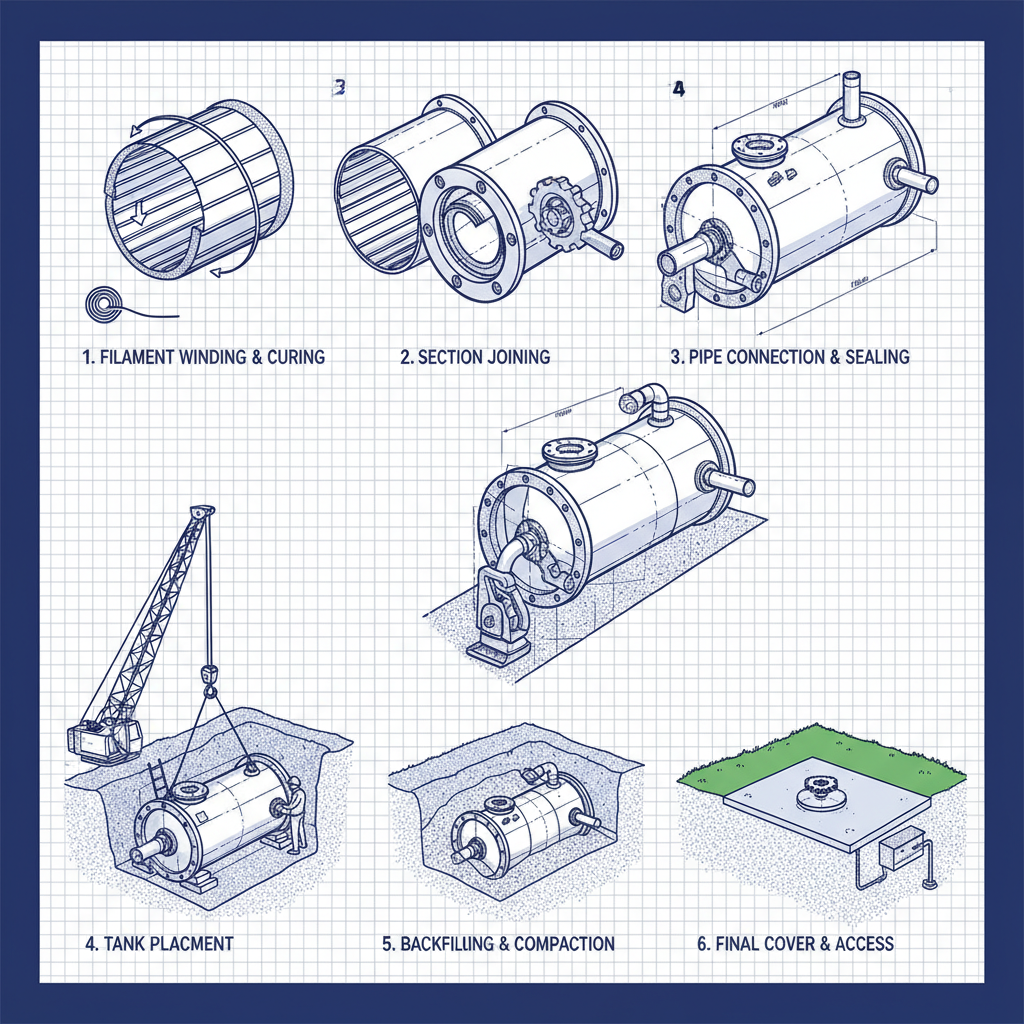
Granted, GRP tanks aren’t perfect. The installation still demands skilled labor to ensure joints and fittings are properly sealed. Temperature limits mean they’re not suitable for every substance or environment. Some manufacturers also wrestle with cost perceptions—often the upfront price is higher than metal alternatives, albeit lower total cost of ownership.

But industry experts suggest that investing in training and partnering with experienced suppliers mitigates these issues. And as renewable industries grow, demand for lighter, corrosion-resistant tanks at scale is pushing prices down.

Vendor Comparison: Selecting the Right GRP Storage Tank Supplier

Feature Supplier A Supplier B Supplier C
Customization options High: sizes, colors, fittings Medium: standard sizes only High: modular & custom designs
Lead time 4-6 weeks 2-3 weeks 6-8 weeks
Global shipping Yes Limited Yes
Warranty 10 years 5 years 7 years
Price Range $$$ (premium) $$ (budget) $$$ (custom solutions)

FAQs About GRP Storage Tanks

Q1: How long can a GRP storage tank last under normal conditions?

Typically, these tanks are built to last over 20 years with proper maintenance. Their corrosion resistance and UV protection contribute heavily to this lifespan, especially when installed correctly.

Q2: Are GRP tanks suitable for storing drinking water?

Yes, many GRP tanks meet drinking water standards and are regularly used in municipal water storage. It's essential, however, to verify compliance with local regulations and certifications.

Q3: How does the cost of GRP tanks compare to steel tanks?

While initial cost is often higher than steel, GRP tanks typically save money over time due to low maintenance needs, longer service life, and lower installation costs because of their lightweight design.

Q4: Can these tanks be transported easily to remote areas?

Absolutely, their lightweight and modular nature makes them easier to ship and install in remote or disaster-stricken areas, where heavy equipment might not be accessible.

Q5: What maintenance do GRP storage tanks require?

Maintenance is minimal but includes periodic inspections for cracks or damage, cleaning to prevent biofilm or debris buildup, and checking seals or joints regularly.

Conclusion: The Lasting Impact of GRP Storage Tanks

To wrap things up, GRP storage tanks provide smart, sustainable, and surprisingly versatile options for liquid storage needs worldwide. Their resilience, lightweight construction, and adaptability make them a top choice across industries and humanitarian efforts. If storing liquid safely and affordably matters to you, they’re worth a close look. Curious to explore options? Visit our website: https://www.frpgrpmachine.com for expert guidance and premium products.
References

  1. Fiberglass reinforced plastic - Wikipedia
  2. UN Water Facts
  3. ISO Technical Committees on Tanks
Upsell Products
Upsell News
Durable FRP Vessel for Water Treatment and Industrial Filtration
Apr 16,2026
Durable FRP Vessel for Water Treatment and Industrial Filtration
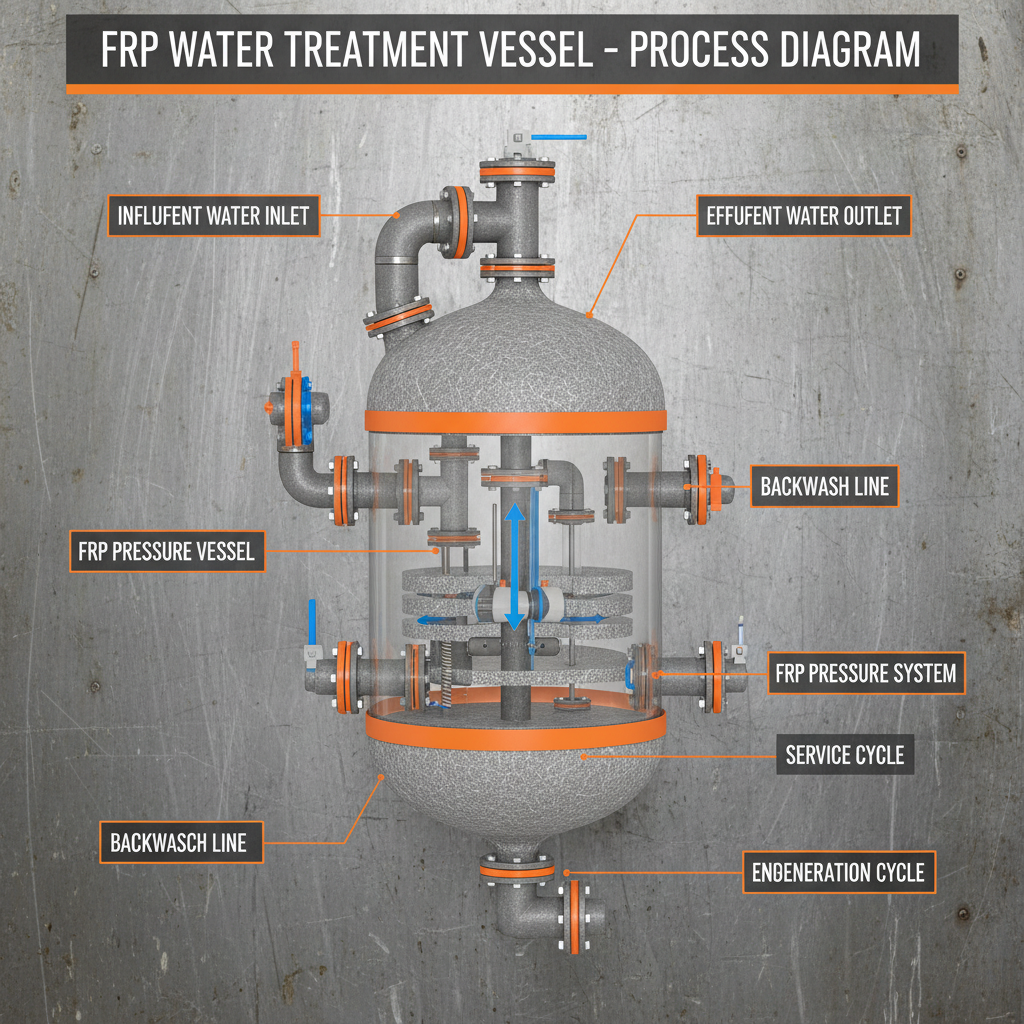
In the modern era of industrial and residential water purification, the choice of containment materials is critical for efficiency and longevity. An frp vessel for water treatment has emerged as the gold standard, replacing traditional steel tanks due to its superior corrosion resistance and lightweight properties. Whether you are dealing with desalination, softening, or filtration, using Fiber Reinforced Plastic (FRP) ensures that your system remains leak-proof and durable against aggressive chemicals. In this comprehensive guide, we will explore why FRP is the preferred choice for water treatment professionals worldwide and how to select the right vessel for your specific application.
Industrial Guide for Choosing the Right FRP Vertical Tank
Apr 09,2026
Industrial Guide for Choosing the Right FRP Vertical Tank
In today's industrial landscape, the storage of corrosive chemicals and aggressive liquids requires materials that can withstand extreme conditions without degrading. The frp vertical tank has emerged as a premier solution, offering an exceptional balance of strength, lightweight properties, and unmatched chemical resistance. Whether you are managing a water treatment plant or a chemical processing facility, understanding the nuances of Fiber Reinforced Plastic (FRP) is essential for ensuring operational safety and longevity. In this comprehensive guide, we will explore why vertical configurations are preferred and how these tanks outperform traditional metal alternatives.
Comprehensive Guide to FRP Underground Water Tank Solutions and Applications
Apr 07,2026
Comprehensive Guide to FRP Underground Water Tank Solutions and Applications
Fiberglass Reinforced Polymer (FRP) underground water tanks are becoming increasingly popular for a wide range of applications, from potable water storage to industrial wastewater containment. Their superior corrosion resistance, lightweight nature, and design flexibility make them an excellent alternative to traditional materials like concrete or steel. This article will delve into the benefits, applications, construction, and considerations for implementing FRP underground water tanks, providing a comprehensive overview for engineers, contractors, and project managers.
Comprehensive Guide to Frp Underground Water Storage Tanks and Their Applications
Apr 04,2026
Comprehensive Guide to Frp Underground Water Storage Tanks and Their Applications
When considering water storage solutions, particularly for industrial, agricultural, or municipal applications, frp underground water storage tanks stand out as a durable, cost-effective, and environmentally friendly option. These tanks are increasingly favored over traditional materials like concrete or steel due to their superior corrosion resistance, lighter weight, and ease of installation. This article delves into the benefits, applications, construction, and considerations when choosing an FRP tank, providing a detailed overview for potential buyers and project planners.
Sulfuric Acid Production Line - Hebei Aoliande|Efficient H2SO4 Plant Technology
Apr 01,2026
Sulfuric Acid Production Line - Hebei Aoliande|Efficient H2SO4 Plant Technology
Discover efficient H2SO4 plant technology and advanced sulfuric acid production solutions. Hebei Aoliande combines energy-saving furnace design and eco-friendly HCl recovery systems for sustainable industrial applications. Explore now: https://www.frpgrpmachine.com/sulfuric-acid-production-line-for-h2so4-plant.html
Sulfuric Acid Production Line - Hebei Aoliande|Efficient H2SO4 Plant Technology
Apr 01,2026
Sulfuric Acid Production Line - Hebei Aoliande|Efficient H2SO4 Plant Technology
Discover efficient H2SO4 plant technology and advanced sulfuric acid production solutions. Hebei Aoliande combines energy-saving furnace design and eco-friendly HCl recovery systems for sustainable industrial applications. Explore now: https://www.frpgrpmachine.com/sulfuric-acid-production-line-for-h2so4-plant.html
Sulfuric Acid Production Line - Hebei Aoliande|Efficient H2SO4 Plant Technology
Apr 01,2026
Sulfuric Acid Production Line - Hebei Aoliande|Efficient H2SO4 Plant Technology
Discover efficient H2SO4 plant technology and advanced sulfuric acid production solutions. Hebei Aoliande combines energy-saving furnace design and eco-friendly HCl recovery systems for sustainable industrial applications. Explore now: https://www.frpgrpmachine.com/sulfuric-acid-production-line-for-h2so4-plant.html
Sulfuric Acid Production Line - Hebei Aoliande|Efficient H2SO4 Plant Technology
Apr 01,2026
Sulfuric Acid Production Line - Hebei Aoliande|Efficient H2SO4 Plant Technology
Discover efficient H2SO4 plant technology and advanced sulfuric acid production solutions. Hebei Aoliande combines energy-saving furnace design and eco-friendly HCl recovery systems for sustainable industrial applications. Explore now: https://www.frpgrpmachine.com/sulfuric-acid-production-line-for-h2so4-plant.html
Sulfuric Acid Production Line - Hebei Aoliande|Efficient H2SO4 Plant Technology
Apr 01,2026
Sulfuric Acid Production Line - Hebei Aoliande|Efficient H2SO4 Plant Technology
Discover efficient H2SO4 plant technology and advanced sulfuric acid production solutions. Hebei Aoliande combines energy-saving furnace design and eco-friendly HCl recovery systems for sustainable industrial applications. Explore now: https://www.frpgrpmachine.com/sulfuric-acid-production-line-for-h2so4-plant.html
Sulfuric Acid Production Line - Hebei Aoliande|Efficient H2SO4 Plant Technology
Apr 01,2026
Sulfuric Acid Production Line - Hebei Aoliande|Efficient H2SO4 Plant Technology
Discover efficient H2SO4 plant technology and advanced sulfuric acid production solutions. Hebei Aoliande combines energy-saving furnace design and eco-friendly HCl recovery systems for sustainable industrial applications. Explore now: https://www.frpgrpmachine.com/sulfuric-acid-production-line-for-h2so4-plant.html
Comprehensive Guide to Frp Underground Storage Tanks for Reliable Storage Solutions
Mar 31,2026
Comprehensive Guide to Frp Underground Storage Tanks for Reliable Storage Solutions
Fiberglass Reinforced Polymer (FRP) underground storage tanks are becoming increasingly popular for a wide range of applications, from fuel storage to wastewater management. Their corrosion resistance, lightweight nature, and durability offer significant advantages over traditional materials like steel. This article will provide an in-depth look at FRP underground storage tanks, covering their benefits, applications, installation, and maintenance. Understanding these aspects is crucial for making informed decisions about long-term storage solutions.
Comprehensive Guide to Selecting the Ideal FRP Tank for Water Storage Solutions
Mar 28,2026
Comprehensive Guide to Selecting the Ideal FRP Tank for Water Storage Solutions
When it comes to reliable and durable water storage, FRP tanks for water are increasingly becoming the preferred solution for a wide range of applications. These tanks, constructed from Fiber Reinforced Polymer (FRP) materials, offer significant advantages over traditional storage options like steel or concrete. This article delves into the benefits, applications, and considerations when selecting an FRP tank for your water storage needs, providing a detailed overview for businesses and individuals alike.
Comprehensive Guide to Frp Tank and Vessel Applications and Manufacturing
Mar 26,2026
Comprehensive Guide to Frp Tank and Vessel Applications and Manufacturing
Fiber Reinforced Polymer (FRP) tanks and vessels are increasingly becoming the preferred choice for storage and processing across a multitude of industries. Their lightweight nature, corrosion resistance, and design flexibility offer significant advantages over traditional materials like steel. This article will delve into the intricacies of FRP tanks and vessels, exploring their applications, manufacturing processes, benefits, and considerations for selecting the right solution for your specific needs. We’ll also highlight why FRP tanks are a cost-effective and reliable long-term investment. FRP tanks and vessels are constructed from a combination of reinforcing fibers (such as fiberglass, carbon fiber, or aramid fiber) embedded in a polymer matrix (typically polyester, vinyl ester, or epoxy resin). This combination creates a composite material that boasts high strength-to-weight ratio, exceptional corrosion resistance, and the ability to be molded into complex shapes. They’re designed to safely contain a wide variety of liquids and gases, ranging from corrosive chemicals and water to food products and pharmaceuticals.
Optimizing Water Filtration with Durable FRP Sand Filter Vessels
Mar 24,2026
Optimizing Water Filtration with Durable FRP Sand Filter Vessels
In water treatment and filtration systems, the choice of filter vessel material is paramount. Fiber Reinforced Plastic (FRP), also known as Glass Reinforced Polymer (GRP), sand filter vessels are increasingly popular due to their superior corrosion resistance, lightweight nature, and cost-effectiveness. This article delves into the benefits, applications, design considerations, and factors to consider when selecting an FRP sand filter vessel. Whether you are involved in municipal water treatment, industrial wastewater management, or recreational water filtration, understanding FRP technology is essential for optimizing your filtration process. An FRP sand filter vessel is a containment unit designed to house filtration media, typically sand, gravel, and anthracite. These vessels are integral components in sand filtration systems used for removing suspended solids, turbidity, and other particulate matter from water. FRP construction involves layering glass fibers within a resin matrix (typically polyester or vinyl ester) to create a strong, durable, and chemically resistant shell. The strength and rigidity of the vessel are crucial for withstanding the pressure from the filtration media and the water flow.
Comprehensive Guide to FRP Round Tanks Applications and Benefits
Mar 21,2026
Comprehensive Guide to FRP Round Tanks Applications and Benefits
Fiber Reinforced Polymer (FRP) round tanks are increasingly becoming the preferred choice for storage solutions across a variety of industries. Their lightweight nature, corrosion resistance, and design flexibility offer significant advantages over traditional materials like steel. This article provides an in-depth look at FRP round tanks, exploring their applications, benefits, manufacturing processes, and key considerations when choosing the right tank for your needs. Whether you're in chemical processing, water treatment, or agriculture, understanding FRP round tanks is crucial for optimizing your storage infrastructure. FRP round tanks are constructed from a combination of reinforcing fibers (typically fiberglass, carbon fiber, or a blend) embedded in a polymer matrix (often polyester, vinyl ester, or epoxy resin). The round shape inherently provides excellent structural strength, distributing pressure evenly across the tank’s surface.
Comprehensive Guide to FRP Pressure Tanks Benefits and Applications
Mar 19,2026
Comprehensive Guide to FRP Pressure Tanks Benefits and Applications
Fiber Reinforced Polymer (FRP) pressure tanks are becoming increasingly popular in a wide range of industrial applications, offering a compelling alternative to traditional steel tanks. Known for their lightweight nature, corrosion resistance, and high strength-to-weight ratio, FRP tanks provide efficient and durable solutions for storing liquids and gases under pressure. This article will delve into the benefits, applications, construction, and key considerations when selecting an FRP pressure tank, helping you make an informed decision for your specific needs. Understanding the advantages of FRP technology can lead to significant cost savings and improved operational efficiency. Compared to steel, FRP pressure tanks offer several key advantages. The most significant is their superior corrosion resistance. Unlike steel, which is susceptible to rust and corrosion when exposed to various chemicals, FRP materials are inherently resistant to a wide range of corrosive substances. This translates to a longer lifespan, reduced maintenance costs, and increased safety. Furthermore, FRP is significantly lighter than steel, making installation easier and reducing transportation costs.
For More Details Pls Contact Us
Thank you for your interest in our gloves! We offer high-quality, durable, and comfortable gloves with fast delivery and competitive prices. For any questions or customization, feel free to contact us. We look forward to working with you!

If you are interested in our products, you can choose to leave your information here, and we will be in touch with you shortly.