Sep 15,2025

Durable Vinyl Ester Monolithic FRP Electrolytic Cells | Best Price

Navigating the Landscape of High-Performance Electrolytic Cells

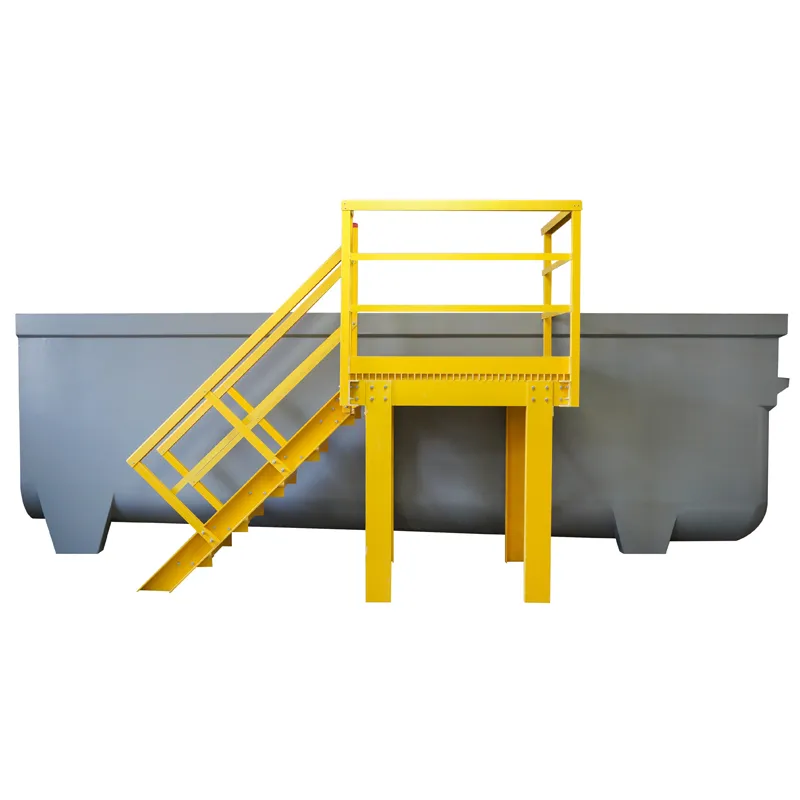
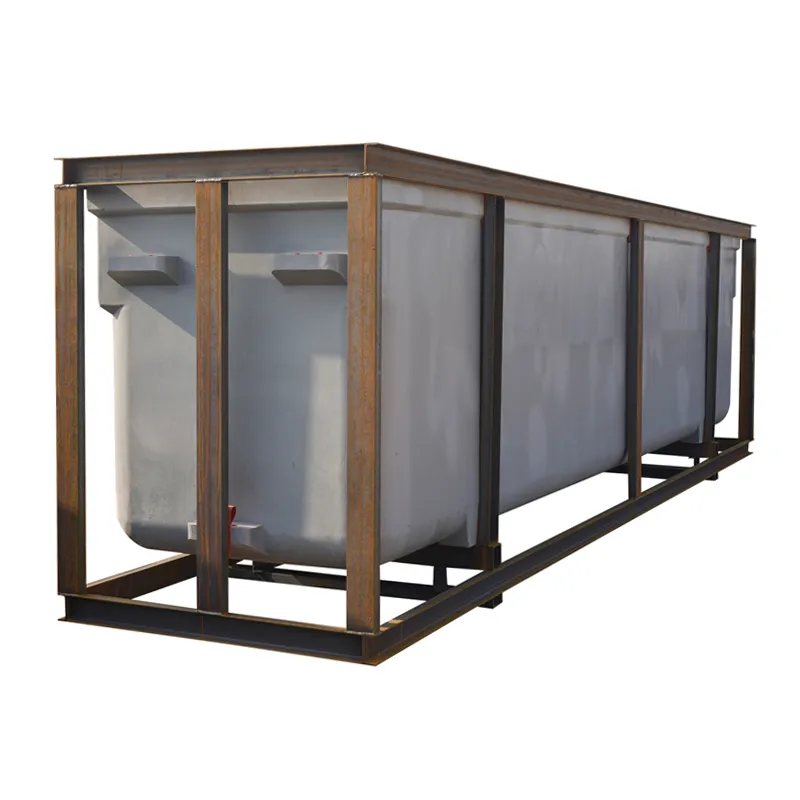
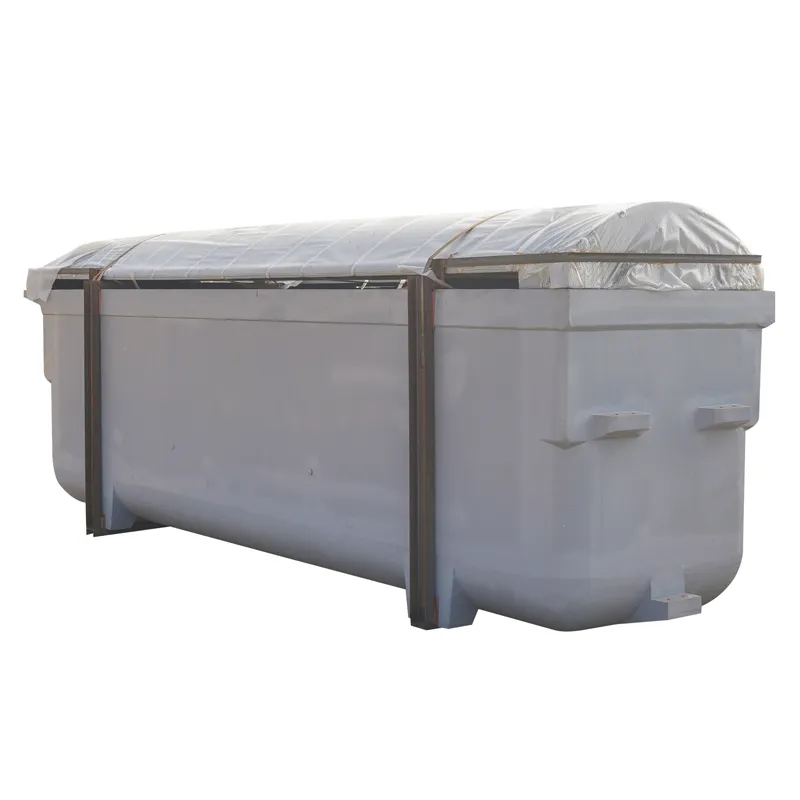
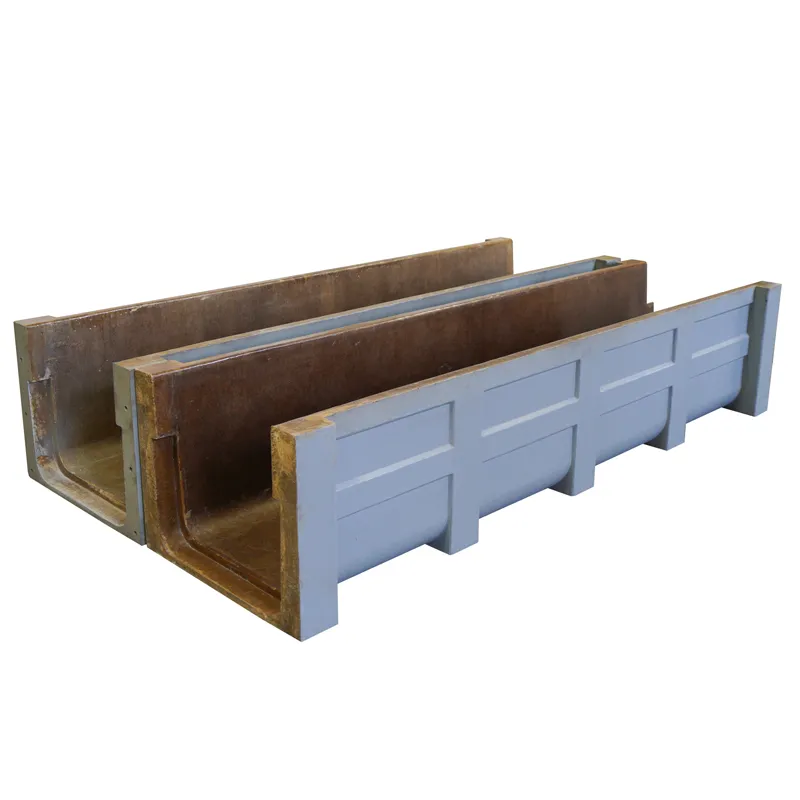
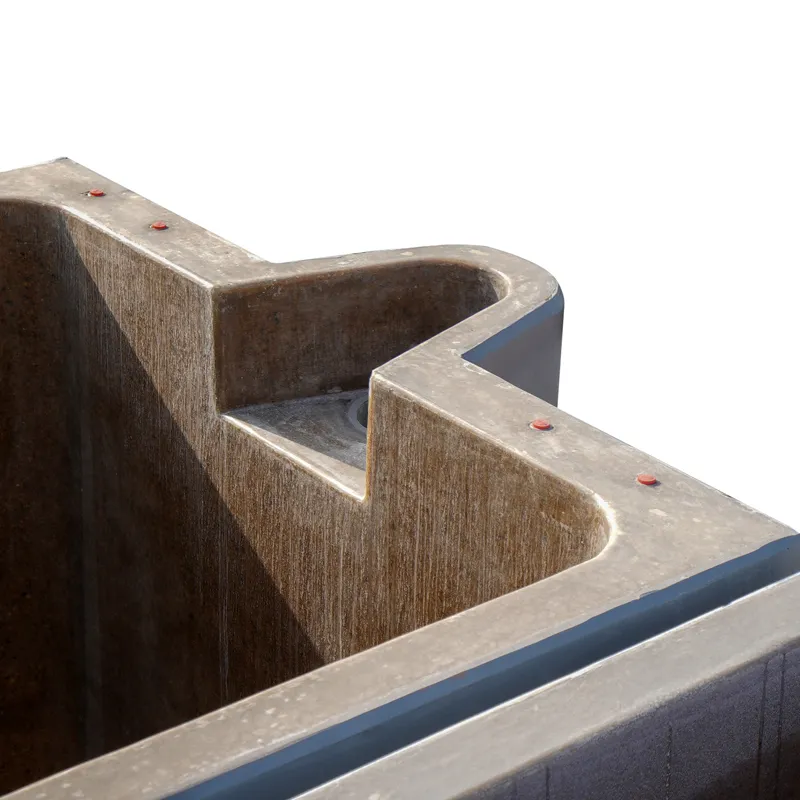
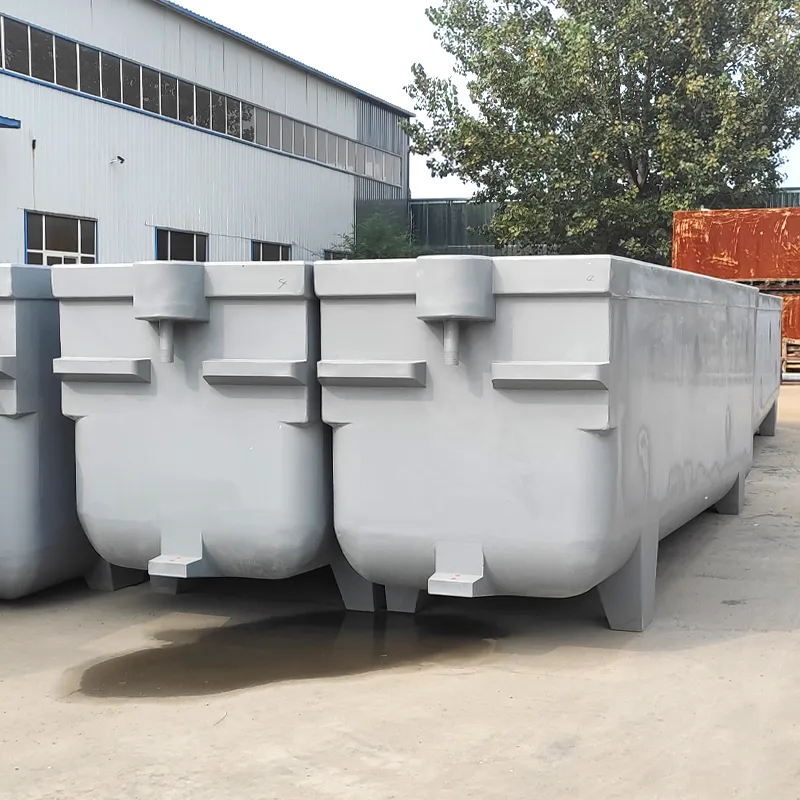
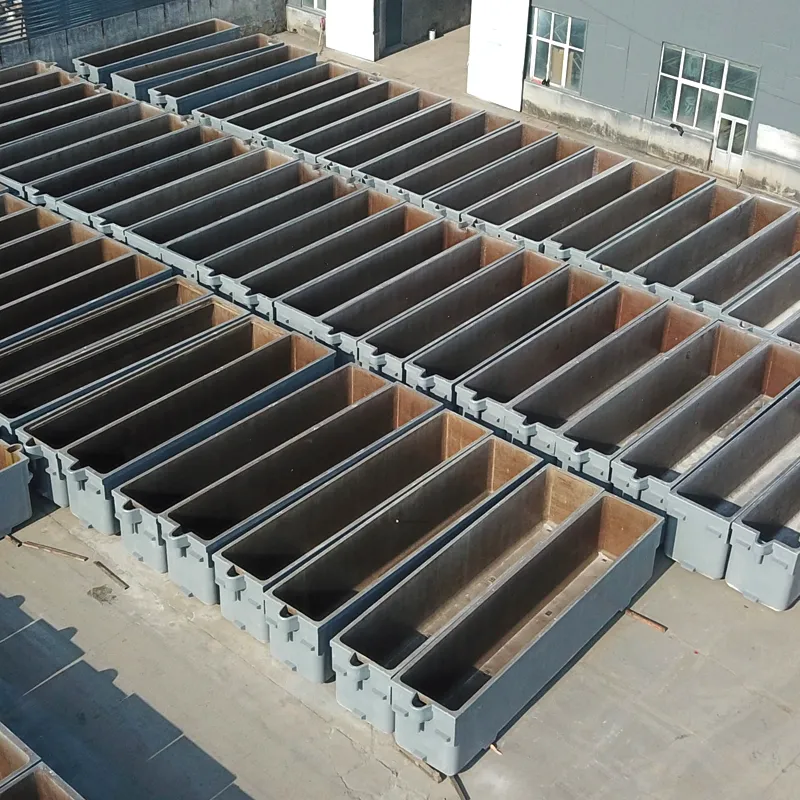
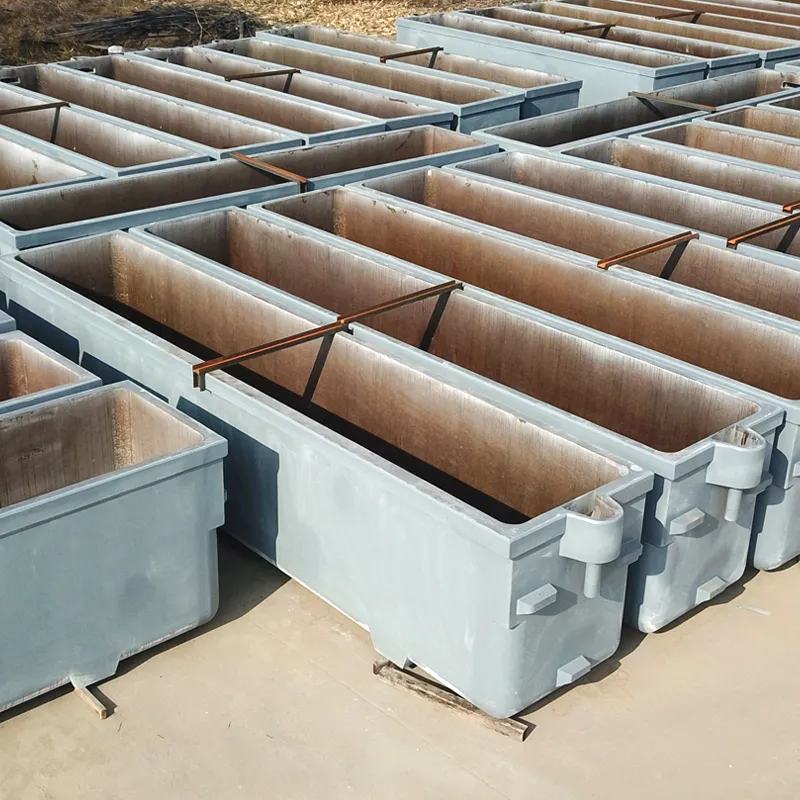
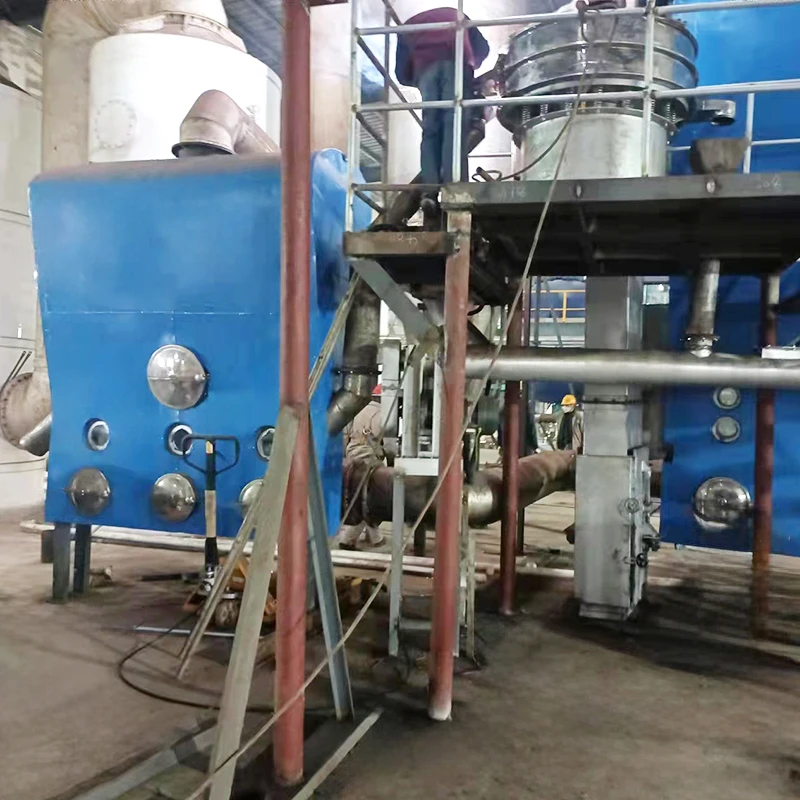
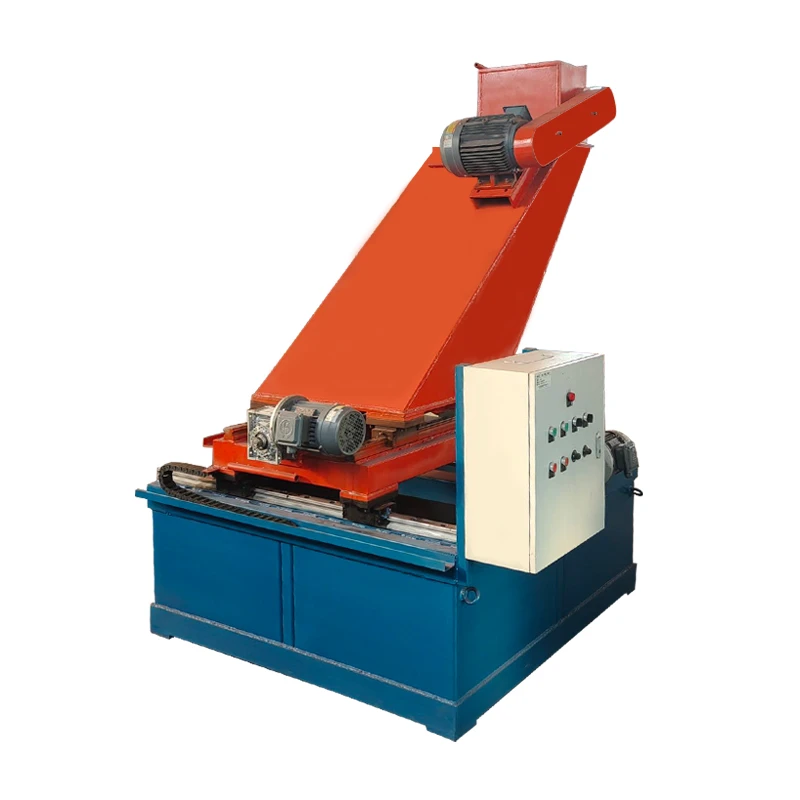
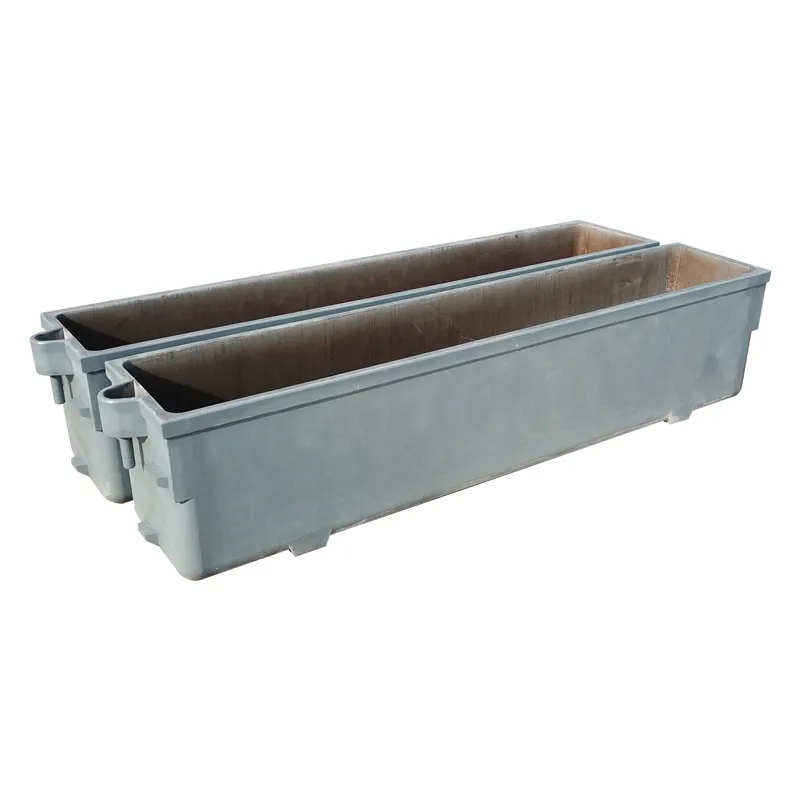
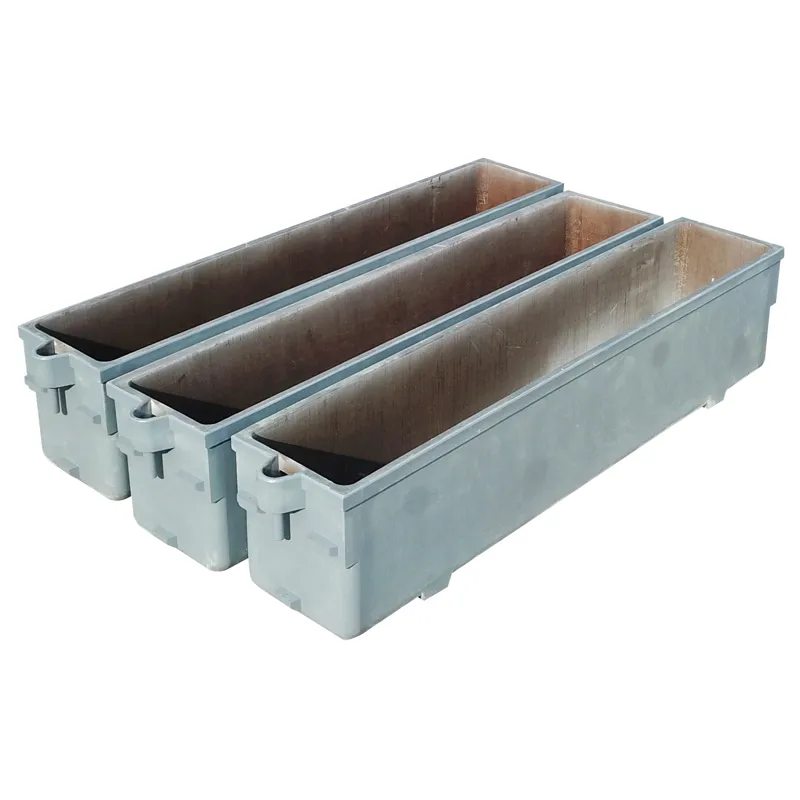
In demanding industrial environments, the selection of robust and reliable equipment is paramount. Electrolytic cells, critical components in various chemical and metallurgical processes, require exceptional resistance to corrosive media, high temperatures, and electrical stresses. This article delves into the advantages, technical specifications, and application scope of Vinyl Ester Resin Monolithic Casting Frp Electrolytic Cells Best Price, highlighting why they represent a superior solution for operations seeking both performance and long-term value.

Current industry trends emphasize materials science advancements, leading to more durable and efficient designs. The shift towards lightweight yet high-strength composites like Fiber Reinforced Polymer (FRP) with advanced resin systems, such as vinyl ester, addresses persistent challenges associated with traditional materials like concrete or steel in highly aggressive electrochemical settings. This evolution is driven by the need for reduced maintenance costs, extended operational lifespans, and enhanced safety protocols.
Durable Vinyl Ester Monolithic FRP Electrolytic Cells | Best Price

The Manufacturing Excellence: Process Flow of Monolithic Casting

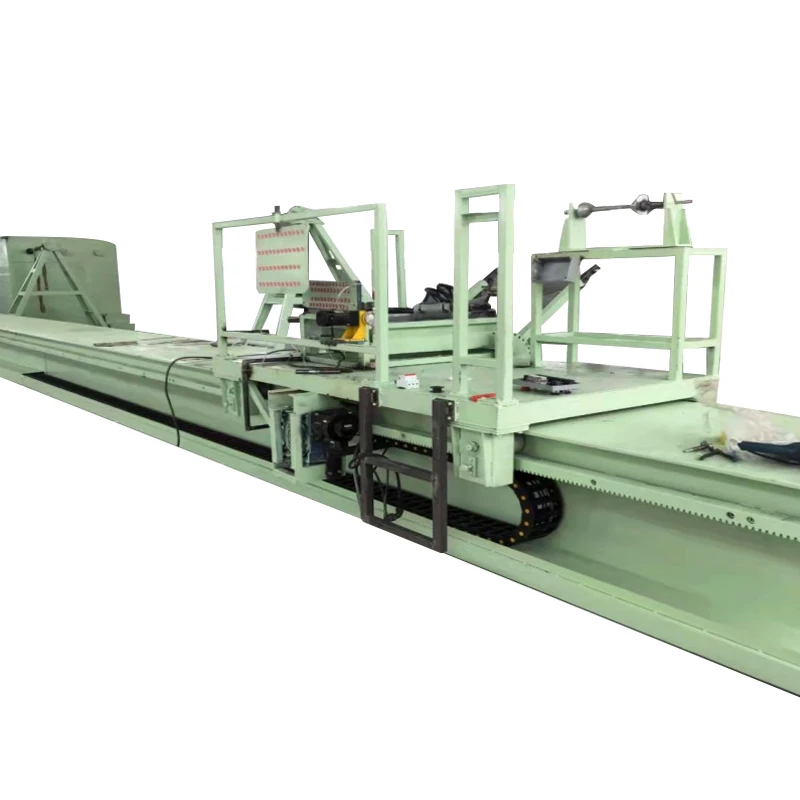
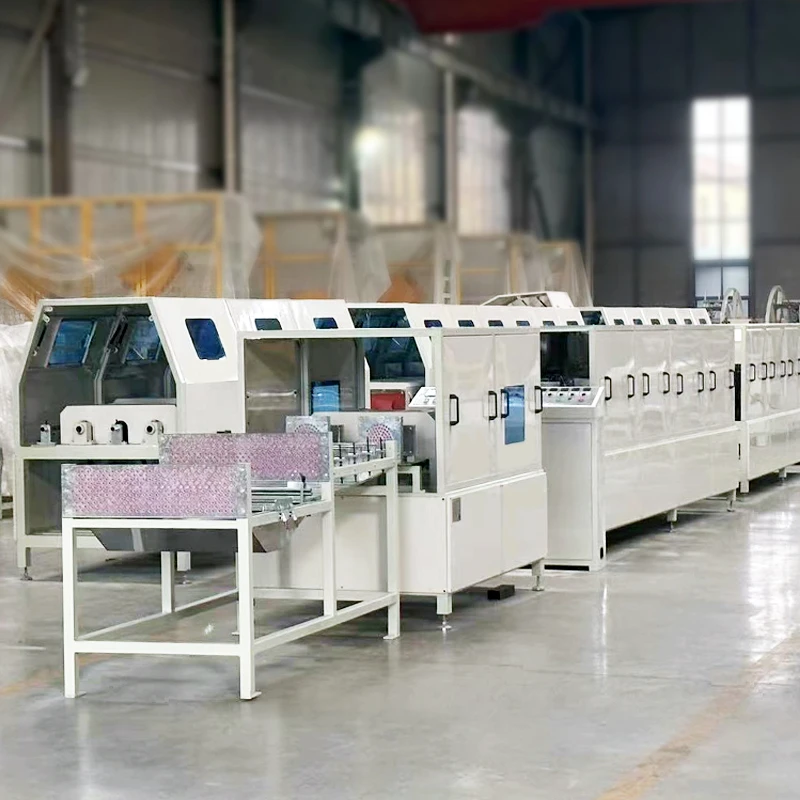
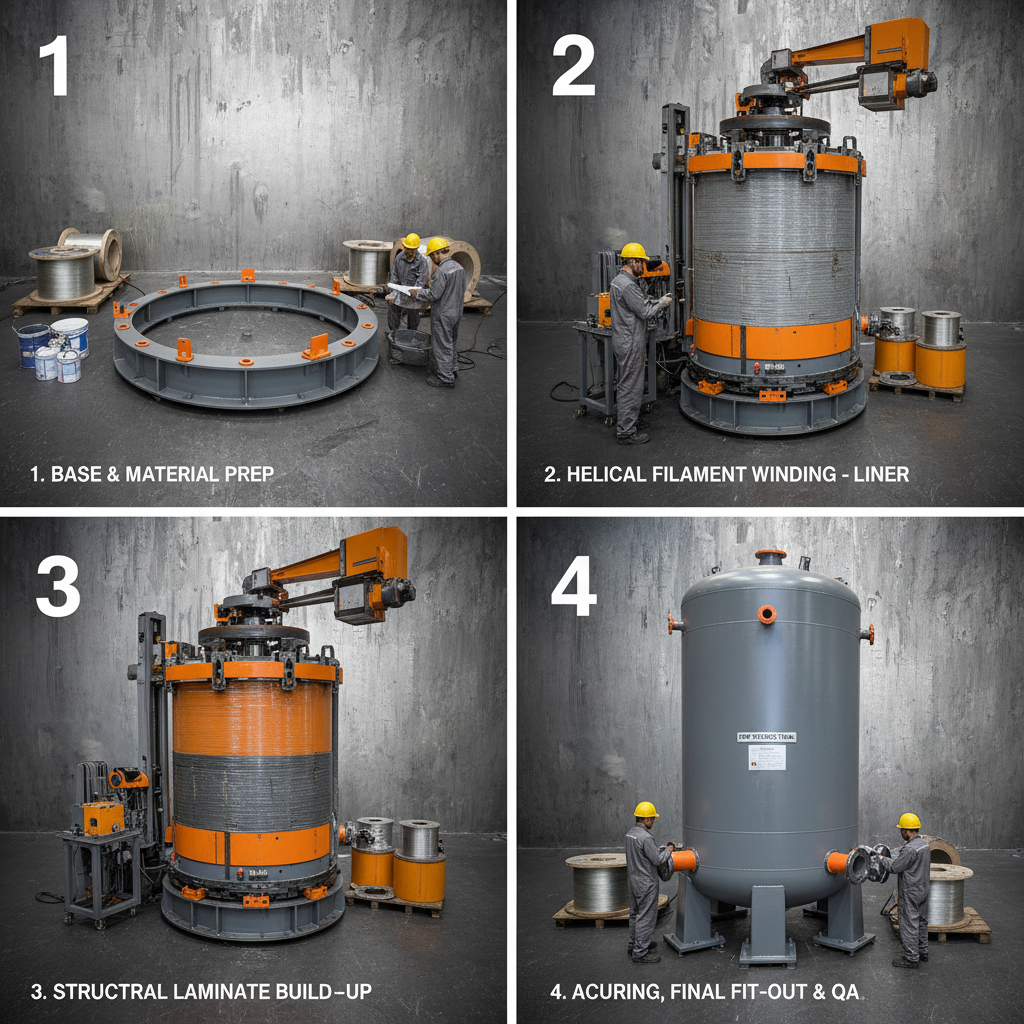
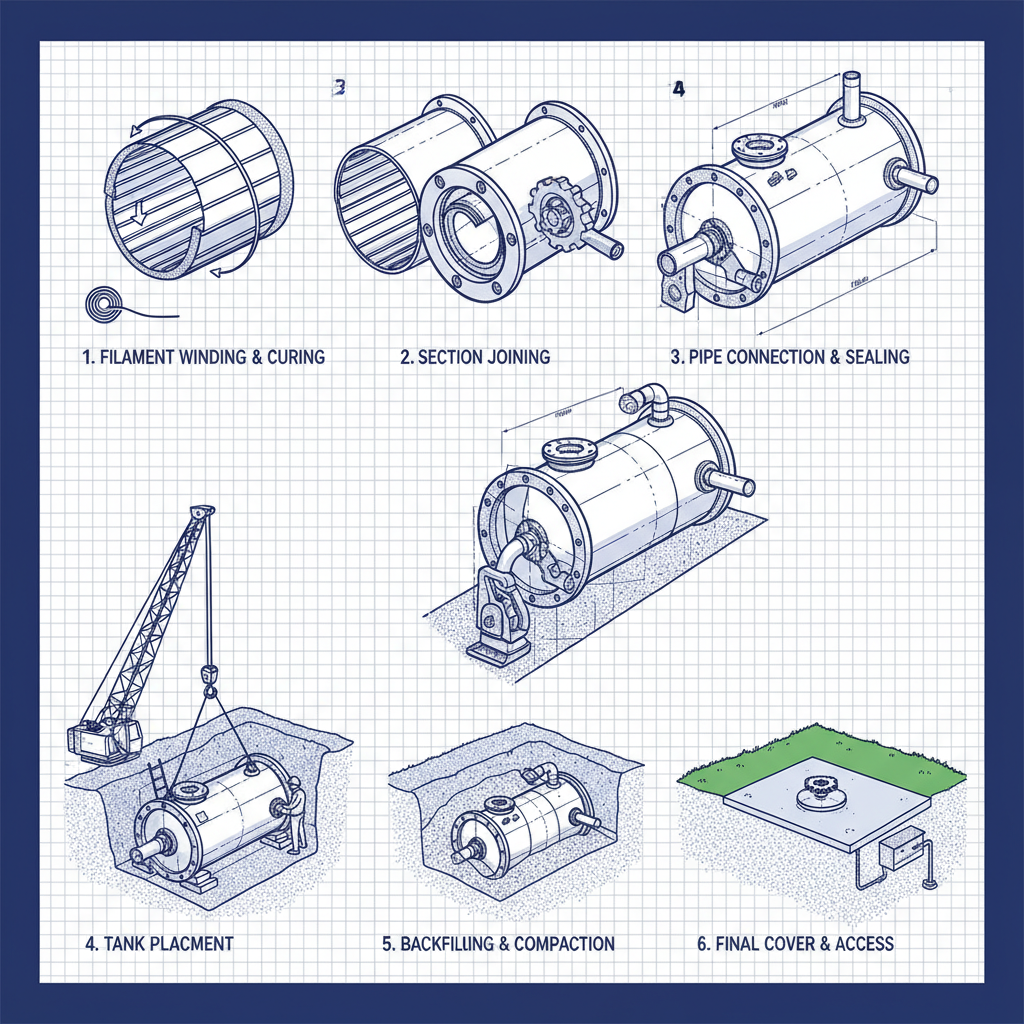
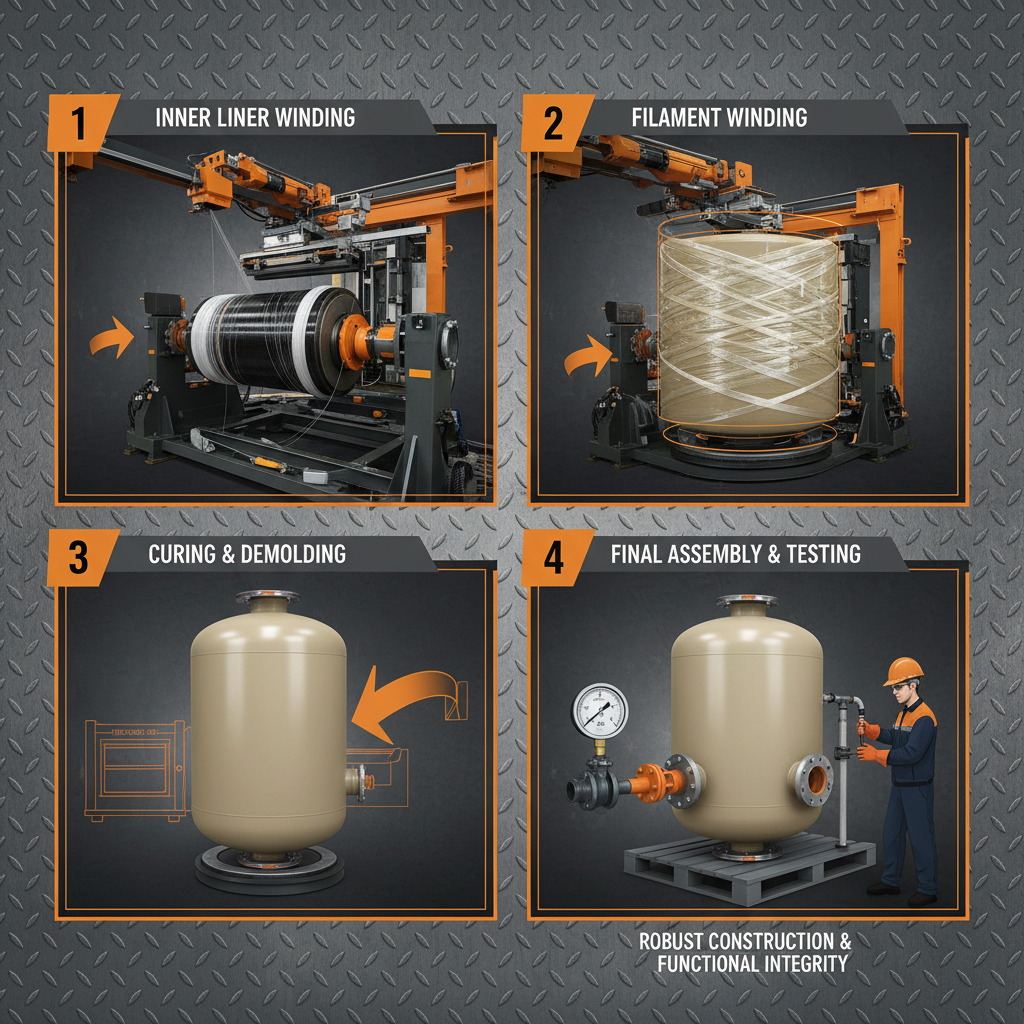
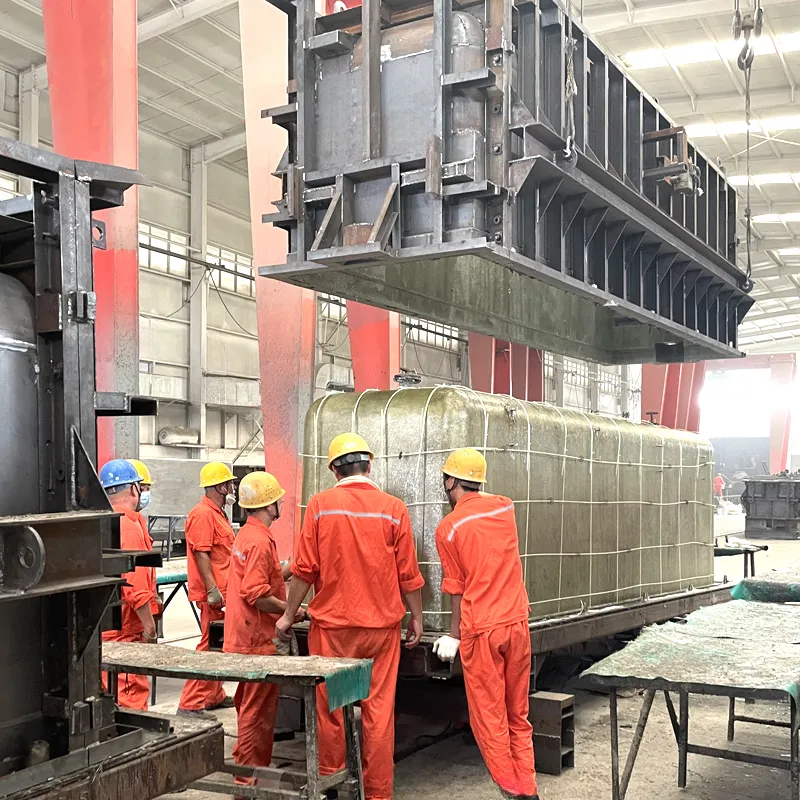
The production of Vinyl Ester Resin Monolithic Casting Frp Electrolytic Cells Best Price involves a sophisticated, multi-stage process designed to achieve unparalleled structural integrity and chemical resistance. Unlike traditional fabricated FRP structures, monolithic casting minimizes seams and potential weak points, enhancing overall durability.

Key Manufacturing Steps:

  • 1. Mold Preparation: Precision-machined molds, often made from steel or advanced composites, are meticulously cleaned and coated with release agents. This ensures a flawless surface finish and easy demolding.
  • 2. Vinyl Ester Resin Formulation: High-performance vinyl ester resin, known for its superior chemical resistance, especially to acids, alkalis, and solvents, is carefully blended with catalysts, accelerators, and specialized fillers. These fillers enhance mechanical properties, reduce shrinkage, and improve electrical insulation.
  • 3. Fiber Reinforcement Integration: Continuous glass fiber rovings or chopped strand mats are strategically placed within the mold. For monolithic casting, layers are often built up incrementally with resin infusion or specialized casting techniques to ensure complete wet-out and void-free integration. This creates the FRP matrix, providing tensile and compressive strength.
  • 4. Monolithic Casting/Infusion: The prepared vinyl ester resin mixture is carefully introduced into the mold, encapsulating the fiber reinforcement. Vacuum infusion or pressure casting techniques are often employed to ensure uniform distribution and eliminate air bubbles, forming a truly monolithic structure without joints.
  • 5. Curing and Post-Curing: The cast cell undergoes a controlled curing process at specific temperatures and durations, allowing the resin to polymerize and achieve its full mechanical and chemical properties. A subsequent post-curing phase further optimizes material performance and dimensional stability.
  • 6. Demolding and Finishing: Once cured, the cell is demolded. Subsequent finishing operations include trimming, surface preparation, and the integration of auxiliary components like inlet/outlet nozzles, busbar connections, and support structures, all designed for optimal functionality and ease of installation.
  • 7. Quality Control and Testing: Each cell undergoes rigorous testing, including hydrostatic pressure tests, leakage tests, dimensional accuracy checks, and material integrity assessments. Compliance with international standards such as ISO 9001 for quality management and ASTM/ANSI standards for material properties and design is strictly adhered to. This ensures a service life often exceeding 20 years, even in the harshest conditions.
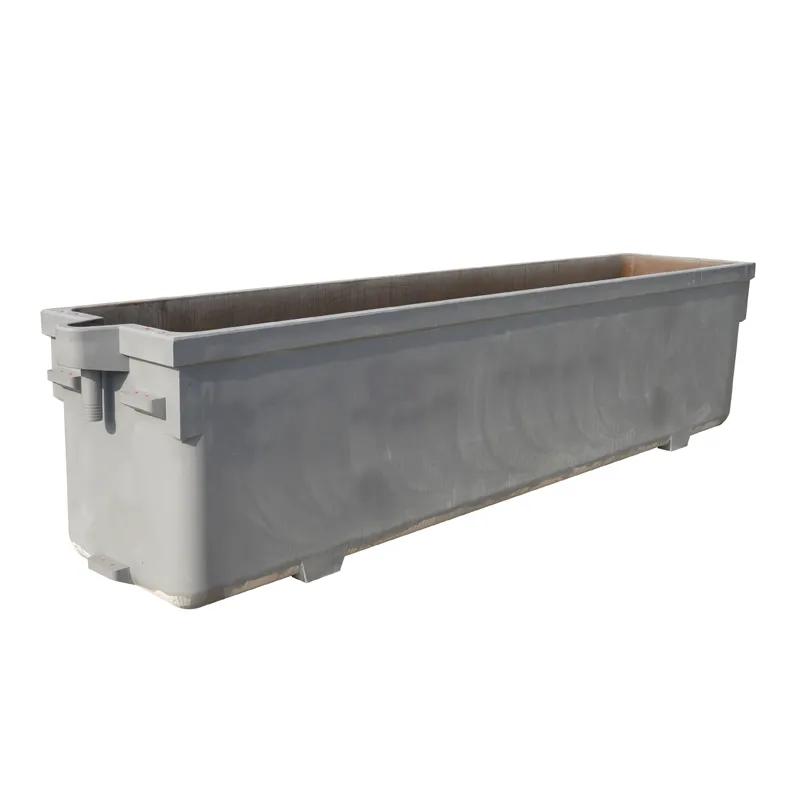
Durable Vinyl Ester Monolithic FRP Electrolytic Cells | Best Price Durable Vinyl Ester Monolithic FRP Electrolytic Cells | Best Price Durable Vinyl Ester Monolithic FRP Electrolytic Cells | Best Price

Technical Specifications and Performance Parameters

The robust design and material properties of Vinyl Ester Resin Monolithic Casting Frp Electrolytic Cells Best Price translate into exceptional technical performance. Below are typical parameters demonstrating their capability in harsh industrial settings.

Typical Product Specifications:
Parameter Value/Description
Material Composition Isophthalic or Bisphenol-A based Vinyl Ester Resin, E-Glass Fiber Reinforcement
Tensile Strength (ASTM D638) Typically 150-250 MPa
Flexural Strength (ASTM D790) Typically 200-350 MPa
Heat Distortion Temp. (HDT) 105-130 °C (depending on resin type)
Chemical Resistance Excellent against strong acids (H2SO4, HCl), alkalis (NaOH), hypochlorites, and various organic solvents.
Dielectric Strength (ASTM D149) Typically 15-20 kV/mm, crucial for electrolytic applications
Operating Temperature Range -40 °C to +110 °C
Service Life Expectancy 20+ years under specified operating conditions
Manufacturing Standards ISO 9001, ASTM D3299, ASME RTP-1 (where applicable)
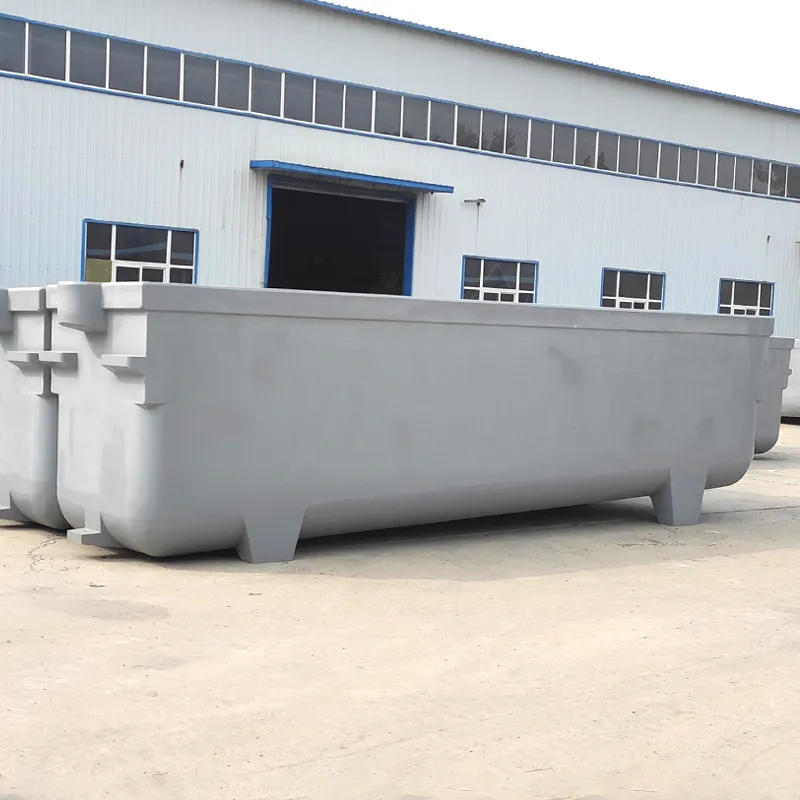
Durable Vinyl Ester Monolithic FRP Electrolytic Cells | Best Price Durable Vinyl Ester Monolithic FRP Electrolytic Cells | Best Price

Application Scenarios and Industry Benefits

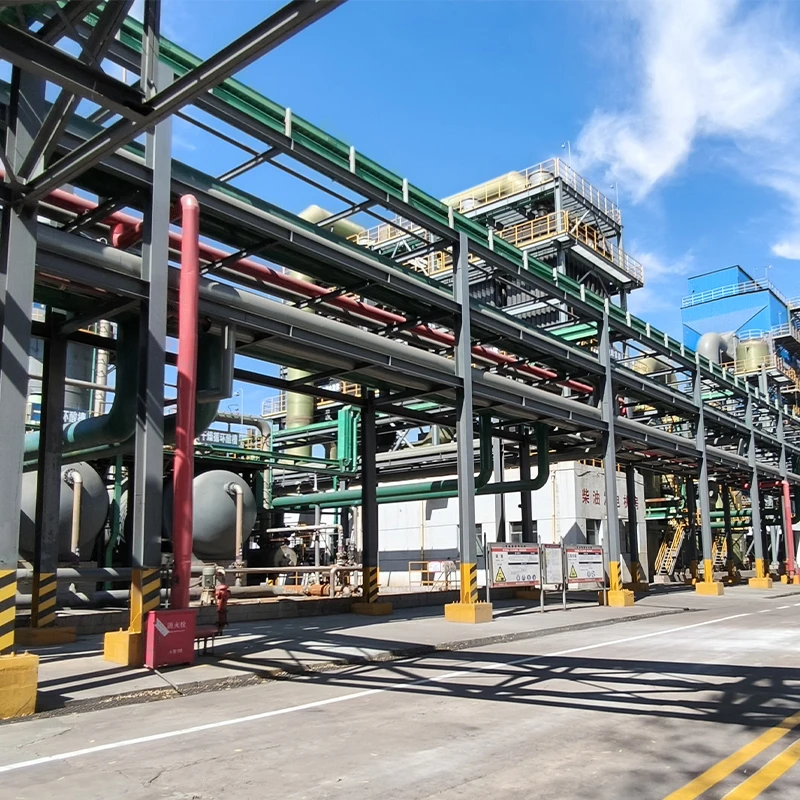
Vinyl Ester Resin Monolithic Casting Frp Electrolytic Cells Best Price are engineered for severe service applications where corrosion, electrical isolation, and structural integrity are critical. Their monolithic construction ensures leak-free operation and extended lifespan, translating into significant operational savings.

Target Industries:

  • Petrochemical: Ideal for chlor-alkali production, electroplating, and chemical synthesis, where strong acids (e.g., concentrated sulfuric acid, hydrochloric acid) and corrosive brines are prevalent.
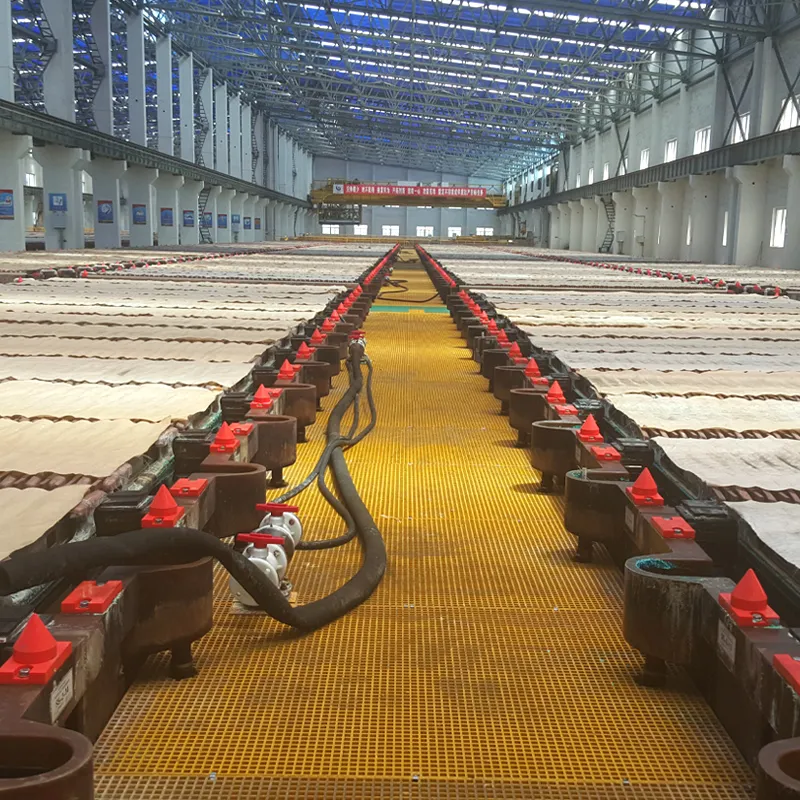
  • Metallurgy: Used in electrowinning (e.g., copper, zinc, nickel), electrorefining, and metal recovery processes where strong electrolytic solutions and high current densities are involved.
  • Water Supply & Drainage: Employed in advanced wastewater treatment, industrial water purification (e.g., electrocoagulation, electro-oxidation), and desalination plants utilizing electrochemical methods, offering superior resistance to aggressive disinfectants and brines.
  • Pulp & Paper: In processes requiring chlorine dioxide generation or effluent treatment.
  • Mining: In hydrometallurgical operations for processing ore slurries and recovery of valuable metals.

Typical Application Scenarios & Advantages:

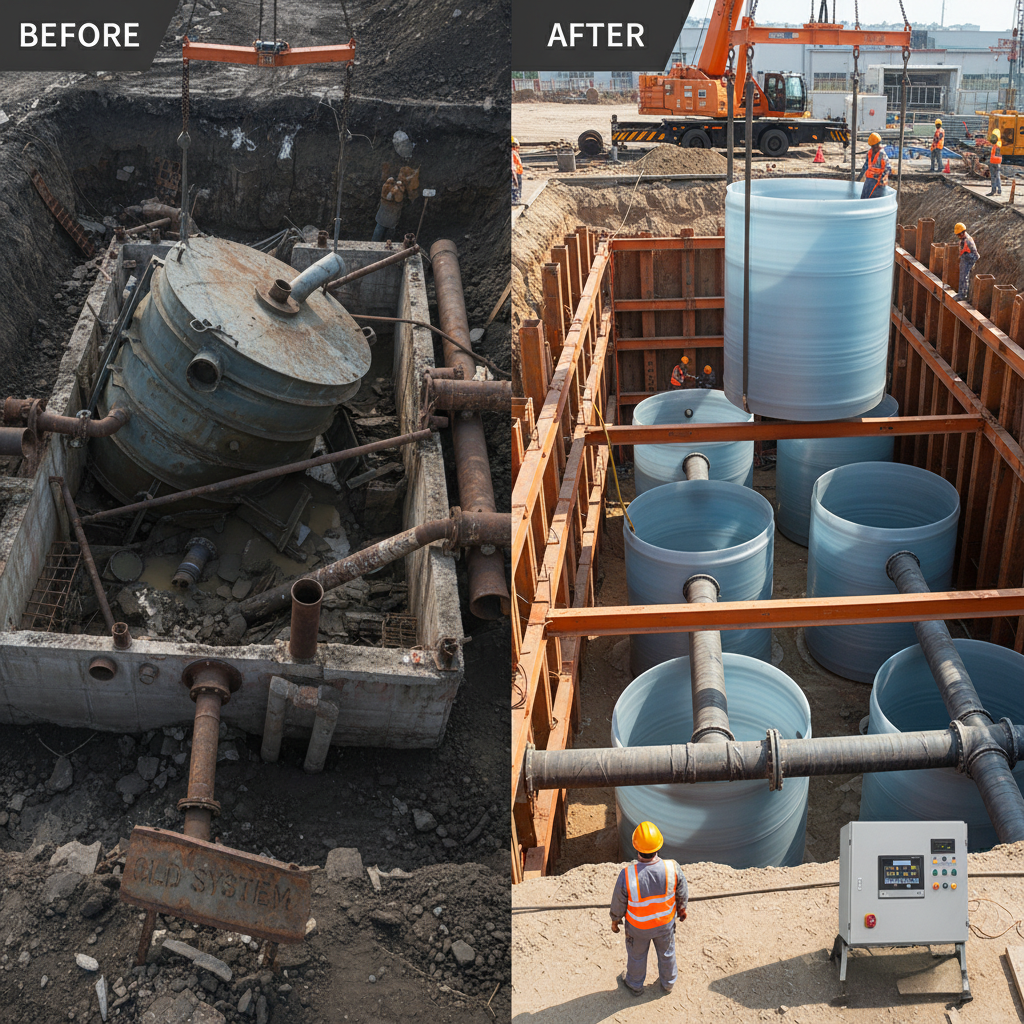
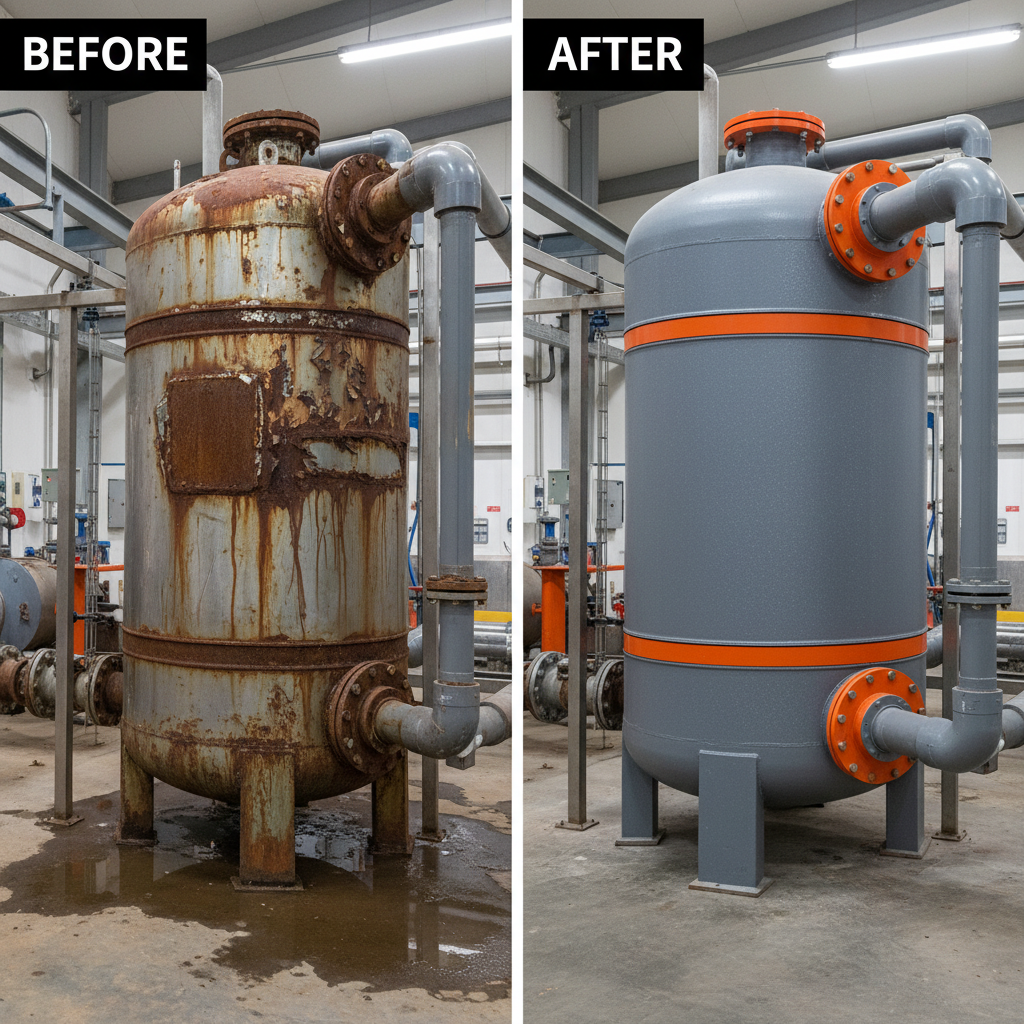
In a large-scale copper electrowinning facility, traditional concrete cells often suffer from chemical attack, leading to costly leaks and premature failure. Replacing these with Vinyl Ester Resin Monolithic Casting Frp Electrolytic Cells has demonstrated:

  • Enhanced Corrosion Resistance: Superior chemical integrity against highly acidic copper sulfate electrolytes, preventing cell wall degradation and electrolyte contamination. This directly translates to increased operational uptime and reduced maintenance expenditures.
  • Energy Saving: The excellent dielectric properties of vinyl ester FRP ensure minimal current leakage, leading to higher Faraday efficiency and reduced energy consumption per unit of metal produced. This is a critical factor for reducing operational expenditure in energy-intensive processes.
  • Extended Service Life: A projected lifespan of over 20 years significantly reduces replacement frequency and associated downtime, offering a superior total cost of ownership (TCO) compared to alternative materials.
  • Safety Improvements: Elimination of hazardous leaks mitigates environmental risks and improves worker safety, fostering a more compliant and secure operational environment.
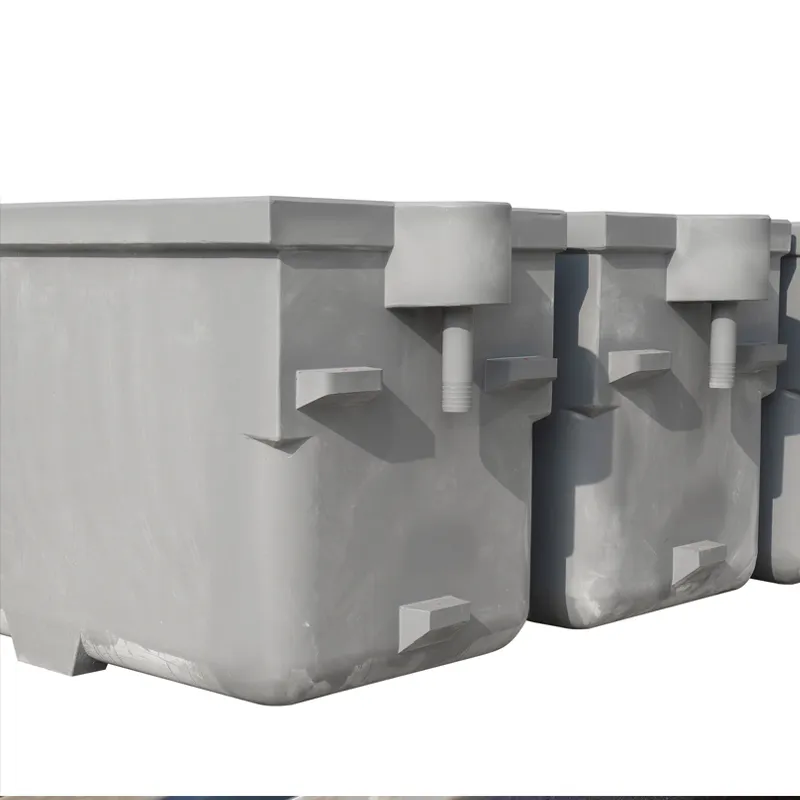
Durable Vinyl Ester Monolithic FRP Electrolytic Cells | Best Price Durable Vinyl Ester Monolithic FRP Electrolytic Cells | Best Price Durable Vinyl Ester Monolithic FRP Electrolytic Cells | Best Price

Technical Advantages and Vendor Comparison

The inherent advantages of Vinyl Ester Resin Monolithic Casting Frp Electrolytic Cells Best Price stem from their material science and manufacturing precision. These cells offer distinct benefits over conventional materials and even other FRP fabrication methods.

Core Technical Advantages:

  • Superior Chemical Resistance: Vinyl ester resins outperform general-purpose polyesters in resistance to a broad spectrum of aggressive chemicals, especially strong acids, oxidizers, and solvents common in electrochemical processes.
  • Monolithic, Seamless Construction: Eliminates joints, welds, or seams, which are often points of failure in fabricated structures, thereby ensuring superior leak integrity and structural stability. This translates to vastly reduced risk of unexpected downtime.
  • High Dielectric Strength: Essential for electrolytic applications, preventing stray currents and ensuring efficient electrochemical reactions. This electrical insulation capability is critical for safety and process efficiency.
  • Mechanical Robustness: FRP construction provides high strength-to-weight ratio, impact resistance, and thermal stability, contributing to a longer operational life even under dynamic process conditions.
  • Low Maintenance & Cost-Efficiency: The exceptional durability and corrosion resistance lead to significantly reduced maintenance requirements and lower lifecycle costs compared to traditional materials.

Vendor Comparison: FRP Electrolytic Cell Technologies
Feature Vinyl Ester Monolithic Casting FRP Cell (Our Product) Hand Lay-up/Filament Wound FRP Cell Concrete Lined Cell
Construction Method Vacuum Infusion/Precision Casting (Seamless) Manual Lay-up / Machine Wound (Seamed) Poured Concrete with Liner (Often Polymer/Rubber)
Seams/Joints Virtually None (Monolithic Structure) Multiple (Potential Leak Points) Yes, at liner joins, often vulnerable
Corrosion Resistance Excellent (Vinyl Ester) Good (Polyester/Vinyl Ester, but vulnerable at seams) Depends on Liner (Liner degradation common)
Electrical Isolation Superior (High dielectric strength, monolithic) Good (But can be compromised by moisture ingress at seams) Moderate (Concrete is somewhat conductive, liner critical)
Service Life 20+ Years (Minimal maintenance) 10-15 Years (Seam maintenance required) 15-25 Years (Liner replacement every 5-10 years)
Installation Time Faster (Prefabricated, single piece) Moderate (Some on-site fabrication/joining) Slower (On-site pouring, curing, liner installation)
Total Cost of Ownership Lower (High initial, very low maintenance) Moderate (Lower initial, higher maintenance) Higher (Moderate initial, very high maintenance/liner replacement)
Durable Vinyl Ester Monolithic FRP Electrolytic Cells | Best Price Durable Vinyl Ester Monolithic FRP Electrolytic Cells | Best Price

Customized Solutions and Real-World Case Studies

Recognizing that every industrial process has unique requirements, manufacturers of Vinyl Ester Resin Monolithic Casting Frp Electrolytic Cells Best Price offer comprehensive customization services. This ensures that the cells are perfectly integrated into existing infrastructure and optimized for specific electrochemical reactions and operating conditions.

Customization Capabilities Include:

  • Dimensions & Volume: Tailored to fit available space and process volume requirements.
  • Inlet/Outlet Configurations: Custom nozzle placement, size, and flange types (e.g., ANSI, DIN) for seamless piping integration.
  • Busbar & Electrode Supports: Integrated designs for optimal electrical contact and structural support, minimizing current loss.
  • Internal Baffles & Weirs: Designed for optimized electrolyte flow dynamics, enhancing reaction efficiency.
  • Specific Resin Systems: Utilization of specialized vinyl ester formulations (e.g., Novolac Vinyl Ester for elevated temperatures or specific aggressive media) for niche applications.

Application Case Studies & Customer Feedback:

Our commitment to excellence is reflected in successful projects and positive client testimonials.

  • Case Study 1: Large-Scale Zinc Electrowinning Plant, South America

    A leading mining corporation sought to replace their aging, leak-prone concrete cells. We designed and supplied 12 custom-sized Vinyl Ester Resin Monolithic Casting Frp Electrolytic Cells, tailored for high-temperature zinc sulfate solutions. Post-installation, the plant reported a 15% reduction in electrolyte leakage, a 7% increase in current efficiency, and significant savings on maintenance and environmental compliance. Operations Manager feedback: "The monolithic FRP cells have dramatically improved our plant's reliability and significantly cut our operational expenditure. The installation was smooth, and the performance exceeds expectations."

  • Case Study 2: Chlor-Alkali Production Facility, Europe

    Facing severe corrosion issues with existing steel-lined cells in a diaphragm cell chlor-alkali process, a chemical producer opted for our custom-engineered FRP cells. The solution provided superior resistance to concentrated brine and chlorine gas. The client experienced a virtual elimination of cell leakage and extended the expected service life from 8 years to projected 25+ years, resulting in a substantial return on investment. The technical team praised the seamless integration and the enhanced safety environment.
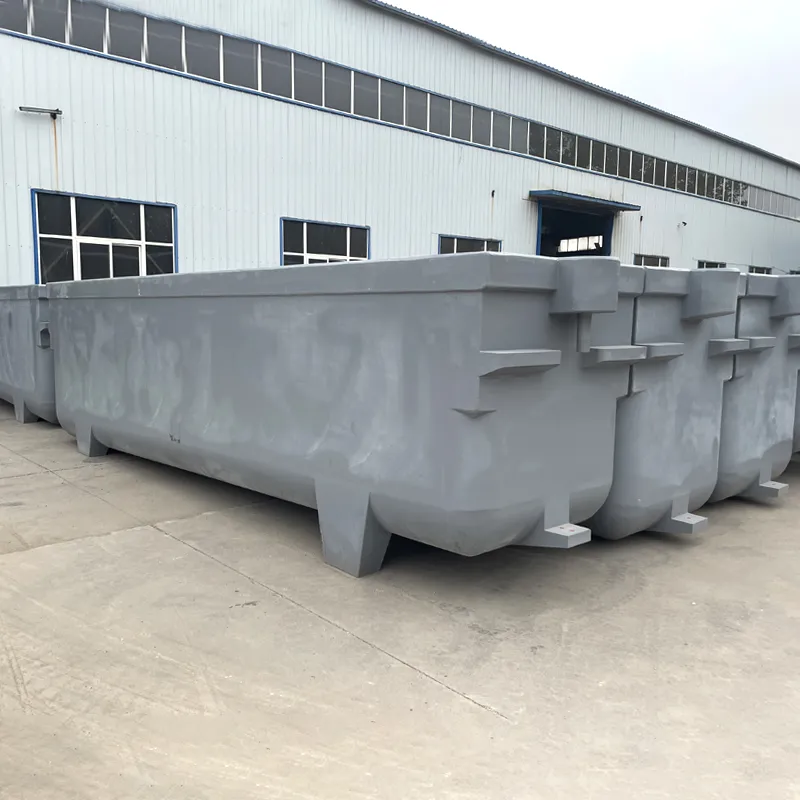
Durable Vinyl Ester Monolithic FRP Electrolytic Cells | Best Price Durable Vinyl Ester Monolithic FRP Electrolytic Cells | Best Price Durable Vinyl Ester Monolithic FRP Electrolytic Cells | Best Price Durable Vinyl Ester Monolithic FRP Electrolytic Cells | Best Price Durable Vinyl Ester Monolithic FRP Electrolytic Cells | Best Price Durable Vinyl Ester Monolithic FRP Electrolytic Cells | Best Price Durable Vinyl Ester Monolithic FRP Electrolytic Cells | Best Price

Trustworthiness & Client Support: FAQ, Lead Time, Warranty

Frequently Asked Questions (FAQ):

Q: Why choose vinyl ester resin over other FRP resins for electrolytic cells?

A: Vinyl ester resin offers significantly higher chemical resistance, particularly to a wide range of acids, alkalis, and solvents, and maintains structural integrity at elevated temperatures, which is crucial for the aggressive environments in electrolytic processes.

Q: What does "monolithic casting" mean for cell performance?

A: Monolithic casting means the cell is formed as a single, seamless structure, eliminating potential leak points associated with joints or welds in fabricated cells. This enhances structural integrity, chemical containment, and extends the overall service life.

Q: How does the service life of these cells compare to traditional materials?

A: Our Vinyl Ester Resin Monolithic Casting Frp Electrolytic Cells Best Price are designed for a service life exceeding 20 years, often outperforming concrete cells with liners (which require frequent liner replacement) and significantly surpassing the lifespan of metallic cells in corrosive applications.

Q: Are custom sizes and designs available?

A: Absolutely. We specialize in providing customized solutions tailored to specific process parameters, facility footprints, and operational requirements. Our engineering team works closely with clients from conceptual design to final commissioning.

Lead Time & Fulfillment Details:

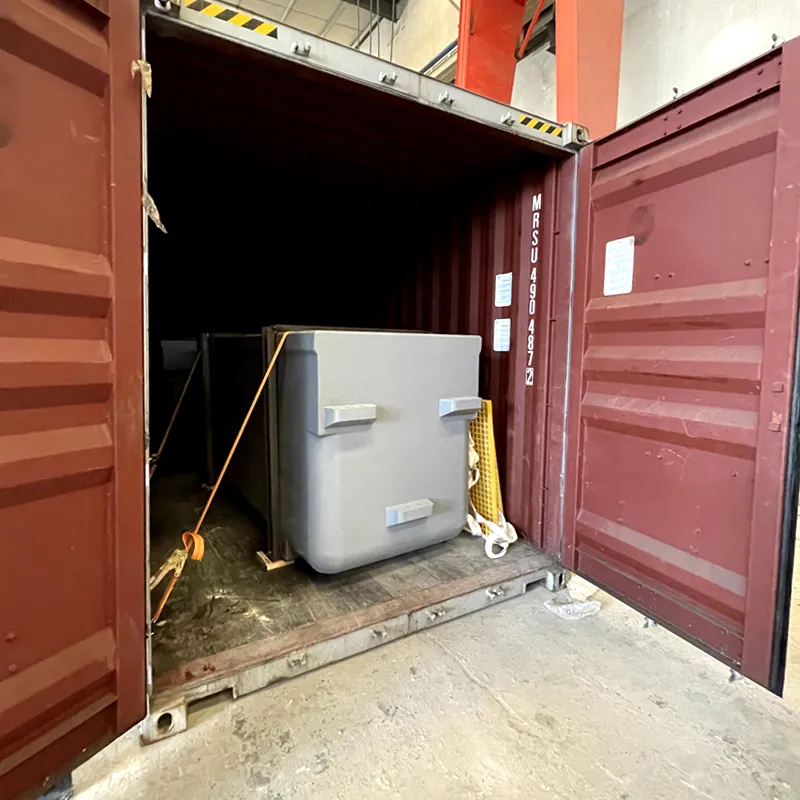
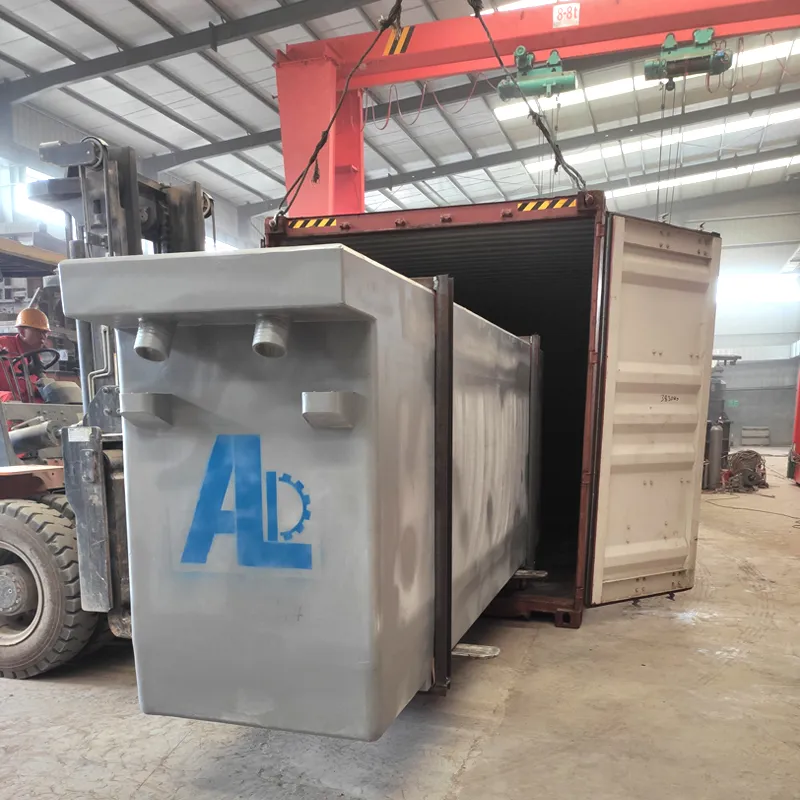
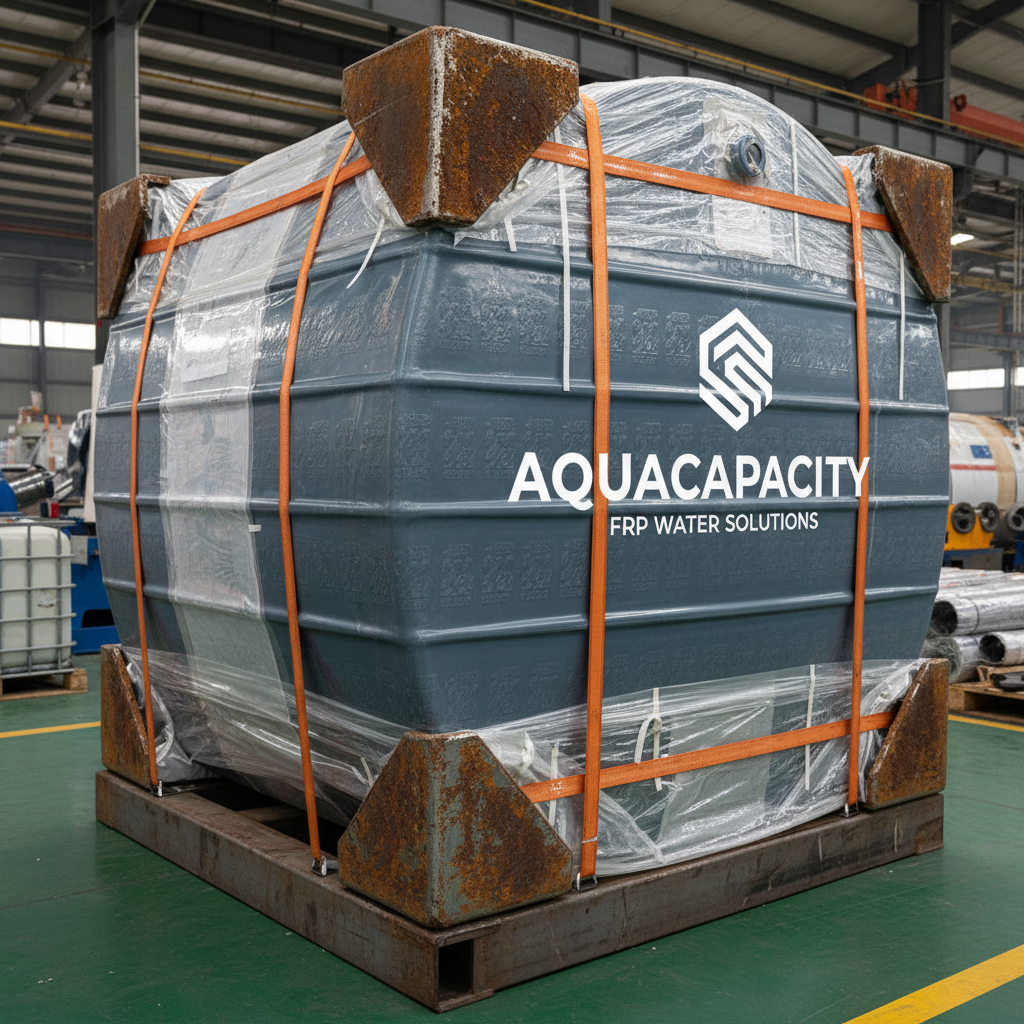
Standard lead times for custom-engineered Vinyl Ester Resin Monolithic Casting Frp Electrolytic Cells Best Price typically range from 12 to 16 weeks, depending on the complexity of the design, quantity, and current production schedule. Expedited options may be available upon request. We maintain transparent communication throughout the production process, providing regular updates from design approval through manufacturing, quality control, and shipping. All products are meticulously packed for international or domestic transit to ensure safe arrival.

Warranty Commitments:

We stand behind the quality and durability of our products with a comprehensive warranty. All Vinyl Ester Resin Monolithic Casting Frp Electrolytic Cells are backed by a standard 5-year warranty against manufacturing defects and material failures under normal operating conditions. Extended warranty options and service level agreements are available to provide additional peace of mind for critical applications.

Customer Support & After-Sales Service:

Our commitment extends beyond delivery. We offer comprehensive after-sales support, including installation guidance, operational troubleshooting, and technical consultation. Our dedicated team of engineers and support staff is available to assist clients globally, ensuring optimal performance and longevity of their investment. We also provide spare parts and maintenance recommendations to maximize uptime.

Conclusion: A Strategic Investment in Industrial Durability

Investing in high-quality electrolytic cells is a critical decision for any industrial operation dealing with corrosive media and electrochemical processes. Vinyl Ester Resin Monolithic Casting Frp Electrolytic Cells Best Price represent the pinnacle of engineering and material science, offering unparalleled corrosion resistance, structural integrity, electrical isolation, and an extended service life. By minimizing downtime, reducing maintenance costs, and enhancing operational safety, these advanced FRP cells provide a superior total cost of ownership and a tangible competitive advantage. Partnering with a specialist manufacturer ensures access to tailored solutions that meet precise industry demands, backed by robust support and stringent quality standards.

References

  1. ISO 9001:2015 Quality Management Systems – Requirements. International Organization for Standardization.
  2. ASTM D3299/D3299M-20, Standard Specification for Filament-Wound Fiberglass (Glass-Fiber-Reinforced Thermosetting-Resin) Pressure Vessels. ASTM International.
  3. ASM Handbook, Volume 21: Composites, ASM International, 2001.
  4. D. V. Rosato, "Fiberglass-Reinforced Plastics: Handbook of the Composites Industry," Chapman & Hall, 1997.
  5. "Vinyl Ester Resins for Corrosion Resistance: A Technical Overview," CompositesWorld Magazine, 2021.
Upsell Products
Upsell News
Durable FRP Vessel for Water Treatment and Industrial Filtration
Apr 16,2026
Durable FRP Vessel for Water Treatment and Industrial Filtration
In the modern era of industrial and residential water purification, the choice of containment materials is critical for efficiency and longevity. An frp vessel for water treatment has emerged as the gold standard, replacing traditional steel tanks due to its superior corrosion resistance and lightweight properties. Whether you are dealing with desalination, softening, or filtration, using Fiber Reinforced Plastic (FRP) ensures that your system remains leak-proof and durable against aggressive chemicals. In this comprehensive guide, we will explore why FRP is the preferred choice for water treatment professionals worldwide and how to select the right vessel for your specific application.
Industrial Guide for Choosing the Right FRP Vertical Tank
Apr 09,2026
Industrial Guide for Choosing the Right FRP Vertical Tank
In today's industrial landscape, the storage of corrosive chemicals and aggressive liquids requires materials that can withstand extreme conditions without degrading. The frp vertical tank has emerged as a premier solution, offering an exceptional balance of strength, lightweight properties, and unmatched chemical resistance. Whether you are managing a water treatment plant or a chemical processing facility, understanding the nuances of Fiber Reinforced Plastic (FRP) is essential for ensuring operational safety and longevity. In this comprehensive guide, we will explore why vertical configurations are preferred and how these tanks outperform traditional metal alternatives.
Comprehensive Guide to FRP Underground Water Tank Solutions and Applications
Apr 07,2026
Comprehensive Guide to FRP Underground Water Tank Solutions and Applications
Fiberglass Reinforced Polymer (FRP) underground water tanks are becoming increasingly popular for a wide range of applications, from potable water storage to industrial wastewater containment. Their superior corrosion resistance, lightweight nature, and design flexibility make them an excellent alternative to traditional materials like concrete or steel. This article will delve into the benefits, applications, construction, and considerations for implementing FRP underground water tanks, providing a comprehensive overview for engineers, contractors, and project managers.
Comprehensive Guide to Frp Underground Water Storage Tanks and Their Applications
Apr 04,2026
Comprehensive Guide to Frp Underground Water Storage Tanks and Their Applications
When considering water storage solutions, particularly for industrial, agricultural, or municipal applications, frp underground water storage tanks stand out as a durable, cost-effective, and environmentally friendly option. These tanks are increasingly favored over traditional materials like concrete or steel due to their superior corrosion resistance, lighter weight, and ease of installation. This article delves into the benefits, applications, construction, and considerations when choosing an FRP tank, providing a detailed overview for potential buyers and project planners.
Sulfuric Acid Production Line - Hebei Aoliande|Efficient H2SO4 Plant Technology
Apr 01,2026
Sulfuric Acid Production Line - Hebei Aoliande|Efficient H2SO4 Plant Technology
Discover efficient H2SO4 plant technology and advanced sulfuric acid production solutions. Hebei Aoliande combines energy-saving furnace design and eco-friendly HCl recovery systems for sustainable industrial applications. Explore now: https://www.frpgrpmachine.com/sulfuric-acid-production-line-for-h2so4-plant.html
Sulfuric Acid Production Line - Hebei Aoliande|Efficient H2SO4 Plant Technology
Apr 01,2026
Sulfuric Acid Production Line - Hebei Aoliande|Efficient H2SO4 Plant Technology
Discover efficient H2SO4 plant technology and advanced sulfuric acid production solutions. Hebei Aoliande combines energy-saving furnace design and eco-friendly HCl recovery systems for sustainable industrial applications. Explore now: https://www.frpgrpmachine.com/sulfuric-acid-production-line-for-h2so4-plant.html
Sulfuric Acid Production Line - Hebei Aoliande|Efficient H2SO4 Plant Technology
Apr 01,2026
Sulfuric Acid Production Line - Hebei Aoliande|Efficient H2SO4 Plant Technology
Discover efficient H2SO4 plant technology and advanced sulfuric acid production solutions. Hebei Aoliande combines energy-saving furnace design and eco-friendly HCl recovery systems for sustainable industrial applications. Explore now: https://www.frpgrpmachine.com/sulfuric-acid-production-line-for-h2so4-plant.html
Sulfuric Acid Production Line - Hebei Aoliande|Efficient H2SO4 Plant Technology
Apr 01,2026
Sulfuric Acid Production Line - Hebei Aoliande|Efficient H2SO4 Plant Technology
Discover efficient H2SO4 plant technology and advanced sulfuric acid production solutions. Hebei Aoliande combines energy-saving furnace design and eco-friendly HCl recovery systems for sustainable industrial applications. Explore now: https://www.frpgrpmachine.com/sulfuric-acid-production-line-for-h2so4-plant.html
Sulfuric Acid Production Line - Hebei Aoliande|Efficient H2SO4 Plant Technology
Apr 01,2026
Sulfuric Acid Production Line - Hebei Aoliande|Efficient H2SO4 Plant Technology
Discover efficient H2SO4 plant technology and advanced sulfuric acid production solutions. Hebei Aoliande combines energy-saving furnace design and eco-friendly HCl recovery systems for sustainable industrial applications. Explore now: https://www.frpgrpmachine.com/sulfuric-acid-production-line-for-h2so4-plant.html
Sulfuric Acid Production Line - Hebei Aoliande|Efficient H2SO4 Plant Technology
Apr 01,2026
Sulfuric Acid Production Line - Hebei Aoliande|Efficient H2SO4 Plant Technology
Discover efficient H2SO4 plant technology and advanced sulfuric acid production solutions. Hebei Aoliande combines energy-saving furnace design and eco-friendly HCl recovery systems for sustainable industrial applications. Explore now: https://www.frpgrpmachine.com/sulfuric-acid-production-line-for-h2so4-plant.html
Comprehensive Guide to Frp Underground Storage Tanks for Reliable Storage Solutions
Mar 31,2026
Comprehensive Guide to Frp Underground Storage Tanks for Reliable Storage Solutions
Fiberglass Reinforced Polymer (FRP) underground storage tanks are becoming increasingly popular for a wide range of applications, from fuel storage to wastewater management. Their corrosion resistance, lightweight nature, and durability offer significant advantages over traditional materials like steel. This article will provide an in-depth look at FRP underground storage tanks, covering their benefits, applications, installation, and maintenance. Understanding these aspects is crucial for making informed decisions about long-term storage solutions.
Comprehensive Guide to Selecting the Ideal FRP Tank for Water Storage Solutions
Mar 28,2026
Comprehensive Guide to Selecting the Ideal FRP Tank for Water Storage Solutions
When it comes to reliable and durable water storage, FRP tanks for water are increasingly becoming the preferred solution for a wide range of applications. These tanks, constructed from Fiber Reinforced Polymer (FRP) materials, offer significant advantages over traditional storage options like steel or concrete. This article delves into the benefits, applications, and considerations when selecting an FRP tank for your water storage needs, providing a detailed overview for businesses and individuals alike.
Comprehensive Guide to Frp Tank and Vessel Applications and Manufacturing
Mar 26,2026
Comprehensive Guide to Frp Tank and Vessel Applications and Manufacturing
Fiber Reinforced Polymer (FRP) tanks and vessels are increasingly becoming the preferred choice for storage and processing across a multitude of industries. Their lightweight nature, corrosion resistance, and design flexibility offer significant advantages over traditional materials like steel. This article will delve into the intricacies of FRP tanks and vessels, exploring their applications, manufacturing processes, benefits, and considerations for selecting the right solution for your specific needs. We’ll also highlight why FRP tanks are a cost-effective and reliable long-term investment. FRP tanks and vessels are constructed from a combination of reinforcing fibers (such as fiberglass, carbon fiber, or aramid fiber) embedded in a polymer matrix (typically polyester, vinyl ester, or epoxy resin). This combination creates a composite material that boasts high strength-to-weight ratio, exceptional corrosion resistance, and the ability to be molded into complex shapes. They’re designed to safely contain a wide variety of liquids and gases, ranging from corrosive chemicals and water to food products and pharmaceuticals.
Optimizing Water Filtration with Durable FRP Sand Filter Vessels
Mar 24,2026
Optimizing Water Filtration with Durable FRP Sand Filter Vessels
In water treatment and filtration systems, the choice of filter vessel material is paramount. Fiber Reinforced Plastic (FRP), also known as Glass Reinforced Polymer (GRP), sand filter vessels are increasingly popular due to their superior corrosion resistance, lightweight nature, and cost-effectiveness. This article delves into the benefits, applications, design considerations, and factors to consider when selecting an FRP sand filter vessel. Whether you are involved in municipal water treatment, industrial wastewater management, or recreational water filtration, understanding FRP technology is essential for optimizing your filtration process. An FRP sand filter vessel is a containment unit designed to house filtration media, typically sand, gravel, and anthracite. These vessels are integral components in sand filtration systems used for removing suspended solids, turbidity, and other particulate matter from water. FRP construction involves layering glass fibers within a resin matrix (typically polyester or vinyl ester) to create a strong, durable, and chemically resistant shell. The strength and rigidity of the vessel are crucial for withstanding the pressure from the filtration media and the water flow.
Comprehensive Guide to FRP Round Tanks Applications and Benefits
Mar 21,2026
Comprehensive Guide to FRP Round Tanks Applications and Benefits
Fiber Reinforced Polymer (FRP) round tanks are increasingly becoming the preferred choice for storage solutions across a variety of industries. Their lightweight nature, corrosion resistance, and design flexibility offer significant advantages over traditional materials like steel. This article provides an in-depth look at FRP round tanks, exploring their applications, benefits, manufacturing processes, and key considerations when choosing the right tank for your needs. Whether you're in chemical processing, water treatment, or agriculture, understanding FRP round tanks is crucial for optimizing your storage infrastructure. FRP round tanks are constructed from a combination of reinforcing fibers (typically fiberglass, carbon fiber, or a blend) embedded in a polymer matrix (often polyester, vinyl ester, or epoxy resin). The round shape inherently provides excellent structural strength, distributing pressure evenly across the tank’s surface.
Comprehensive Guide to FRP Pressure Tanks Benefits and Applications
Mar 19,2026
Comprehensive Guide to FRP Pressure Tanks Benefits and Applications
Fiber Reinforced Polymer (FRP) pressure tanks are becoming increasingly popular in a wide range of industrial applications, offering a compelling alternative to traditional steel tanks. Known for their lightweight nature, corrosion resistance, and high strength-to-weight ratio, FRP tanks provide efficient and durable solutions for storing liquids and gases under pressure. This article will delve into the benefits, applications, construction, and key considerations when selecting an FRP pressure tank, helping you make an informed decision for your specific needs. Understanding the advantages of FRP technology can lead to significant cost savings and improved operational efficiency. Compared to steel, FRP pressure tanks offer several key advantages. The most significant is their superior corrosion resistance. Unlike steel, which is susceptible to rust and corrosion when exposed to various chemicals, FRP materials are inherently resistant to a wide range of corrosive substances. This translates to a longer lifespan, reduced maintenance costs, and increased safety. Furthermore, FRP is significantly lighter than steel, making installation easier and reducing transportation costs.
For More Details Pls Contact Us
Thank you for your interest in our gloves! We offer high-quality, durable, and comfortable gloves with fast delivery and competitive prices. For any questions or customization, feel free to contact us. We look forward to working with you!

If you are interested in our products, you can choose to leave your information here, and we will be in touch with you shortly.