Exploring the Benefits and Applications of FRP Horizontal Tanks for Storage Solutions
Understanding FRP Horizontal Tanks: Applications and Benefits
Fiber Reinforced Plastic (FRP) horizontal tanks are increasingly becoming the preferred choice for storage solutions across numerous industries. Known for their durability, corrosion resistance, and lightweight nature, these tanks offer a compelling alternative to traditional materials like steel. This article will delve into the intricacies of FRP horizontal tanks, exploring their applications, benefits, manufacturing processes, and key considerations for selecting the right tank for your needs. We’ll also discuss why choosing a reputable supplier like FRPGRPMachine ensures quality and reliability.
What are FRP Horizontal Tanks?
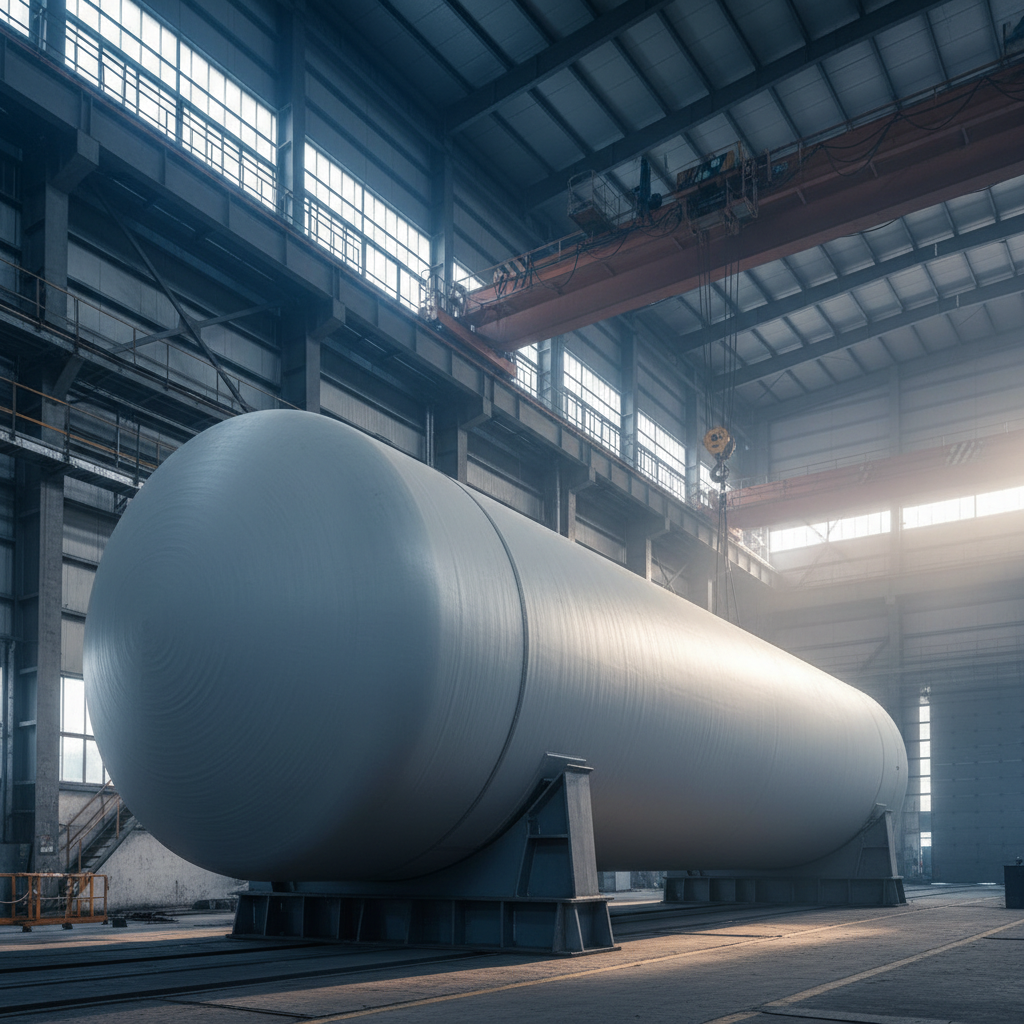
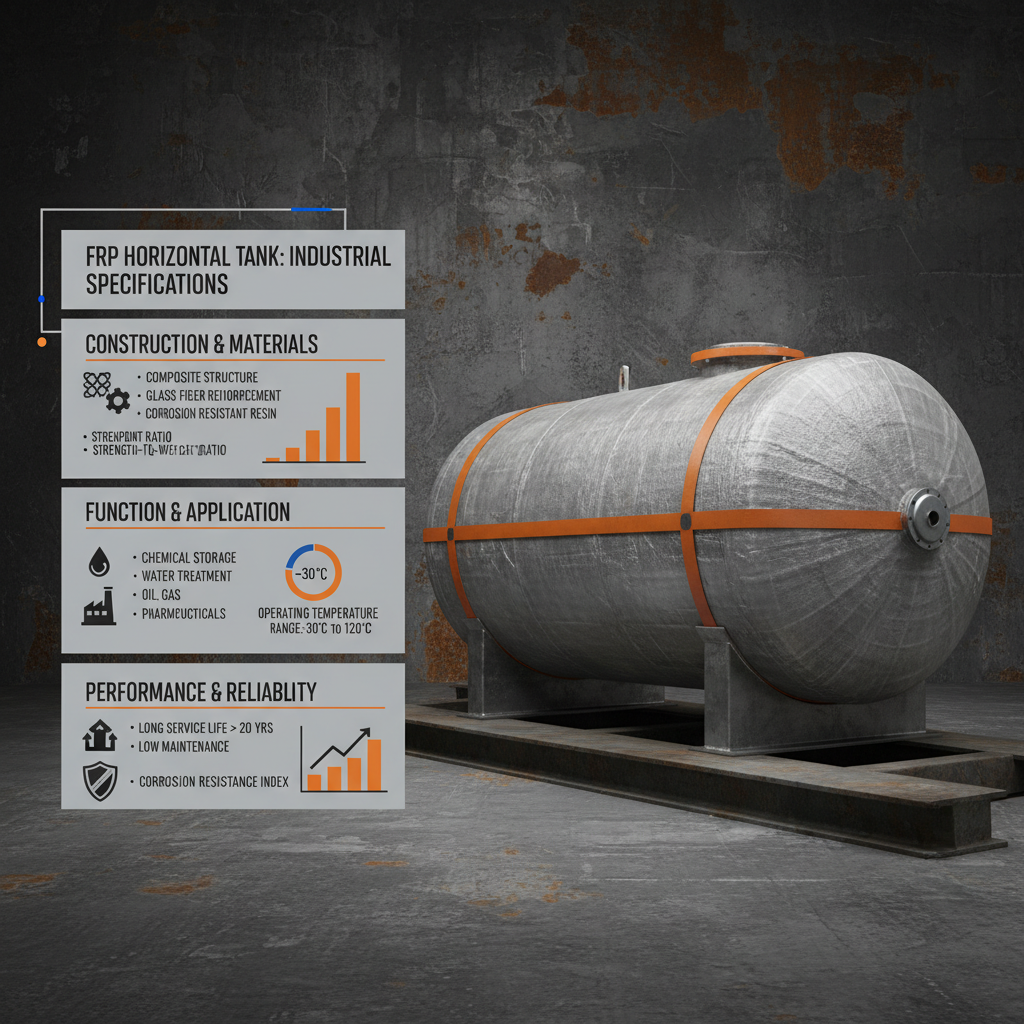
FRP horizontal tanks are constructed using a combination of reinforcing fibers (such as fiberglass, carbon fiber, or aramid fiber) embedded in a polymer matrix (typically polyester, vinyl ester, or epoxy resin). The horizontal design allows for efficient use of space and facilitates easier installation and maintenance. The unique properties of FRP materials impart exceptional resistance to corrosion, chemicals, and UV radiation, making these tanks ideal for storing a wide variety of substances. They are manufactured through processes like filament winding, hand lay-up, and resin transfer molding, ensuring structural integrity and long-term performance. Selecting the right resin and fiber combination is crucial for meeting specific application requirements.
Key Highlights: FRP tanks offer excellent chemical resistance, lightweight construction, and customizable design options, making them a versatile storage solution.
Applications of FRP Horizontal Tanks
The versatility of FRP horizontal tanks makes them suitable for a diverse range of applications. Common uses include: chemical storage (acids, alkalis, solvents), water and wastewater treatment, food and beverage processing, pharmaceutical manufacturing, and oil and gas industries. Their corrosion resistance is particularly valuable in aggressive environments where steel tanks would rapidly deteriorate. Specific examples include storing hydrochloric acid, sodium hydroxide, and various organic compounds. The ability to customize the tank's design and dimensions further expands their applicability across different industrial sectors.
Application Benefits:
• Chemical Storage: Prevents contamination and ensures long-term integrity.
• Water Treatment: Provides a safe and reliable storage solution for treated water.
• Food & Beverage: Complies with stringent hygiene standards.
• Oil & Gas: Resistant to harsh chemicals and environmental conditions.
FRP Horizontal Tank vs. Steel Tank: A Comparative Analysis
While steel tanks have been traditionally used for storage, FRP horizontal tanks offer several advantages. Steel is susceptible to corrosion, requiring regular maintenance and protective coatings. FRP, on the other hand, is inherently corrosion-resistant, reducing maintenance costs and extending the tank's lifespan. FRP is also significantly lighter than steel, simplifying transportation and installation. However, steel generally has higher tensile strength, which may be a consideration for specific high-pressure applications. The initial cost of FRP tanks can be higher, but the long-term savings from reduced maintenance and replacement often offset this difference. Choosing the right material depends on a careful evaluation of the specific application requirements.
Key Considerations When Selecting an FRP Horizontal Tank
Choosing the right FRP horizontal tank requires careful consideration of several factors. These include the chemical compatibility of the tank material with the stored substance, the operating temperature and pressure, the required tank capacity, and any applicable regulatory requirements. It's essential to consult with a reputable supplier like FRPGRPMachine to ensure that the tank is designed and manufactured to meet your specific needs. Proper installation and regular inspection are also crucial for maintaining the tank's long-term performance and safety. Always verify that the manufacturer provides relevant certifications and quality control documentation.
Selecting a Reliable FRP Tank Manufacturer
Partnering with a reputable manufacturer is paramount when investing in FRP horizontal tanks. FRPGRPMachine is a leading provider of high-quality FRP tanks, offering a wide range of customization options and adhering to stringent quality control standards. They possess the expertise to guide you through the selection process, ensuring you receive a tank that perfectly meets your application requirements. Look for manufacturers with a proven track record, comprehensive warranties, and excellent customer support. Choosing a reliable partner translates to a long-lasting, safe, and cost-effective storage solution.
Conclusion: The Future of Storage with FRP Horizontal Tanks
FRP horizontal tanks represent a significant advancement in storage technology, offering a durable, corrosion-resistant, and cost-effective solution for a wide range of industries. By choosing a quality manufacturer like FRPGRPMachine, you can ensure a long-lasting and reliable storage solution that meets your specific needs. Embrace the future of storage with FRP horizontal tanks.
Frequently Asked Questions (FAQs)
What is the typical lifespan of an FRP horizontal tank?
The lifespan of an FRP horizontal tank generally ranges from 20 to 50 years, depending on the application, the materials used in its construction, and environmental factors. Proper maintenance, including regular inspections for cracks or damage, can significantly extend its lifespan. Factors such as exposure to harsh chemicals, UV radiation, and extreme temperatures can impact longevity. Choosing high-quality resins and reinforcing fibers, and working with a reputable manufacturer like FRPGRPMachine, are crucial for maximizing the tank's service life.
What types of chemicals can be stored in an FRP tank?
FRP tanks exhibit excellent chemical resistance, allowing them to safely store a wide range of corrosive substances, including acids, alkalis, solvents, and various salts. However, the specific chemical compatibility depends on the type of resin used in the tank's construction. Vinyl ester resins offer broader chemical resistance than polyester resins. It's crucial to consult a chemical compatibility chart or work with FRPGRPMachine to ensure that the tank material is suitable for the intended chemical storage application.
Are FRP tanks suitable for potable water storage?
Yes, FRP tanks can be used for potable water storage, but it's essential to ensure that the tank is manufactured using NSF/ANSI 61 certified materials. This certification guarantees that the tank's components meet the stringent requirements for contact with drinking water. FRPGRPMachine offers NSF-certified FRP tanks specifically designed for potable water applications, ensuring the water remains clean and safe for consumption.
What are the advantages of horizontal tank orientation?
Horizontal tank orientation offers several advantages, including efficient use of space, easier installation, and simpler maintenance. They require a smaller footprint compared to vertical tanks, making them ideal for sites with limited space. Accessing the tank for inspection or cleaning is also generally easier with a horizontal orientation. Furthermore, horizontal tanks often require less structural support than vertical tanks of the same capacity.