Nov 30,2025

Fiberglass Air Tank | Durable, Lightweight, Corrosion-Resistant Storage Solutions

The Fiberglass Air Tank: A Quiet Revolution in Industrial Storage

At first glance, a fiberglass air tank might seem like just another industrial component. But when you dig a bit deeper — or maybe breathe in the innovations behind it — you realize how crucial this technology has become globally. From remote mining sites in Australia to facilities supporting renewable energy in Germany, fiberglass air tanks quietly keep operations humming. Their blend of durability, weight advantage, and corrosion resistance isn’t just technical jargon; it’s a lifeline in environments where steel tanks struggle.

Understanding fiberglass air tanks matters because they offer solutions to age-old industry problems — high maintenance costs, safety risks, and the demand for sustainable materials. If your business relies on compressed air storage, diving into how these tanks work and why they're preferred could save you time, money, and headaches.

Why the World Is Turning to Fiberglass Air Tanks

Globally, the compressed air market is booming, with estimates forecasting a compound growth rate hovering around 6% through the mid-2020s. According to the International Organization for Standardization (ISO), reliable storage is paramount in sectors like manufacturing, energy production, and even disaster relief efforts. But traditional steel tanks, while tried and tested, are increasingly falling short — whether it’s due to corrosion, weight, or cost.

Fiberglass air tanks enter the scene as a clever solution to these problems. According to data from the World Bank and industry experts, facilities integrating fiberglass tanks have seen a 20-30% reduction in maintenance downtime. However, challenges remain: adapting these tanks to extremely high-pressure environments and expanding their use in emerging economies.

So, what exactly is a fiberglass air tank, and why is it important now more than ever?

Decoding the Fiberglass Air Tank

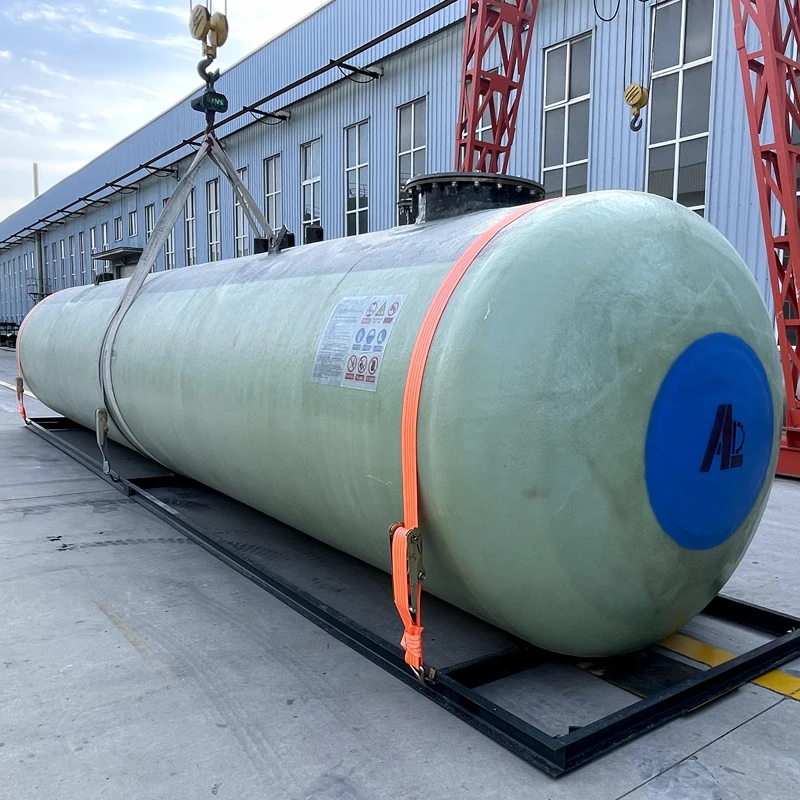
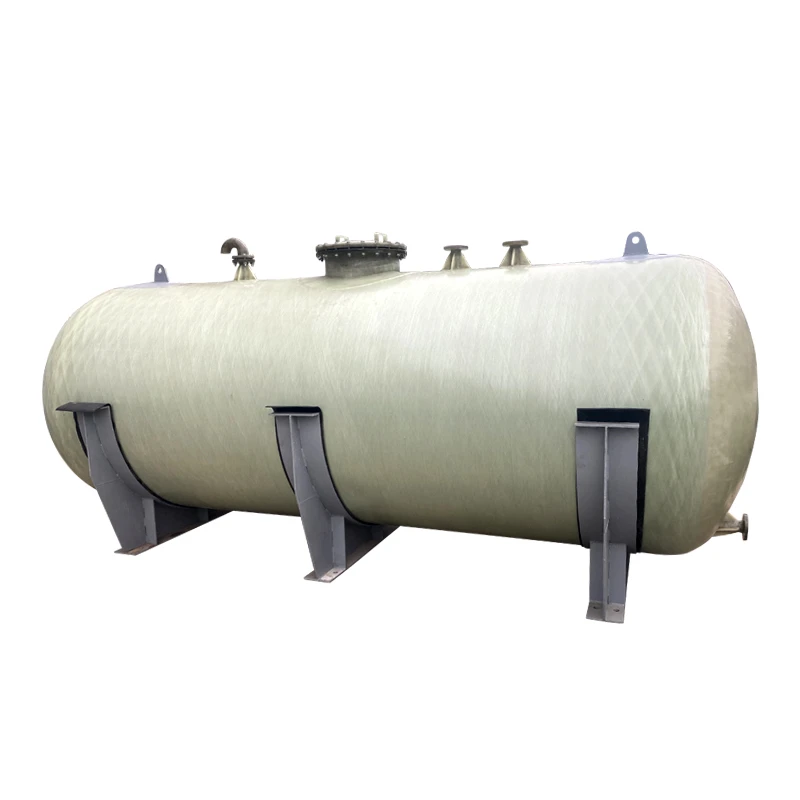
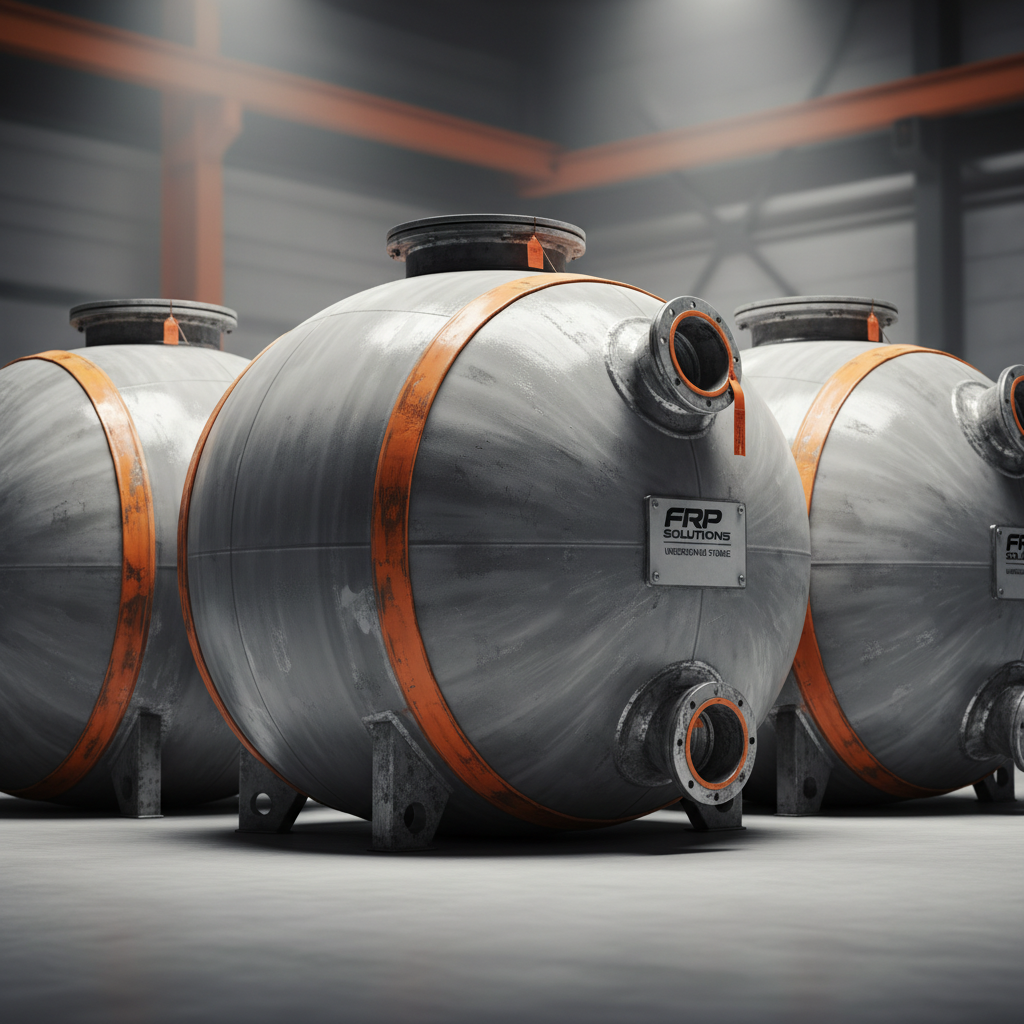
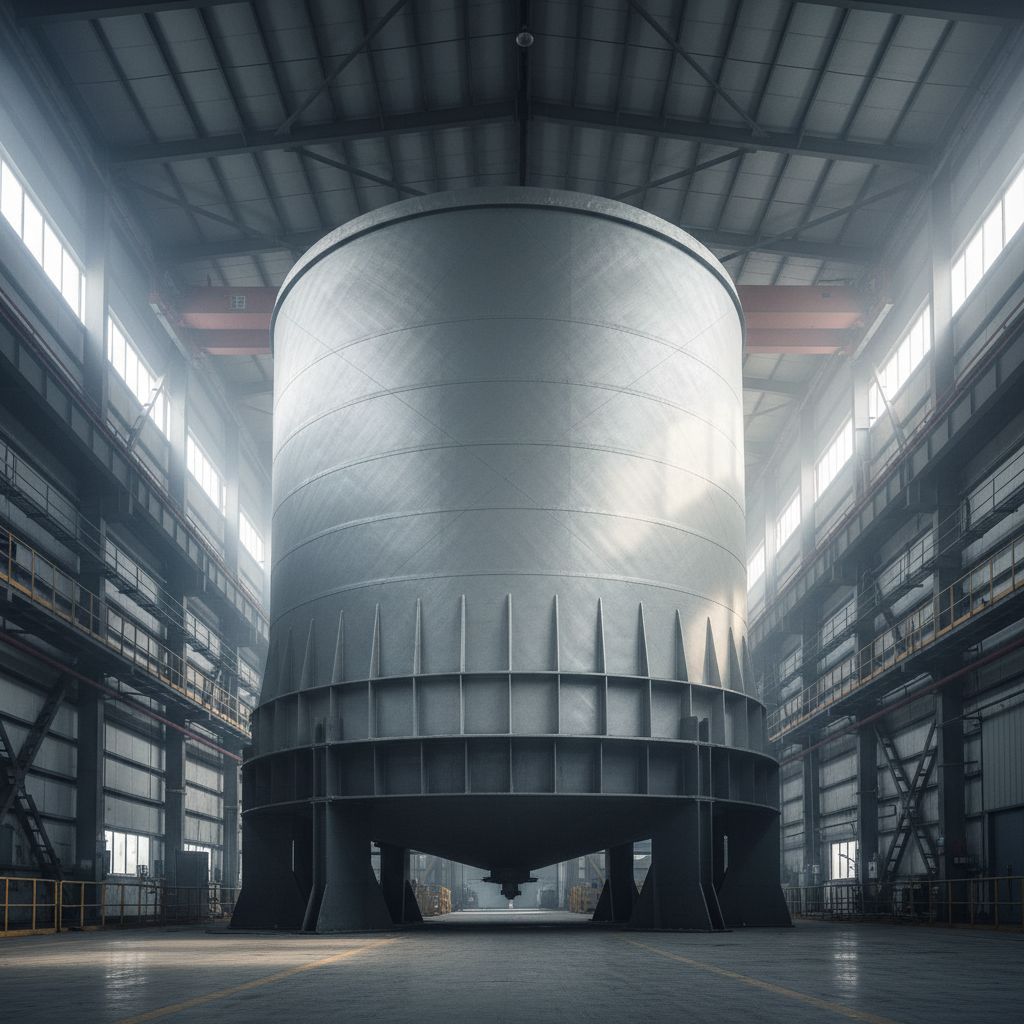
Simply put, a fiberglass air tank is a type of pressure vessel designed to store compressed air, constructed primarily from fiber-reinforced polymer composites — think fiberglass wrapped around a resin matrix. Unlike steel, fiberglass offers significantly higher corrosion resistance and a much lighter profile, without compromising strength.

This translates to longer service life and easier handling during installation. It’s no surprise these tanks have become integral in modern industries where sustainable, efficient storage is a priority. Whether supporting complex manufacturing lines or mobile air systems for humanitarian aid, fiberglass tanks bring versatility.

Key Features at a Glance

  • Corrosion Resistance: Fiberglass tanks avoid rust, a chronic problem in steel.
  • Lightweight Construction: Easier to transport and install, lowering labor costs.
  • Durability: Resistance to environmental factors and fatigue ensures longevity.
  • Customization: Sizes, pressure ratings, and coatings can be tailored for specific needs.
  • Safety: Non-metallic nature reduces risk of catastrophic failure in certain scenarios.

Mini takeaway: Fiberglass air tanks combine modern materials science with practical benefits, making them an appealing choice over traditional steel tanks — especially where maintenance efficiency and longevity are priorities.

Core Components and Key Factors in Fiberglass Air Tank Design

Durability Without the Bulk

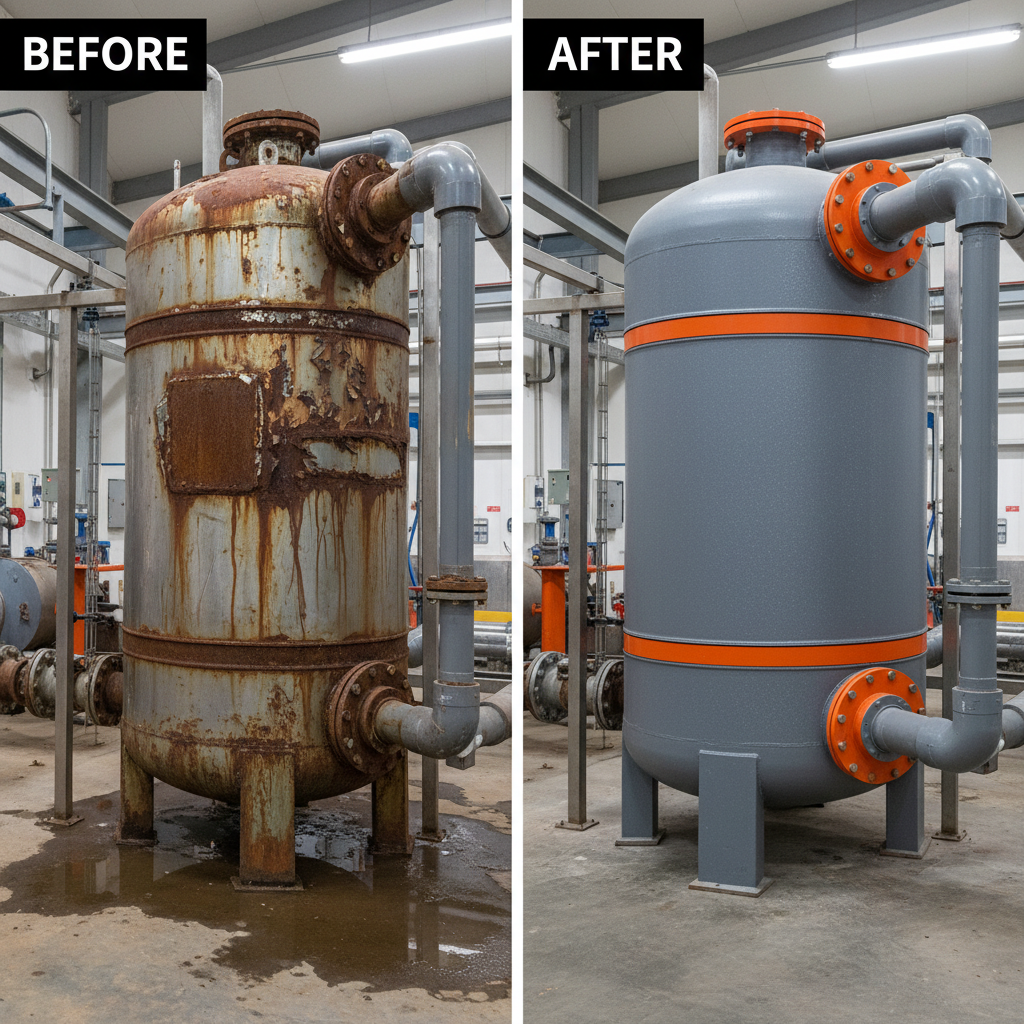
The fiberglass shell is layered with resin to form a composite that’s surprisingly tough. In environments where corrosion can eat steel from inside out, fiberglass holds firm. This means fewer repairs, longer operational uptime, and ultimately lower lifecycle costs.

Lightweight Yet Strong

Fiberglass air tanks typically weigh 50-70% less than steel equivalents. That might not sound like a big deal, but for massive tanks (think 1000 gallons or more), the weight difference translates to more manageable installation and safer handling.

Cost Efficiency Over Time

Initial costs may be higher, but when you factor in reduced corrosion, lower maintenance, and fewer replacements, fiberglass tanks often prove more economical. Many engineers note that these savings become evident within the first five years.

Pressure Tolerance and Safety Standards

Modern fiberglass tanks adhere to rigorous certifications like ASME Section X and ISO 11439, designed for pressure vessels. Their design prioritizes gradual failure modes, meaning safety is never compromised, even nearing maximum rated pressures.

Scalability and Customization

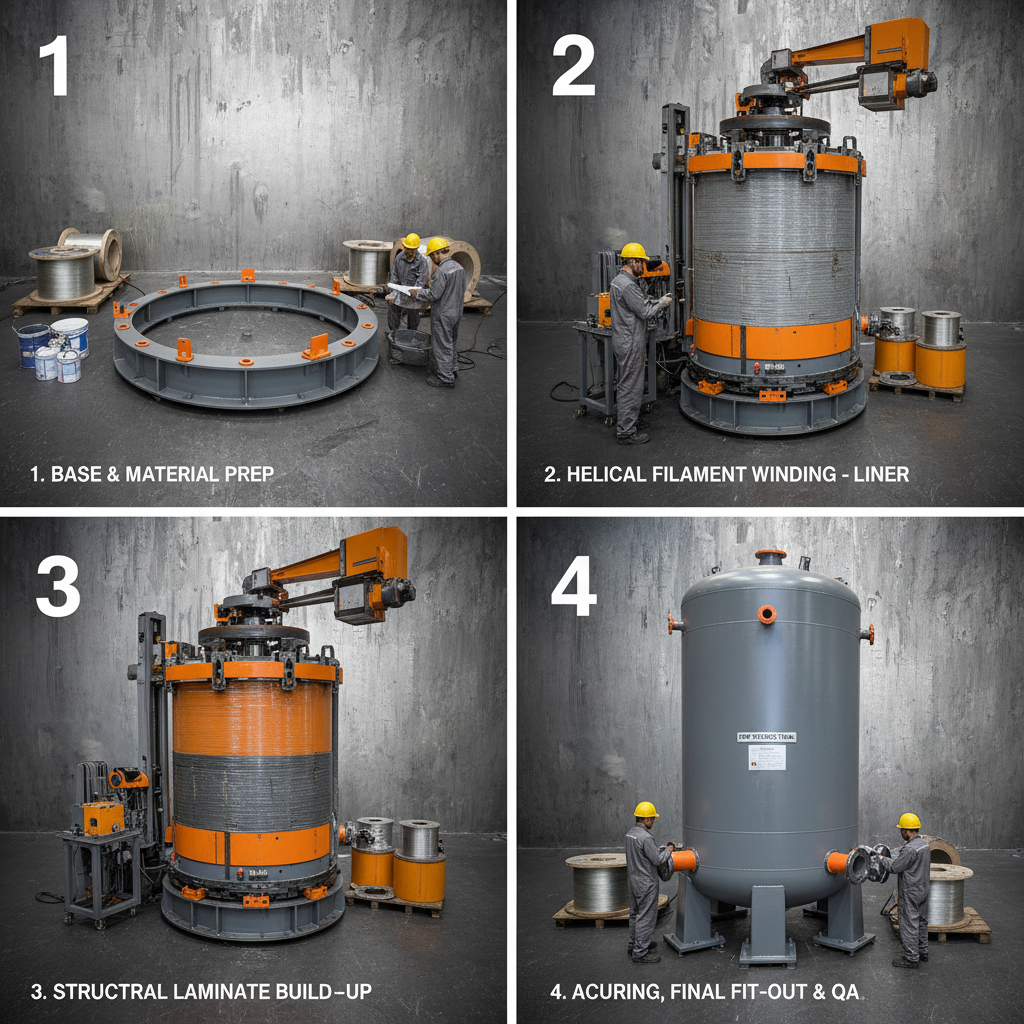
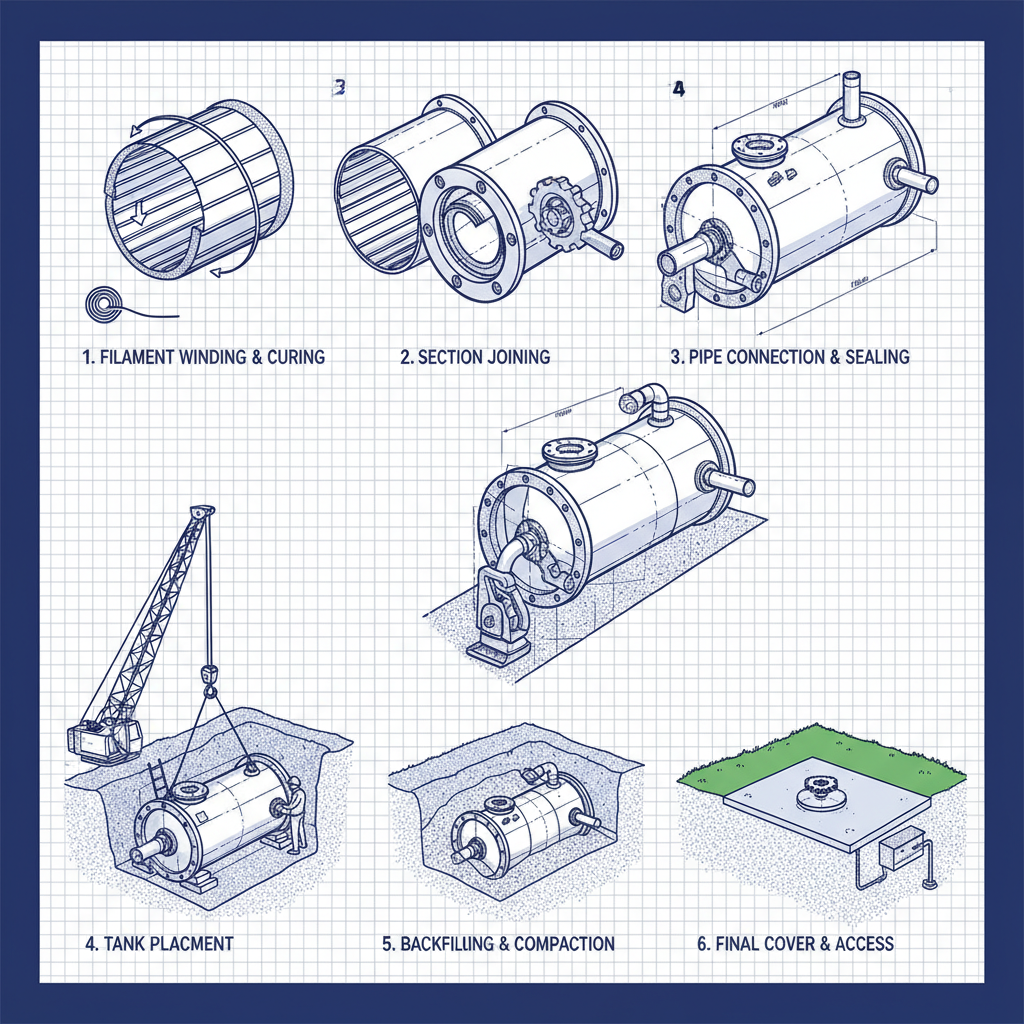
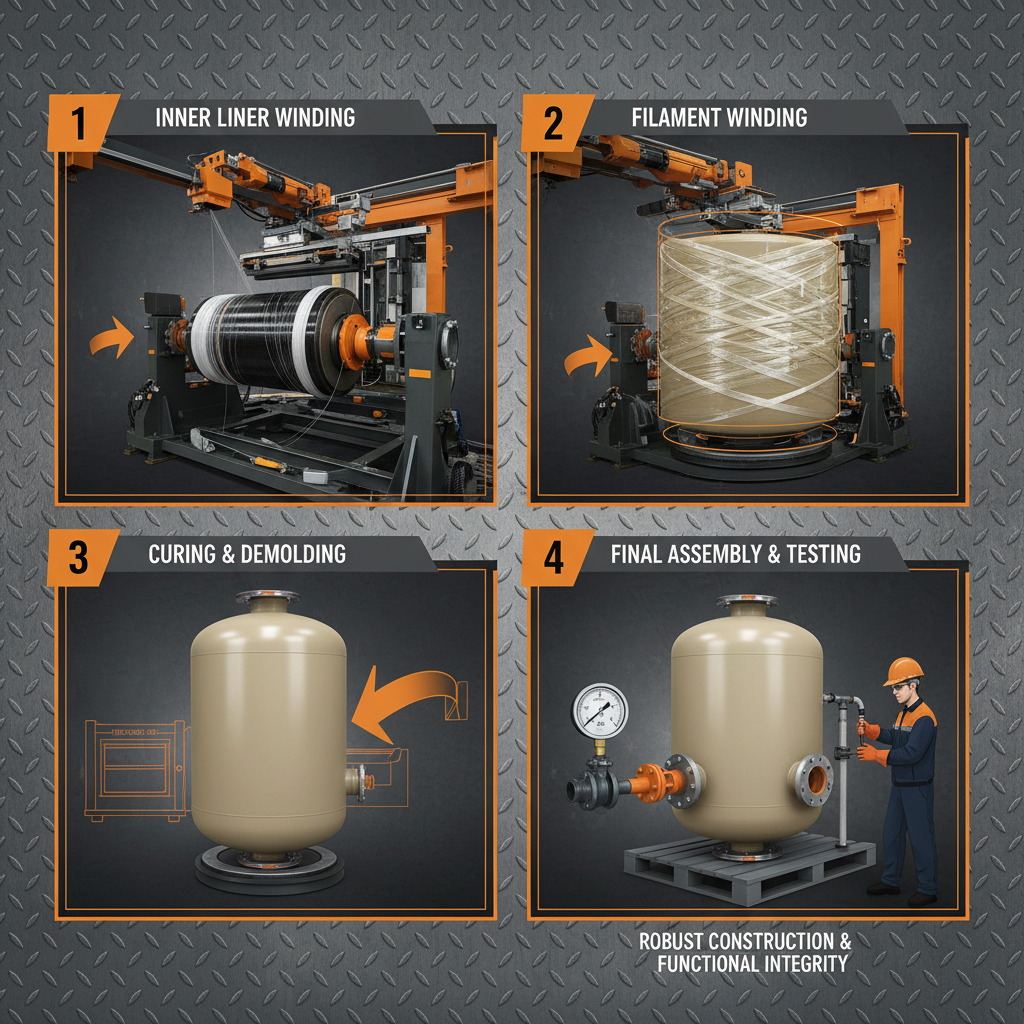
Because fiberglass tanks are manufactured using winding techniques, customizing sizes and shapes is more straightforward. Industries can specify pressure ratings, diameters, lengths, and even color coding — which matters more than you might think for maintenance staff.

Specifications of a Typical Fiberglass Air Tank

Specification Typical Value
Material Fiberglass reinforced polyester resin
Pressure Rating 150 - 500 psi (customizable)
Capacity 50 - 1,000 gallons
Weight Approximately 50-70% lighter than steel tanks
Service Life 15-25 years (depending on environment)

Where Fiberglass Air Tanks Make a Difference Globally

Real-world applications for fiberglass air tanks are surprisingly broad. Take disaster relief operations, for example. When earthquakes or hurricanes strike, quick deployment of reliable compressed air systems is vital for running rescue tools and medical equipment. Fiberglass tanks are easier and faster to ship — and they come ready to handle harsh environments.

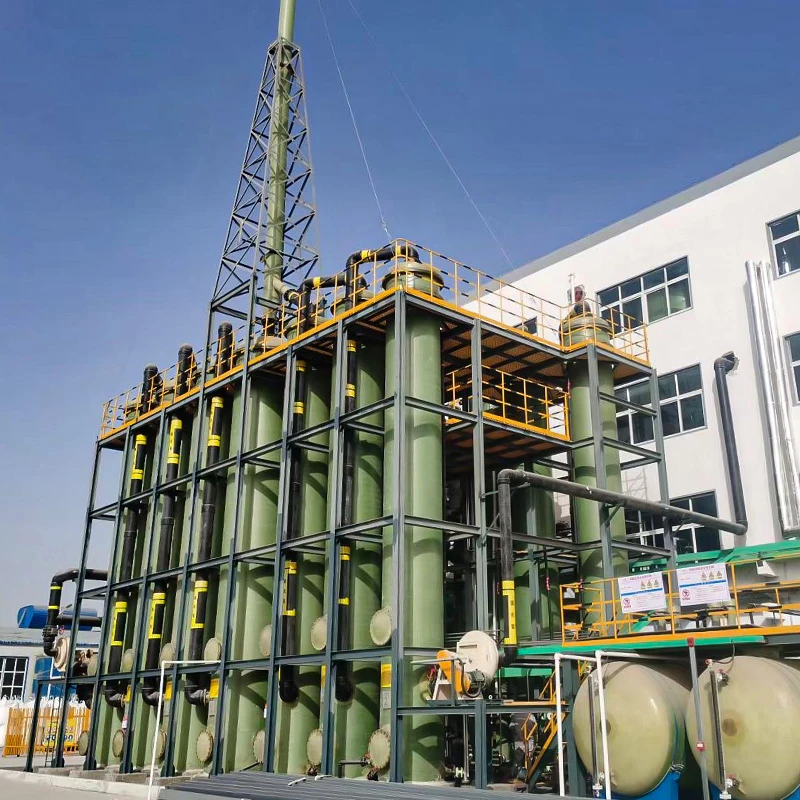
In remote mining zones, say in Canada or Chile, harsh weather and corrosive chemicals wear down steel tanks fast. Operators are switching to fiberglass for its sheer resilience. Industrial zones in Southeast Asia also benefit where humidity and salt air are relentless.

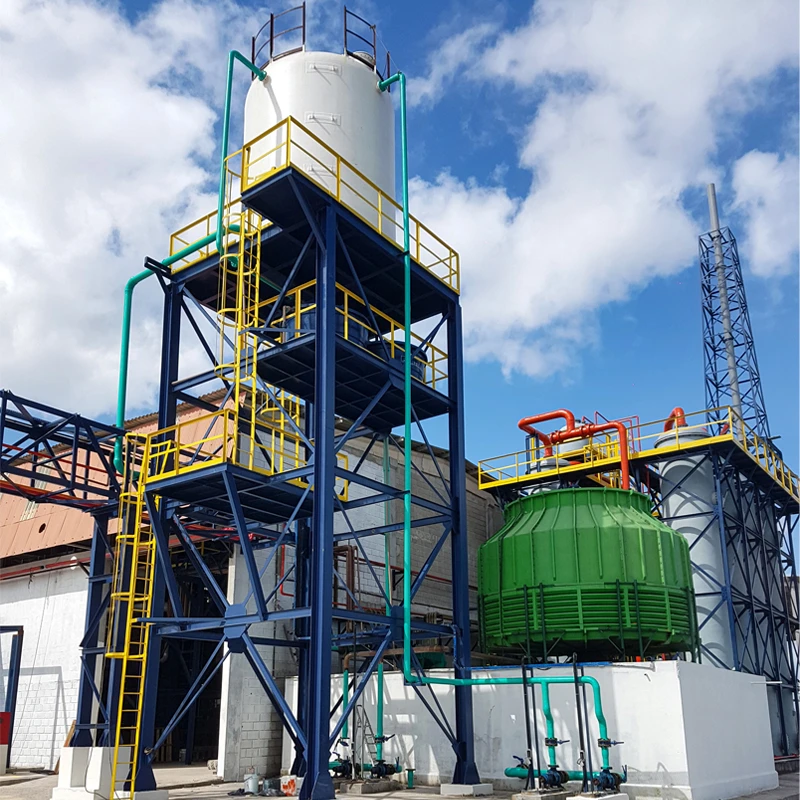
Renewable energy projects — wind farms and solar power plants — use compressed air for maintenance and backup systems. The lightweight, customizable nature of fiberglass tanks makes installation on uneven terrain far more manageable.

Mini takeaway: Whether it’s saving lives in disaster zones or powering sustainable industries, fiberglass air tanks are quietly proving their worth worldwide.

Vendor Comparison: Popular Fiberglass Air Tank Suppliers

Supplier Pressure Range (psi) Material Quality Customization Options Typical Lead Time
FiberglassCo 150 - 350 High-grade polyester resin Diameter & length only 4-6 weeks
ResinTank Ltd. 200 - 500 Vinyl ester resin (corrosion resistant) Full size & pressure customization 6-8 weeks
ClearAir Tanks 100 - 400 Polyester resin with UV protection Standard sizes, quick shipping 2-4 weeks

Advantages and the Bigger Picture

Why do industries grow fond of fiberglass air tanks? Aside from the obvious maintenance and weight benefits, there’s a sustainability story here. Fiberglass requires less frequent replacement, translating to fewer resources consumed overall. It feels a bit like planting a tree that lasts decades instead of chopping one down every few years.

Emotionally, the tanks offer peace of mind. You trust your compressed air system to perform safely, avoiding catastrophic failures that sometimes occur in outdated steel vessels. This trust builds quiet confidence among operators, technicians, and managers alike.

New Trends and Emerging Innovations

Interestingly, the industry isn’t standing still. Composite technology is evolving, with bio-based resins making fiberglass tanks greener. Some manufacturers are integrating smart sensors for real-time pressure and corrosion monitoring, a nod toward Industry 4.0. You might even stumble upon tanks optimized for hydrogen storage in green energy projects, where weight and leak prevention are critical.

Common Challenges and How Experts Tackle Them

Despite many wins, fiberglass air tanks aren’t a magic bullet. High-pressure applications over 500 psi still lean heavily on steel for insurance. Also, damage from impact or abrasion needs thoughtful armored coatings.

Manufacturers are addressing these through hybrid composites and improved QA testing, including acoustic emission and ultrasonic inspections to anticipate faults before they happen. It’s a fast-moving space — like you need to keep your ear to the ground or risk being behind.

FAQ: Your Fiberglass Air Tank Questions Answered

Q1: Can fiberglass air tanks handle high-pressure applications?

A1: Fiberglass tanks are typically rated up to around 500 psi, enough for many industrial needs. For extremely high pressures, steel tanks are still preferred. However, ongoing composite advancements may soon push this boundary.

Q2: How long do fiberglass air tanks last compared to steel?

A2: Fiberglass tanks generally last 15-25 years, often outlasting steel in corrosive environments. Their corrosion resistance means less frequent replacement and repairs.

Q3: Are fiberglass air tanks safe for outdoor use?

A3: Absolutely. Fiberglass resists UV degradation and moisture better than steel, especially when treated with protective coatings. They’re often selected for outdoor industrial sites and remote locations.

Q4: How customizable are fiberglass air tanks?

A4: Very customizable. Manufacturers can adjust size, pressure rating, color, and even integrate sensor technology based on client requirements — a big advantage over fixed steel designs.

Mini takeaway: Fiberglass air tanks balance tradition with cutting-edge engineering, making them a versatile choice.

Summing It All Up

Fiberglass air tanks are increasingly more than just storage vessels. They’re a glimpse into how material innovation can solve longstanding industrial challenges — lightening loads, minimizing maintenance, and adding a dash of sustainability. If you’re intrigued, why not explore further?

Visit our website: fiberglass air tank suppliers for more insights, products, and tailored solutions.

And I’ll leave you with this: the quiet efficiency of composites like fiberglass might not headline the news, but they shape how industries move forward — steadily, safely, and sometimes surprisingly elegantly.
References

  1. ISO 11439: Compressed natural gas cylinders
  2. World Bank Industry Data
  3. Fiberglass - Wikipedia

Upsell Products
Upsell News
Durable FRP Vessel for Water Treatment and Industrial Filtration
Apr 16,2026
Durable FRP Vessel for Water Treatment and Industrial Filtration
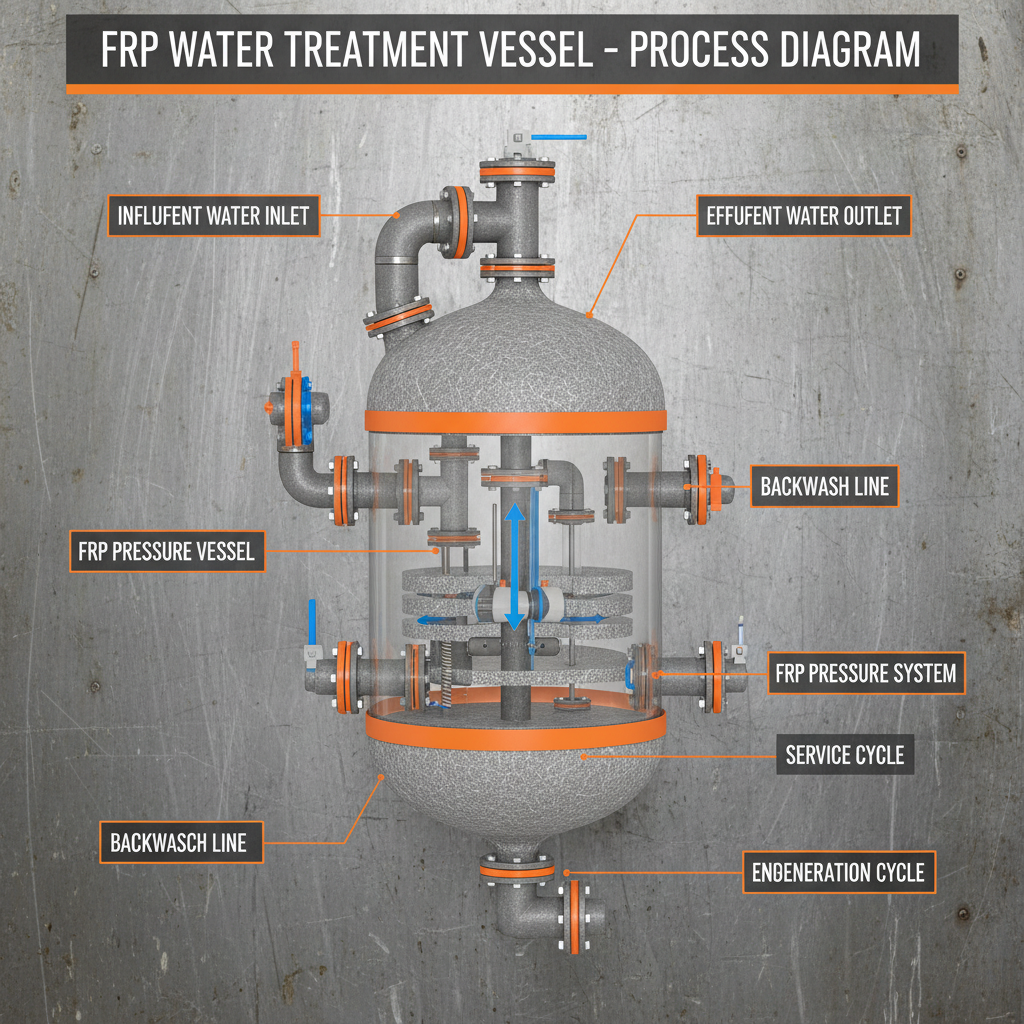
In the modern era of industrial and residential water purification, the choice of containment materials is critical for efficiency and longevity. An frp vessel for water treatment has emerged as the gold standard, replacing traditional steel tanks due to its superior corrosion resistance and lightweight properties. Whether you are dealing with desalination, softening, or filtration, using Fiber Reinforced Plastic (FRP) ensures that your system remains leak-proof and durable against aggressive chemicals. In this comprehensive guide, we will explore why FRP is the preferred choice for water treatment professionals worldwide and how to select the right vessel for your specific application.
Industrial Guide for Choosing the Right FRP Vertical Tank
Apr 09,2026
Industrial Guide for Choosing the Right FRP Vertical Tank
In today's industrial landscape, the storage of corrosive chemicals and aggressive liquids requires materials that can withstand extreme conditions without degrading. The frp vertical tank has emerged as a premier solution, offering an exceptional balance of strength, lightweight properties, and unmatched chemical resistance. Whether you are managing a water treatment plant or a chemical processing facility, understanding the nuances of Fiber Reinforced Plastic (FRP) is essential for ensuring operational safety and longevity. In this comprehensive guide, we will explore why vertical configurations are preferred and how these tanks outperform traditional metal alternatives.
Comprehensive Guide to FRP Underground Water Tank Solutions and Applications
Apr 07,2026
Comprehensive Guide to FRP Underground Water Tank Solutions and Applications
Fiberglass Reinforced Polymer (FRP) underground water tanks are becoming increasingly popular for a wide range of applications, from potable water storage to industrial wastewater containment. Their superior corrosion resistance, lightweight nature, and design flexibility make them an excellent alternative to traditional materials like concrete or steel. This article will delve into the benefits, applications, construction, and considerations for implementing FRP underground water tanks, providing a comprehensive overview for engineers, contractors, and project managers.
Comprehensive Guide to Frp Underground Water Storage Tanks and Their Applications
Apr 04,2026
Comprehensive Guide to Frp Underground Water Storage Tanks and Their Applications
When considering water storage solutions, particularly for industrial, agricultural, or municipal applications, frp underground water storage tanks stand out as a durable, cost-effective, and environmentally friendly option. These tanks are increasingly favored over traditional materials like concrete or steel due to their superior corrosion resistance, lighter weight, and ease of installation. This article delves into the benefits, applications, construction, and considerations when choosing an FRP tank, providing a detailed overview for potential buyers and project planners.
Sulfuric Acid Production Line - Hebei Aoliande|Efficient H2SO4 Plant Technology
Apr 01,2026
Sulfuric Acid Production Line - Hebei Aoliande|Efficient H2SO4 Plant Technology
Discover efficient H2SO4 plant technology and advanced sulfuric acid production solutions. Hebei Aoliande combines energy-saving furnace design and eco-friendly HCl recovery systems for sustainable industrial applications. Explore now: https://www.frpgrpmachine.com/sulfuric-acid-production-line-for-h2so4-plant.html
Sulfuric Acid Production Line - Hebei Aoliande|Efficient H2SO4 Plant Technology
Apr 01,2026
Sulfuric Acid Production Line - Hebei Aoliande|Efficient H2SO4 Plant Technology
Discover efficient H2SO4 plant technology and advanced sulfuric acid production solutions. Hebei Aoliande combines energy-saving furnace design and eco-friendly HCl recovery systems for sustainable industrial applications. Explore now: https://www.frpgrpmachine.com/sulfuric-acid-production-line-for-h2so4-plant.html
Sulfuric Acid Production Line - Hebei Aoliande|Efficient H2SO4 Plant Technology
Apr 01,2026
Sulfuric Acid Production Line - Hebei Aoliande|Efficient H2SO4 Plant Technology
Discover efficient H2SO4 plant technology and advanced sulfuric acid production solutions. Hebei Aoliande combines energy-saving furnace design and eco-friendly HCl recovery systems for sustainable industrial applications. Explore now: https://www.frpgrpmachine.com/sulfuric-acid-production-line-for-h2so4-plant.html
Sulfuric Acid Production Line - Hebei Aoliande|Efficient H2SO4 Plant Technology
Apr 01,2026
Sulfuric Acid Production Line - Hebei Aoliande|Efficient H2SO4 Plant Technology
Discover efficient H2SO4 plant technology and advanced sulfuric acid production solutions. Hebei Aoliande combines energy-saving furnace design and eco-friendly HCl recovery systems for sustainable industrial applications. Explore now: https://www.frpgrpmachine.com/sulfuric-acid-production-line-for-h2so4-plant.html
Sulfuric Acid Production Line - Hebei Aoliande|Efficient H2SO4 Plant Technology
Apr 01,2026
Sulfuric Acid Production Line - Hebei Aoliande|Efficient H2SO4 Plant Technology
Discover efficient H2SO4 plant technology and advanced sulfuric acid production solutions. Hebei Aoliande combines energy-saving furnace design and eco-friendly HCl recovery systems for sustainable industrial applications. Explore now: https://www.frpgrpmachine.com/sulfuric-acid-production-line-for-h2so4-plant.html
Sulfuric Acid Production Line - Hebei Aoliande|Efficient H2SO4 Plant Technology
Apr 01,2026
Sulfuric Acid Production Line - Hebei Aoliande|Efficient H2SO4 Plant Technology
Discover efficient H2SO4 plant technology and advanced sulfuric acid production solutions. Hebei Aoliande combines energy-saving furnace design and eco-friendly HCl recovery systems for sustainable industrial applications. Explore now: https://www.frpgrpmachine.com/sulfuric-acid-production-line-for-h2so4-plant.html
Comprehensive Guide to Frp Underground Storage Tanks for Reliable Storage Solutions
Mar 31,2026
Comprehensive Guide to Frp Underground Storage Tanks for Reliable Storage Solutions
Fiberglass Reinforced Polymer (FRP) underground storage tanks are becoming increasingly popular for a wide range of applications, from fuel storage to wastewater management. Their corrosion resistance, lightweight nature, and durability offer significant advantages over traditional materials like steel. This article will provide an in-depth look at FRP underground storage tanks, covering their benefits, applications, installation, and maintenance. Understanding these aspects is crucial for making informed decisions about long-term storage solutions.
Comprehensive Guide to Selecting the Ideal FRP Tank for Water Storage Solutions
Mar 28,2026
Comprehensive Guide to Selecting the Ideal FRP Tank for Water Storage Solutions
When it comes to reliable and durable water storage, FRP tanks for water are increasingly becoming the preferred solution for a wide range of applications. These tanks, constructed from Fiber Reinforced Polymer (FRP) materials, offer significant advantages over traditional storage options like steel or concrete. This article delves into the benefits, applications, and considerations when selecting an FRP tank for your water storage needs, providing a detailed overview for businesses and individuals alike.
Comprehensive Guide to Frp Tank and Vessel Applications and Manufacturing
Mar 26,2026
Comprehensive Guide to Frp Tank and Vessel Applications and Manufacturing
Fiber Reinforced Polymer (FRP) tanks and vessels are increasingly becoming the preferred choice for storage and processing across a multitude of industries. Their lightweight nature, corrosion resistance, and design flexibility offer significant advantages over traditional materials like steel. This article will delve into the intricacies of FRP tanks and vessels, exploring their applications, manufacturing processes, benefits, and considerations for selecting the right solution for your specific needs. We’ll also highlight why FRP tanks are a cost-effective and reliable long-term investment. FRP tanks and vessels are constructed from a combination of reinforcing fibers (such as fiberglass, carbon fiber, or aramid fiber) embedded in a polymer matrix (typically polyester, vinyl ester, or epoxy resin). This combination creates a composite material that boasts high strength-to-weight ratio, exceptional corrosion resistance, and the ability to be molded into complex shapes. They’re designed to safely contain a wide variety of liquids and gases, ranging from corrosive chemicals and water to food products and pharmaceuticals.
Optimizing Water Filtration with Durable FRP Sand Filter Vessels
Mar 24,2026
Optimizing Water Filtration with Durable FRP Sand Filter Vessels
In water treatment and filtration systems, the choice of filter vessel material is paramount. Fiber Reinforced Plastic (FRP), also known as Glass Reinforced Polymer (GRP), sand filter vessels are increasingly popular due to their superior corrosion resistance, lightweight nature, and cost-effectiveness. This article delves into the benefits, applications, design considerations, and factors to consider when selecting an FRP sand filter vessel. Whether you are involved in municipal water treatment, industrial wastewater management, or recreational water filtration, understanding FRP technology is essential for optimizing your filtration process. An FRP sand filter vessel is a containment unit designed to house filtration media, typically sand, gravel, and anthracite. These vessels are integral components in sand filtration systems used for removing suspended solids, turbidity, and other particulate matter from water. FRP construction involves layering glass fibers within a resin matrix (typically polyester or vinyl ester) to create a strong, durable, and chemically resistant shell. The strength and rigidity of the vessel are crucial for withstanding the pressure from the filtration media and the water flow.
Comprehensive Guide to FRP Round Tanks Applications and Benefits
Mar 21,2026
Comprehensive Guide to FRP Round Tanks Applications and Benefits
Fiber Reinforced Polymer (FRP) round tanks are increasingly becoming the preferred choice for storage solutions across a variety of industries. Their lightweight nature, corrosion resistance, and design flexibility offer significant advantages over traditional materials like steel. This article provides an in-depth look at FRP round tanks, exploring their applications, benefits, manufacturing processes, and key considerations when choosing the right tank for your needs. Whether you're in chemical processing, water treatment, or agriculture, understanding FRP round tanks is crucial for optimizing your storage infrastructure. FRP round tanks are constructed from a combination of reinforcing fibers (typically fiberglass, carbon fiber, or a blend) embedded in a polymer matrix (often polyester, vinyl ester, or epoxy resin). The round shape inherently provides excellent structural strength, distributing pressure evenly across the tank’s surface.
Comprehensive Guide to FRP Pressure Tanks Benefits and Applications
Mar 19,2026
Comprehensive Guide to FRP Pressure Tanks Benefits and Applications
Fiber Reinforced Polymer (FRP) pressure tanks are becoming increasingly popular in a wide range of industrial applications, offering a compelling alternative to traditional steel tanks. Known for their lightweight nature, corrosion resistance, and high strength-to-weight ratio, FRP tanks provide efficient and durable solutions for storing liquids and gases under pressure. This article will delve into the benefits, applications, construction, and key considerations when selecting an FRP pressure tank, helping you make an informed decision for your specific needs. Understanding the advantages of FRP technology can lead to significant cost savings and improved operational efficiency. Compared to steel, FRP pressure tanks offer several key advantages. The most significant is their superior corrosion resistance. Unlike steel, which is susceptible to rust and corrosion when exposed to various chemicals, FRP materials are inherently resistant to a wide range of corrosive substances. This translates to a longer lifespan, reduced maintenance costs, and increased safety. Furthermore, FRP is significantly lighter than steel, making installation easier and reducing transportation costs.
For More Details Pls Contact Us
Thank you for your interest in our gloves! We offer high-quality, durable, and comfortable gloves with fast delivery and competitive prices. For any questions or customization, feel free to contact us. We look forward to working with you!

If you are interested in our products, you can choose to leave your information here, and we will be in touch with you shortly.