Dec 01,2025

Fiberglass Panel Tanks for Durable, Scalable Storage Solutions | Industry & Relief Use

Fiberglass Panel Tanks: What They Are and Why They Matter

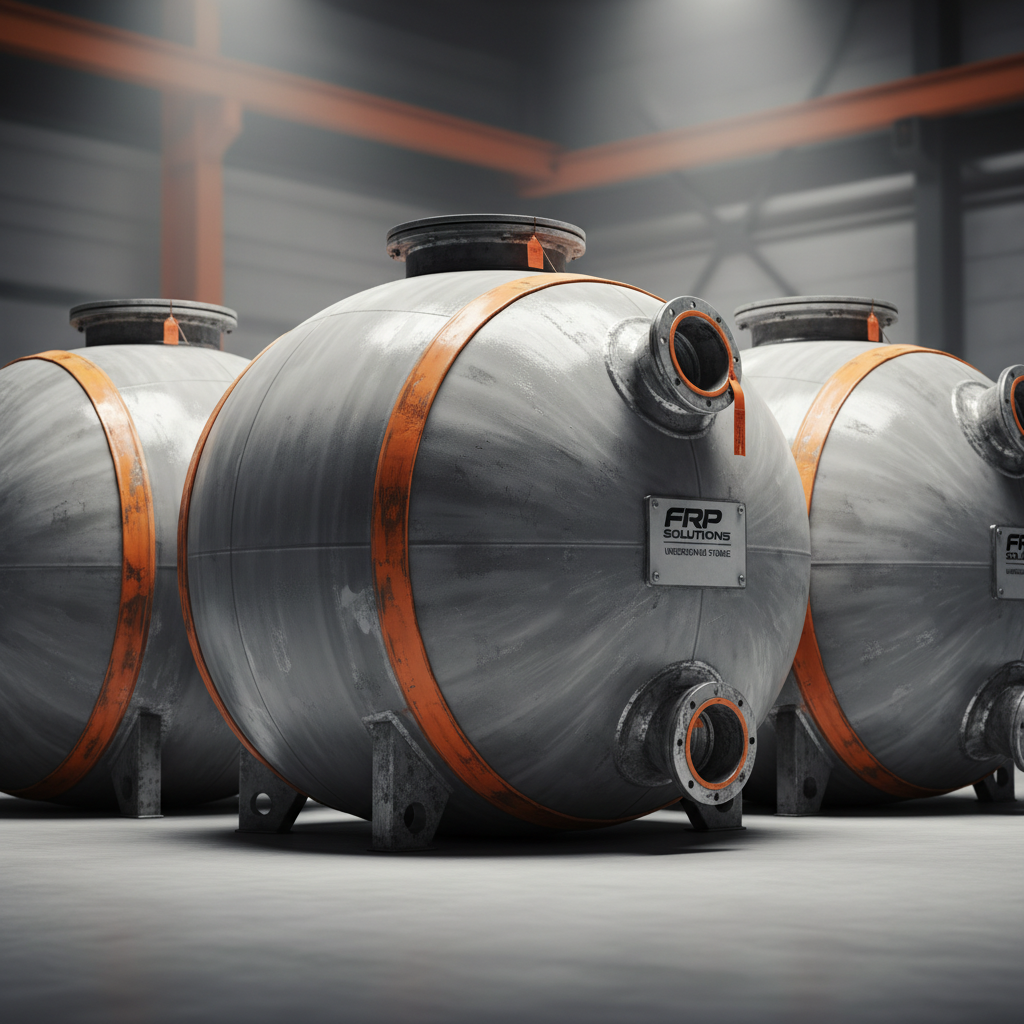
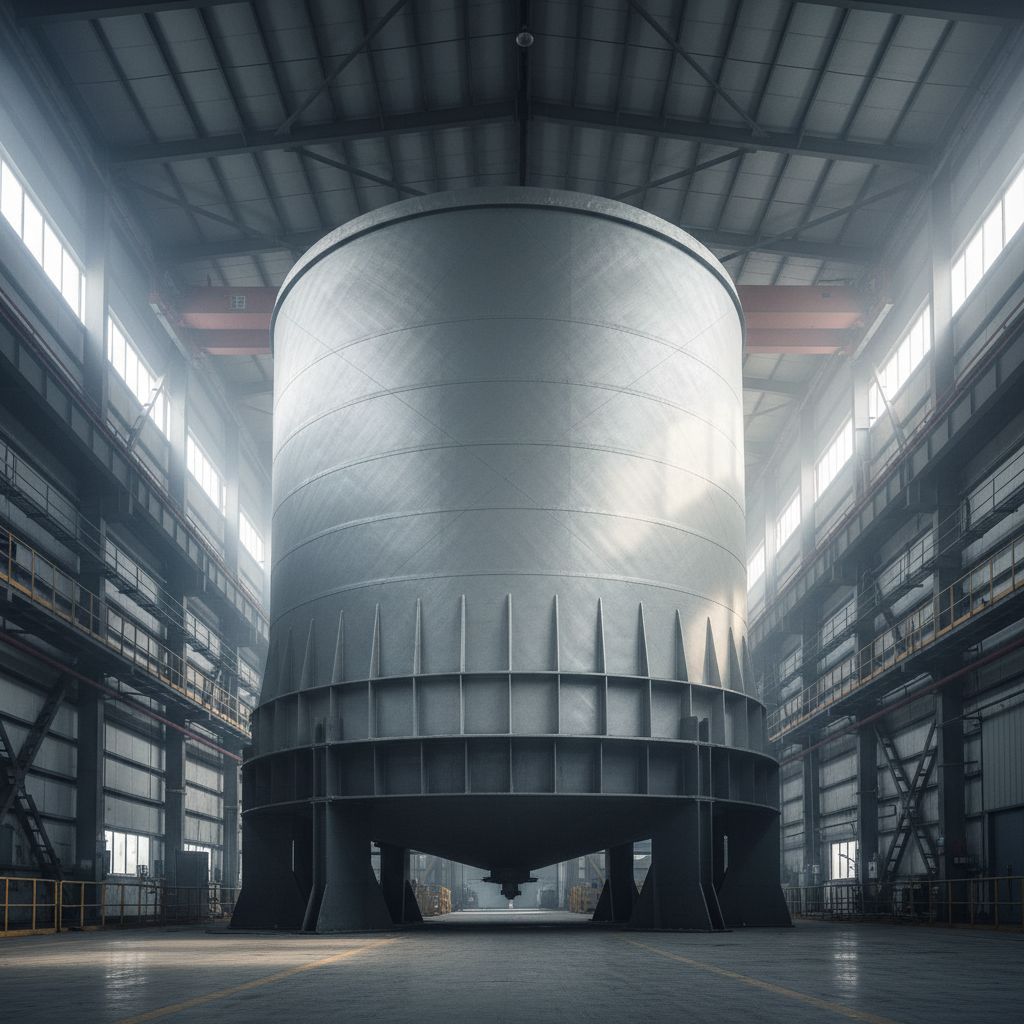
Fiberglass panel tanks may not be a conversation starter at your breakfast table, but they’re quietly making a huge impact worldwide. In essence, these are storage containers crafted from modular fiberglass panels, assembled to form highly durable tanks tailored for chemical processing, water storage, and hazardous waste containment. Why the fuss? Well, globally, industries and communities urgently need reliable, cost-efficient storage solutions that can withstand tough environments and still be environmentally friendly.

Understanding fiberglass panel tanks means peering into a technology that helps conserve resources, ensures safety in industrial processes, and supports humanitarian needs with rapid deployability — a cocktail of benefits that’s hard to ignore.

The Global Context: Why Fiberglass Panel Tanks Are Gaining Ground

When we think globally, water scarcity, industrial waste management, and chemical storage are front and center — all sectors where fiberglass panel tanks can play a starring role. According to the United Nations, over two billion people live in water-scarce regions. Storing clean water safely for these populations is not just a logistical challenge but a public health imperative.

At the same time, the chemical and manufacturing industries are under increasing pressure from ISO environmental standards to improve safety and reduce leaks and contamination. Here’s where fiberglass panel tanks really shine: they are corrosion-resistant, lightweight, and customizable, making them ideal for tackling these challenges head-on.

Yet, despite their advantages, traditional storage tanks have often been bulky, prone to corrosion, and expensive to transport — a gap fiberglass panel tanks are designed to fill. I’ve noticed that as more companies aim for sustainability, these tanks become not just an option but a necessity.

What Are Fiberglass Panel Tanks, Exactly?

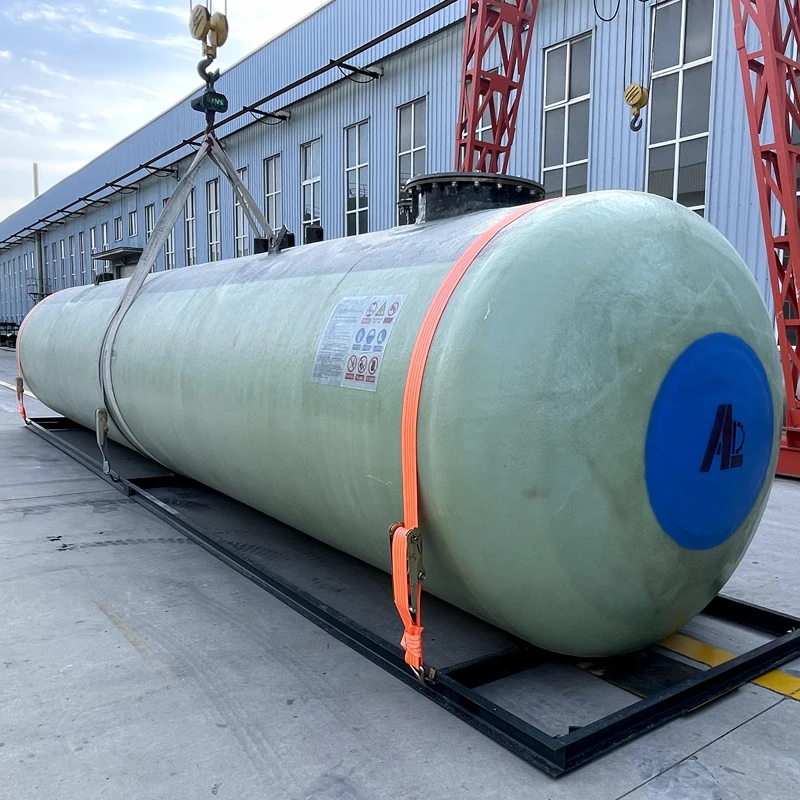
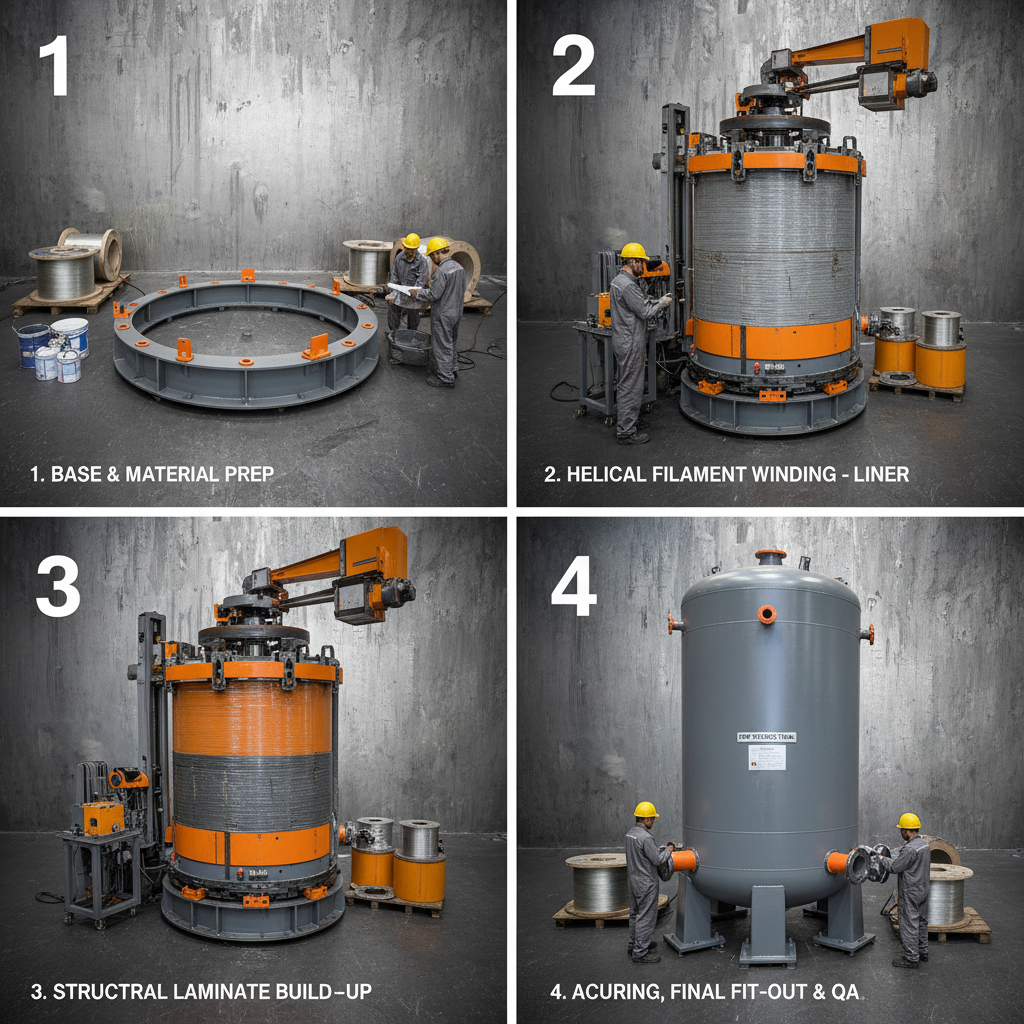
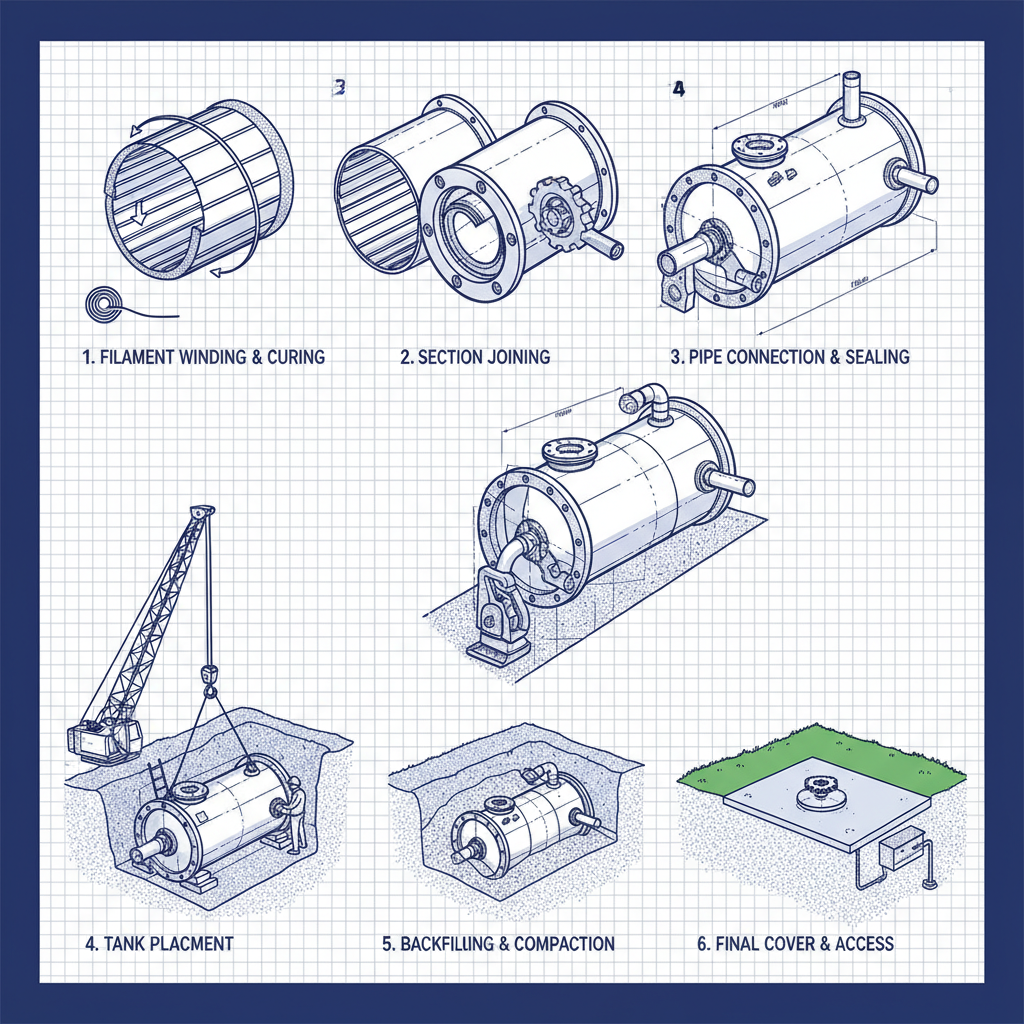
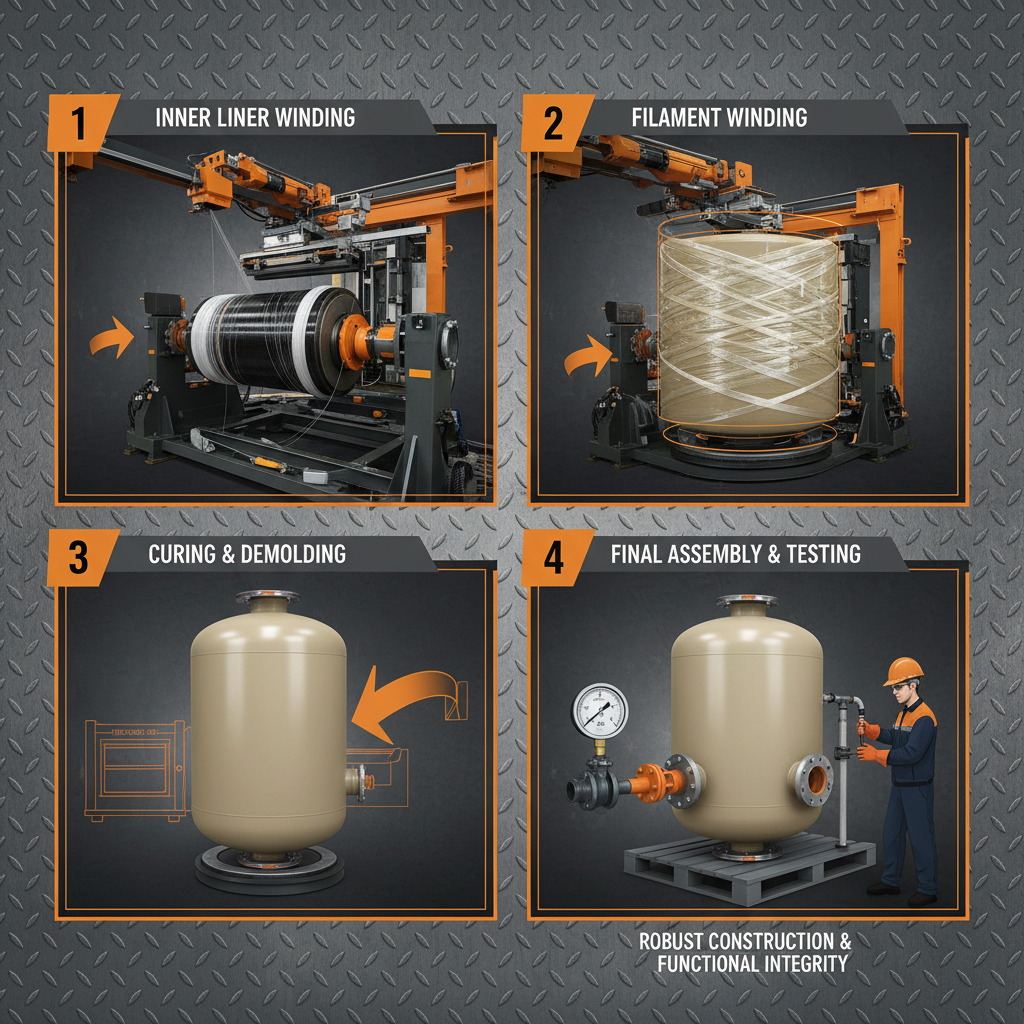
At their core, fiberglass panel tanks are modular storage tanks made from fiberglass-reinforced plastic (FRP) panels. These panels are manufactured off-site, then shipped flat to the destination for assembly, making transportation and installation much easier. Think of them as giant LEGO® blocks, but instead of bricks, you get chemical-resistant, super-strong fiberglass panels.

The real magic lies in their design. The tanks can be customized in shape and size, scaled from small water tanks in remote villages to massive chemical storage facilities in industrial zones. Beyond industry, humanitarian groups increasingly use these tanks to store clean water in disaster relief settings — a quick setup can mean the difference between safe drinking water and epidemics.

Durability: Built to Last in Tough Conditions

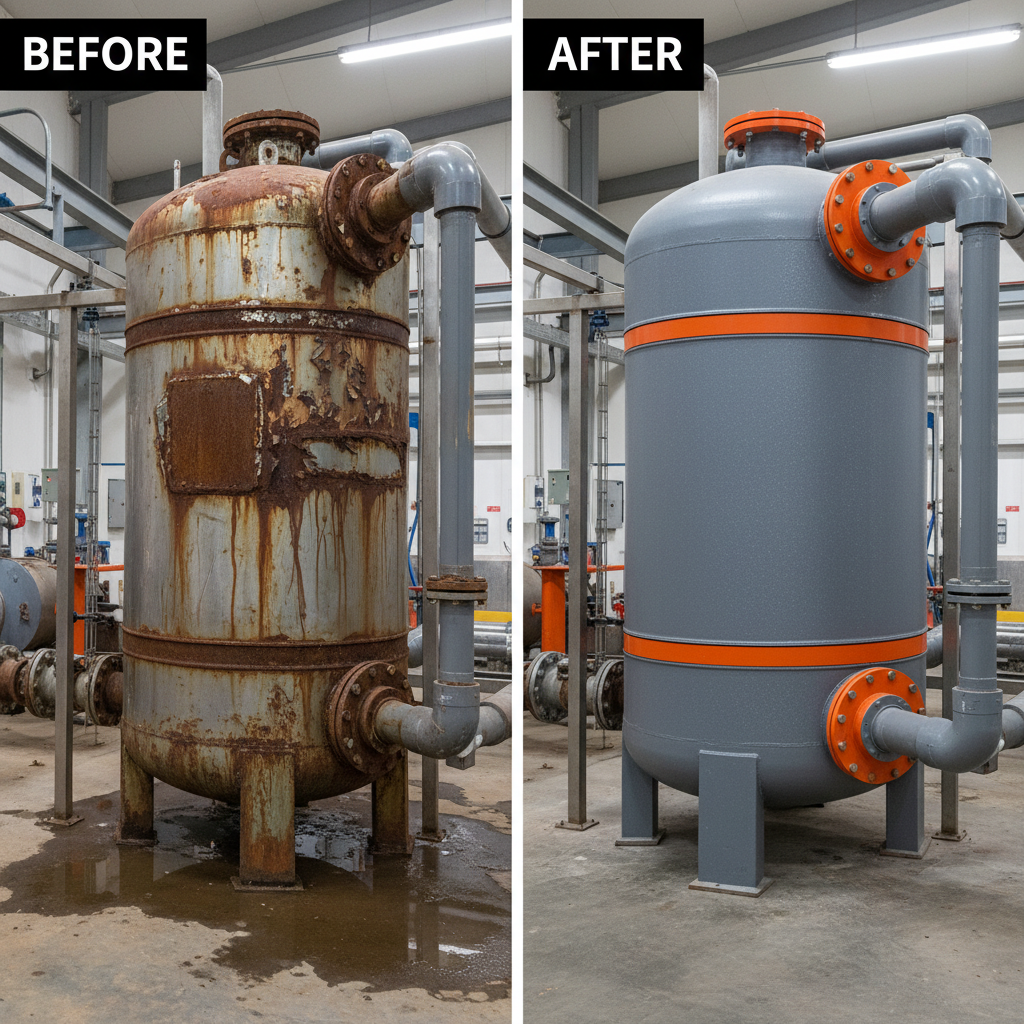
Fiberglass’ corrosion resistance to acids, salts, and alkalis means these tanks outlast many metal alternatives. Many engineers report operational lifespans exceeding 20 years, especially in marine or chemical environments where corrosion would whittle down steel tanks.

Scalability & Modular Design

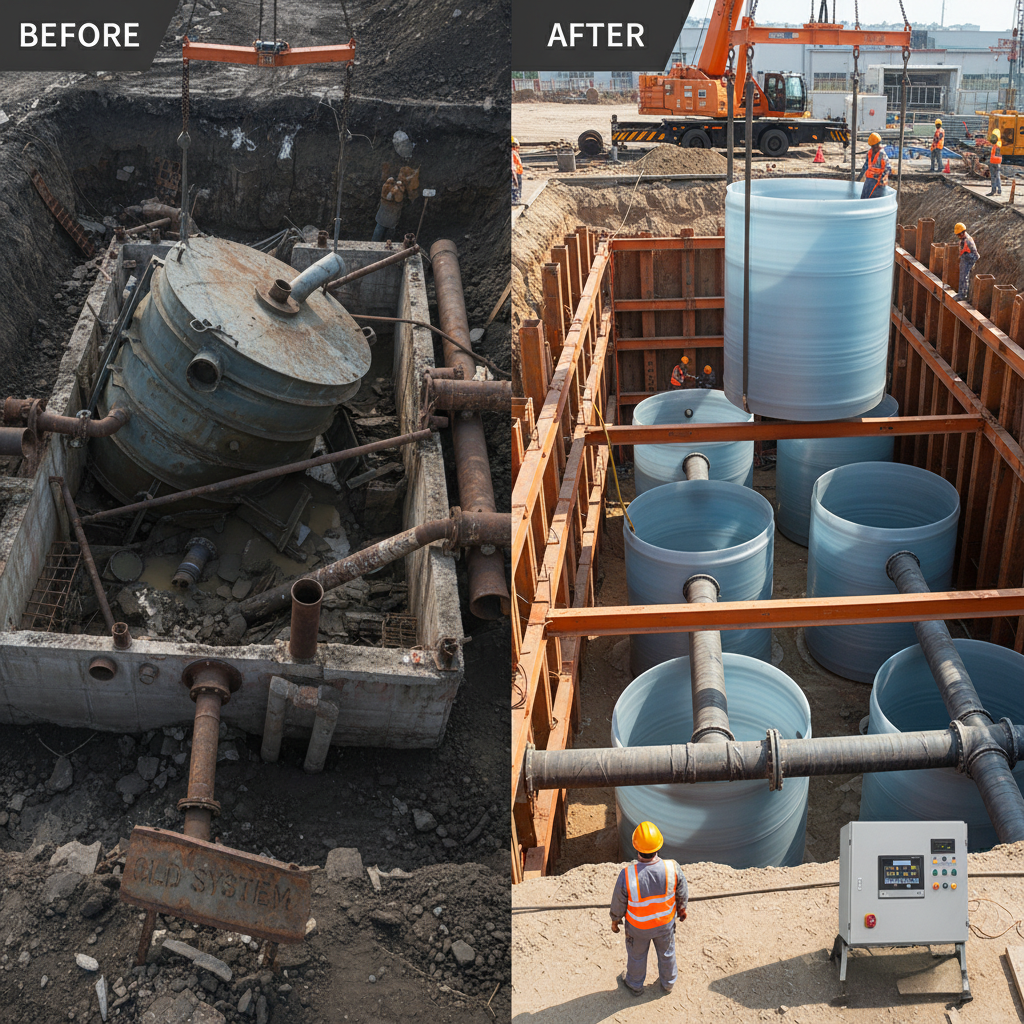
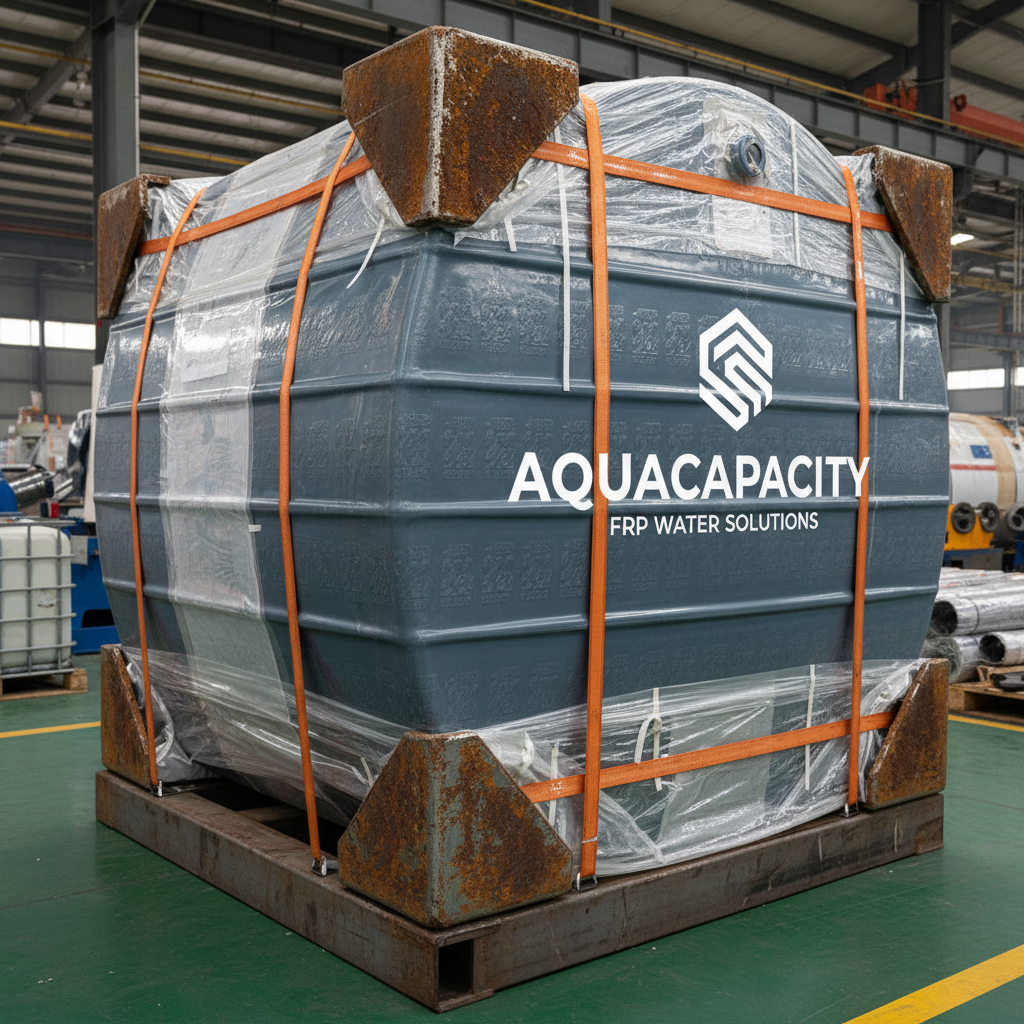
The biggest charm of panel tanks is their assembly flexibility. Shipping flat panels slashes freight costs and makes installation feasible even in remote areas where cranes or heavy machinery might be unavailable—something rarely mentioned but critically important to on-site teams.

Cost Efficiency: Saving Now, Saving Later

True, initial costs can be somewhat comparable with other tanks. But when you factor in durability, low maintenance, and rapid deployment, the long-term value adds up. In many cases, clients report a 30-50% reduction in lifecycle costs compared to composites or steel.

Environmental Impact

Fiberglass panel tanks are lighter, requiring fewer resources to produce and transport. Many manufacturers now incorporate recycled materials into their panels, aligning with circular economy principles. This isn't just greenwashing — it’s a shift industry insiders watch closely.

Applications Around the World: Real-Life Examples

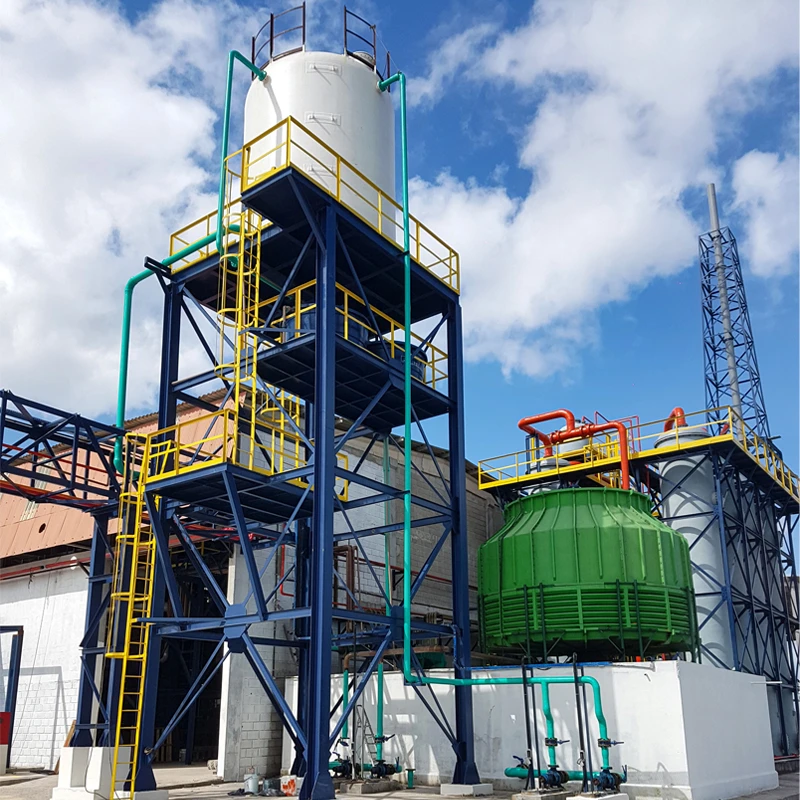
From the deserts of the Middle East to the humid tropics of Southeast Asia, fiberglass panel tanks find use across sectors:

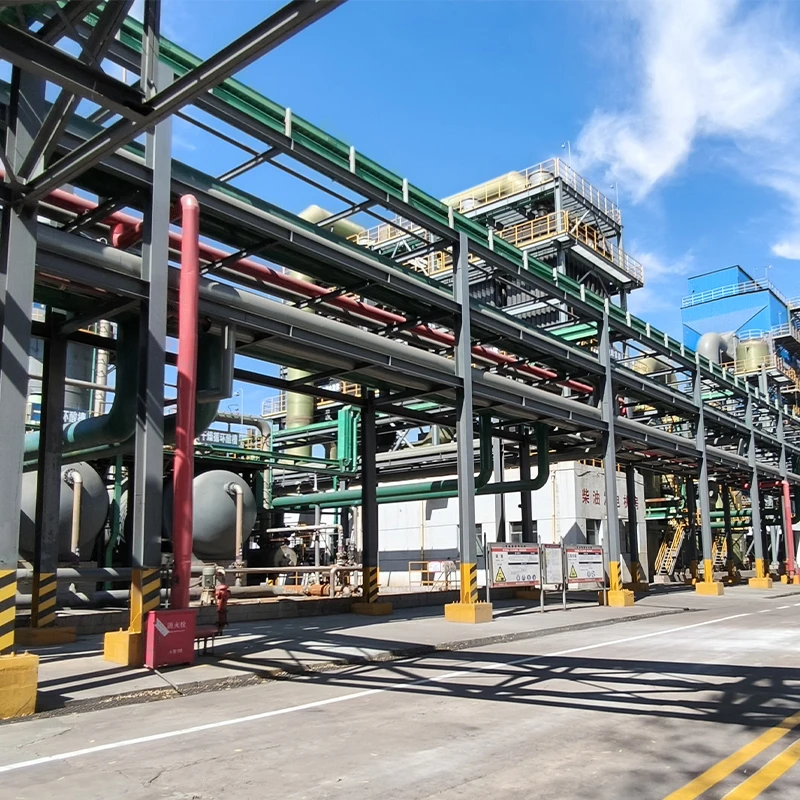
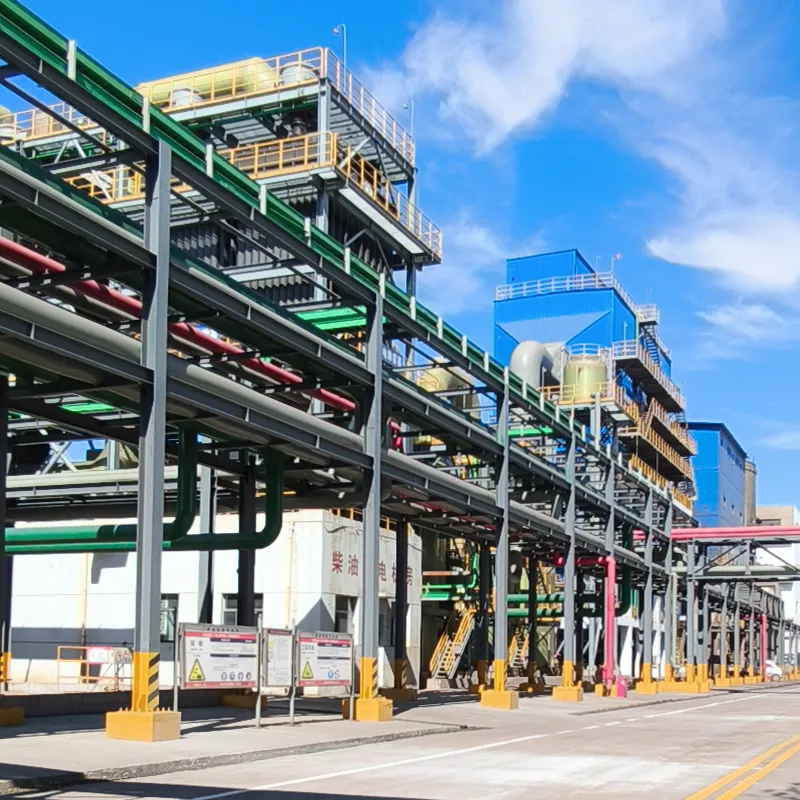
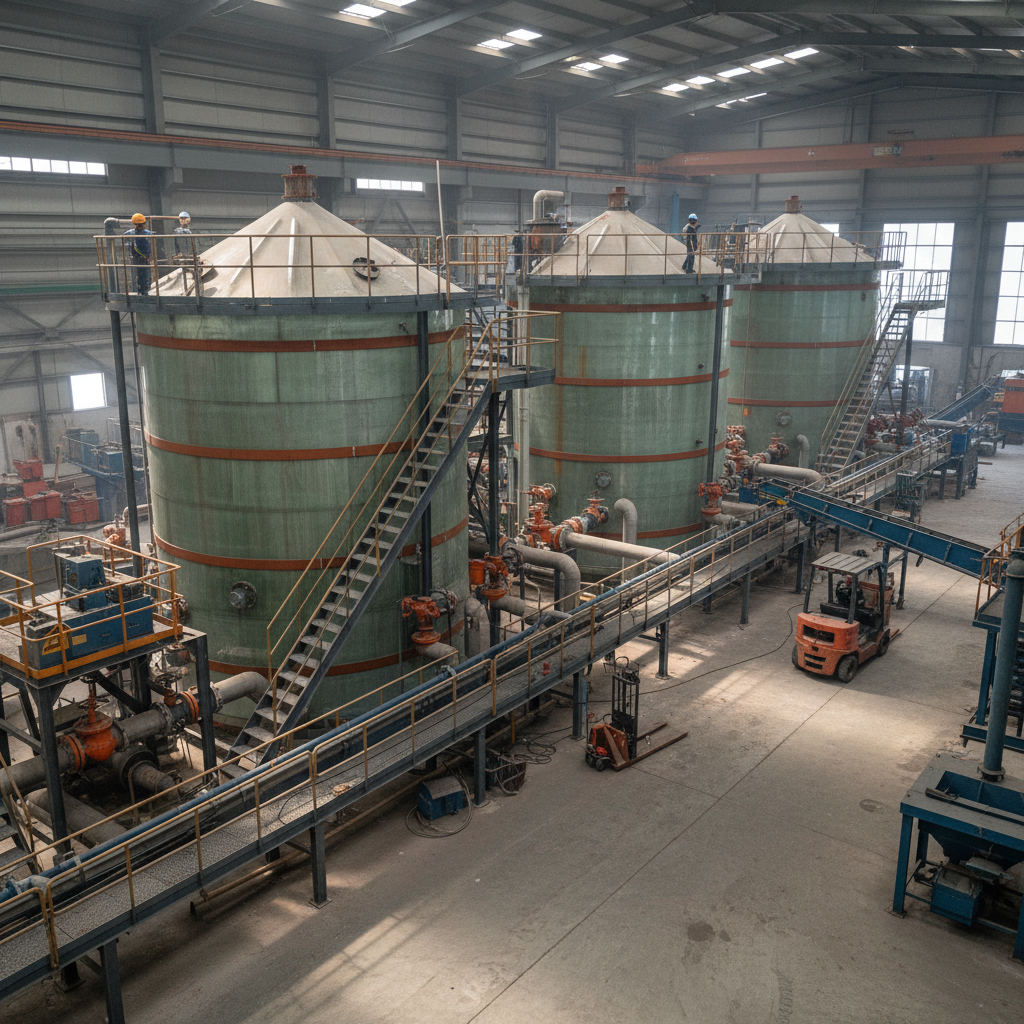
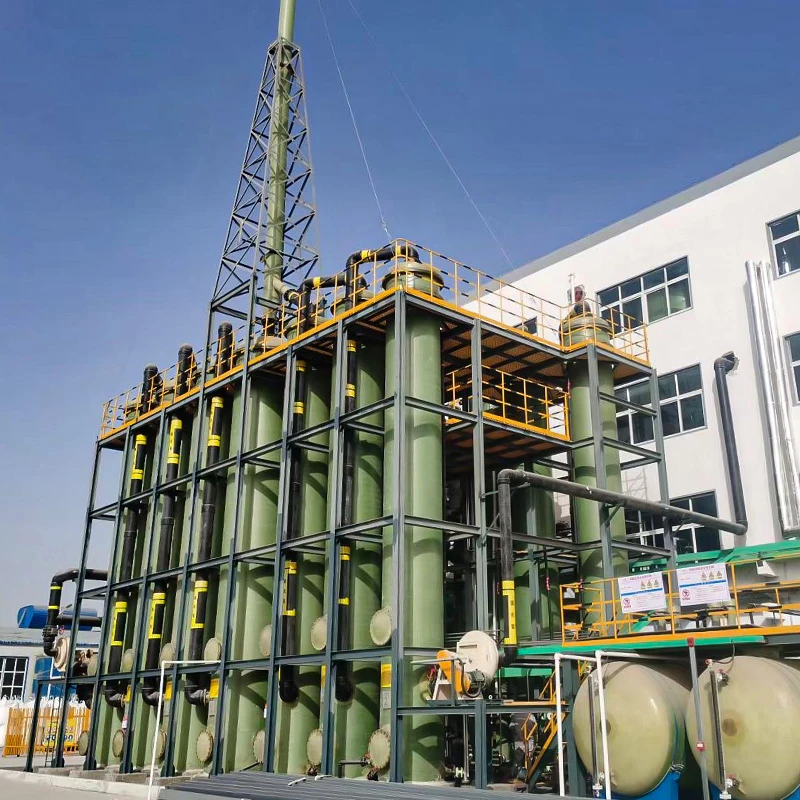
  • Industrial Chemical Storage: In China’s massive chemical hubs, large panel tanks store acids and solvents safely, preventing environmental incidents.
  • Municipal Water Storage: In drought-prone regions like California and Australia, modular water tanks support emergency reserves.
  • Post-Disaster Relief: NGOs running relief operations in disaster-hit zones such as the Philippines deploy these tanks for clean water fast, bypassing long construction delays.
  • Food & Beverage Industry: Fiberglass panel tanks serve as fermentation and storage vessels, especially where hygiene and corrosion resistance are key.

Basically, if it’s about safe, scalable storage — these tanks are becoming the go-to solution globally.

Quick Takeaway:

Fiberglass panel tanks meld durability, flexibility, and environmental focus in a package that’s ready to tackle modern storage challenges — from industry to humanitarian efforts.

Product Specifications: A Typical Fiberglass Panel Tank

Specification Details
Material Fiberglass Reinforced Plastic (FRP)
Panel Thickness 12-25 mm (customizable)
Standard Sizes From 1,000 up to 100,000 liters
Assembly Bolt-and-gasket system for easy sealing
Chemical Resistance Acids, alkalis, salts, hydrocarbons
Expected Lifespan 20+ years with minimal maintenance

Vendor Comparison: Leading Fiberglass Panel Tank Providers

Vendor Product Range Customization Sustainability Typical Lead Time
Company A Small to mid-range tanks (1,000–50,000 L) High — custom sizes & specs Uses recycled panels 4-6 weeks
Company B Large industrial tanks (up to 100,000 L) Moderate custom options Energy-efficient manufacturing 6-8 weeks
Company C Modular tanks for emergency response Ready-made standard sizes Focus on reusability 2-3 weeks

Advantages and Long-Term Value

The true advantage of fiberglass panel tanks isn’t just the ability to store liquid safely. It’s their reliability over years that can redefine operating budgets and safety records. I’ve spoken with plant managers who swear by these tanks—not just for their chemical resistance, but because downtime is nearly zero.

From an environmental angle, their lightweight nature reduces carbon footprints during transportation. Socially, providing clean water with these tanks enhances dignity for communities, especially in disaster-struck regions.

Looking Ahead: Innovations and Trends

Innovation in materials means newer fiberglass composites are stronger and more environmentally friendly. Digitalization is seeping in, too: sensors embedded in panels will soon let operators monitor tank integrity remotely, preventing leaks before they happen.

Green energies, such as solar-powered water pumping systems, are pairing with fiberglass tanks to create autonomous water storage hubs in off-grid areas. The future feels modular, smart, and sustainable.

Challenges & Solutions

It’s not all roses. Some challenges include initial investment perception, complex regulations when storing hazardous chemicals, and maintenance ignorance. But the industry is responding. Advanced training programs and streamlined installation manuals are making life easier for field engineers. Automated monitoring systems also bridge the maintenance gap, allowing for preventive care rather than reactive fixes.

Frequently Asked Questions About Fiberglass Panel Tanks

Q1: How resistant are fiberglass panel tanks to extreme weather?
A1: Fiberglass panel tanks are designed to withstand harsh weather, including UV exposure, heavy rain, and temperature fluctuations. Their corrosion resistance and modular bolted design allow for expansions or repairs without compromising strength.
Q2: Can these tanks be used for potable water storage?
A2: Absolutely. When manufactured with FDA-approved resins, fiberglass panel tanks are safe for potable water storage. Many municipal water programs prefer them due to hygiene and easy cleaning.
Q3: What’s the typical installation time on-site?
A3: Depending on size, installation can take anywhere from a day for small tanks to a few weeks for large industrial setups. The bolt-together assembly process saves time compared to welded steel tanks.
Q4: Are fiberglass panel tanks recyclable?
A4: While fiberglass isn’t traditionally recyclable like metals, advances have introduced options for repurposing panels. Some manufacturers recycle scrap and end-of-life tanks into new composites, reducing waste.
Q5: How do I buy or import fiberglass panel tanks internationally?
A5: Many vendors offer full export support, including documentation and logistics help. It’s best to work with suppliers experienced in international shipping to ensure compliance with local import regulations.

Wrapping Up: Why Fiberglass Panel Tanks Are Worth Considering

When you step back, fiberglass panel tanks offer a rare blend of durability, flexibility, and eco-friendliness that can’t be overlooked in today’s industrial and humanitarian landscapes. Whether you’re managing industrial waste, ensuring safe water for communities, or running disaster relief operations, these tanks deliver long-term value with less hassle.

If you want to know more, or are ready to explore your options in fiberglass panel tanks, visit our website for detailed specs, case studies, and expert support. You might find yourself wondering how you managed without them.
References & Further Reading

  1. United Nations on Water Scarcity
  2. ISO Environmental Standards
  3. Fiberglass – Wikipedia
Upsell Products
Upsell News
Durable FRP Vessel for Water Treatment and Industrial Filtration
Apr 16,2026
Durable FRP Vessel for Water Treatment and Industrial Filtration
In the modern era of industrial and residential water purification, the choice of containment materials is critical for efficiency and longevity. An frp vessel for water treatment has emerged as the gold standard, replacing traditional steel tanks due to its superior corrosion resistance and lightweight properties. Whether you are dealing with desalination, softening, or filtration, using Fiber Reinforced Plastic (FRP) ensures that your system remains leak-proof and durable against aggressive chemicals. In this comprehensive guide, we will explore why FRP is the preferred choice for water treatment professionals worldwide and how to select the right vessel for your specific application.
Industrial Guide for Choosing the Right FRP Vertical Tank
Apr 09,2026
Industrial Guide for Choosing the Right FRP Vertical Tank
In today's industrial landscape, the storage of corrosive chemicals and aggressive liquids requires materials that can withstand extreme conditions without degrading. The frp vertical tank has emerged as a premier solution, offering an exceptional balance of strength, lightweight properties, and unmatched chemical resistance. Whether you are managing a water treatment plant or a chemical processing facility, understanding the nuances of Fiber Reinforced Plastic (FRP) is essential for ensuring operational safety and longevity. In this comprehensive guide, we will explore why vertical configurations are preferred and how these tanks outperform traditional metal alternatives.
Comprehensive Guide to FRP Underground Water Tank Solutions and Applications
Apr 07,2026
Comprehensive Guide to FRP Underground Water Tank Solutions and Applications
Fiberglass Reinforced Polymer (FRP) underground water tanks are becoming increasingly popular for a wide range of applications, from potable water storage to industrial wastewater containment. Their superior corrosion resistance, lightweight nature, and design flexibility make them an excellent alternative to traditional materials like concrete or steel. This article will delve into the benefits, applications, construction, and considerations for implementing FRP underground water tanks, providing a comprehensive overview for engineers, contractors, and project managers.
Comprehensive Guide to Frp Underground Water Storage Tanks and Their Applications
Apr 04,2026
Comprehensive Guide to Frp Underground Water Storage Tanks and Their Applications
When considering water storage solutions, particularly for industrial, agricultural, or municipal applications, frp underground water storage tanks stand out as a durable, cost-effective, and environmentally friendly option. These tanks are increasingly favored over traditional materials like concrete or steel due to their superior corrosion resistance, lighter weight, and ease of installation. This article delves into the benefits, applications, construction, and considerations when choosing an FRP tank, providing a detailed overview for potential buyers and project planners.
Sulfuric Acid Production Line - Hebei Aoliande|Efficient H2SO4 Plant Technology
Apr 01,2026
Sulfuric Acid Production Line - Hebei Aoliande|Efficient H2SO4 Plant Technology
Discover efficient H2SO4 plant technology and advanced sulfuric acid production solutions. Hebei Aoliande combines energy-saving furnace design and eco-friendly HCl recovery systems for sustainable industrial applications. Explore now: https://www.frpgrpmachine.com/sulfuric-acid-production-line-for-h2so4-plant.html
Sulfuric Acid Production Line - Hebei Aoliande|Efficient H2SO4 Plant Technology
Apr 01,2026
Sulfuric Acid Production Line - Hebei Aoliande|Efficient H2SO4 Plant Technology
Discover efficient H2SO4 plant technology and advanced sulfuric acid production solutions. Hebei Aoliande combines energy-saving furnace design and eco-friendly HCl recovery systems for sustainable industrial applications. Explore now: https://www.frpgrpmachine.com/sulfuric-acid-production-line-for-h2so4-plant.html
Sulfuric Acid Production Line - Hebei Aoliande|Efficient H2SO4 Plant Technology
Apr 01,2026
Sulfuric Acid Production Line - Hebei Aoliande|Efficient H2SO4 Plant Technology
Discover efficient H2SO4 plant technology and advanced sulfuric acid production solutions. Hebei Aoliande combines energy-saving furnace design and eco-friendly HCl recovery systems for sustainable industrial applications. Explore now: https://www.frpgrpmachine.com/sulfuric-acid-production-line-for-h2so4-plant.html
Sulfuric Acid Production Line - Hebei Aoliande|Efficient H2SO4 Plant Technology
Apr 01,2026
Sulfuric Acid Production Line - Hebei Aoliande|Efficient H2SO4 Plant Technology
Discover efficient H2SO4 plant technology and advanced sulfuric acid production solutions. Hebei Aoliande combines energy-saving furnace design and eco-friendly HCl recovery systems for sustainable industrial applications. Explore now: https://www.frpgrpmachine.com/sulfuric-acid-production-line-for-h2so4-plant.html
Sulfuric Acid Production Line - Hebei Aoliande|Efficient H2SO4 Plant Technology
Apr 01,2026
Sulfuric Acid Production Line - Hebei Aoliande|Efficient H2SO4 Plant Technology
Discover efficient H2SO4 plant technology and advanced sulfuric acid production solutions. Hebei Aoliande combines energy-saving furnace design and eco-friendly HCl recovery systems for sustainable industrial applications. Explore now: https://www.frpgrpmachine.com/sulfuric-acid-production-line-for-h2so4-plant.html
Sulfuric Acid Production Line - Hebei Aoliande|Efficient H2SO4 Plant Technology
Apr 01,2026
Sulfuric Acid Production Line - Hebei Aoliande|Efficient H2SO4 Plant Technology
Discover efficient H2SO4 plant technology and advanced sulfuric acid production solutions. Hebei Aoliande combines energy-saving furnace design and eco-friendly HCl recovery systems for sustainable industrial applications. Explore now: https://www.frpgrpmachine.com/sulfuric-acid-production-line-for-h2so4-plant.html
Comprehensive Guide to Frp Underground Storage Tanks for Reliable Storage Solutions
Mar 31,2026
Comprehensive Guide to Frp Underground Storage Tanks for Reliable Storage Solutions
Fiberglass Reinforced Polymer (FRP) underground storage tanks are becoming increasingly popular for a wide range of applications, from fuel storage to wastewater management. Their corrosion resistance, lightweight nature, and durability offer significant advantages over traditional materials like steel. This article will provide an in-depth look at FRP underground storage tanks, covering their benefits, applications, installation, and maintenance. Understanding these aspects is crucial for making informed decisions about long-term storage solutions.
Comprehensive Guide to Selecting the Ideal FRP Tank for Water Storage Solutions
Mar 28,2026
Comprehensive Guide to Selecting the Ideal FRP Tank for Water Storage Solutions
When it comes to reliable and durable water storage, FRP tanks for water are increasingly becoming the preferred solution for a wide range of applications. These tanks, constructed from Fiber Reinforced Polymer (FRP) materials, offer significant advantages over traditional storage options like steel or concrete. This article delves into the benefits, applications, and considerations when selecting an FRP tank for your water storage needs, providing a detailed overview for businesses and individuals alike.
Comprehensive Guide to Frp Tank and Vessel Applications and Manufacturing
Mar 26,2026
Comprehensive Guide to Frp Tank and Vessel Applications and Manufacturing
Fiber Reinforced Polymer (FRP) tanks and vessels are increasingly becoming the preferred choice for storage and processing across a multitude of industries. Their lightweight nature, corrosion resistance, and design flexibility offer significant advantages over traditional materials like steel. This article will delve into the intricacies of FRP tanks and vessels, exploring their applications, manufacturing processes, benefits, and considerations for selecting the right solution for your specific needs. We’ll also highlight why FRP tanks are a cost-effective and reliable long-term investment. FRP tanks and vessels are constructed from a combination of reinforcing fibers (such as fiberglass, carbon fiber, or aramid fiber) embedded in a polymer matrix (typically polyester, vinyl ester, or epoxy resin). This combination creates a composite material that boasts high strength-to-weight ratio, exceptional corrosion resistance, and the ability to be molded into complex shapes. They’re designed to safely contain a wide variety of liquids and gases, ranging from corrosive chemicals and water to food products and pharmaceuticals.
Optimizing Water Filtration with Durable FRP Sand Filter Vessels
Mar 24,2026
Optimizing Water Filtration with Durable FRP Sand Filter Vessels
In water treatment and filtration systems, the choice of filter vessel material is paramount. Fiber Reinforced Plastic (FRP), also known as Glass Reinforced Polymer (GRP), sand filter vessels are increasingly popular due to their superior corrosion resistance, lightweight nature, and cost-effectiveness. This article delves into the benefits, applications, design considerations, and factors to consider when selecting an FRP sand filter vessel. Whether you are involved in municipal water treatment, industrial wastewater management, or recreational water filtration, understanding FRP technology is essential for optimizing your filtration process. An FRP sand filter vessel is a containment unit designed to house filtration media, typically sand, gravel, and anthracite. These vessels are integral components in sand filtration systems used for removing suspended solids, turbidity, and other particulate matter from water. FRP construction involves layering glass fibers within a resin matrix (typically polyester or vinyl ester) to create a strong, durable, and chemically resistant shell. The strength and rigidity of the vessel are crucial for withstanding the pressure from the filtration media and the water flow.
Comprehensive Guide to FRP Round Tanks Applications and Benefits
Mar 21,2026
Comprehensive Guide to FRP Round Tanks Applications and Benefits
Fiber Reinforced Polymer (FRP) round tanks are increasingly becoming the preferred choice for storage solutions across a variety of industries. Their lightweight nature, corrosion resistance, and design flexibility offer significant advantages over traditional materials like steel. This article provides an in-depth look at FRP round tanks, exploring their applications, benefits, manufacturing processes, and key considerations when choosing the right tank for your needs. Whether you're in chemical processing, water treatment, or agriculture, understanding FRP round tanks is crucial for optimizing your storage infrastructure. FRP round tanks are constructed from a combination of reinforcing fibers (typically fiberglass, carbon fiber, or a blend) embedded in a polymer matrix (often polyester, vinyl ester, or epoxy resin). The round shape inherently provides excellent structural strength, distributing pressure evenly across the tank’s surface.
Comprehensive Guide to FRP Pressure Tanks Benefits and Applications
Mar 19,2026
Comprehensive Guide to FRP Pressure Tanks Benefits and Applications
Fiber Reinforced Polymer (FRP) pressure tanks are becoming increasingly popular in a wide range of industrial applications, offering a compelling alternative to traditional steel tanks. Known for their lightweight nature, corrosion resistance, and high strength-to-weight ratio, FRP tanks provide efficient and durable solutions for storing liquids and gases under pressure. This article will delve into the benefits, applications, construction, and key considerations when selecting an FRP pressure tank, helping you make an informed decision for your specific needs. Understanding the advantages of FRP technology can lead to significant cost savings and improved operational efficiency. Compared to steel, FRP pressure tanks offer several key advantages. The most significant is their superior corrosion resistance. Unlike steel, which is susceptible to rust and corrosion when exposed to various chemicals, FRP materials are inherently resistant to a wide range of corrosive substances. This translates to a longer lifespan, reduced maintenance costs, and increased safety. Furthermore, FRP is significantly lighter than steel, making installation easier and reducing transportation costs.
For More Details Pls Contact Us
Thank you for your interest in our gloves! We offer high-quality, durable, and comfortable gloves with fast delivery and competitive prices. For any questions or customization, feel free to contact us. We look forward to working with you!

If you are interested in our products, you can choose to leave your information here, and we will be in touch with you shortly.