Dec 01,2025

Fiberglass Tank Pool: Durable, Cost-Efficient Water Storage Solutions Globally

Understanding Fiberglass Tank Pools: Durable Solutions for Water Storage

Fiberglass tank pools are a fascinating topic that blends engineering, sustainability, and practical utility. Globally, fresh water storage and management remain critical challenges, especially with rising populations and climate change pressures. Enter fiberglass tank pools: lightweight, corrosion-resistant reservoirs designed to store and supply water efficiently. Understanding these systems not only boosts infrastructure planning but also supports humanitarian efforts where access to clean water means everything.

Global Context: Why Fiberglass Tank Pools Matter

Water security is a growing concern worldwide. The United Nations estimates that by 2025, nearly half of the global population could be living in water-stressed areas. Industrial development, urbanization, and agriculture all demand better water storage solutions. Fiberglass tank pools have emerged as a key technology addressing these needs — thanks largely to their durability and ease of deployment. According to ISO standards for potable water tanks, materials must resist contamination and deterioration, something fiberglass naturally excels at.

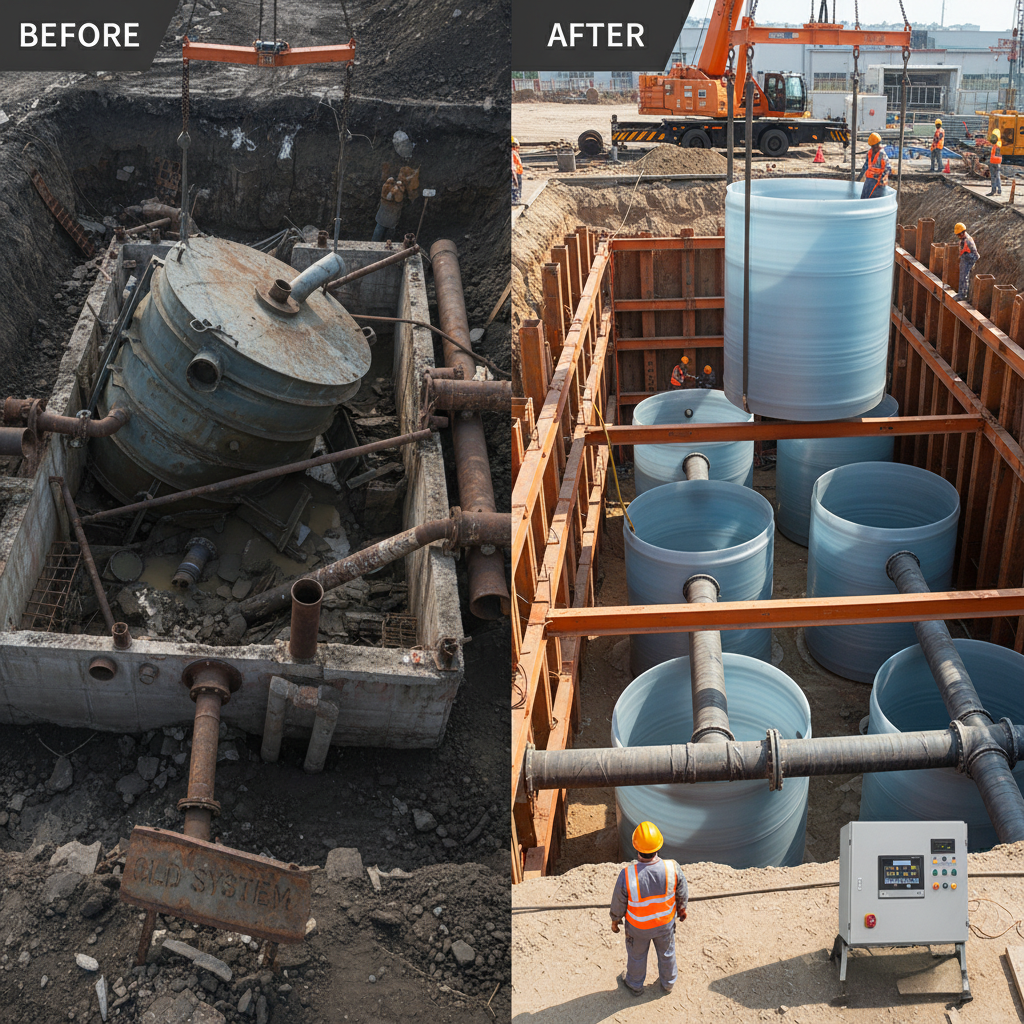
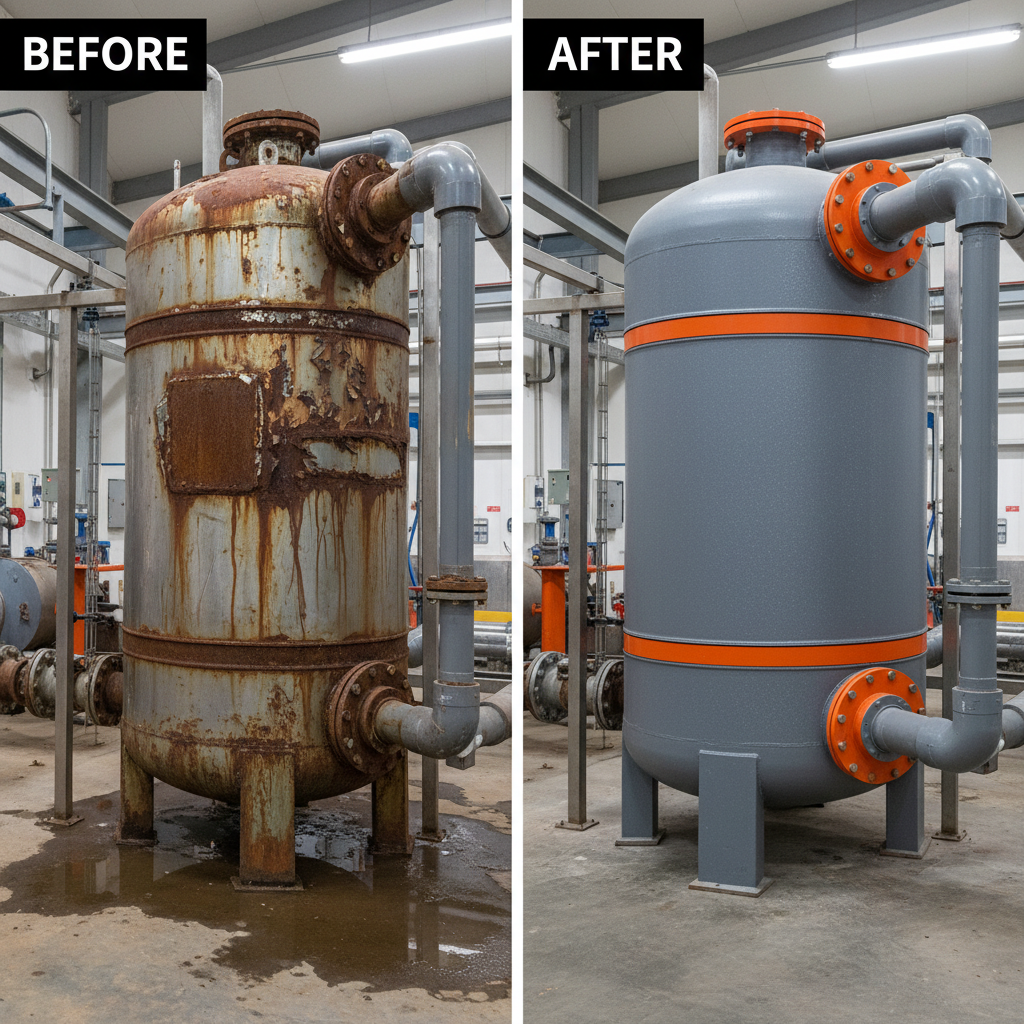
However, many regions still struggle with traditional storage tanks rusting or leaking. Fiberglass tanks' corrosion-resistant nature means fewer maintenance headaches and longer lifespans, which is crucial for developing countries or disaster relief zones. In fact, I’ve noticed in engineering forums how often technicians praise fiberglass tanks for their low life-cycle costs compared to steel or concrete alternatives.

What Exactly Is a Fiberglass Tank Pool?

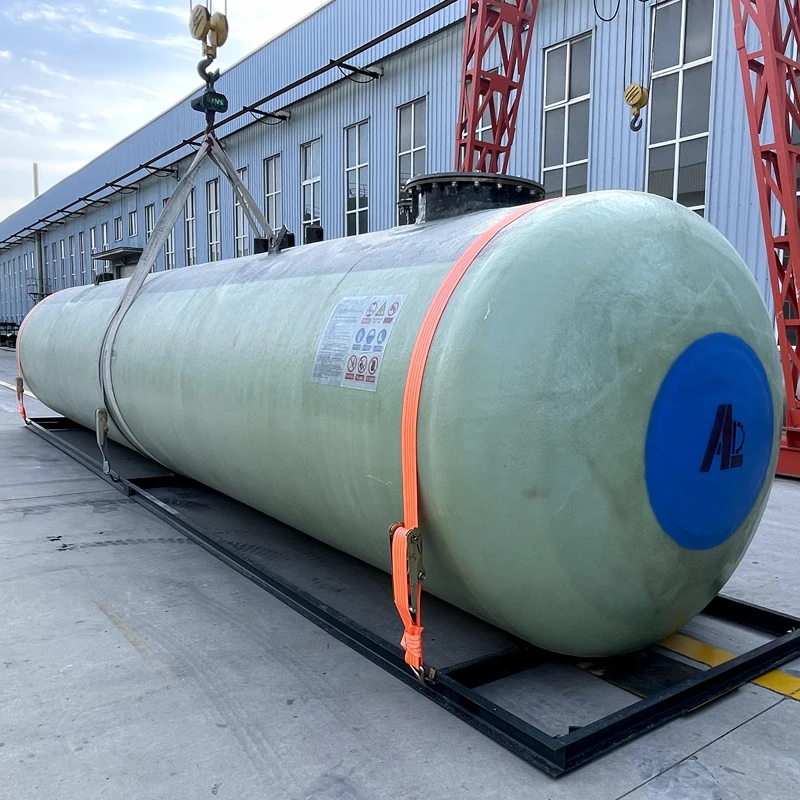
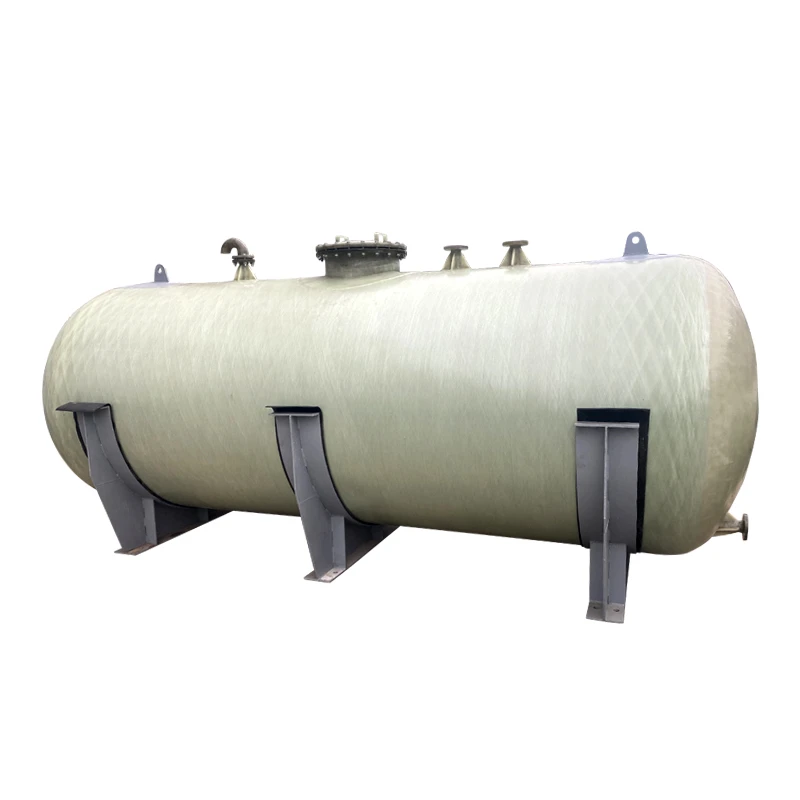
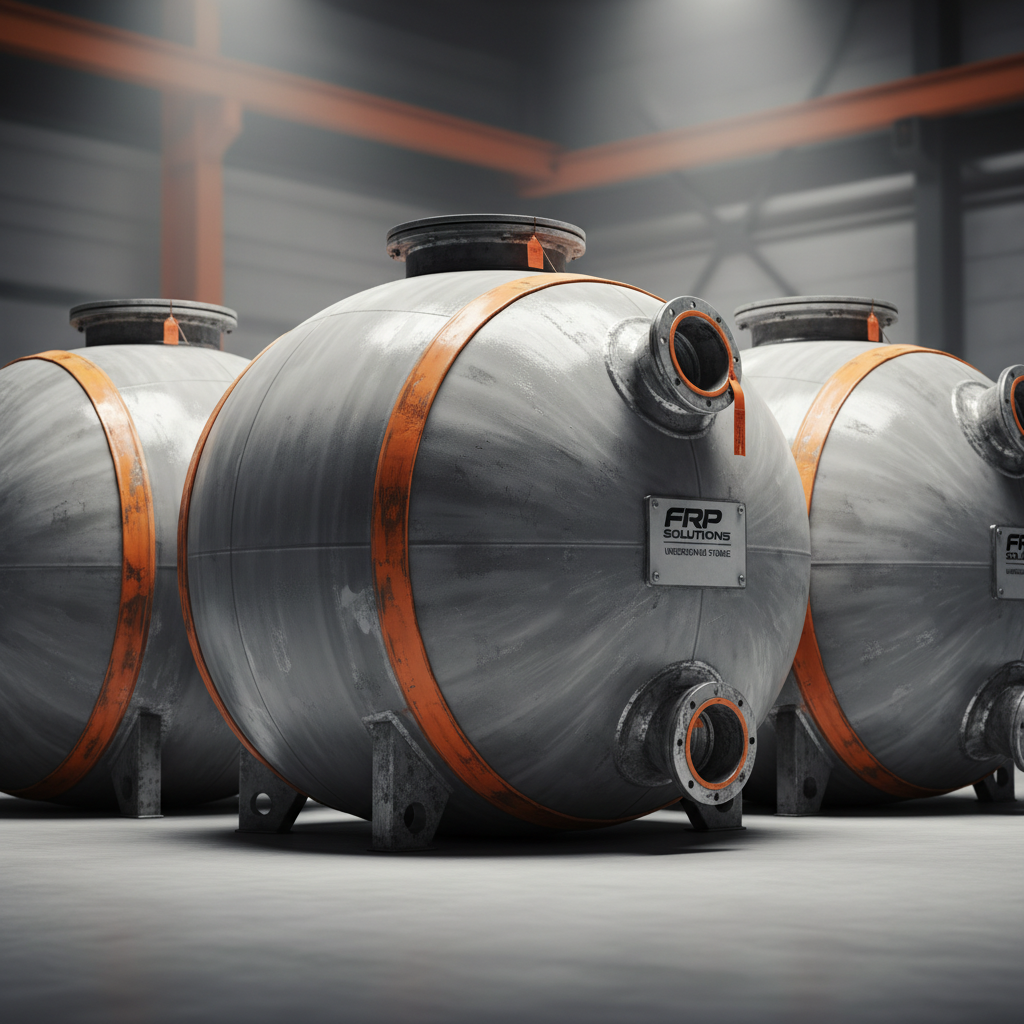
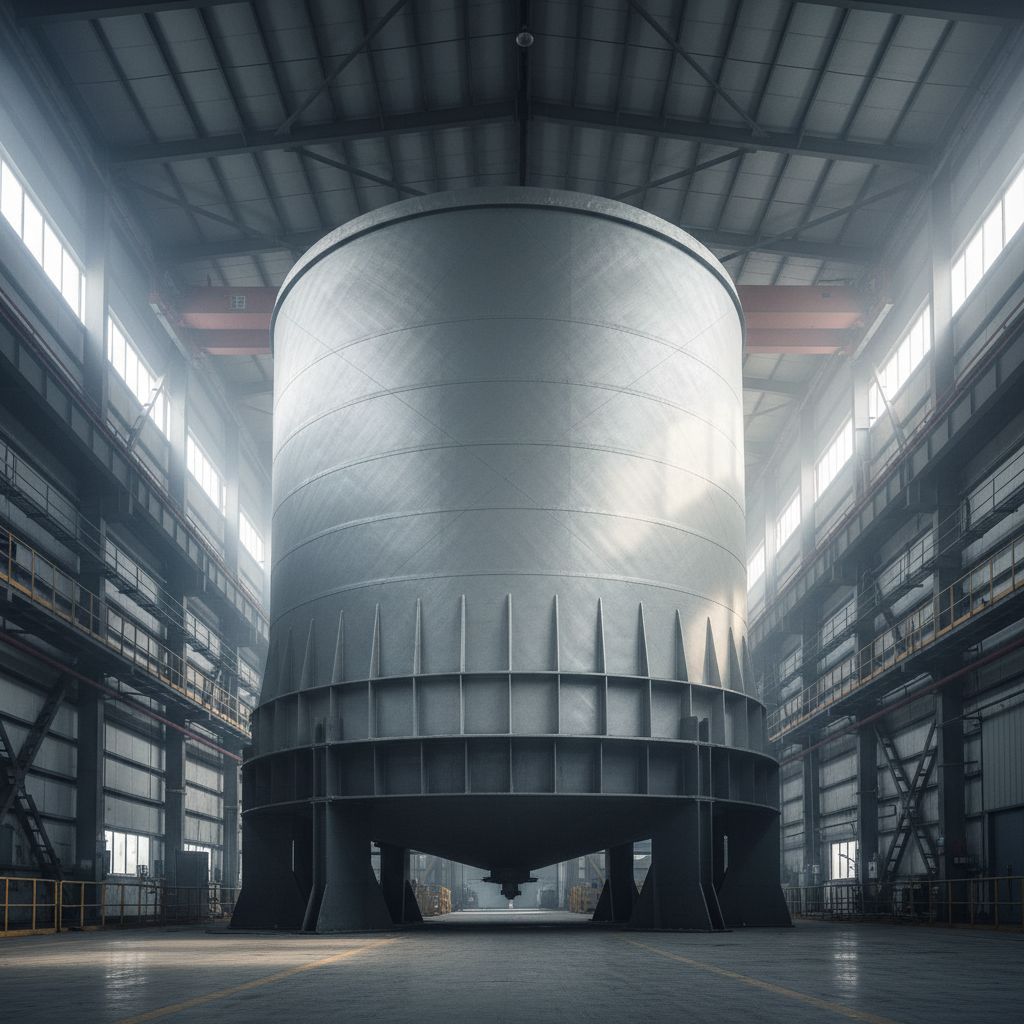
Put simply, a fiberglass tank pool is a water container made from fiberglass reinforced plastic (FRP). Think of it like a giant, tough, and waterproof bowl designed to hold water for various uses—drinking, irrigation, or even industrial processing. The “pool” part usually refers to the tank’s shape when intended for swimming or recreational water storage, but in industry terms, it’s often just a sturdy reservoir.

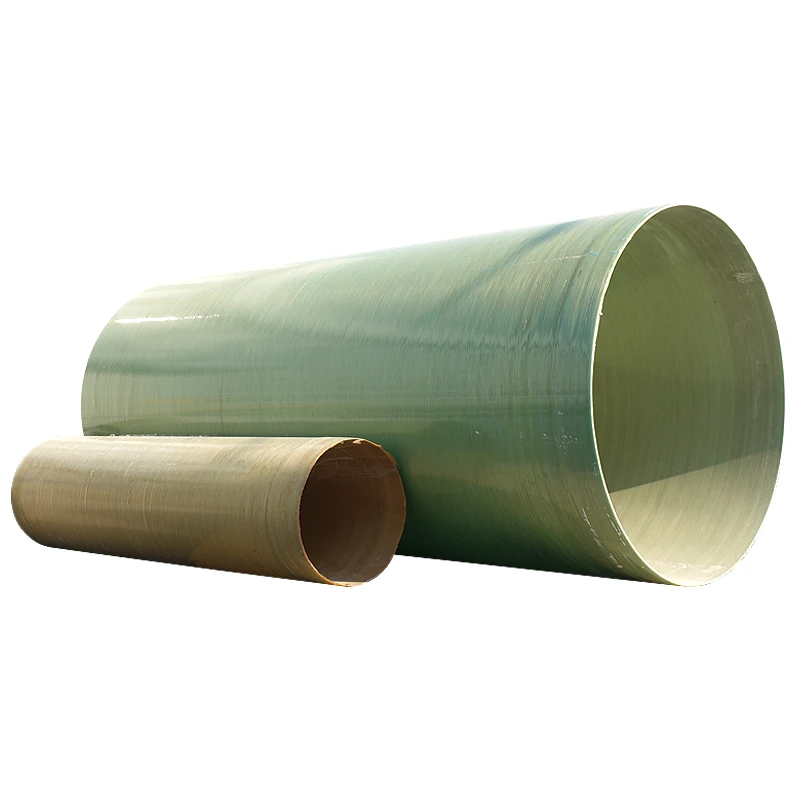
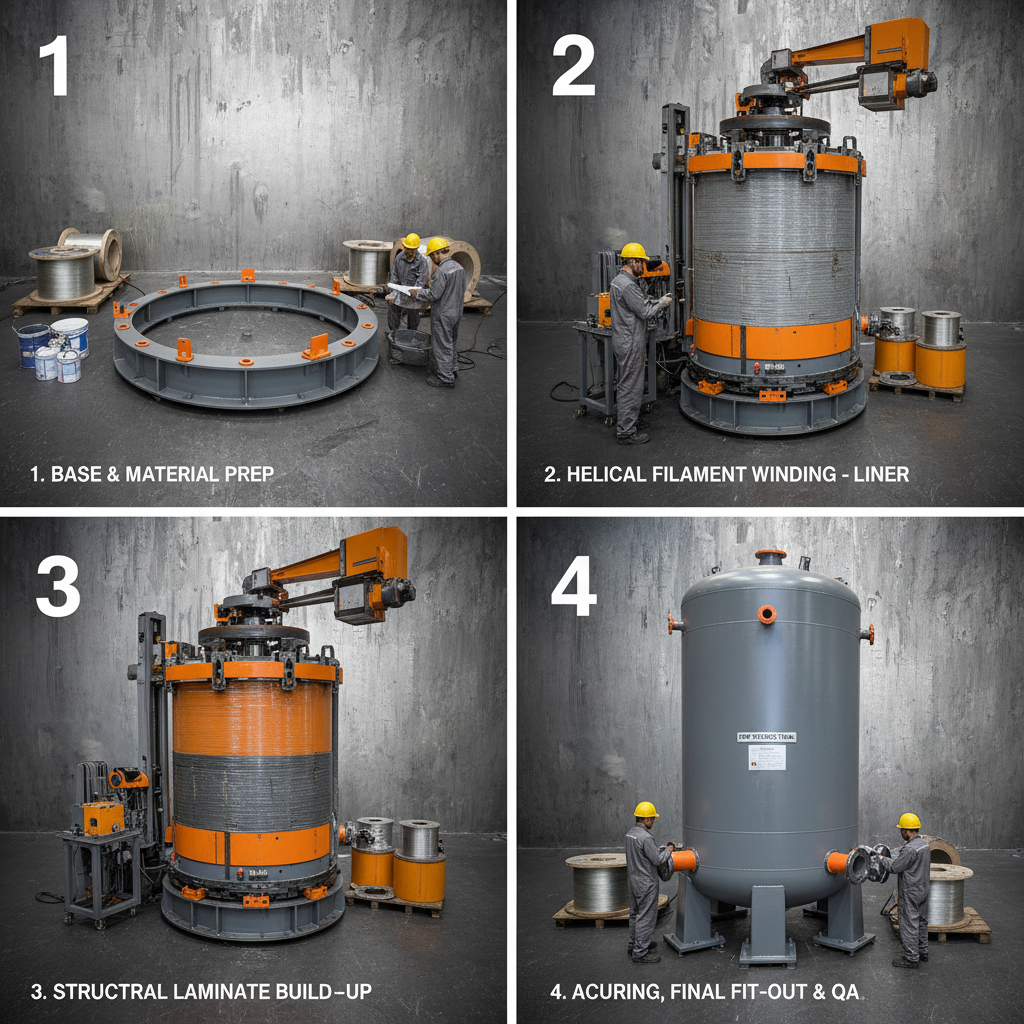
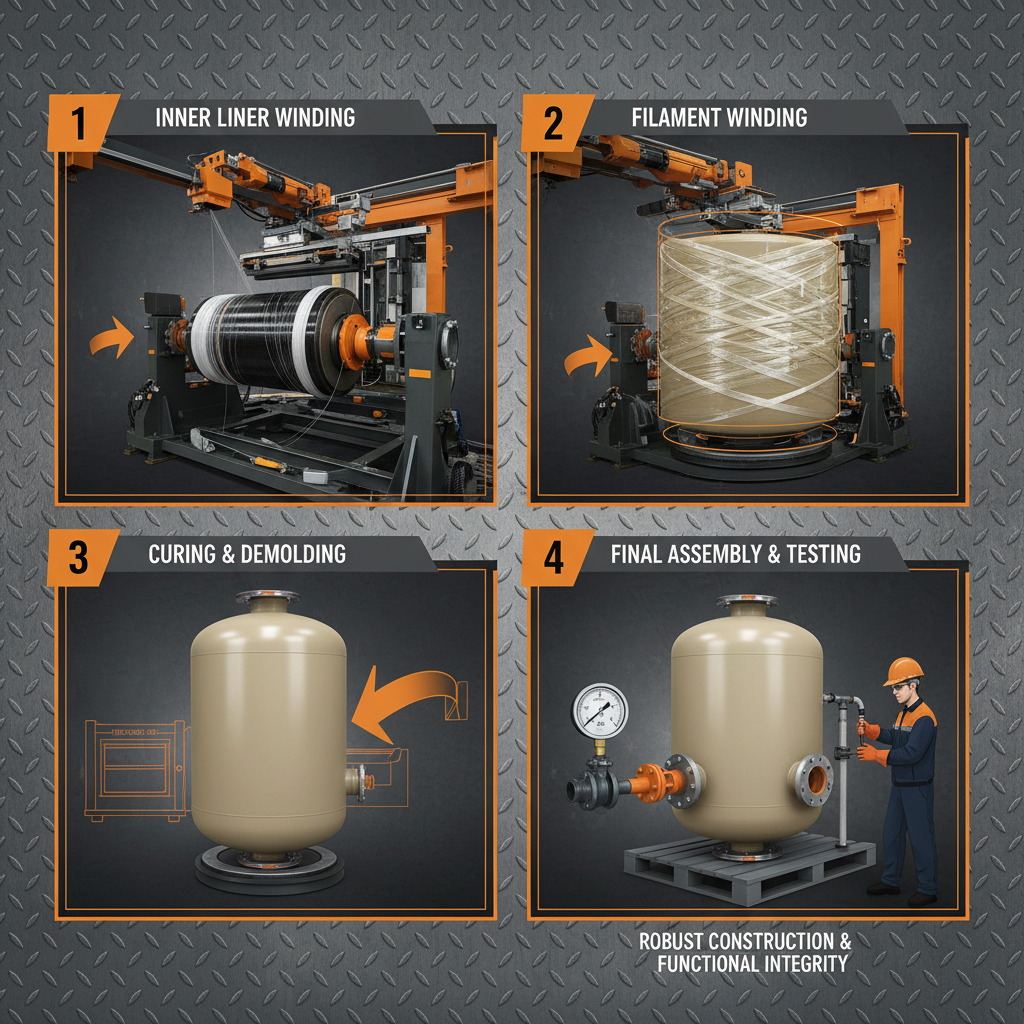
Fiberglass composites consist of strands of glass fibers embedded in a resin matrix, yielding a lightweight but incredibly strong and corrosion-resistant vessel. This ties closely into modern water infrastructure needs because it means tanks can be transported and installed in remote or challenging locations — something concrete tanks obviously struggle with due to weight.

Core Components and Key Factors

  • Durability: Fiberglass tank pools resist rust, chemicals, and UV degradation. This makes them suitable for long-term water storage in harsh climates.
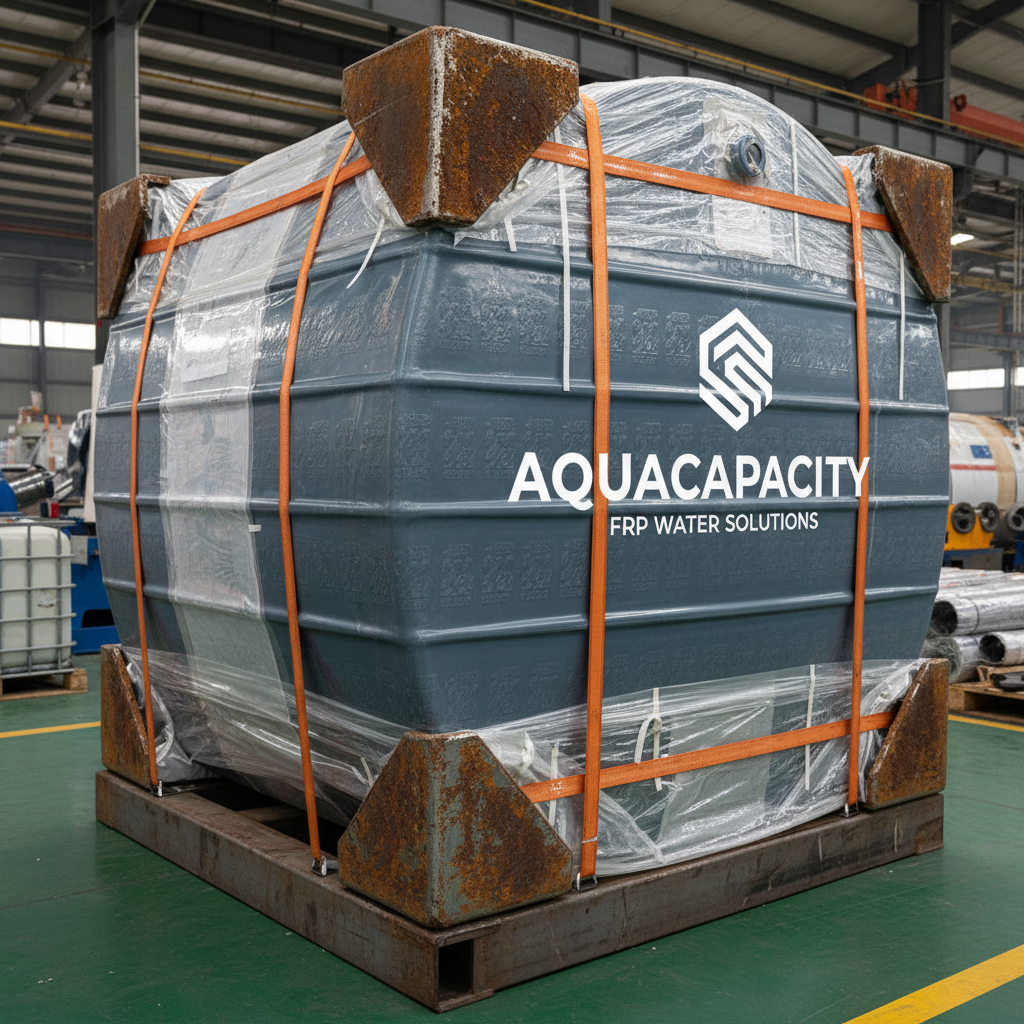
  • Lightweight Construction: Compared to steel or concrete, fiberglass tanks are much lighter, easing transportation and installation costs.
  • Cost Efficiency: While initial costs may be similar or sometimes higher, the reduced maintenance and longer lifespan often lead to overall savings.
  • Scalability: Modular designs allow fiberglass tanks to be built in various sizes and shapes, suiting small farms or large municipal systems alike.
  • Customizable Features: Tanks can include fittings, lids, insulation, and UV protection layers depending on specific user needs.

Each of these aspects plays a vital role in determining whether fiberglass tank pools fit a particular project’s needs.

Quick Snapshot: Fiberglass Tank Pool Specs

Specification Typical Range
Capacity 1000 - 50,000 gallons
Material Thickness 5 - 20 mm
Weight 200 - 4000 kg (varies with size)
Lifespan 20 - 40 years (with proper maintenance)
UV Resistance Standard + Optional Enhanced Coating

Applications Across the Globe

Interestingly, fiberglass tank pools are used everywhere water storage matters — which is nearly everywhere! For example:

  • Post-disaster relief: Agencies deploy these tanks rapidly following floods or earthquakes to provide clean water safe from contamination.
  • Agriculture in arid regions: Farmers in parts of Africa and the Middle East rely on fiberglass tanks for irrigation reservoirs, often complementing groundwater wells.
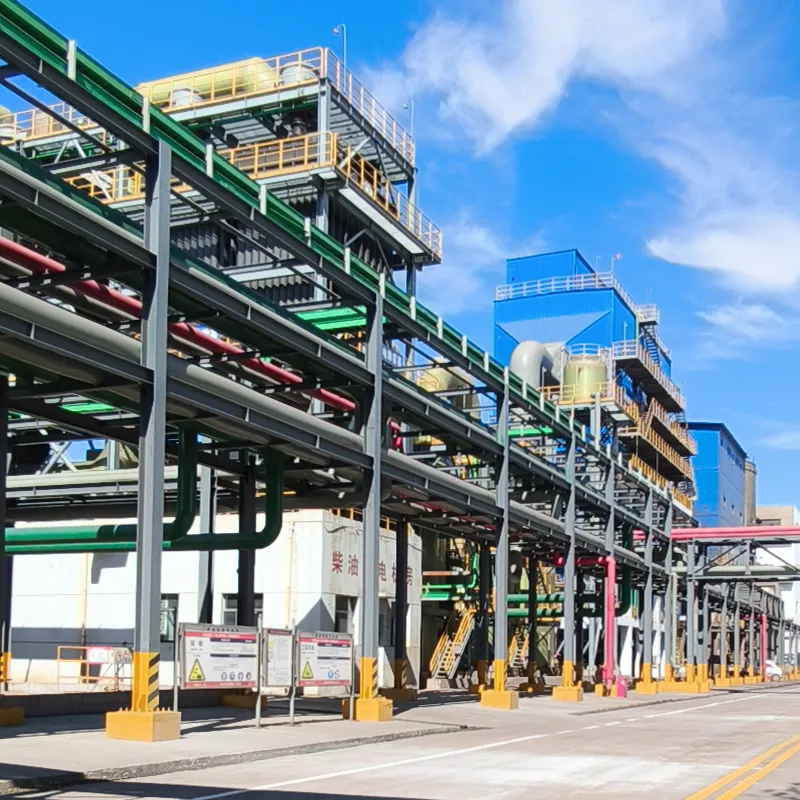
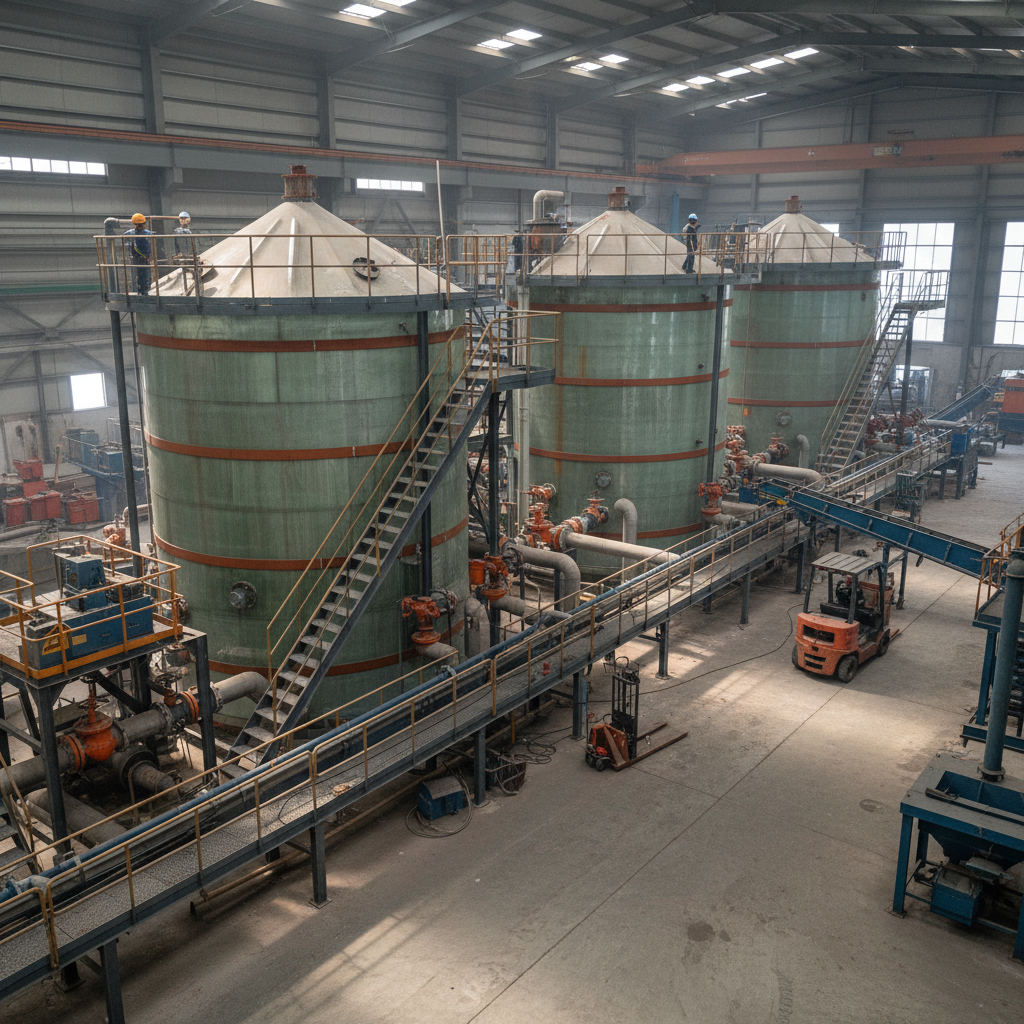
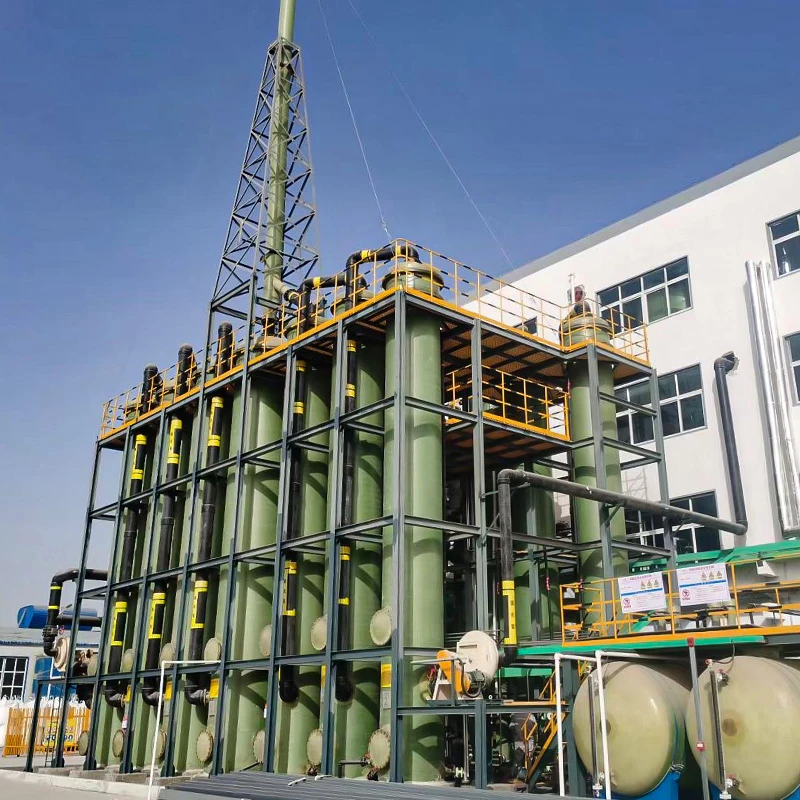
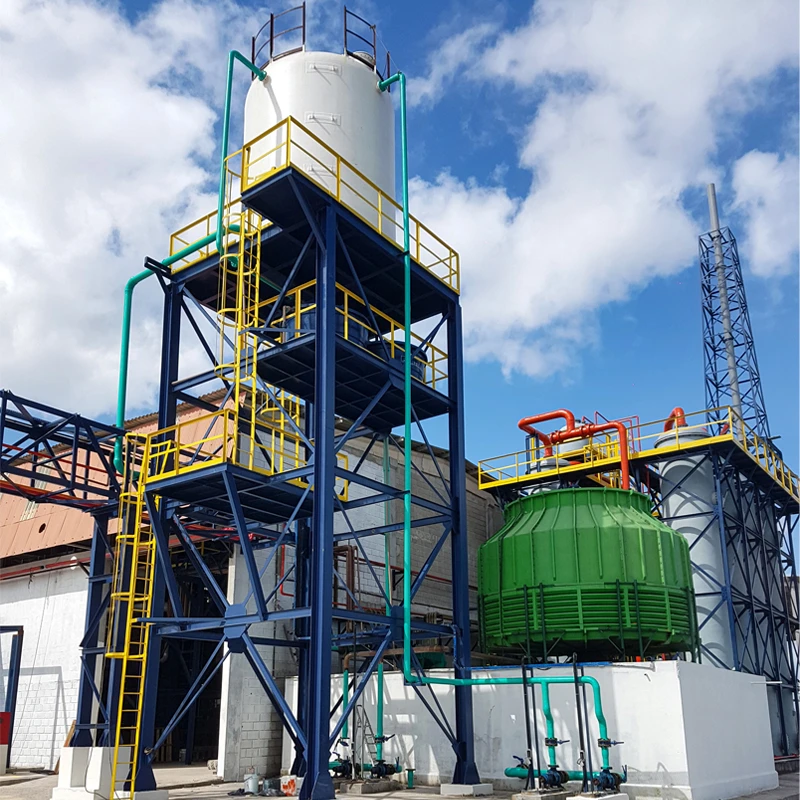
  • Industrial sectors: Chemical plants use corrosion-resistant fiberglass tanks to hold process water and certain chemicals safely.
  • Municipal water storage: Small and medium towns use fiberglass tanks as above-ground water reservoirs, often because they’re faster to install than concrete alternatives.

Oddly enough, while steel has been the traditional choice for industrial tanks, many industries have shifted towards fiberglass for its superior corrosion resistance and ease of repair.

Advantages and Long-Term Value

Beyond mere technical specs, the advantages of fiberglass tank pools feel tangible especially in challenging environments. For one, maintenance is greatly simplified — no rusting pipes or cracked concrete means less frequent repairs and lower downtime. This reliability fosters trust, especially in critical water supply applications where safety and dignity of end-users matter a lot.

Environmentally, fiberglass tanks generate fewer emissions during manufacturing compared to steel or concrete, and their long lifespan means less frequent replacements, which also contributes to sustainability goals. Financially, despite a possibly higher upfront sticker price, users often find that the total cost of ownership is lower thanks to durability and reduced service disruptions.

Vendor Comparison: Leading Fiberglass Tank Pool Suppliers

Vendor Price Range (USD) Customization Warranty Region Focus
PolyTank Co. $1,500 - $20,000 High 10 years Global
FRP Solutions Ltd. $2,000 - $18,000 Medium 8 years Asia, Africa
AquaFiberglass Inc. $1,800 - $25,000 High 12 years North America, Europe

Emerging Trends and Future Outlook

Looking ahead, the fiberglass tank pool market is evolving with innovations in materials and manufacturing processes. New resin blends improve UV resistance and environmental impact, and some manufacturers are integrating smart sensors for remote water level monitoring. This digital transformation aligns well with global sustainability efforts, especially as governments push for greener infrastructure.

On the policy front, stricter water quality regulations and ISO certification updates will likely push suppliers to improve standardization and safety. Plus, additive manufacturing techniques (think 3D printing) could streamline customization, lowering costs and lead times. The future of fiberglass tank pools seems pretty bright — and perhaps a bit smarter.

Challenges and Practical Solutions

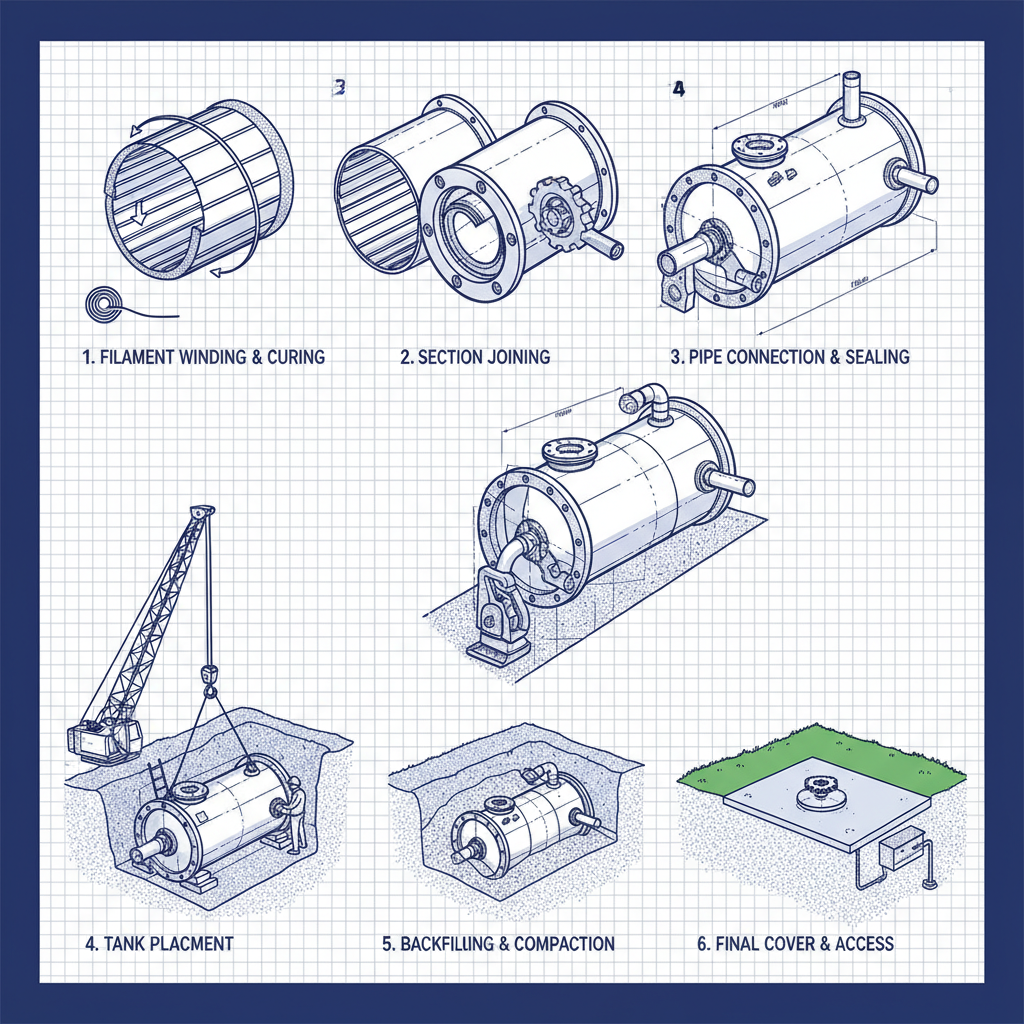
Of course, fiberglass tanks aren’t without drawbacks. Installation can be tricky if site preparation isn’t thorough, and some users report cracking if exposed to extreme impacts. Transporting large tanks to very remote or mountainous areas still presents logistical challenges.

Yet, many engineers recommend modular designs that can be assembled onsite to mitigate transport issues. Advances in flexible resins and reinforcement fabrics also help reduce cracking risks. Plus, proactive maintenance schedules and proper training on handling fiberglass materials address many field problems early on. So, while not a silver bullet, with expert oversight, fiberglass tank pools remain top-tier solutions.

FAQ: Common Questions About Fiberglass Tank Pools

  • Q: How long do fiberglass tank pools typically last in coastal or humid environments?
    A: With proper UV-resistant coatings and maintenance, they can last 25 to 40 years, even in challenging conditions where steel tanks might corrode sooner.
  • Q: Can fiberglass tank pools be customized to fit irregular installation sites?
    A: Yes! Manufacturers often provide modular options and custom shapes to accommodate unique site constraints or volume requirements.
  • Q: Are fiberglass tank pools safe for potable water storage?
    A: Absolutely. Certified resins and manufacturing processes ensure tanks meet drinking water standards, compliant with organizations like NSF/ANSI.
  • Q: What maintenance do fiberglass tanks require?
    A: Routine inspections for cracks, UV coating wear, and cleaning are recommended. Usually, they require far less upkeep than metal or concrete tanks.
  • Q: How do fiberglass tanks compare environmentally to concrete tanks?
    A: Fiberglass production emits less CO₂ overall and tanks last longer, reducing material waste. However, end-of-life recycling options remain an area for improvement.

Conclusion: Why Choose Fiberglass Tank Pools?

Summing up, fiberglass tank pools offer a compelling mix of durability, cost efficiency, and flexibility — qualities that matter when storing precious water resources. They’ve proven their worth from rural communities to bustling industrial sites and disaster zones. If you’re looking to invest in a dependable, long-lasting water storage solution, fiberglass is definitely worth a closer look.

Interested in learning more or sourcing top-notch fiberglass tank pool solutions? Visit our website for detailed product info and expert advice.

It’s funny how sometimes the simplest materials, like glass fibers and resin, can solve some of the world’s toughest infrastructure challenges.

Quick takeaway: Fiberglass tank pools are quietly revolutionizing water storage with smart design, sustainability, and sheer resilience.
References

  1. UN Water Scarcity Statistics
  2. ISO 21257 - Composite Storage Tanks for Potable Water
  3. Fiberglass - Wikipedia
Upsell Products
Upsell News
Durable FRP Vessel for Water Treatment and Industrial Filtration
Apr 16,2026
Durable FRP Vessel for Water Treatment and Industrial Filtration
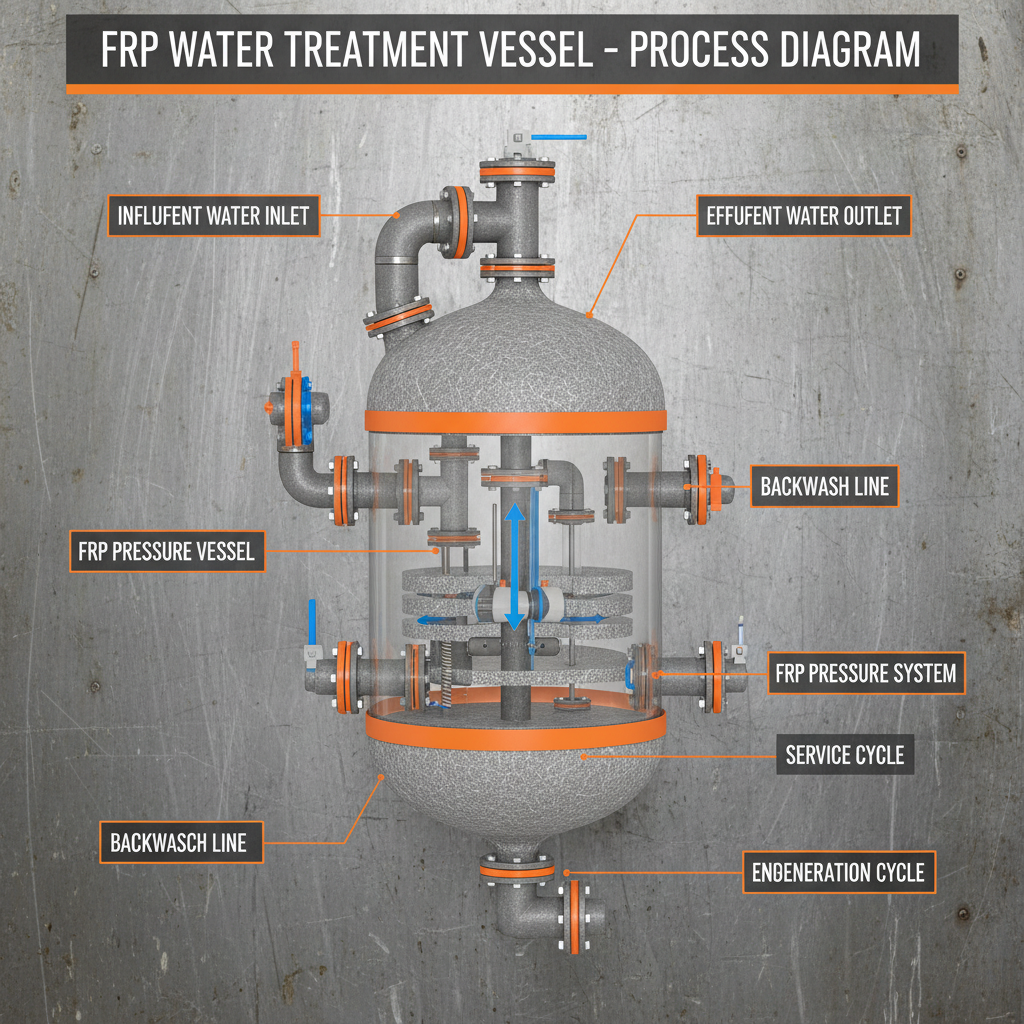
In the modern era of industrial and residential water purification, the choice of containment materials is critical for efficiency and longevity. An frp vessel for water treatment has emerged as the gold standard, replacing traditional steel tanks due to its superior corrosion resistance and lightweight properties. Whether you are dealing with desalination, softening, or filtration, using Fiber Reinforced Plastic (FRP) ensures that your system remains leak-proof and durable against aggressive chemicals. In this comprehensive guide, we will explore why FRP is the preferred choice for water treatment professionals worldwide and how to select the right vessel for your specific application.
Industrial Guide for Choosing the Right FRP Vertical Tank
Apr 09,2026
Industrial Guide for Choosing the Right FRP Vertical Tank
In today's industrial landscape, the storage of corrosive chemicals and aggressive liquids requires materials that can withstand extreme conditions without degrading. The frp vertical tank has emerged as a premier solution, offering an exceptional balance of strength, lightweight properties, and unmatched chemical resistance. Whether you are managing a water treatment plant or a chemical processing facility, understanding the nuances of Fiber Reinforced Plastic (FRP) is essential for ensuring operational safety and longevity. In this comprehensive guide, we will explore why vertical configurations are preferred and how these tanks outperform traditional metal alternatives.
Comprehensive Guide to FRP Underground Water Tank Solutions and Applications
Apr 07,2026
Comprehensive Guide to FRP Underground Water Tank Solutions and Applications
Fiberglass Reinforced Polymer (FRP) underground water tanks are becoming increasingly popular for a wide range of applications, from potable water storage to industrial wastewater containment. Their superior corrosion resistance, lightweight nature, and design flexibility make them an excellent alternative to traditional materials like concrete or steel. This article will delve into the benefits, applications, construction, and considerations for implementing FRP underground water tanks, providing a comprehensive overview for engineers, contractors, and project managers.
Comprehensive Guide to Frp Underground Water Storage Tanks and Their Applications
Apr 04,2026
Comprehensive Guide to Frp Underground Water Storage Tanks and Their Applications
When considering water storage solutions, particularly for industrial, agricultural, or municipal applications, frp underground water storage tanks stand out as a durable, cost-effective, and environmentally friendly option. These tanks are increasingly favored over traditional materials like concrete or steel due to their superior corrosion resistance, lighter weight, and ease of installation. This article delves into the benefits, applications, construction, and considerations when choosing an FRP tank, providing a detailed overview for potential buyers and project planners.
Sulfuric Acid Production Line - Hebei Aoliande|Efficient H2SO4 Plant Technology
Apr 01,2026
Sulfuric Acid Production Line - Hebei Aoliande|Efficient H2SO4 Plant Technology
Discover efficient H2SO4 plant technology and advanced sulfuric acid production solutions. Hebei Aoliande combines energy-saving furnace design and eco-friendly HCl recovery systems for sustainable industrial applications. Explore now: https://www.frpgrpmachine.com/sulfuric-acid-production-line-for-h2so4-plant.html
Sulfuric Acid Production Line - Hebei Aoliande|Efficient H2SO4 Plant Technology
Apr 01,2026
Sulfuric Acid Production Line - Hebei Aoliande|Efficient H2SO4 Plant Technology
Discover efficient H2SO4 plant technology and advanced sulfuric acid production solutions. Hebei Aoliande combines energy-saving furnace design and eco-friendly HCl recovery systems for sustainable industrial applications. Explore now: https://www.frpgrpmachine.com/sulfuric-acid-production-line-for-h2so4-plant.html
Sulfuric Acid Production Line - Hebei Aoliande|Efficient H2SO4 Plant Technology
Apr 01,2026
Sulfuric Acid Production Line - Hebei Aoliande|Efficient H2SO4 Plant Technology
Discover efficient H2SO4 plant technology and advanced sulfuric acid production solutions. Hebei Aoliande combines energy-saving furnace design and eco-friendly HCl recovery systems for sustainable industrial applications. Explore now: https://www.frpgrpmachine.com/sulfuric-acid-production-line-for-h2so4-plant.html
Sulfuric Acid Production Line - Hebei Aoliande|Efficient H2SO4 Plant Technology
Apr 01,2026
Sulfuric Acid Production Line - Hebei Aoliande|Efficient H2SO4 Plant Technology
Discover efficient H2SO4 plant technology and advanced sulfuric acid production solutions. Hebei Aoliande combines energy-saving furnace design and eco-friendly HCl recovery systems for sustainable industrial applications. Explore now: https://www.frpgrpmachine.com/sulfuric-acid-production-line-for-h2so4-plant.html
Sulfuric Acid Production Line - Hebei Aoliande|Efficient H2SO4 Plant Technology
Apr 01,2026
Sulfuric Acid Production Line - Hebei Aoliande|Efficient H2SO4 Plant Technology
Discover efficient H2SO4 plant technology and advanced sulfuric acid production solutions. Hebei Aoliande combines energy-saving furnace design and eco-friendly HCl recovery systems for sustainable industrial applications. Explore now: https://www.frpgrpmachine.com/sulfuric-acid-production-line-for-h2so4-plant.html
Sulfuric Acid Production Line - Hebei Aoliande|Efficient H2SO4 Plant Technology
Apr 01,2026
Sulfuric Acid Production Line - Hebei Aoliande|Efficient H2SO4 Plant Technology
Discover efficient H2SO4 plant technology and advanced sulfuric acid production solutions. Hebei Aoliande combines energy-saving furnace design and eco-friendly HCl recovery systems for sustainable industrial applications. Explore now: https://www.frpgrpmachine.com/sulfuric-acid-production-line-for-h2so4-plant.html
Comprehensive Guide to Frp Underground Storage Tanks for Reliable Storage Solutions
Mar 31,2026
Comprehensive Guide to Frp Underground Storage Tanks for Reliable Storage Solutions
Fiberglass Reinforced Polymer (FRP) underground storage tanks are becoming increasingly popular for a wide range of applications, from fuel storage to wastewater management. Their corrosion resistance, lightweight nature, and durability offer significant advantages over traditional materials like steel. This article will provide an in-depth look at FRP underground storage tanks, covering their benefits, applications, installation, and maintenance. Understanding these aspects is crucial for making informed decisions about long-term storage solutions.
Comprehensive Guide to Selecting the Ideal FRP Tank for Water Storage Solutions
Mar 28,2026
Comprehensive Guide to Selecting the Ideal FRP Tank for Water Storage Solutions
When it comes to reliable and durable water storage, FRP tanks for water are increasingly becoming the preferred solution for a wide range of applications. These tanks, constructed from Fiber Reinforced Polymer (FRP) materials, offer significant advantages over traditional storage options like steel or concrete. This article delves into the benefits, applications, and considerations when selecting an FRP tank for your water storage needs, providing a detailed overview for businesses and individuals alike.
Comprehensive Guide to Frp Tank and Vessel Applications and Manufacturing
Mar 26,2026
Comprehensive Guide to Frp Tank and Vessel Applications and Manufacturing
Fiber Reinforced Polymer (FRP) tanks and vessels are increasingly becoming the preferred choice for storage and processing across a multitude of industries. Their lightweight nature, corrosion resistance, and design flexibility offer significant advantages over traditional materials like steel. This article will delve into the intricacies of FRP tanks and vessels, exploring their applications, manufacturing processes, benefits, and considerations for selecting the right solution for your specific needs. We’ll also highlight why FRP tanks are a cost-effective and reliable long-term investment. FRP tanks and vessels are constructed from a combination of reinforcing fibers (such as fiberglass, carbon fiber, or aramid fiber) embedded in a polymer matrix (typically polyester, vinyl ester, or epoxy resin). This combination creates a composite material that boasts high strength-to-weight ratio, exceptional corrosion resistance, and the ability to be molded into complex shapes. They’re designed to safely contain a wide variety of liquids and gases, ranging from corrosive chemicals and water to food products and pharmaceuticals.
Optimizing Water Filtration with Durable FRP Sand Filter Vessels
Mar 24,2026
Optimizing Water Filtration with Durable FRP Sand Filter Vessels
In water treatment and filtration systems, the choice of filter vessel material is paramount. Fiber Reinforced Plastic (FRP), also known as Glass Reinforced Polymer (GRP), sand filter vessels are increasingly popular due to their superior corrosion resistance, lightweight nature, and cost-effectiveness. This article delves into the benefits, applications, design considerations, and factors to consider when selecting an FRP sand filter vessel. Whether you are involved in municipal water treatment, industrial wastewater management, or recreational water filtration, understanding FRP technology is essential for optimizing your filtration process. An FRP sand filter vessel is a containment unit designed to house filtration media, typically sand, gravel, and anthracite. These vessels are integral components in sand filtration systems used for removing suspended solids, turbidity, and other particulate matter from water. FRP construction involves layering glass fibers within a resin matrix (typically polyester or vinyl ester) to create a strong, durable, and chemically resistant shell. The strength and rigidity of the vessel are crucial for withstanding the pressure from the filtration media and the water flow.
Comprehensive Guide to FRP Round Tanks Applications and Benefits
Mar 21,2026
Comprehensive Guide to FRP Round Tanks Applications and Benefits
Fiber Reinforced Polymer (FRP) round tanks are increasingly becoming the preferred choice for storage solutions across a variety of industries. Their lightweight nature, corrosion resistance, and design flexibility offer significant advantages over traditional materials like steel. This article provides an in-depth look at FRP round tanks, exploring their applications, benefits, manufacturing processes, and key considerations when choosing the right tank for your needs. Whether you're in chemical processing, water treatment, or agriculture, understanding FRP round tanks is crucial for optimizing your storage infrastructure. FRP round tanks are constructed from a combination of reinforcing fibers (typically fiberglass, carbon fiber, or a blend) embedded in a polymer matrix (often polyester, vinyl ester, or epoxy resin). The round shape inherently provides excellent structural strength, distributing pressure evenly across the tank’s surface.
Comprehensive Guide to FRP Pressure Tanks Benefits and Applications
Mar 19,2026
Comprehensive Guide to FRP Pressure Tanks Benefits and Applications
Fiber Reinforced Polymer (FRP) pressure tanks are becoming increasingly popular in a wide range of industrial applications, offering a compelling alternative to traditional steel tanks. Known for their lightweight nature, corrosion resistance, and high strength-to-weight ratio, FRP tanks provide efficient and durable solutions for storing liquids and gases under pressure. This article will delve into the benefits, applications, construction, and key considerations when selecting an FRP pressure tank, helping you make an informed decision for your specific needs. Understanding the advantages of FRP technology can lead to significant cost savings and improved operational efficiency. Compared to steel, FRP pressure tanks offer several key advantages. The most significant is their superior corrosion resistance. Unlike steel, which is susceptible to rust and corrosion when exposed to various chemicals, FRP materials are inherently resistant to a wide range of corrosive substances. This translates to a longer lifespan, reduced maintenance costs, and increased safety. Furthermore, FRP is significantly lighter than steel, making installation easier and reducing transportation costs.
For More Details Pls Contact Us
Thank you for your interest in our gloves! We offer high-quality, durable, and comfortable gloves with fast delivery and competitive prices. For any questions or customization, feel free to contact us. We look forward to working with you!

If you are interested in our products, you can choose to leave your information here, and we will be in touch with you shortly.