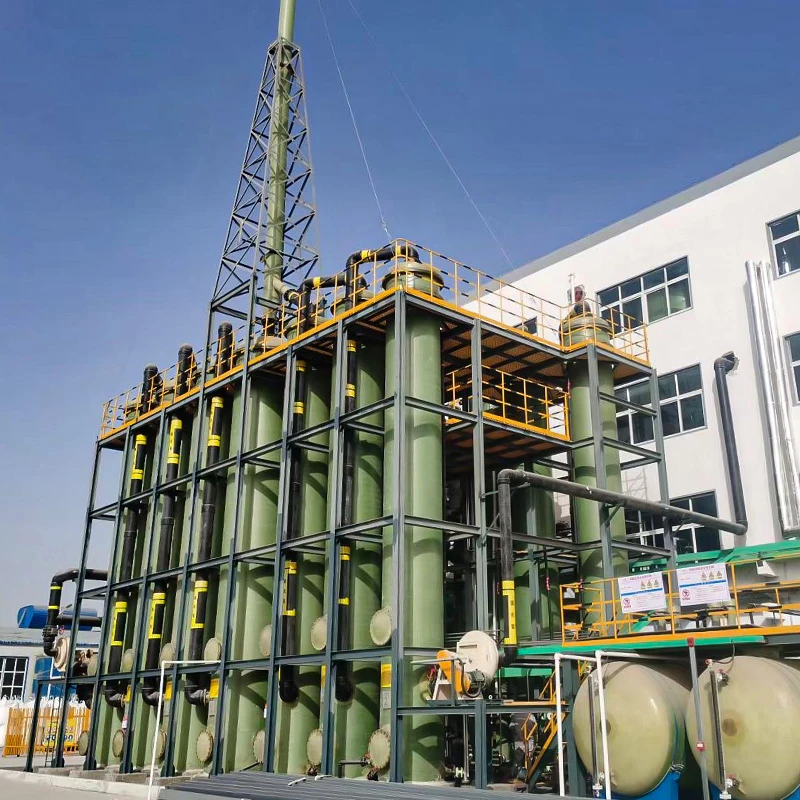
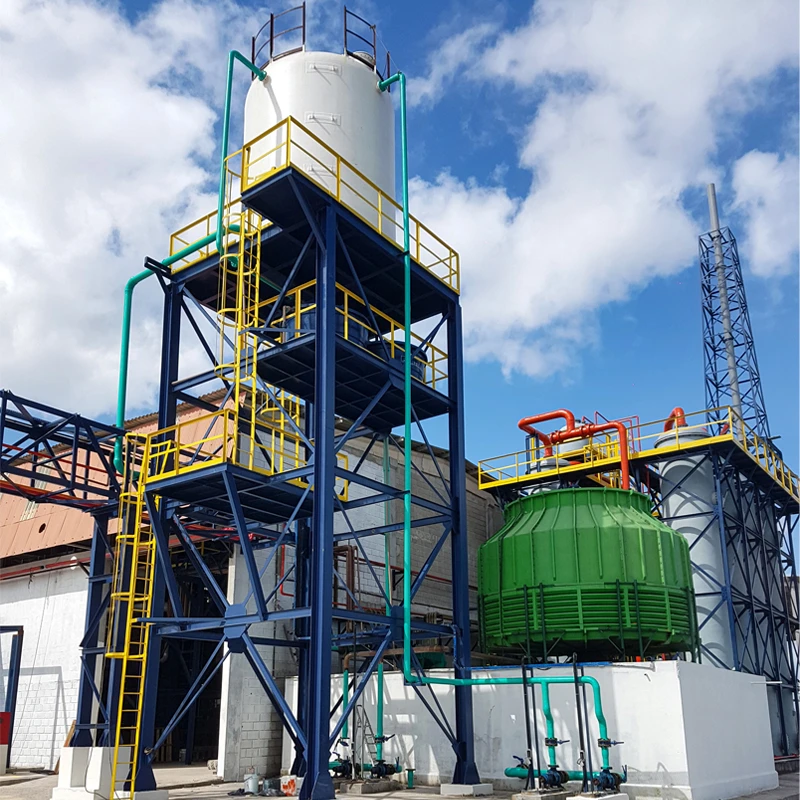
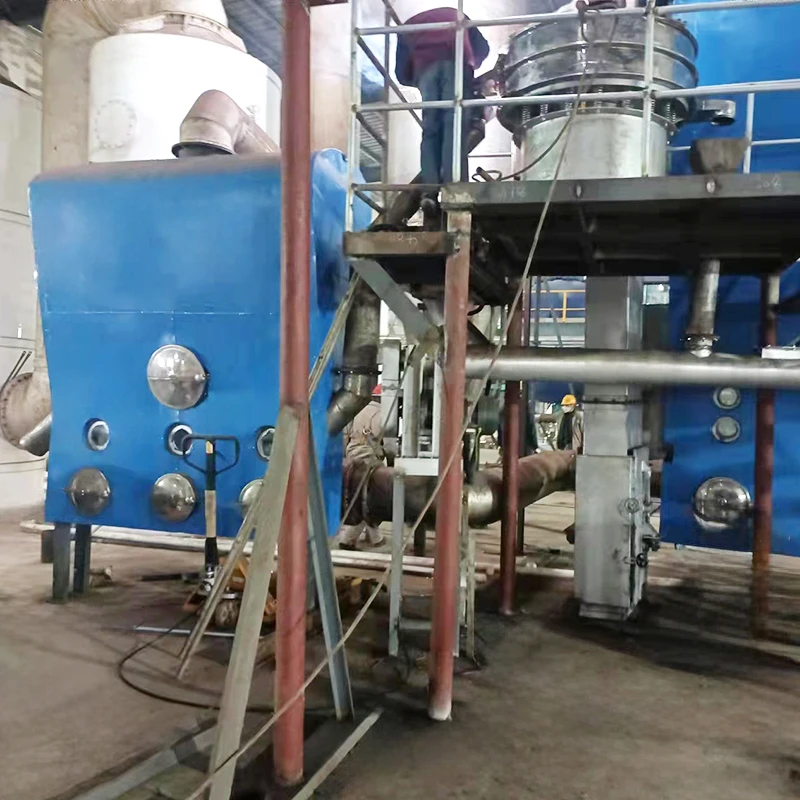
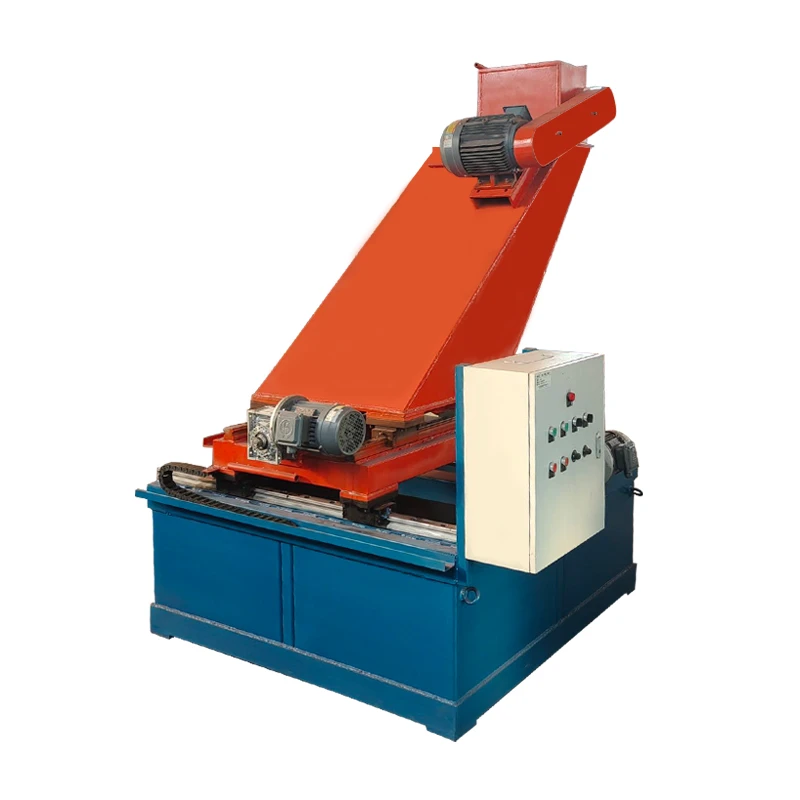
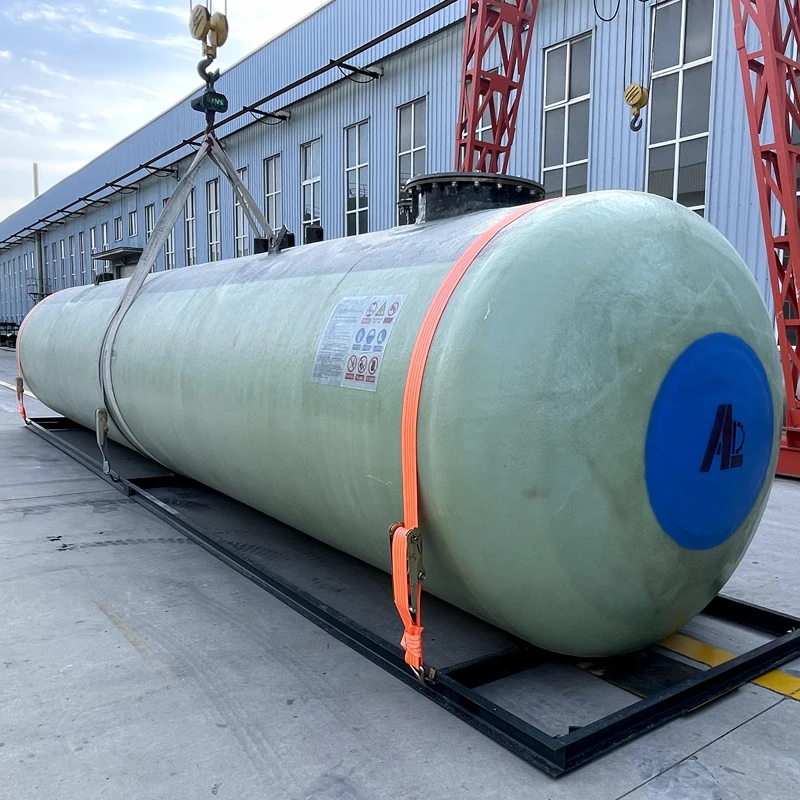
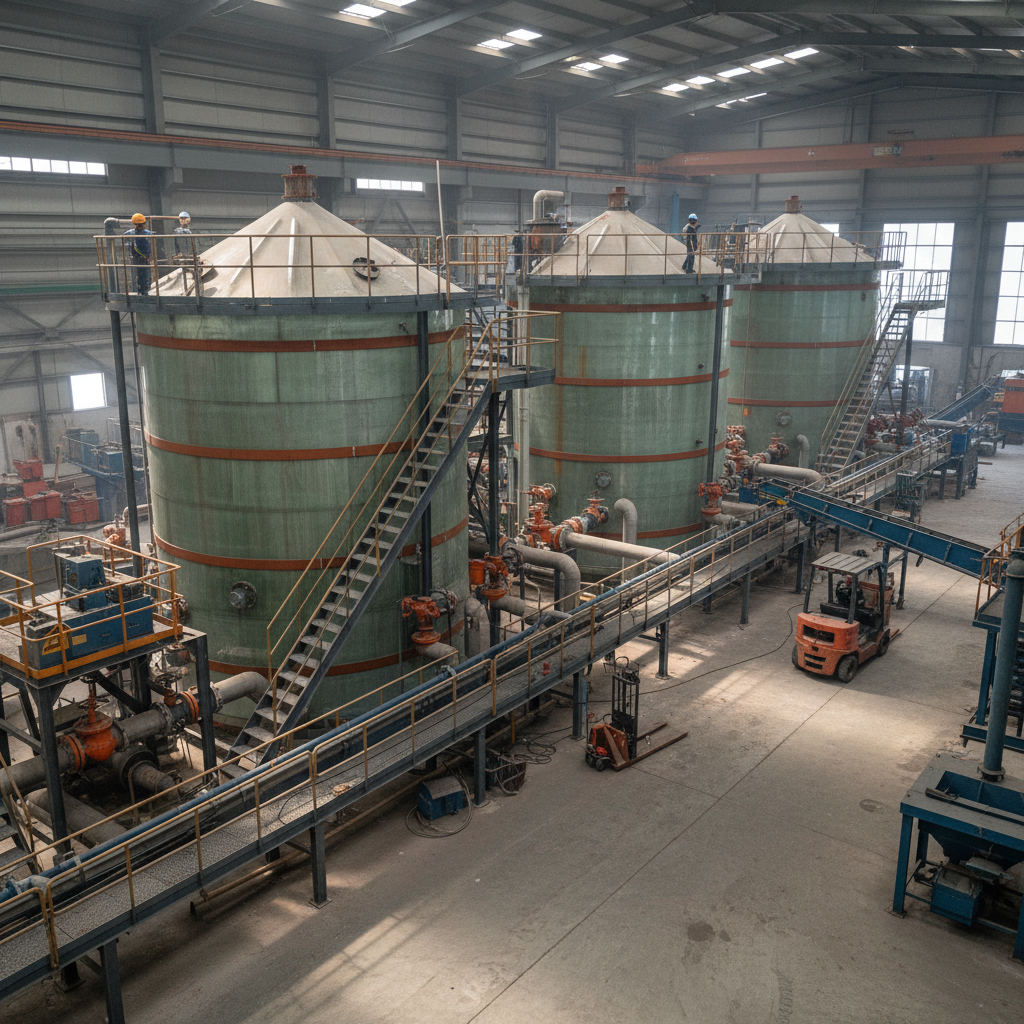
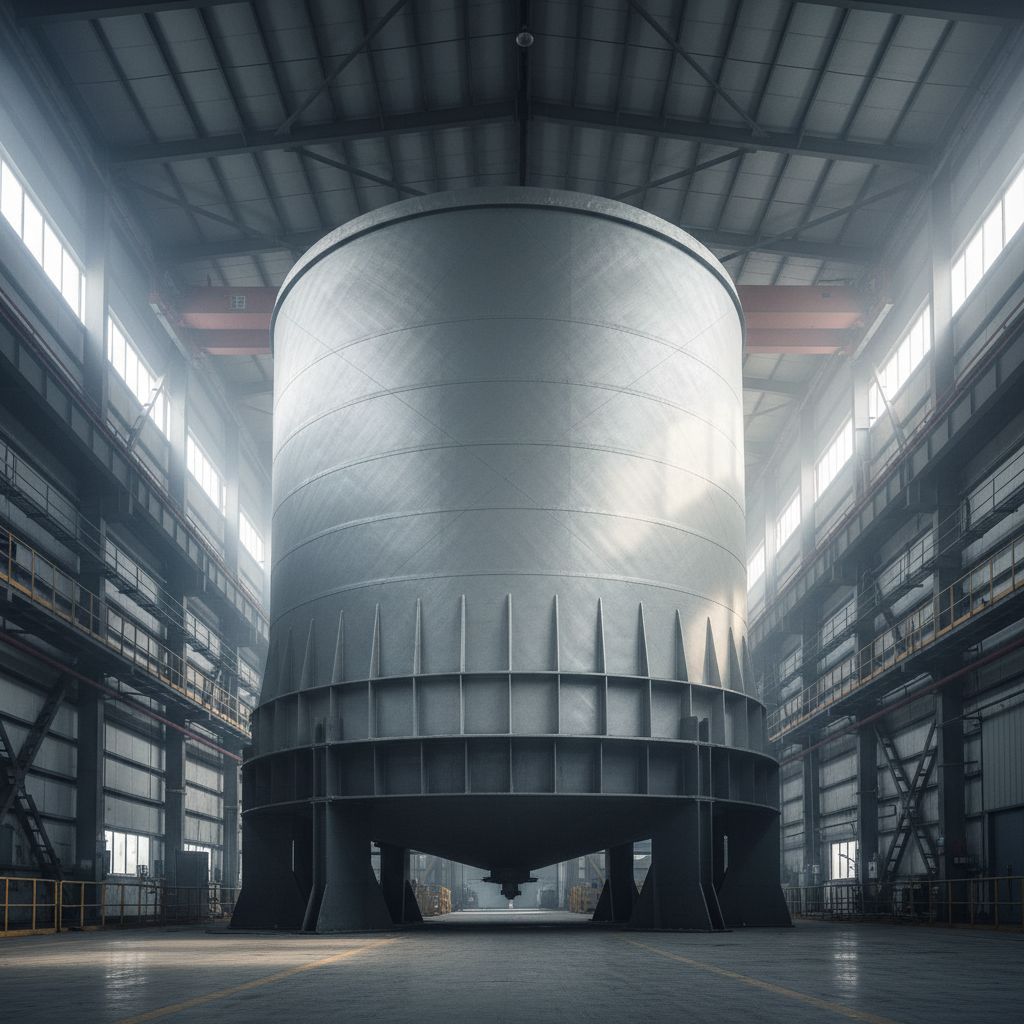
Fiberglass Tanks for Sale - Durable, Corrosion-Resistant
Buyer’s Field Notes: Fiberglass Tanks For Sale in 2025
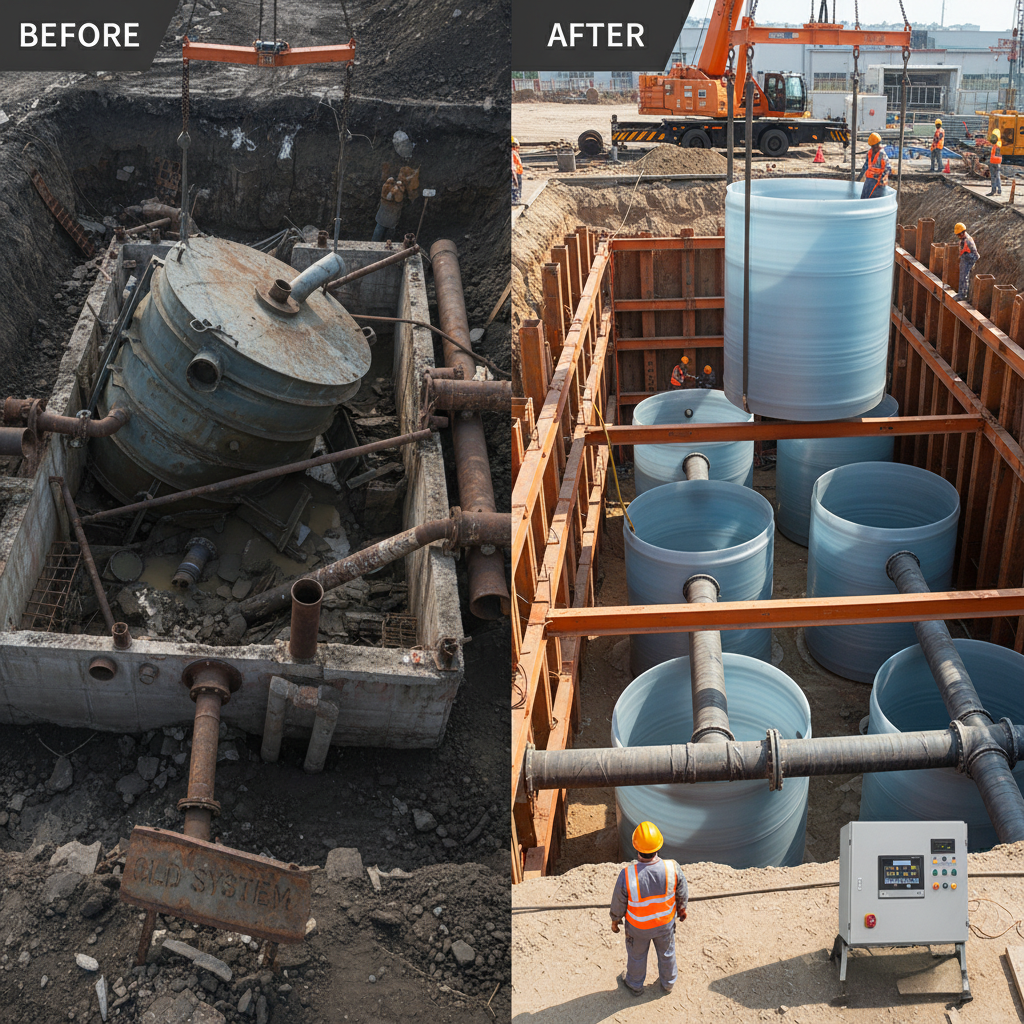
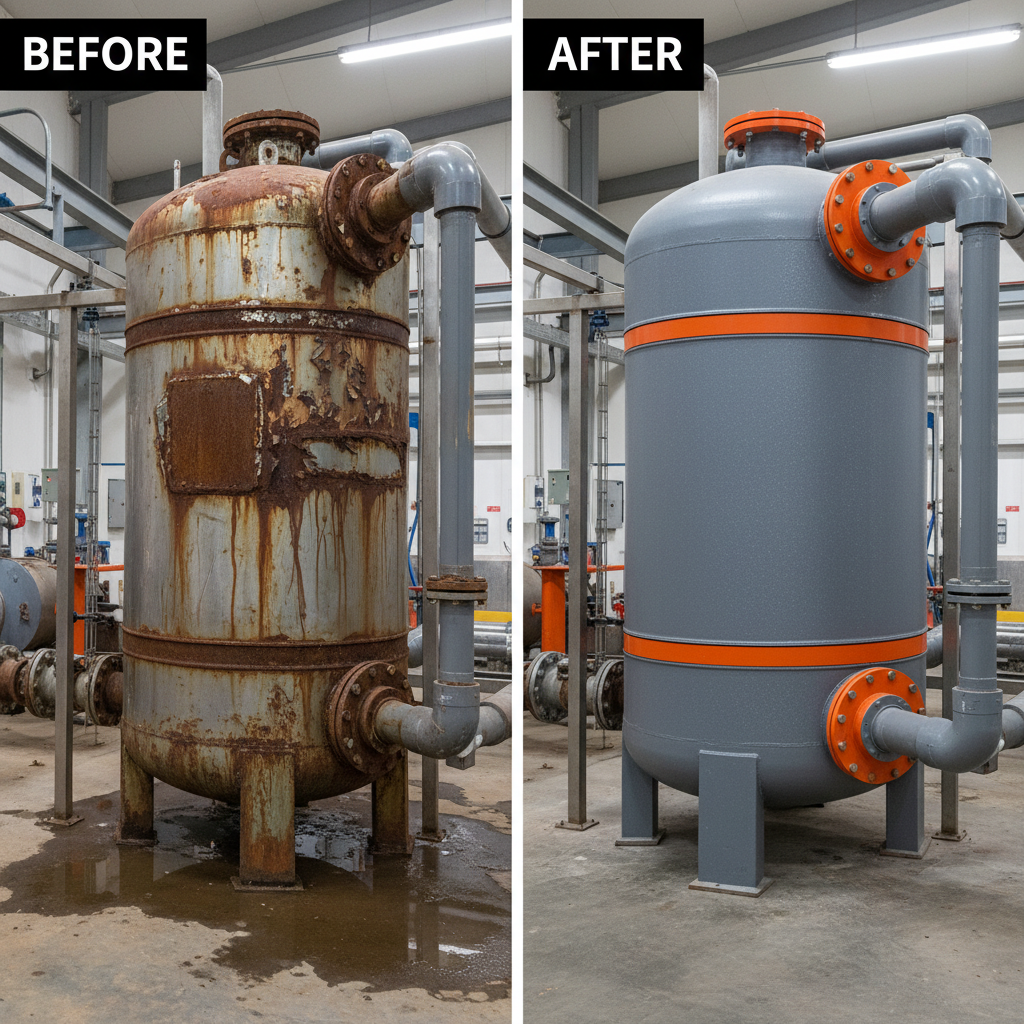
If you work around acids, alkalis, brine, or oxidizers, you already know: steel fights corrosion, and corrosion usually wins. That’s why the quiet star of plant upgrades lately has been FRP—glass fiber reinforced plastic. I’ve toured shops from Hebei to Houston, and the best-built vessels still come down to process control and resin chemistry. Below is what matters now, with real specs and a few candid insights.
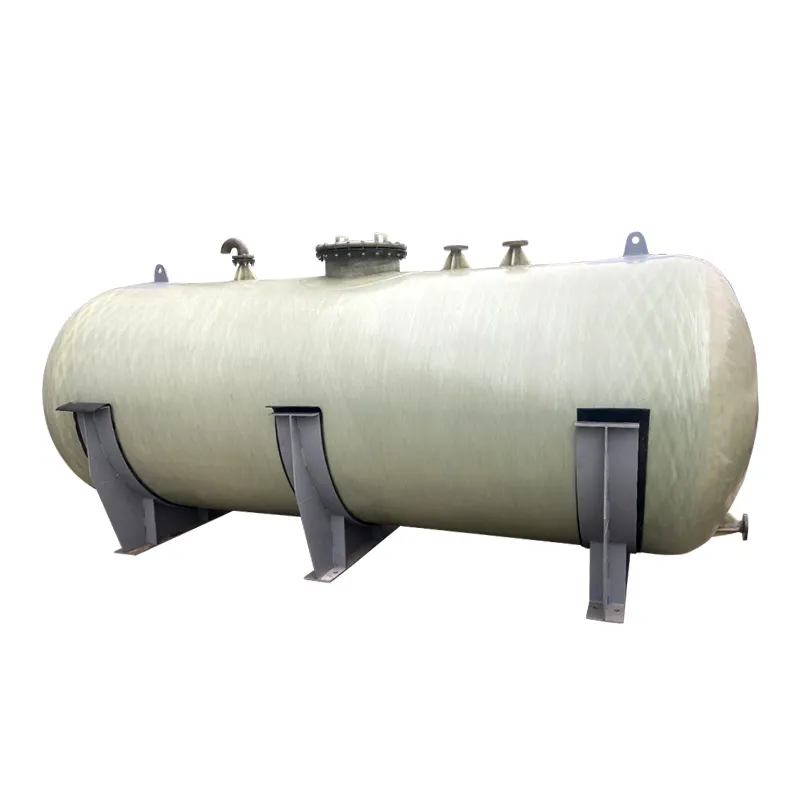
What’s trending
- Vinyl ester resins for oxidizers and bleach service (NaOCl) are now the default, not the upgrade.
- Filament-wound shells with dual corrosion barriers; a little heavier up front, longer life in practice.
- Third-party testing against ASTM and ASME RTP-1—buyers are asking for actual test data, not brochures.
How these tanks are built (quick but real)
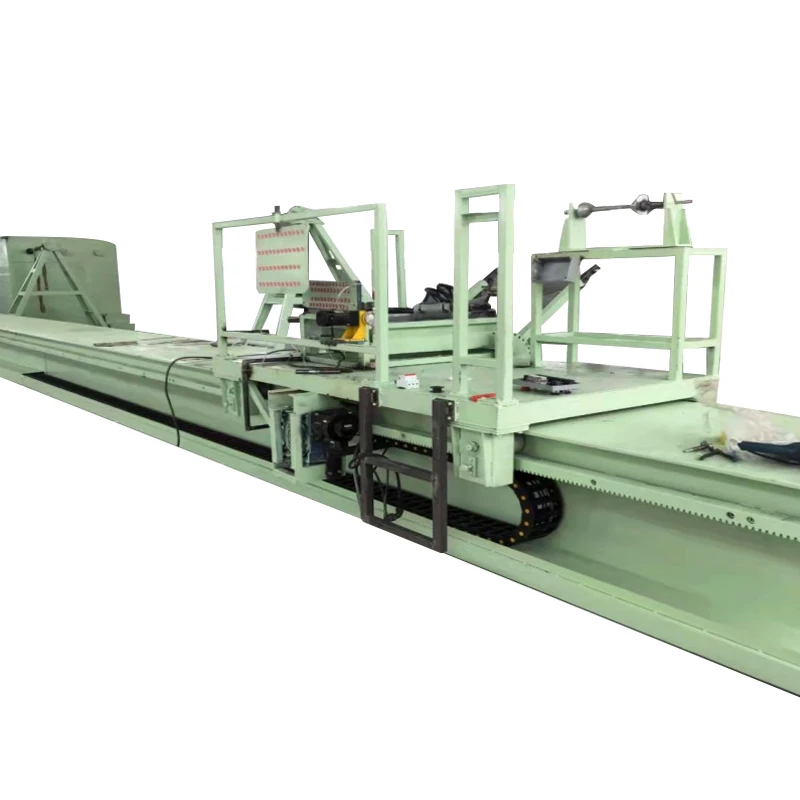
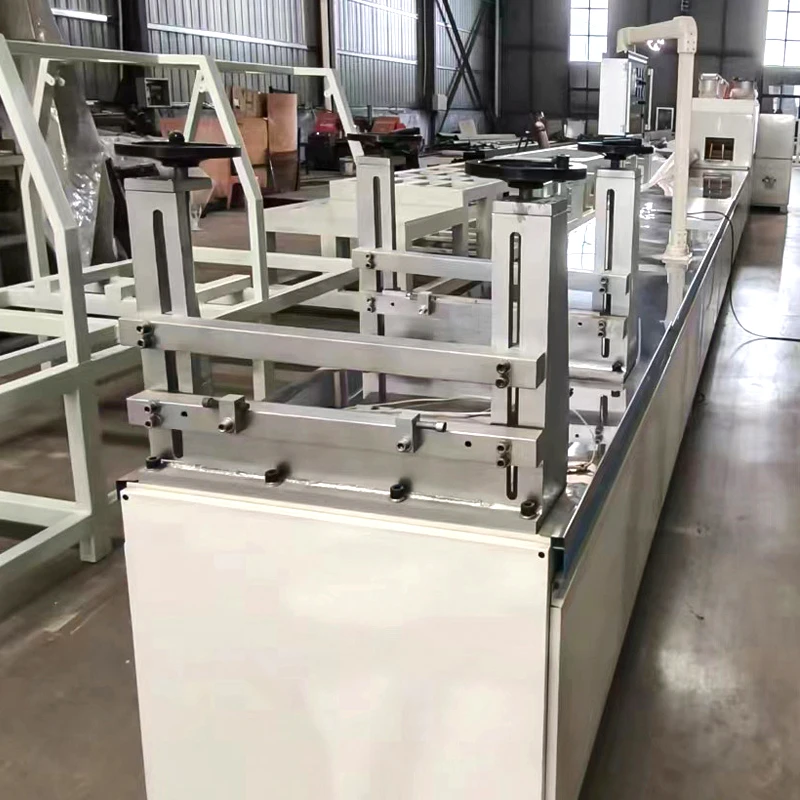
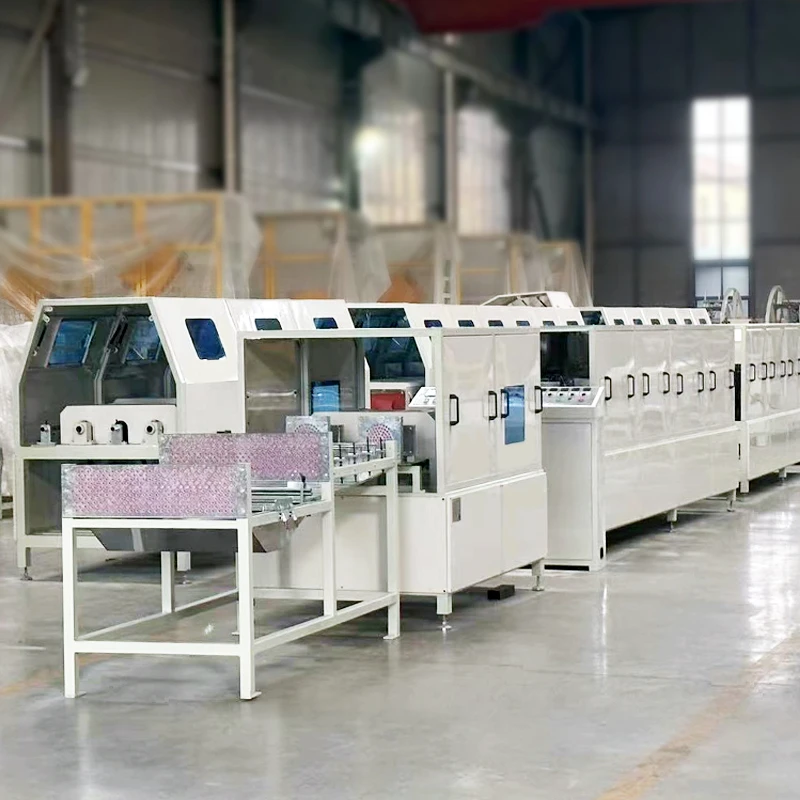
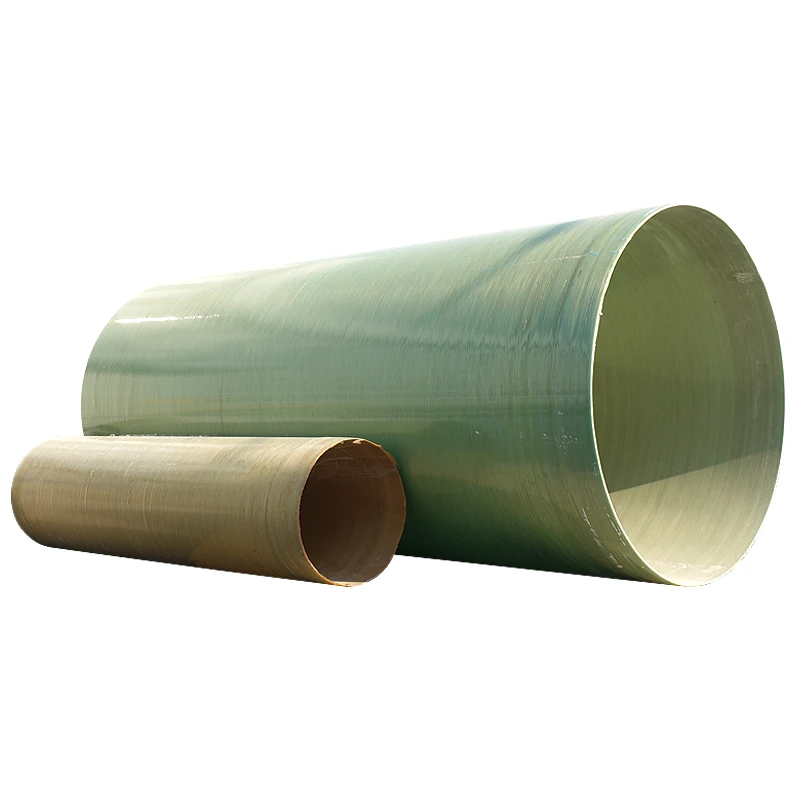
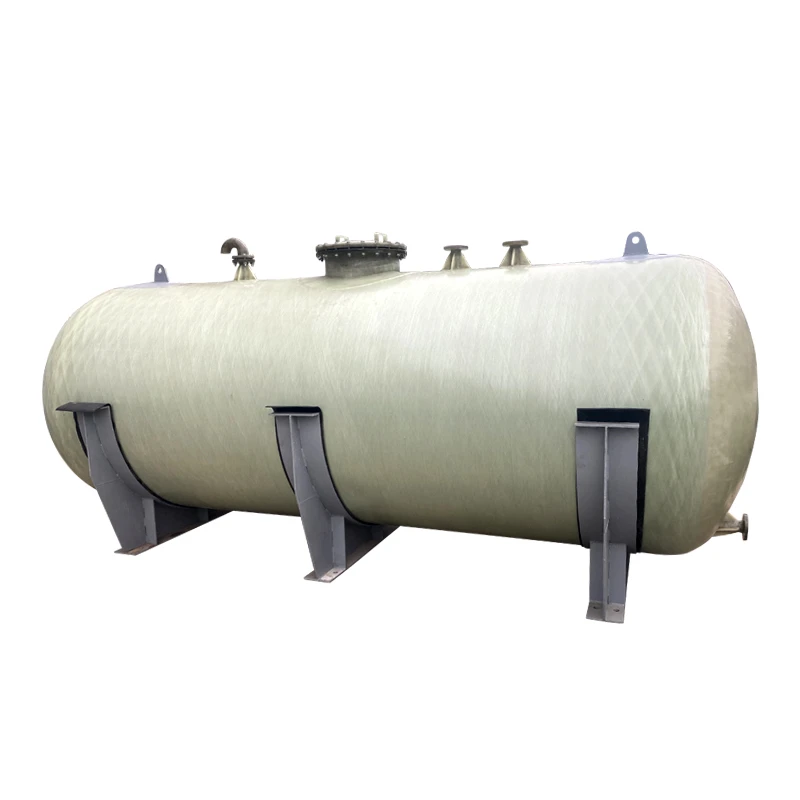
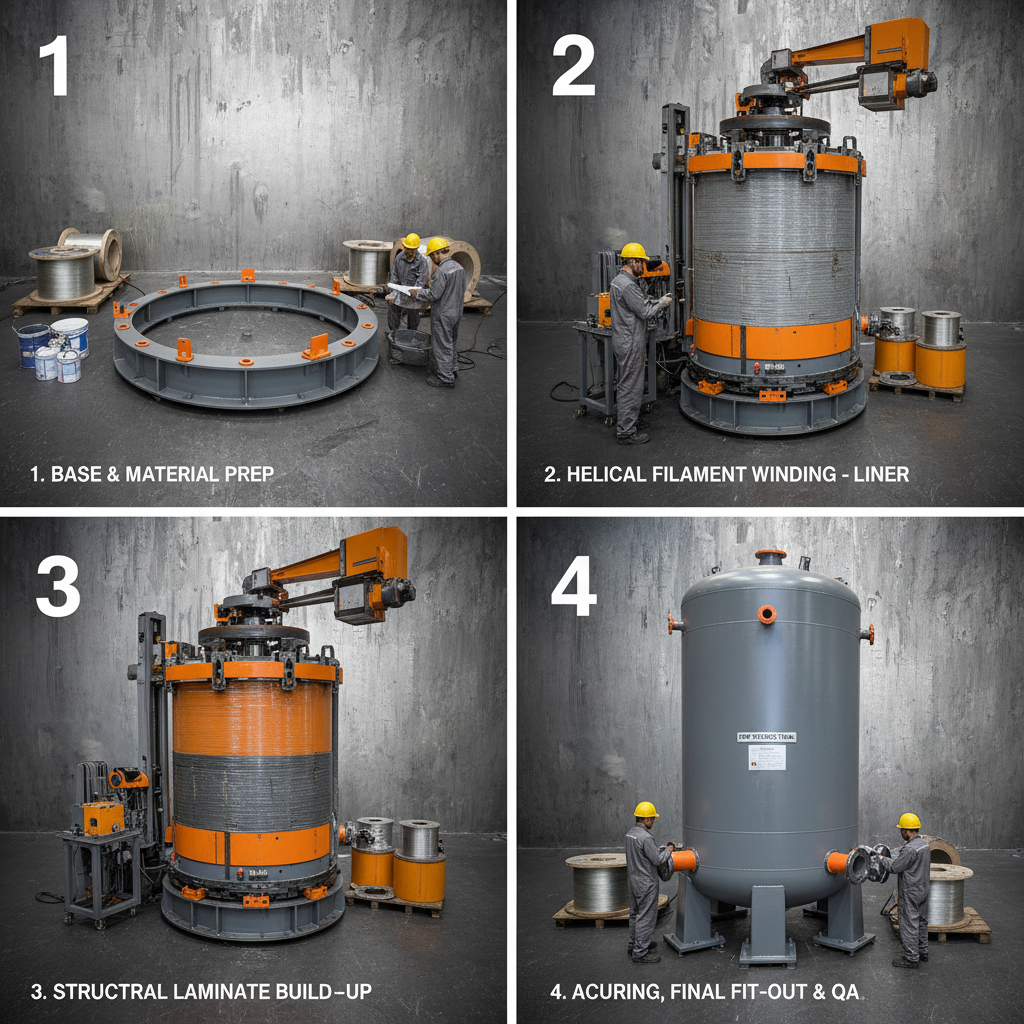
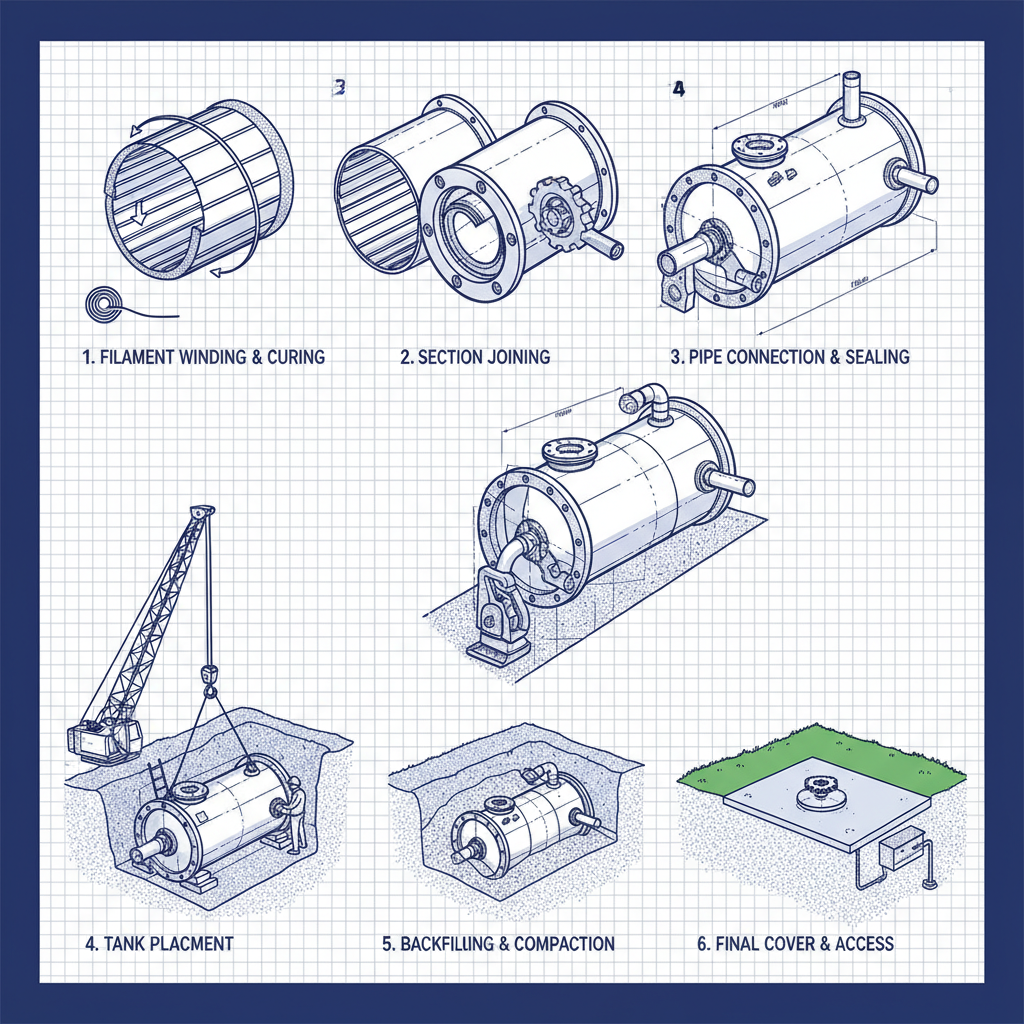
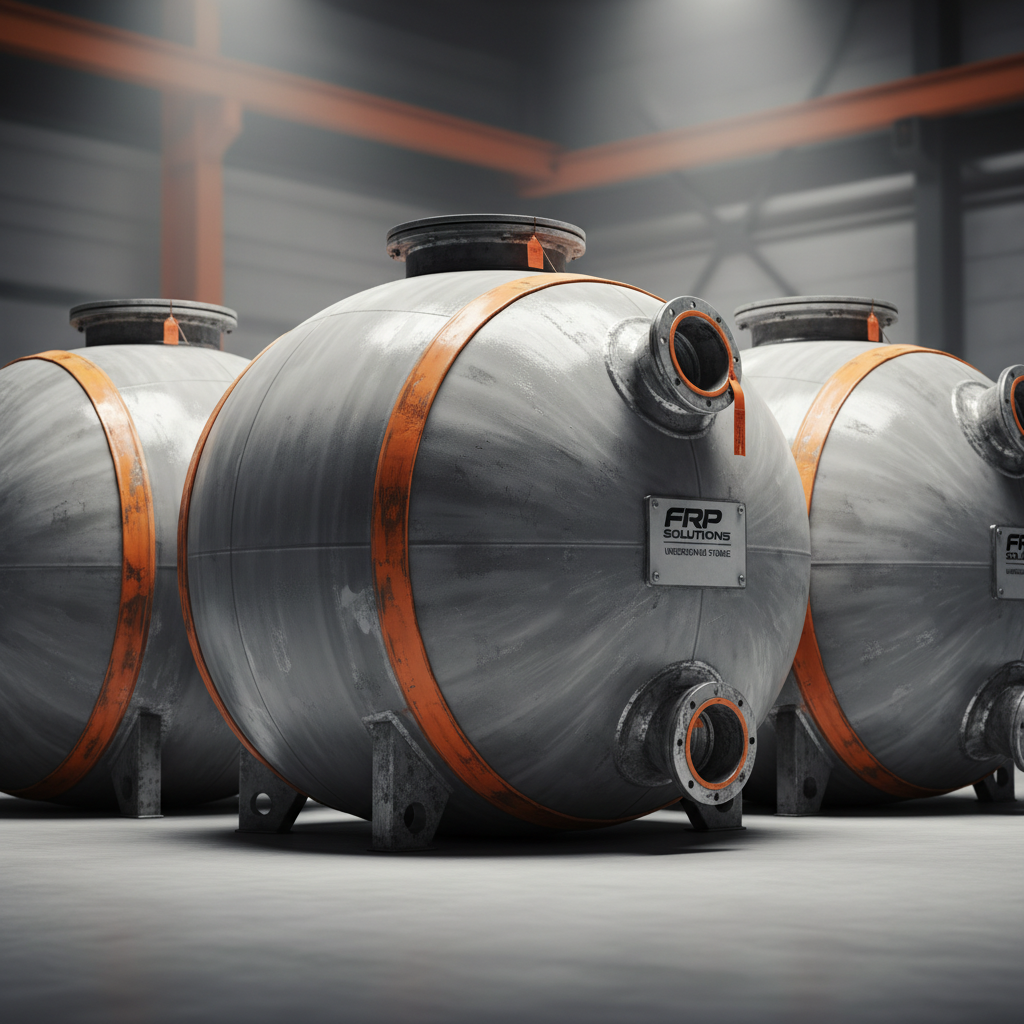
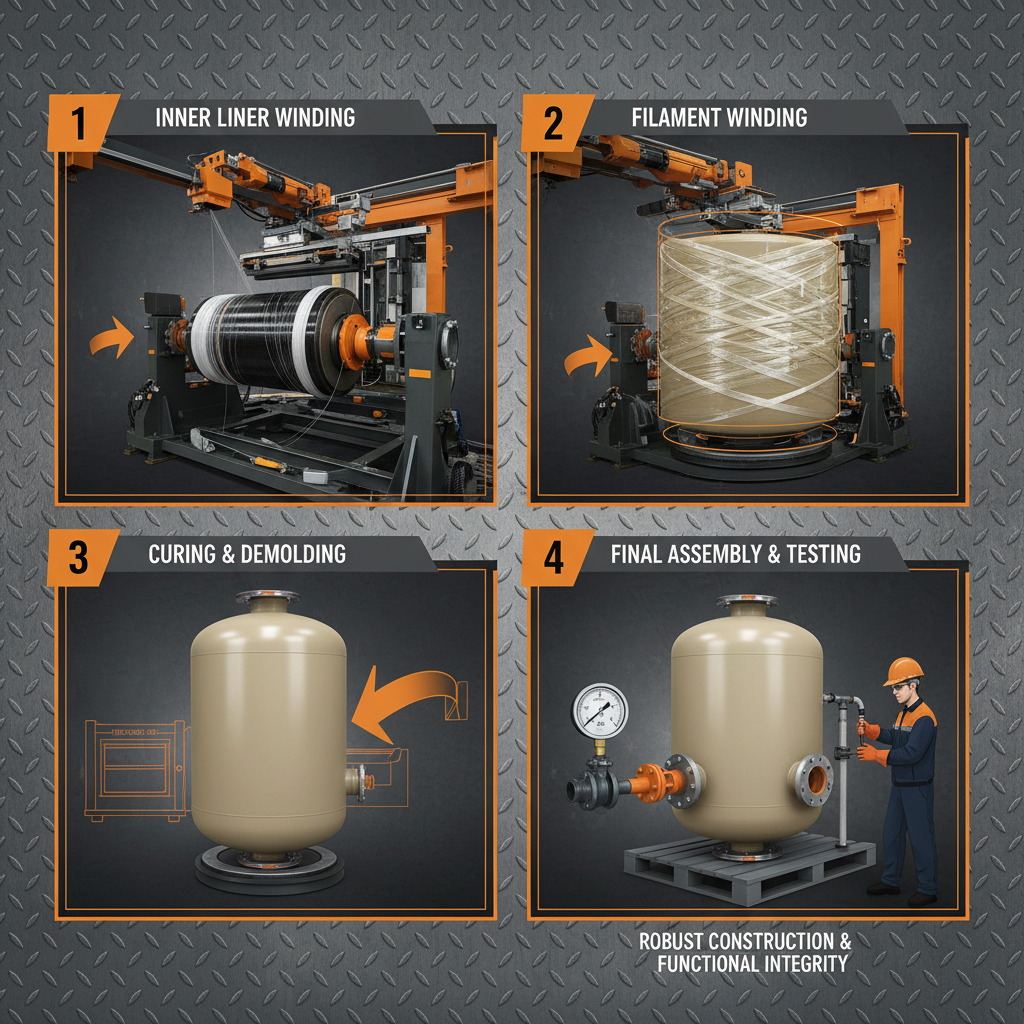
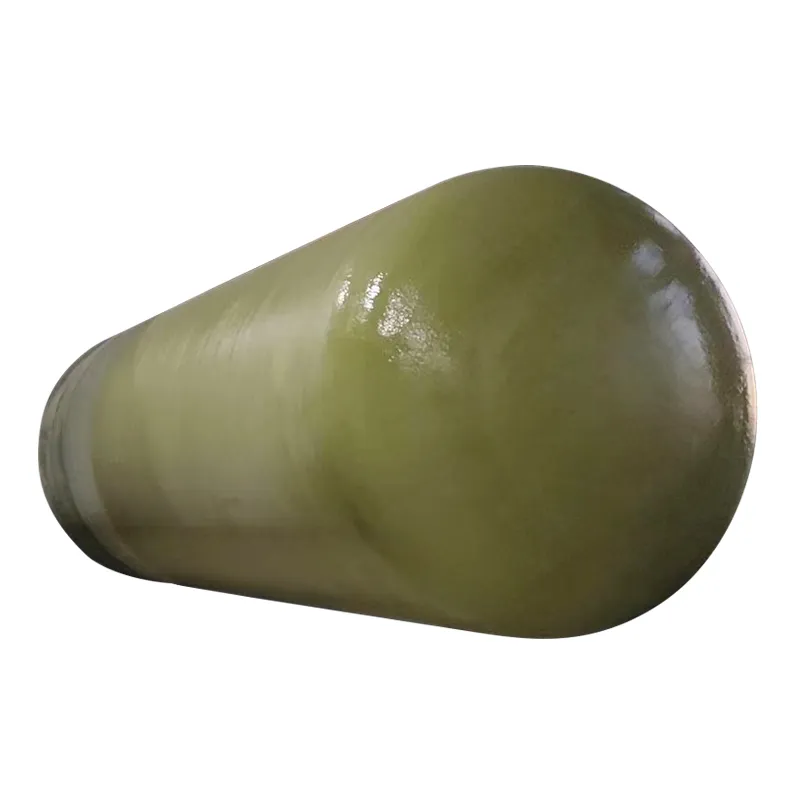
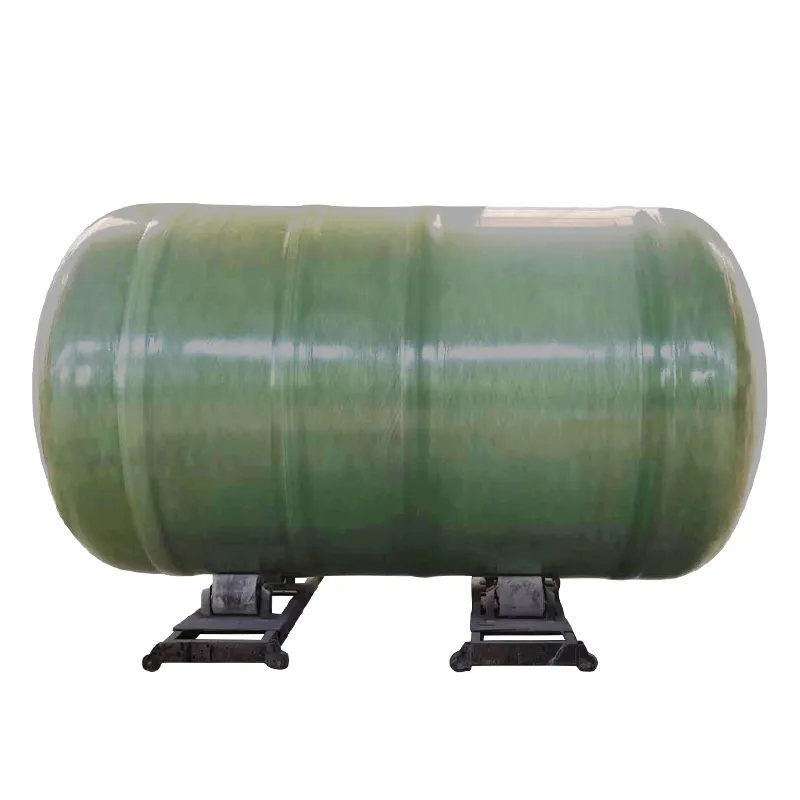
At the Hebei shop (No. Room 211, 706 Xinghua North Street, Jizhou District, Hengshui), the filament winding cell feeds resin-impregnated E-glass under controlled tension onto a rotating mandrel. Layers: inner liner (resin-rich with corrosion veil), structural laminate (± helical and hoop wind), and outer protective coat. Cure is ambient with validated post-cure when resin requires; technicians check Barcol hardness before demolding. Sounds routine, but the consistency is what gives you a 20–30 year service life, sometimes more, depending on chemistry and temperature.
Specifications at a glance
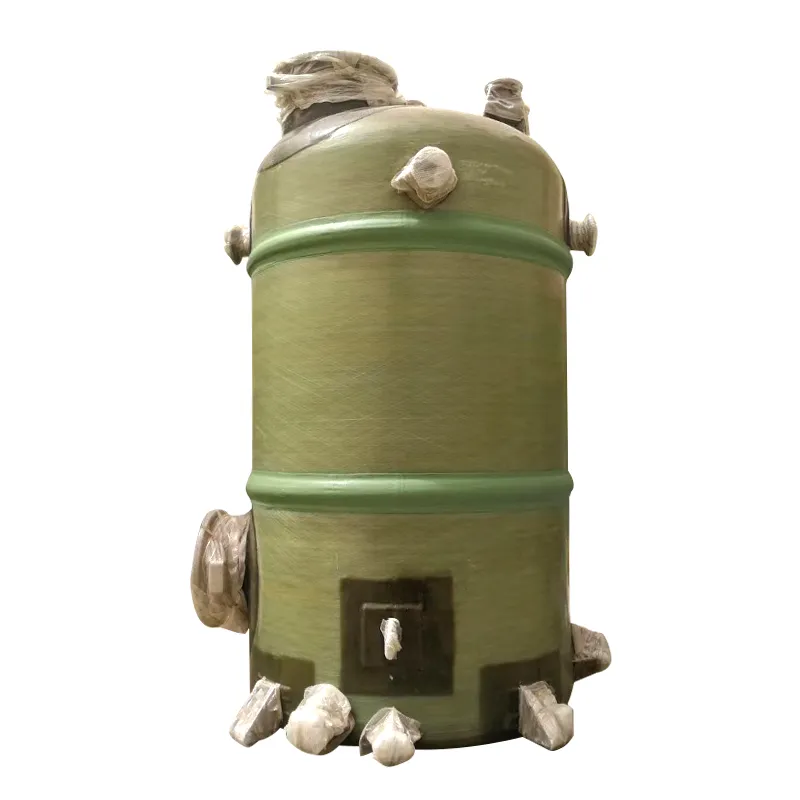
| Product | FRP Tank/Vessel for Chemical Industry |
| Construction | Filament wound shell; inner liner + structural layer + outer protective layer |
| Resins | Vinyl ester, isophthalic polyester, epoxy (selection by medium/temp) |
| Design Pressure | Atmospheric to ≈ 1.0 MPa (150 psi); higher by custom design |
| Liner/Veil | C-glass or synthetic veil; corrosion barrier ≈ 2.5–5 mm (real-world use may vary) |
| Mechanical Data | Laminate tensile ≈ 120–200 MPa; flexural ≈ 200–300 MPa; hoop strength per ASTM method |
| Testing | Hydrostatic, Barcol hardness, visual, spark test (liner), dimensional NDT per project |
Where they shine
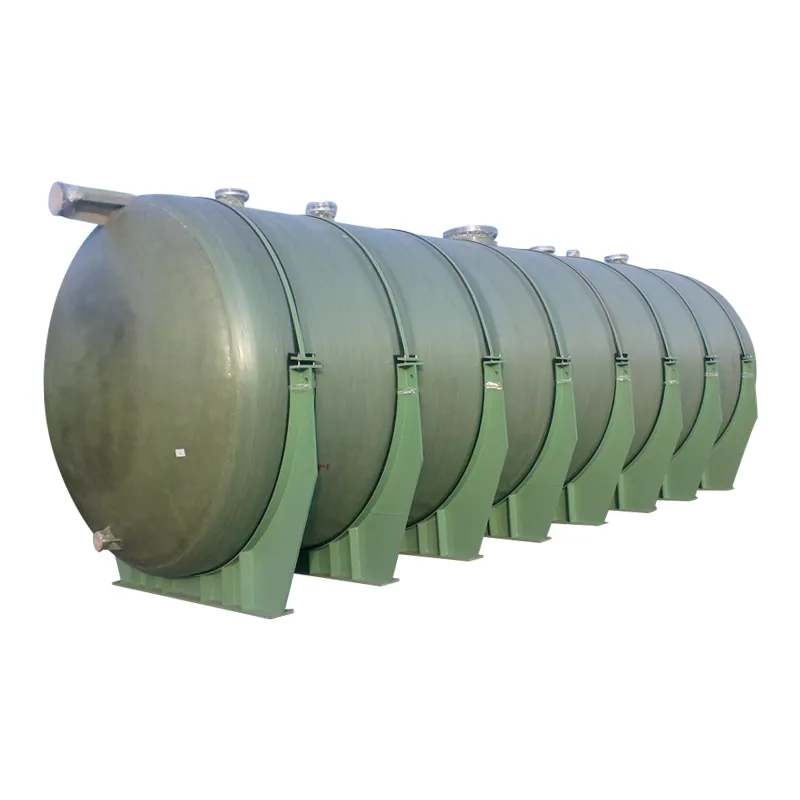
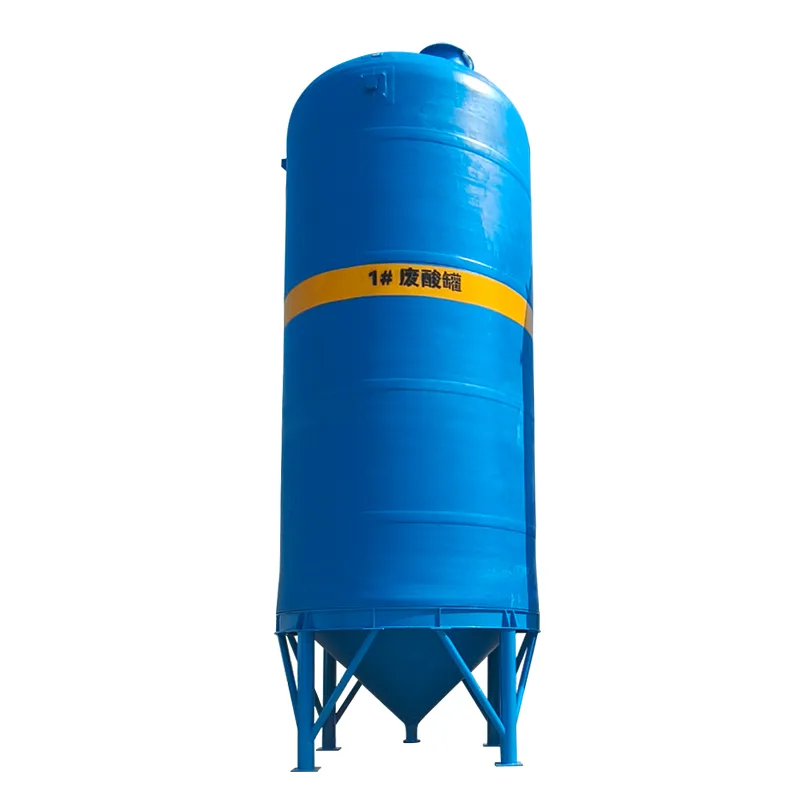
- Chemical storage: HCl, H2SO4, NaOH, NaOCl, ferric chloride, brine.
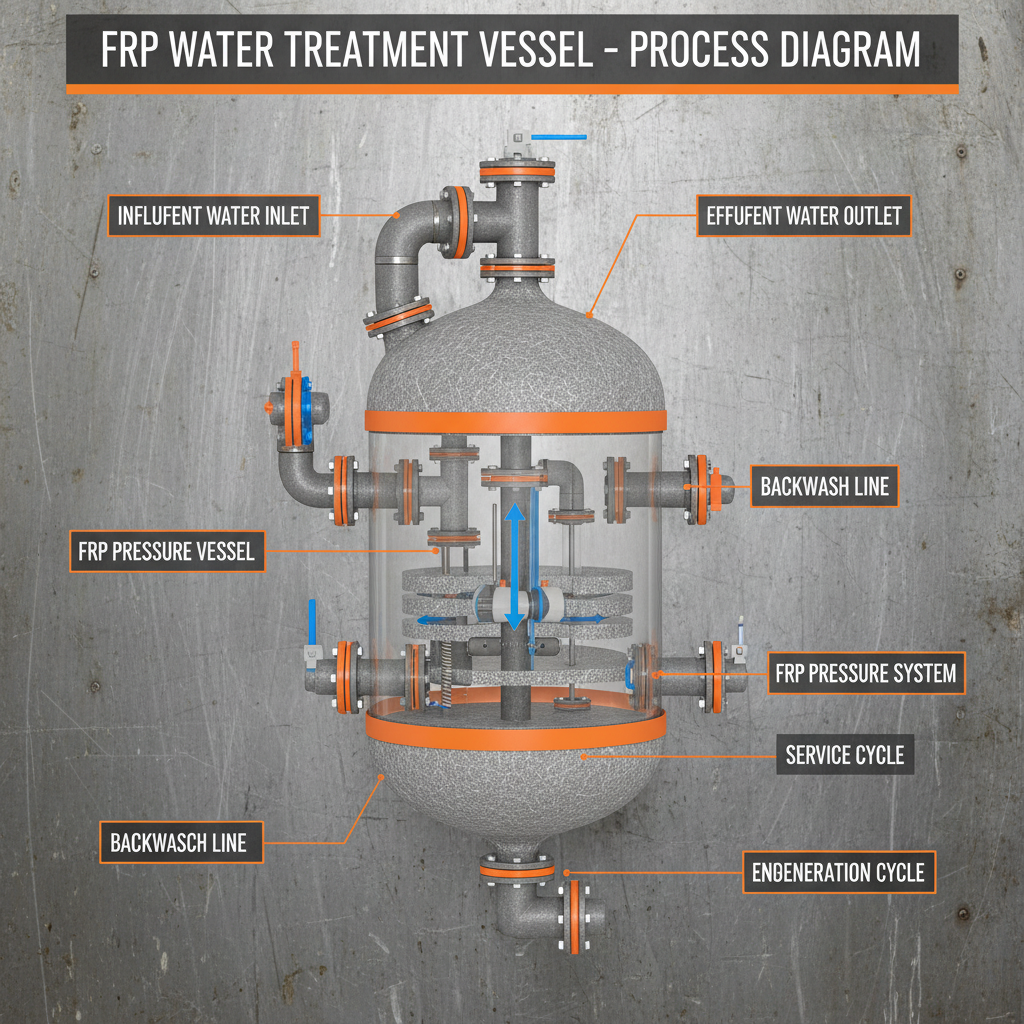
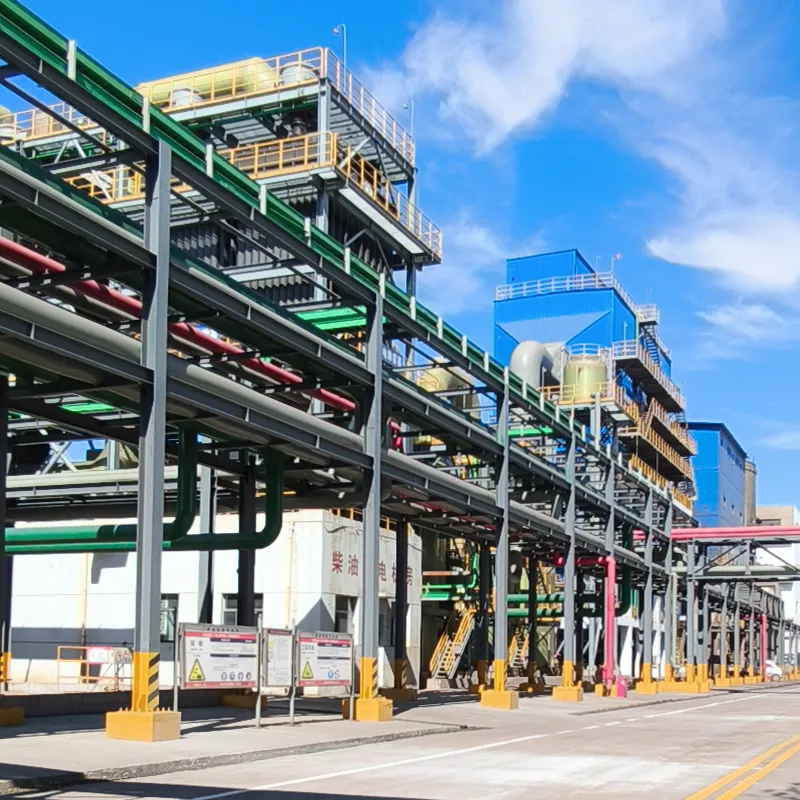
- Water/wastewater: coagulants, bleach, biosolids, odor control systems.
- Mining and metals: pickling lines, leach solutions, thickener overflow.
- Food/beverage: with NSF/ANSI 61 resin systems, where applicable.
Quality and standards (yes, the alphabet soup)
Typical builds reference ASME RTP-1 for reinforced thermoset plastic vessels and ASTM D3299/D4097 for filament-wound and contact-molded FRP. For potable or process water, ask about NSF/ANSI 61. Many customers also want ISO 9001 quality systems. To be honest, the certificate is step one; test reports are where trust is earned.
Vendor snapshot
| Vendor | Core Material | Lead Time | Certs | Warranty |
| Hebei FRP Manufacturer (Hengshui, China) | Filament-wound FRP | ≈ 3–8 weeks | ASME RTP-1, ASTM, ISO 9001 | 12–24 months typical |
| Local Steel Fabricator | Carbon/Stainless | ≈ 2–10 weeks | API/ASME (metal) | 12 months typical |
| Importer/Distributor | Mixed (FRP/Steel) | Stock or 6–12 weeks | Varies | Varies |
Customization options
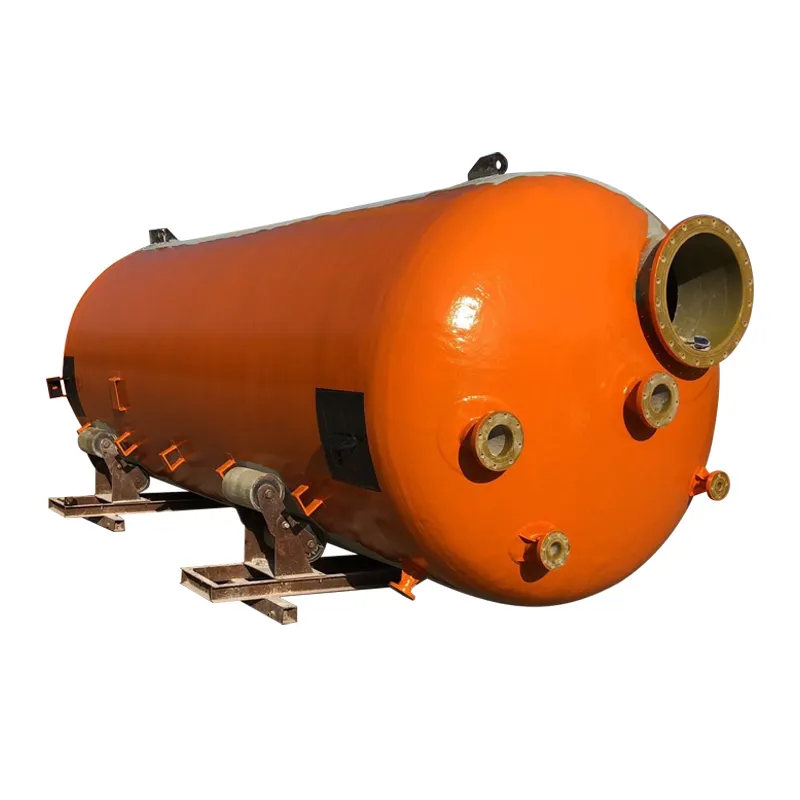
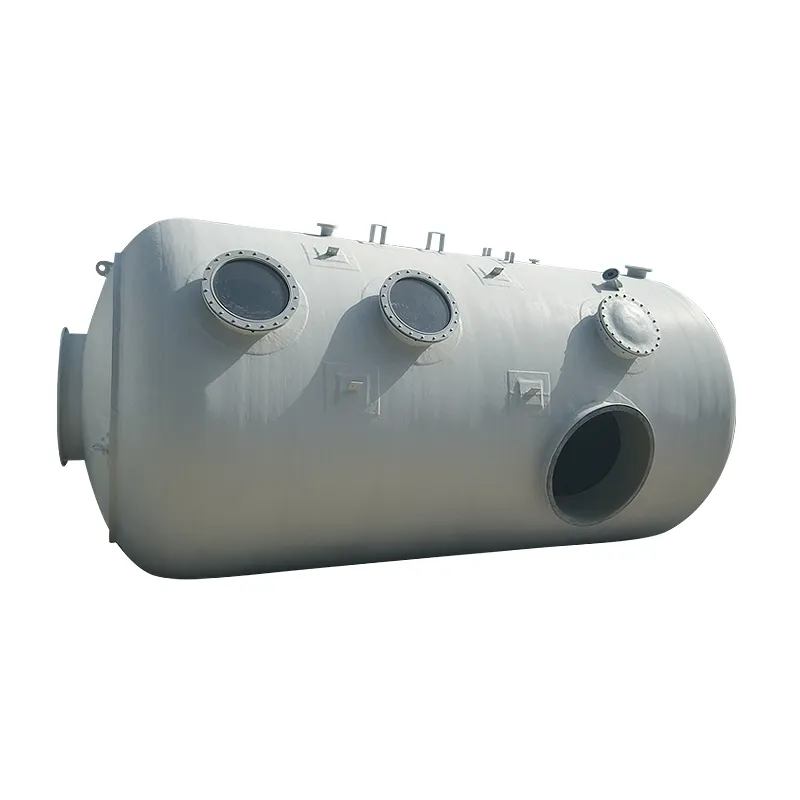
No two chemical sheds are alike. You can spec diameter/height, resin system, nozzle materials (FRP, PVC, CPVC, PP, PVDF), manways, ladders, seismic/wind design, heat tracing, insulation, even conductive veils for static control. I guess the biggest miss I see: buyers under-spec the corrosion barrier. Don’t. It’s cheap insurance.
Real-world performance
Test data from recent lots showed Barcol hardness within resin spec, hydrostatic at 1.5× design with no leaks, and spark tests clean over the liner. Many customers say maintenance dropped to “just gaskets and level gauges.” That tracks with what I’ve seen.
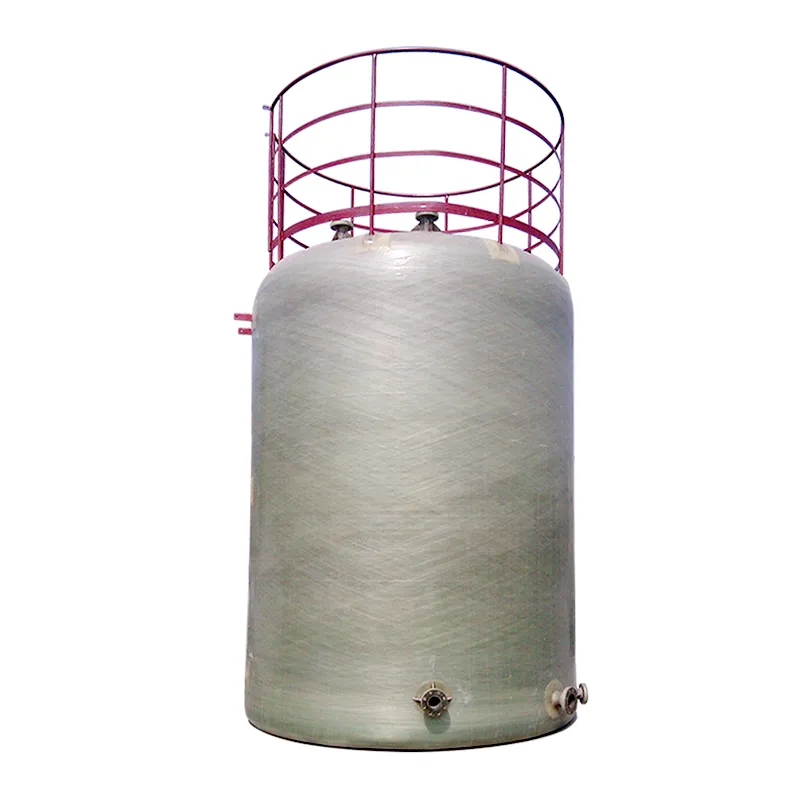
Case briefs
- Municipal bleach storage: 50 m³ vinyl ester tank, 0.4 MPa rating. After 18 months, liner inspection showed no blistering; operators noted zero rust staining—small thing, big morale boost.
- Steel pickling upgrade: HCl service, dual-veiled liner. Temperature spikes handled; vent scrubber connection added later—FRP nozzle retrofit was painless.
- Desalination brine tank: UV-stabilized outer coat near coast. Five typhoon seasons, no structural issues; anchors were the hero here.
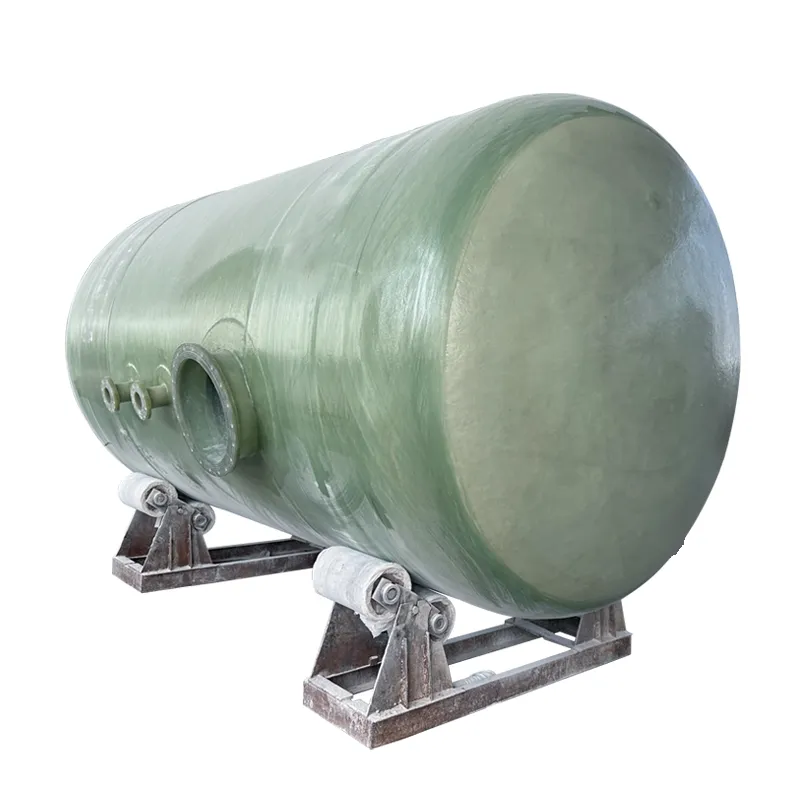
Should you shortlist these Fiberglass Tanks For Sale?
If corrosion, cost of repainting, or downtime drives your budget, yes. Steel still wins for extreme pressure and temperature, but FRP owns chemical storage in the mid-range. And surprisingly, total lifecycle cost is usually lower—fewer coatings, fewer shutdowns.
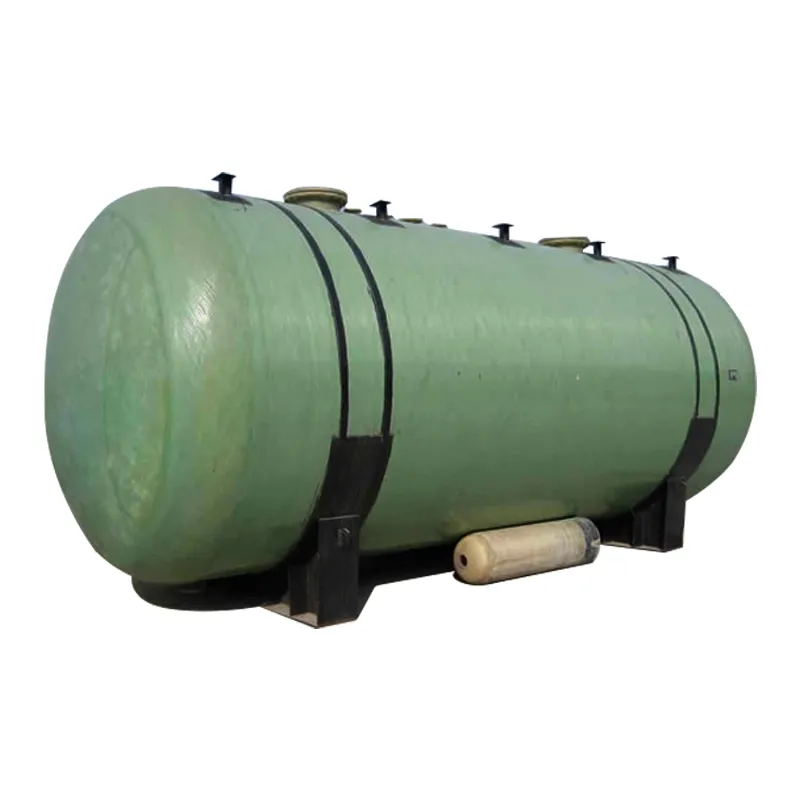
Procurement checklist
- Corrosion study: medium, concentration, temp, UV.
- Standards: specify ASME RTP-1 with inspection hold points.
- Liner thickness and veil type, in writing.
- Hydrotest, Barcol, and spark test reports included at delivery.
- Anchorage and foundation details—don’t skip wind/seismic.
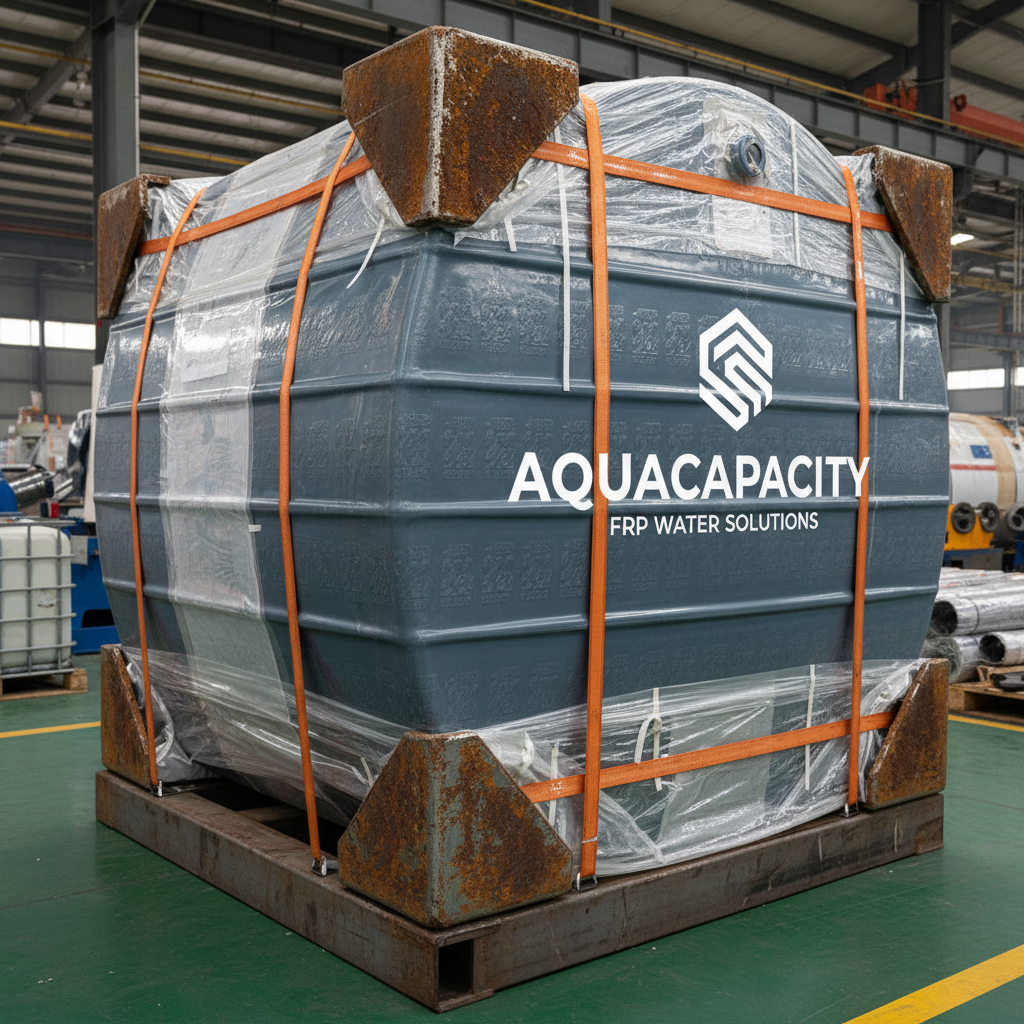
If you’re comparing Fiberglass Tanks For Sale, ask for recent QC logs and a live video of filament winding. In fact, that five-minute clip tells you more about a factory than any brochure.
Authoritative references
- ASME RTP-1: Reinforced Thermoset Plastic Corrosion Resistant Equipment.
- ASTM D3299 and ASTM D4097: Standard specs for filament-wound and contact-molded FRP tanks.
- NSF/ANSI 61: Drinking Water System Components—Health Effects.
- ISO 14692: Petroleum and natural gas industries—GRP systems (design principles applicable to FRP vessels).