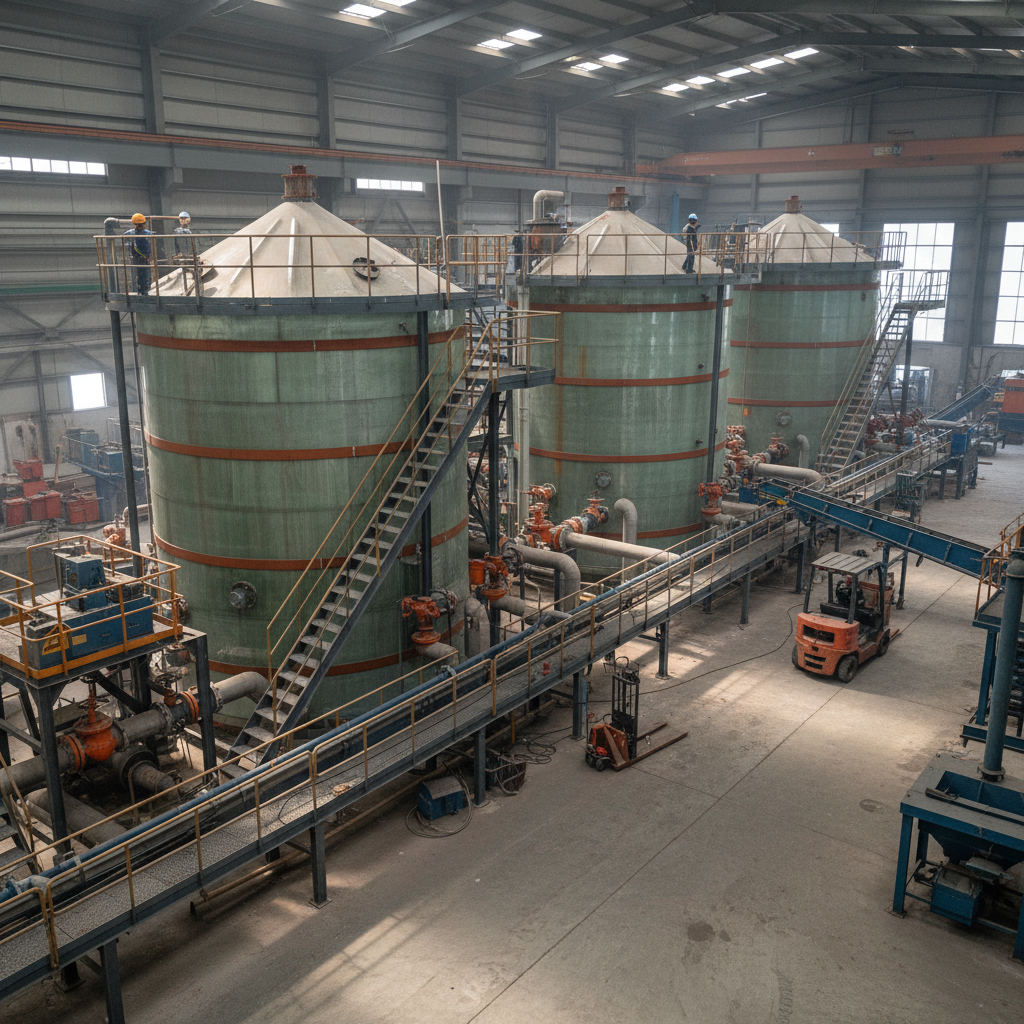
Fiberglass Tubes for Sale | Durable, Lightweight, Custom
A Field Guide to Modern FRP/GRP Pipes: What to Know Before You Buy
If you’ve been hunting for Fiberglass Tubes For Sale, you’re probably comparing corrosion resistance, pressure ratings, and who can actually deliver on time. I’ve toured a lot of factories; surprisingly, the real differentiator isn’t just resin or fiber—it’s process control and testing discipline.
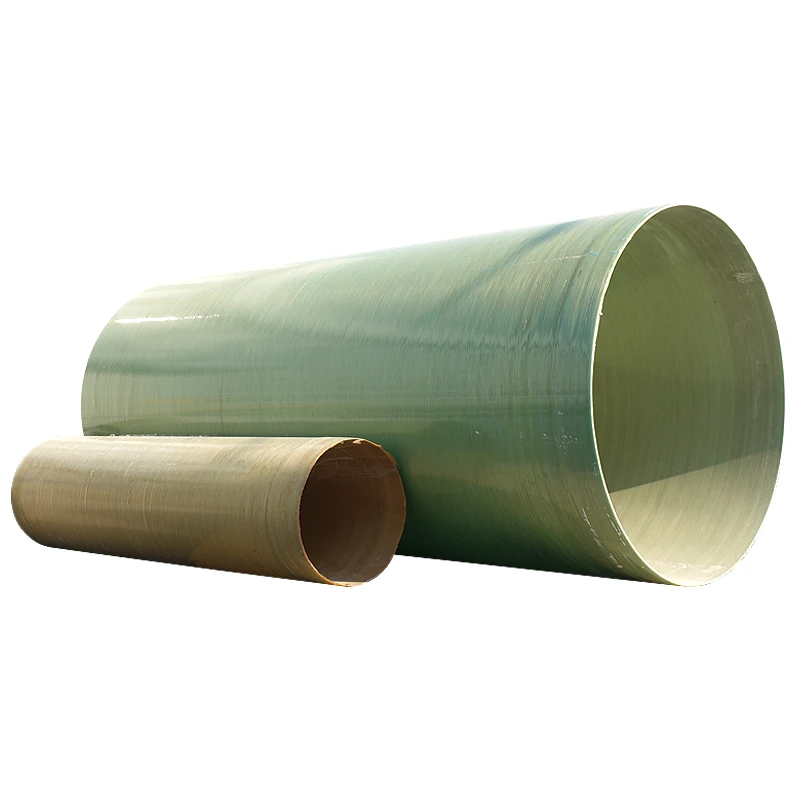
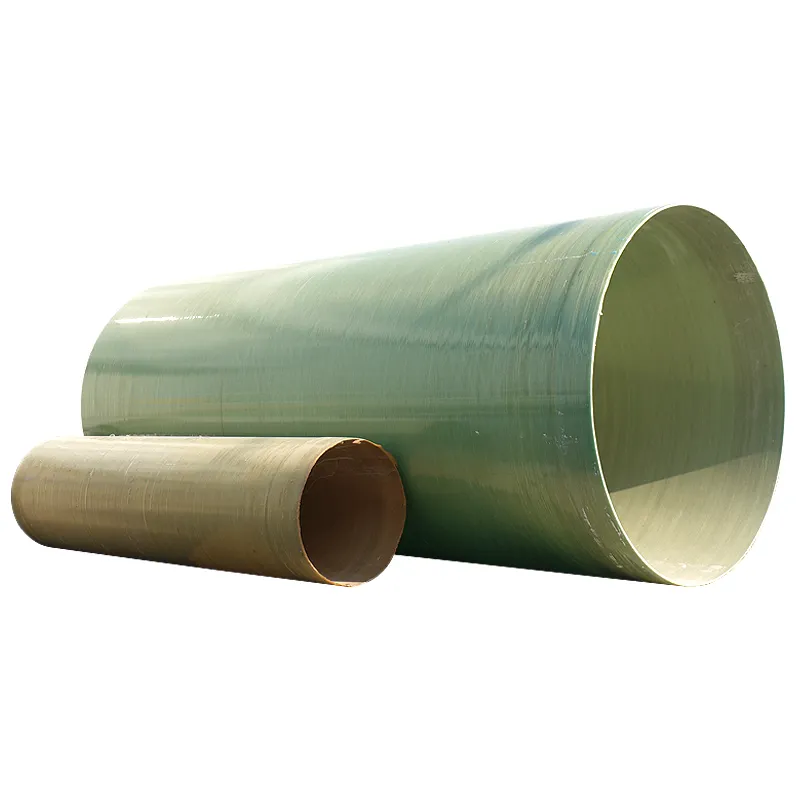
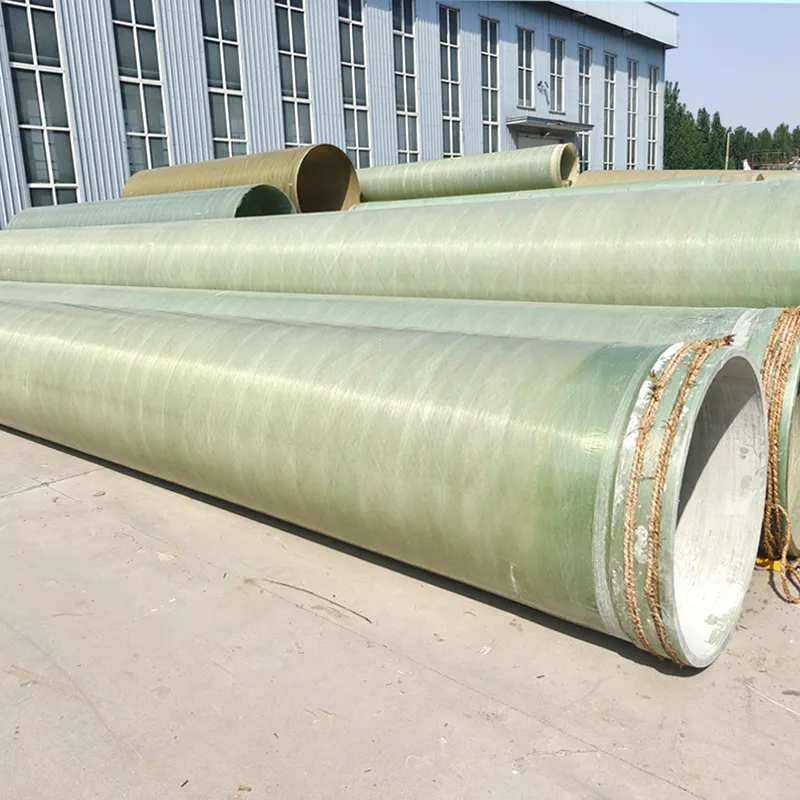
Here’s the short take: FRP/GRP pipe (filament-wound) uses a quartz-sand core to form a sandwich structure that boosts stiffness and reduces cost per meter without killing flow. The origin of one reliable OEM I’ve visited: No. Room 211, 706 Xinghua North Street, Jizhou District, Hengshui City, Hebei Province. They wind accurately, cure consistently, and keep paperwork straight—critical if your engineer asks for test lots and traceability.
Industry trends (and what they mean for your project)
- Decarbonization push: longer-life, low-maintenance pipe (less truck rolls) is in. FRP fits.
- Water reuse/desalination: high chloride environments favor FRP liners over ductile iron.
- Standards convergence: ISO 14692 and AWWA C950 are being specified more often, even outside oil & gas.
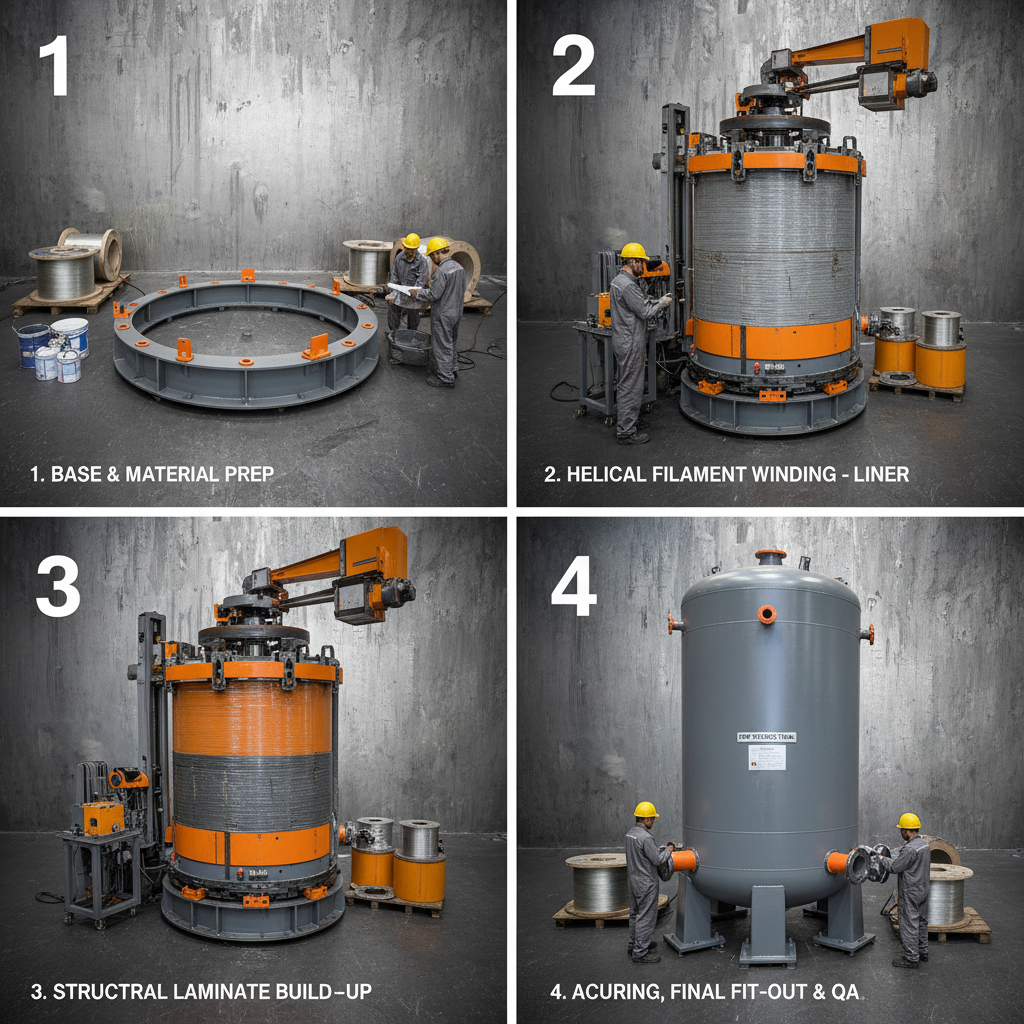
How it’s made (the quick but real version)
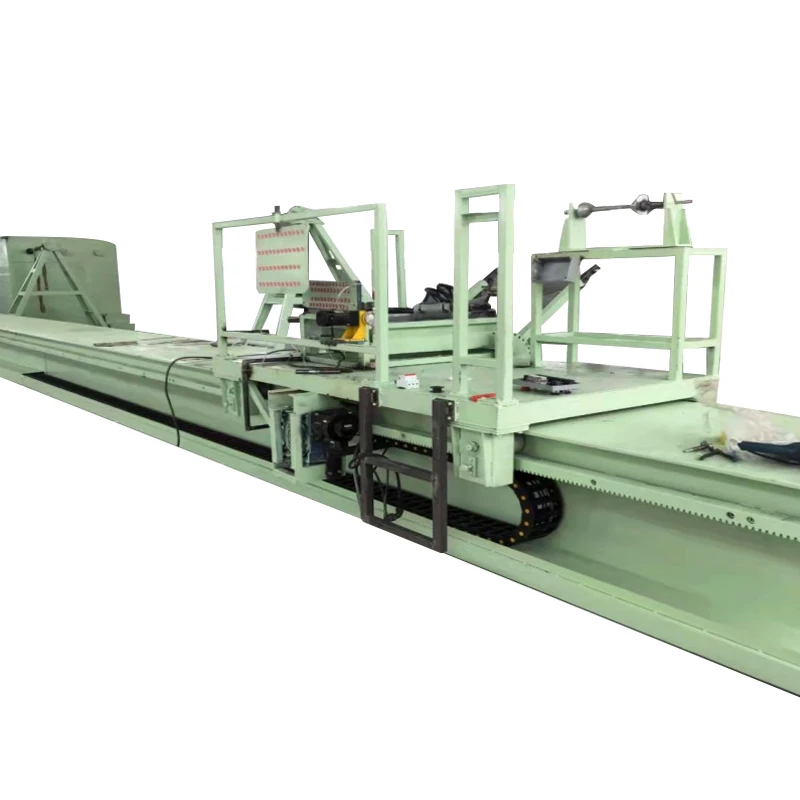
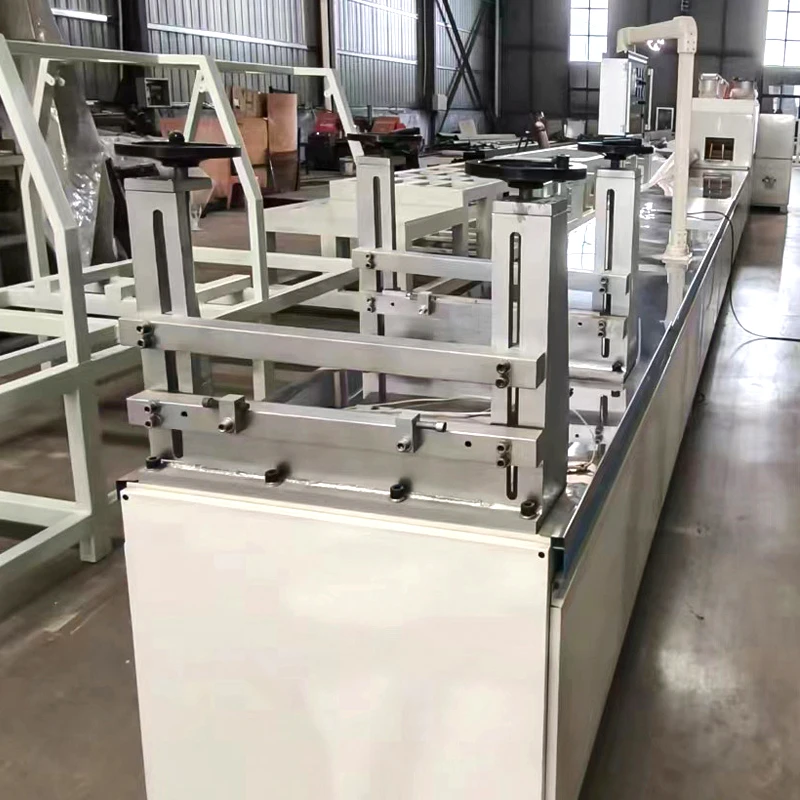
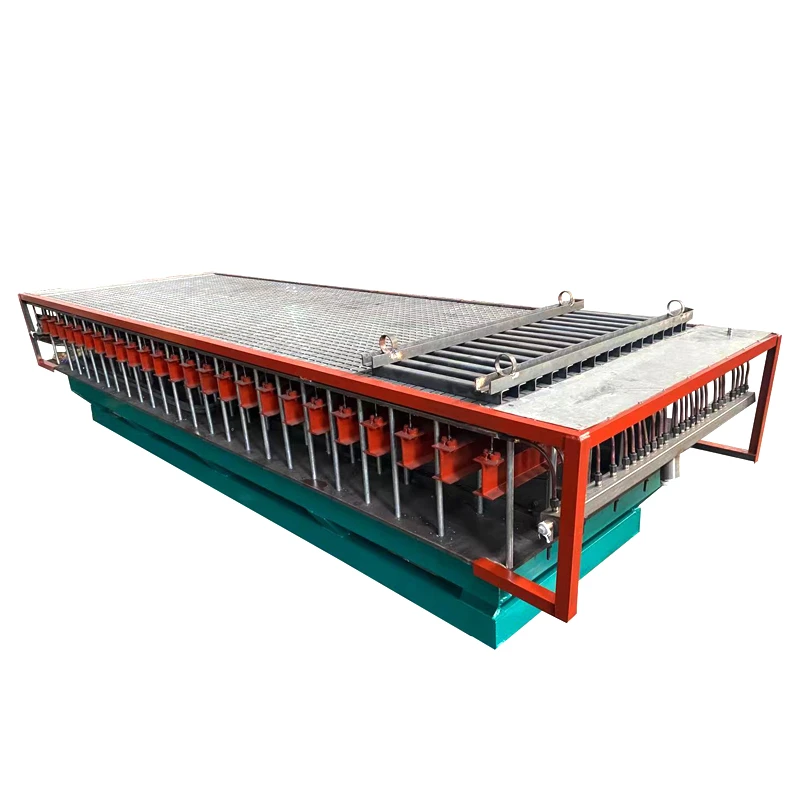
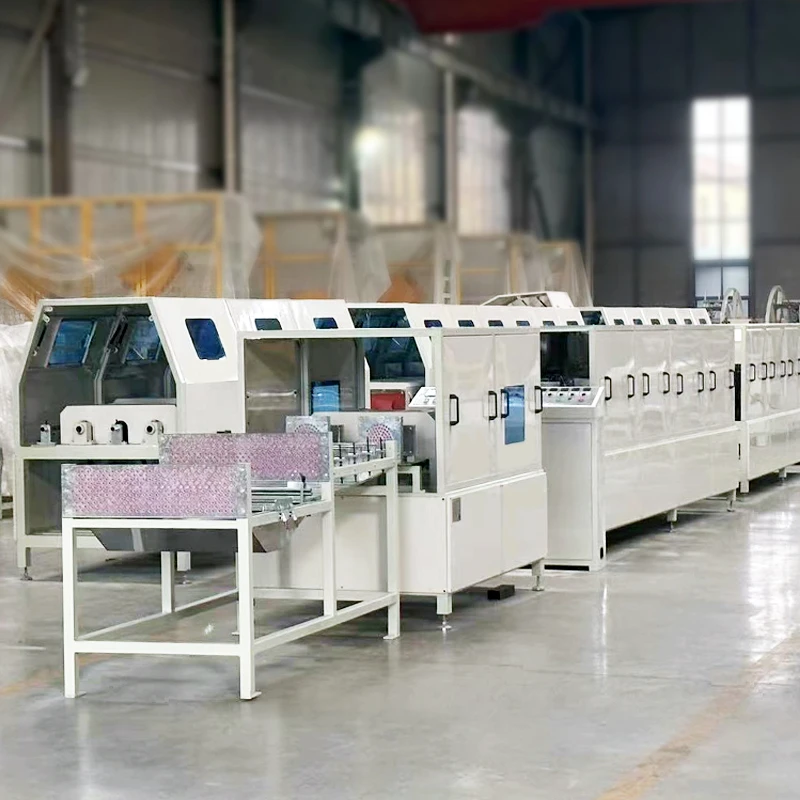
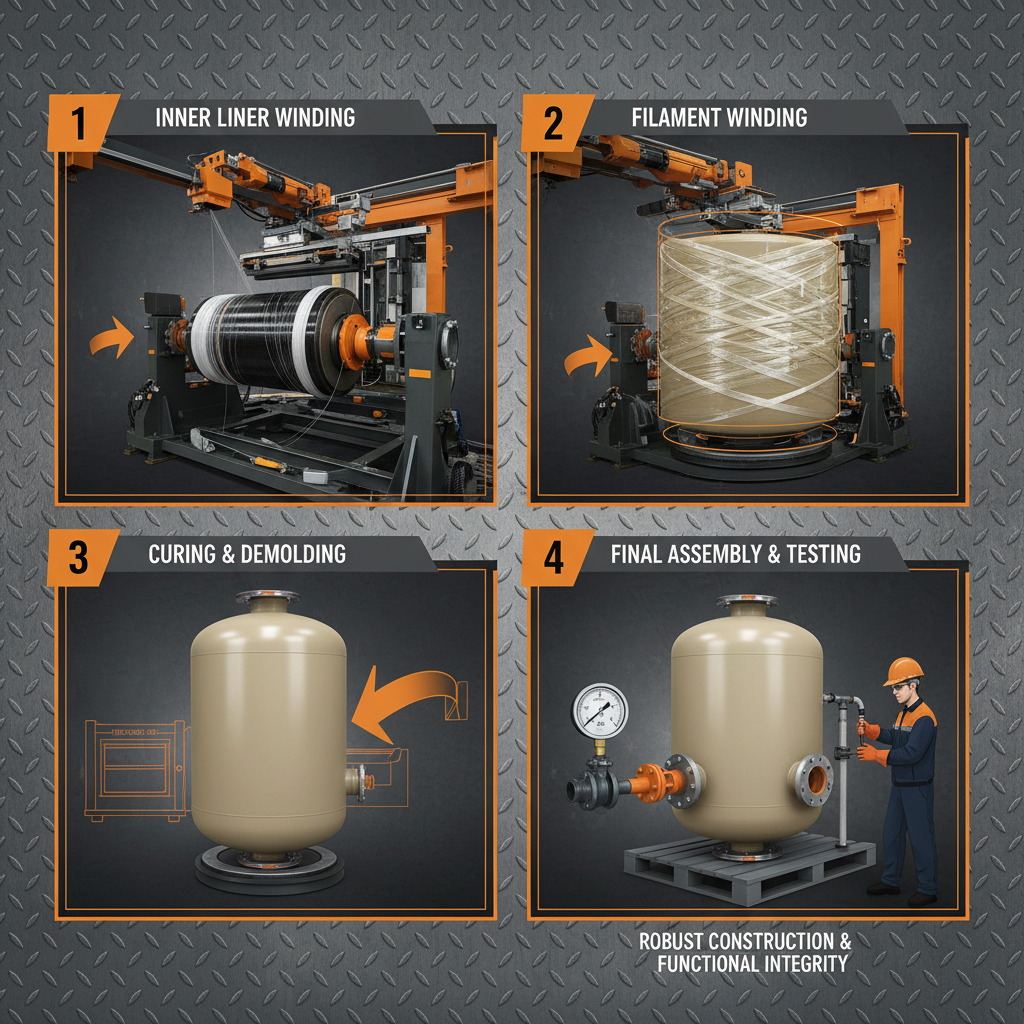
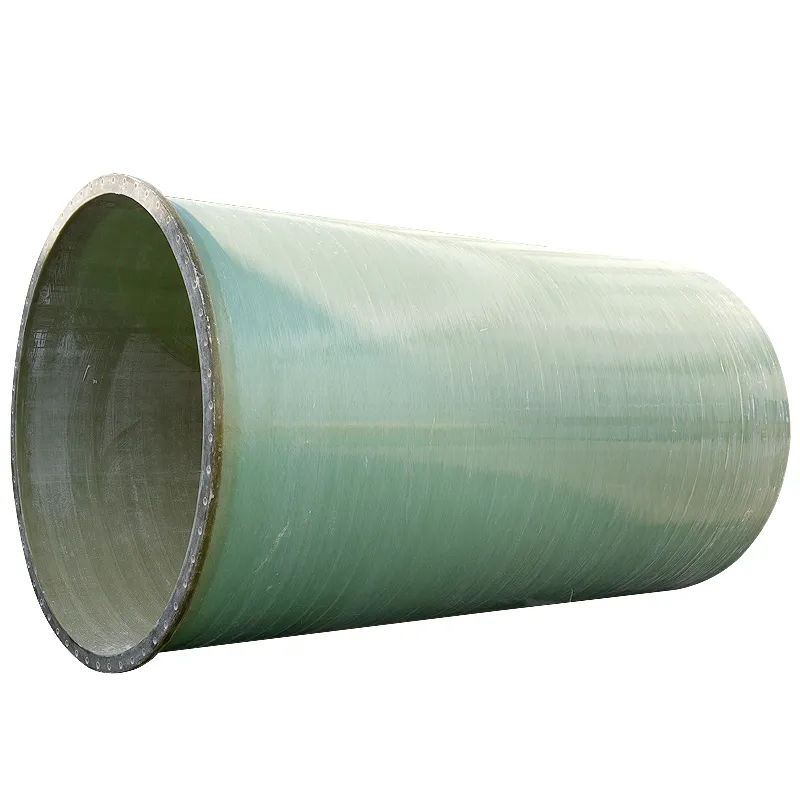
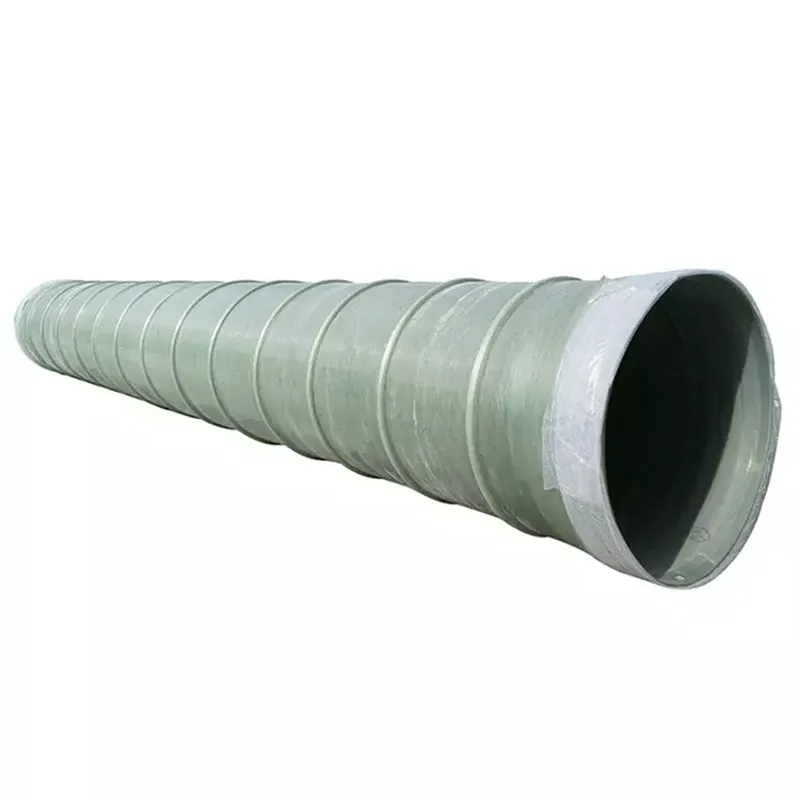
Materials: E-glass roving, isophthalic/vinyl ester resin, quartz sand core, corrosion-resistant liner, UV veil (optional). Method: controlled filament winding on steel mandrel; multi-pass layering; gelcoat liner; elevated-temp cure; post-cure as needed. Tests: hydrostatic (factory), ring stiffness (SN classes), Barcol hardness, dimensional checks, 100% visual, occasional NDT. Typical service life: ≈ 50 years in municipal water; real-world use may vary with chemistry and temperature.
Core specs at a glance
| Parameter | Typical value (≈) | Standard/Note |
|---|---|---|
| Diameter range | DN50–DN3000 | Custom mandrels available |
| Pressure class | PN 0.6–2.5 MPa | AWWA C950/ASTM D3517 |
| Ring stiffness | SN 2500–10000 N/m² | ISO 10467 |
| Temperature | -40 to 110 °C | Resin dependent |
| Hazen–Williams C | ≈ 150 (new) | Low headloss |
| Joints | Bell-spigot, adhesive, or gasketed | Per project spec |
Where it works best
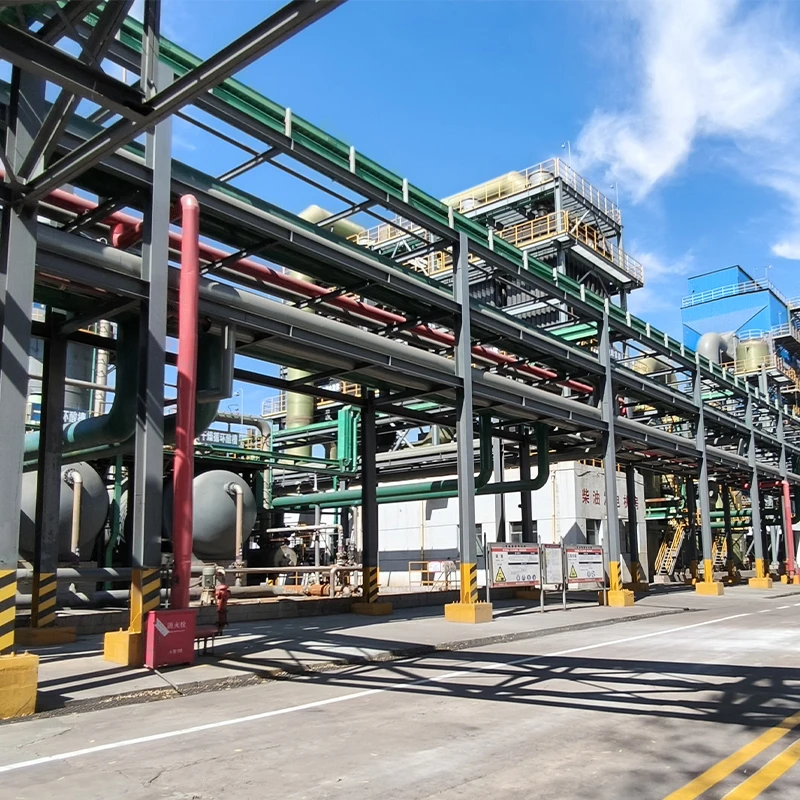
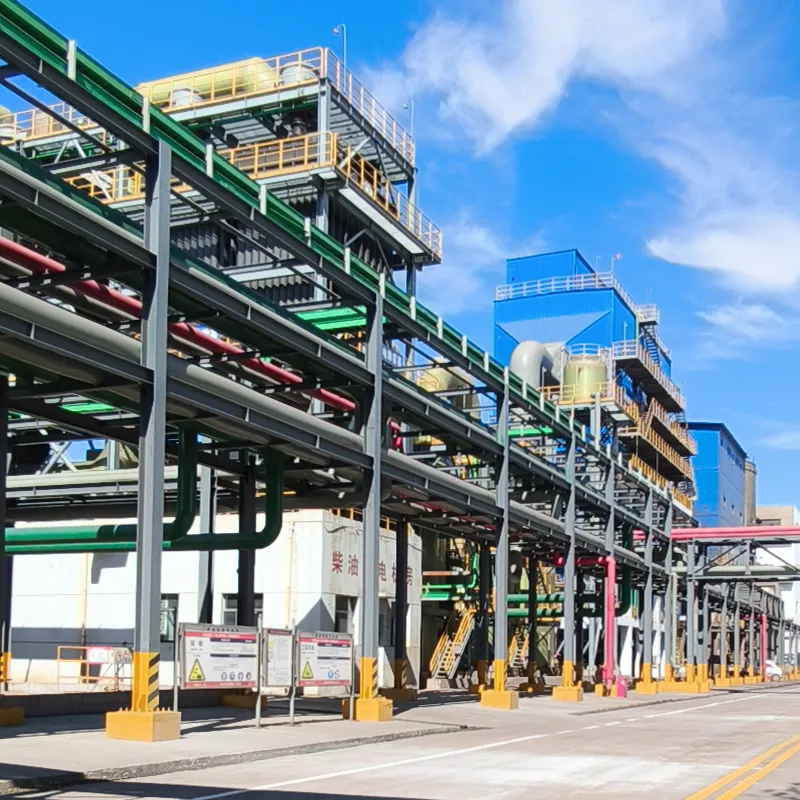
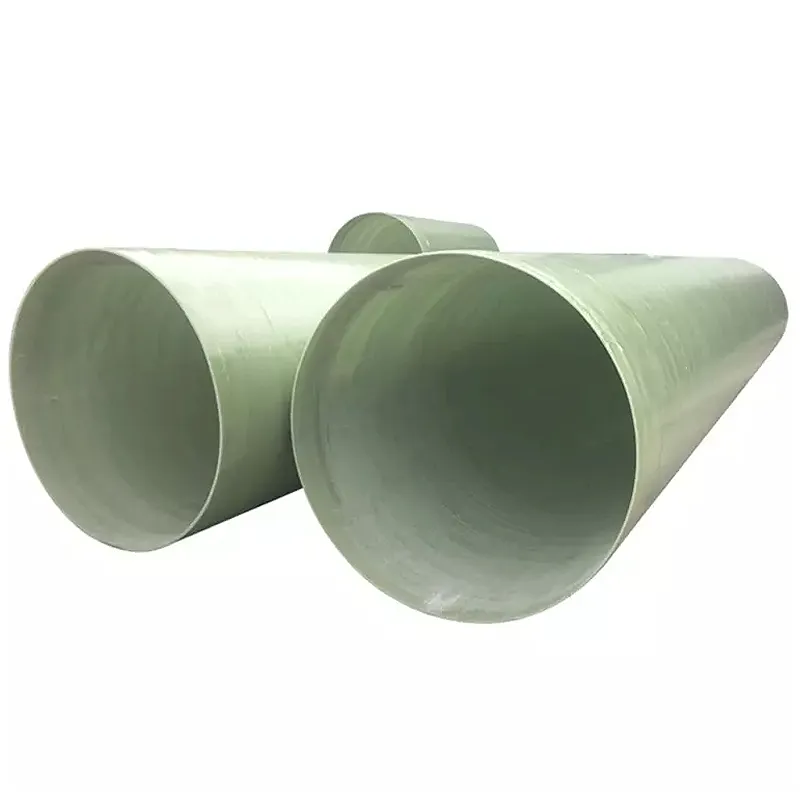
Municipal water/sewer, fire mains, desalination intakes, chemical plant brine/NaOCl, mining slurry return, offshore platforms, and cable conduits. Many customers say install speed and light weight beat steel where access is tight.
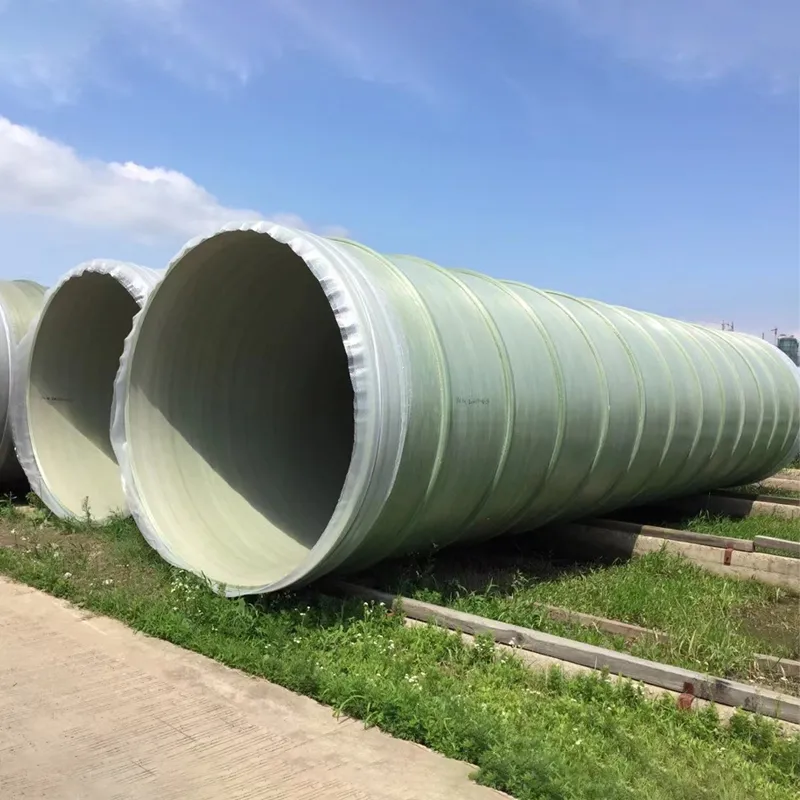
Why choose FRP/GRP
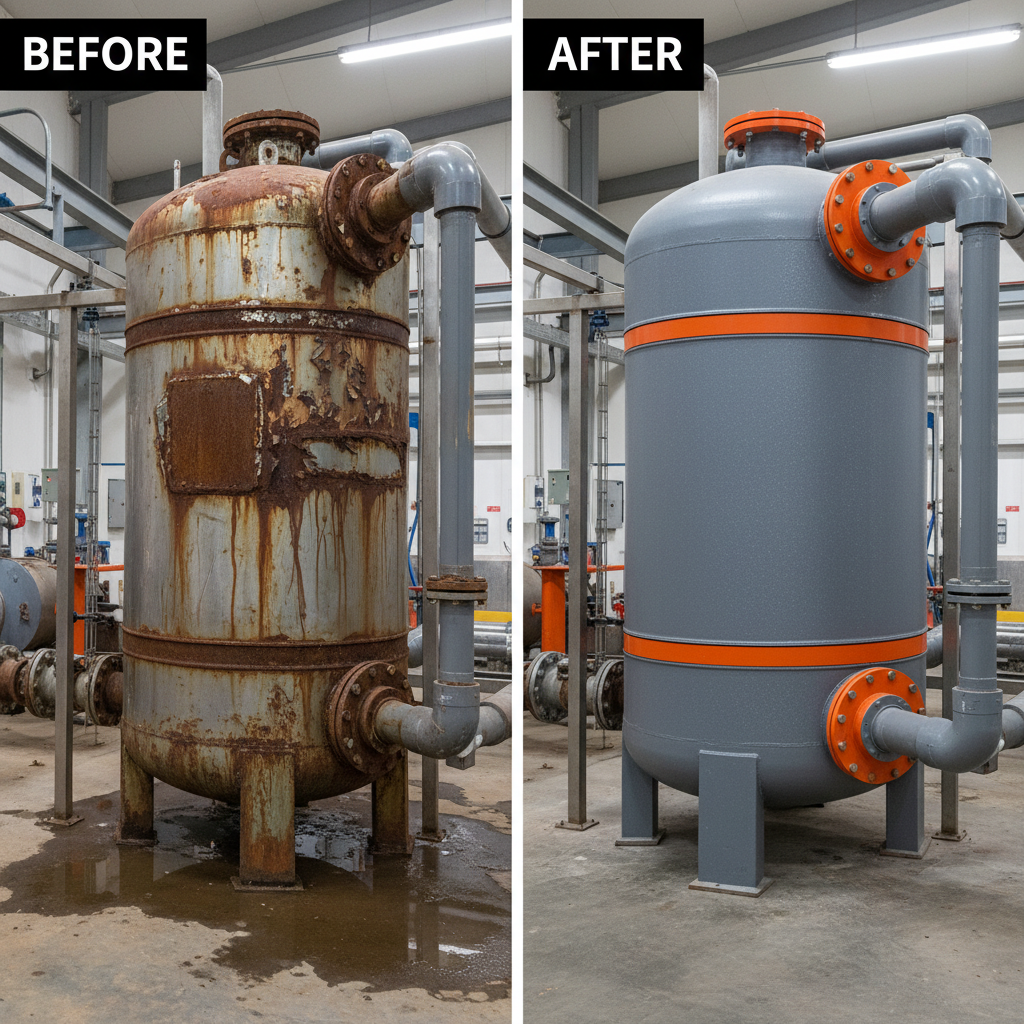
- Corrosion resistance: excellent vs chlorides/acids (with proper liner/resin).
- Lightweight: easier logistics, fewer lifts.
- Stable hydraulics: smooth bore keeps C high.
- Lower lifecycle cost: fewer coatings/cathodic systems.
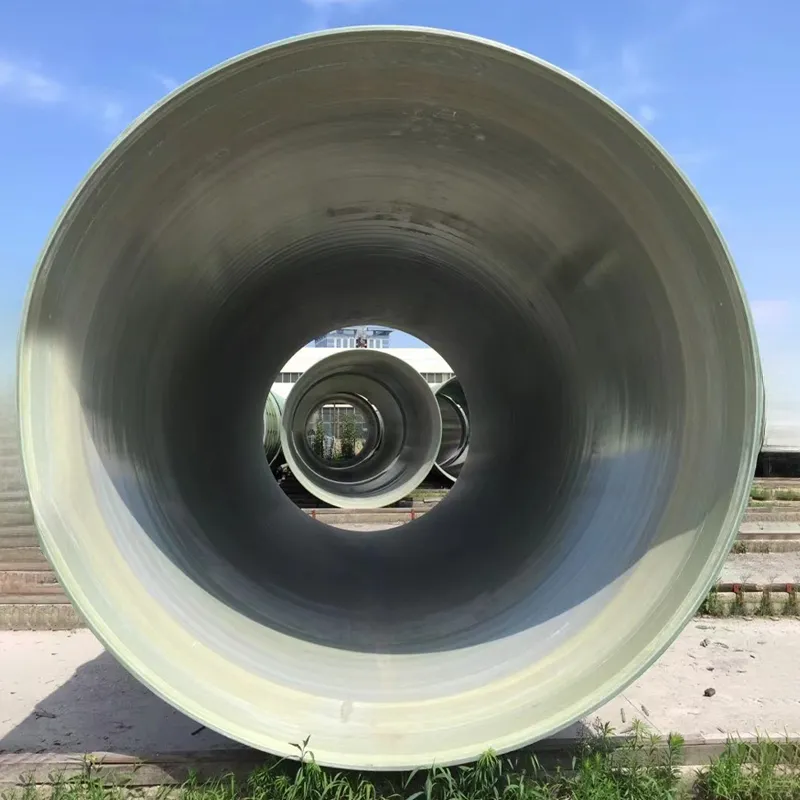
Vendor comparison (what I actually check)
| Vendor | Certs | Customization | Lead time | Price (≈) |
|---|---|---|---|---|
| OEM (Hebei, Jizhou) | ISO 9001/14001; third-party test reports | Diameters, SN, resin, joints | 3–6 weeks | Factory-direct |
| Trading house | Varies | Depends on upstream | Longer/unpredictable | +5–12% |
| Generic import | Limited | Limited SKUs | Stock only | Low, but specs fixed |
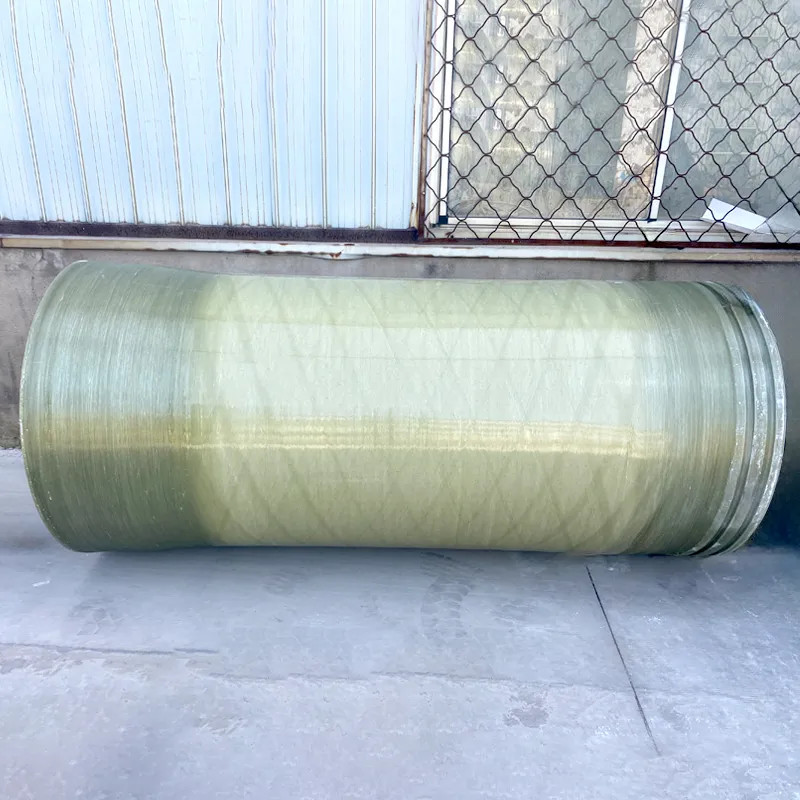
Customization menu
Pick resin (ISO, vinyl ester for chemicals), liner thickness, stiffness class, RAL color, joint system, and length (typically 6–12 m). Ask for factory hydrotest certificates, Barcol data, and cure records; SGS/BV inspection can be arranged. To be honest, good paperwork saves hours onsite.
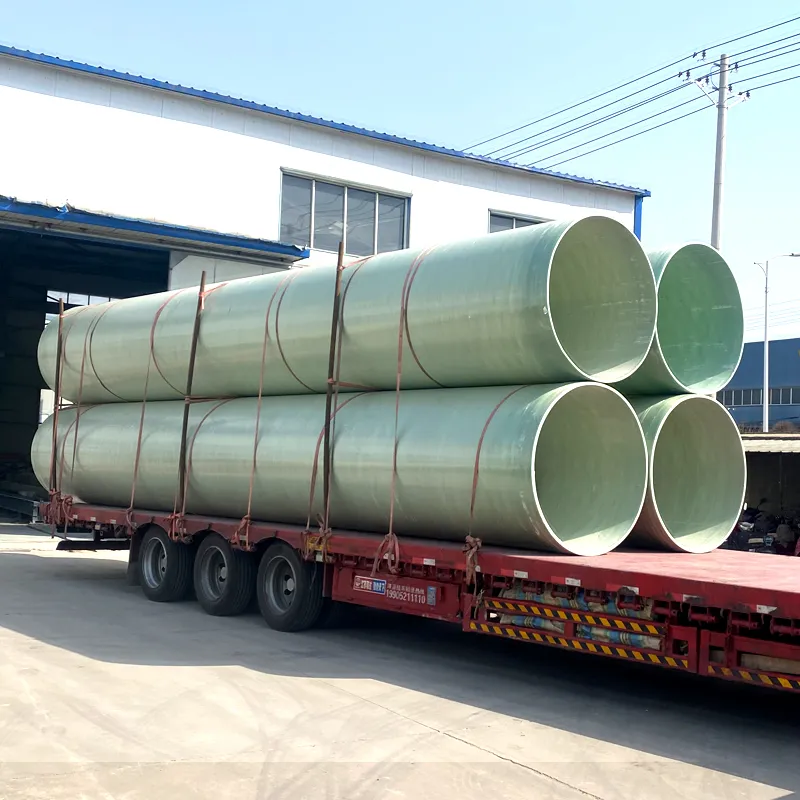
Mini case notes
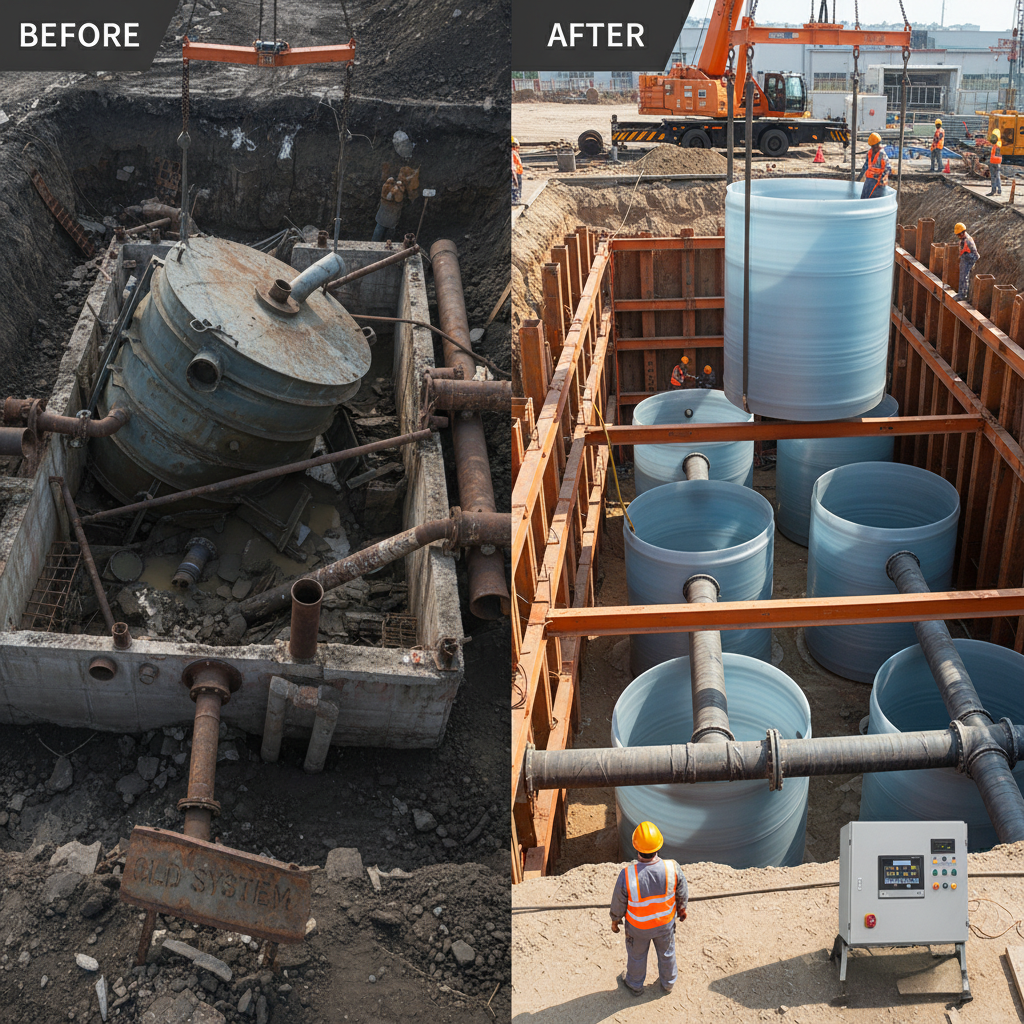
Municipal retrofit: 30 km DN800 PN1.6 FRP main; NRW dropped ≈ 9% after replacement. Crew said bell-spigot gaskets cut install time by “a day per km.”
Chemical plant: NaOCl line, vinyl ester liner; zero coating touch-ups in 24 months. Operator feedback: “no odor seepage, stable pressure.”
Quick buying checklist
- Specify standards: ISO 14692/AWWA C950/ASTM D3517, as applicable.
- Confirm SN class and PN vs transient pressures.
- Request QA pack: hydrotest, Barcol, cure, dimensional log.
- Verify gasket/adhesive system and installer training.
- Plan UV shielding if above-ground (veil/paint).
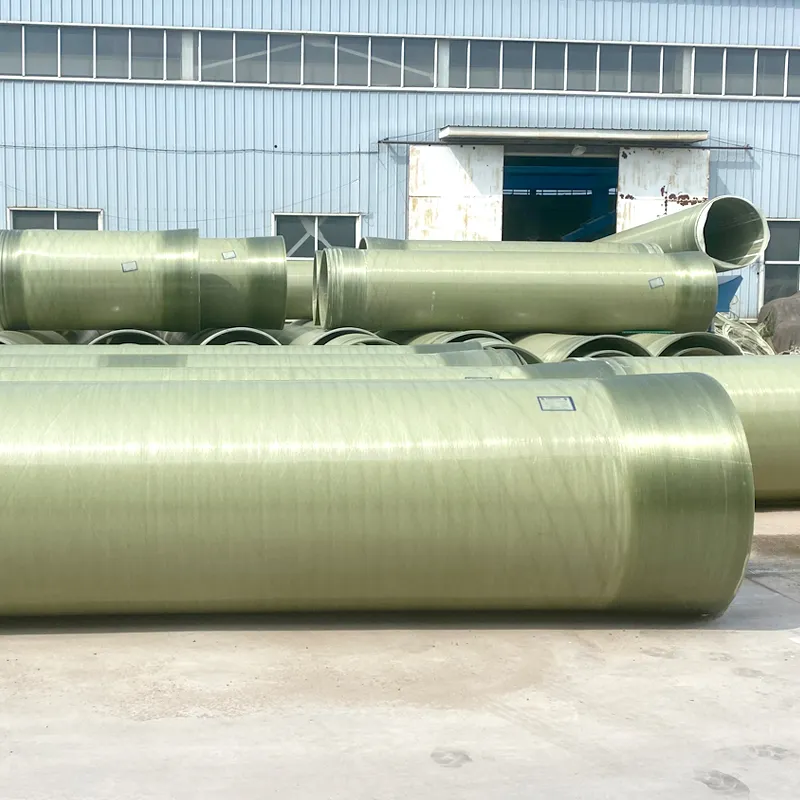
If you need factory-direct support from Hebei (Jizhou) with documented tests, the FRP/GRP pipes above are a solid pick. For your shortlist of Fiberglass Tubes For Sale, focus on standards compliance, stiffness class, and QA transparency—price will follow.
Authoritative citations
- ISO 14692: Petroleum and natural gas industries — Glass-reinforced plastics (GRP) piping. https://www.iso.org
- AWWA C950: Fiberglass Pressure Pipe. https://www.awwa.org
- ASTM D3517/D2996: Filament-Wound Glass-Fiber-Reinforced Thermoset Resin Pipe. https://www.astm.org
- ISO 10467: Pipes and fittings of glass-reinforced plastics for sewerage. https://www.iso.org