Nov 28,2025

Fibre Tanks - Durable, Lightweight Storage Solutions for Global Needs

What’s a Fibre Tank and Why Does It Matter Globally?

Fibre tanks — they might sound like high-tech sci-fi vessels, but really they’re quietly reshaping how industries and communities store liquids and chemicals worldwide. Whether it’s clean water in a drought-stricken region or chemicals in a sprawling factory, fibre tanks deliver a lightweight, durable solution that’s catching global attention.

Why is this important? Because as populations grow and infrastructure ages, the demand for reliable, sustainable storage grows too. Fibre tanks offer a sustainable alternative to steel or concrete options that can corrode, degrade, or simply be too bulky. Understanding them means more efficient resource management, reduced environmental impact, and even life-saving applications in disaster zones.

Understanding the Global Context of Fibre Tanks

Looking at global statistics, nearly 2.2 billion people worldwide lack access to safely managed drinking water (WHO, 2023). That’s staggering and underscores the urgency of scalable, safe storage solutions. Fibre-reinforced plastic tanks, or fibre tanks, step in here with their impressive corrosion resistance and easy transportability — vital for remote or disaster-prone areas.

On an industrial scale, the chemical, agriculture, and wastewater sectors are also expanding rapidly, with global demand for storage tanks projected to grow by over 5% per year until 2030 (Industry Reports, 2024). The challenge? Providing tanks that resist harsh chemicals, last decades, and can be deployed quickly without massive infrastructure upgrades.

Fibre tanks answer these challenges head-on, leading their niche in environmental sustainability, cost efficiency, and operational flexibility.

Mini takeaway:

  • Fibre tanks meet real-world needs from humanitarian to industrial.
  • Global water and chemical storage demands are rising sharply.
  • Innovative materials meet these challenges more sustainably than legacy solutions.

What Exactly Is a Fibre Tank?

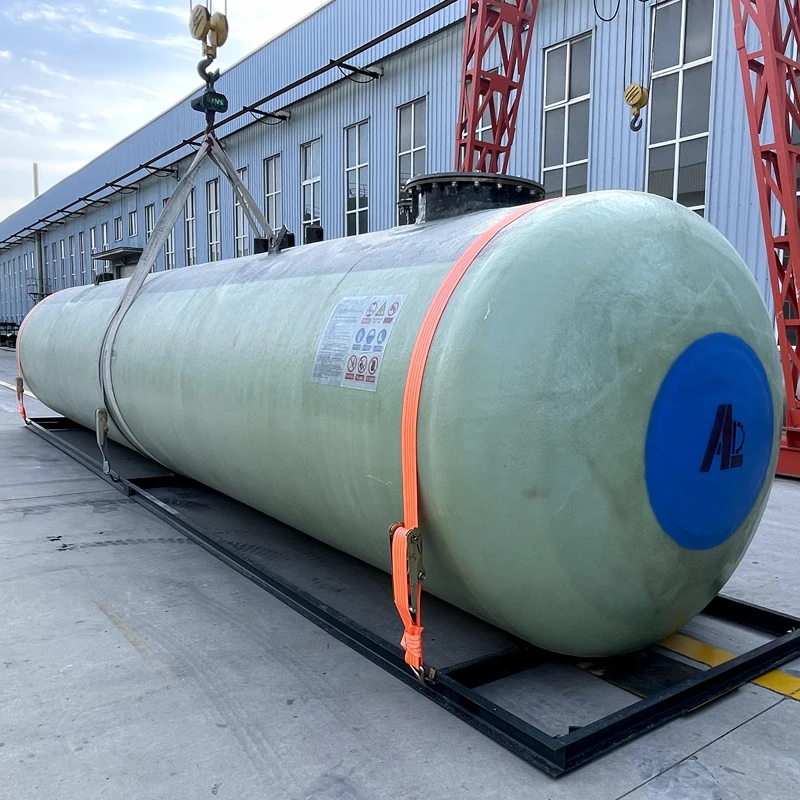
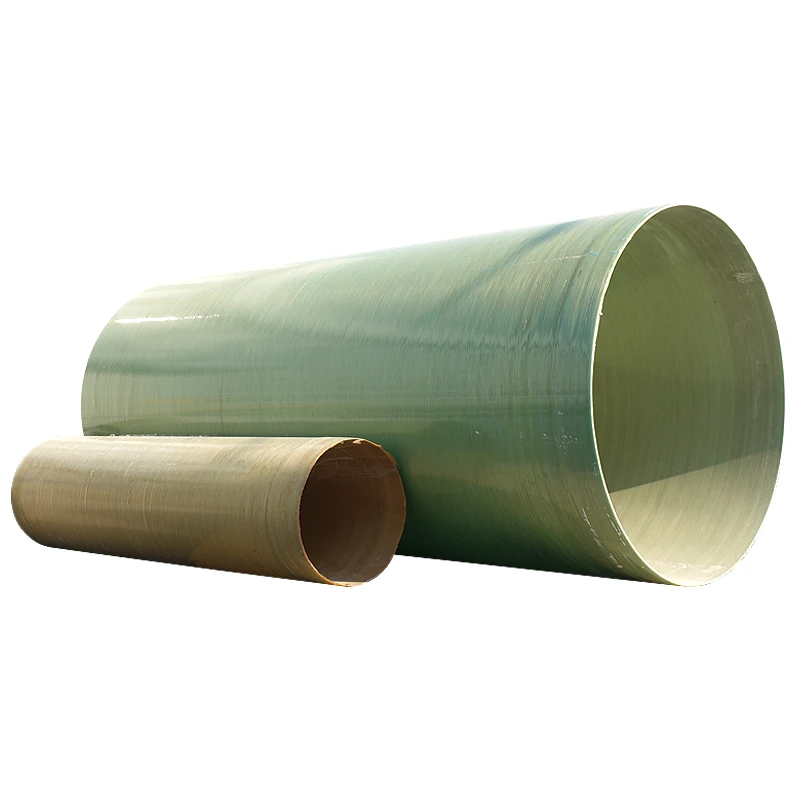
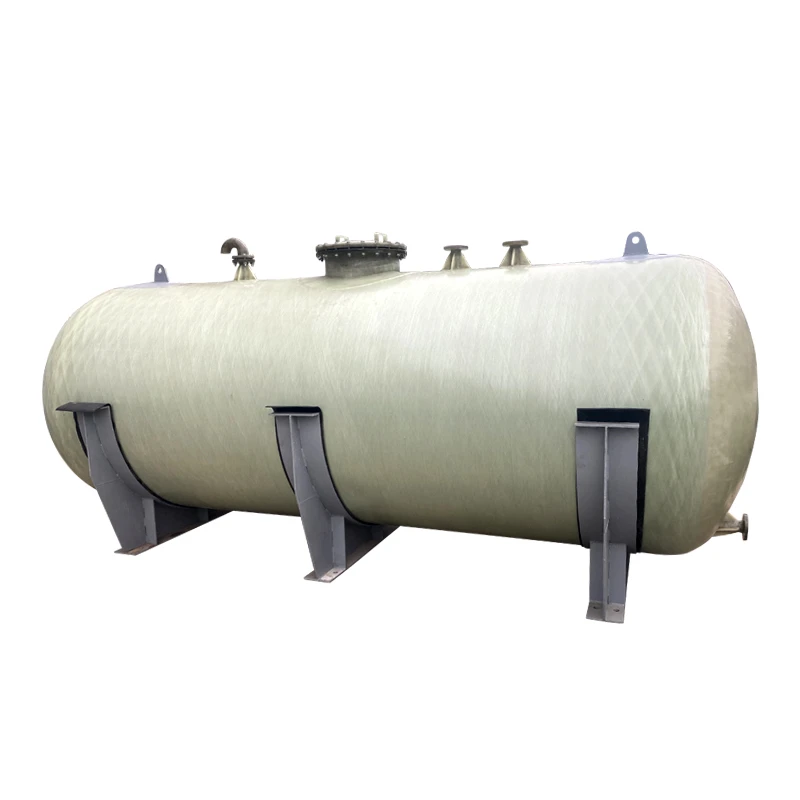
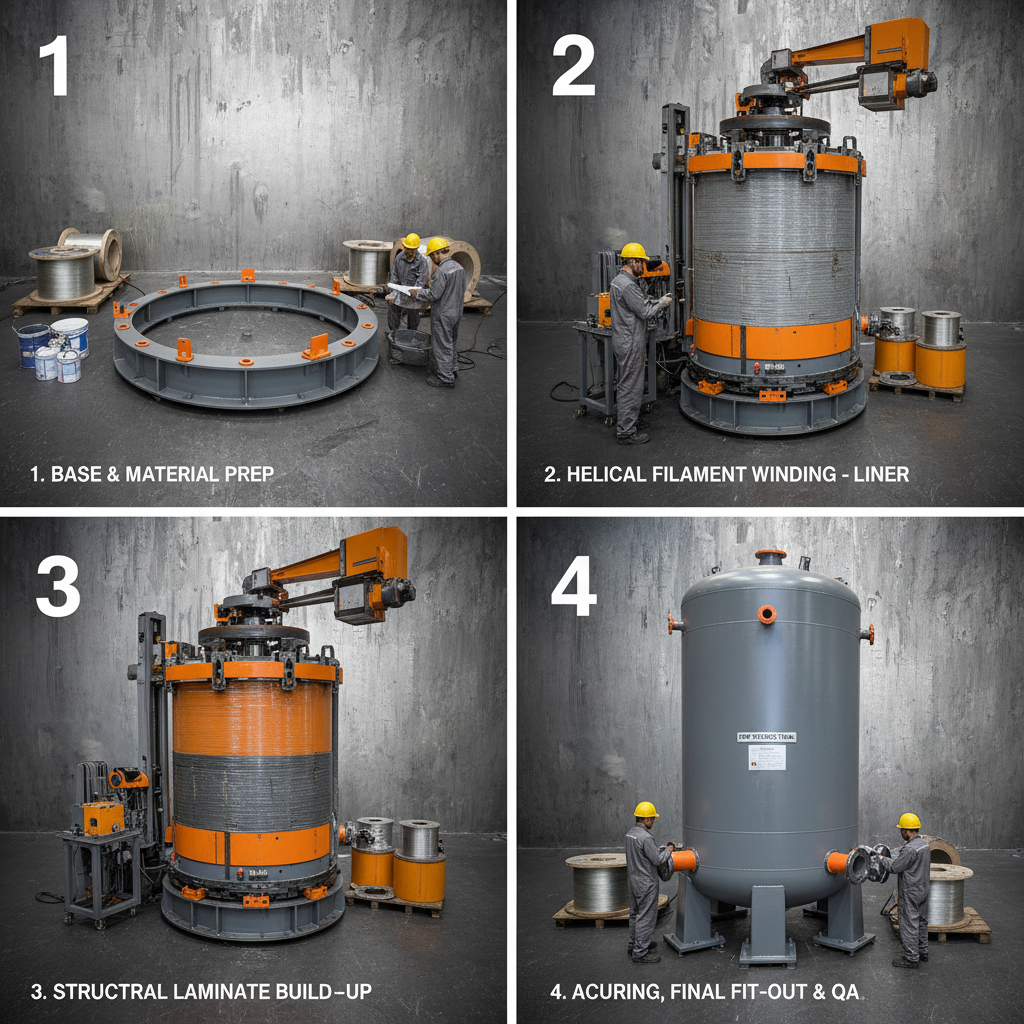
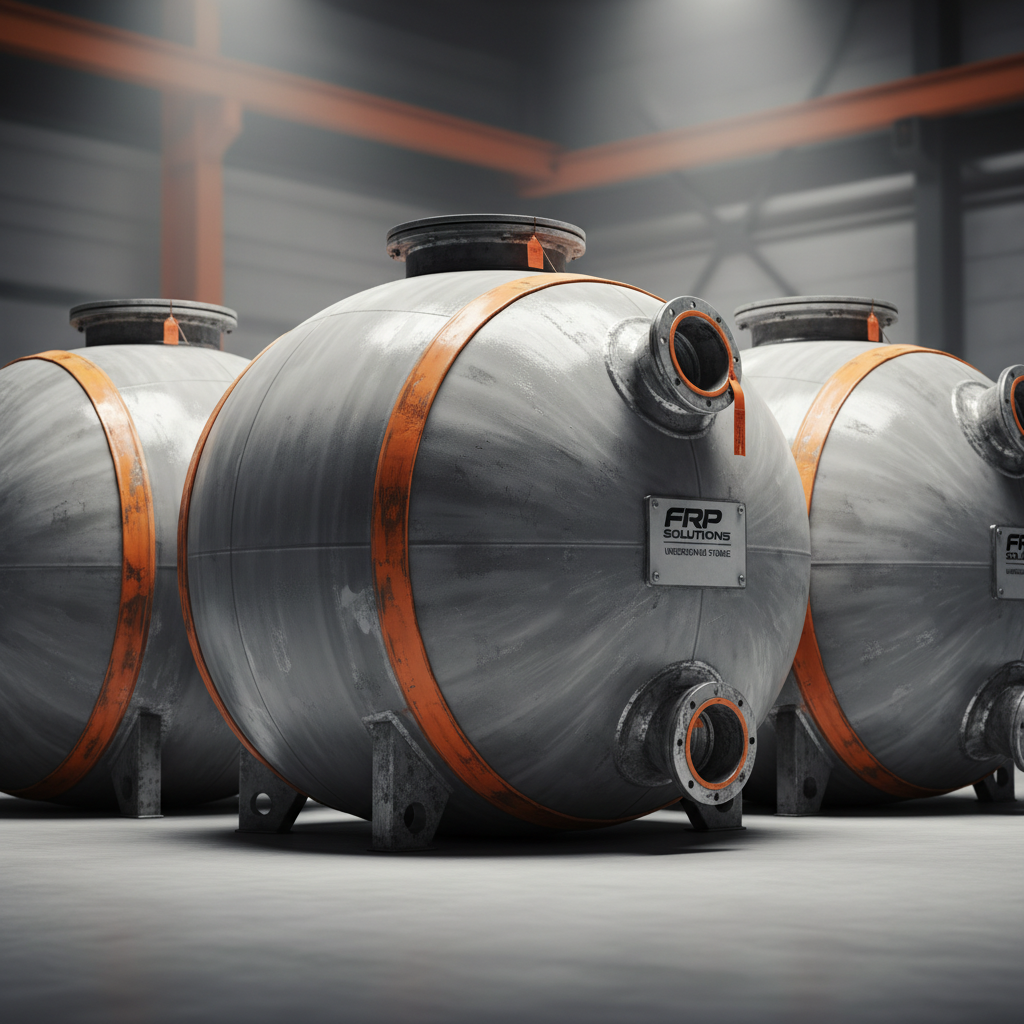
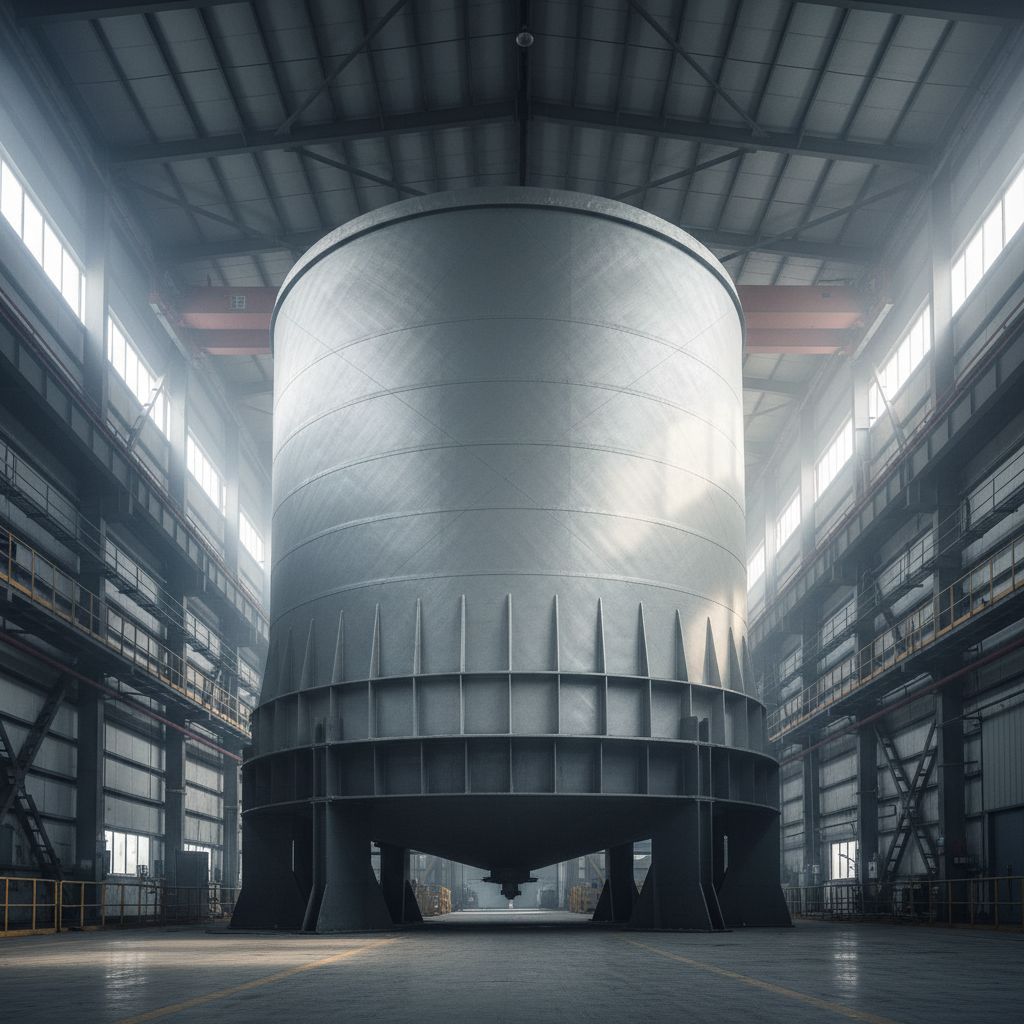
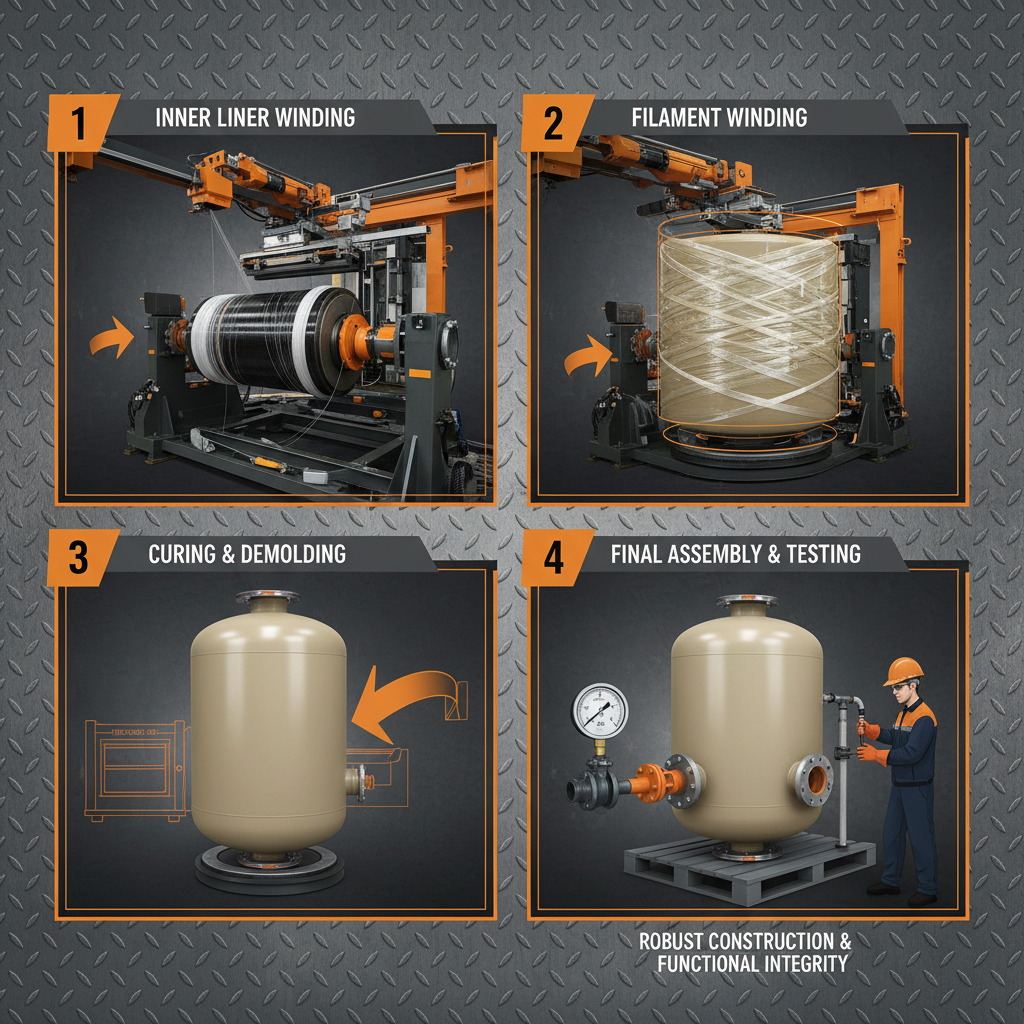
Simply put, a fibre tank is a storage container made primarily from fibre-reinforced plastics — commonly fiberglass combined with resins. This composite material creates strong, lightweight, and corrosion-resistant tanks that can hold anything from potable water to acids and even oil.

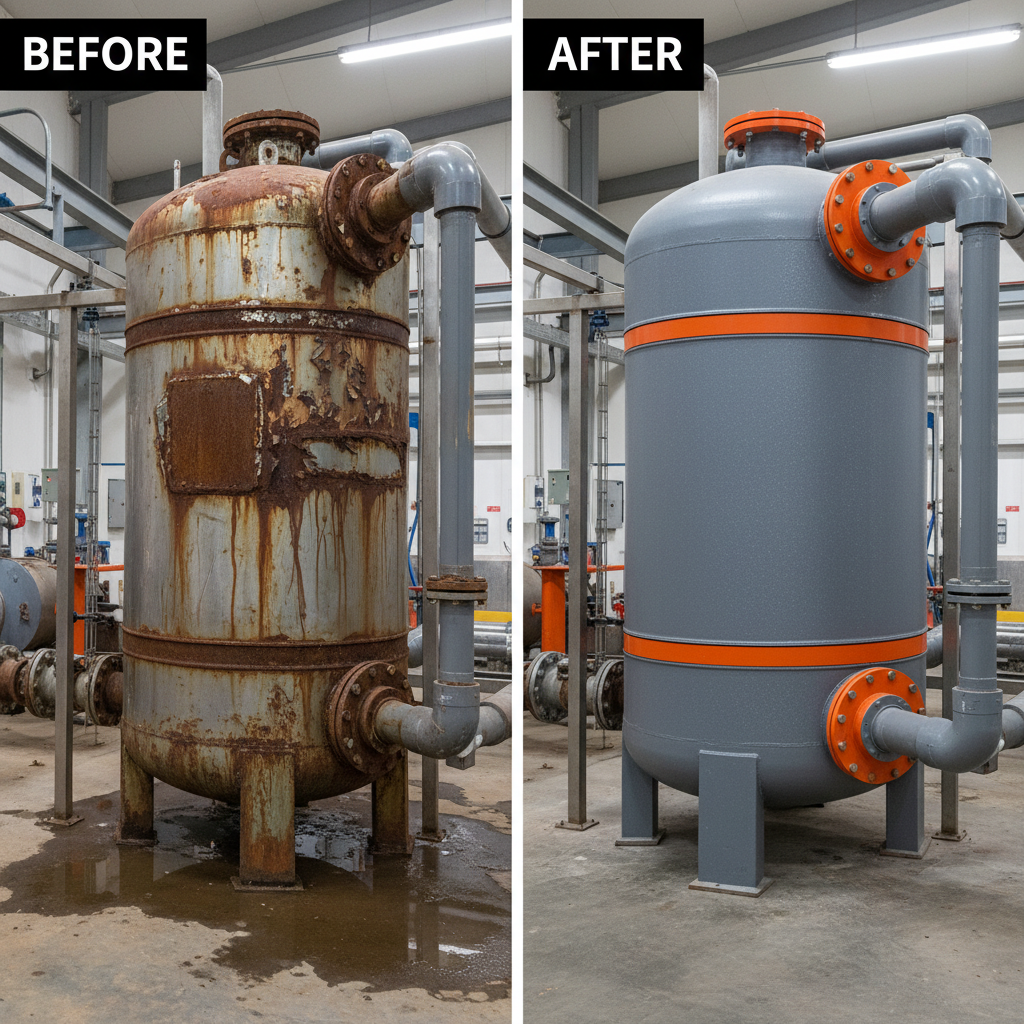
Unlike traditional stainless steel or concrete tanks, fibre tanks don’t rust or crack easily. Think of them as the tough, weatherproof cousins who don’t weigh half a ton or need a chemical coating to survive harsh conditions. This is why they're extensively used both in industrial setups and humanitarian projects alike.

Key Characteristics That Define Fibre Tanks

Durability

Fibre tanks are famously corrosion-resistant. Whether it’s saltwater exposure or aggressive chemicals, these tanks hold up much better than metal alternatives. It’s like the tank equivalent of wearing a raincoat instead of cotton in a storm.

Lightweight & Portable

Because they don’t require thick concrete or steel to be strong, they’re much lighter — often a fraction of the weight of equivalent steel tanks. This means easier installation, transportation, and adaptation on site.

Customizable Capacities & Shapes

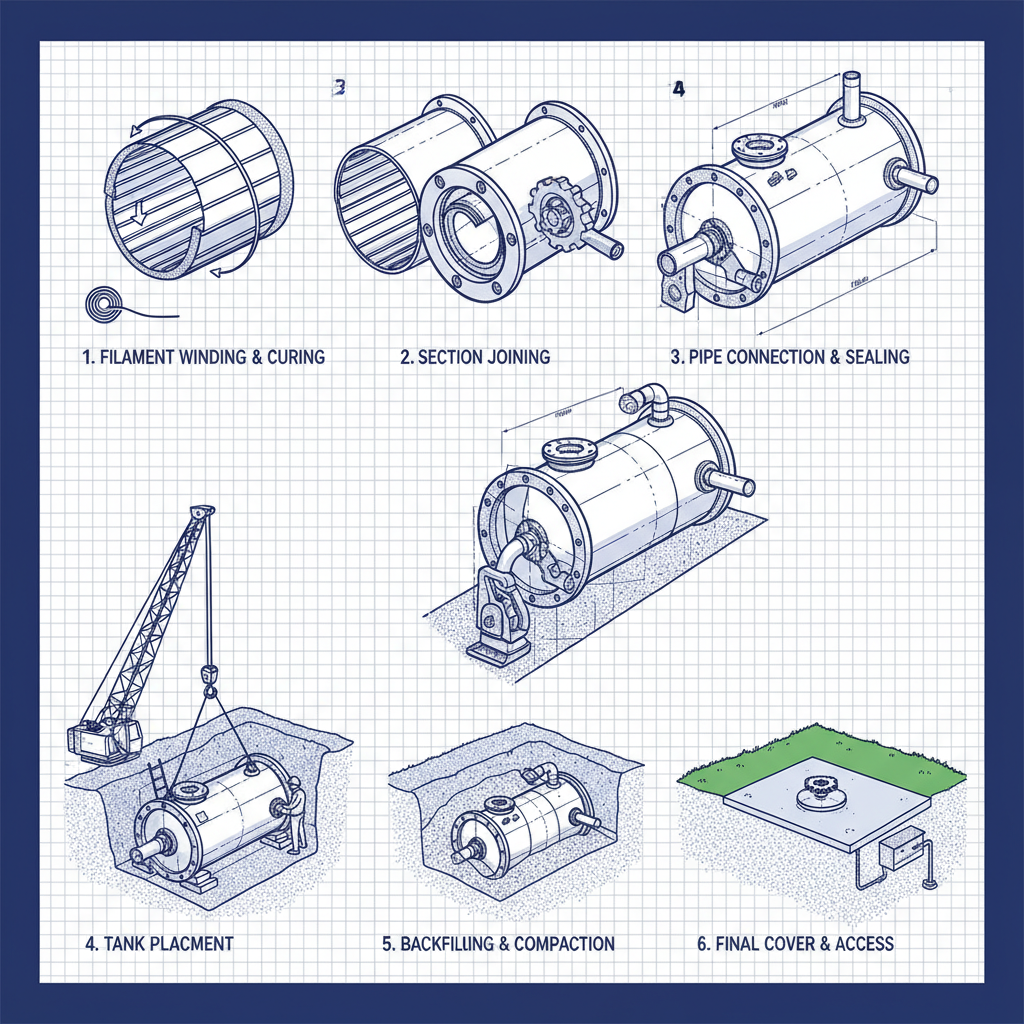
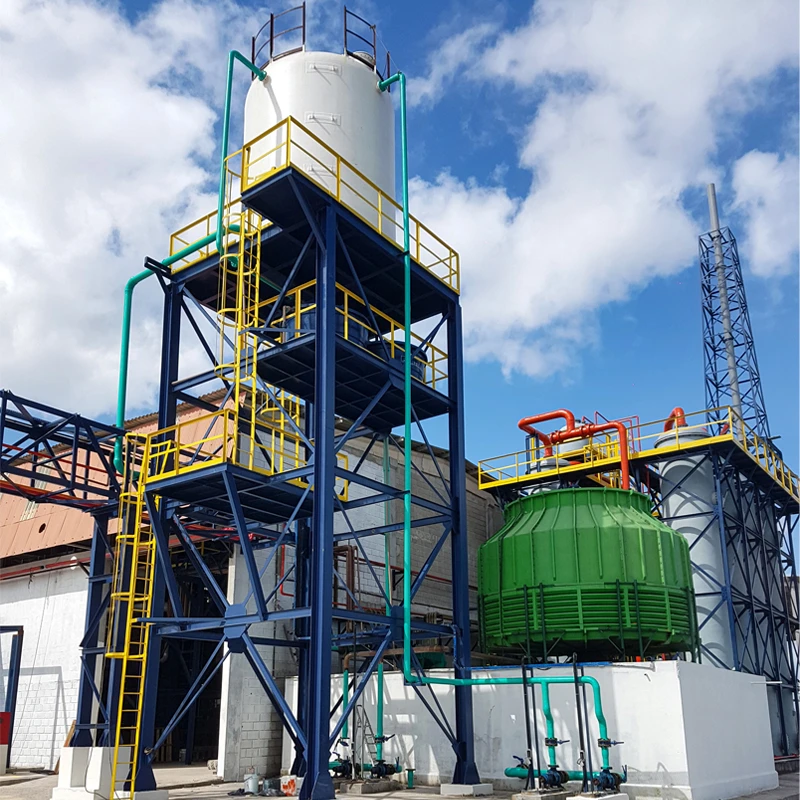
From compact 500-liter tanks to massive multi-thousand liter custom designs, fibre tanks can be tailored. Depending on the project, they can be cylindrical, rectangular, or even oddly contoured.

Cost Efficiency in the Long Term

Initial costs might be comparable or slightly higher than basic steel tanks, but the long-term savings in maintenance, repairs, and downtime more than offset it.

Environmental Resistance

The composite material resists UV degradation, salt corrosion, mold, and even biological fouling, making fibre tanks ideal for outdoor or coastal use.

Easy Maintenance

Fibre tanks don’t need weekly check-ups or paint jobs to stay operational. Often, a quick visual inspection suffices, lowering operational complexity.

Mini takeaway:

  • Fibre tanks combine strength AND lightness — a powerful combo in storage solutions.
  • They’re highly customizable — a boon for niche industrial or humanitarian needs.
  • Less maintenance means happier operators and fewer interruptions.

Worldwide Applications and Real-Life Examples

Fibre tanks have become staple solutions in various sectors:

  • Humanitarian Relief: In post-disaster zones like the Philippines and Haiti, fibre tanks provide quickly deployable water storage that restores dignity and safety.
  • Agriculture: Farmers in Australia and India use fibre tanks for storing irrigation water and fertilizers, thanks to ease of transport to remote fields.
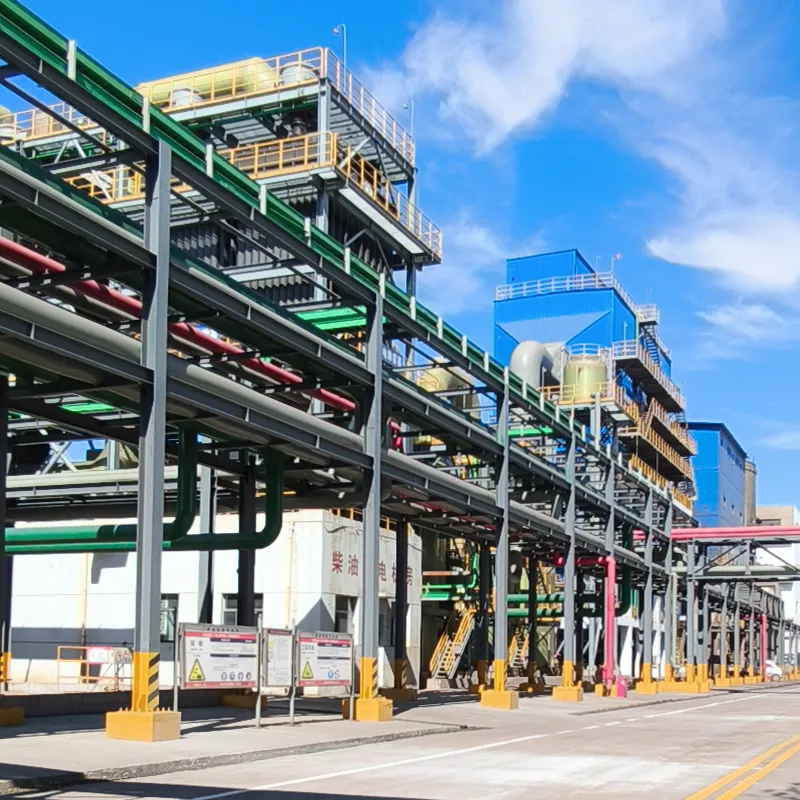
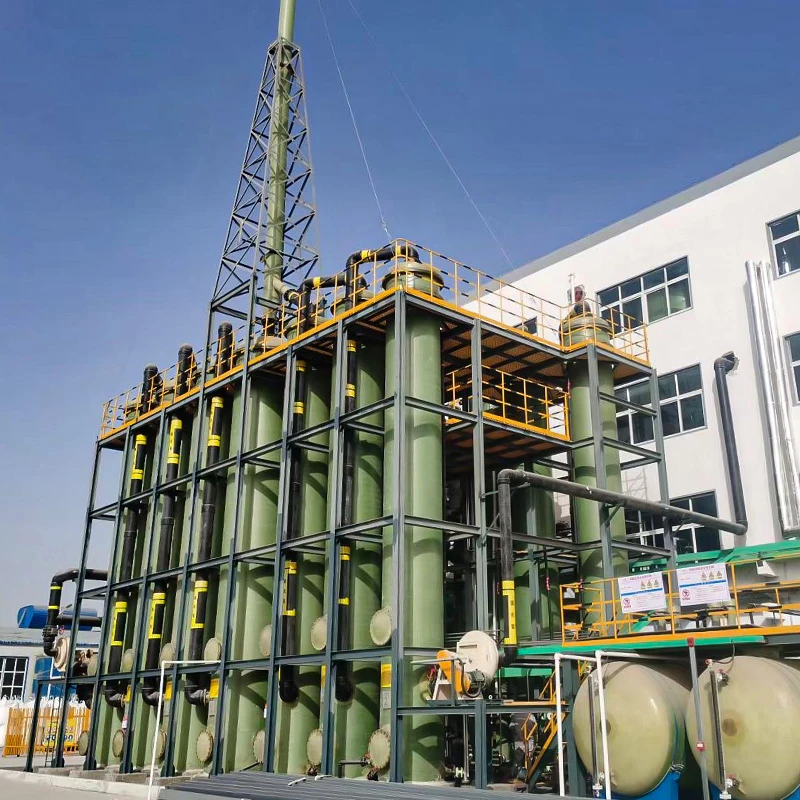
  • Chemical Industry: Chemical plants in Germany and the US rely on fibre tanks for acid storage, appreciating their corrosion resistance.
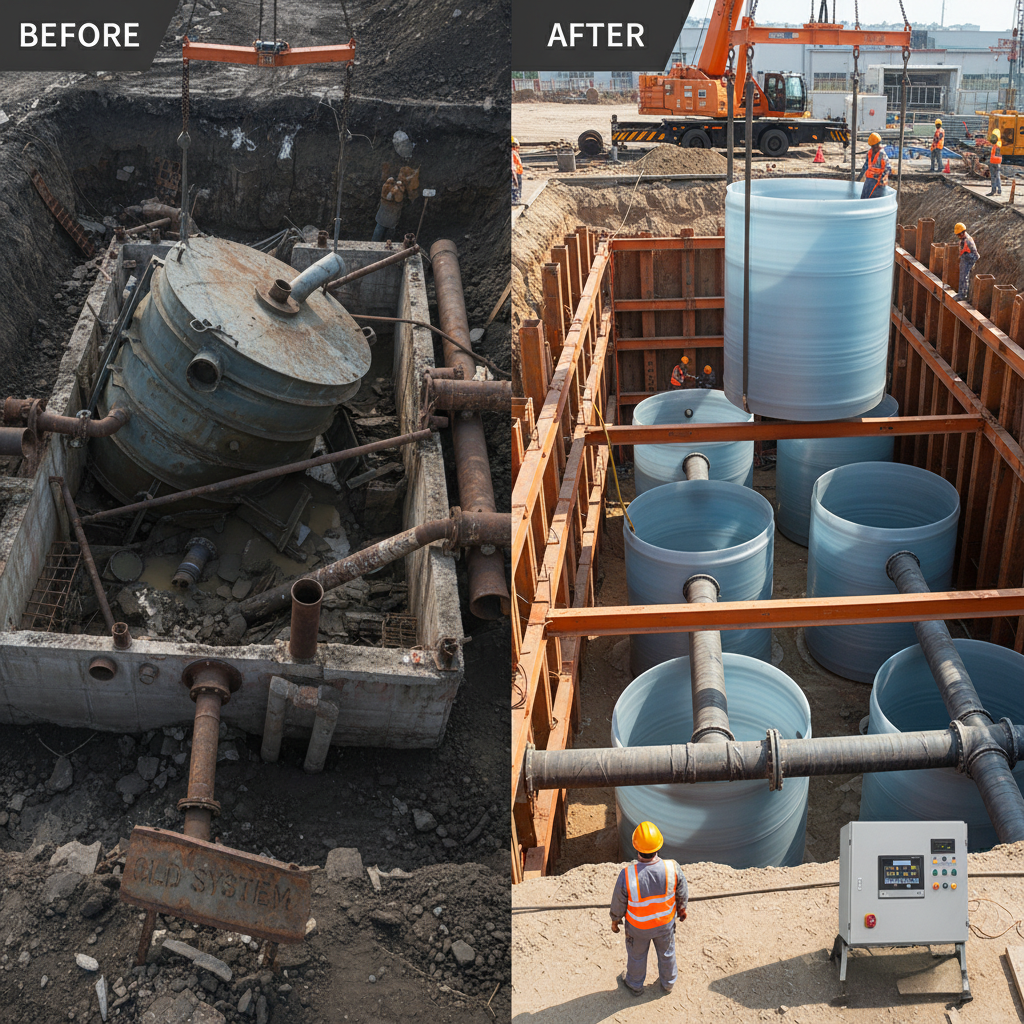
  • Municipal Water Storage: Several European cities are adopting fibre tanks in new water treatment facilities to future-proof against rust and contamination.

Oddly enough, I once chatted with an NGO engineer who said the biggest advantage was “how fast we can bring these tanks and set them up in flood zones — often within a day.” Speed and reliability are game changers.

Advantages and Long-Term Value of Fibre Tanks

Sure, you can just buy cheaper steel tanks and call it a day, but fibre tanks offer advantages that become clearer over time:

  • Sustainability: Less frequent replacements reduce resource use and waste.
  • Safety: Corrosion-free interiors mean cleaner water or chemical purity, reducing health risks.
  • Trust & Dignity: For NGOs, providing safe water with sturdy tanks enhances beneficiary confidence and community morale.
  • Innovation Compatibility: They pair well with modern IoT sensors and remote monitoring, tracking tank levels or potential leaks.

Product Specification Table

Specification Typical Value Remarks
Material Fiberglass Reinforced Plastic (FRP) Primary composite
Capacity Range 500L - 50,000L+ Customizable
Weight ~25% of equivalent steel tank Easier handling
Corrosion Resistance High Ideal for chemicals
Temperature Range -40°C to 120°C Varies by resin type
Expected Lifespan 20–30 years With proper maintenance

A Quick Look: Comparing Leading Fibre Tank Vendors

Vendor Capacity Range Customization Delivery Time Typical Use Cases
FRP Solutions Ltd. 1,000–40,000L High — shapes and sizes 4–6 weeks Industrial & municipal
AquaTank Global 500–10,000L Moderate — standard models 2–3 weeks Relief & agriculture
ChemTank Corp. 5,000–50,000L+ Custom chemical resistant layers 6–8 weeks Chemical industry

Looking Ahead: The Future of Fibre Tanks

Innovation never seems to sleep. Manufacturers are exploring bio-based resins to make fibre tanks even greener, potentially reducing carbon footprint by up to 40% per tank (ISO 14067). IoT and sensor integration is also on the rise, turning these tanks into smart containers that inform managers of water quality, temperature, and leaks in real time.

Automation in manufacturing techniques promises faster production cycles, slimming delivery timelines in emergencies. These developments — combined with growing environmental regulations — make fibre tanks not just a trend but a lasting shift.

Challenges and How Experts Overcome Them

For all their advantages, fibre tanks do have quirks:

  • UV Sensitivity: Without UV inhibitors, prolonged sun exposure can weaken resins. Solution? Manufacturers coat tanks with UV-protective layers.
  • Structural Limits: Large tanks face pressure challenges. Reinforcements with ribbing or hybrid materials help maintain strength.
  • Repair Skills Needed: Fixing fibre composites can be tricky for untrained crews. Proper training and quality repair kits are vital — luckily many vendors offer them.

FAQ: Frequently Asked Questions About Fibre Tanks

Q1: How long does a fibre tank typically last in harsh environments?

A1: With proper maintenance and correct material selection, fibre tanks generally last between 20 to 30 years, even under aggressive chemical or outdoor conditions. Protective coatings extend lifespan further.

Q2: Are fibre tanks safe for storing drinking water?

A2: Yes, many fibre tanks use food-grade resins meeting international standards to ensure the water remains uncontaminated. Make sure to verify certifications for potable water use.

Q3: Can fibre tanks be transported easily to remote locations?

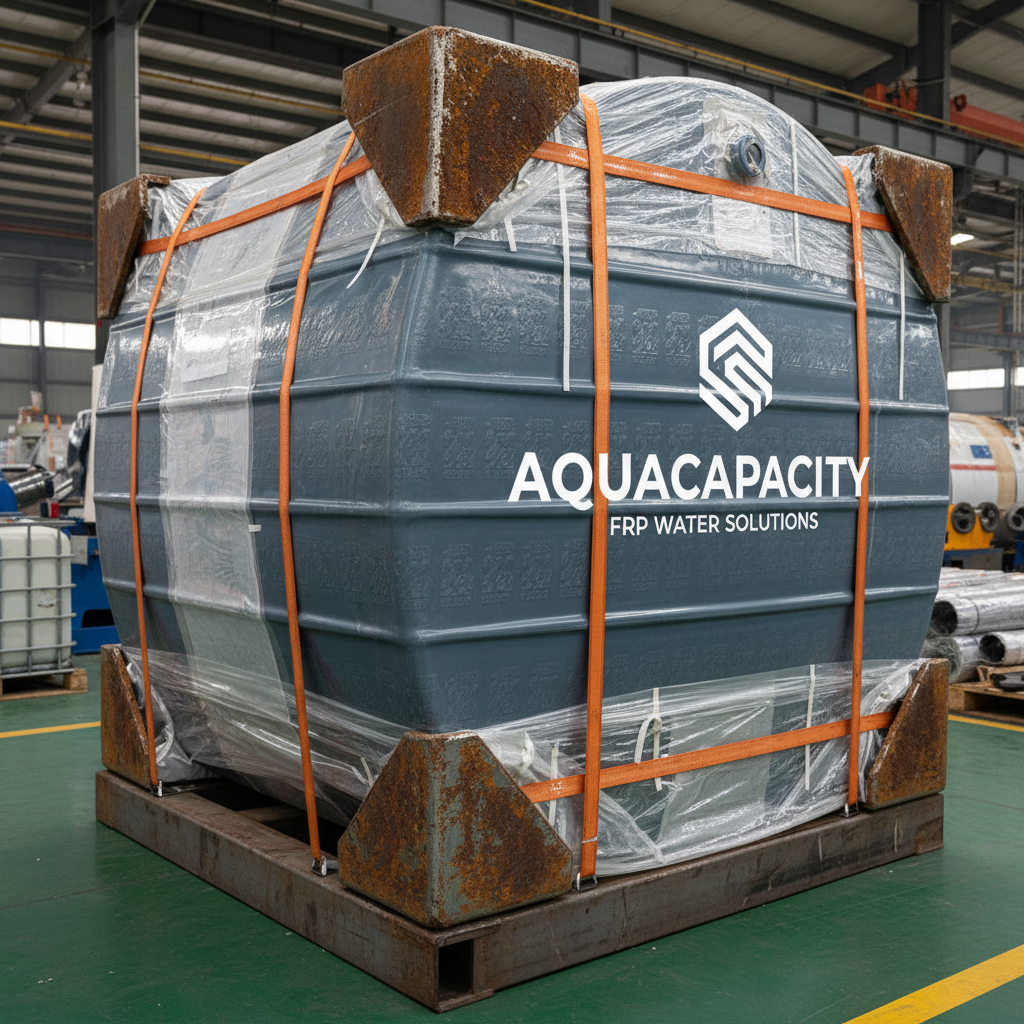
A3: Absolutely. Their lightweight construction allows easier road or even helicopter transport, making them ideal for disaster relief and remote construction sites.

Q4: What maintenance do fibre tanks require?

A4: Usually, they need simple periodic inspections for cracks or surface wear. Unlike steel, they don’t require painting or rust treatment — which saves lots of time and cost.

Q5: How customizable are fibre tanks for specialized industries?

A5: Highly customizable. Vendors can adjust size, shape, resin types, and add internal liners or reinforcements to meet specific chemical or temperature needs.

To Wrap up: Why Fibre Tanks Deserve a Closer Look

In a world hungry for smarter, more sustainable infrastructure, fibre tanks quietly billboard a future where storage is safe, lightweight, and adaptable. From sustaining life after disasters to handling corrosive industrial chemicals, their roles are growing and diversifying.

Curious to explore fibre tanks for your project or operation? Visit fibre tank specialists who can guide you through next steps.
References

  1. World Health Organization - Drinking Water Fact Sheet
  2. ISO 14067 - Carbon Footprint of Products
  3. World Bank - Water Resource Management
Upsell Products
Upsell News
Durable FRP Vessel for Water Treatment and Industrial Filtration
Apr 16,2026
Durable FRP Vessel for Water Treatment and Industrial Filtration
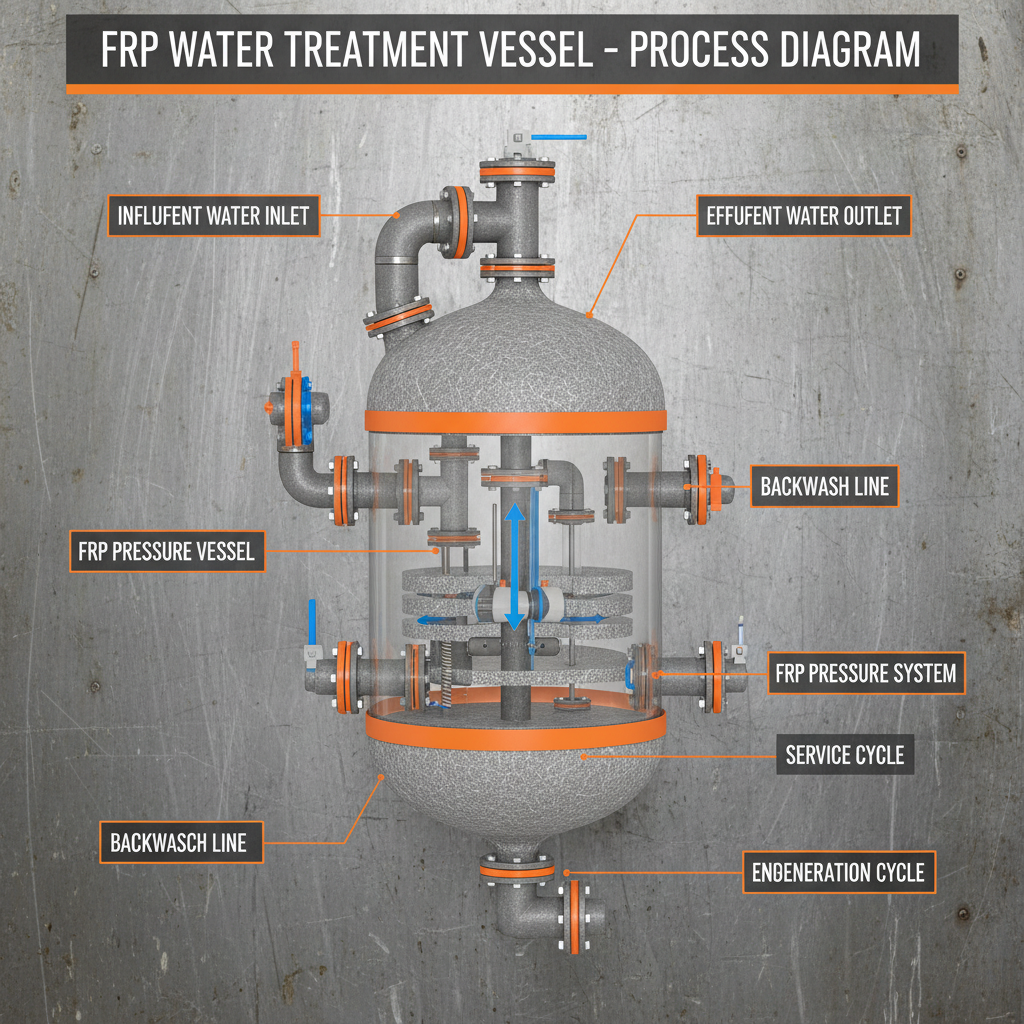
In the modern era of industrial and residential water purification, the choice of containment materials is critical for efficiency and longevity. An frp vessel for water treatment has emerged as the gold standard, replacing traditional steel tanks due to its superior corrosion resistance and lightweight properties. Whether you are dealing with desalination, softening, or filtration, using Fiber Reinforced Plastic (FRP) ensures that your system remains leak-proof and durable against aggressive chemicals. In this comprehensive guide, we will explore why FRP is the preferred choice for water treatment professionals worldwide and how to select the right vessel for your specific application.
Industrial Guide for Choosing the Right FRP Vertical Tank
Apr 09,2026
Industrial Guide for Choosing the Right FRP Vertical Tank
In today's industrial landscape, the storage of corrosive chemicals and aggressive liquids requires materials that can withstand extreme conditions without degrading. The frp vertical tank has emerged as a premier solution, offering an exceptional balance of strength, lightweight properties, and unmatched chemical resistance. Whether you are managing a water treatment plant or a chemical processing facility, understanding the nuances of Fiber Reinforced Plastic (FRP) is essential for ensuring operational safety and longevity. In this comprehensive guide, we will explore why vertical configurations are preferred and how these tanks outperform traditional metal alternatives.
Comprehensive Guide to FRP Underground Water Tank Solutions and Applications
Apr 07,2026
Comprehensive Guide to FRP Underground Water Tank Solutions and Applications
Fiberglass Reinforced Polymer (FRP) underground water tanks are becoming increasingly popular for a wide range of applications, from potable water storage to industrial wastewater containment. Their superior corrosion resistance, lightweight nature, and design flexibility make them an excellent alternative to traditional materials like concrete or steel. This article will delve into the benefits, applications, construction, and considerations for implementing FRP underground water tanks, providing a comprehensive overview for engineers, contractors, and project managers.
Comprehensive Guide to Frp Underground Water Storage Tanks and Their Applications
Apr 04,2026
Comprehensive Guide to Frp Underground Water Storage Tanks and Their Applications
When considering water storage solutions, particularly for industrial, agricultural, or municipal applications, frp underground water storage tanks stand out as a durable, cost-effective, and environmentally friendly option. These tanks are increasingly favored over traditional materials like concrete or steel due to their superior corrosion resistance, lighter weight, and ease of installation. This article delves into the benefits, applications, construction, and considerations when choosing an FRP tank, providing a detailed overview for potential buyers and project planners.
Sulfuric Acid Production Line - Hebei Aoliande|Efficient H2SO4 Plant Technology
Apr 01,2026
Sulfuric Acid Production Line - Hebei Aoliande|Efficient H2SO4 Plant Technology
Discover efficient H2SO4 plant technology and advanced sulfuric acid production solutions. Hebei Aoliande combines energy-saving furnace design and eco-friendly HCl recovery systems for sustainable industrial applications. Explore now: https://www.frpgrpmachine.com/sulfuric-acid-production-line-for-h2so4-plant.html
Sulfuric Acid Production Line - Hebei Aoliande|Efficient H2SO4 Plant Technology
Apr 01,2026
Sulfuric Acid Production Line - Hebei Aoliande|Efficient H2SO4 Plant Technology
Discover efficient H2SO4 plant technology and advanced sulfuric acid production solutions. Hebei Aoliande combines energy-saving furnace design and eco-friendly HCl recovery systems for sustainable industrial applications. Explore now: https://www.frpgrpmachine.com/sulfuric-acid-production-line-for-h2so4-plant.html
Sulfuric Acid Production Line - Hebei Aoliande|Efficient H2SO4 Plant Technology
Apr 01,2026
Sulfuric Acid Production Line - Hebei Aoliande|Efficient H2SO4 Plant Technology
Discover efficient H2SO4 plant technology and advanced sulfuric acid production solutions. Hebei Aoliande combines energy-saving furnace design and eco-friendly HCl recovery systems for sustainable industrial applications. Explore now: https://www.frpgrpmachine.com/sulfuric-acid-production-line-for-h2so4-plant.html
Sulfuric Acid Production Line - Hebei Aoliande|Efficient H2SO4 Plant Technology
Apr 01,2026
Sulfuric Acid Production Line - Hebei Aoliande|Efficient H2SO4 Plant Technology
Discover efficient H2SO4 plant technology and advanced sulfuric acid production solutions. Hebei Aoliande combines energy-saving furnace design and eco-friendly HCl recovery systems for sustainable industrial applications. Explore now: https://www.frpgrpmachine.com/sulfuric-acid-production-line-for-h2so4-plant.html
Sulfuric Acid Production Line - Hebei Aoliande|Efficient H2SO4 Plant Technology
Apr 01,2026
Sulfuric Acid Production Line - Hebei Aoliande|Efficient H2SO4 Plant Technology
Discover efficient H2SO4 plant technology and advanced sulfuric acid production solutions. Hebei Aoliande combines energy-saving furnace design and eco-friendly HCl recovery systems for sustainable industrial applications. Explore now: https://www.frpgrpmachine.com/sulfuric-acid-production-line-for-h2so4-plant.html
Sulfuric Acid Production Line - Hebei Aoliande|Efficient H2SO4 Plant Technology
Apr 01,2026
Sulfuric Acid Production Line - Hebei Aoliande|Efficient H2SO4 Plant Technology
Discover efficient H2SO4 plant technology and advanced sulfuric acid production solutions. Hebei Aoliande combines energy-saving furnace design and eco-friendly HCl recovery systems for sustainable industrial applications. Explore now: https://www.frpgrpmachine.com/sulfuric-acid-production-line-for-h2so4-plant.html
Comprehensive Guide to Frp Underground Storage Tanks for Reliable Storage Solutions
Mar 31,2026
Comprehensive Guide to Frp Underground Storage Tanks for Reliable Storage Solutions
Fiberglass Reinforced Polymer (FRP) underground storage tanks are becoming increasingly popular for a wide range of applications, from fuel storage to wastewater management. Their corrosion resistance, lightweight nature, and durability offer significant advantages over traditional materials like steel. This article will provide an in-depth look at FRP underground storage tanks, covering their benefits, applications, installation, and maintenance. Understanding these aspects is crucial for making informed decisions about long-term storage solutions.
Comprehensive Guide to Selecting the Ideal FRP Tank for Water Storage Solutions
Mar 28,2026
Comprehensive Guide to Selecting the Ideal FRP Tank for Water Storage Solutions
When it comes to reliable and durable water storage, FRP tanks for water are increasingly becoming the preferred solution for a wide range of applications. These tanks, constructed from Fiber Reinforced Polymer (FRP) materials, offer significant advantages over traditional storage options like steel or concrete. This article delves into the benefits, applications, and considerations when selecting an FRP tank for your water storage needs, providing a detailed overview for businesses and individuals alike.
Comprehensive Guide to Frp Tank and Vessel Applications and Manufacturing
Mar 26,2026
Comprehensive Guide to Frp Tank and Vessel Applications and Manufacturing
Fiber Reinforced Polymer (FRP) tanks and vessels are increasingly becoming the preferred choice for storage and processing across a multitude of industries. Their lightweight nature, corrosion resistance, and design flexibility offer significant advantages over traditional materials like steel. This article will delve into the intricacies of FRP tanks and vessels, exploring their applications, manufacturing processes, benefits, and considerations for selecting the right solution for your specific needs. We’ll also highlight why FRP tanks are a cost-effective and reliable long-term investment. FRP tanks and vessels are constructed from a combination of reinforcing fibers (such as fiberglass, carbon fiber, or aramid fiber) embedded in a polymer matrix (typically polyester, vinyl ester, or epoxy resin). This combination creates a composite material that boasts high strength-to-weight ratio, exceptional corrosion resistance, and the ability to be molded into complex shapes. They’re designed to safely contain a wide variety of liquids and gases, ranging from corrosive chemicals and water to food products and pharmaceuticals.
Optimizing Water Filtration with Durable FRP Sand Filter Vessels
Mar 24,2026
Optimizing Water Filtration with Durable FRP Sand Filter Vessels
In water treatment and filtration systems, the choice of filter vessel material is paramount. Fiber Reinforced Plastic (FRP), also known as Glass Reinforced Polymer (GRP), sand filter vessels are increasingly popular due to their superior corrosion resistance, lightweight nature, and cost-effectiveness. This article delves into the benefits, applications, design considerations, and factors to consider when selecting an FRP sand filter vessel. Whether you are involved in municipal water treatment, industrial wastewater management, or recreational water filtration, understanding FRP technology is essential for optimizing your filtration process. An FRP sand filter vessel is a containment unit designed to house filtration media, typically sand, gravel, and anthracite. These vessels are integral components in sand filtration systems used for removing suspended solids, turbidity, and other particulate matter from water. FRP construction involves layering glass fibers within a resin matrix (typically polyester or vinyl ester) to create a strong, durable, and chemically resistant shell. The strength and rigidity of the vessel are crucial for withstanding the pressure from the filtration media and the water flow.
Comprehensive Guide to FRP Round Tanks Applications and Benefits
Mar 21,2026
Comprehensive Guide to FRP Round Tanks Applications and Benefits
Fiber Reinforced Polymer (FRP) round tanks are increasingly becoming the preferred choice for storage solutions across a variety of industries. Their lightweight nature, corrosion resistance, and design flexibility offer significant advantages over traditional materials like steel. This article provides an in-depth look at FRP round tanks, exploring their applications, benefits, manufacturing processes, and key considerations when choosing the right tank for your needs. Whether you're in chemical processing, water treatment, or agriculture, understanding FRP round tanks is crucial for optimizing your storage infrastructure. FRP round tanks are constructed from a combination of reinforcing fibers (typically fiberglass, carbon fiber, or a blend) embedded in a polymer matrix (often polyester, vinyl ester, or epoxy resin). The round shape inherently provides excellent structural strength, distributing pressure evenly across the tank’s surface.
Comprehensive Guide to FRP Pressure Tanks Benefits and Applications
Mar 19,2026
Comprehensive Guide to FRP Pressure Tanks Benefits and Applications
Fiber Reinforced Polymer (FRP) pressure tanks are becoming increasingly popular in a wide range of industrial applications, offering a compelling alternative to traditional steel tanks. Known for their lightweight nature, corrosion resistance, and high strength-to-weight ratio, FRP tanks provide efficient and durable solutions for storing liquids and gases under pressure. This article will delve into the benefits, applications, construction, and key considerations when selecting an FRP pressure tank, helping you make an informed decision for your specific needs. Understanding the advantages of FRP technology can lead to significant cost savings and improved operational efficiency. Compared to steel, FRP pressure tanks offer several key advantages. The most significant is their superior corrosion resistance. Unlike steel, which is susceptible to rust and corrosion when exposed to various chemicals, FRP materials are inherently resistant to a wide range of corrosive substances. This translates to a longer lifespan, reduced maintenance costs, and increased safety. Furthermore, FRP is significantly lighter than steel, making installation easier and reducing transportation costs.
For More Details Pls Contact Us
Thank you for your interest in our gloves! We offer high-quality, durable, and comfortable gloves with fast delivery and competitive prices. For any questions or customization, feel free to contact us. We look forward to working with you!

If you are interested in our products, you can choose to leave your information here, and we will be in touch with you shortly.