Dec 03,2025

FRP Frame and Cover: Durable, Lightweight Composite Solutions for Global Industries

Understanding FRP Frame and Cover: A Modern Solution Shaping Industries Worldwide

If you've ever wondered what makes certain industrial enclosures or protective housings both lightweight and durable, then the term FRP frame and cover likely comes into play. FRP, standing for Fiberglass Reinforced Plastic, is a composite material that has steadily gained global traction for its strength-to-weight ratio and resilience against corrosive environments. Why does this matter on a worldwide scale? Simply put, the demand for materials that hold up under harsh conditions yet remain cost-efficient and versatile is soaring across industries—from infrastructure to humanitarian relief. Understanding FRP frames and covers unlocks insights into sustainable construction, rapid deployment solutions, and long-lasting equipment protection.

Global and Industry Context of FRP Frame and Cover

Let’s start with a bit of scope: as per recent ISO reports and trade data, the FRP market is growing at a steady 7% per annum globally, fueled by needs in emerging markets like Southeast Asia and Africa. In post-disaster scenarios, quick-to-install yet reliable protective frames are a lifeline—acting as clean water enclosures, shelter components, or telecom protective covers. According to the United Nations Office for Disaster Risk Reduction (UNDRR), resilient infrastructure needs materials that resist corrosion, weather, and physical damage—this is frustrated by metals prone to rust or bulky concrete that’s hard to move. Here, frp frame and cover concepts fill a niche: lightweight, robust, adaptable.

What Exactly Is FRP Frame and Cover?

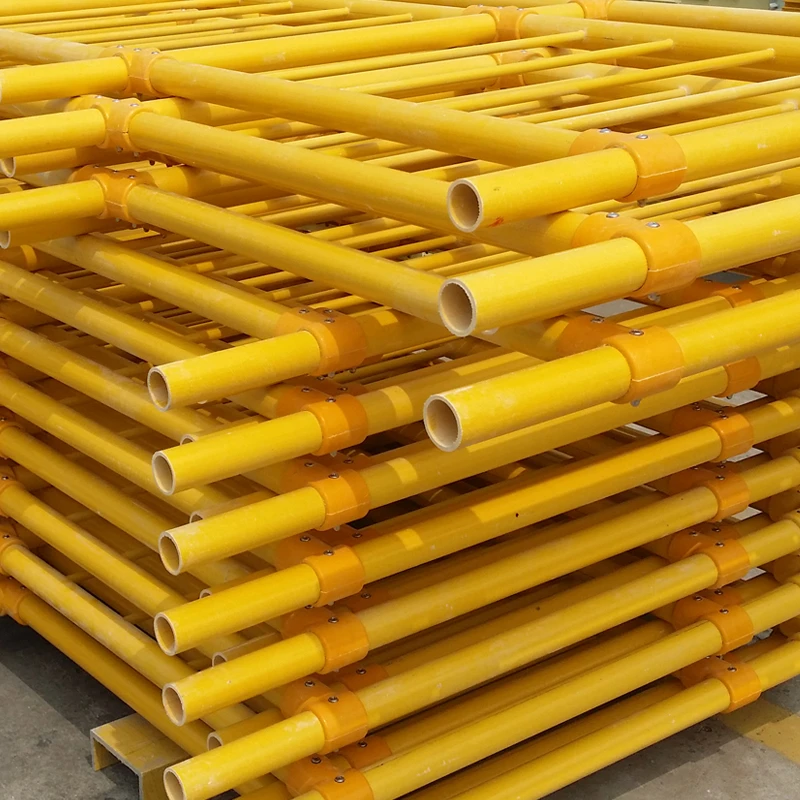
To put it simply, an FRP frame and cover refers to a structural frame and its protective paneling made from fiberglass reinforced plastic composites. Imagine a skeleton made of sturdy glass fibers bonded into plastic, supporting an outer shell that resists environmental wear. This combo is often used to encase machinery, electrical panels, or sensitive infrastructure components against dust, moisture, and chemical exposure. FRP’s uniqueness lies in combining the flexibility of plastics with the strength of fiberglass, creating a product that’s not just tough but also relatively easy to fabricate and customize. Oddly enough, this material bridges the gap between the brittle nature of glass and the softness of pure plastics.

Core Components and Factors of FRP Frame and Cover

Durability

One of the main selling points of FRP frames and covers is their resistance to corrosion and UV degradation. Unlike steel, FRP doesn’t rust when exposed to marine air or industrial chemicals. This makes it invaluable in coastal or chemical plant environments.

Lightweight Nature

In real terms, these frames and covers weigh a fraction compared to metal alternatives, making handling, transportation, and installation faster and less costly. Construction teams often comment on how this saves valuable labor hours on site.

Cost Efficiency

While the upfront cost may be higher than basic plastics, FRP’s longevity and low maintenance bring down lifetime expenses. No frequent repainting or corrosion repair is needed.

Scalability and Customization

You can have FRP frames and covers tailor-made for specific sizes, shapes, or functional needs. Many manufacturers offer modular components, which fits well into industrial automation and rapid deployment initiatives.

Environmental Resistance

Besides corrosion, FRP can withstand temperature swings, moisture, and certain abrasive impacts. This robustness aligns with ISO standards for protective housing in industrial applications.

Product Specifications at a Glance

Specification Details
Material Composition Fiberglass with epoxy resin matrix
Weight 5–7 kg/m² (varies by thickness)
Compressive Strength Up to 100 MPa
UV Resistance Class A (ISO 4892-3 tested)
Temperature Range -40°C to 120°C
Customizable Sizes Up to 3m x 2m standard sheets

Global Applications and Use Cases

Around the world, from sub-Saharan Africa to industrial hubs in Europe, FRP frames and covers find meaningful use. In post-disaster relief operations, rapid deployment shelters and equipment housings made with FRP provide protection without heavy manufacturing needs. For example, the International Federation of Red Cross and Red Crescent Societies have explored modular water filtration covers utilizing FRP due to their portability.

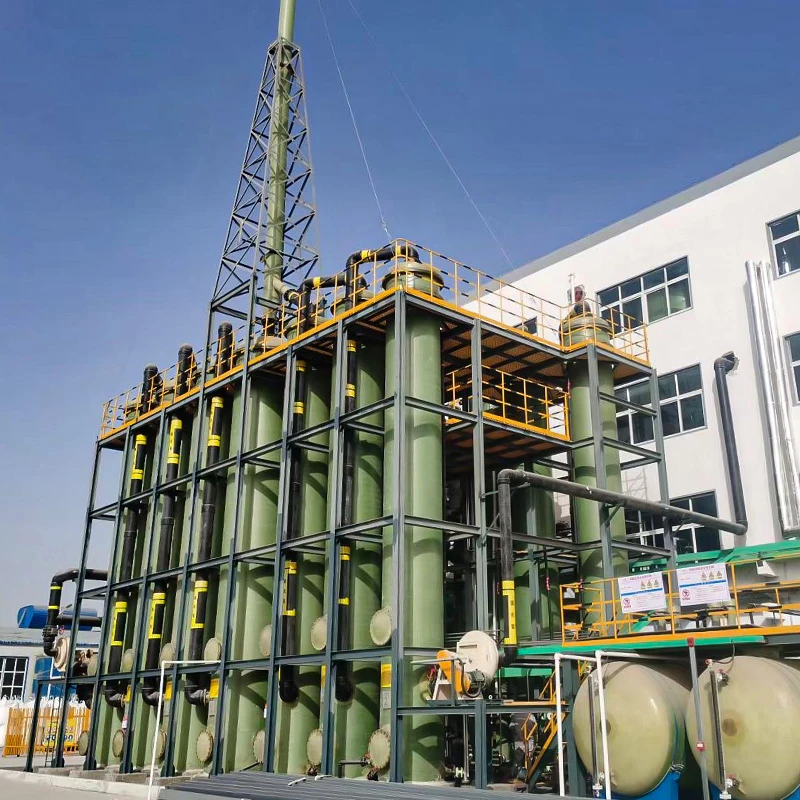
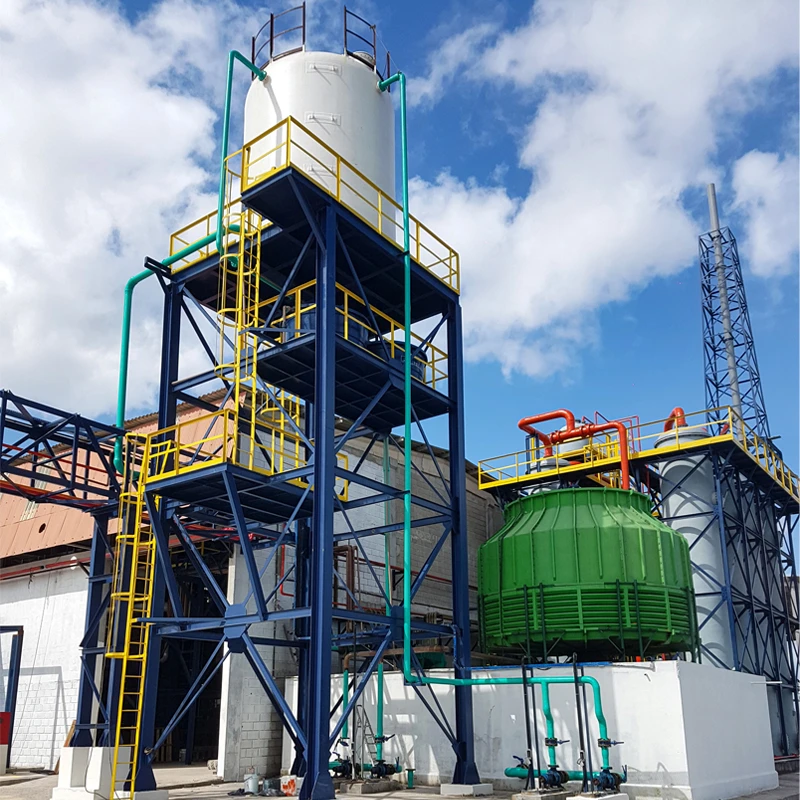
In remote industrial zones, like mining sites in South America or oil rigs in the North Sea, FRP’s corrosion resistance means less downtime and maintenance. Telecom operators in Asia often deploy FRP covers to protect junction boxes against monsoon rains.

And odd as it may seem, even the frp frame and cover concept now shapes smart city infrastructure, where lightweight yet strong paneling boxes protect sensors and controls in urban environments.

Vendor Comparison: What to Look For

Vendor Material Quality Customization Options Lead Time After-Sales Support
Fiberglass Solutions Inc. High-grade epoxy resin Fully custom shapes 4 weeks Comprehensive warranty
Global FRP Manufacturing Standard polyester matrix Modular panels only 2 weeks Limited support
FRP Covers Ltd. Hybrid resin blend Sizes and finishes customizable 3 weeks On-site consultation

Advantages and Long-Term Value of FRP Frame and Cover

What strikes me—and many engineers I spoke with—is the blend of pragmatism and innovation these products bring. For starters, the safety factor: FRP doesn't conduct electricity, so it adds a layer of protection around sensitive electronics and personnel. From a sustainability viewpoint, longer product lifespans mean less waste—plus, many FRP manufacturers now incorporate recycled fibers or bio-based resins to reduce carbon footprints.

Socially, having reliable enclosures for water pumps or medical equipment in developing areas helps maintain dignity and health outcomes. There's a trust built, quietly, in knowing that your infrastructure won’t fail the moment the storm hits. In economic terms, fewer replacements and repairs add up to real savings for municipalities and companies alike.

Looking Ahead: Future Trends & Innovations

The future looks quite promising. Innovations in resin technology are steering FRP frames and covers towards even greater heat resistance and biodegradability—important for green manufacturing mandates. Digital transformation also changes the game. Imagine FRP panels embedded with IoT sensors to monitor structural integrity remotely, enhancing predictive maintenance.

On policy fronts, governments are increasingly encouraging sustainable materials, and FRP composites with lower VOC emissions fit into that narrative. Automated fabrication is trimming lead times and costs, which will further democratize the adoption of these frames and covers.

Challenges and Expert Solutions

Of course, no material is without caveats. FRP can be brittle under extreme impact and sometimes faces challenges in UV degradation if not properly treated. Also, recycling FRP remains complicated compared to metals. Experts suggest hybrid designs combining FRP with more flexible materials or coatings, and some pilot projects work on chemical recycling techniques.

For now, choosing a trusted manufacturer and ensuring proper design supports the best outcomes. You might want to explore frp frame and cover suppliers with rigorous quality control and customization capabilities.

FAQ: Frequently Asked Questions About FRP Frame and Cover

  • Q: How long do FRP frames and covers typically last in outdoor applications?
    A: With proper UV protection and maintenance, FRP frames and covers can last 15 to 25 years outdoors, outperforming many painted metal alternatives.
  • Q: Are FRP frames and covers resistant to chemical exposure?
    A: Yes, FRP offers excellent resistance to many acids, alkalis, and solvents, making it suitable for chemical plants and wastewater treatment applications.
  • Q: Can FRP frames and covers be fabricated to custom sizes?
    A: Absolutely, one of FRP’s core strengths is its adaptability to custom dimensions, allowing for modular or bespoke solutions.
  • Q: Are these solutions eco-friendly?
    A: Modern FRP manufacturing increasingly incorporates eco-conscious resins and fibers, though recycling remains a challenge. Compared to steel, FRP often yields a lower lifecycle carbon footprint thanks to reduced maintenance.
  • Q: How quickly can FRP frame and cover products be delivered?
    A: Lead times typically range from 2–4 weeks depending on complexity and customization, faster than many traditional metal fabrication cycles.

Conclusion: Why FRP Frame and Cover Matters

At its heart, the frp frame and cover concept represents a smart fusion of material science and practical need. For industries and relief organizations alike, it offers an efficient, reliable means to protect vital equipment and infrastructure. The worldwide growth tells a clear story of trust in these composites to perform where it counts: in tough environments, around the clock, with minimal fuss.

If you’re intrigued by the possibilities and want to explore how tailored FRP solutions can enhance your projects, do check out the frp frame and cover offerings. The future, frankly, looks quite solid.

To sum up: Lightweight, durable, customizable, and sustainable—that’s why FRP frames and covers continue to shape modern infrastructure.
References

  1. ISO Standards on Composite Plastics
  2. United Nations Office for Disaster Risk Reduction (UNDRR)
  3. Wikipedia: Fiber-reinforced plastic
Upsell Products
Upsell News
Durable FRP Vessel for Water Treatment and Industrial Filtration
Apr 16,2026
Durable FRP Vessel for Water Treatment and Industrial Filtration
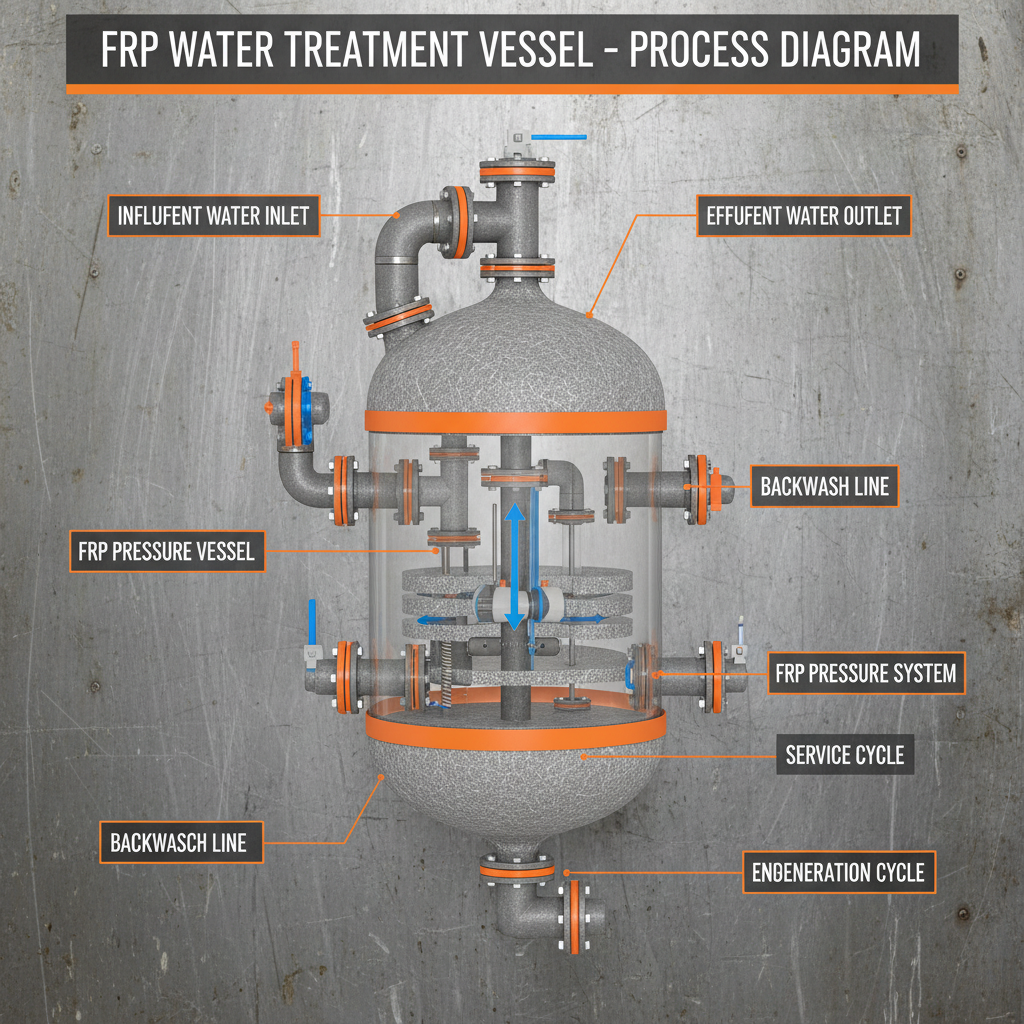
In the modern era of industrial and residential water purification, the choice of containment materials is critical for efficiency and longevity. An frp vessel for water treatment has emerged as the gold standard, replacing traditional steel tanks due to its superior corrosion resistance and lightweight properties. Whether you are dealing with desalination, softening, or filtration, using Fiber Reinforced Plastic (FRP) ensures that your system remains leak-proof and durable against aggressive chemicals. In this comprehensive guide, we will explore why FRP is the preferred choice for water treatment professionals worldwide and how to select the right vessel for your specific application.
Industrial Guide for Choosing the Right FRP Vertical Tank
Apr 09,2026
Industrial Guide for Choosing the Right FRP Vertical Tank
In today's industrial landscape, the storage of corrosive chemicals and aggressive liquids requires materials that can withstand extreme conditions without degrading. The frp vertical tank has emerged as a premier solution, offering an exceptional balance of strength, lightweight properties, and unmatched chemical resistance. Whether you are managing a water treatment plant or a chemical processing facility, understanding the nuances of Fiber Reinforced Plastic (FRP) is essential for ensuring operational safety and longevity. In this comprehensive guide, we will explore why vertical configurations are preferred and how these tanks outperform traditional metal alternatives.
Comprehensive Guide to FRP Underground Water Tank Solutions and Applications
Apr 07,2026
Comprehensive Guide to FRP Underground Water Tank Solutions and Applications
Fiberglass Reinforced Polymer (FRP) underground water tanks are becoming increasingly popular for a wide range of applications, from potable water storage to industrial wastewater containment. Their superior corrosion resistance, lightweight nature, and design flexibility make them an excellent alternative to traditional materials like concrete or steel. This article will delve into the benefits, applications, construction, and considerations for implementing FRP underground water tanks, providing a comprehensive overview for engineers, contractors, and project managers.
Comprehensive Guide to Frp Underground Water Storage Tanks and Their Applications
Apr 04,2026
Comprehensive Guide to Frp Underground Water Storage Tanks and Their Applications
When considering water storage solutions, particularly for industrial, agricultural, or municipal applications, frp underground water storage tanks stand out as a durable, cost-effective, and environmentally friendly option. These tanks are increasingly favored over traditional materials like concrete or steel due to their superior corrosion resistance, lighter weight, and ease of installation. This article delves into the benefits, applications, construction, and considerations when choosing an FRP tank, providing a detailed overview for potential buyers and project planners.
Sulfuric Acid Production Line - Hebei Aoliande|Efficient H2SO4 Plant Technology
Apr 01,2026
Sulfuric Acid Production Line - Hebei Aoliande|Efficient H2SO4 Plant Technology
Discover efficient H2SO4 plant technology and advanced sulfuric acid production solutions. Hebei Aoliande combines energy-saving furnace design and eco-friendly HCl recovery systems for sustainable industrial applications. Explore now: https://www.frpgrpmachine.com/sulfuric-acid-production-line-for-h2so4-plant.html
Sulfuric Acid Production Line - Hebei Aoliande|Efficient H2SO4 Plant Technology
Apr 01,2026
Sulfuric Acid Production Line - Hebei Aoliande|Efficient H2SO4 Plant Technology
Discover efficient H2SO4 plant technology and advanced sulfuric acid production solutions. Hebei Aoliande combines energy-saving furnace design and eco-friendly HCl recovery systems for sustainable industrial applications. Explore now: https://www.frpgrpmachine.com/sulfuric-acid-production-line-for-h2so4-plant.html
Sulfuric Acid Production Line - Hebei Aoliande|Efficient H2SO4 Plant Technology
Apr 01,2026
Sulfuric Acid Production Line - Hebei Aoliande|Efficient H2SO4 Plant Technology
Discover efficient H2SO4 plant technology and advanced sulfuric acid production solutions. Hebei Aoliande combines energy-saving furnace design and eco-friendly HCl recovery systems for sustainable industrial applications. Explore now: https://www.frpgrpmachine.com/sulfuric-acid-production-line-for-h2so4-plant.html
Sulfuric Acid Production Line - Hebei Aoliande|Efficient H2SO4 Plant Technology
Apr 01,2026
Sulfuric Acid Production Line - Hebei Aoliande|Efficient H2SO4 Plant Technology
Discover efficient H2SO4 plant technology and advanced sulfuric acid production solutions. Hebei Aoliande combines energy-saving furnace design and eco-friendly HCl recovery systems for sustainable industrial applications. Explore now: https://www.frpgrpmachine.com/sulfuric-acid-production-line-for-h2so4-plant.html
Sulfuric Acid Production Line - Hebei Aoliande|Efficient H2SO4 Plant Technology
Apr 01,2026
Sulfuric Acid Production Line - Hebei Aoliande|Efficient H2SO4 Plant Technology
Discover efficient H2SO4 plant technology and advanced sulfuric acid production solutions. Hebei Aoliande combines energy-saving furnace design and eco-friendly HCl recovery systems for sustainable industrial applications. Explore now: https://www.frpgrpmachine.com/sulfuric-acid-production-line-for-h2so4-plant.html
Sulfuric Acid Production Line - Hebei Aoliande|Efficient H2SO4 Plant Technology
Apr 01,2026
Sulfuric Acid Production Line - Hebei Aoliande|Efficient H2SO4 Plant Technology
Discover efficient H2SO4 plant technology and advanced sulfuric acid production solutions. Hebei Aoliande combines energy-saving furnace design and eco-friendly HCl recovery systems for sustainable industrial applications. Explore now: https://www.frpgrpmachine.com/sulfuric-acid-production-line-for-h2so4-plant.html
Comprehensive Guide to Frp Underground Storage Tanks for Reliable Storage Solutions
Mar 31,2026
Comprehensive Guide to Frp Underground Storage Tanks for Reliable Storage Solutions
Fiberglass Reinforced Polymer (FRP) underground storage tanks are becoming increasingly popular for a wide range of applications, from fuel storage to wastewater management. Their corrosion resistance, lightweight nature, and durability offer significant advantages over traditional materials like steel. This article will provide an in-depth look at FRP underground storage tanks, covering their benefits, applications, installation, and maintenance. Understanding these aspects is crucial for making informed decisions about long-term storage solutions.
Comprehensive Guide to Selecting the Ideal FRP Tank for Water Storage Solutions
Mar 28,2026
Comprehensive Guide to Selecting the Ideal FRP Tank for Water Storage Solutions
When it comes to reliable and durable water storage, FRP tanks for water are increasingly becoming the preferred solution for a wide range of applications. These tanks, constructed from Fiber Reinforced Polymer (FRP) materials, offer significant advantages over traditional storage options like steel or concrete. This article delves into the benefits, applications, and considerations when selecting an FRP tank for your water storage needs, providing a detailed overview for businesses and individuals alike.
Comprehensive Guide to Frp Tank and Vessel Applications and Manufacturing
Mar 26,2026
Comprehensive Guide to Frp Tank and Vessel Applications and Manufacturing
Fiber Reinforced Polymer (FRP) tanks and vessels are increasingly becoming the preferred choice for storage and processing across a multitude of industries. Their lightweight nature, corrosion resistance, and design flexibility offer significant advantages over traditional materials like steel. This article will delve into the intricacies of FRP tanks and vessels, exploring their applications, manufacturing processes, benefits, and considerations for selecting the right solution for your specific needs. We’ll also highlight why FRP tanks are a cost-effective and reliable long-term investment. FRP tanks and vessels are constructed from a combination of reinforcing fibers (such as fiberglass, carbon fiber, or aramid fiber) embedded in a polymer matrix (typically polyester, vinyl ester, or epoxy resin). This combination creates a composite material that boasts high strength-to-weight ratio, exceptional corrosion resistance, and the ability to be molded into complex shapes. They’re designed to safely contain a wide variety of liquids and gases, ranging from corrosive chemicals and water to food products and pharmaceuticals.
Optimizing Water Filtration with Durable FRP Sand Filter Vessels
Mar 24,2026
Optimizing Water Filtration with Durable FRP Sand Filter Vessels
In water treatment and filtration systems, the choice of filter vessel material is paramount. Fiber Reinforced Plastic (FRP), also known as Glass Reinforced Polymer (GRP), sand filter vessels are increasingly popular due to their superior corrosion resistance, lightweight nature, and cost-effectiveness. This article delves into the benefits, applications, design considerations, and factors to consider when selecting an FRP sand filter vessel. Whether you are involved in municipal water treatment, industrial wastewater management, or recreational water filtration, understanding FRP technology is essential for optimizing your filtration process. An FRP sand filter vessel is a containment unit designed to house filtration media, typically sand, gravel, and anthracite. These vessels are integral components in sand filtration systems used for removing suspended solids, turbidity, and other particulate matter from water. FRP construction involves layering glass fibers within a resin matrix (typically polyester or vinyl ester) to create a strong, durable, and chemically resistant shell. The strength and rigidity of the vessel are crucial for withstanding the pressure from the filtration media and the water flow.
Comprehensive Guide to FRP Round Tanks Applications and Benefits
Mar 21,2026
Comprehensive Guide to FRP Round Tanks Applications and Benefits
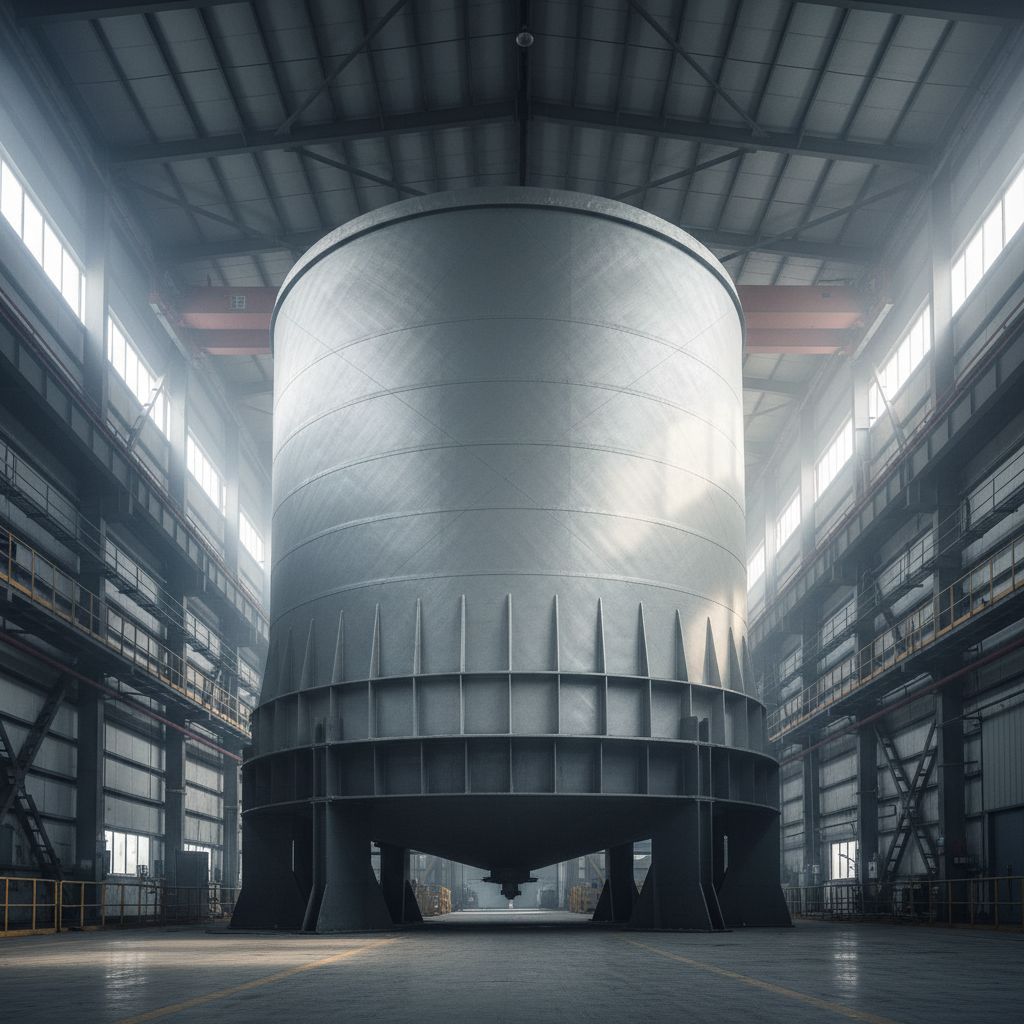
Fiber Reinforced Polymer (FRP) round tanks are increasingly becoming the preferred choice for storage solutions across a variety of industries. Their lightweight nature, corrosion resistance, and design flexibility offer significant advantages over traditional materials like steel. This article provides an in-depth look at FRP round tanks, exploring their applications, benefits, manufacturing processes, and key considerations when choosing the right tank for your needs. Whether you're in chemical processing, water treatment, or agriculture, understanding FRP round tanks is crucial for optimizing your storage infrastructure. FRP round tanks are constructed from a combination of reinforcing fibers (typically fiberglass, carbon fiber, or a blend) embedded in a polymer matrix (often polyester, vinyl ester, or epoxy resin). The round shape inherently provides excellent structural strength, distributing pressure evenly across the tank’s surface.
Comprehensive Guide to FRP Pressure Tanks Benefits and Applications
Mar 19,2026
Comprehensive Guide to FRP Pressure Tanks Benefits and Applications
Fiber Reinforced Polymer (FRP) pressure tanks are becoming increasingly popular in a wide range of industrial applications, offering a compelling alternative to traditional steel tanks. Known for their lightweight nature, corrosion resistance, and high strength-to-weight ratio, FRP tanks provide efficient and durable solutions for storing liquids and gases under pressure. This article will delve into the benefits, applications, construction, and key considerations when selecting an FRP pressure tank, helping you make an informed decision for your specific needs. Understanding the advantages of FRP technology can lead to significant cost savings and improved operational efficiency. Compared to steel, FRP pressure tanks offer several key advantages. The most significant is their superior corrosion resistance. Unlike steel, which is susceptible to rust and corrosion when exposed to various chemicals, FRP materials are inherently resistant to a wide range of corrosive substances. This translates to a longer lifespan, reduced maintenance costs, and increased safety. Furthermore, FRP is significantly lighter than steel, making installation easier and reducing transportation costs.
For More Details Pls Contact Us
Thank you for your interest in our gloves! We offer high-quality, durable, and comfortable gloves with fast delivery and competitive prices. For any questions or customization, feel free to contact us. We look forward to working with you!

If you are interested in our products, you can choose to leave your information here, and we will be in touch with you shortly.