May 19,2025

Frp Rebar Machine: Advanced Manufacturing Tools

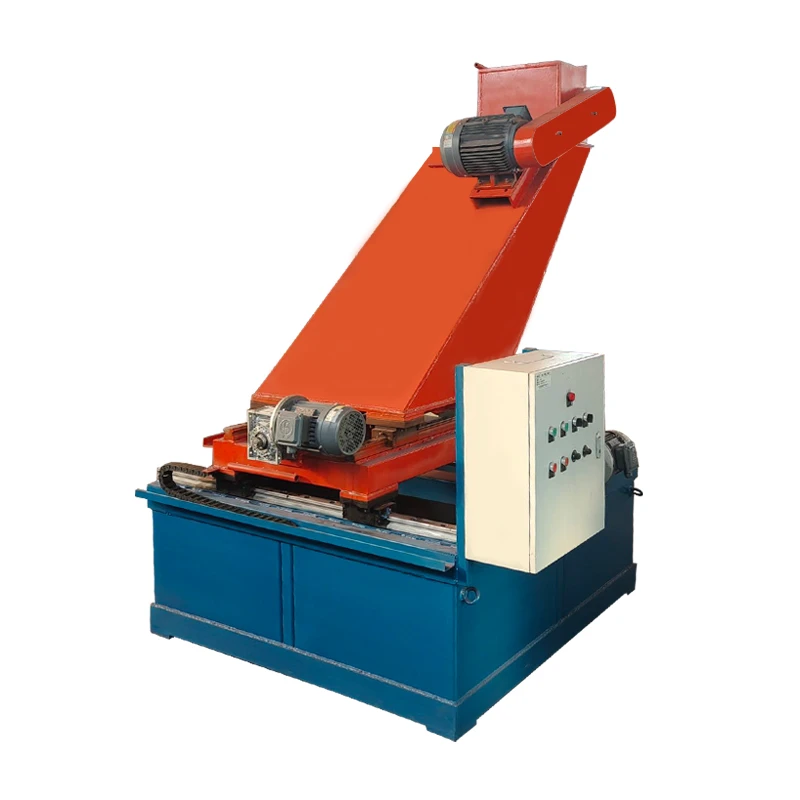
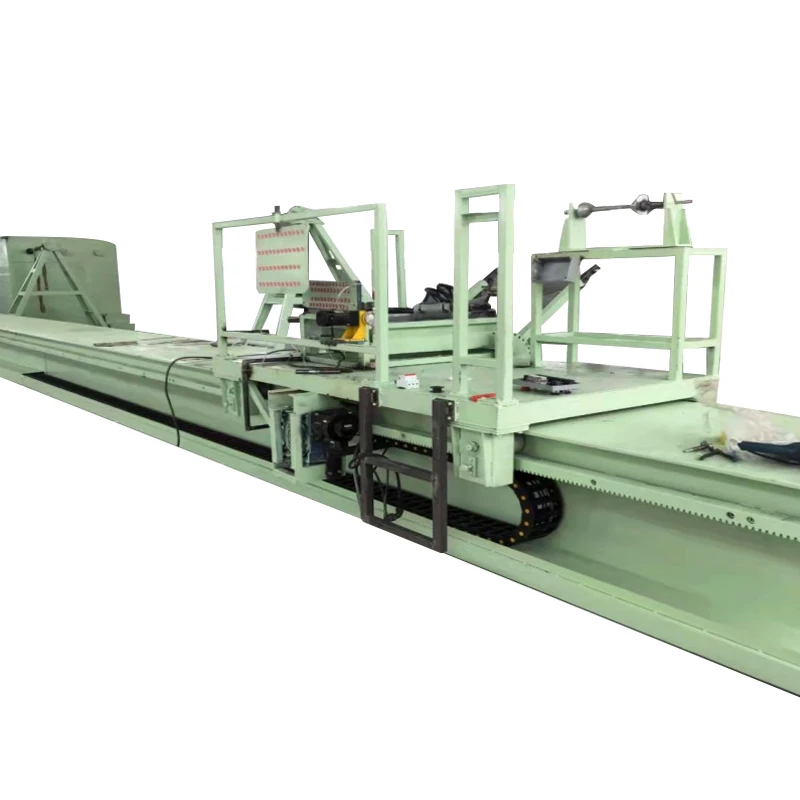
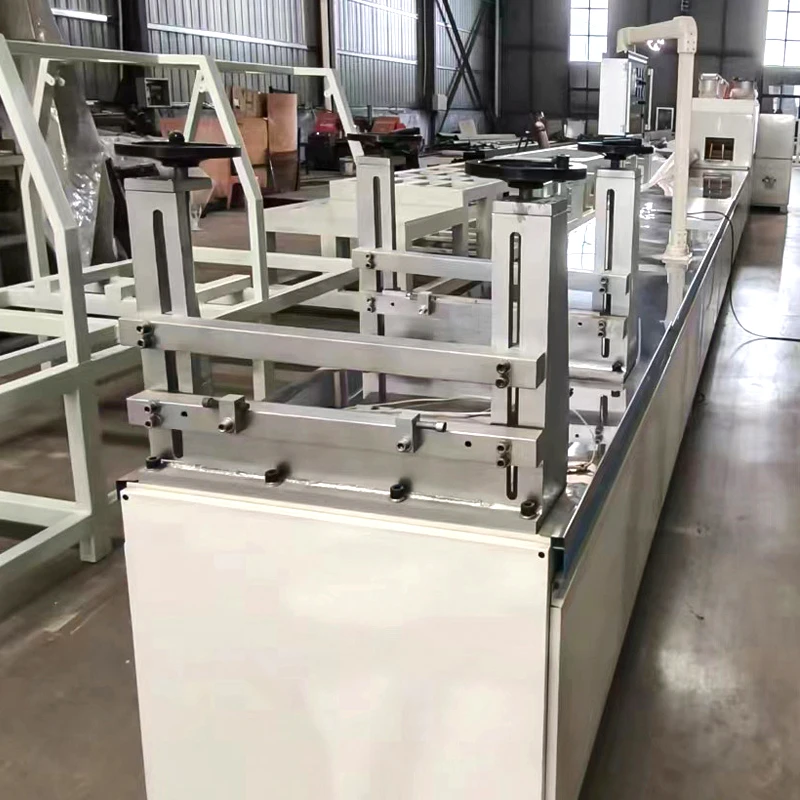
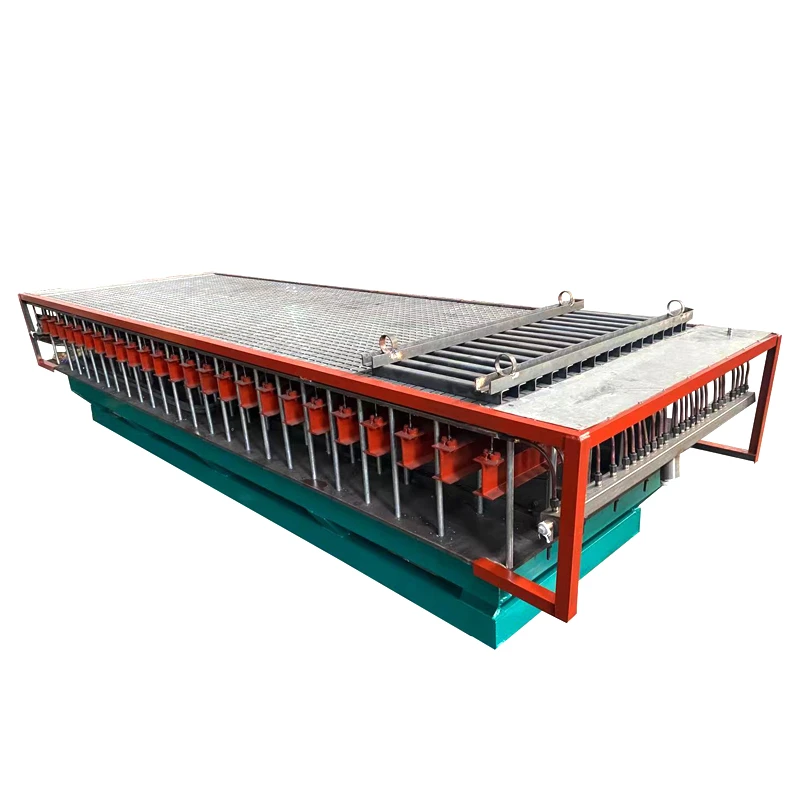
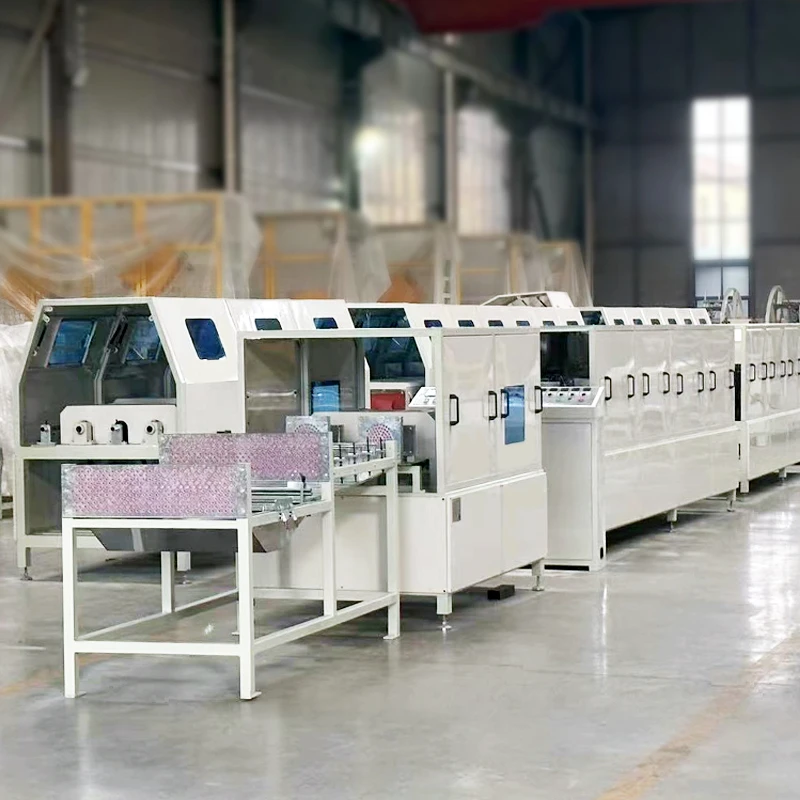
Fiber reinforced polymer (FRP) rebars are increasingly widely used in the field of civil engineering due to their excellent properties such as lightweight, high strength, and corrosion resistance. In conjunction with it, the Frp Rebar Machine, as an advanced manufacturing tool, also plays an increasingly important role in infrastructure construction. It not only improves the efficiency and accuracy of FRP rebar processing, but also promotes the application of FRP rebar in a wider range of fields.


The progressiveness of Frp Rebar Machine is first reflected in its degree of automation and precision control capability


Compared to traditional manual bending methods, Frp Rebar Machines typically use CNC systems that can automatically complete bending tasks according to preset programs. The operator only needs to input the required bending angle, bending radius, and rebar specifications, and the machine can accurately process according to the requirements. This automation operation significantly improves production efficiency, reduces manual operation errors, and ensures machining accuracy, especially when facing large-scale, high-precision engineering projects, its advantages are more obvious.


Secondly, the design of Frp Rebar Machine fully considers the special physical properties of FRP rebars


Due to the high tensile strength but relatively low shear strength of FRP rebar, traditional metal steel bar bending equipment is prone to damage or even fracture of FRP rebars. Modern GFRP rebar machines typically use a softer bending method, effectively avoiding damage to FRP rebar by optimizing the shape of the bending mold and adjusting the bending speed. In addition, some advanced Frp Rebar Machines are equipped with online monitoring systems that can monitor the mechanical parameters during the bending process in real time, adjust the bending strategy in a timely manner, and further improve the processing quality.


More importantly, the Frp Rebar Machine has expanded new possibilities for the application of FRP rebars


Through bending machines, FRP rebar can be processed into various complex shapes to meet the needs of different engineering structures. For example, it can be bent into forms such as stirrups and spiral bars to reinforce infrastructure such as bridges and tunnels. This flexibility enables GFRP rebar machines to better replace traditional steel bars and demonstrate their outstanding performance advantages in some special environments.


However, we should also recognize that the development of Frp Rebar Machine still faces some challenges


For example, the price of the equipment is relatively high, and there are also high requirements for the technical level of the operators. In addition, corresponding bending molds and parameter settings need to be developed for different types and specifications of FRP rebars. Therefore, the future development direction of GFRP rebar machine should be to reduce equipment costs, simplify operation processes, and further improve the universality and intelligence level of the equipment, so that it can adapt to more types of FRP rebar processing needs.


In summary, Frp Rebar Machine, as an advanced manufacturing tool, plays an increasingly important role in the processing and application of FRP rebars due to its automation, precise control, and adaptability to the characteristics of FRP rebars. With the continuous advancement of technology and the expansion of application fields, Frp Rebar Machine will play a more critical role in future infrastructure construction.


Frp Rebar Machine   FAQs


1:  What is the main purpose of Frp Rebar Machine? What are the advantages compared to traditional steel bars?


1: This equipment is used to produce fiber-reinforced polymer (FRP) reinforcement materials, replacing traditional steel and suitable for corrosive environments such as marine engineering and chemical facilities. Core advantages:

Corrosion resistance: No rust, with a lifespan of over 100 years.

Lightweight and High Strength: The tensile strength is 23 times that of steel, and the weight is only 1/4.

Non magnetic: Suitable for electromagnetic sensitive scenarios such as hospitals and laboratories.


2:  What is the production process of Frp Rebar Machine?


2: The fully automated process includes:

  1. Fiber conveying: Glass/carbon fibers are led out from the yarn rack.
  2. Resin impregnation: through an epoxy/vinyl ester resin tank.
  3. Molding and curing: extrusion mold shaping, UV or heating curing.
  4. Surface treatment: Sandblasting or film coating enhances the bonding strength with concrete.
  5. Cutting and packaging: automatic fixed length cutting and finished product winding.


3: What are the core technological highlights of modern Frp Rebar Machine?


Intelligent tension control: Ensure uniform distribution of fibers and avoid strength defects.

Online quality monitoring: Infrared sensors detect resin content and curing degree.

Modular design: Quickly switch between producing different diameters (φ 6mm, φ 32mm) and fiber types.

Low energy curing: Microwave or high-frequency heating technology can save more than 30% energy.


4:  In which engineering fields has Frp Rebar successfully replaced steel bars?


Infrastructure: Cross sea bridges, tunnel support, and buildings on saline alkali land.

Energy: wind power foundation, anti-corrosion structure of nuclear power plants.

Transportation: Maglev tracks, road reinforcement in frozen soil areas.

Military industry: concealed engineering, blast resistant facilities.


5: What is the future development trend of Frp Rebar Machine production technology?


Green manufacturing: using plant-based resins (such as linseed oil epoxy) and recyclable fibers.

Digital twin: Optimizing process parameters through virtual simulation to reduce trial and error costs.

Multi functional integration: Directly embed fiber optic sensors during production to form intelligent structural health monitoring reinforcement materials.

Ultra high performance: Nano modified resin enhances impact resistance and fatigue performance.
Upsell Products
Upsell News
Guide to Fiber Water Tank Price and FRP Storage Costs
Jul 01,2026
Guide to Fiber Water Tank Price and FRP Storage Costs
Understanding Fiber Water Tank Price: A Comprehensive Investment Guide When searching for a reliable liquid storage solution, understanding the factors that influence fiber water tank price is essential for optimizing your operational budget. Fiber-Reinforced Plastic FRP tanks have become the industry standard for water and chemical storage due to their exceptional corrosion resistance and structural integrity. Whether you are managing a municipal water project or an industrial chemical plant, selecting the right tank requires a balance between initial cost and long-term durability. In this guide, we will explore the variables that drive pricing and why FRP remains the most cost-effective choice
Guide to Fibreglass Water Tank Prices and FRP Investment
Jun 29,2026
Guide to Fibreglass Water Tank Prices and FRP Investment
Understanding Fibreglass Water Tank Prices: A Comprehensive Investment Guide When planning water storage for industrial or commercial applications, understanding the factors that influence fibreglass water tank prices is essential for optimizing your budget. Fibreglass Reinforced Plastic FRP tanks offer a superior alternative to steel or concrete due to their corrosion resistance and lightweight nature. Whether you are in the petroleum, chemical, or drainage industry, selecting a tank that balances cost with long-term durability is key. In this guide, we will explore the pricing drivers, technical advantages, and specifications of high-quality FRP storage solutions to help you make an informed purchasing decision.
Industrial Fiberglass Water Tank Price and Buyers Guide
Jun 27,2026
Industrial Fiberglass Water Tank Price and Buyers Guide
Analyzing Fiberglass Water Tank Price: A Comprehensive Buyers Guide When investing in industrial water storage, understanding the fiberglass water tank price is essential for effective budget planning and operational efficiency. Fiberglass Reinforced Plastic FRP tanks have become the gold standard in water quality pollution prevention and chemical storage due to their exceptional corrosion resistance and durability. Whether you are managing a municipal water system or a specialized manufacturing plant, choosing the right tank involves balancing initial costs with long-term lifecycle value. In this guide, we will break down the factors that influence pricing and why FRP is often the most cost-effective choice
Comprehensive Guide to GRP Sectional Water Tanks Prices and Quality
Jun 26,2026
Comprehensive Guide to GRP Sectional Water Tanks Prices and Quality
Selecting the right water storage solution is critical for industrial, commercial, and residential infrastructure. When evaluating grp sectional water tanks prices, it is essential to look beyond the initial sticker price and consider the total cost of ownership, including durability, installation ease, and maintenance. Glass Reinforced Plastic GRP tanks offer a superior alternative to traditional steel or concrete, providing exceptional corrosion resistance and modular flexibility. In this guide, we will explore the factors that influence pricing and why GRP remains the gold standard for modern water management.
Guide to Understanding FRP Tank Cost and Investment Value
Jun 25,2026
Guide to Understanding FRP Tank Cost and Investment Value
Understanding FRP Tank Cost: A Comprehensive Guide to Investment and Value When investing in industrial storage solutions, understanding the frp tank cost is essential for accurate budgeting and long-term operational planning. Fiber Reinforced Plastic FRP tanks offer an exceptional balance of corrosion resistance, structural strength, and longevity, making them the preferred choice for chemical, petroleum, and water treatment industries. While initial pricing can vary based on specifications, the total cost of ownership is often significantly lower than traditional steel tanks due to reduced maintenance. In this guide, we will explore the factors influencing pricing and the advanced machinery used to produce these high-performance vessels.
Best Industrial 500 gallon chemical tank for Storage and Safety
Jun 23,2026
Best Industrial 500 gallon chemical tank for Storage and Safety
Choosing the Best 500 Gallon Chemical Tank for Industrial Storage When managing hazardous materials or industrial fluids, the integrity of your storage system is non-negotiable. A high-quality 500 gallon chemical tank provides the perfect balance between capacity and footprint, making it an ideal choice for mid-sized operations, water treatment facilities, and chemical processing plants. Selecting the right material and design ensures not only the safety of your personnel but also the longevity of your assets. In this guide, we will explore the critical factors you need to consider to optimize your chemical storage efficiency and compliance.
Safe and Efficient Industrial Chemical Storage Tanks Guide
Jun 21,2026
Safe and Efficient Industrial Chemical Storage Tanks Guide
Maximizing Safety and Efficiency with Industrial Chemical Storage Tanks In the modern industrial landscape, the secure management of hazardous materials is not just a regulatory requirement but a critical safety priority. Selecting the right industrial chemical storage tanks is essential for preventing leaks, reducing environmental impact, and ensuring the longevity of your infrastructure. Whether you are dealing with highly corrosive acids or volatile solvents, the material composition and design of your storage system determine your operational risk. This guide explores the technical nuances of chemical storage to help you make an informed investment for your facility.
Best Guide to Choosing a Durable 200 Gallon Chemical Tank
Jun 20,2026
Best Guide to Choosing a Durable 200 Gallon Chemical Tank
The Ultimate Guide to Choosing a 200 Gallon Chemical Tank Finding the right storage solution for hazardous or corrosive substances is critical for industrial safety and operational efficiency. A 200 gallon chemical tank offers a versatile mid-size capacity, ideal for businesses that need a balance between space-saving design and sufficient volume for chemical processing. Whether you are dealing with acids, bases, or specialty solvents, the material composition of your tank determines its lifespan and your facilitys safety. In this guide, we will explore the technical specifications, material options, and best practices for maintaining these essential industrial assets.
Industrial Fiberglass Water Storage Tanks Guide for Efficiency
Jun 18,2026
Industrial Fiberglass Water Storage Tanks Guide for Efficiency
The Ultimate Guide to Fiberglass Water Storage Tanks for Industrial Use Selecting the right containment system is critical for maintaining water purity and operational efficiency. fiberglass water storage tanks have emerged as a superior alternative to traditional steel or concrete reservoirs. Combining high strength-to-weight ratios with exceptional corrosion resistance, these tanks are designed to withstand the harshest environmental conditions while ensuring the longevity of your infrastructure. Whether you are managing a municipal water system or an industrial chemical process, understanding the advantages of FRP Fiber Reinforced Plastic technology is the first step toward a sustainable storage solution.
Industrial Storage Guide for Modular Sectional Water Tanks
Jun 13,2026
Industrial Storage Guide for Modular Sectional Water Tanks
When managing large-scale water storage, efficiency and scalability are non-negotiable. Sectional water tanks offer a versatile and robust solution for industries requiring customized capacities and easy installation in restricted spaces. Unlike monolithic tanks, these systems are engineered from modular panels, allowing for precise sizing and seamless transport to remote sites. Whether it is for fire protection, potable water, or industrial processing, choosing the right tank configuration can significantly impact the longevity and reliability of your water infrastructure. In this guide, we explore why these modular systems are the preferred choice for modern engineering projects worldwide.
Industrial Safety Guide for Double Wall Chemical Tanks
Jun 11,2026
Industrial Safety Guide for Double Wall Chemical Tanks
In the world of industrial chemical storage, containment is not just a preferenceit is a critical safety requirement. double wall chemical tanks provide a sophisticated layer of security, ensuring that hazardous materials are contained even if the primary vessel fails. By utilizing a tank-within-a-tank design, these systems prevent catastrophic leaks, protect the surrounding environment, and ensure compliance with strict regulatory standards. Whether you are managing a water treatment plant or a chemical manufacturing facility, understanding the nuances of secondary containment is essential for operational longevity and risk mitigation.
High Efficiency and Durability of Fiberglass Storage Tanks
Jun 09,2026
High Efficiency and Durability of Fiberglass Storage Tanks
In the world of industrial liquid containment, choosing the right material is critical for safety, longevity, and cost-effectiveness. fiberglass storage tanks , also known as FRP Fiber Reinforced Plastic tanks, have emerged as the gold standard for storing corrosive chemicals, water, and hazardous materials. Unlike traditional metal tanks, fiberglass offers an unparalleled combination of strength and chemical inertness. Whether you are managing a municipal water system or a complex chemical processing plant, understanding the advantages of these advanced composite structures is essential for optimizing your infrastructure and reducing long-term maintenance costs.
Durable FRP Vessel for Water Treatment and Industrial Filtration
Apr 16,2026
Durable FRP Vessel for Water Treatment and Industrial Filtration
In the modern era of industrial and residential water purification, the choice of containment materials is critical for efficiency and longevity. An frp vessel for water treatment has emerged as the gold standard, replacing traditional steel tanks due to its superior corrosion resistance and lightweight properties. Whether you are dealing with desalination, softening, or filtration, using Fiber Reinforced Plastic (FRP) ensures that your system remains leak-proof and durable against aggressive chemicals. In this comprehensive guide, we will explore why FRP is the preferred choice for water treatment professionals worldwide and how to select the right vessel for your specific application.
Industrial Guide for Choosing the Right FRP Vertical Tank
Apr 09,2026
Industrial Guide for Choosing the Right FRP Vertical Tank
In today's industrial landscape, the storage of corrosive chemicals and aggressive liquids requires materials that can withstand extreme conditions without degrading. The frp vertical tank has emerged as a premier solution, offering an exceptional balance of strength, lightweight properties, and unmatched chemical resistance. Whether you are managing a water treatment plant or a chemical processing facility, understanding the nuances of Fiber Reinforced Plastic (FRP) is essential for ensuring operational safety and longevity. In this comprehensive guide, we will explore why vertical configurations are preferred and how these tanks outperform traditional metal alternatives.
Comprehensive Guide to FRP Underground Water Tank Solutions and Applications
Apr 07,2026
Comprehensive Guide to FRP Underground Water Tank Solutions and Applications
Fiberglass Reinforced Polymer (FRP) underground water tanks are becoming increasingly popular for a wide range of applications, from potable water storage to industrial wastewater containment. Their superior corrosion resistance, lightweight nature, and design flexibility make them an excellent alternative to traditional materials like concrete or steel. This article will delve into the benefits, applications, construction, and considerations for implementing FRP underground water tanks, providing a comprehensive overview for engineers, contractors, and project managers.
Comprehensive Guide to Frp Underground Water Storage Tanks and Their Applications
Apr 04,2026
Comprehensive Guide to Frp Underground Water Storage Tanks and Their Applications
When considering water storage solutions, particularly for industrial, agricultural, or municipal applications, frp underground water storage tanks stand out as a durable, cost-effective, and environmentally friendly option. These tanks are increasingly favored over traditional materials like concrete or steel due to their superior corrosion resistance, lighter weight, and ease of installation. This article delves into the benefits, applications, construction, and considerations when choosing an FRP tank, providing a detailed overview for potential buyers and project planners.
For More Details Pls Contact Us
Thank you for your interest in our gloves! We offer high-quality, durable, and comfortable gloves with fast delivery and competitive prices. For any questions or customization, feel free to contact us. We look forward to working with you!

If you are interested in our products, you can choose to leave your information here, and we will be in touch with you shortly.