Oct 16,2025

FRP Rebar Machine: High-Speed, Automated, Low Waste

FRP Rebar Making Machine: What Buyers Need to Know in 2025
FRP Rebar Machine: High-Speed, Automated, Low Waste

If you’ve been watching the concrete world lately, you’ve noticed the shift. Steel is still king, sure, but corrosion budgets are getting ugly. That’s why the frp rebar machine is having a moment. It’s not hype—cities, DOTs, and marine owners are standing up FRP bars in places where rust used to win.
FRP Rebar Machine: High-Speed, Automated, Low Waste

What This Line Actually Does

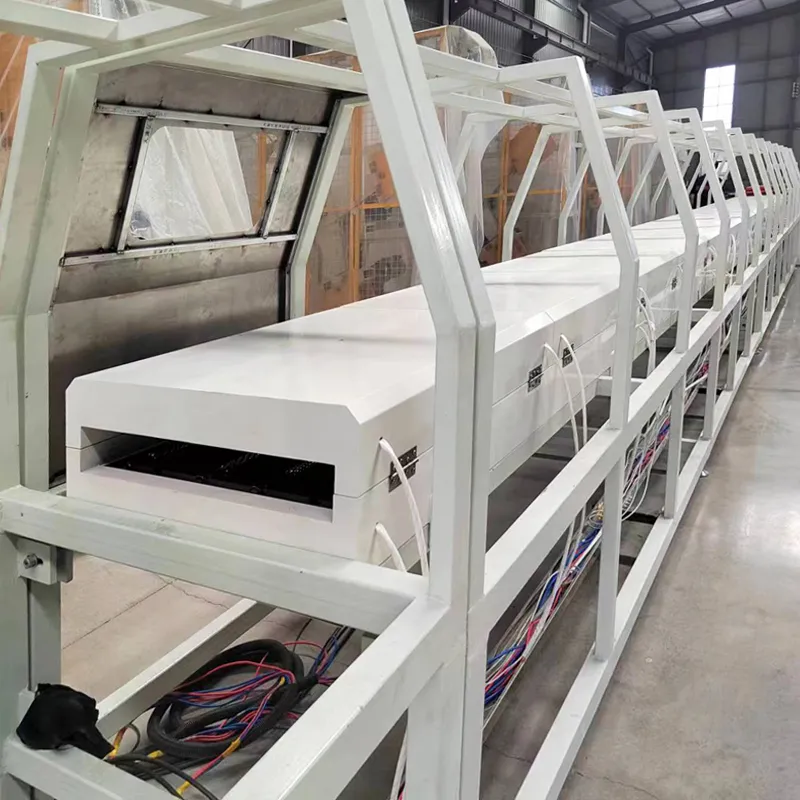
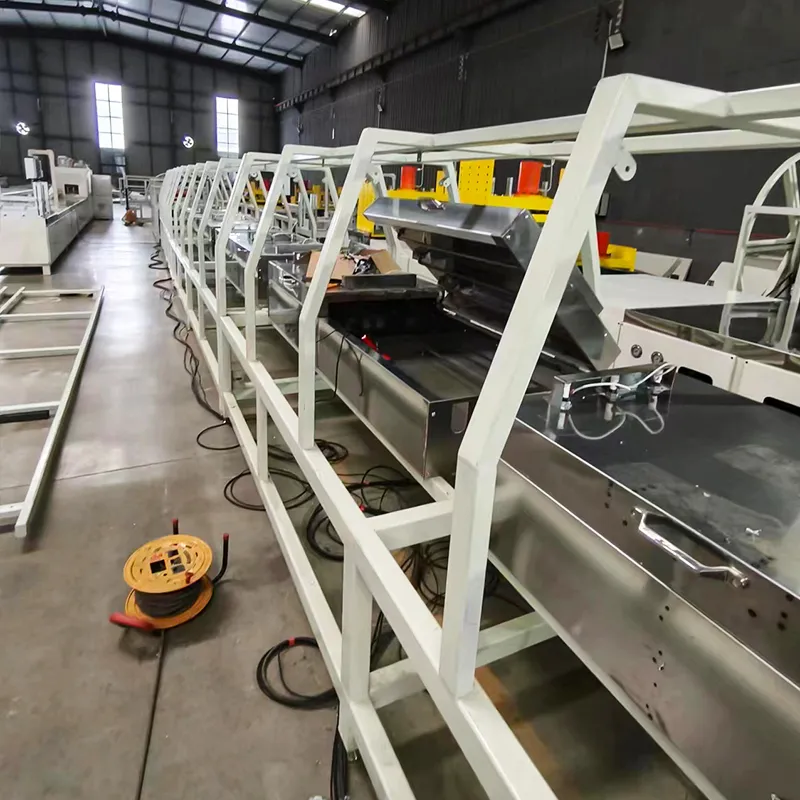
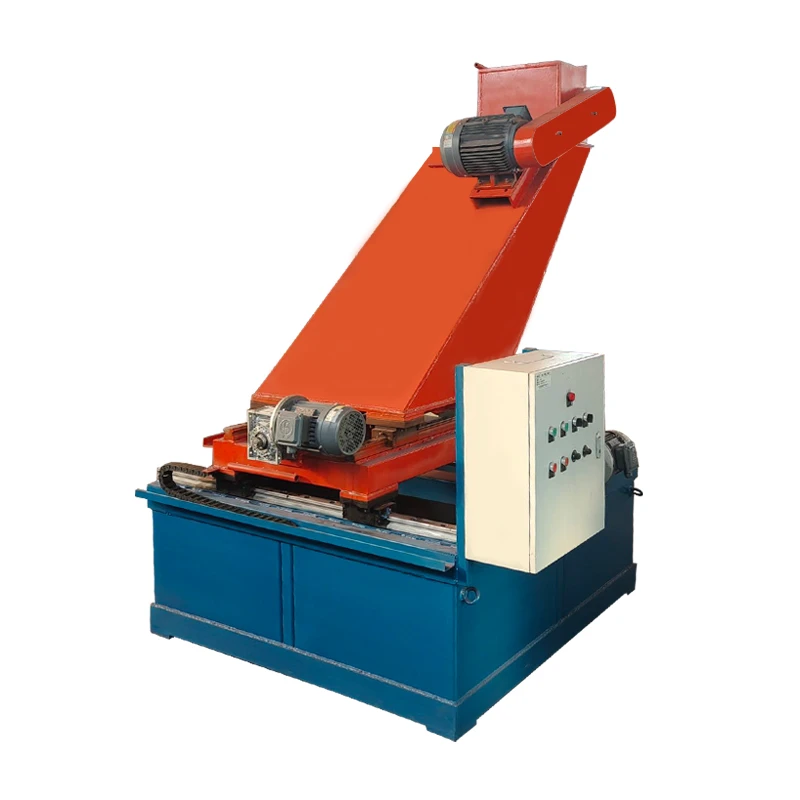
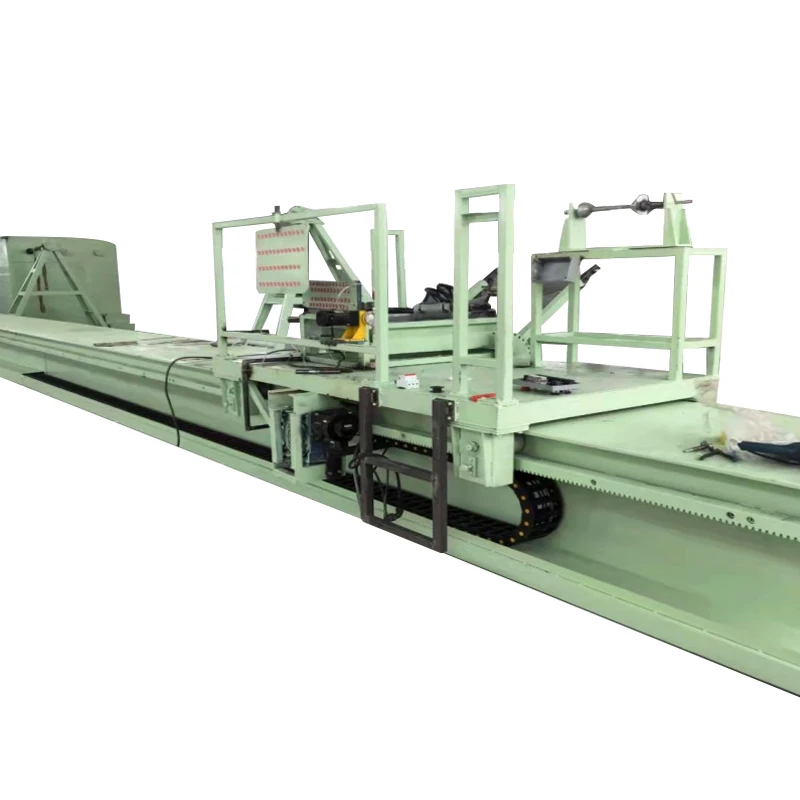
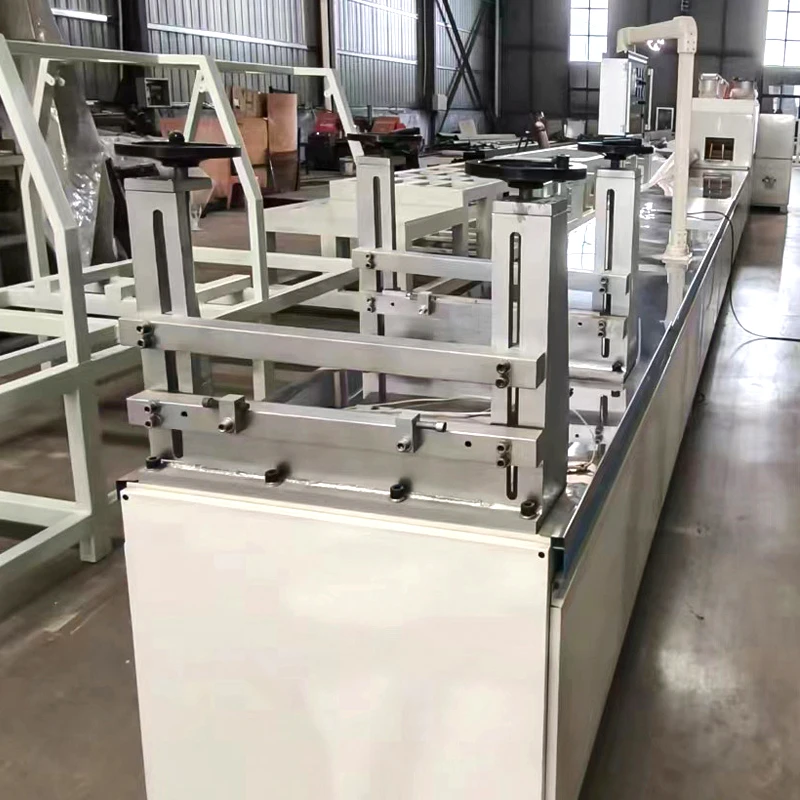
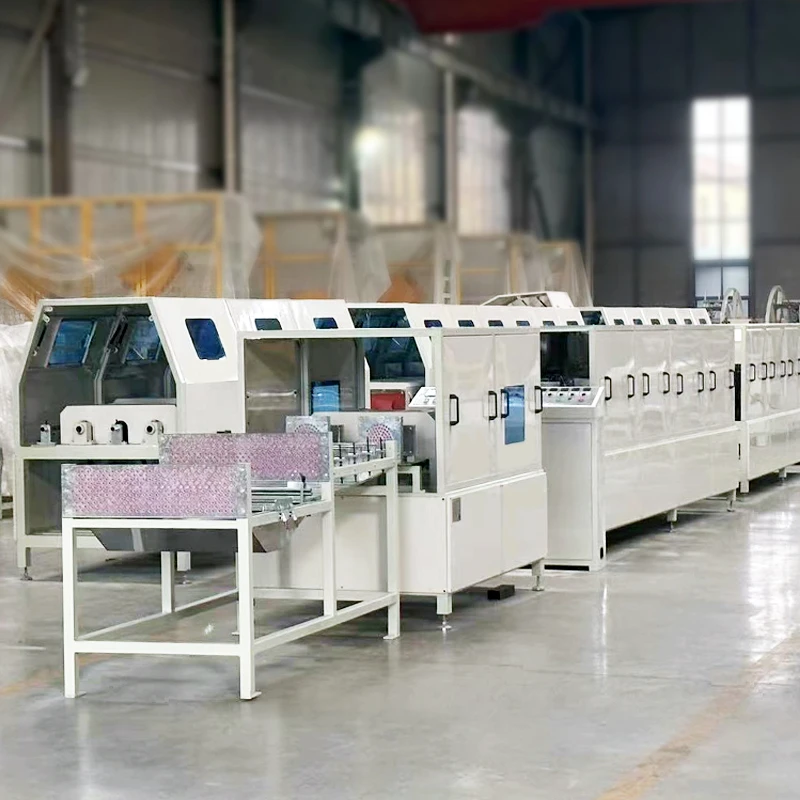
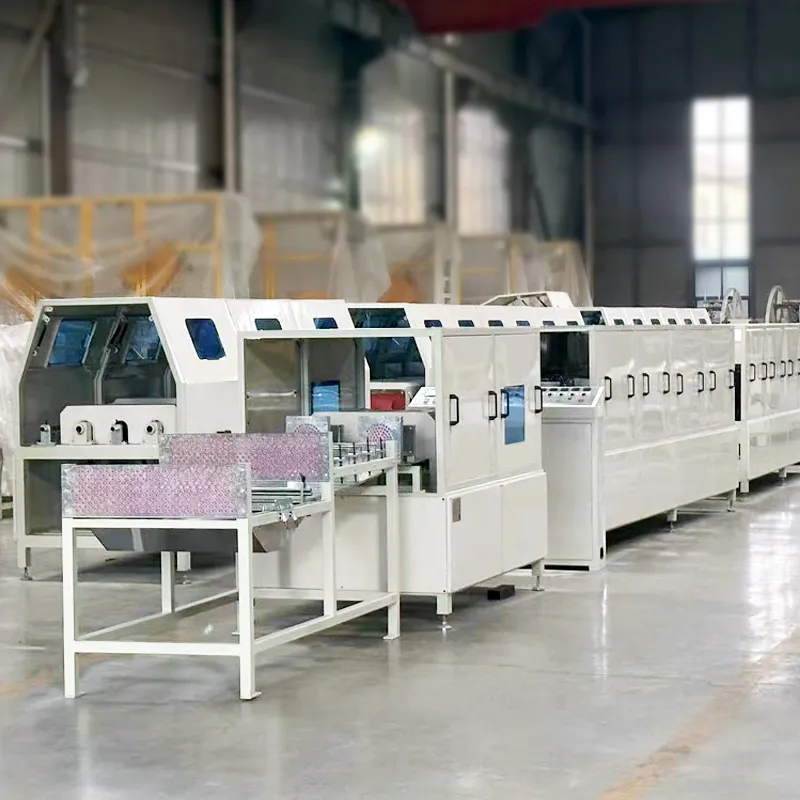
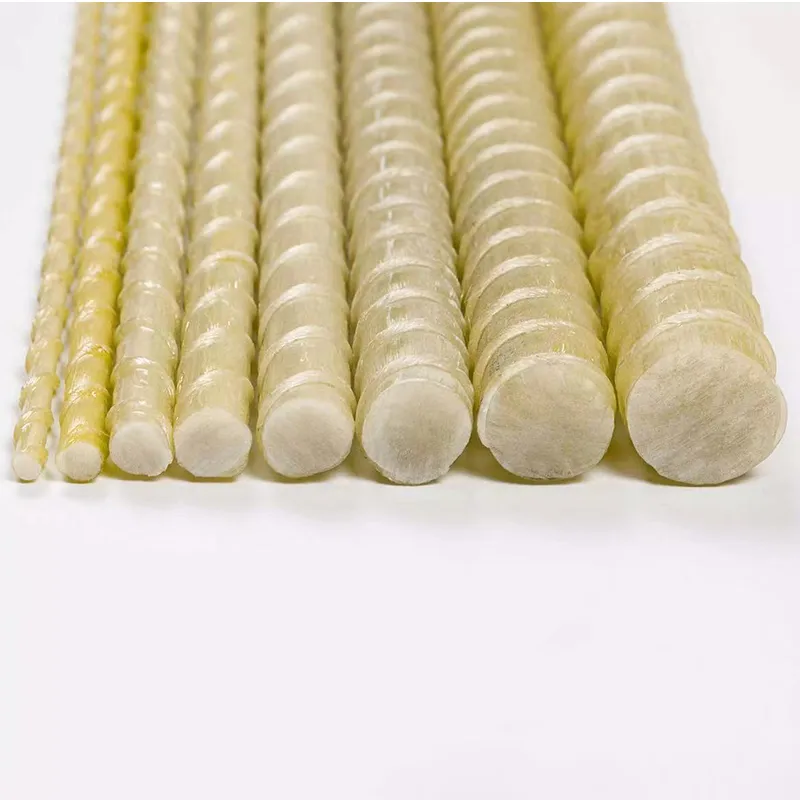
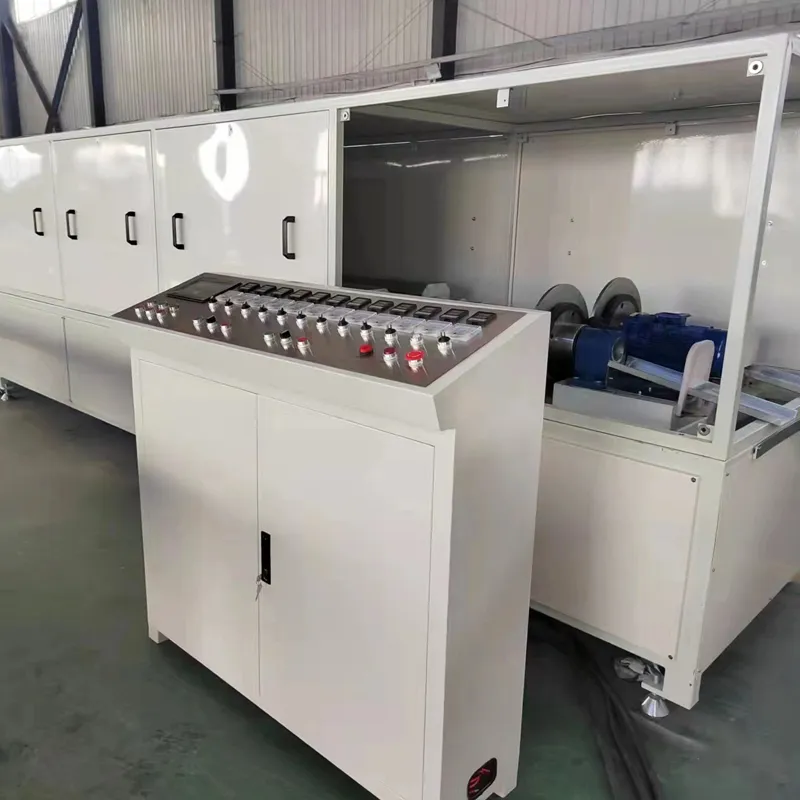
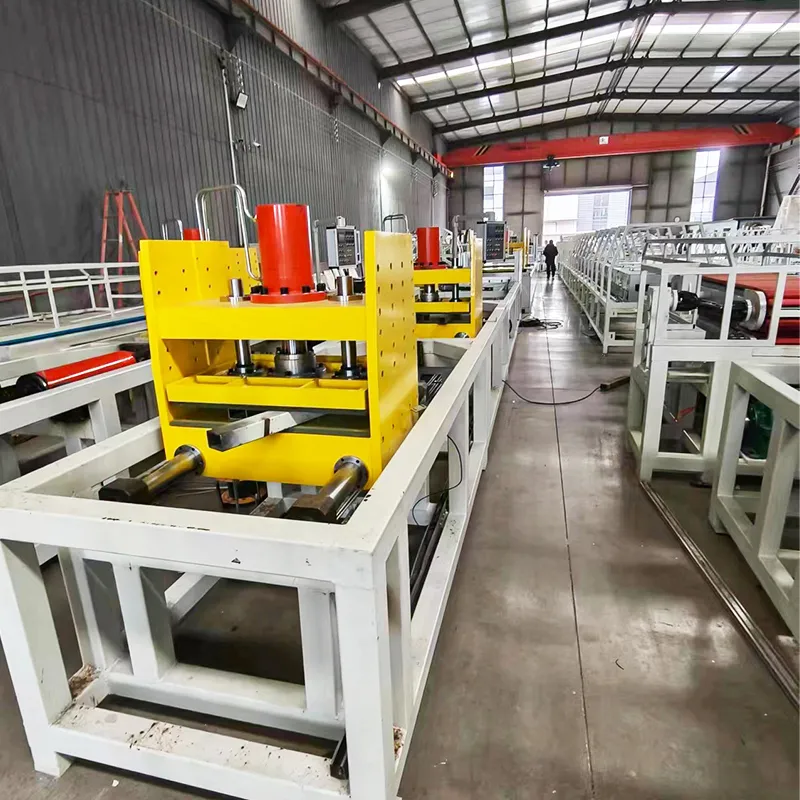
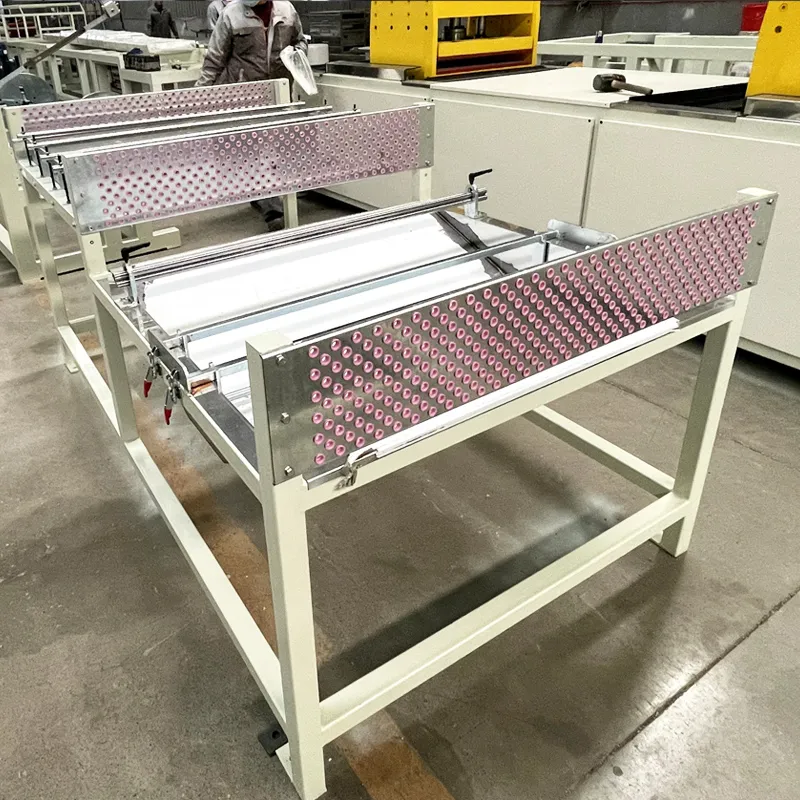
The FRP Rebar Making Machine is designed to turn glass or basalt fibers + resin systems into fully cured, cut-to-length composite bars. The unit—origin: No. Room 211,706 Xinghua North Street, Jizhou District, Hengshui City, Hebei Province—automates yarn splitting, resin impregnation, pre-forming, spiral winding (for surface deformations), heating/curing, continuous hauling, fixed-length cutting, and stacking. In short: raw roving in, finished bars out. Simple sentence, surprisingly complex engineering.
FRP Rebar Machine: High-Speed, Automated, Low Waste

Industry Trend Check

Adoption’s accelerating in coastal bridges, MRT tunnels, water/wastewater plants, precast panels, and data-center slabs (EMI-friendly, no rust staining). To be honest, engineers used to hesitate over design familiarity; now ACI and ISO documents have cleared much of that fog. Many customers say the learning curve is shorter than expected.
FRP Rebar Machine: High-Speed, Automated, Low Waste

Typical Process Flow

  • Material prep: glass/basalt roving, epoxy/vinyl ester resin, initiators, fillers, surface sand.
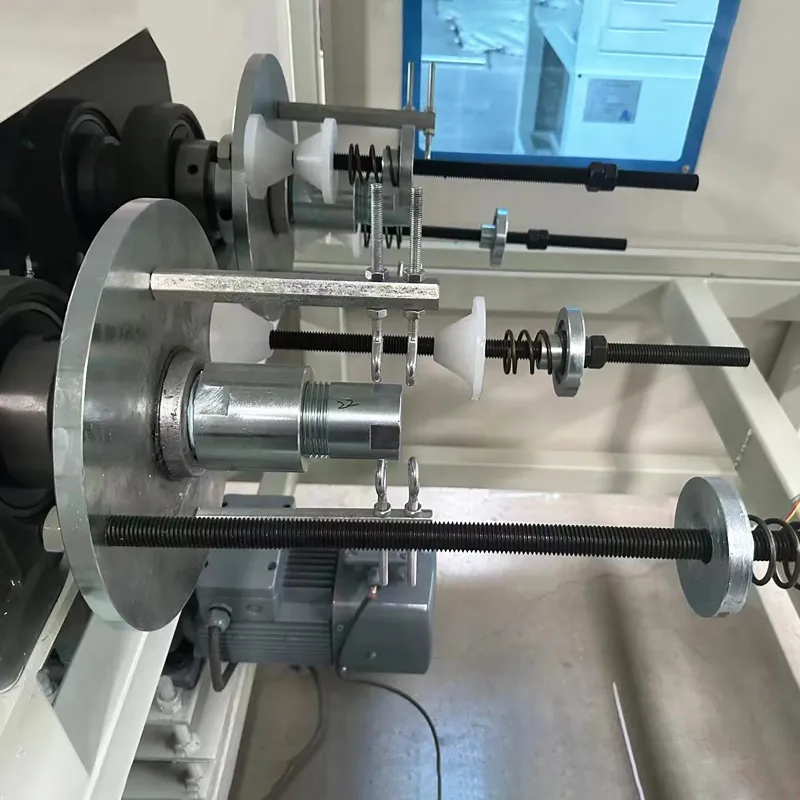
  • Yarn splitting and tensioning to maintain fiber alignment.
  • Impregnation bath with controlled viscosity and wet-out ratio (glass content ≈ 70% by weight).
  • Pre-forming + spiral winding for rib profile and bond.
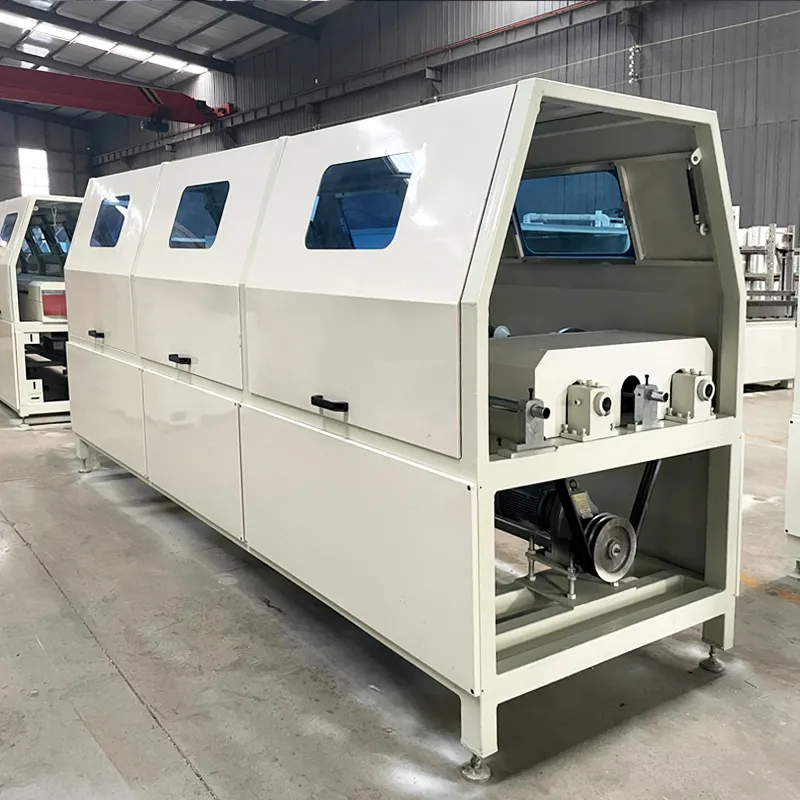
  • Heating/curing (multi-zone oven) to achieve full Tg and crosslink density.
  • Hauling, online diameter check, fixed-length cutting, counting/stacking.
  • QC: tensile coupons, bond pull-out, diameter/ovalization, cure state (DSC), and visual.
FRP Rebar Machine: High-Speed, Automated, Low Waste

Indicative Machine Specs

ItemSpec (≈ / real-world may vary)
Bar diametersØ4–Ø32 mm
Line speed0.3–1.2 m/min (depends on diameter & resin)
Heating/curingMulti-zone oven, 150–220°C
Power25–40 kW installed
CuttingAutomatic fixed-length, dust extraction
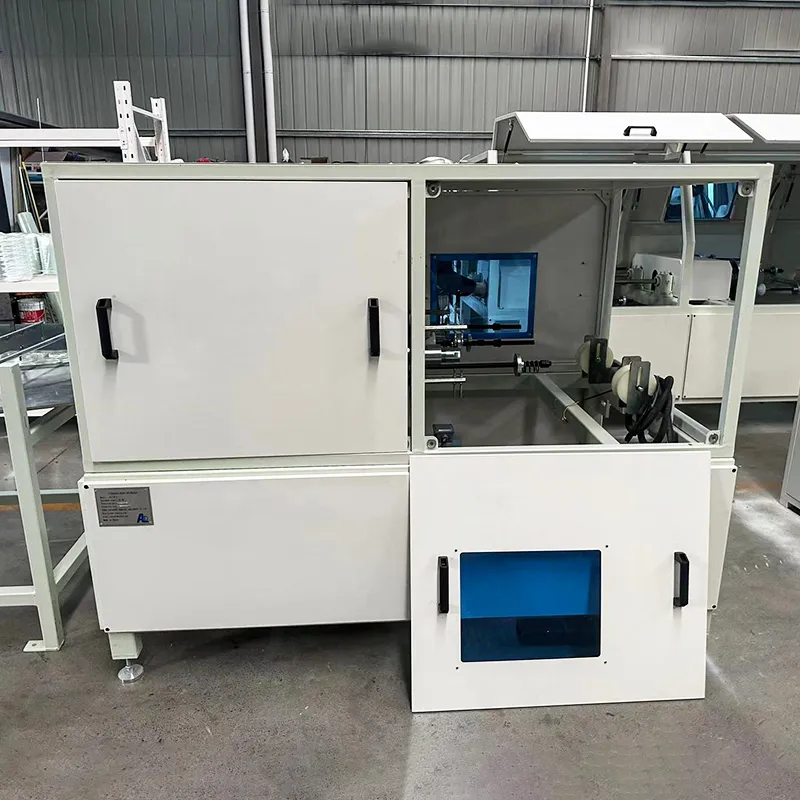
ControlsPLC + HMI, recipe storage
FRP Rebar Machine: High-Speed, Automated, Low Waste

Performance, Testing, and Standards

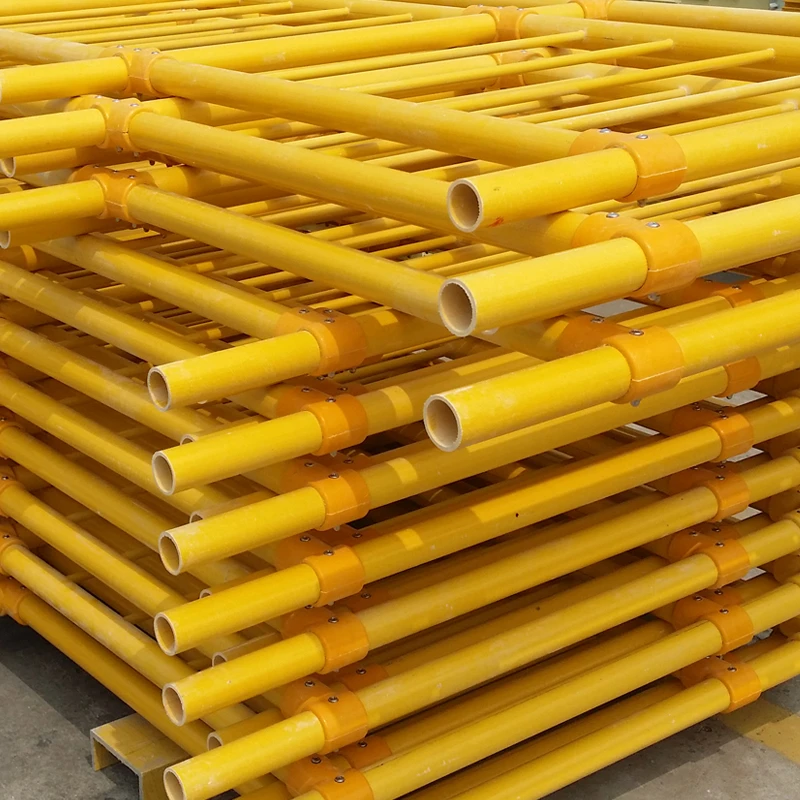
Finished GFRP bars typically reach tensile strength 1000–1400 MPa, modulus 45–60 GPa, and bond performance validated by rib geometry and sand coating. Testing commonly follows ASTM D7957, ISO 10406-1, and design checks per ACI 440.1R. Service life? In chloride-heavy exposure, 75–100 years is frequently targeted, assuming proper resin selection and cover. We’ve seen labs report retention after hot-wet conditioning that still satisfies design factors—again, verify for your exact recipe.
FRP Rebar Machine: High-Speed, Automated, Low Waste

Where It’s Used

  • Coastal bridges, quay walls, decks, precast piles.
  • Tunnels, metro slabs, salt-storage facilities.
  • Water/wastewater tanks, chemical plants, cooling towers.
  • Lightweight UHPC panels and non-magnetic/EMI-sensitive sites.

Users like the handling: frp rebar machine output is light, easy to cut, and sparks less drama on-site.
FRP Rebar Machine: High-Speed, Automated, Low Waste

Customization and Options

Diameter change kits, rib profiles, sand-coating units, resin mixing/degassing, closed-loop oven control, and inline tensile sampling can be tailored. Certifications like CE for machinery and ISO 9001 for QA are commonly requested by international buyers.

VendorOriginLine speedHeatingControlNotes
Hengshui MakerJizhou District, Hebei0.3–1.2 m/minMulti-zone ovenPLC/HMIStrong after-sales, parts ready
Vendor AEU≈1.0 m/minIR + convectionPLC/SCADAStrong documentation
Vendor BAsia0.5–1.3 m/minHot-airPLCBudget-friendly
FRP Rebar Machine: High-Speed, Automated, Low Waste

Field Notes and Case Snippets

A Gulf-coast precaster told me their crew switched to GFRP #5 bars for exposure class XS. They reported smoother cutting and no rust bleed—small wins that add up. Another metro project used basalt FRP for non-magnetic platforms; designers leaned on ACI 440.1R and ISO 10406-1 test data to sign off. Actually, once installers adapted tying methods, productivity normalized within a week.
FRP Rebar Machine: High-Speed, Automated, Low Waste

Bottom line: if you need consistent, standards-compliant bars, a modern frp rebar machine with tight process control and documented QA is the safe bet.

References

  1. ASTM D7957/D7957M – Solid Round GFRP Bars for Concrete Reinforcement.
  2. ACI 440.1R – Guide for the Design and Construction of Concrete Reinforced with FRP Bars.
  3. ISO 10406-1 – Fibre-reinforced polymer (FRP) reinforcement of concrete – Test methods.
  4. CSA S807 – Specification for Fibre-Reinforced Polymers for Concrete Construction.
Upsell Products
Upsell News
Durable FRP Vessel for Water Treatment and Industrial Filtration
Apr 16,2026
Durable FRP Vessel for Water Treatment and Industrial Filtration
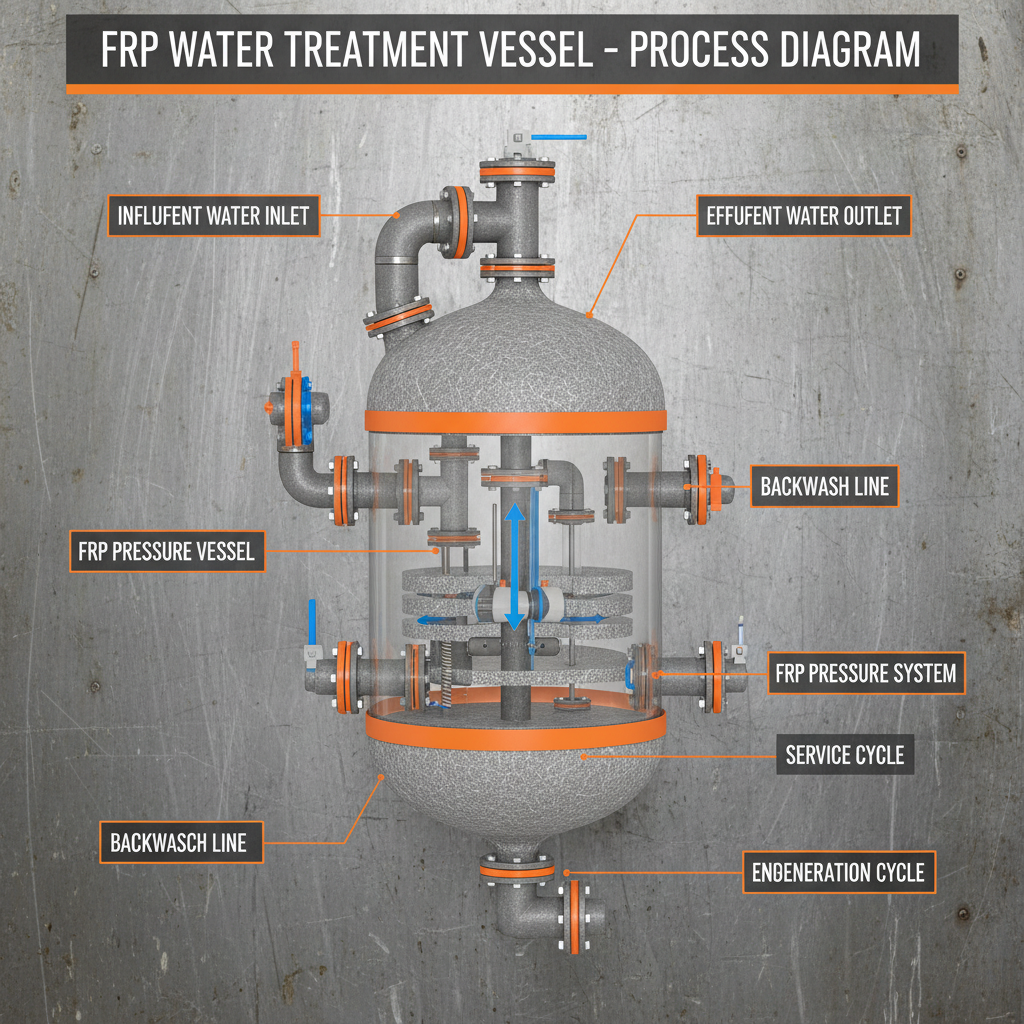
In the modern era of industrial and residential water purification, the choice of containment materials is critical for efficiency and longevity. An frp vessel for water treatment has emerged as the gold standard, replacing traditional steel tanks due to its superior corrosion resistance and lightweight properties. Whether you are dealing with desalination, softening, or filtration, using Fiber Reinforced Plastic (FRP) ensures that your system remains leak-proof and durable against aggressive chemicals. In this comprehensive guide, we will explore why FRP is the preferred choice for water treatment professionals worldwide and how to select the right vessel for your specific application.
Industrial Guide for Choosing the Right FRP Vertical Tank
Apr 09,2026
Industrial Guide for Choosing the Right FRP Vertical Tank
In today's industrial landscape, the storage of corrosive chemicals and aggressive liquids requires materials that can withstand extreme conditions without degrading. The frp vertical tank has emerged as a premier solution, offering an exceptional balance of strength, lightweight properties, and unmatched chemical resistance. Whether you are managing a water treatment plant or a chemical processing facility, understanding the nuances of Fiber Reinforced Plastic (FRP) is essential for ensuring operational safety and longevity. In this comprehensive guide, we will explore why vertical configurations are preferred and how these tanks outperform traditional metal alternatives.
Comprehensive Guide to FRP Underground Water Tank Solutions and Applications
Apr 07,2026
Comprehensive Guide to FRP Underground Water Tank Solutions and Applications
Fiberglass Reinforced Polymer (FRP) underground water tanks are becoming increasingly popular for a wide range of applications, from potable water storage to industrial wastewater containment. Their superior corrosion resistance, lightweight nature, and design flexibility make them an excellent alternative to traditional materials like concrete or steel. This article will delve into the benefits, applications, construction, and considerations for implementing FRP underground water tanks, providing a comprehensive overview for engineers, contractors, and project managers.
Comprehensive Guide to Frp Underground Water Storage Tanks and Their Applications
Apr 04,2026
Comprehensive Guide to Frp Underground Water Storage Tanks and Their Applications
When considering water storage solutions, particularly for industrial, agricultural, or municipal applications, frp underground water storage tanks stand out as a durable, cost-effective, and environmentally friendly option. These tanks are increasingly favored over traditional materials like concrete or steel due to their superior corrosion resistance, lighter weight, and ease of installation. This article delves into the benefits, applications, construction, and considerations when choosing an FRP tank, providing a detailed overview for potential buyers and project planners.
Sulfuric Acid Production Line - Hebei Aoliande|Efficient H2SO4 Plant Technology
Apr 01,2026
Sulfuric Acid Production Line - Hebei Aoliande|Efficient H2SO4 Plant Technology
Discover efficient H2SO4 plant technology and advanced sulfuric acid production solutions. Hebei Aoliande combines energy-saving furnace design and eco-friendly HCl recovery systems for sustainable industrial applications. Explore now: https://www.frpgrpmachine.com/sulfuric-acid-production-line-for-h2so4-plant.html
Sulfuric Acid Production Line - Hebei Aoliande|Efficient H2SO4 Plant Technology
Apr 01,2026
Sulfuric Acid Production Line - Hebei Aoliande|Efficient H2SO4 Plant Technology
Discover efficient H2SO4 plant technology and advanced sulfuric acid production solutions. Hebei Aoliande combines energy-saving furnace design and eco-friendly HCl recovery systems for sustainable industrial applications. Explore now: https://www.frpgrpmachine.com/sulfuric-acid-production-line-for-h2so4-plant.html
Sulfuric Acid Production Line - Hebei Aoliande|Efficient H2SO4 Plant Technology
Apr 01,2026
Sulfuric Acid Production Line - Hebei Aoliande|Efficient H2SO4 Plant Technology
Discover efficient H2SO4 plant technology and advanced sulfuric acid production solutions. Hebei Aoliande combines energy-saving furnace design and eco-friendly HCl recovery systems for sustainable industrial applications. Explore now: https://www.frpgrpmachine.com/sulfuric-acid-production-line-for-h2so4-plant.html
Sulfuric Acid Production Line - Hebei Aoliande|Efficient H2SO4 Plant Technology
Apr 01,2026
Sulfuric Acid Production Line - Hebei Aoliande|Efficient H2SO4 Plant Technology
Discover efficient H2SO4 plant technology and advanced sulfuric acid production solutions. Hebei Aoliande combines energy-saving furnace design and eco-friendly HCl recovery systems for sustainable industrial applications. Explore now: https://www.frpgrpmachine.com/sulfuric-acid-production-line-for-h2so4-plant.html
Sulfuric Acid Production Line - Hebei Aoliande|Efficient H2SO4 Plant Technology
Apr 01,2026
Sulfuric Acid Production Line - Hebei Aoliande|Efficient H2SO4 Plant Technology
Discover efficient H2SO4 plant technology and advanced sulfuric acid production solutions. Hebei Aoliande combines energy-saving furnace design and eco-friendly HCl recovery systems for sustainable industrial applications. Explore now: https://www.frpgrpmachine.com/sulfuric-acid-production-line-for-h2so4-plant.html
Sulfuric Acid Production Line - Hebei Aoliande|Efficient H2SO4 Plant Technology
Apr 01,2026
Sulfuric Acid Production Line - Hebei Aoliande|Efficient H2SO4 Plant Technology
Discover efficient H2SO4 plant technology and advanced sulfuric acid production solutions. Hebei Aoliande combines energy-saving furnace design and eco-friendly HCl recovery systems for sustainable industrial applications. Explore now: https://www.frpgrpmachine.com/sulfuric-acid-production-line-for-h2so4-plant.html
Comprehensive Guide to Frp Underground Storage Tanks for Reliable Storage Solutions
Mar 31,2026
Comprehensive Guide to Frp Underground Storage Tanks for Reliable Storage Solutions
Fiberglass Reinforced Polymer (FRP) underground storage tanks are becoming increasingly popular for a wide range of applications, from fuel storage to wastewater management. Their corrosion resistance, lightweight nature, and durability offer significant advantages over traditional materials like steel. This article will provide an in-depth look at FRP underground storage tanks, covering their benefits, applications, installation, and maintenance. Understanding these aspects is crucial for making informed decisions about long-term storage solutions.
Comprehensive Guide to Selecting the Ideal FRP Tank for Water Storage Solutions
Mar 28,2026
Comprehensive Guide to Selecting the Ideal FRP Tank for Water Storage Solutions
When it comes to reliable and durable water storage, FRP tanks for water are increasingly becoming the preferred solution for a wide range of applications. These tanks, constructed from Fiber Reinforced Polymer (FRP) materials, offer significant advantages over traditional storage options like steel or concrete. This article delves into the benefits, applications, and considerations when selecting an FRP tank for your water storage needs, providing a detailed overview for businesses and individuals alike.
Comprehensive Guide to Frp Tank and Vessel Applications and Manufacturing
Mar 26,2026
Comprehensive Guide to Frp Tank and Vessel Applications and Manufacturing
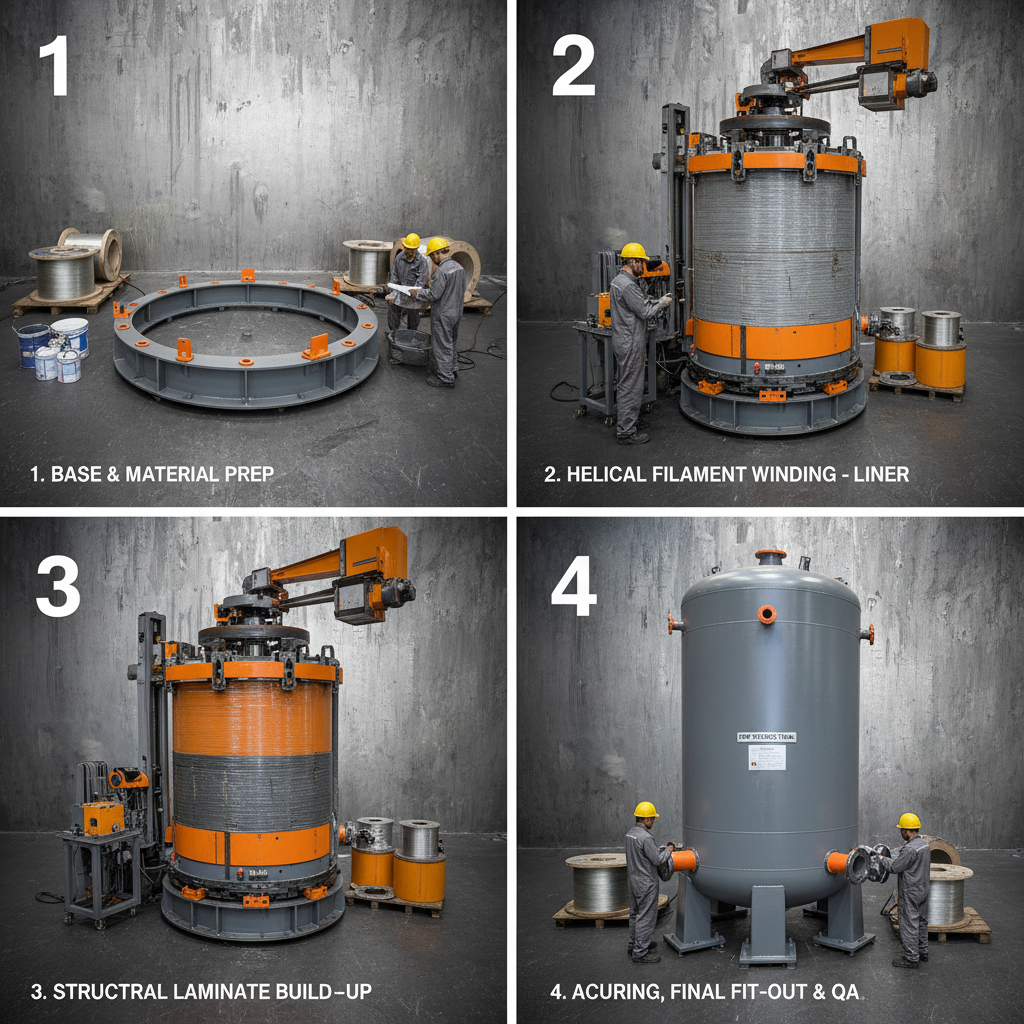
Fiber Reinforced Polymer (FRP) tanks and vessels are increasingly becoming the preferred choice for storage and processing across a multitude of industries. Their lightweight nature, corrosion resistance, and design flexibility offer significant advantages over traditional materials like steel. This article will delve into the intricacies of FRP tanks and vessels, exploring their applications, manufacturing processes, benefits, and considerations for selecting the right solution for your specific needs. We’ll also highlight why FRP tanks are a cost-effective and reliable long-term investment. FRP tanks and vessels are constructed from a combination of reinforcing fibers (such as fiberglass, carbon fiber, or aramid fiber) embedded in a polymer matrix (typically polyester, vinyl ester, or epoxy resin). This combination creates a composite material that boasts high strength-to-weight ratio, exceptional corrosion resistance, and the ability to be molded into complex shapes. They’re designed to safely contain a wide variety of liquids and gases, ranging from corrosive chemicals and water to food products and pharmaceuticals.
Optimizing Water Filtration with Durable FRP Sand Filter Vessels
Mar 24,2026
Optimizing Water Filtration with Durable FRP Sand Filter Vessels
In water treatment and filtration systems, the choice of filter vessel material is paramount. Fiber Reinforced Plastic (FRP), also known as Glass Reinforced Polymer (GRP), sand filter vessels are increasingly popular due to their superior corrosion resistance, lightweight nature, and cost-effectiveness. This article delves into the benefits, applications, design considerations, and factors to consider when selecting an FRP sand filter vessel. Whether you are involved in municipal water treatment, industrial wastewater management, or recreational water filtration, understanding FRP technology is essential for optimizing your filtration process. An FRP sand filter vessel is a containment unit designed to house filtration media, typically sand, gravel, and anthracite. These vessels are integral components in sand filtration systems used for removing suspended solids, turbidity, and other particulate matter from water. FRP construction involves layering glass fibers within a resin matrix (typically polyester or vinyl ester) to create a strong, durable, and chemically resistant shell. The strength and rigidity of the vessel are crucial for withstanding the pressure from the filtration media and the water flow.
Comprehensive Guide to FRP Round Tanks Applications and Benefits
Mar 21,2026
Comprehensive Guide to FRP Round Tanks Applications and Benefits
Fiber Reinforced Polymer (FRP) round tanks are increasingly becoming the preferred choice for storage solutions across a variety of industries. Their lightweight nature, corrosion resistance, and design flexibility offer significant advantages over traditional materials like steel. This article provides an in-depth look at FRP round tanks, exploring their applications, benefits, manufacturing processes, and key considerations when choosing the right tank for your needs. Whether you're in chemical processing, water treatment, or agriculture, understanding FRP round tanks is crucial for optimizing your storage infrastructure. FRP round tanks are constructed from a combination of reinforcing fibers (typically fiberglass, carbon fiber, or a blend) embedded in a polymer matrix (often polyester, vinyl ester, or epoxy resin). The round shape inherently provides excellent structural strength, distributing pressure evenly across the tank’s surface.
Comprehensive Guide to FRP Pressure Tanks Benefits and Applications
Mar 19,2026
Comprehensive Guide to FRP Pressure Tanks Benefits and Applications
Fiber Reinforced Polymer (FRP) pressure tanks are becoming increasingly popular in a wide range of industrial applications, offering a compelling alternative to traditional steel tanks. Known for their lightweight nature, corrosion resistance, and high strength-to-weight ratio, FRP tanks provide efficient and durable solutions for storing liquids and gases under pressure. This article will delve into the benefits, applications, construction, and key considerations when selecting an FRP pressure tank, helping you make an informed decision for your specific needs. Understanding the advantages of FRP technology can lead to significant cost savings and improved operational efficiency. Compared to steel, FRP pressure tanks offer several key advantages. The most significant is their superior corrosion resistance. Unlike steel, which is susceptible to rust and corrosion when exposed to various chemicals, FRP materials are inherently resistant to a wide range of corrosive substances. This translates to a longer lifespan, reduced maintenance costs, and increased safety. Furthermore, FRP is significantly lighter than steel, making installation easier and reducing transportation costs.
For More Details Pls Contact Us
Thank you for your interest in our gloves! We offer high-quality, durable, and comfortable gloves with fast delivery and competitive prices. For any questions or customization, feel free to contact us. We look forward to working with you!

If you are interested in our products, you can choose to leave your information here, and we will be in touch with you shortly.