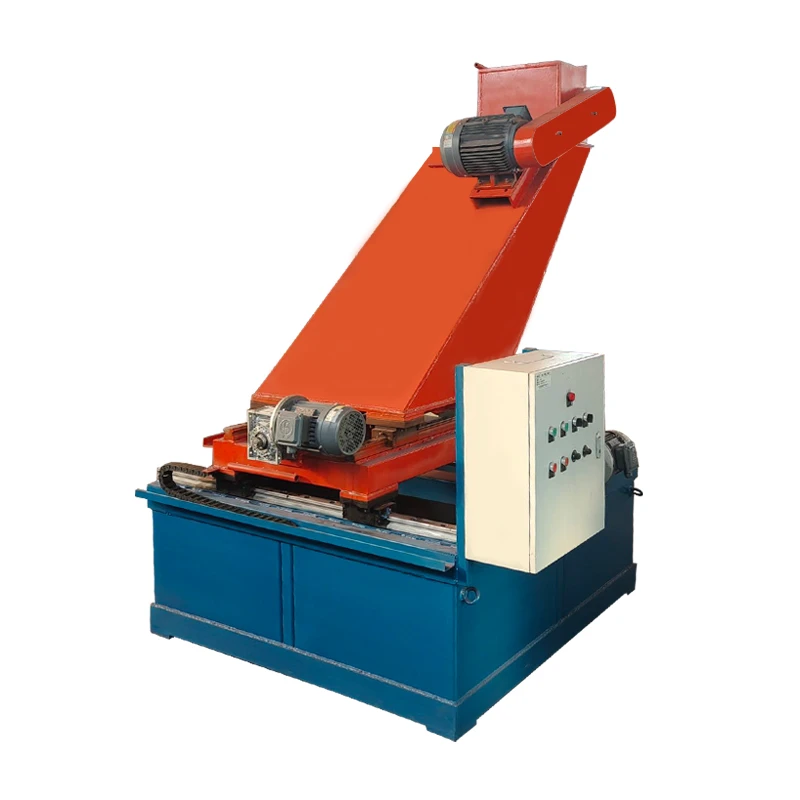
FRP Tank Winding Machine – Precision, Automated, Durable
Field Notes on the Frp Tank Winding Machine: trends, specs, and real-world output
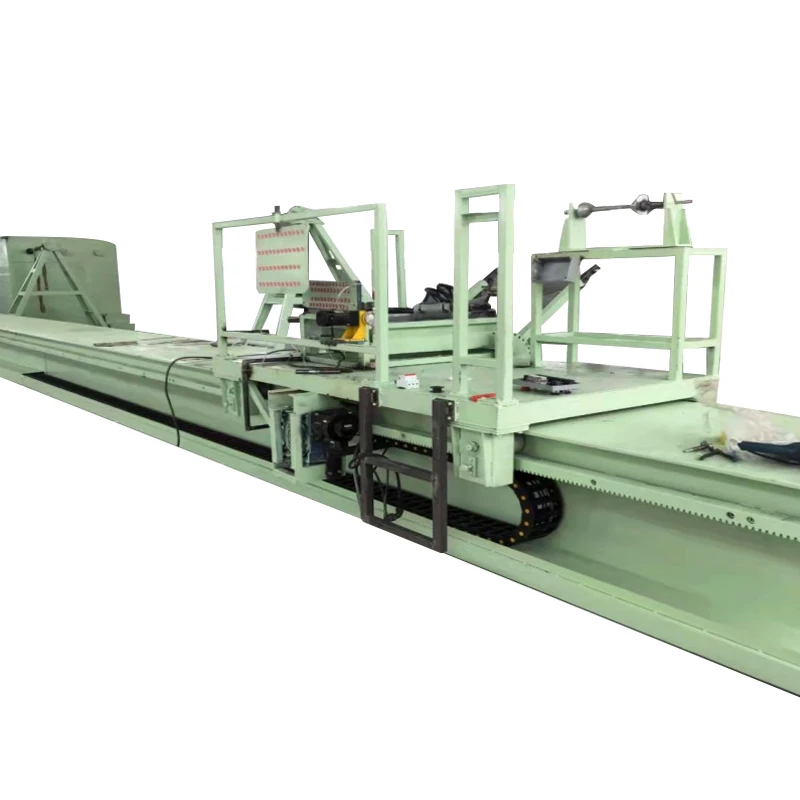
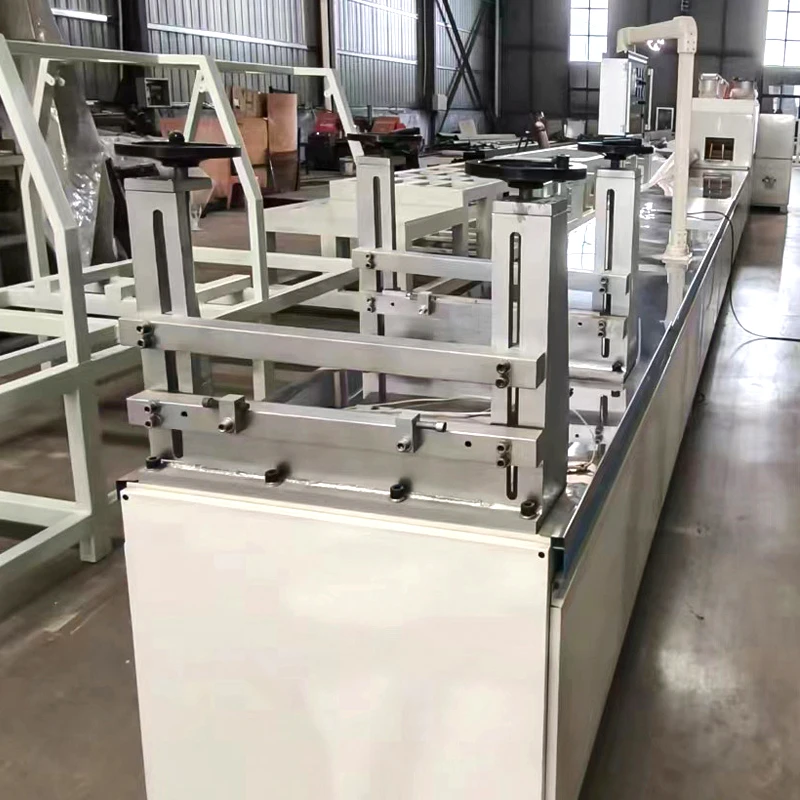
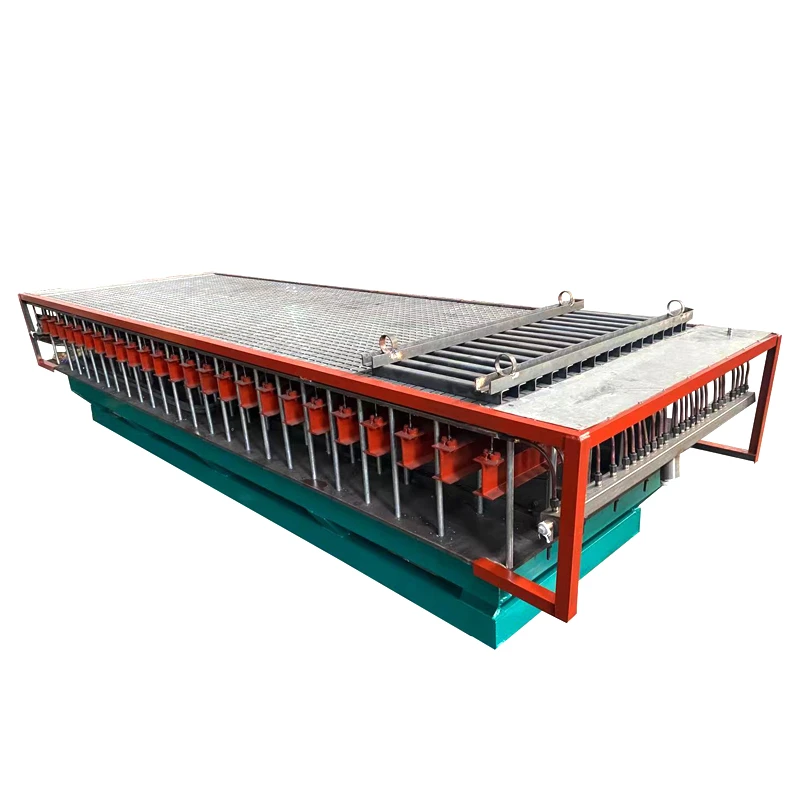
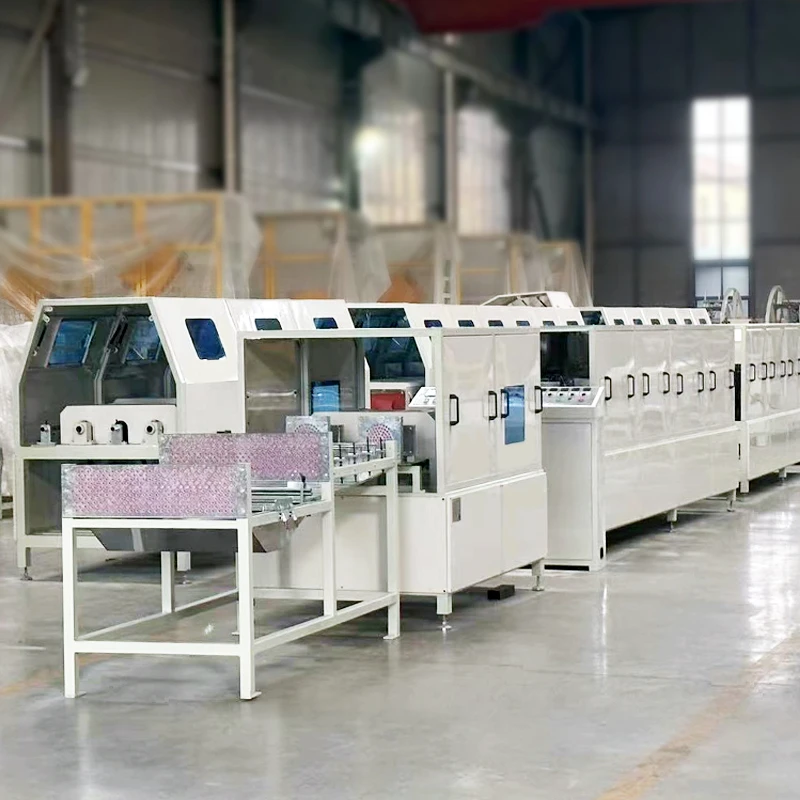
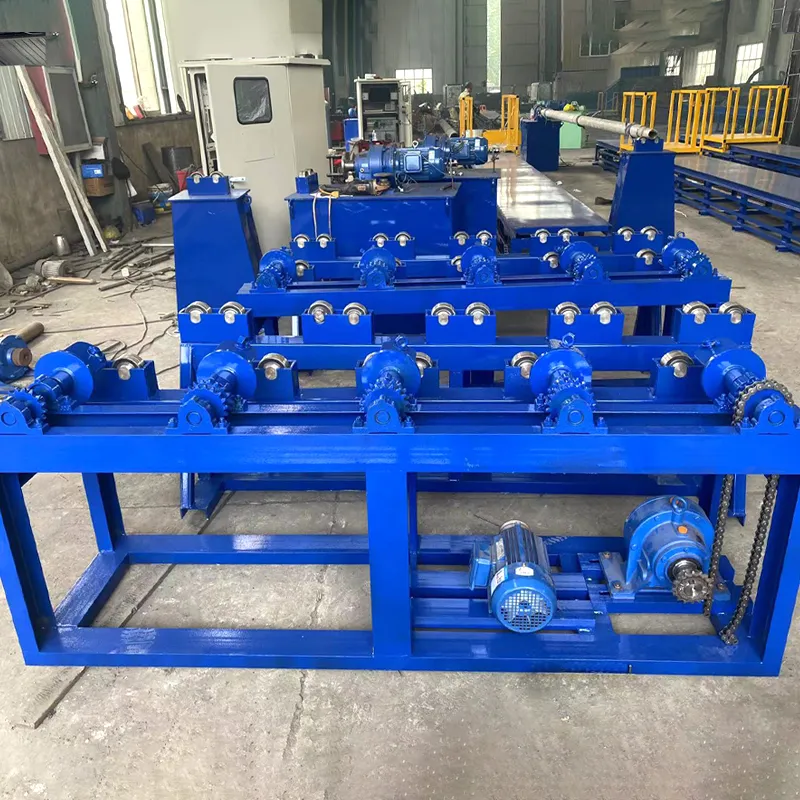
Walk any modern composite shop and you’ll notice the pivot: more automation, cleaner resins, and tougher QA gates. The Frp Tank Winding Machine at the center of that shift isn’t flashy—until you watch it lay glass with dead-straight fiber tension. Then it’s oddly hypnotic. This line from Hebei (No. Room 211,706 Xinghua North Street, Jizhou District, Hengshui City) couples Siemens components with a Yanhua control computer; in practice, that means predictable winding paths and fewer operator “heroics.”
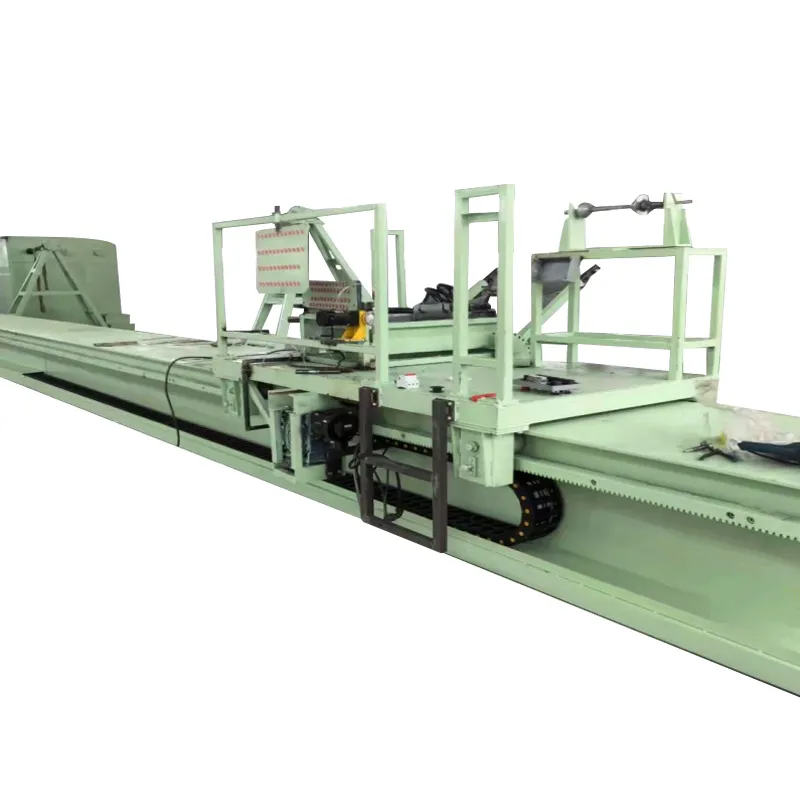
Industry pulse
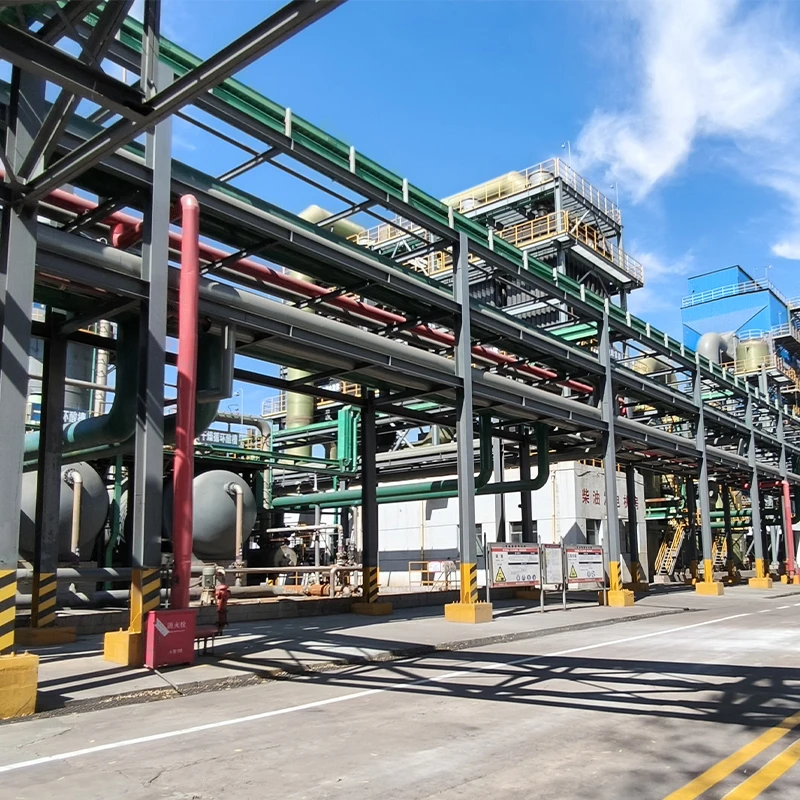
Three currents dominate right now: digital traceability (scan-to-spec batches), resin reformulations for lower styrene emissions, and broader certification asks (ASME RTP-1 for vessels, with ASTM and ISO echoes). Municipal water and desal plants are buying bigger diameters; chem producers want antistatic linings and repeatable helical/hoop ratios. Honestly, everyone wants faster changeovers.
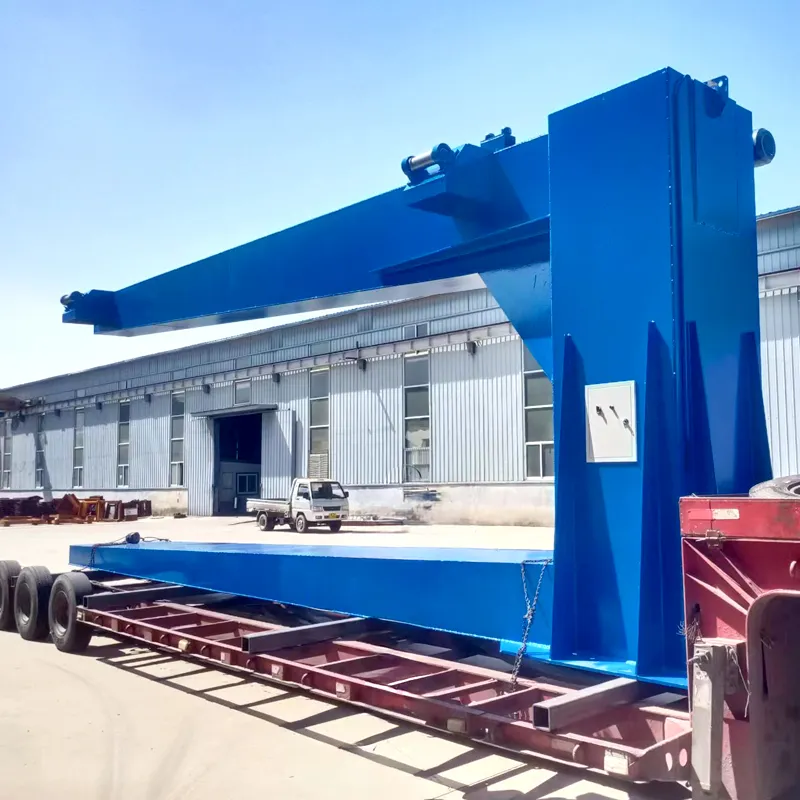
Core specifications (quick view)
| Parameter | Spec (≈ / real-world may vary) |
|---|---|
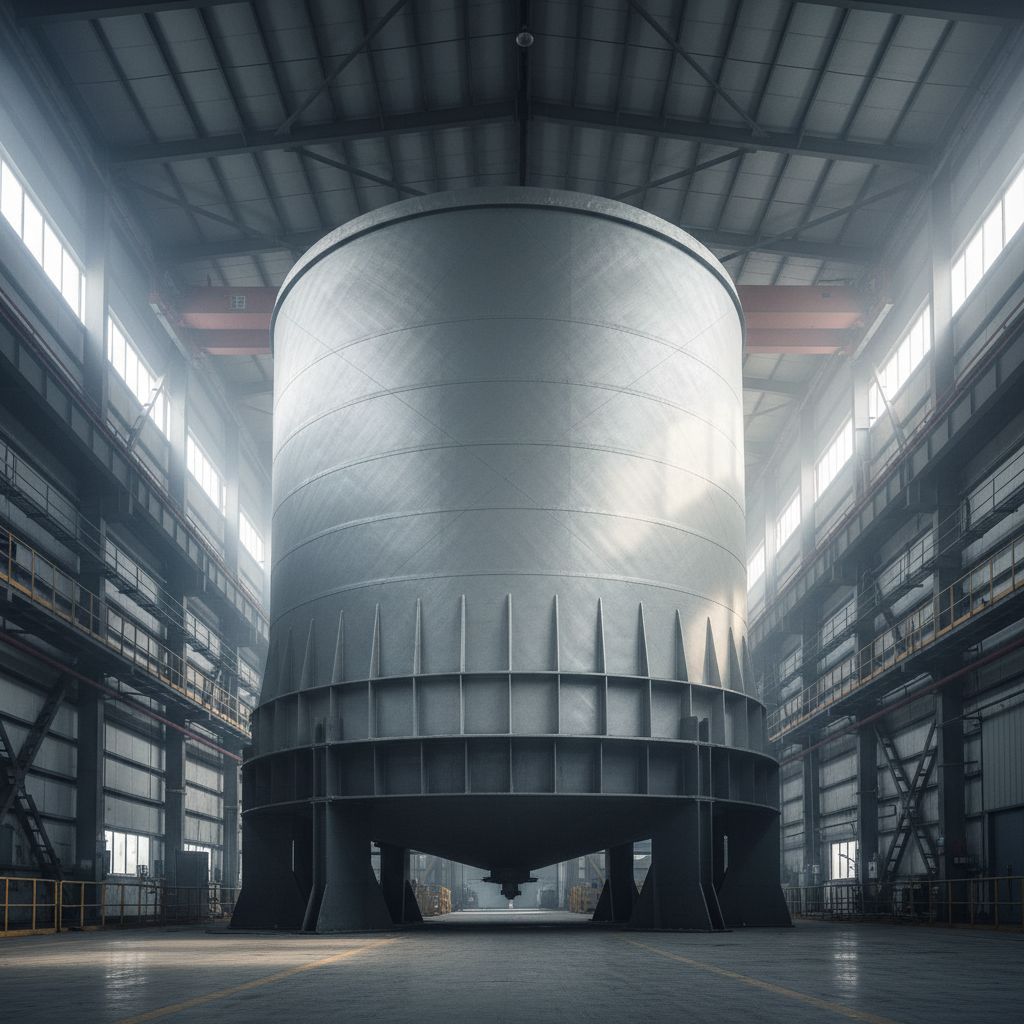
| Tank diameter range | 800–4,200 mm (custom up to 6,000 mm) |
| Winding angles | ±5° to 90° (helical + hoop) |
| Axes / control | Multi-axis servo; Siemens PLC + Yanhua HMI |
| Payoff creels | 16–64 ends; active tensioners |
| Compatible resins | UP, VE, Epoxy; food-grade options |
| Power / footprint | 380V/50Hz (others on request) / around 18–28 m line length |
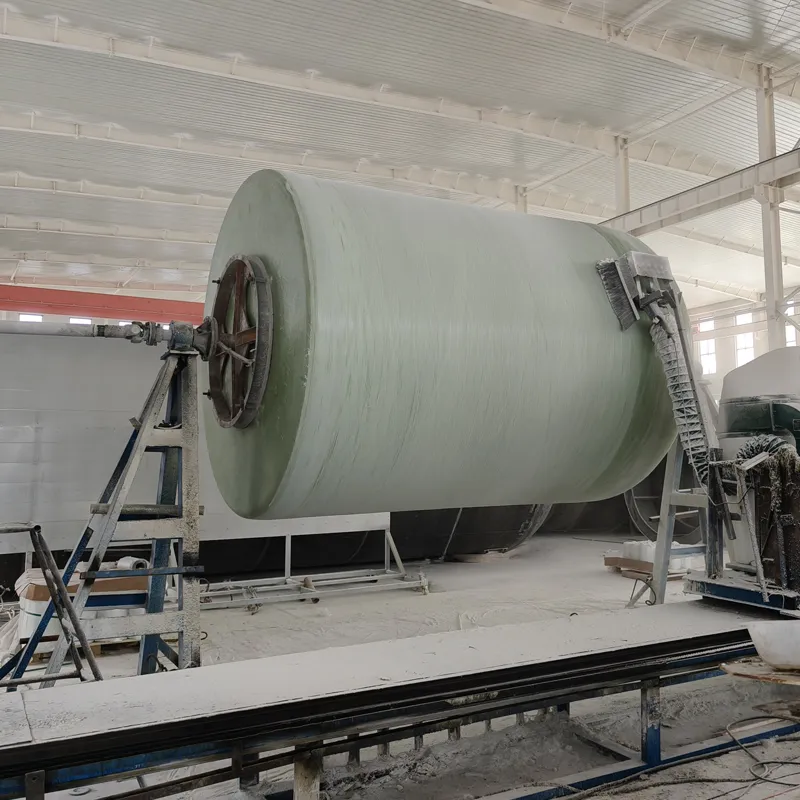
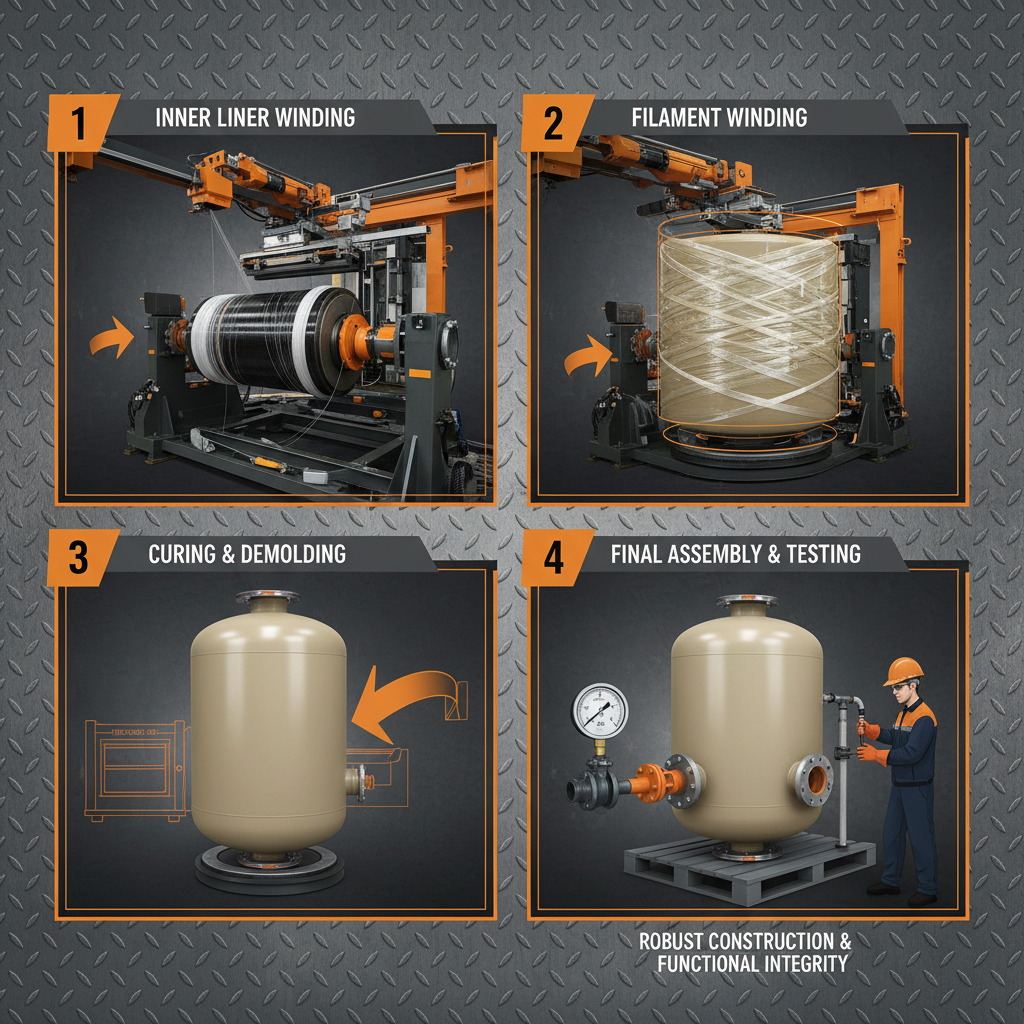
From fiber to finished vessel: process flow
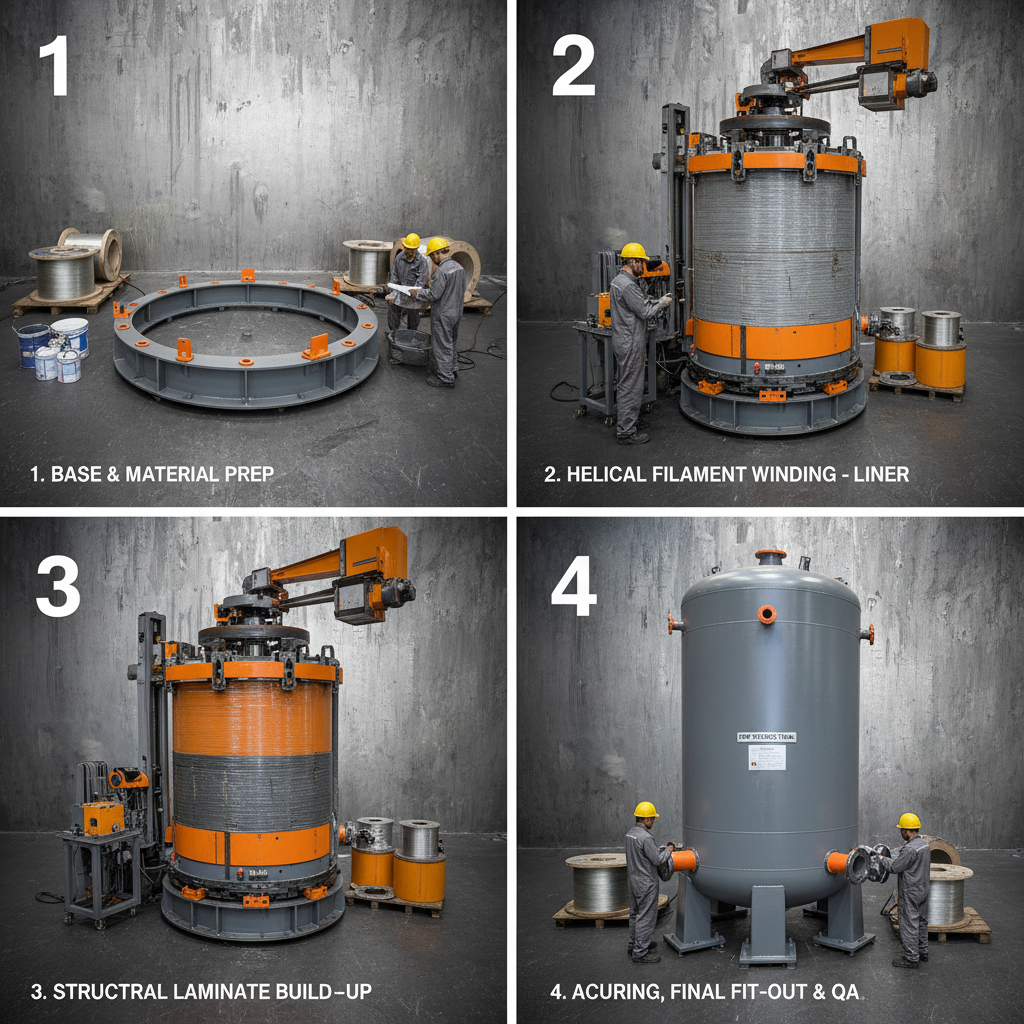
- Materials: E-glass roving, corrosion barrier mat (C-glass/veil), UP/VE/epoxy resin, catalyst, fillers, release agents.
- Mandrel prep: surface treatment, release, liner application (spray-up or contact molded per ASTM D4097).
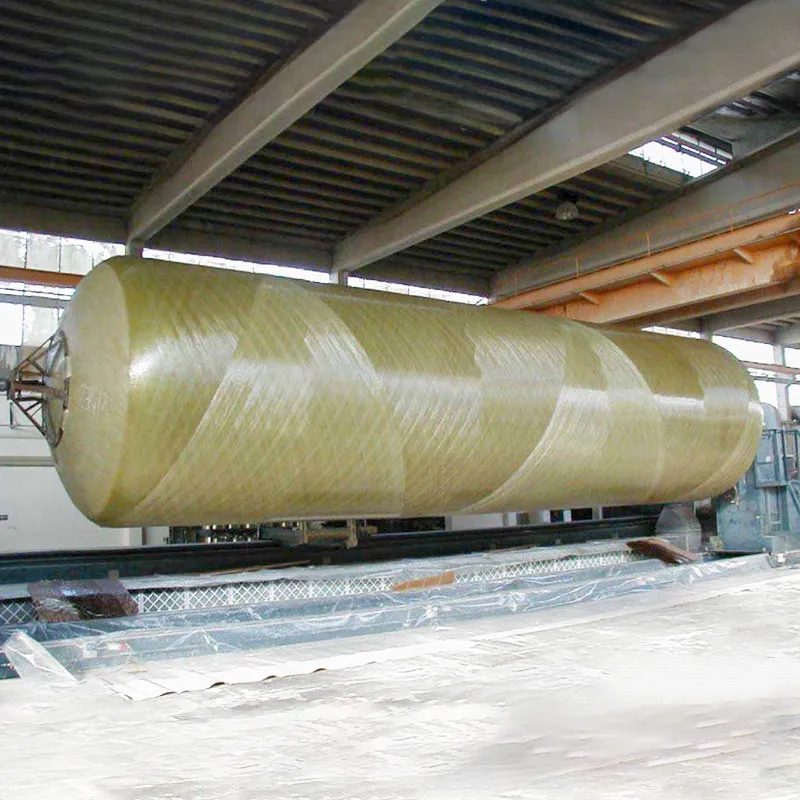
- Winding: servo-synced carriage lays helical and hoop per recipe (ASTM D3299 guidance). Tension kept within ±3%.
- Curing: controlled ramp/hold; post-cure when needed for VE/epoxy to hit Tg targets.
- Demold and finishing: nozzle cutouts, neck reinforcement, flange bonding.
- Testing: Barcol hardness, hydrostatic test 1.5× design pressure (ASME RTP‑1), laminate thickness checks, holiday test for liners, optional acoustic emission.
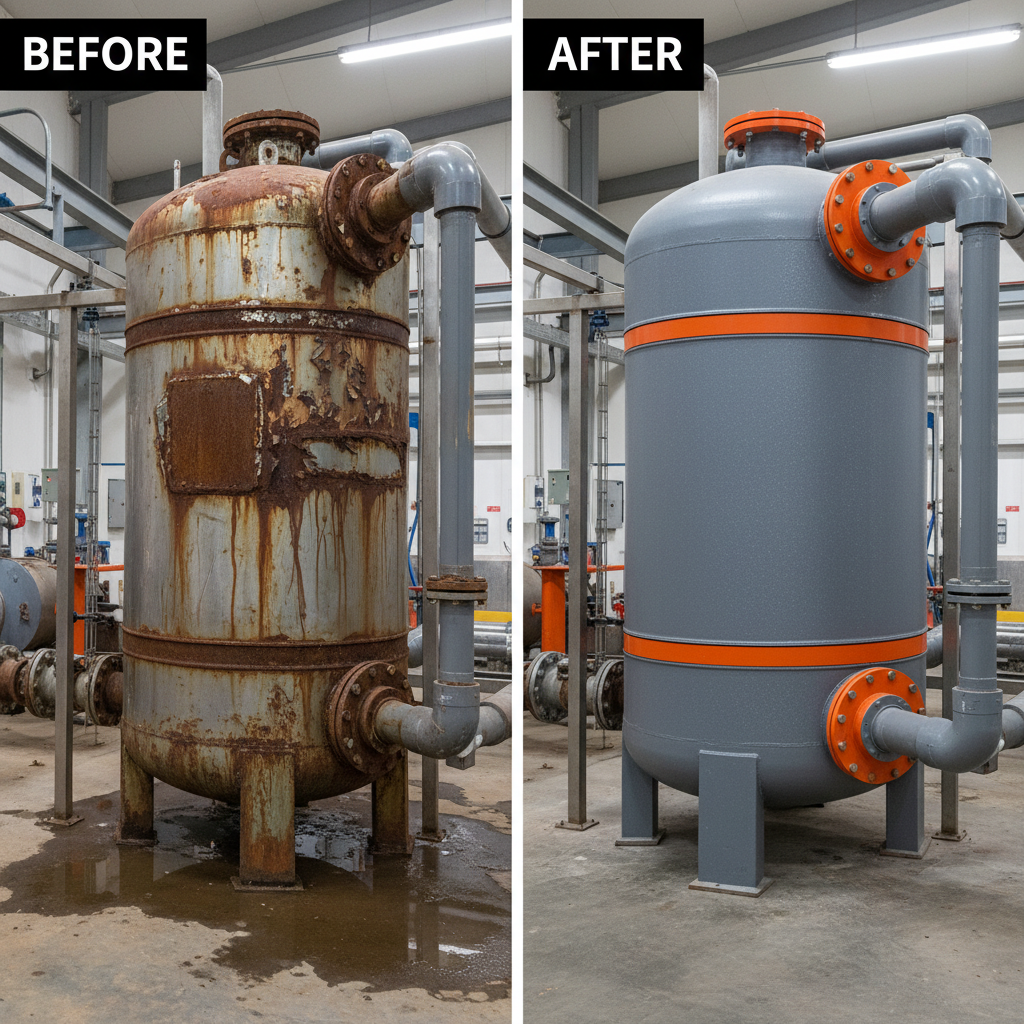
Service life? Typically ≈20–30 years in chemical service when designed per RTP‑1/BS 4994 assumptions and maintained. In fact, many customers say the hoop-dominant recipes deliver the best long-term stiffness.
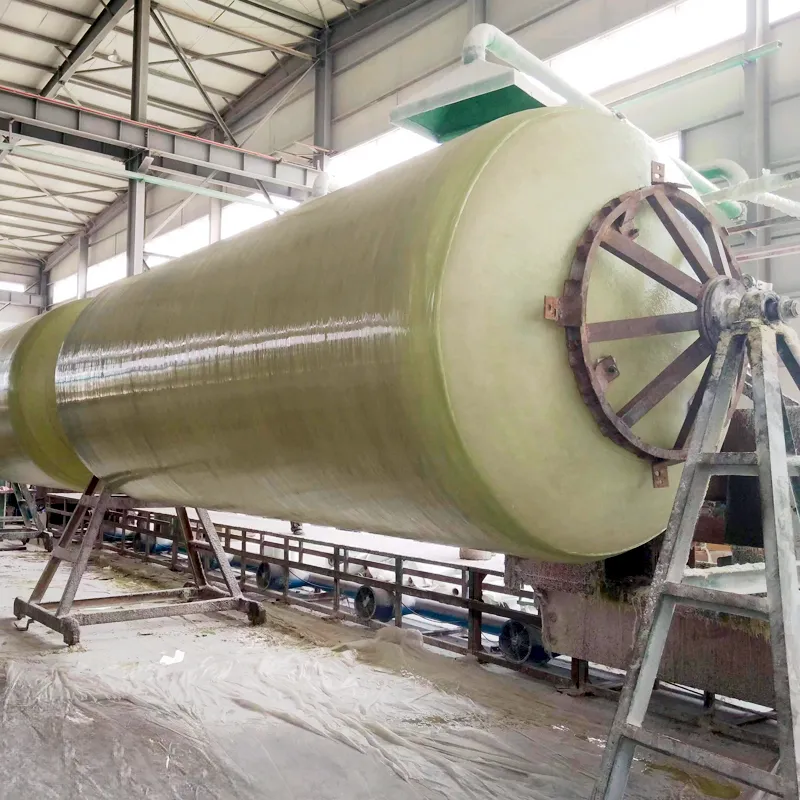
Where it’s used
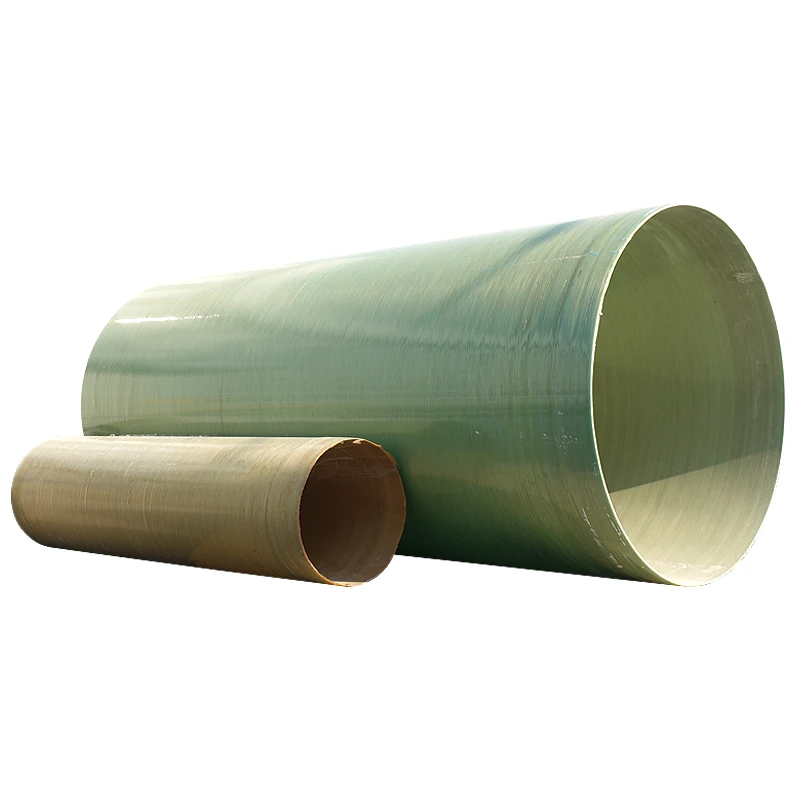
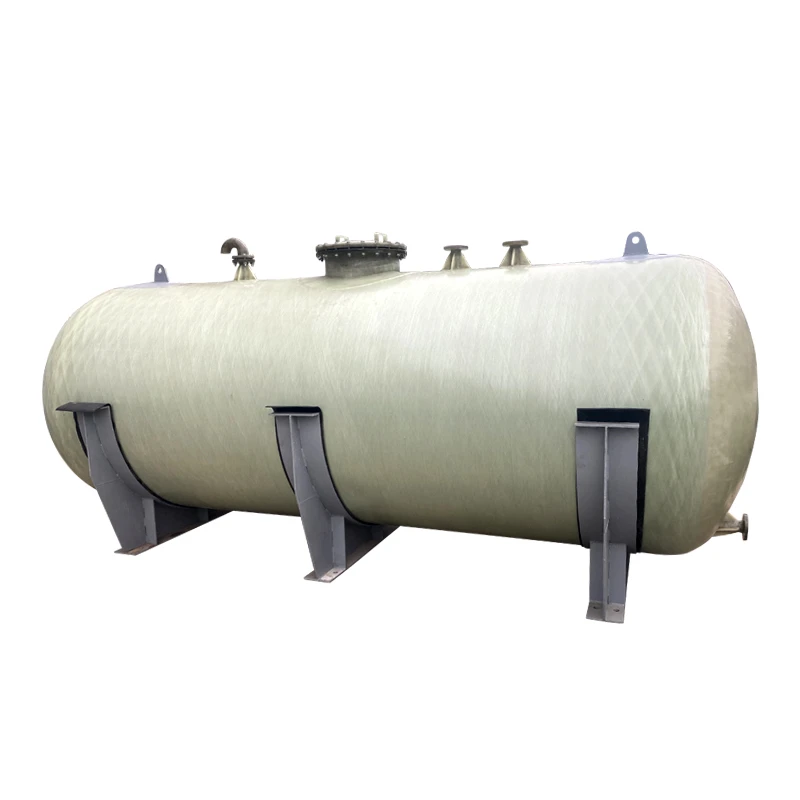
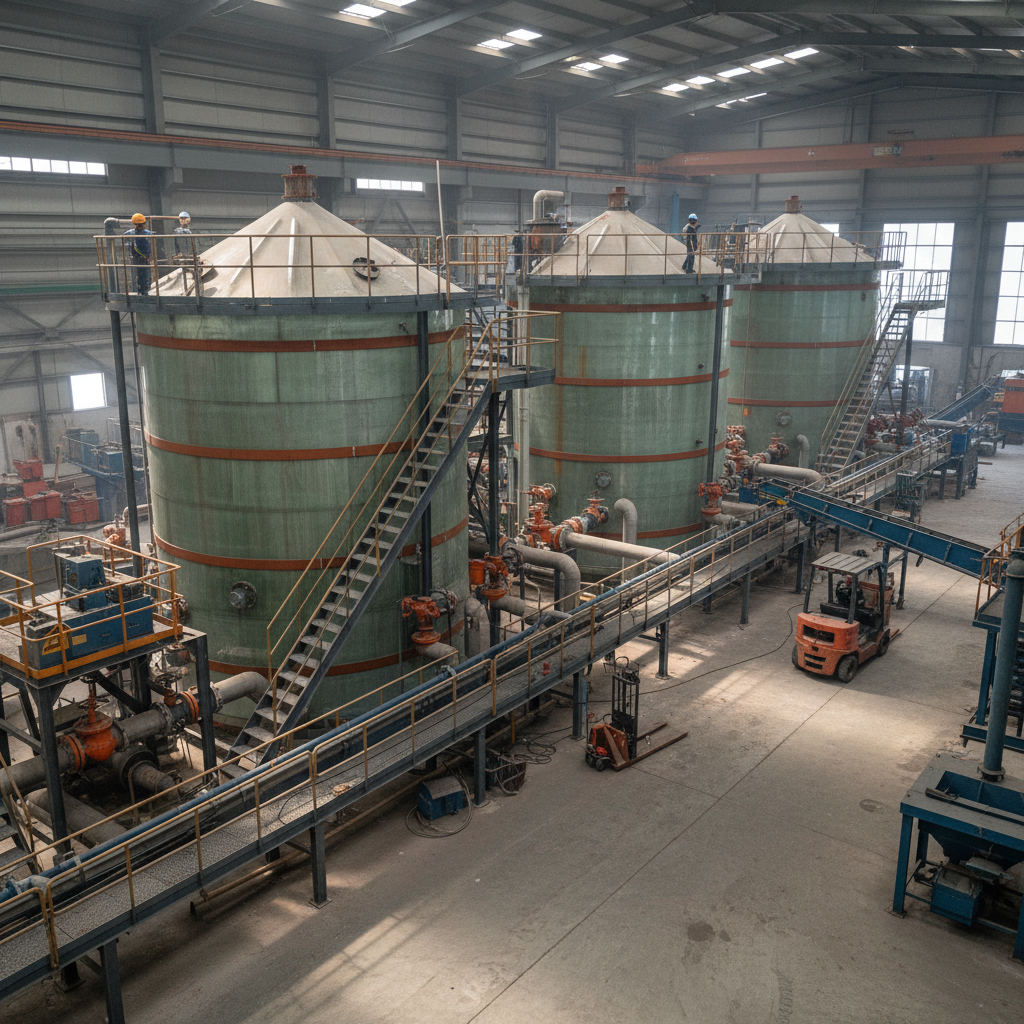
Chemical storage (HCl, NaOCl with appropriate veils), desalination brine tanks, fire-water reservoirs, food-grade syrup tanks, biogas digesters, and, yes, fuel and lube tanks with conductive layers for static control.
Why this line resonates
- Repeatability: Siemens motion keeps angle drift low; fewer scrap shells.
- Traceable batches: resin mix logs and tension records export to CSV—auditors love that.
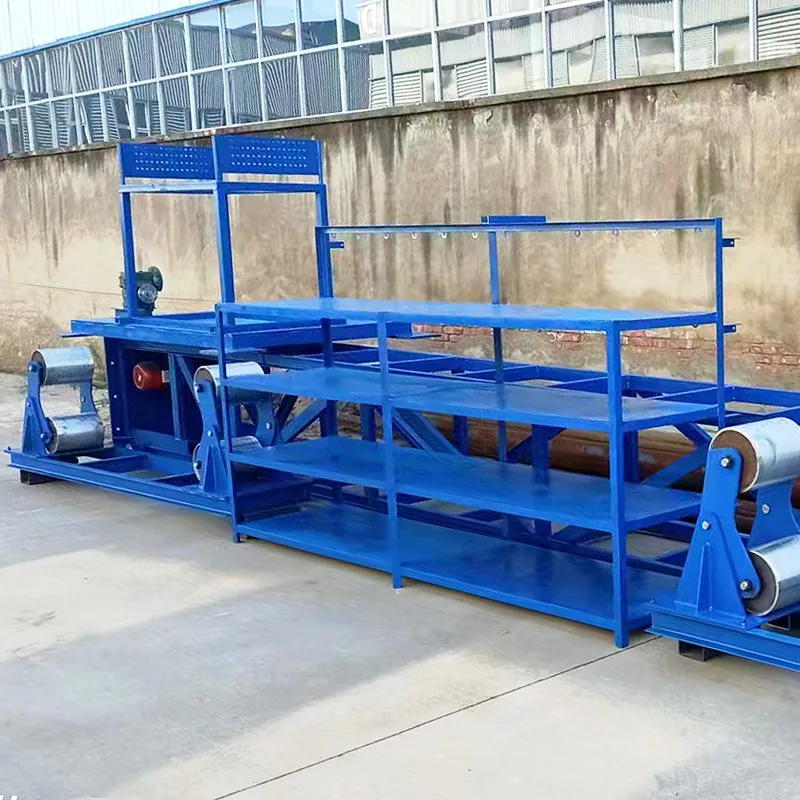
- Customization: diameter, creel count, resin bath heating, gelcoat system, antistatic veil, even PLC brand swaps.
Case notes (condensed)
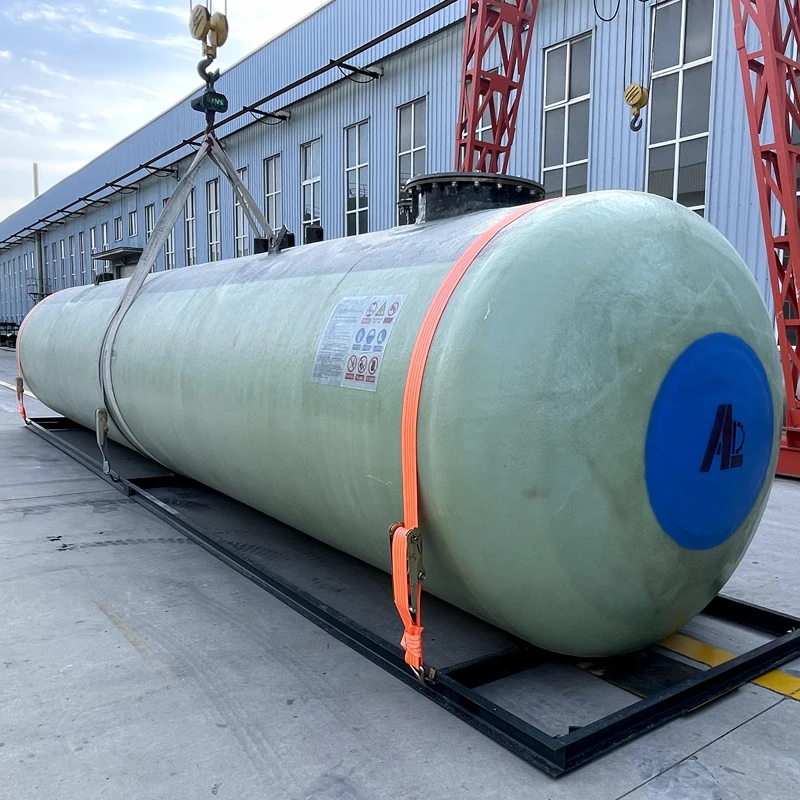
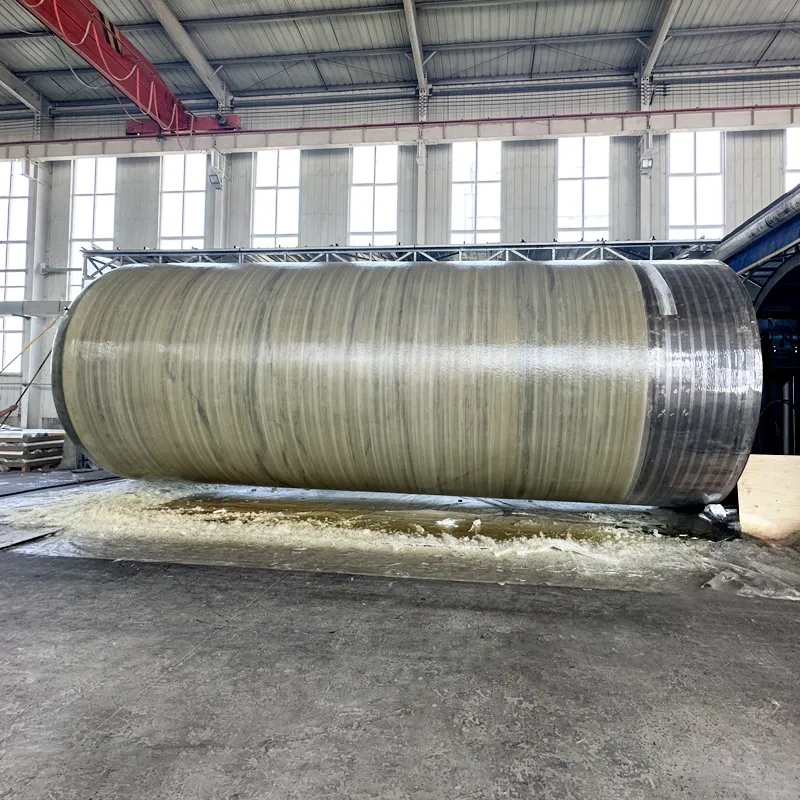
Coastal RO plant, MENA: two Frp Tank Winding Machine lines turned out 3,600 mm brine tanks. FAT hydrostatic at 1.5× for 2 h, no leakage; Barcol 45–47 on the outer laminate. Operators reported ≈28% faster changeovers after standardizing on three winding recipes.
Agro-chem site, APAC: vertical VE-lined tanks with conductive veil. Static resistance met spec; acoustic emission test showed no critical events under 1.25× load. The plant manager—slightly skeptical at first—now quotes “near-zero rework.”
Vendor snapshot (rough comparison)
| Feature | Hebei Line (this) | Vendor A (import) | Vendor B (regional) |
|---|---|---|---|
| Control | Siemens + Yanhua HMI | Proprietary PLC | Mixed PLC brands |
| Cert readiness | RTP‑1/ASTM recipe templates | Generic templates | Project-based |
| Tension control | Active, logged | Passive | Active (no logging) |
| Price level | Mid | Low | Mid‑high |
Standards, data, and documentation
Common references include ASME RTP‑1 for design/testing, ASTM D3299 for filament‑wound thermoset tanks, ASTM D2992 for hydrostatic design basis, and ISO 14692 for GRP systems (useful methods). Typical shop reports bundle: laminate thickness maps, Barcol readings, hydrostatic curves, and resin cure logs. Certifications on request: CE electrical conformity, material CoAs, and welder/laminator qualifications (per project).
Citations: