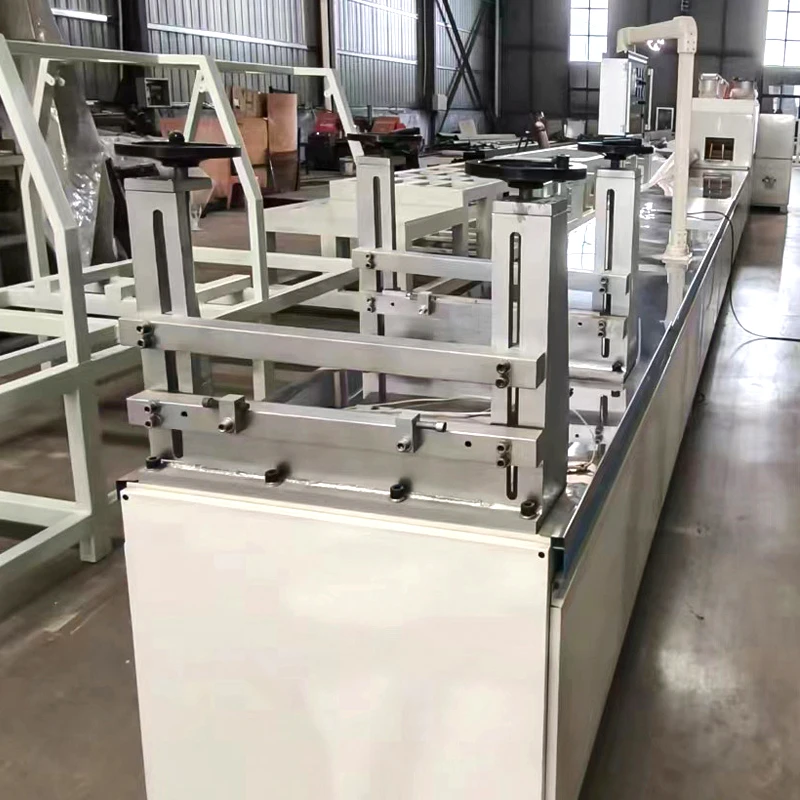
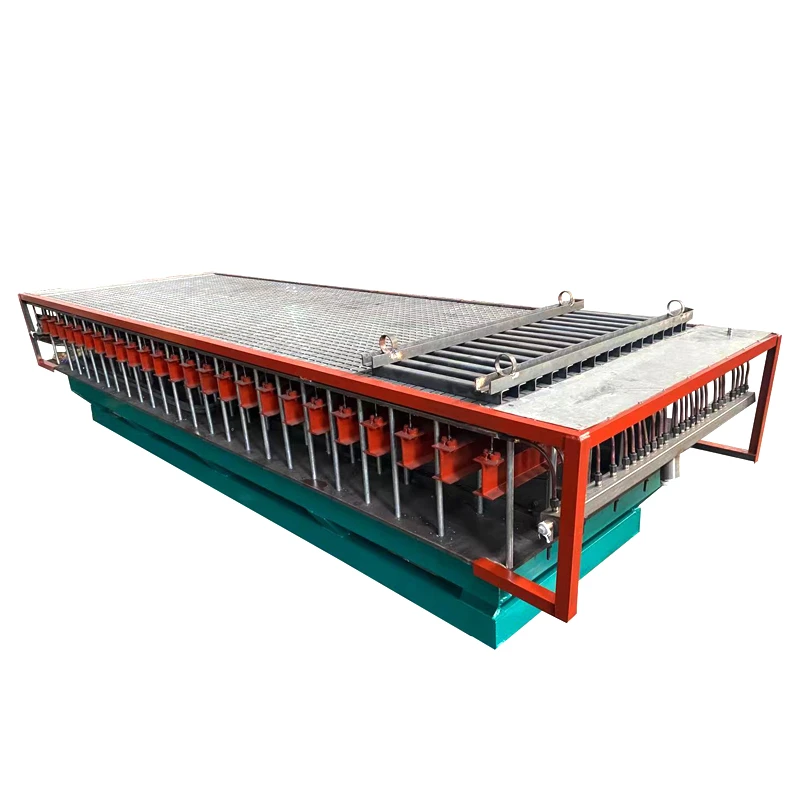
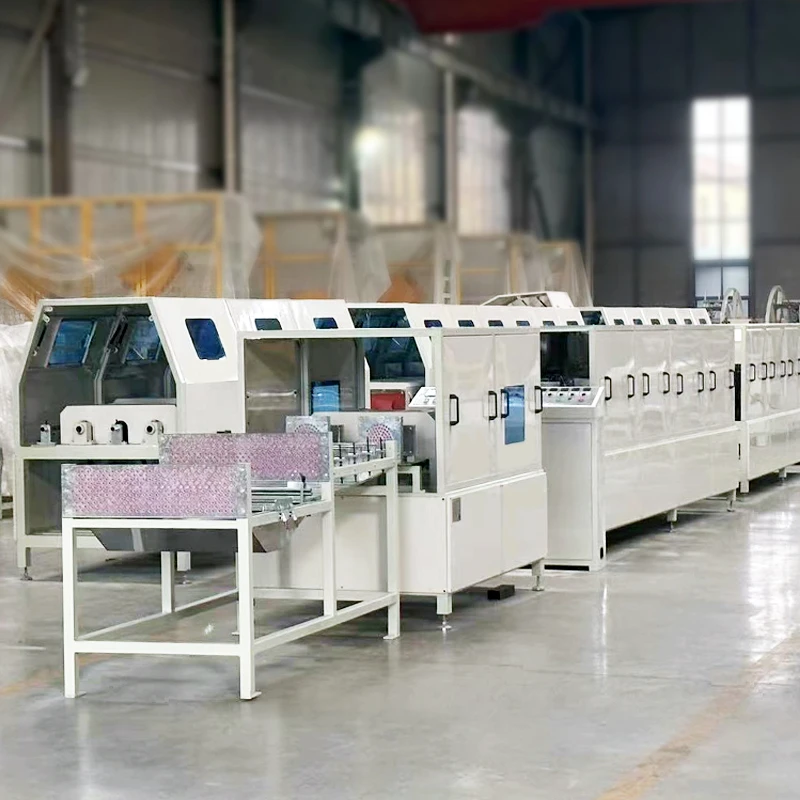
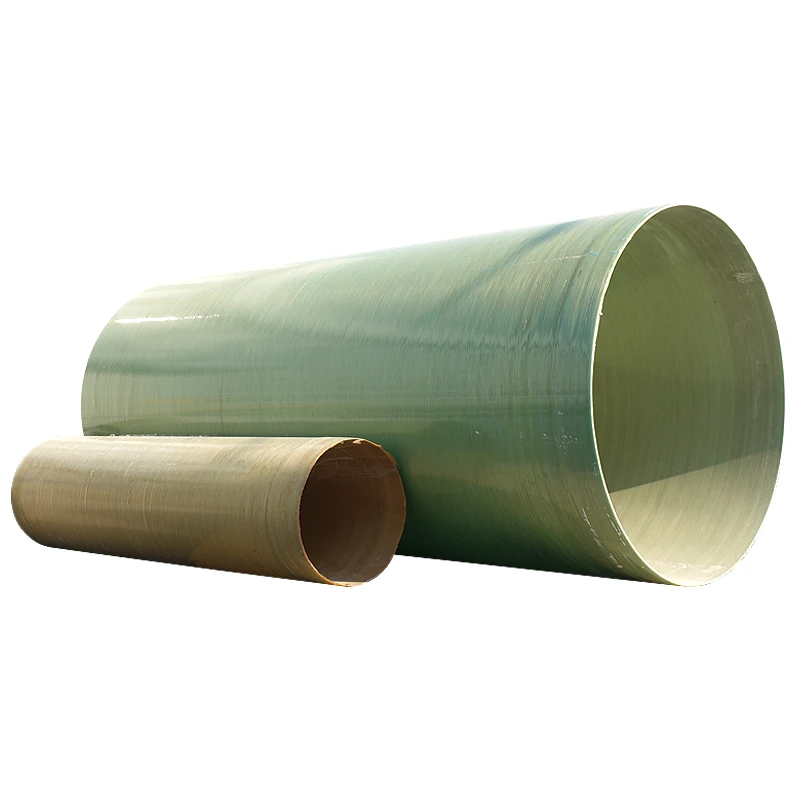
High-Efficiency FRP Grating Machine | Quality Molded Grating
In the realm of advanced composite manufacturing, the production of Fiber Reinforced Polymer (FRP) grating stands as a cornerstone for industrial infrastructure. These innovative materials are prized for their unparalleled corrosion resistance, high strength-to-weight ratio, and extended service life, making them indispensable in challenging environments. The precision and efficiency of their production are directly attributed to sophisticated manufacturing equipment. This article delves into the intricacies of the frp grating machine, exploring its technical prowess, industry impact, and the comprehensive solutions it offers to modern industrial demands. We will cover key industry trends, detailed technical specifications, diverse application scenarios, and the profound technical advantages these machines bring to composite manufacturing, providing critical insights for B2B decision-makers.
Industry Trends Driving FRP Grating Machine Innovation
The demand for FRP grating is experiencing robust growth, propelled by global infrastructure development, stringent safety regulations, and a heightened focus on sustainability. Industries traditionally reliant on metallic materials are increasingly transitioning to FRP composites due to their superior performance characteristics in corrosive, high-moisture, or electrically hazardous environments. This paradigm shift directly fuels innovation in manufacturing equipment, particularly for the frp grating machine and its specialized variants like the molded grating machine. Key trends observed in the market include:
- Automation and Digitalization: The integration of advanced automation, robotics, and IoT into FRP grating production lines is enhancing efficiency, reducing labor costs, and improving product consistency. Modern machines are equipped with sophisticated PLC control systems for precise process management and remote diagnostics.
- Material Science Advancements: Continuous development in resin formulations (e.g., isophthalic, vinyl ester, phenolic) and reinforcement fibers (e.g., E-glass, carbon fiber) allows for tailored grating properties, demanding more versatile and adaptable molding equipment capable of handling complex chemistries.
- Sustainability Focus: Manufacturers are exploring processes that reduce waste and energy consumption. While FRP itself offers a long service life, minimizing replacement cycles and associated resource use, optimized manufacturing processes aim to further reduce environmental impact during production.
- Customization and Specialty Products: A growing need for customized grating solutions – varying panel sizes, thicknesses, resin systems, and surface finishes – drives demand for highly configurable and flexible machines capable of producing diverse frp molded grating machine products to meet niche market requirements.
- Global Market Expansion: Emerging economies are investing heavily in industrial and civil infrastructure, creating significant opportunities for FRP grating adoption and, consequently, for the machinery that produces it. This necessitates robust, reliable, and scalable manufacturing solutions.
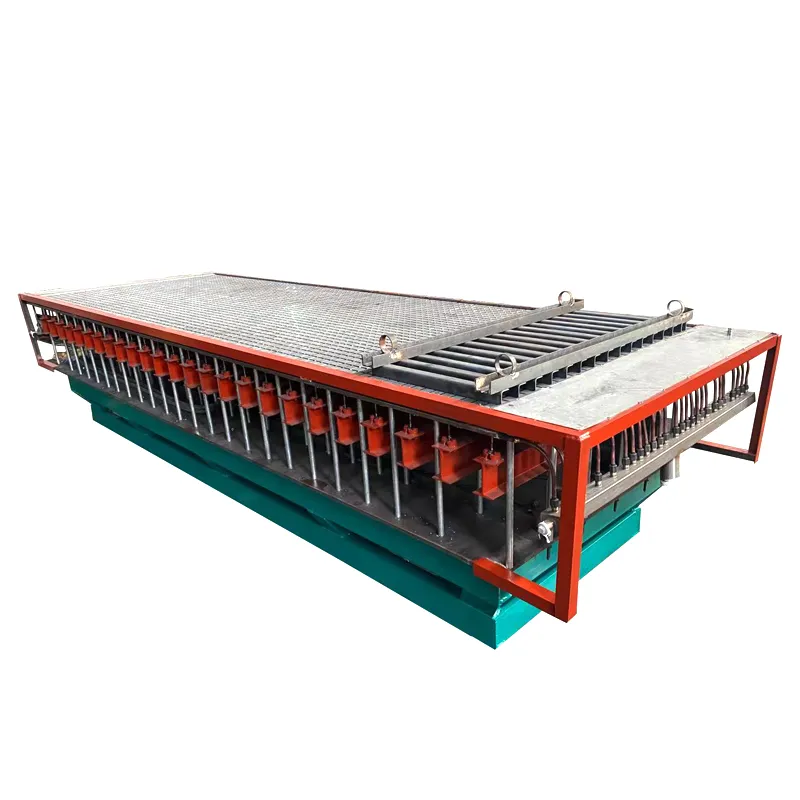
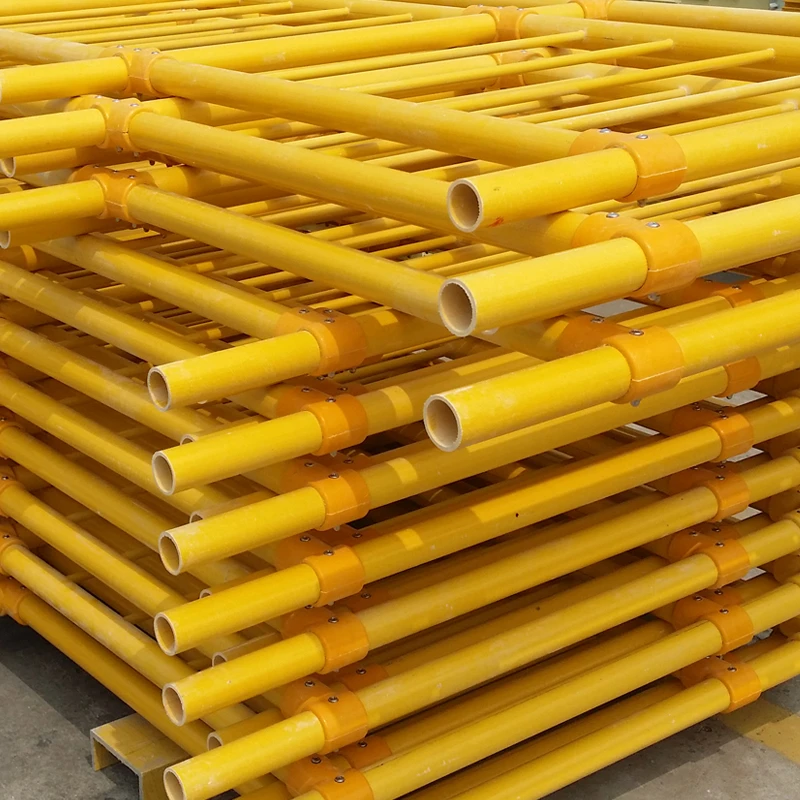
FRP grating applications are expanding across diverse industries, highlighting the growing demand for efficient production machinery.
These trends collectively underscore the critical role of advanced manufacturing technology in meeting the evolving demands of industries seeking reliable, long-lasting, and high-performance structural materials.
Detailed Manufacturing Process Flow of FRP Grating
The production of FRP molded grating via a specialized frp grating machine involves a sophisticated, multi-stage process designed to ensure structural integrity and consistent quality. This process leverages thermosetting resins and continuous fiberglass rovings to create a robust, monolithic panel.
Key Materials:
- Resins: Typically unsaturated polyester (Isophthalic for corrosion, Orthophthalic for general purpose), Vinyl Ester (for aggressive chemical resistance), or Phenolic resins (for fire retardancy). The choice depends on the application's chemical, temperature, and fire resistance requirements.
- Fiberglass Reinforcement: Continuous E-glass rovings are the most common, providing essential tensile strength and structural integrity. Surface veils, usually C-glass or polyester, can be added for improved corrosion resistance, UV stability, or smoother surface finish.
- Additives: Various additives are incorporated, including UV inhibitors for outdoor stability, fire retardants (e.g., alumina trihydrate), pigments for color, and fillers (e.g., silica for grit surfaces or calcium carbonate for cost reduction).
Manufacturing Process Steps:
- Mold Preparation: Precision-machined stainless steel or polished composite molds, typically featuring a concave grid pattern, are thoroughly cleaned and treated with a high-performance release agent to prevent adhesion and ensure easy demolding.
- Resin Mixing & Catalyzation: The selected thermosetting resin is accurately measured and thoroughly mixed with a catalyst (initiator, e.g., Methyl Ethyl Ketone Peroxide), promoters, pigments, and other additives in a controlled environment. The curing reaction is initiated upon catalyst addition.
- Fiberglass Placement: Continuous fiberglass rovings are carefully positioned within the mold cavity by an automated system, typically in a bi-directional (e.g., perpendicular) pattern, forming the structural grid. This precise placement is crucial for achieving optimal load-bearing characteristics and uniform strength.
- Resin Pouring & Saturation: The catalyzed resin mixture is poured or injected over the fiberglass rovings. Modern machines may employ vacuum assist or pressure to ensure complete saturation and encapsulation of all fibers, minimizing air voids and ensuring a homogeneous composite structure.
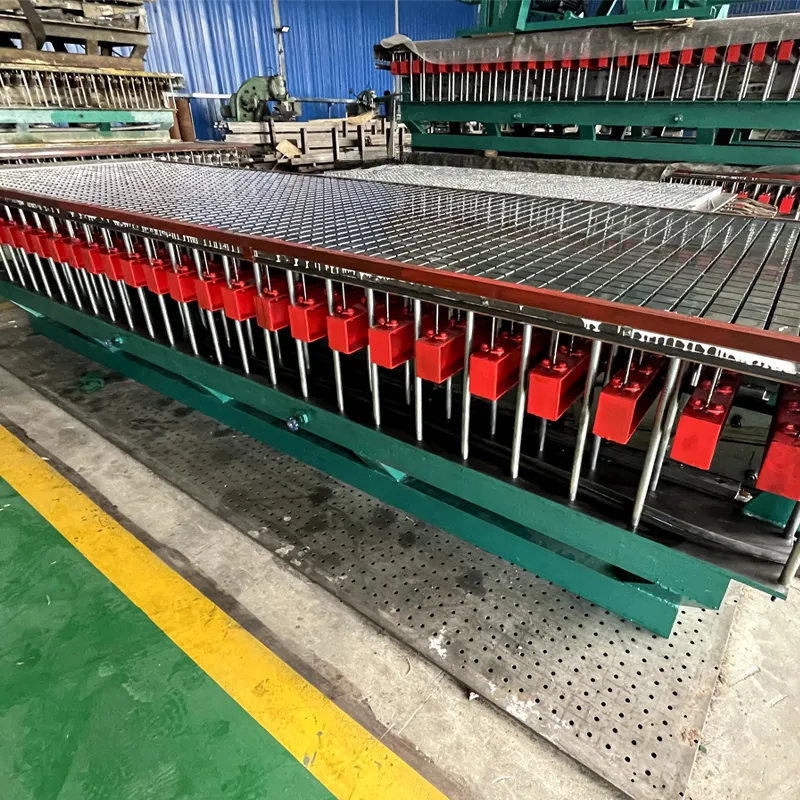
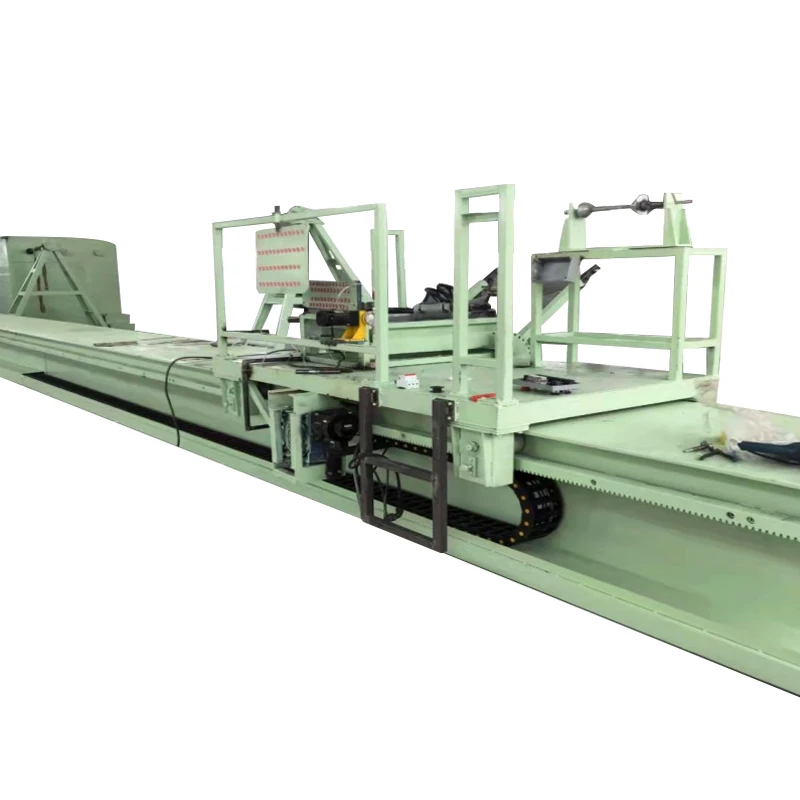
Schematic representation of the resin pouring and fiberglass saturation stage within an FRP grating manufacturing line.
- Curing: The mold, now filled with resin and fiber, is transferred to a precisely controlled heating oven. Controlled temperature and dwell time facilitate the exothermic polymerization process, allowing the thermosetting resin to solidify and bond intimately with the fiberglass, forming a rigid, monolithic composite structure.
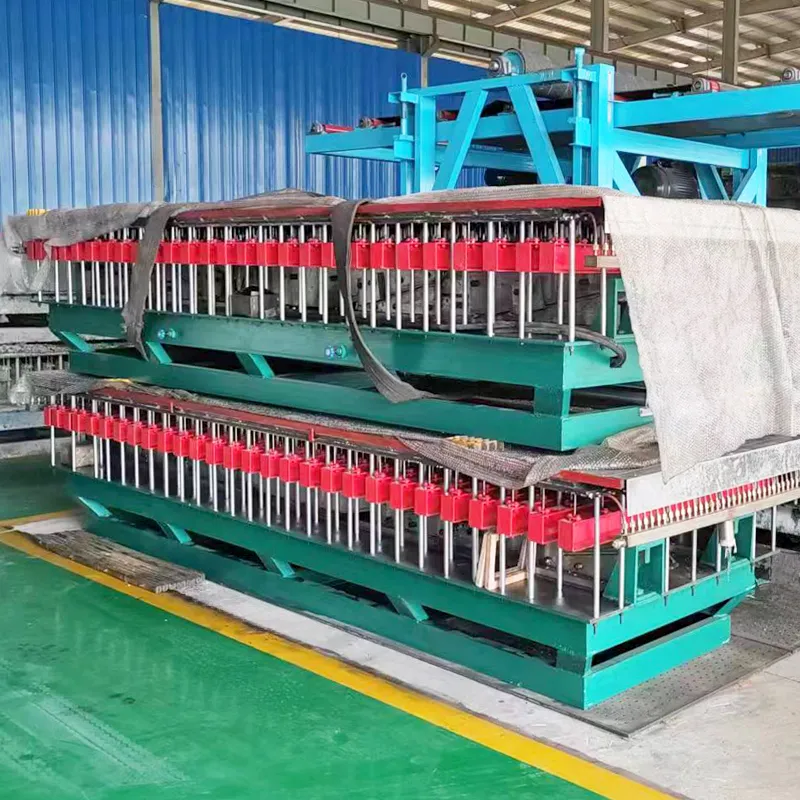
A detailed view of material deposition and curing taking place within an advanced frp molded grating machine.
- Demolding: Once fully cured and cooled to a safe temperature, the FRP grating panel is carefully demolded from the master mold. The quality of the release agent application and the precision of the mold design are critical here to prevent damage to the panel.
- Post-Curing & Finishing: Depending on the resin system and application requirements, a post-cure cycle might be applied to achieve optimal mechanical properties and chemical resistance. Panels are then precisely trimmed to specified dimensions, and any required surface finishes (e.g., integral grit top for slip resistance) are applied.
- Quality Control & Testing: Each panel undergoes rigorous visual inspection and mechanical testing to ensure compliance with relevant industry standards and specifications (e.g., ASTM, ISO).
Testing Standards & Certifications:
FRP grating products are subjected to various international testing standards to ensure their performance and safety. These commonly include:
- ISO 9001: Quality management system certification for the manufacturing facility and processes, ensuring consistent product quality.
- ASTM E-84: Standard test method for surface burning characteristics of building materials (evaluating flame spread and smoke developed index for fire safety).
- ASTM D-638: Standard test method for tensile properties of plastics, measuring strength under tension.
- ASTM D-790: Standard test methods for flexural properties of unreinforced and reinforced plastics, assessing bending strength and stiffness.
- ANSI/UL 94: Standard for safety of flammability of plastic materials for parts in devices and appliances.
- BS 476: Fire tests on building materials and structures (British Standard, often referenced for fire performance).
- AS/NZS 4586: Slip resistance classification of new pedestrian surface materials (Australian/New Zealand Standard).
The typical service life of FRP grating manufactured to these standards can exceed 20 years, often reaching 50 years or more, even in harsh industrial environments, significantly surpassing traditional materials like steel in applications where corrosion is a critical factor.
Target Industries & Advantages in Scenarios:
- Petrochemical: Exceptional corrosion resistance to acids, alkalis, and solvents (e.g., from an Isophthalic or Vinyl Ester resin system), ensuring safety and longevity for platforms and walkways in chemical processing areas.
- Metallurgy & Mining: Withstands harsh conditions, including exposure to corrosive fumes, high humidity, and abrasive materials, without degradation. Its non-conductive nature also adds safety in electrical zones.
- Water Supply & Drainage: Non-corrosive nature prevents rust, contamination, and costly replacements, making it ideal for walkways, trench covers, and structural components in water treatment plants and coastal installations.
- Food & Beverage: Hygienic, easy-to-clean, and resistant to washdown chemicals, fulfilling strict regulatory requirements for floors, drains, and platforms.
- Advantages in Typical Application Scenarios: FRP grating offers inherent energy saving due to its lightweight nature, which reduces transportation costs, simplifies installation (often without heavy lifting equipment), and minimizes structural load on supporting elements. Its superior corrosion resistance significantly lowers maintenance costs and extends operational lifespan compared to steel, embodying true long-term value and reduced total cost of ownership.
Technical Specifications of a Modern FRP Grating Machine
A state-of-the-art frp grating machine is engineered for precision, efficiency, and reliability, offering advanced features to optimize the production of FRP molded grating. Below are typical specifications for a high-performance model, demonstrating its capabilities and design parameters.
| Parameter | Specification | Unit |
|---|---|---|
| Molding Area (Max. Panel Size) | 1220 x 4000 (Customizable) | mm |
| Grating Thickness Range | 13 - 100 | mm |
| Molding Pressure / Clamping Force | 2000 - 5000 (Model-dependent) | kN |
| Total Heating Power | 50 - 150 | kW |
| Curing Temperature Control Range | 80 - 160 (±1°C precision) | °C |
| Typical Cycle Time | 15 - 45 (Dependent on resin and thickness) | min |
| Control System | Industrial PLC with HMI Touch Screen Interface | - |
| Hydraulic System Pressure | 16 - 25 | MPa |
| Power Supply Requirements | 3 Phase, 380V/50Hz (Customizable to regional standards) | - |
| Machine Footprint (L x W x H) | ~6000 x 2500 x 3000 (Indicative, varies by model) | mm |
| Machine Weight (approx.) | 15 - 30 | Tons |
Note: Specifications can vary based on machine model, automation level, and specific customization options chosen.
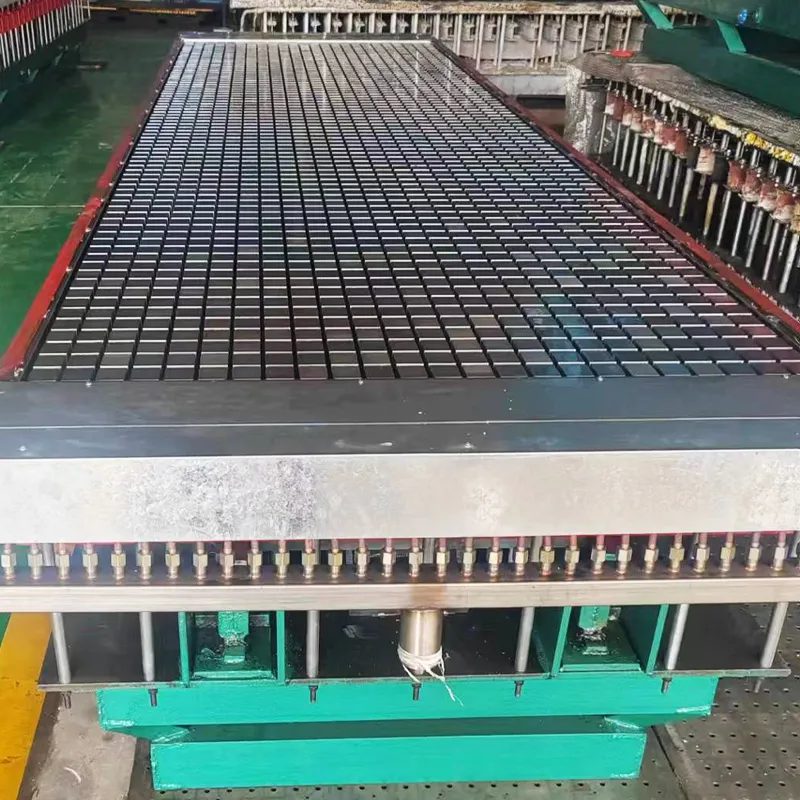
An overview of the intuitive HMI control interface for a modern frp molded grating machine, emphasizing advanced automation capabilities.
Diverse Application Scenarios for FRP Grating
The versatility of FRP grating, enabled by advanced manufacturing technology, makes it suitable for an extensive range of industrial and commercial applications where traditional materials fail to meet specific performance requirements.
- Chemical Processing Plants: Platforms, walkways, and trench covers are critical in environments exposed to highly corrosive acids, alkalis, and solvents. FRP's inherent chemical resistance ensures long-term structural integrity and worker safety, significantly reducing replacement cycles and maintenance costs.
- Offshore and Marine Facilities: In saltwater environments, FRP grating resists corrosion from seawater, UV degradation, and harsh weather conditions, making it ideal for offshore oil rigs, ship decks, marine jetties, and gangways. Its lightweight nature also reduces structural load and facilitates easier installation.
- Wastewater Treatment Plants: Walkways, clarifier covers, and weir plates benefit from FRP's resistance to hydrogen sulfide gas, chlorine, and other corrosive elements present in wastewater, ensuring operational continuity, low maintenance, and improved air quality.
- Food and Beverage Industry: FRP grating is non-porous, easy to clean, and resistant to chemicals used in sanitization processes, making it a hygienic choice for floors, drainage covers, and washdown areas where strict cleanliness standards are paramount.
- Power Generation Facilities: Due to its non-conductive properties and low thermal conductivity, FRP grating is excellent for applications around high-voltage equipment, substations, battery rooms, and cooling tower decks, minimizing electrical hazards and providing thermal insulation.
- Mining and Mineral Processing: Resistant to abrasive materials, corrosive slurries, and heavy impacts, FRP is used for processing plant floors, mezzanines, catwalks, and equipment access platforms, offering long service life in tough conditions.
- Architectural Applications: Increasingly utilized for decorative screens, sunshades, building facades, and public access areas due to its aesthetic appeal, lightweight properties, and design flexibility, offering a modern and durable solution.
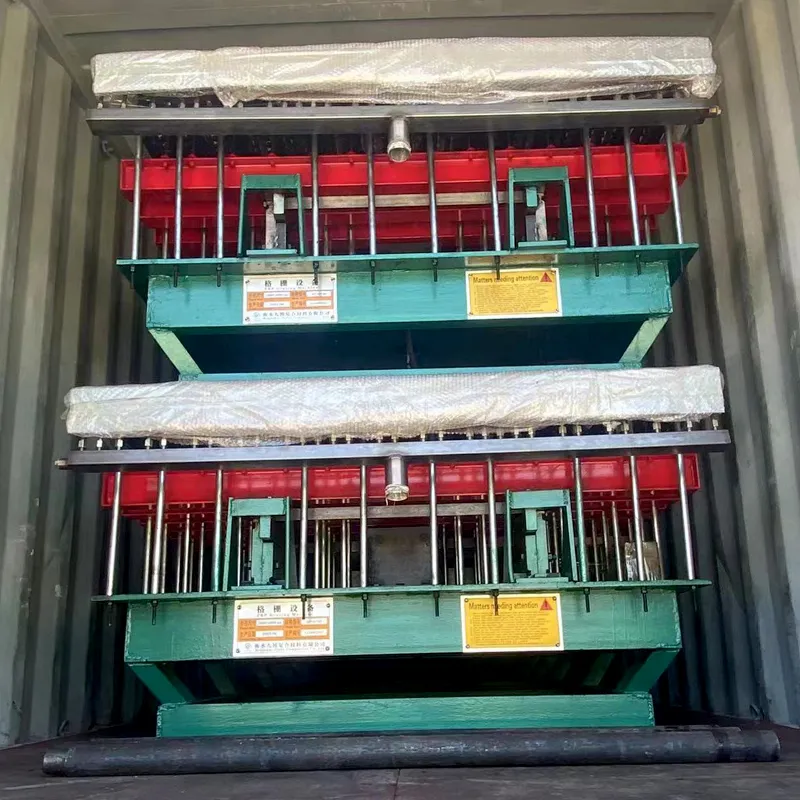
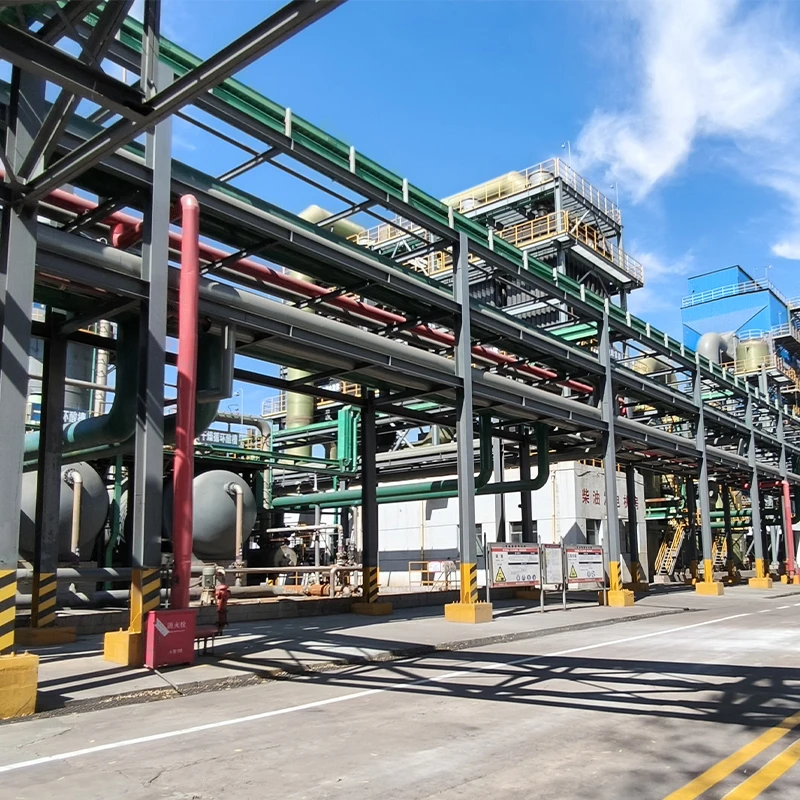
FRP grating providing safe and durable access in a demanding industrial environment, demonstrating its robust utility.
In all these scenarios, the lightweight nature of FRP grating also translates into reduced installation costs and easier handling, further amplifying the value proposition offered by an efficient molded grating machine.
Technical Advantages of Advanced FRP Grating Machines
Investing in a high-quality frp grating machine provides significant technical and operational advantages for manufacturers, leading to superior product quality, enhanced production efficiency, and improved cost-effectiveness.
- Precision Molding & Dimensional Stability: Advanced machines offer highly precise mold temperature control, uniform clamping force distribution, and automated material placement, ensuring consistent panel thickness, accurate mesh spacing, and optimal resin-to-glass ratios. This leads to grating panels with exceptional dimensional stability and structural integrity.
- Optimized Curing Cycles & Energy Efficiency: Intelligent heating systems, often utilizing PID control, and sophisticated PLC algorithms allow for optimized curing profiles. This reduces cycle times while maintaining maximum strength and chemical resistance of the final product. The precise energy management also contributes to energy saving during the manufacturing process.
- Enhanced Material Handling & Waste Reduction: Automated resin delivery and fiberglass roving placement systems minimize manual handling, significantly reducing human error, material waste, and ensuring uniform reinforcement distribution throughout the panel. This leads to consistent quality and lower operational costs.
- Versatility in Product Design: Modern machines can accommodate various mold sizes, configurations, and surface treatments, enabling the efficient production of diverse grating patterns (square, rectangular, mini mesh), thicknesses, and panel dimensions from a single, adaptable platform.
- Robust Construction & Durability: Built with heavy-duty steel frames, high-grade hydraulic/pneumatic components, and precision-engineered molds, these machines are designed for continuous, high-volume operation with minimal wear and tear, ensuring long-term reliability and reduced maintenance needs.
- Advanced Safety Features: Integrated safety interlocks, emergency stop systems, light curtains, protective guarding, and ergonomic designs ensure a safe operating environment for personnel, complying with international industrial safety standards.
- Data Logging and Process Analytics: Many advanced models feature integrated sensors and data logging capabilities, providing real-time insights into critical production parameters such as temperature, pressure, and cycle times. This data is invaluable for process optimization, quality assurance, and predictive maintenance.
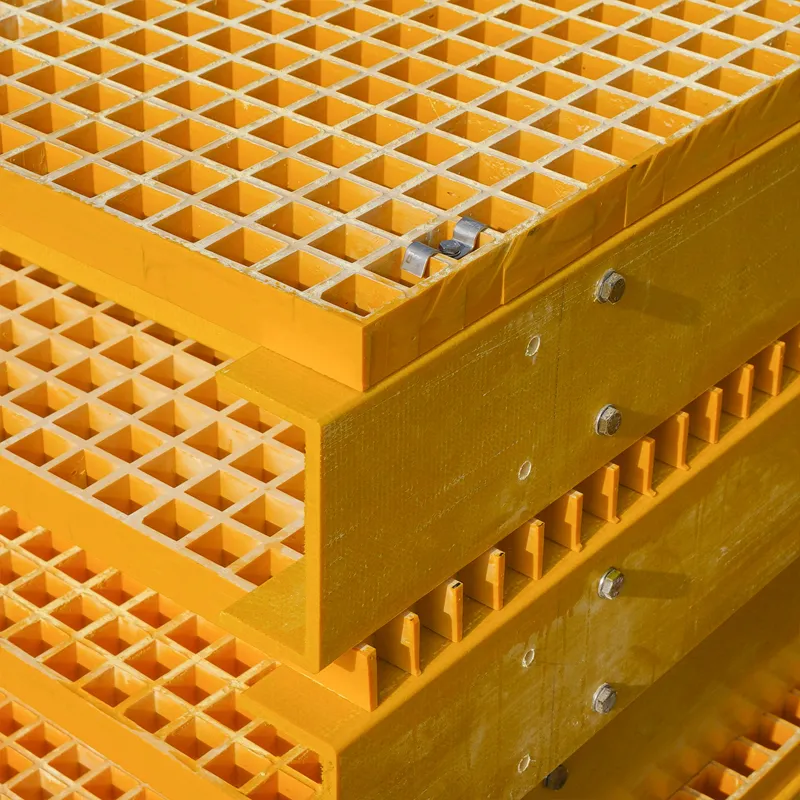
A close-up of a robust hydraulic system, exemplifying the core engineering excellence in an advanced frp molded grating machine.
Vendor Comparison: Key Criteria for Selecting an FRP Grating Machine Supplier
Choosing the right supplier for a frp grating machine is paramount for long-term operational success and ensuring a high return on investment. A thorough evaluation based on several critical criteria is essential for B2B decision-makers seeking reliable partnerships.
| Criterion | Importance Level | Description & Impact on Operations |
|---|---|---|
| Technological Innovation & R&D | High | Suppliers with robust R&D capabilities continuously develop machines with advanced features, improved efficiency, and adaptability to new materials and processes. This ensures your investment remains competitive and future-proof. |
| Customization & Flexibility | High | The ability to tailor machines to specific production volumes, grating dimensions, resin systems, and desired levels of automation is crucial for meeting unique market demands and optimizing factory layouts. |
| Product Quality & Certifications | Very High | Verify ISO, CE, and other relevant quality and safety certifications for both the machine manufacturing process and the components used. This guarantees reliability, operational safety, and compliance with international standards. |
| Comprehensive After-Sales Support | Critical | Availability of prompt technical support, readily accessible spare parts, maintenance contracts, and comprehensive training programs for operators and technicians is vital to minimize downtime and ensure continuous, efficient operation. |
| Experience & Industry Reputation | High | A vendor with a proven track record, extensive years of service, positive customer testimonials, and a strong presence in the composite manufacturing sector indicates reliability, expertise, and a commitment to long-term client relationships. |
| Total Cost of Ownership (TCO) | Medium to High | Beyond the initial purchase price, carefully consider factors like energy consumption, maintenance costs, expected service life, spare parts availability, and potential for upgrades or expansions. |
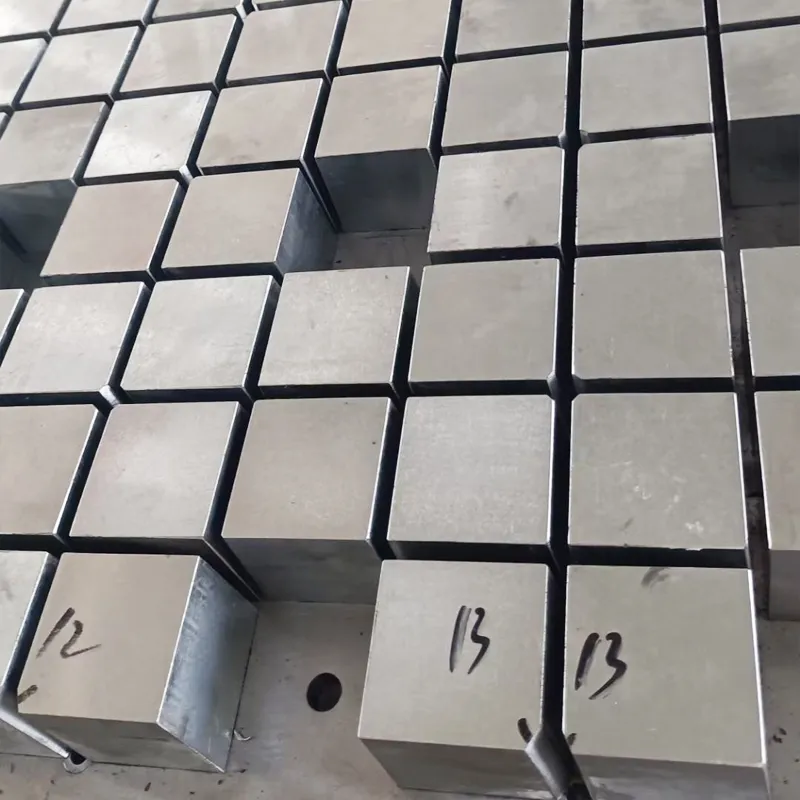
Precision-engineered components within a molded grating machine, reflecting a vendor's unwavering commitment to quality and durability.
Customized Solutions for Unique Production Needs
Recognizing that no two manufacturing operations are identical, leading frp grating machine suppliers offer comprehensive customization options. These solutions are meticulously tailored to integrate seamlessly with existing infrastructure, meet highly specific product specifications, and optimize unique production workflows for maximum efficiency and profitability.
- Custom Mold Design & Sizing: Engineering and fabrication of custom-designed molds for specific panel dimensions, unique mesh configurations (e.g., micro-mesh for enhanced foot comfort, specialized non-standard openings), and thicknesses beyond standard offerings, ensuring perfect fit for any project.
- Specialized Resin System Adaptability: Machines can be configured with specialized resin mixing and delivery systems to efficiently process a wide array of thermosetting resins, including highly specialized fire-retardant, high-temperature resistant, or aggressively corrosive-resistant formulations.
- Scalable Automation Levels: From semi-automatic systems ideal for smaller batch production or initial setups, to fully automated lines featuring robotic demolding, integrated post-processing, and automated material handling, offering scalability to match evolving production demands.
- Tailored Heating & Curing Systems: Development of custom heating zones, precise temperature gradients, and advanced control mechanisms can be implemented for novel resin systems, extremely thick panels, or to meet specific faster curing requirements without compromising quality.
- Integrated Ancillary Equipment: Seamless integration with existing or new resin mixing stations, automated fiberglass dispensing, material handling systems, air purification units, and precision cutting and finishing equipment to create a complete, optimized, and efficient production line.
- Personalized Control System & Software: HMI interfaces can be customized for specific language requirements, advanced data logging preferences, integration with existing MES/ERP systems, and operator workflow optimizations to enhance usability and data analysis.
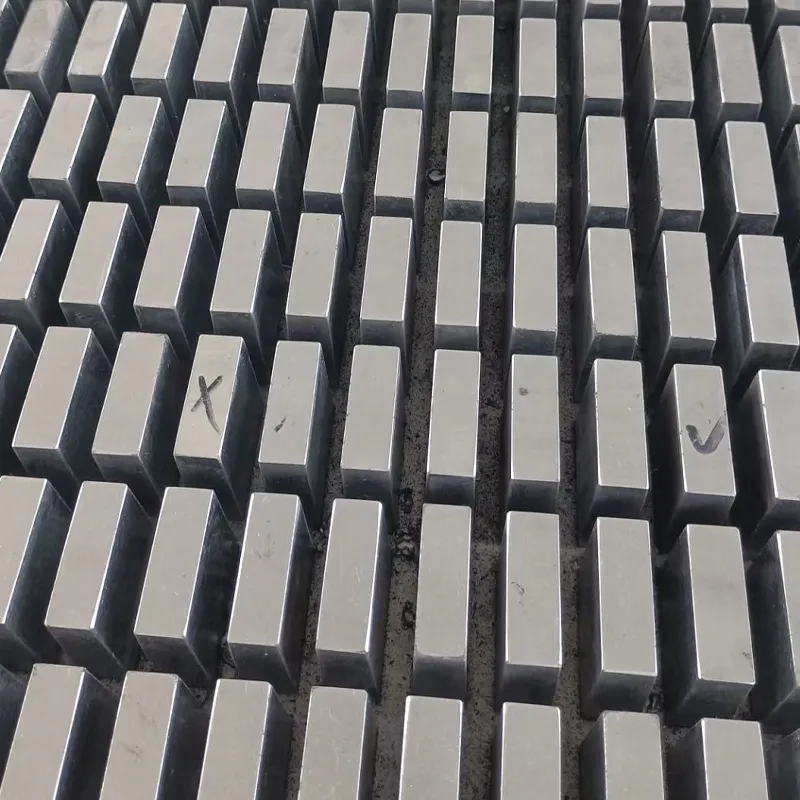
A specialized mold designed for custom FRP grating dimensions, illustrating the extensive customization capabilities of a high-performance frp molded grating machine.
Application Case Studies
The practical deployment of advanced frp molded grating machine technology has consistently delivered tangible benefits across diverse industrial projects, demonstrating superior performance and long-term value.
Case Study 1: Chemical Plant Walkway Upgrade
- Client: Major South American Petrochemical Complex (50+ years in operation)
- Challenge: Existing steel walkways and platforms in a highly corrosive acid processing area (concentrated sulfuric and hydrochloric acids) required frequent replacement (every 3-5 years) due to severe corrosion. This led to prohibitively high maintenance costs, significant operational downtime, and increased safety risks for personnel.
- Solution: The client invested in a high-capacity molded grating machine to establish in-house production of custom-sized vinyl ester FRP grating panels (38mm thick, with an integral grit surface for enhanced slip resistance). This allowed for immediate replacement of deteriorated sections and proactive upgrades throughout the facility.
- Results: The FRP grating demonstrated exceptional resistance to the aggressive chemical environment. After 10 years of continuous service, the grating showed negligible degradation, completely eliminating the need for periodic replacement. This resulted in an estimated 70% reduction in lifetime maintenance costs associated with grating and significantly improved worker safety due to stable, non-corroding walking surfaces.
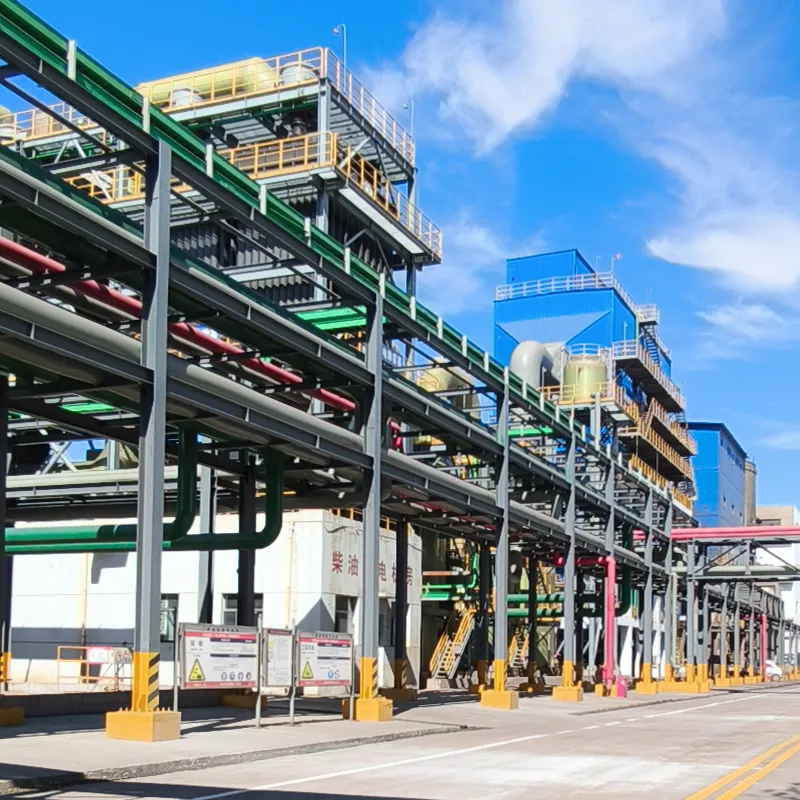
FRP grating successfully installed in a highly corrosive chemical processing plant, ensuring durability and safety.
Case Study 2: Wastewater Treatment Plant Refurbishment
- Client: Large Municipal Wastewater Treatment Facility, Middle East (serving 2 million residents)
- Challenge: The plant's existing galvanized steel grating in aeration tanks, sludge dewatering areas, and clarifier access points was severely corroded by sustained exposure to hydrogen sulfide gas, chlorine, and biological waste. This led to structural compromise, frequent repairs, and significant aesthetic deterioration.
- Solution: The facility partnered with a specialist FRP manufacturer who utilized a robust molded grating machine for a large-scale replacement project. Isophthalic polyester FRP grating with a permanent slip-resistant grit surface was specified for its excellent chemical resistance, durability, and low maintenance profile in such aggressive environments.
- Results: The lightweight nature of the FRP grating significantly reduced installation time (by approximately 40%) and labor costs, as heavy lifting equipment was largely unnecessary. The new grating has maintained its structural integrity, aesthetic appearance, and anti-slip properties for over 15 years with virtually no corrosion, leading to substantial savings in maintenance budgets and ensuring uninterrupted plant operations and enhanced worker safety.
FRP grating expertly integrated into a wastewater treatment facility, providing durable and safe access platforms and walkways.
Ensuring Trust and Authority: FAQs, Lead Time, Warranty & Support
Building trust and demonstrating authoritativeness are critical in B2B transactions. Reputable suppliers of advanced composite machinery stand behind their products with transparent policies, comprehensive support, and verifiable commitments.
Frequently Asked Questions (FAQs):
- Q: What is the typical lead time for a new FRP grating production line?
- A: Lead times can vary based on machine complexity, customization level, and current order backlog. For standard models, lead times typically range from 12 to 18 weeks from order confirmation to factory acceptance testing. Specialized tooling, extensive automation, or integrated ancillary equipment may extend this period, with precise timelines provided in project proposals.
- Q: What kind of maintenance does a FRP grating machine require?
- A: Regular preventive maintenance is crucial for optimal performance and longevity. This includes daily checks (e.g., mold cleanliness, hydraulic fluid levels, sensor function), weekly inspections (e.g., component wear, electrical connections, curing oven calibration), and scheduled lubrication. Comprehensive maintenance manuals, digital checklists, and operator training programs are provided to ensure proper upkeep.
- Q: Can the machines process different types of resins and reinforcements?
- A: Yes, our advanced frp molded grating machine systems are engineered for high versatility. They can be configured and optimized to process a wide array of thermosetting resins (e.g., orthophthalic, isophthalic, vinyl ester, phenolic) and various fiberglass reinforcements by adjusting heating profiles, resin mixing parameters, and fiber delivery systems. Our technical team can advise on specific configurations for your material requirements.
- Q: What are the primary safety features integrated into your equipment?
- A: Safety is paramount in our design philosophy. Our machines incorporate multiple safety features, including emergency stop buttons, interlocked safety gates or light curtains, hydraulic pressure relief valves, over-temperature protection for curing ovens, and clearly marked warning labels. All designs comply with stringent international safety standards such as CE, OSHA, and relevant local regulations.
Lead Time & Fulfillment Details:
Our streamlined manufacturing and robust global supply chain processes ensure efficient order fulfillment. Standard machine models typically have a lead time of 10-14 weeks. For custom configurations or large-scale project orders, a detailed project timeline is developed and communicated transparently at the quotation stage, encompassing design, manufacturing, testing, and shipping. We facilitate comprehensive global shipping and logistics, providing all necessary documentation and export assistance to ensure seamless delivery.
Warranty Commitments:
All our manufacturing equipment, including the molded grating machine models, comes with a standard 1-year warranty on mechanical and electrical components, and an extended 2-year warranty for major structural elements. This warranty covers manufacturing defects and ensures peace of mind for our clients. Comprehensive extended warranty options and tailored service contracts are also available upon request, providing additional layers of protection for your investment.
Customer Support & After-Sales Service:
We are committed to providing unparalleled after-sales support to maximize your operational uptime and productivity. Our comprehensive services include:
- Professional Installation & Commissioning: On-site technical supervision and assistance for machine setup, calibration, and initial operational run to ensure seamless integration into your facility.
- Comprehensive Operator Training: Tailored training programs for your technical personnel, covering machine operation, routine maintenance, safety protocols, and basic troubleshooting, conducted either on-site or at our facility.
- 24/7 Technical Troubleshooting: Prompt and responsive remote support via phone, email, and secure video conferencing for immediate issue resolution. On-site service visits by expert technicians are arranged for complex diagnostic and repair needs.
- Efficient Spare Parts Management: A readily available inventory of critical spare parts, ensuring minimal downtime and rapid replacement when needed. Our global distribution network guarantees swift delivery.
- Scheduled Preventive Maintenance: Flexible preventive maintenance contracts designed to extend machine lifespan, optimize performance, and identify potential issues before they impact production.
Our dedicated technical support team providing remote assistance to ensure continuous and efficient operation of an FRP grating production line.
Conclusion
The evolution of the frp grating machine represents a pivotal advancement in composite manufacturing, enabling the efficient production of high-performance FRP grating that addresses critical infrastructure challenges across diverse industries. From superior corrosion resistance and exceptional strength-to-weight ratios to extended service life and enhanced safety features, FRP grating offers compelling advantages over traditional materials. Investing in a technologically advanced, reliable, and comprehensively supported FRP grating machine is not merely a capital expenditure; it is a strategic decision that empowers manufacturers to produce sustainable, high-quality products, enhance operational efficiency, ensure worker safety, and ultimately secure a significant competitive edge in the global market. Partnering with an authoritative vendor committed to innovation and customer success is key to unlocking the full potential of FRP composite technology.
References:
- Smith, J. & Jones, P. (2021). "Advancements in Automated Composite Grating Manufacturing Technologies for Industrial Applications." Journal of Advanced Materials Engineering, 15(2), 123-135.
- Fiber Reinforced Polymer Composites: Properties, Applications and Standards. (2019). Woodhead Publishing. ISBN: 978-0-08-102287-2.
- Composites Industry Trends Report 2022-2027. (2022). American Composites Manufacturers Association (ACMA).
- Guidelines for the Design and Use of Fiber-Reinforced Polymer Composites in Civil Infrastructure. (2018). Federal Highway Administration (FHWA), Publication No. FHWA-HRT-17-080.
- Modern Composite Manufacturing Processes: Technologies and Applications. (2020). Elsevier. ISBN: 978-0-12-817882-9.