Jul 26,2025

High-Efficiency FRP Pultrusion Machine for Quality Profiles

Company: Hebei Aoliande Chemical Equipment Co., Ltd.
Website: www.frpgrpmachine.com
Email: bella@aldfrp.com   Phone: +8613303314492
Address: No. Room 211,706 Xinghua North Street, Jizhou District, Hengshui City, Hebei Province

The demand for FRP pultrusion machine and its derivative technologies, including fiberglass pultrusion machine and GRP pultrusion machine, has surged across global markets, from construction and infrastructure to marine and energy sectors. In this comprehensive guide, we'll explore the latest trends, technical parameters, and application scenarios of FRP pultrusion machine. As one of the leading pultrusion machine manufacturers, Hebei Aoliande Chemical Equipment Co., Ltd. brings both innovation and reliability to the forefront of the industry.

Overview of Hebei Aoliande Chemical Equipment Co., Ltd.

With over a decade of expertise, Hebei Aoliande Chemical Equipment Co., Ltd. (Aoliande) has become a synonymous name in high-performance pultrusion machine manufacturing. Recognized globally for precision, durability, and customizability, Aoliande provides comprehensive pultrusion solutions for customers seeking advanced FRP pultrusion machine technologies and efficient production lines.

Product Highlight: Frp Pultrusion Profile Machine
High-Efficiency FRP Pultrusion Machine for Quality Profiles

Product Name: Frp Pultrusion Profile Machine
Product Website: Click here
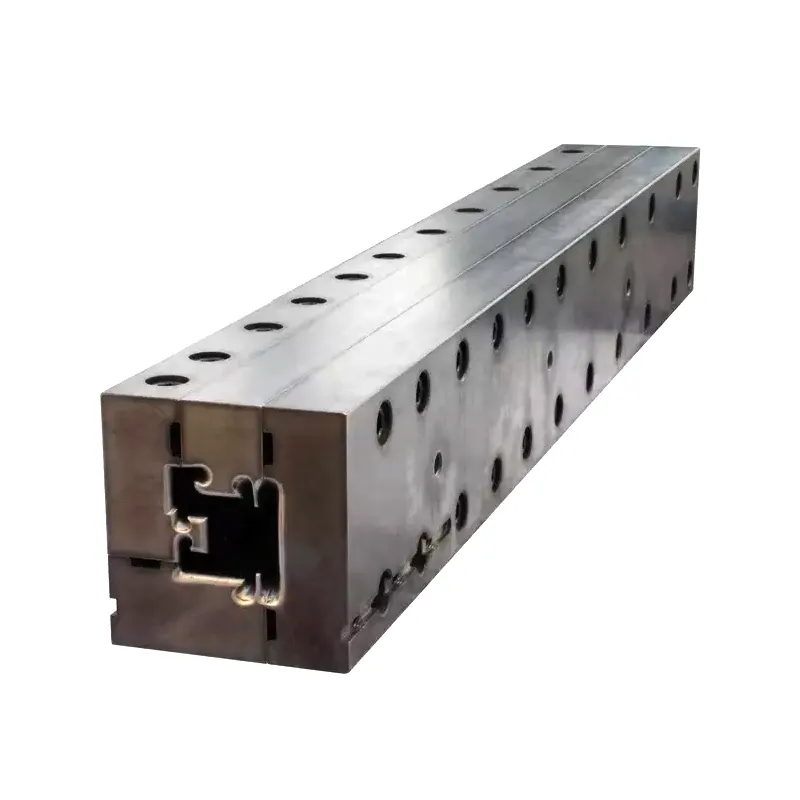
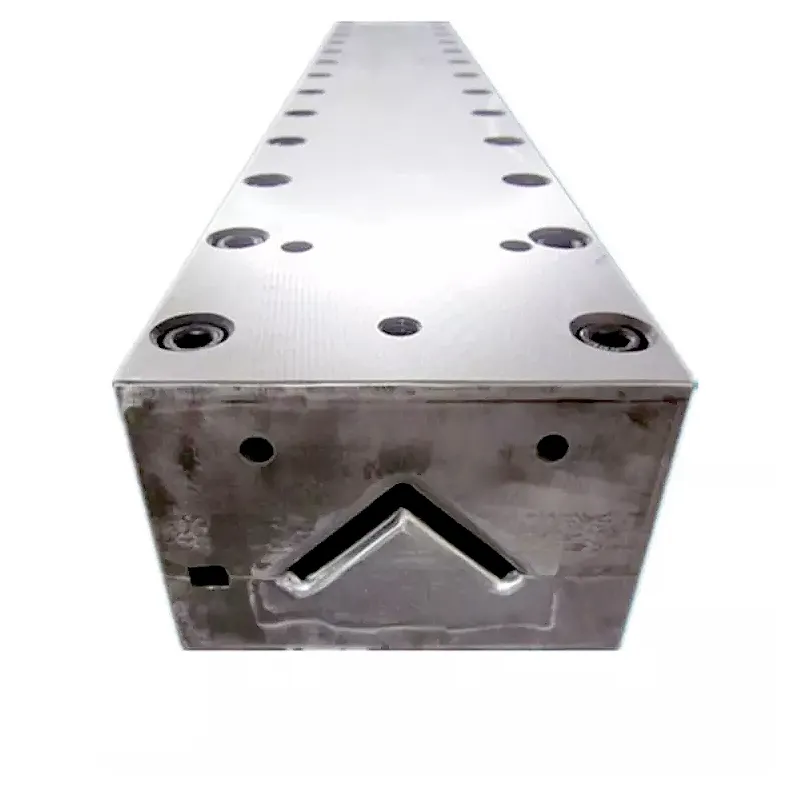
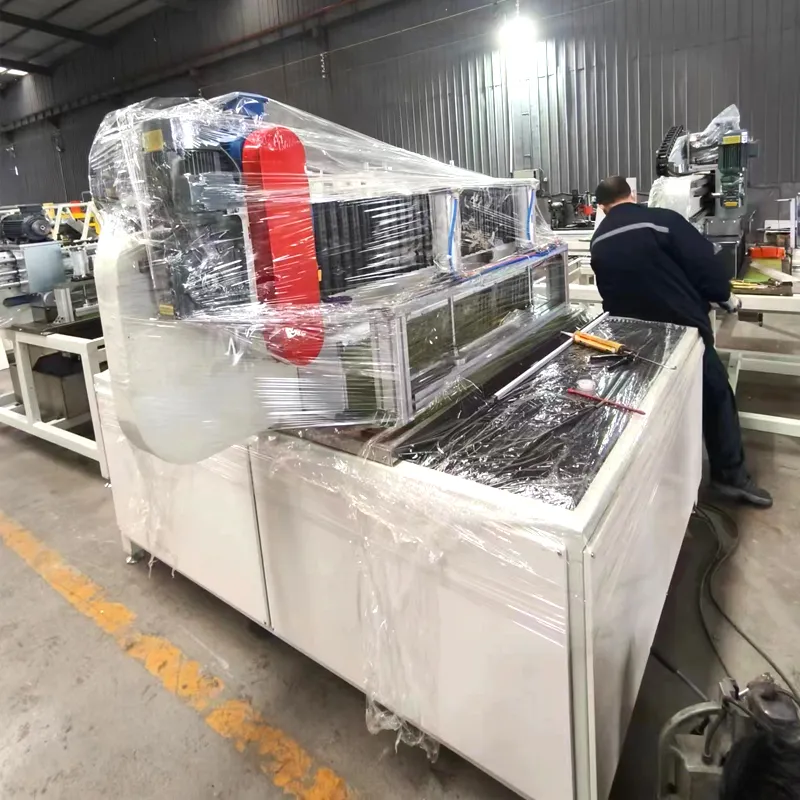
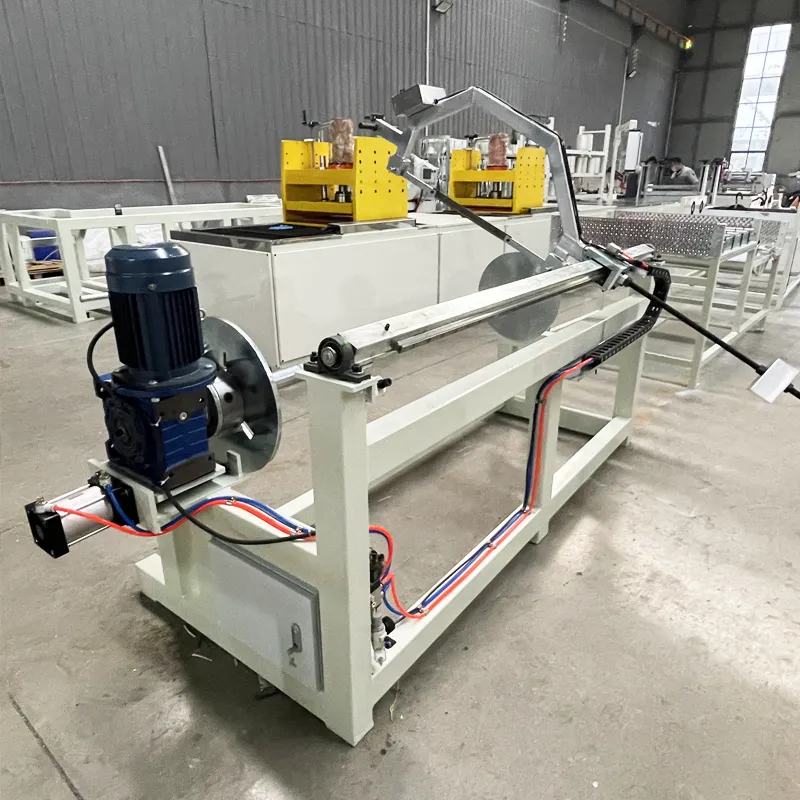
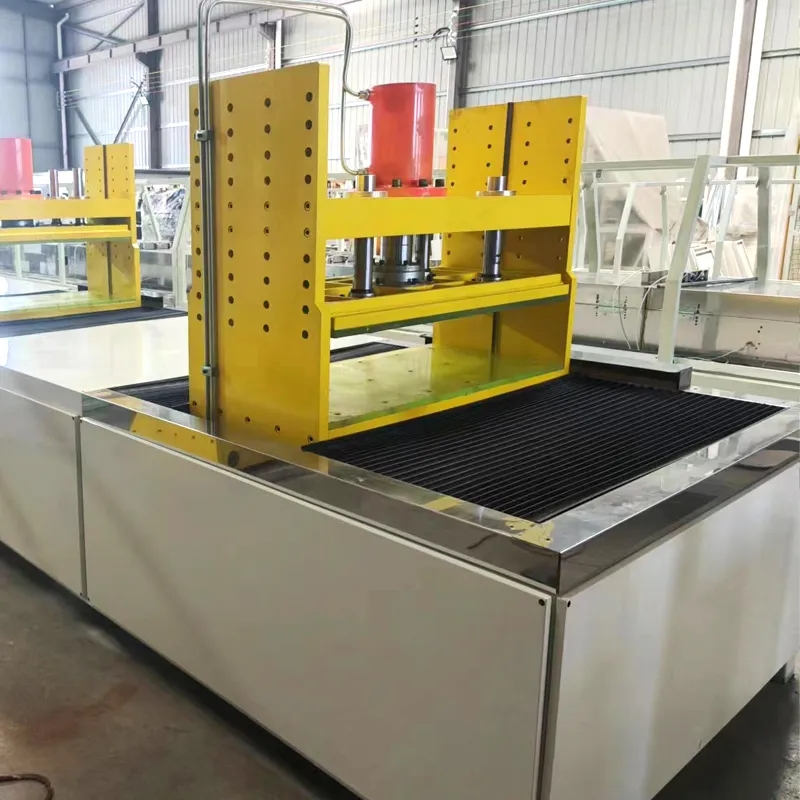
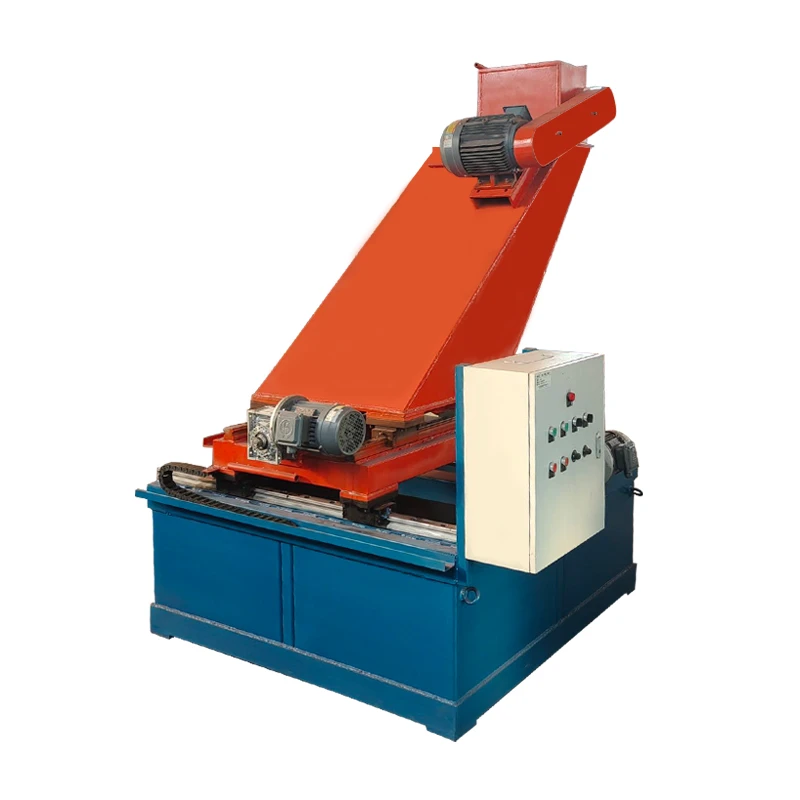
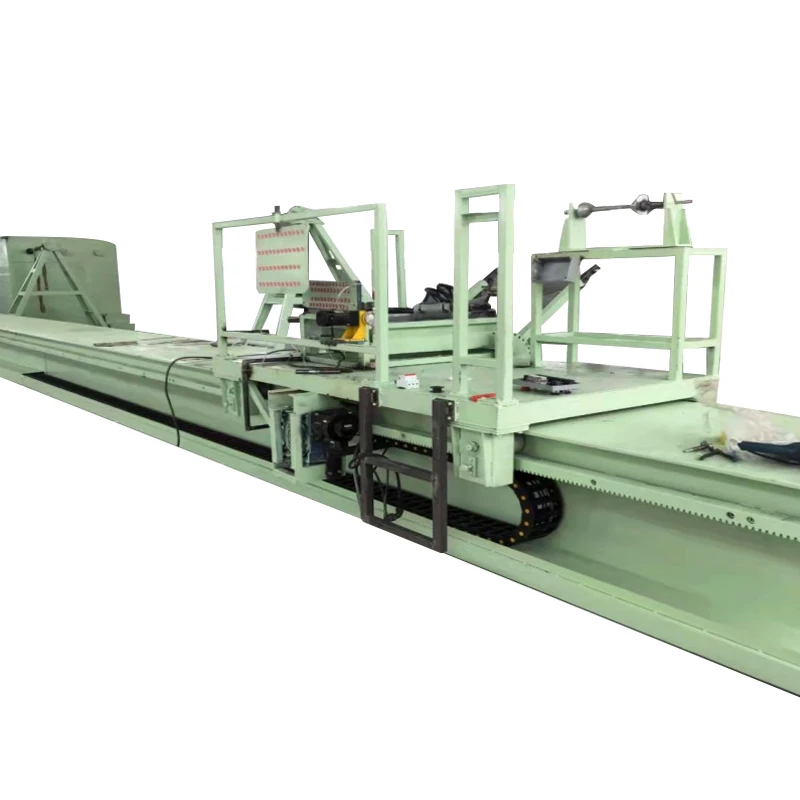
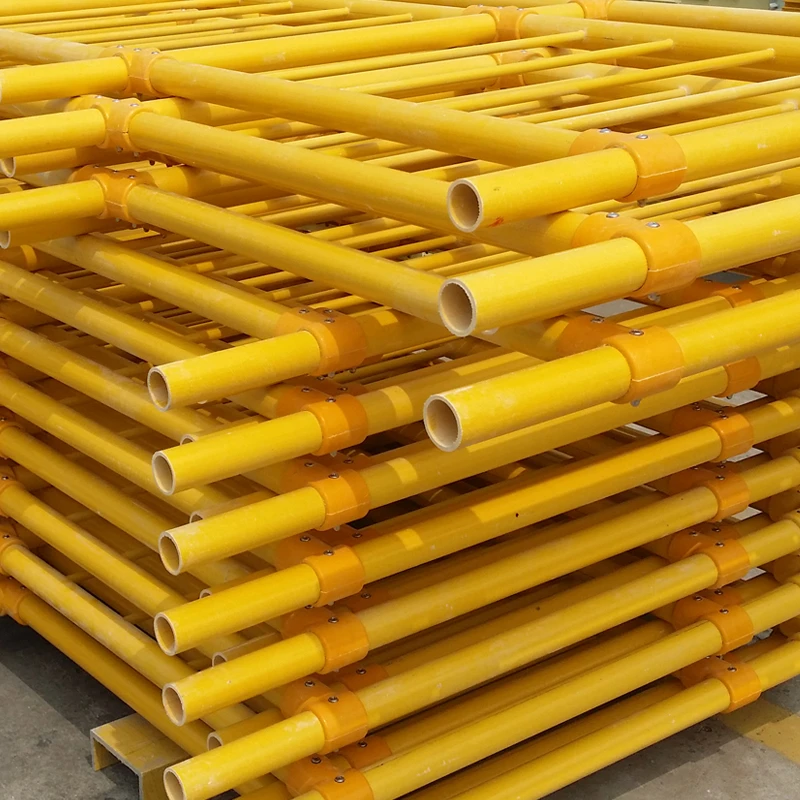
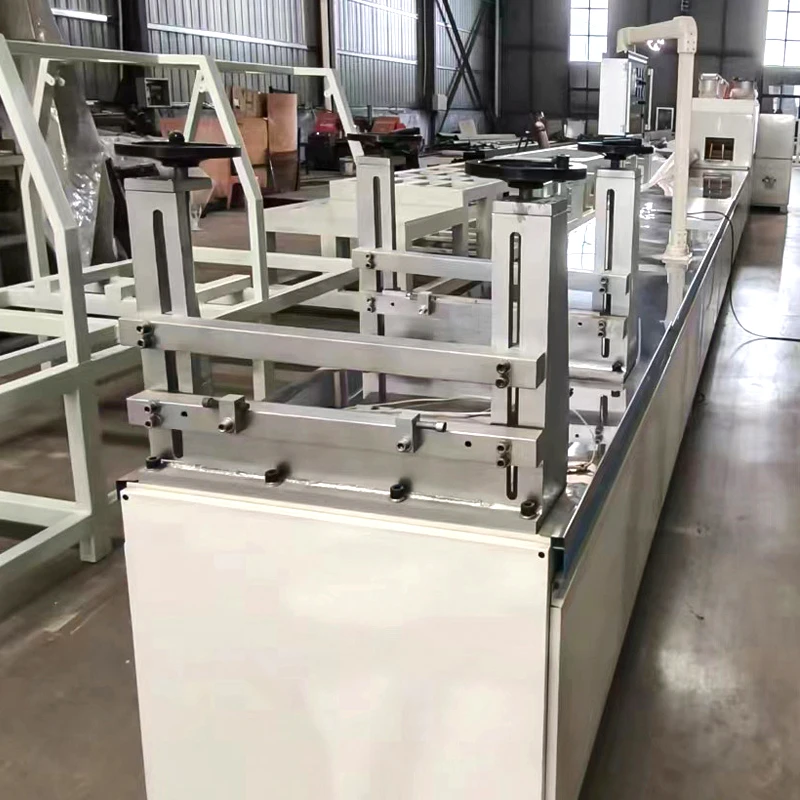
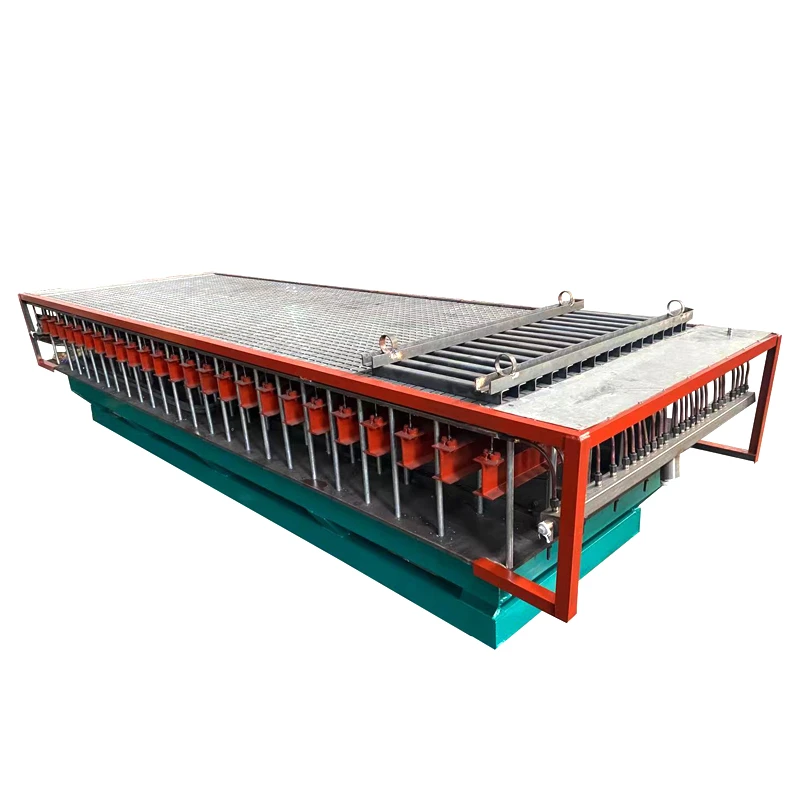
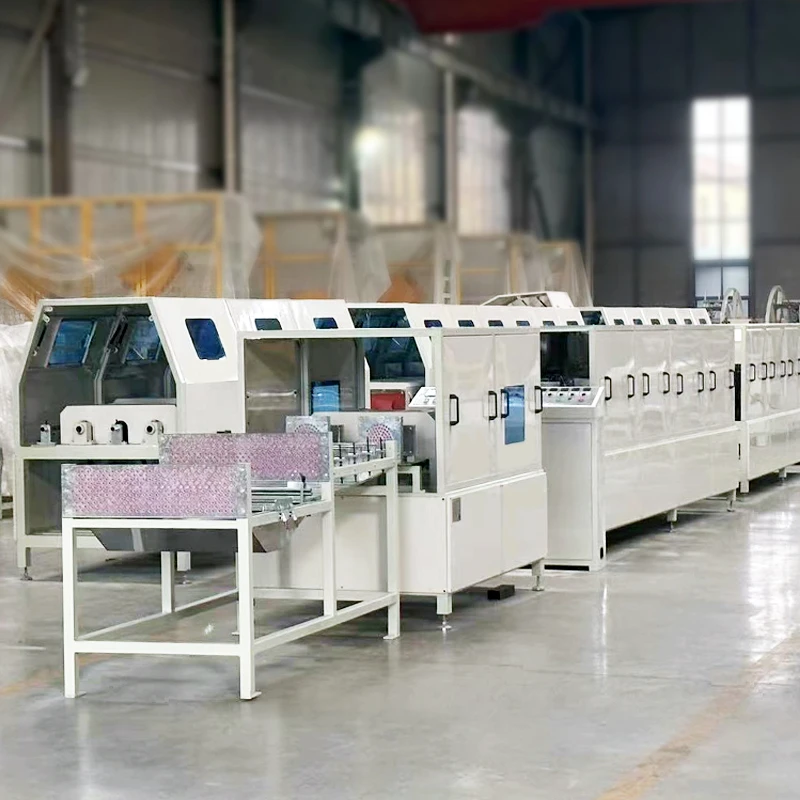
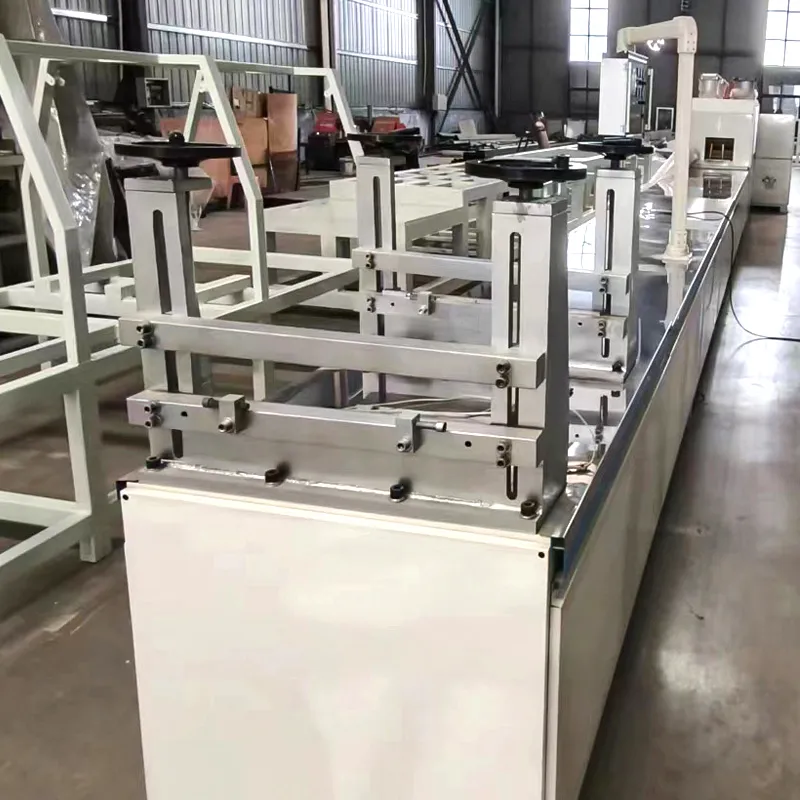
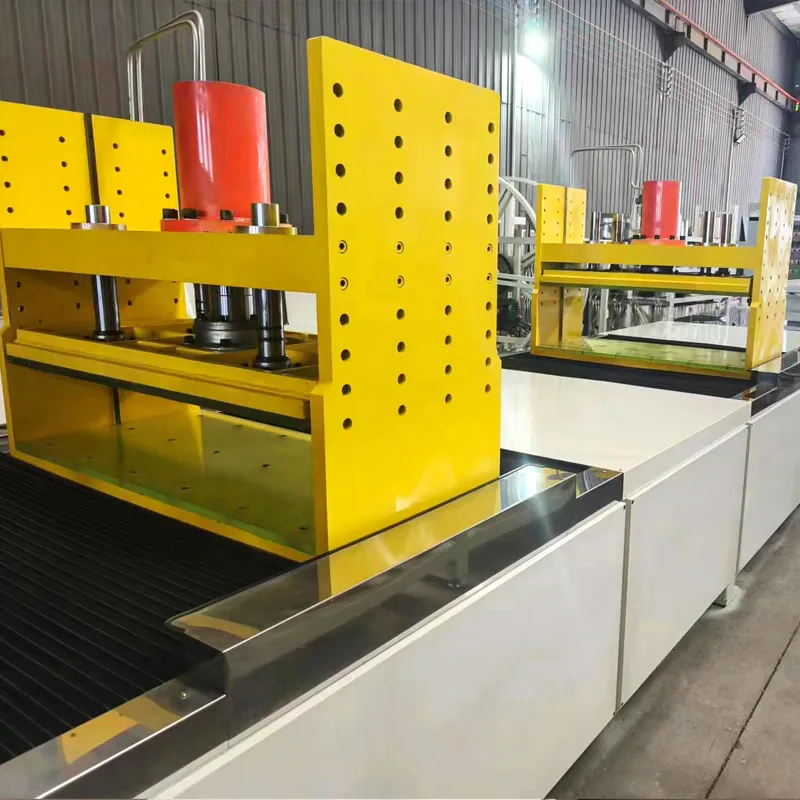
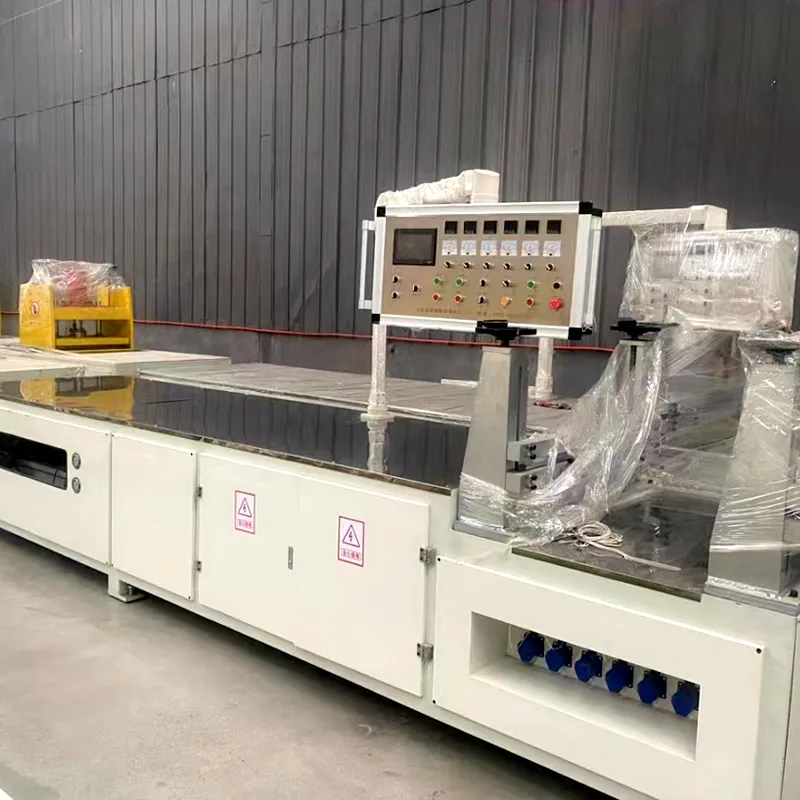
Introduction: The FRP pultrusion production line is powered by an advanced PLC system, featuring an intuitive LCD interface for full automation. This unit integrates hydraulic reciprocating traction and pneumatic fixed-length cutting, comprising a creel, dipping tank, mold table, tractor, cutting saw, support rack, and a smart control system. Compatible with customizable molds, it enables the production of diverse profiles — from wire troughs, rods, and I-beams, to square tubes, panels, bridges, and more.
High-Efficiency FRP Pultrusion Machine for Quality Profiles High-Efficiency FRP Pultrusion Machine for Quality Profiles High-Efficiency FRP Pultrusion Machine for Quality Profiles High-Efficiency FRP Pultrusion Machine for Quality Profiles High-Efficiency FRP Pultrusion Machine for Quality Profiles High-Efficiency FRP Pultrusion Machine for Quality Profiles High-Efficiency FRP Pultrusion Machine for Quality Profiles High-Efficiency FRP Pultrusion Machine for Quality Profiles High-Efficiency FRP Pultrusion Machine for Quality Profiles High-Efficiency FRP Pultrusion Machine for Quality Profiles

Industry Trends in FRP Pultrusion Technology

The FRP pultrusion machine industry is rapidly evolving, driven by the need for lightweight, corrosion-resistant construction elements and the worldwide shift to composite infrastructure. Market research forecasts a CAGR of over 4.5% between 2024-2029 (source). The push for energy efficiency across industrial and infrastructural applications is propelling innovations such as energy-saving drive systems, multi-profile compatibility, and AI-integrated process control.

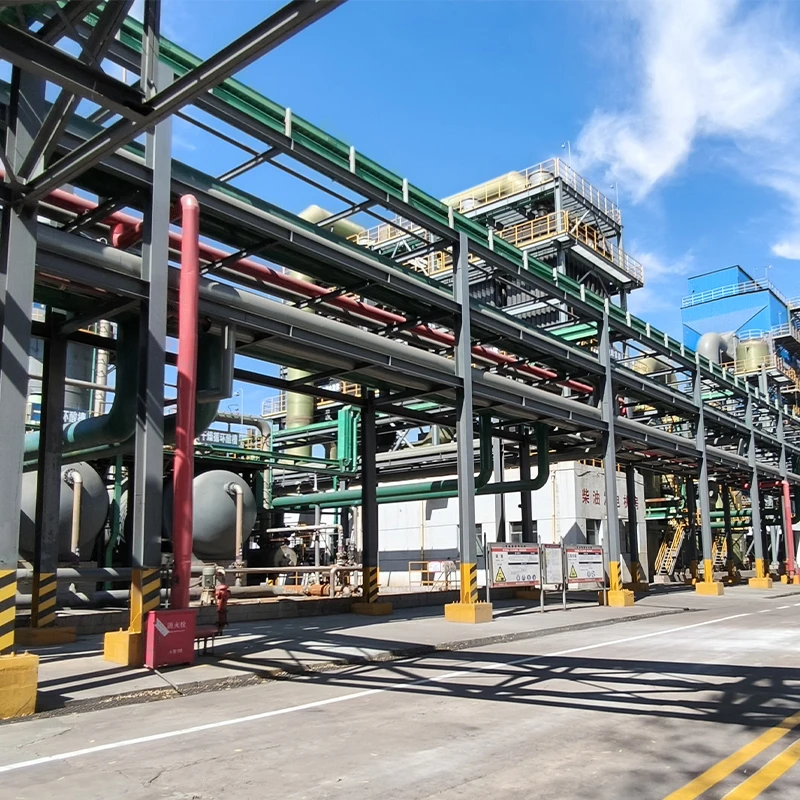
Global adoption is notable in sectors including power transmission, wind energy, transportation (especially metro rails and bridges), and urban infrastructure, owing to the superior mechanical performance and long-term economics of FRP, fiberglass, and GRP solutions (CompositesWorld).

Technical Parameter Table: FRP Pultrusion Machine

Parameter Typical Value Unit Remarks
Traction Force 20–50 kN Hydraulic, adjustable per profile
Traction Speed 0.1–1.2 m/min Variable frequency drive (VFD) control
Pultrusion Width 200–1200 mm Profile-dependent, multi-mold option
Pultrusion Height 40–600 mm Depends on die
Heating Method Electric, Oil, Steam - Customizable
Max. Power 25–60 kW Depending on model/configuration
Cutting Accuracy ±1.0 mm Pneumatic precision saw
Control System PLC + LCD - Full automation
Applicable Materials FRP, GRP, Fiberglass - Versatile media
Power Supply 380V, 50/60Hz - Industrial 3-phase
Production Profile Types I-beam, rod, angle, panel... - Customizable dies

Application Scenarios of FRP Pultrusion Machines

  • Construction & Civil Engineering: Structural profiles, gratings, bridges, facades.
  • Electrical: Cable trays, distribution boxes, transformer frames.
  • Urban Transport: Handrails, noise barriers, escalator supports, bridge decks.
  • Renewable Energy: Wind turbine blades, solar panel racks, utility poles.
  • Marine: Dock fenders, walkways, offshore structures with high anti-corrosion needs.
  • Industrial: Slider rails, machine frames, chemical storage structural supports.
  • Special Applications: Military, aerospace, environments needing non-magnetic or dielectric properties.

Technical Indicators Comparison: FRP Pultrusion Profile Machine

Professional FAQ: Key Terms in Pultrusion Technology

Q1: What materials are usually processed in an FRP pultrusion machine?
A: Typically, reinforced fibers such as E-glass, carbon fiber, or aramid are impregnated with resins like epoxy, polyester, or vinyl ester to create composite profiles.
Q2: How does the PLC control system optimize production?
A: The PLC automates synchronization, speed adjustment, profile cutting, and monitors key data, reducing labor cost and error rates. The LCD provides real-time process feedback and diagnostics.
Q3: What are common specifications for traction force?
A: Standard FRP pultrusion machine models offer 20–50 kN, sufficient for most large-profile continuous production. Custom units can exceed 60 kN for special applications.
Q4: What standards govern installation and safety of pultrusion lines?
A: Installation generally references EN 13706 (Europe) or ASTM D3917 (US) standards to ensure machine safety, profile tolerances, and environmental compliance.
Q5: What is the function of the reciprocating tractor in pultrusion?
A: It grips, pulls, and maintains steady fiber tension through the heated die, ensuring uniform profile quality. Hydraulic actuation provides high stability and speed control.
Q6: Can you customize profile sections with the same pultrusion machine?
A: Yes. By changing the die/mold and adjusting process settings, the same machine can produce various cross-sectional profiles, enhancing flexibility and cost efficiency.
Q7: How does fiberglass pultrusion machine compare to GRP pultrusion machines?
A: Both use glass fibers, but fiberglass is specific to glass reinforcement, while GRP (glass reinforced plastic) machines are designed for a broader range of resin/fiber combinations and higher structural requirements.

Why Choose Hebei Aoliande as Your Pultrusion Machine Partner?

  • Rich experience in pultrusion machine R&D and production since 2007.
  • Professional consultative design — seamlessly integrating customer requirements into fully customized FRP pultrusion machine solutions.
  • Global references across construction, energy, and marine sectors.
  • Strict compliance with CE, ISO, and international standards.
  • Full-stack project support: Technical onboarding, trials, after-sales, and remote diagnostics.
  • Efficient lead-times and competitive global delivery system.

For detailed technical consultations, or to discuss your next FRP pultrusion machine investment, contact Hebei Aoliande Chemical Equipment Co., Ltd. today at bella@aldfrp.com or call +8613303314492.
Upsell Products
Upsell News
Durable FRP Vessel for Water Treatment and Industrial Filtration
Apr 16,2026
Durable FRP Vessel for Water Treatment and Industrial Filtration
In the modern era of industrial and residential water purification, the choice of containment materials is critical for efficiency and longevity. An frp vessel for water treatment has emerged as the gold standard, replacing traditional steel tanks due to its superior corrosion resistance and lightweight properties. Whether you are dealing with desalination, softening, or filtration, using Fiber Reinforced Plastic (FRP) ensures that your system remains leak-proof and durable against aggressive chemicals. In this comprehensive guide, we will explore why FRP is the preferred choice for water treatment professionals worldwide and how to select the right vessel for your specific application.
Industrial Guide for Choosing the Right FRP Vertical Tank
Apr 09,2026
Industrial Guide for Choosing the Right FRP Vertical Tank
In today's industrial landscape, the storage of corrosive chemicals and aggressive liquids requires materials that can withstand extreme conditions without degrading. The frp vertical tank has emerged as a premier solution, offering an exceptional balance of strength, lightweight properties, and unmatched chemical resistance. Whether you are managing a water treatment plant or a chemical processing facility, understanding the nuances of Fiber Reinforced Plastic (FRP) is essential for ensuring operational safety and longevity. In this comprehensive guide, we will explore why vertical configurations are preferred and how these tanks outperform traditional metal alternatives.
Comprehensive Guide to FRP Underground Water Tank Solutions and Applications
Apr 07,2026
Comprehensive Guide to FRP Underground Water Tank Solutions and Applications
Fiberglass Reinforced Polymer (FRP) underground water tanks are becoming increasingly popular for a wide range of applications, from potable water storage to industrial wastewater containment. Their superior corrosion resistance, lightweight nature, and design flexibility make them an excellent alternative to traditional materials like concrete or steel. This article will delve into the benefits, applications, construction, and considerations for implementing FRP underground water tanks, providing a comprehensive overview for engineers, contractors, and project managers.
Comprehensive Guide to Frp Underground Water Storage Tanks and Their Applications
Apr 04,2026
Comprehensive Guide to Frp Underground Water Storage Tanks and Their Applications
When considering water storage solutions, particularly for industrial, agricultural, or municipal applications, frp underground water storage tanks stand out as a durable, cost-effective, and environmentally friendly option. These tanks are increasingly favored over traditional materials like concrete or steel due to their superior corrosion resistance, lighter weight, and ease of installation. This article delves into the benefits, applications, construction, and considerations when choosing an FRP tank, providing a detailed overview for potential buyers and project planners.
Sulfuric Acid Production Line - Hebei Aoliande|Efficient H2SO4 Plant Technology
Apr 01,2026
Sulfuric Acid Production Line - Hebei Aoliande|Efficient H2SO4 Plant Technology
Discover efficient H2SO4 plant technology and advanced sulfuric acid production solutions. Hebei Aoliande combines energy-saving furnace design and eco-friendly HCl recovery systems for sustainable industrial applications. Explore now: https://www.frpgrpmachine.com/sulfuric-acid-production-line-for-h2so4-plant.html
Sulfuric Acid Production Line - Hebei Aoliande|Efficient H2SO4 Plant Technology
Apr 01,2026
Sulfuric Acid Production Line - Hebei Aoliande|Efficient H2SO4 Plant Technology
Discover efficient H2SO4 plant technology and advanced sulfuric acid production solutions. Hebei Aoliande combines energy-saving furnace design and eco-friendly HCl recovery systems for sustainable industrial applications. Explore now: https://www.frpgrpmachine.com/sulfuric-acid-production-line-for-h2so4-plant.html
Sulfuric Acid Production Line - Hebei Aoliande|Efficient H2SO4 Plant Technology
Apr 01,2026
Sulfuric Acid Production Line - Hebei Aoliande|Efficient H2SO4 Plant Technology
Discover efficient H2SO4 plant technology and advanced sulfuric acid production solutions. Hebei Aoliande combines energy-saving furnace design and eco-friendly HCl recovery systems for sustainable industrial applications. Explore now: https://www.frpgrpmachine.com/sulfuric-acid-production-line-for-h2so4-plant.html
Sulfuric Acid Production Line - Hebei Aoliande|Efficient H2SO4 Plant Technology
Apr 01,2026
Sulfuric Acid Production Line - Hebei Aoliande|Efficient H2SO4 Plant Technology
Discover efficient H2SO4 plant technology and advanced sulfuric acid production solutions. Hebei Aoliande combines energy-saving furnace design and eco-friendly HCl recovery systems for sustainable industrial applications. Explore now: https://www.frpgrpmachine.com/sulfuric-acid-production-line-for-h2so4-plant.html
Sulfuric Acid Production Line - Hebei Aoliande|Efficient H2SO4 Plant Technology
Apr 01,2026
Sulfuric Acid Production Line - Hebei Aoliande|Efficient H2SO4 Plant Technology
Discover efficient H2SO4 plant technology and advanced sulfuric acid production solutions. Hebei Aoliande combines energy-saving furnace design and eco-friendly HCl recovery systems for sustainable industrial applications. Explore now: https://www.frpgrpmachine.com/sulfuric-acid-production-line-for-h2so4-plant.html
Sulfuric Acid Production Line - Hebei Aoliande|Efficient H2SO4 Plant Technology
Apr 01,2026
Sulfuric Acid Production Line - Hebei Aoliande|Efficient H2SO4 Plant Technology
Discover efficient H2SO4 plant technology and advanced sulfuric acid production solutions. Hebei Aoliande combines energy-saving furnace design and eco-friendly HCl recovery systems for sustainable industrial applications. Explore now: https://www.frpgrpmachine.com/sulfuric-acid-production-line-for-h2so4-plant.html
Comprehensive Guide to Frp Underground Storage Tanks for Reliable Storage Solutions
Mar 31,2026
Comprehensive Guide to Frp Underground Storage Tanks for Reliable Storage Solutions
Fiberglass Reinforced Polymer (FRP) underground storage tanks are becoming increasingly popular for a wide range of applications, from fuel storage to wastewater management. Their corrosion resistance, lightweight nature, and durability offer significant advantages over traditional materials like steel. This article will provide an in-depth look at FRP underground storage tanks, covering their benefits, applications, installation, and maintenance. Understanding these aspects is crucial for making informed decisions about long-term storage solutions.
Comprehensive Guide to Selecting the Ideal FRP Tank for Water Storage Solutions
Mar 28,2026
Comprehensive Guide to Selecting the Ideal FRP Tank for Water Storage Solutions
When it comes to reliable and durable water storage, FRP tanks for water are increasingly becoming the preferred solution for a wide range of applications. These tanks, constructed from Fiber Reinforced Polymer (FRP) materials, offer significant advantages over traditional storage options like steel or concrete. This article delves into the benefits, applications, and considerations when selecting an FRP tank for your water storage needs, providing a detailed overview for businesses and individuals alike.
Comprehensive Guide to Frp Tank and Vessel Applications and Manufacturing
Mar 26,2026
Comprehensive Guide to Frp Tank and Vessel Applications and Manufacturing
Fiber Reinforced Polymer (FRP) tanks and vessels are increasingly becoming the preferred choice for storage and processing across a multitude of industries. Their lightweight nature, corrosion resistance, and design flexibility offer significant advantages over traditional materials like steel. This article will delve into the intricacies of FRP tanks and vessels, exploring their applications, manufacturing processes, benefits, and considerations for selecting the right solution for your specific needs. We’ll also highlight why FRP tanks are a cost-effective and reliable long-term investment. FRP tanks and vessels are constructed from a combination of reinforcing fibers (such as fiberglass, carbon fiber, or aramid fiber) embedded in a polymer matrix (typically polyester, vinyl ester, or epoxy resin). This combination creates a composite material that boasts high strength-to-weight ratio, exceptional corrosion resistance, and the ability to be molded into complex shapes. They’re designed to safely contain a wide variety of liquids and gases, ranging from corrosive chemicals and water to food products and pharmaceuticals.
Optimizing Water Filtration with Durable FRP Sand Filter Vessels
Mar 24,2026
Optimizing Water Filtration with Durable FRP Sand Filter Vessels
In water treatment and filtration systems, the choice of filter vessel material is paramount. Fiber Reinforced Plastic (FRP), also known as Glass Reinforced Polymer (GRP), sand filter vessels are increasingly popular due to their superior corrosion resistance, lightweight nature, and cost-effectiveness. This article delves into the benefits, applications, design considerations, and factors to consider when selecting an FRP sand filter vessel. Whether you are involved in municipal water treatment, industrial wastewater management, or recreational water filtration, understanding FRP technology is essential for optimizing your filtration process. An FRP sand filter vessel is a containment unit designed to house filtration media, typically sand, gravel, and anthracite. These vessels are integral components in sand filtration systems used for removing suspended solids, turbidity, and other particulate matter from water. FRP construction involves layering glass fibers within a resin matrix (typically polyester or vinyl ester) to create a strong, durable, and chemically resistant shell. The strength and rigidity of the vessel are crucial for withstanding the pressure from the filtration media and the water flow.
Comprehensive Guide to FRP Round Tanks Applications and Benefits
Mar 21,2026
Comprehensive Guide to FRP Round Tanks Applications and Benefits
Fiber Reinforced Polymer (FRP) round tanks are increasingly becoming the preferred choice for storage solutions across a variety of industries. Their lightweight nature, corrosion resistance, and design flexibility offer significant advantages over traditional materials like steel. This article provides an in-depth look at FRP round tanks, exploring their applications, benefits, manufacturing processes, and key considerations when choosing the right tank for your needs. Whether you're in chemical processing, water treatment, or agriculture, understanding FRP round tanks is crucial for optimizing your storage infrastructure. FRP round tanks are constructed from a combination of reinforcing fibers (typically fiberglass, carbon fiber, or a blend) embedded in a polymer matrix (often polyester, vinyl ester, or epoxy resin). The round shape inherently provides excellent structural strength, distributing pressure evenly across the tank’s surface.
Comprehensive Guide to FRP Pressure Tanks Benefits and Applications
Mar 19,2026
Comprehensive Guide to FRP Pressure Tanks Benefits and Applications
Fiber Reinforced Polymer (FRP) pressure tanks are becoming increasingly popular in a wide range of industrial applications, offering a compelling alternative to traditional steel tanks. Known for their lightweight nature, corrosion resistance, and high strength-to-weight ratio, FRP tanks provide efficient and durable solutions for storing liquids and gases under pressure. This article will delve into the benefits, applications, construction, and key considerations when selecting an FRP pressure tank, helping you make an informed decision for your specific needs. Understanding the advantages of FRP technology can lead to significant cost savings and improved operational efficiency. Compared to steel, FRP pressure tanks offer several key advantages. The most significant is their superior corrosion resistance. Unlike steel, which is susceptible to rust and corrosion when exposed to various chemicals, FRP materials are inherently resistant to a wide range of corrosive substances. This translates to a longer lifespan, reduced maintenance costs, and increased safety. Furthermore, FRP is significantly lighter than steel, making installation easier and reducing transportation costs.
For More Details Pls Contact Us
Thank you for your interest in our gloves! We offer high-quality, durable, and comfortable gloves with fast delivery and competitive prices. For any questions or customization, feel free to contact us. We look forward to working with you!

If you are interested in our products, you can choose to leave your information here, and we will be in touch with you shortly.