In the rapidly evolving landscape of industrial fluid transport and environmental protection, the fiberglass pipe winding machine has emerged as a cornerstone technology. By automating the precise application of resin-impregnated glass fibers onto a rotating mandrel, these machines enable the creation of high-strength, corrosion-resistant piping essential for water treatment and chemical processing. Understanding the mechanics and strategic implementation of this technology is vital for operators seeking to optimize production efficiency and ensure long-term structural integrity in harsh environments.
Across the globe, the demand for sustainable and durable infrastructure has pushed the development of composite materials to the forefront. The versatility of a fiberglass pipe winding machine allows for the customization of wall thickness and winding angles, ensuring that the final product can withstand extreme internal pressures and external stresses. This adaptability makes it an indispensable asset in the fight against water pollution, where specialized piping is required to transport aggressive chemicals and treated wastewater without the risk of leakage or degradation.
Integrating advanced winding technology into the manufacturing workflow not only reduces material waste but also significantly lowers the lifetime cost of ownership for the end-user. As industries shift toward "Green Manufacturing," the transition from traditional steel piping to FRP (Fiber Reinforced Plastic) produced via a fiberglass pipe winding machine represents a leap forward in both engineering logic and environmental stewardship. This comprehensive guide explores the technical nuances, global applications, and future trajectories of this pivotal industrial equipment.
Global Relevance of Fiberglass Pipe Winding Machine
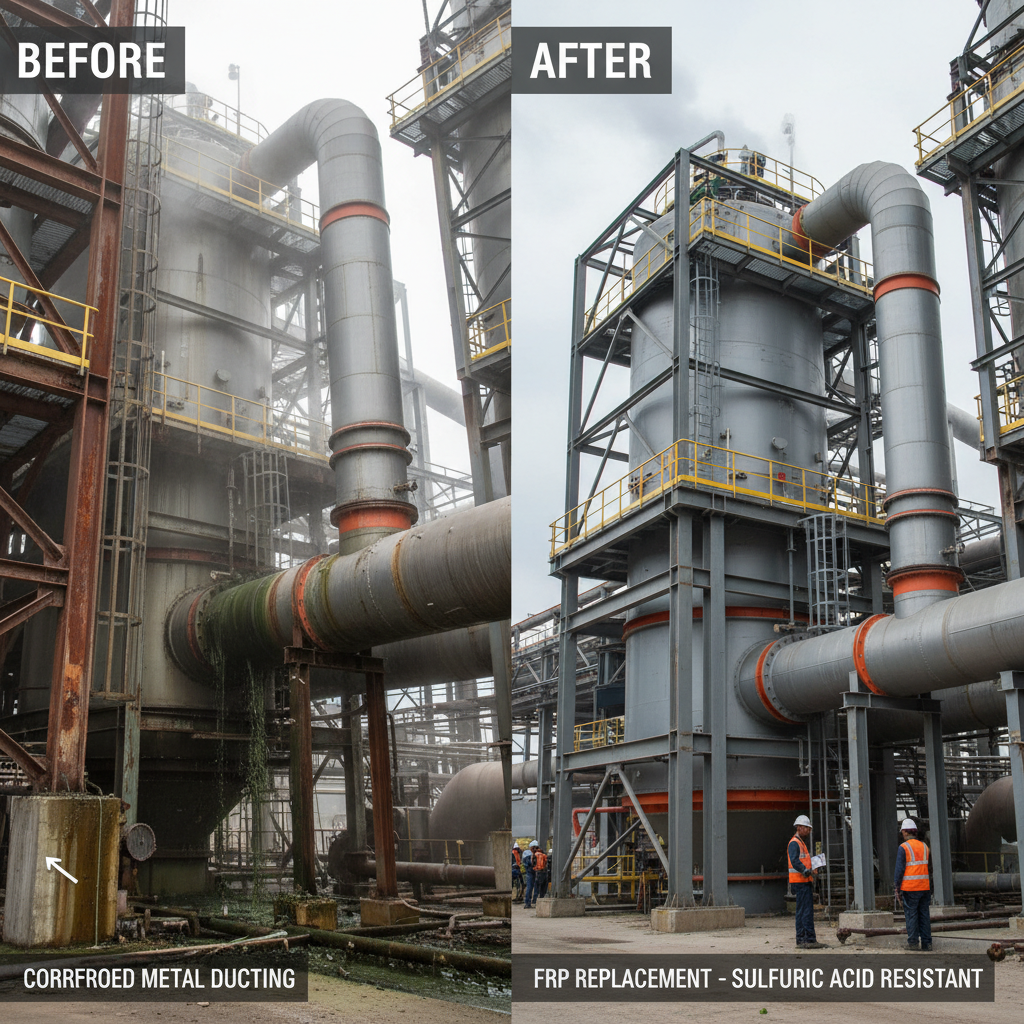
The global industrial landscape is currently facing a crisis of infrastructure decay, particularly in water management and chemical transport. According to ISO standards and various environmental reports, traditional metallic pipes are failing at an accelerated rate due to corrosion and oxidative stress. The fiberglass pipe winding machine addresses this challenge by enabling the mass production of GRP (Glass Reinforced Plastic) pipes that are virtually immune to electrochemical corrosion, thereby extending the lifespan of critical utility networks from 20 years to over 50 years.
From the desalination plants of the Middle East to the industrial wastewater systems in Southeast Asia, the adoption of filament winding technology is skyrocketing. The ability to produce seamless, high-pressure conduits allows municipalities and private enterprises to transport fluids safely over vast distances. By mitigating the risk of bursts and leaks, the fiberglass pipe winding machine not only protects the environment from hazardous spills but also ensures the reliable delivery of clean water to millions of people globally.
Defining the Fiberglass Pipe Winding Machine
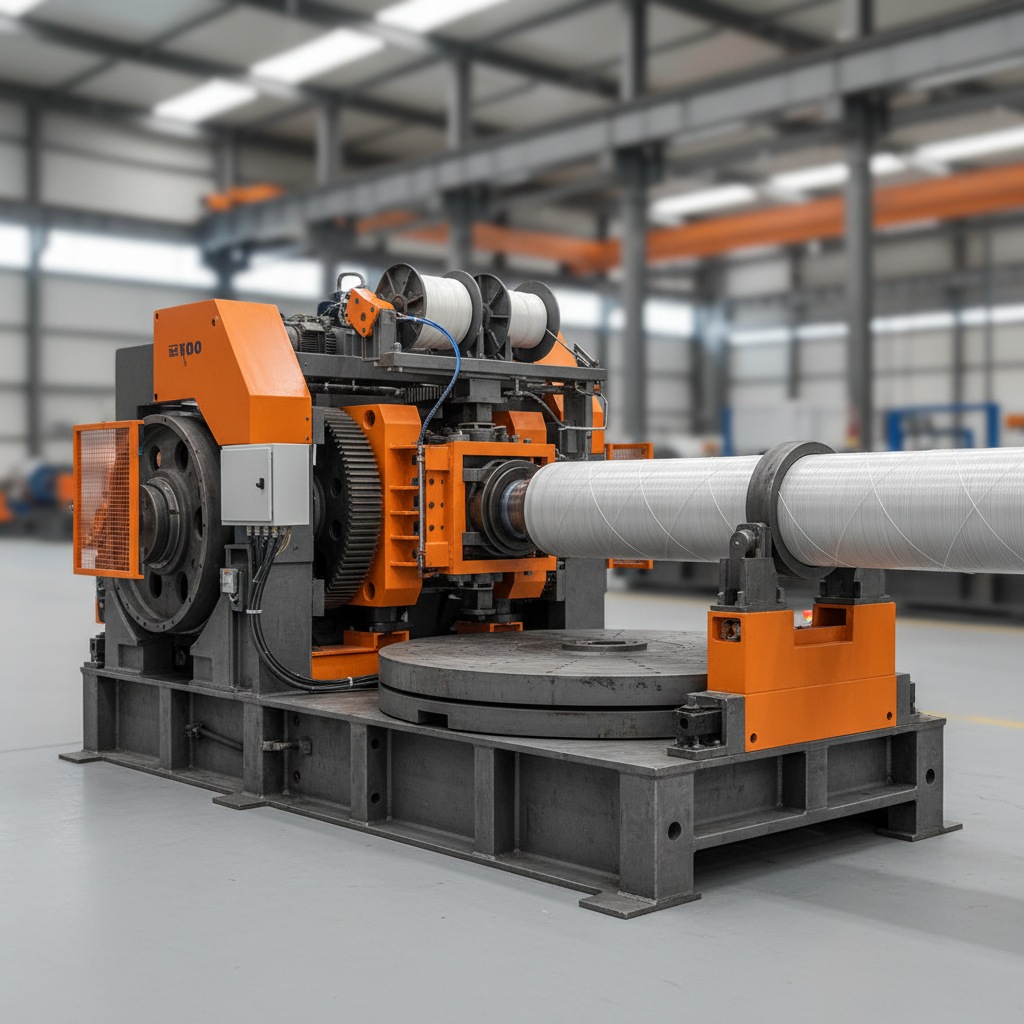
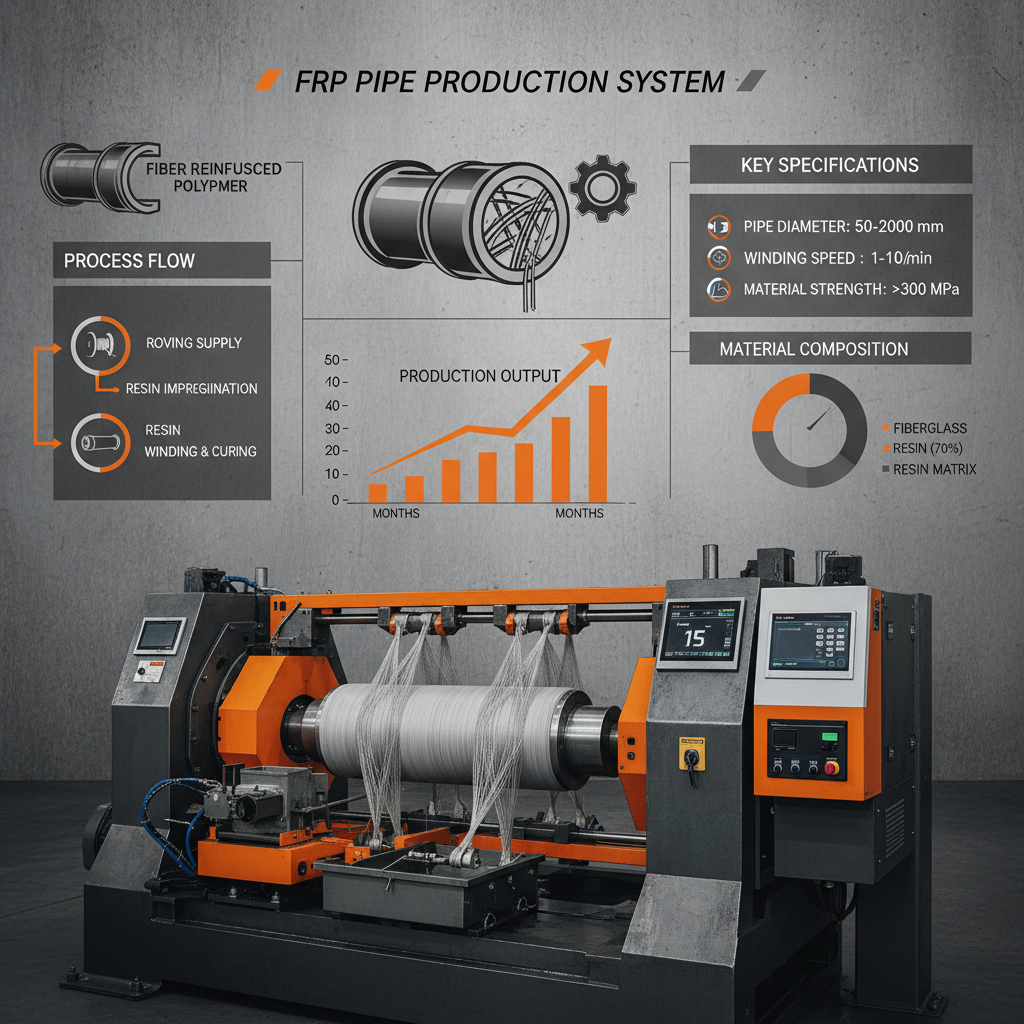
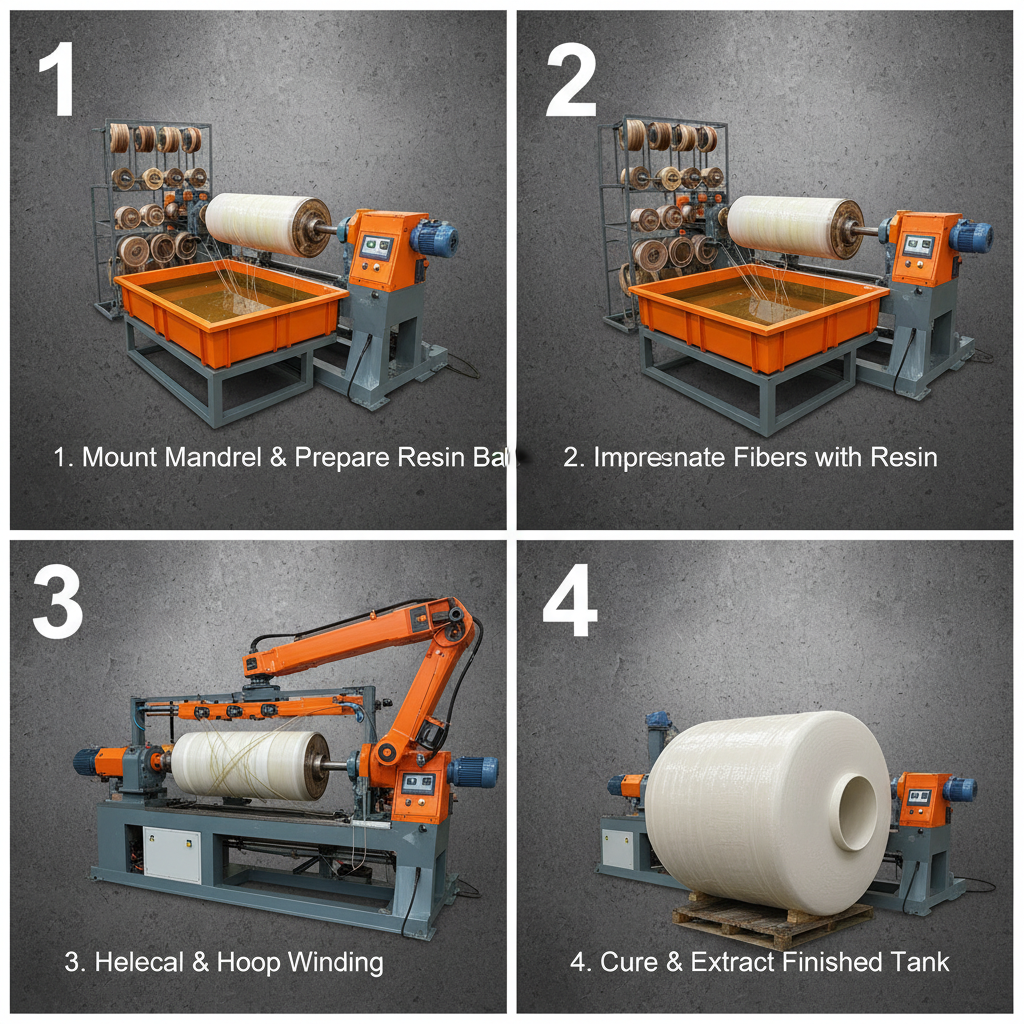
At its most basic level, a fiberglass pipe winding machine is a high-precision CNC-controlled system designed to wrap continuous strands of reinforced glass fiber around a rotating mandrel. This process involves passing the fibers through a resin bath, where they are thoroughly saturated, and then winding them onto the mandrel at specific angles. This "filament winding" technique allows engineers to orient the strength of the pipe exactly where it is needed—circumferentially for pressure resistance or longitudinally for bending strength.
Beyond the mechanical definition, this equipment represents a bridge between materials science and automated manufacturing. In the context of water pollution prevention, these machines are the primary tools used to create the heavy-duty piping required for reverse osmosis systems and chemical scrubbing units. The synergy between the high-tensile strength of glass fibers and the chemical inertness of epoxy or polyester resins creates a composite material that outperforms steel in almost every corrosive environment.
Modern iterations of the fiberglass pipe winding machine incorporate sophisticated software that manages the winding pattern in real-time. This ensures a uniform thickness and eliminates voids or air bubbles, which are common failure points in manually laid-up composites. Consequently, the machine transforms raw chemical components into a structural asset that supports the global humanitarian goal of sustainable water management and industrial safety.
Core Components for Maximum Performance
The operational efficiency of a fiberglass pipe winding machine depends heavily on the precision of its delivery head. The carriage system must move with micron-level accuracy across the length of the mandrel to ensure that the fiber distribution is perfectly symmetrical. Any deviation in the winding path can lead to structural weak points, making the servo-motor synchronization the "heartbeat" of the entire production process.
Resin impregnation is the second critical factor. A high-performance fiberglass pipe winding machine utilizes an optimized resin bath with temperature control and agitation systems. This ensures that every single fiber filament is coated without excess waste, which not only improves the mechanical properties of the pipe but also reduces the environmental footprint by minimizing volatile organic compound (VOC) emissions.
Finally, the mandrel system—the rotating core—must be designed for easy extraction. Whether using collapsible mandrels or shrinkable materials, the interaction between the mandrel and the wound composite is vital. Advanced fiberglass pipe winding machine setups now integrate automated mandrel loading and unloading, drastically reducing downtime and increasing the overall throughput of the manufacturing plant.
Industrial Applications and Global Use Cases
The practical utility of the fiberglass pipe winding machine spans across several critical sectors. In the oil and gas industry, these machines produce "corrosion-proof" casing and tubing that can survive the highly acidic environments found in deep-sea drilling. Similarly, in municipal sewage projects, GRP pipes produced by these machines are preferred over concrete because they are lighter to transport and completely resistant to the sulfuric acid produced by sewage bacteria.
In remote industrial zones or post-disaster recovery areas, the ability to deploy lightweight yet incredibly strong piping is a game-changer. For example, in the reconstruction of water networks after seismic events, pipes manufactured by a fiberglass pipe winding machine are easier to install in rugged terrain and offer better flexibility, reducing the likelihood of future fractures during minor ground shifts.
Comparative Performance of Fiberglass Pipe Winding Machine Methods
Long-Term Value and Sustainability
Investing in a fiberglass pipe winding machine provides immense logical and financial value. From a cost perspective, while the initial capital expenditure may be higher than traditional casting equipment, the operational savings are substantial. FRP pipes require virtually zero maintenance over their lifespan—no painting, no cathodic protection, and no lining—which slashes the total cost of ownership for the end-user.
Beyond the economics, there is a profound social and emotional angle: safety and trust. In cities where water mains are aging, the failure of a pipe can lead to catastrophic flooding or contamination of drinking water. By utilizing a fiberglass pipe winding machine, manufacturers provide a level of reliability that grants peace of mind to urban planners and citizens alike, ensuring that the basic human right to clean water is protected by the highest standards of engineering.
Future Trends in Composite Winding Technology
The next generation of the fiberglass pipe winding machine is being shaped by the "Industry 4.0" revolution. We are seeing the integration of AI-driven predictive maintenance, where sensors on the winding head can detect fiber breakage or resin viscosity changes in real-time, automatically adjusting the process to prevent defects. This shift toward autonomous manufacturing minimizes human error and maximizes the yield of "Grade A" products.
Another exciting trend is the adoption of bio-resins and recyclable thermoplastic composites. Traditionally, thermoset resins used in winding were difficult to recycle. However, new fiberglass pipe winding machine models are being optimized to work with recyclable materials, aligning the composite industry with global circular economy goals. This ensures that the pipes of tomorrow are not only durable but also environmentally benign at the end of their life cycle.
Furthermore, the convergence of 3D printing and filament winding is creating "hybrid" machines. These systems can print complex end-fittings and then wind the main pipe body as a single, monolithic structure. This innovation removes the need for mechanical joints—the most common point of failure in piping systems—further enhancing the security and efficiency of fluid transport networks produced by the fiberglass pipe winding machine.
Overcoming Technical Challenges in Production
Despite the advantages, operating a fiberglass pipe winding machine comes with inherent challenges, most notably the management of "voids." Air pockets trapped within the layers of fiber can significantly reduce the burst pressure of the pipe. Expert operators solve this by implementing vacuum-assisted curing or optimizing the winding tension to "squeeze" out excess air, ensuring a fully dense composite structure.
Another common limitation is the speed-to-quality trade-off. Increasing the winding speed can lead to resin "slinging" or uneven saturation. The solution lies in the development of precision-engineered delivery eyes and tension-control systems that maintain a constant fiber-to-resin ratio regardless of the machine's RPM. This allows manufacturers to scale production without compromising the structural integrity of the fiberglass pipe winding machine's output.
Lastly, the complexity of mandrel removal for very long pipes can be a bottleneck. Innovations in "sacrificial" mandrels—made of materials that can be dissolved or melted—have provided a way to produce seamless pipes of indefinite length. By pairing these materials with a high-output fiberglass pipe winding machine, the industry is overcoming the physical limits of traditional molding.
Technical Analysis of Fiberglass Pipe Winding Machine Production Factors
| Optimization Factor |
Impact on Pipe Quality |
Difficulty Level (1-10) |
Recommended Solution |
| Winding Angle Precision |
Determines Hoop Strength |
7 |
High-Res Servo Control |
| Resin Bath Viscosity |
Affects Fiber Saturation |
5 |
Thermal Regulation System |
| Tension Consistency |
Prevents Layer Wrinkling |
8 |
Electronic Tensioners |
| Curing Cycle Time |
Impacts Production Speed |
6 |
Infrared Oven Integration |
| Mandrel Surface Finish |
Affects Inner Wall Smoothness |
4 |
Chrome Plating/Polishing |
| Fiber Delivery Speed |
Influences Throughput |
7 |
Multi-Spindle Delivery System |
FAQS
Unlike extrusion, which creates a homogeneous wall, a fiberglass pipe winding machine allows for directional reinforcement. By winding fibers at specific angles, the machine creates a pipe with superior burst pressure and axial strength, making it ideal for high-pressure industrial applications where extrusion would fail.
When produced by a high-quality fiberglass pipe winding machine using premium epoxy resins, GRP pipes typically have a design life of 50 to 100 years. Their inherent resistance to corrosion means they do not rust or degrade in the presence of salts, acids, or alkalis.
Yes, particularly when compared to the energy-intensive smelting of steel. Modern machines reduce material waste through precision dosing. Furthermore, by creating leak-proof piping for wastewater treatment, they play a direct role in preventing groundwater pollution.
Most fiberglass pipe winding machines are scalable. While specific mandrels are required for different sizes, the winding head can be adjusted to produce anything from small-diameter chemical tubes to massive water mains several meters in diameter.
The most common failures are usually caused by "voids" or improper resin saturation during the winding process. This is why investing in a fiberglass pipe winding machine with advanced tension control and resin bath regulation is critical for quality assurance.
Integration requires a layout that accounts for the length of the mandrel and the curing area. Most manufacturers provide a full turnkey solution, including the winding machine, resin handling systems, and curing ovens to ensure a seamless production flow.
Conclusion
The fiberglass pipe winding machine stands as a pinnacle of modern composite engineering, offering a solution to the age-old problem of infrastructure corrosion. By combining the strength of glass fibers with the versatility of polymer resins, these machines enable the creation of piping systems that are not only more durable than steel but also more sustainable and cost-effective over the long term. From the precision of the CNC delivery head to the strategic alignment of fibers, every aspect of the winding process is designed to ensure safety, reliability, and environmental protection.
As we look toward a future defined by green energy and smarter cities, the role of composite winding technology will only grow. For manufacturers and engineers, the transition to automated, AI-enhanced winding systems is no longer an option but a necessity to meet the rigorous demands of the 21st century. We encourage you to explore the possibilities of high-performance FRP production and upgrade your infrastructure capabilities today. Visit our website: www.frpgrpmachine.com